cfchris.com

Loading

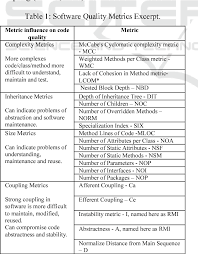
software development metrics

Unlocking Success: Maximizing Efficiency with Software Development Metrics

Article: Software Development Metrics

Understanding the Importance of Software Development Metrics

Software development metrics play a crucial role in assessing the efficiency and effectiveness of a development team. By tracking and analyzing various metrics throughout the software development lifecycle, teams can identify areas for improvement, make informed decisions, and optimize their processes for better outcomes.

Key Software Development Metrics to Consider

**Code Churn**: This metric measures the rate at which code is being added, modified, or deleted in a project. High code churn may indicate instability or frequent changes in requirements.

**Lead Time**: Lead time refers to the time taken from when a task is started to when it is completed. Monitoring lead time helps teams identify bottlenecks and streamline their workflow.

**Defect Density**: Defect density measures the number of defects identified per unit of code. Tracking this metric helps teams assess code quality and prioritize bug fixes.

**Velocity**: Velocity measures the amount of work completed by a team in a specific timeframe, such as a sprint. It provides insights into team productivity and helps with future planning.

The Benefits of Using Software Development Metrics

By leveraging software development metrics effectively, teams can:

  • Identify inefficiencies in their processes and address them promptly.
  • Maintain visibility into project progress and make data-driven decisions.
  • Predict potential issues before they escalate and take proactive measures to mitigate risks.
  • Demonstrate performance improvements over time and showcase achievements to stakeholders.

Conclusion

In conclusion, software development metrics are valuable tools that enable teams to monitor their performance, optimize their processes, and deliver high-quality software efficiently. By tracking key metrics and analyzing trends over time, development teams can drive continuous improvement and achieve greater success in their projects.


5 Essential Tips for Effectively Using Software Development Metrics

  1. Define clear goals and objectives for choosing software development metrics.
  2. Select metrics that are relevant to the specific project or team to ensure they provide valuable insights.
  3. Regularly review and analyze the chosen metrics to track progress and identify areas for improvement.
  4. Avoid focusing solely on quantitative metrics; consider qualitative aspects for a more comprehensive evaluation.
  5. Communicate the significance of the selected metrics to all team members to foster understanding and alignment.

Define clear goals and objectives for choosing software development metrics.

When selecting software development metrics, it is essential to establish clear goals and objectives. Defining specific outcomes that the team aims to achieve through the use of metrics helps ensure that the chosen metrics align with the overarching objectives of the project. Clear goals provide a framework for selecting relevant metrics that will provide meaningful insights into the team’s performance and progress towards meeting project milestones. By setting clear goals and objectives upfront, teams can effectively track their success and make informed decisions based on the data derived from software development metrics.

Select metrics that are relevant to the specific project or team to ensure they provide valuable insights.

When it comes to software development metrics, it is essential to select metrics that are tailored to the specific project or team. By choosing metrics that are relevant and aligned with the goals and objectives of the project, teams can ensure that they provide valuable insights into performance and progress. This approach enables teams to focus on measuring aspects that truly matter in their context, leading to more meaningful analysis and informed decision-making throughout the software development lifecycle.

Regularly review and analyze the chosen metrics to track progress and identify areas for improvement.

Regularly reviewing and analyzing the selected software development metrics is essential for effectively tracking progress and pinpointing areas that require improvement. By consistently monitoring these metrics, development teams can gain valuable insights into their performance, identify trends, and make data-driven decisions to enhance their processes. This ongoing evaluation allows teams to adapt quickly to changing circumstances, optimize their workflow, and ultimately achieve better outcomes in their software development projects.

Avoid focusing solely on quantitative metrics; consider qualitative aspects for a more comprehensive evaluation.

When utilizing software development metrics, it is essential to avoid solely concentrating on quantitative data. While quantitative metrics offer valuable insights into productivity and performance, considering qualitative aspects is equally crucial for a comprehensive evaluation. Qualitative metrics such as user satisfaction, team morale, and code maintainability provide a deeper understanding of the overall quality and effectiveness of the development process. By incorporating both quantitative and qualitative metrics, teams can gain a more holistic view of their software development efforts and make well-informed decisions to drive continuous improvement.

Communicate the significance of the selected metrics to all team members to foster understanding and alignment.

Effective communication of the selected software development metrics to all team members is crucial to foster understanding and alignment within the team. By clearly explaining the significance of these metrics, team members can better grasp their importance in assessing performance and guiding decision-making. This shared understanding ensures that everyone is on the same page regarding goals, progress, and areas for improvement, ultimately leading to a more cohesive and collaborative development process.

business software development

Unlocking Business Potential Through Custom Software Development

The Importance of Business Software Development

The Importance of Business Software Development

In today’s digital age, businesses rely heavily on software to streamline operations, enhance productivity, and stay competitive in the market. Business software development plays a crucial role in creating custom solutions that meet the specific needs of organizations across various industries.

Efficiency and Productivity

Custom business software is designed to automate repetitive tasks, improve workflow processes, and eliminate manual errors. By developing tailored software solutions, businesses can boost efficiency and productivity within their operations.

Competitive Advantage

Business software development allows companies to differentiate themselves from competitors by creating unique tools and applications that cater to their specific requirements. Custom software can provide a competitive edge by enhancing customer experiences, optimizing internal processes, and enabling faster decision-making.

Scalability and Flexibility

Off-the-shelf software may not always align perfectly with a business’s evolving needs. Custom software development offers scalability and flexibility to adapt to changing requirements as the business grows. This ensures that the software remains relevant and continues to support the organization’s objectives over time.

Data Security and Compliance

Business software development enables companies to implement robust security measures tailored to their data protection needs. Custom applications can integrate advanced security features to safeguard sensitive information and ensure compliance with industry regulations.

Cost-Efficiency

While custom software development may require an initial investment, it can result in long-term cost savings by eliminating licensing fees for unnecessary features and reducing reliance on multiple third-party applications. Tailored solutions are designed to optimize resources and deliver a higher return on investment over time.

Conclusion

Business software development is essential for modern enterprises looking to enhance efficiency, achieve a competitive advantage, ensure scalability, prioritize data security, and optimize costs. By investing in custom software solutions tailored to their unique needs, businesses can drive innovation, improve operational performance, and position themselves for long-term success in an increasingly digital world.


9 Essential Tips for Successful Business Software Development

  1. Understand the business requirements thoroughly before starting development.
  2. Follow best practices and coding standards to ensure code quality and maintainability.
  3. Regularly communicate with stakeholders to gather feedback and make necessary adjustments.
  4. Implement robust security measures to protect sensitive business data.
  5. Utilize version control systems to track changes and collaborate effectively with team members.
  6. Write clear documentation for the software to aid in future maintenance and troubleshooting.
  7. Prioritize testing at every stage of development to identify and fix issues early on.
  8. Consider scalability from the beginning to accommodate future growth of the business.
  9. Stay updated with latest technologies and trends in business software development.

Understand the business requirements thoroughly before starting development.

Understanding the business requirements thoroughly before embarking on software development is a crucial step in ensuring the success of the project. By gaining a comprehensive understanding of the organization’s needs, goals, and challenges, developers can tailor solutions that address specific pain points and deliver tangible value. This initial phase of requirement analysis sets the foundation for a successful development process, guiding decision-making and ensuring that the final product aligns with the business objectives. Clear communication and collaboration between stakeholders and development teams during this stage are essential to create software that not only meets but exceeds expectations.

Follow best practices and coding standards to ensure code quality and maintainability.

Following best practices and adhering to coding standards are essential aspects of business software development. By implementing these guidelines, developers can ensure code quality and maintainability throughout the software development lifecycle. Consistent coding practices not only enhance the readability and scalability of the code but also facilitate collaboration among team members. Adhering to industry-standard coding conventions helps reduce errors, improve efficiency, and streamline the debugging process, ultimately leading to a more robust and sustainable software solution.

Regularly communicate with stakeholders to gather feedback and make necessary adjustments.

Regular communication with stakeholders is a crucial tip in business software development. By actively engaging with stakeholders throughout the development process, businesses can gather valuable feedback on the software’s usability, functionality, and alignment with their needs. This feedback loop enables developers to make necessary adjustments promptly, ensuring that the final product meets stakeholder expectations and contributes effectively to the organization’s objectives. Effective communication fosters collaboration, transparency, and ultimately leads to the successful delivery of tailored software solutions that drive business growth and innovation.

Implement robust security measures to protect sensitive business data.

Implementing robust security measures is paramount in business software development to safeguard sensitive business data from potential threats and breaches. By incorporating advanced security protocols and encryption techniques, organizations can create a secure environment that ensures the confidentiality, integrity, and availability of critical information. Prioritizing data security not only protects the company’s reputation and customer trust but also helps maintain compliance with industry regulations. Proactive measures in security implementation are essential for mitigating risks and maintaining a strong defense against cyberattacks in today’s digital landscape.

Utilize version control systems to track changes and collaborate effectively with team members.

Utilizing version control systems in business software development is crucial for tracking changes and collaborating effectively with team members. By implementing a version control system, developers can maintain a history of modifications, easily revert to previous versions if needed, and ensure seamless collaboration across the team. This practice not only enhances transparency and accountability but also promotes efficiency in managing code changes and integrating new features, ultimately leading to smoother development processes and higher-quality software products.

Write clear documentation for the software to aid in future maintenance and troubleshooting.

Clear documentation for business software development is crucial for ensuring smooth future maintenance and effective troubleshooting. Well-written documentation serves as a valuable resource for developers, IT teams, and stakeholders, providing insights into the software’s architecture, functionality, and best practices. By documenting key aspects of the software, such as code structure, APIs, configuration settings, and known issues, organizations can streamline the onboarding process for new team members, facilitate timely updates and enhancements, and minimize downtime during troubleshooting scenarios. Investing time in creating clear documentation not only promotes better collaboration and knowledge sharing but also contributes to the long-term sustainability and success of the software solution.

Prioritize testing at every stage of development to identify and fix issues early on.

Prioritizing testing at every stage of business software development is crucial to ensure the identification and resolution of issues early in the process. By conducting thorough testing throughout the development lifecycle, developers can detect potential problems before they escalate, leading to more efficient and cost-effective solutions. Early detection and resolution of issues not only improve the quality of the software but also contribute to a smoother development process, ultimately resulting in a more reliable and user-friendly end product.

Consider scalability from the beginning to accommodate future growth of the business.

When embarking on business software development, it is crucial to consider scalability right from the start to accommodate the future growth of the business. By designing software with scalability in mind, companies can ensure that their applications can expand seamlessly as their operations grow. This proactive approach not only prevents the need for costly redevelopments down the line but also enables businesses to adapt quickly to changing demands and scale their software infrastructure efficiently. Prioritizing scalability from the outset sets a strong foundation for sustainable growth and long-term success in a dynamic business environment.

To stay competitive and ensure the success of your business software development projects, it is crucial to stay updated with the latest technologies and trends in the industry. By keeping abreast of advancements in business software development, you can leverage new tools, methodologies, and best practices to enhance the efficiency, scalability, and security of your software solutions. Continuous learning and adaptation to emerging trends will not only help you deliver innovative products but also maintain a competitive edge in the ever-evolving business landscape.

software product development services

Enhancing Business Success with Expert Software Product Development Services

Software Product Development Services

The Importance of Software Product Development Services

In today’s digital age, software plays a crucial role in the success of businesses across various industries. Whether it’s developing a custom application to streamline internal processes or creating a customer-facing software product, having the right software development services is essential.

What Are Software Product Development Services?

Software product development services encompass the entire process of creating and maintaining software products. This includes:

  • Requirement Analysis: Understanding the client’s needs and defining the scope of the project.
  • Design: Creating a user-friendly interface and defining the architecture of the software.
  • Development: Writing code, testing functionality, and ensuring the software meets quality standards.
  • Deployment: Implementing the software in the client’s environment and providing support during launch.
  • Maintenance: Updating and enhancing the software to keep it relevant and secure over time.

The Benefits of Software Product Development Services

Partnering with a reputable software development service provider offers numerous benefits, including:

  • Customization: Tailoring the software to meet specific business requirements.
  • Expertise: Accessing a team of skilled developers with experience in various technologies.
  • Efficiency: Streamlining processes and improving productivity through automation.
  • Innovation: Incorporating cutting-edge features to stay ahead of competitors.
  • Support: Receiving ongoing maintenance and technical assistance to ensure optimal performance.

Selecting the Right Software Product Development Partner

When choosing a software product development partner, consider factors such as their industry experience, portfolio of past projects, technology expertise, and communication approach. A reliable partner will collaborate closely with you to understand your goals and deliver a tailored solution that aligns with your business objectives.


Top 9 FAQs About Software Product Development Services

  1. What is software product development?
  2. Why is software product development important for businesses?
  3. What are the key stages of software product development?
  4. How long does it take to develop a software product?
  5. What factors influence the cost of software product development services?
  6. How do you ensure the security and quality of a software product?
  7. Can you provide examples of successful software products developed by your team?
  8. Do you offer post-launch support and maintenance for the software products you develop?
  9. How do you stay updated with the latest technologies and trends in software development?

What is software product development?

Software product development refers to the process of creating software applications or products from concept to deployment. It involves analyzing user requirements, designing the software architecture, coding, testing, and ensuring the final product meets quality standards. Software product development services encompass a range of activities aimed at delivering functional and user-friendly software solutions that address specific business needs. This iterative process involves collaboration between developers, designers, and stakeholders to create innovative and customized software products that drive efficiency and productivity for businesses across various industries.

Why is software product development important for businesses?

Software product development is crucial for businesses as it enables them to create customized solutions that address specific needs and challenges. By investing in software product development services, businesses can streamline their operations, enhance efficiency, and improve overall productivity. Additionally, custom software products can provide a competitive edge by offering unique features or functionalities that differentiate a business from its competitors. Furthermore, software product development allows businesses to adapt to changing market demands and stay ahead of the curve in an increasingly digital landscape. Ultimately, leveraging software product development services empowers businesses to innovate, grow, and succeed in today’s dynamic business environment.

What are the key stages of software product development?

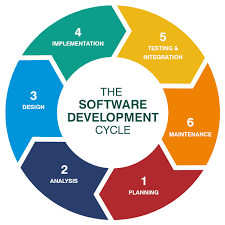
In software product development, the key stages typically include requirement analysis, design, development, deployment, and maintenance. During the requirement analysis stage, the client’s needs are carefully evaluated and the scope of the project is defined. The design phase focuses on creating a user-friendly interface and establishing the software’s architecture. Development involves writing code, testing functionality, and ensuring quality standards are met. Deployment includes implementing the software in the client’s environment and providing support during launch. Lastly, maintenance involves updating and enhancing the software to keep it relevant and secure over time. These stages are crucial in ensuring a successful software product development process from start to finish.

How long does it take to develop a software product?

The timeline for developing a software product can vary significantly depending on various factors such as the complexity of the project, the scope of features, the size of the development team, and the level of customization required. Generally, a simple software product with basic functionalities may take a few weeks to a couple of months to develop, while more complex projects with advanced features could take several months to a year or more. It’s important for businesses to work closely with their software development partner to define clear requirements and timelines to ensure a successful and timely delivery of the software product.

What factors influence the cost of software product development services?

When considering the cost of software product development services, several factors come into play. The complexity of the project, the desired features and functionalities, the technology stack used, the level of customization required, and the size of the development team all influence the overall cost. Additionally, factors such as project timeline, scalability needs, integration with existing systems, and ongoing maintenance and support can also impact pricing. It is essential for businesses to carefully assess these factors and work closely with their software development partner to create a budget that aligns with their goals and expectations.

How do you ensure the security and quality of a software product?

Ensuring the security and quality of a software product is a top priority in software product development services. To achieve this, rigorous testing procedures are implemented throughout the development lifecycle. This includes conducting thorough code reviews, performing vulnerability assessments, and adhering to industry best practices for secure coding. Additionally, regular updates and patches are applied to address any identified security vulnerabilities. Quality assurance measures such as testing for functionality, usability, and performance are also integral to guaranteeing a high-quality software product that meets user expectations and industry standards. By following robust security protocols and maintaining a focus on quality assurance, software product development services can deliver reliable and secure solutions to their clients.

Can you provide examples of successful software products developed by your team?

When inquiring about software product development services, a common question that arises is, “Can you provide examples of successful software products developed by your team?” This question is crucial as it allows potential clients to assess the track record and expertise of the service provider. By showcasing past successful projects, software development teams can demonstrate their capabilities, innovation, and ability to deliver high-quality solutions. Providing concrete examples of software products developed highlights the team’s experience, technical skills, and commitment to client satisfaction, ultimately instilling confidence in their potential clients.

Do you offer post-launch support and maintenance for the software products you develop?

Ensuring the longevity and optimal performance of the software products we develop is a top priority at our company. We understand the importance of post-launch support and maintenance in sustaining the functionality and security of your software. Our dedicated team is committed to providing ongoing assistance, updates, and enhancements to address any issues that may arise after the launch. With our comprehensive post-launch support services, you can have peace of mind knowing that your software will continue to meet your evolving needs and remain reliable in the long run.

Staying updated with the latest technologies and trends in software development is crucial for our team at CFChris. We prioritize continuous learning and professional development by regularly attending industry conferences, workshops, and online courses. Additionally, we actively engage with tech communities, follow reputable blogs and publications, and participate in discussions on platforms like GitHub and Stack Overflow. By staying informed about emerging technologies and best practices, we ensure that our software product development services remain innovative, efficient, and aligned with the ever-evolving landscape of technology.

dedicated software development team

Maximizing Efficiency with a Dedicated Software Development Team

The Benefits of Having a Dedicated Software Development Team

The Benefits of Having a Dedicated Software Development Team

In today’s fast-paced digital world, having a dedicated software development team can be a game-changer for businesses looking to stay ahead of the competition. A dedicated team of skilled professionals can bring numerous benefits to your organization, from increased efficiency to faster time-to-market for your products and services.

Expertise and Specialization

One of the key advantages of having a dedicated software development team is the expertise and specialization they bring to the table. These professionals are well-versed in the latest technologies, programming languages, and best practices in software development. Their specialized knowledge allows them to tackle complex projects with efficiency and precision.

Improved Efficiency

By having a dedicated team solely focused on software development, you can significantly improve the efficiency of your projects. These professionals work together seamlessly, communicate effectively, and are aligned towards achieving common goals. This streamlined approach leads to faster project delivery and better outcomes for your business.

Flexibility and Scalability

A dedicated software development team offers flexibility and scalability that traditional project-based teams may not provide. You can easily scale up or down the team size based on project requirements without the hassle of hiring or training new resources. This adaptability ensures that your organization can respond quickly to changing market demands.

Continuous Support and Maintenance

After the initial development phase, a dedicated software development team can provide ongoing support and maintenance for your applications. They are familiar with the codebase and can quickly address any issues that arise post-launch. This proactive approach ensures that your software remains up-to-date, secure, and optimized for performance.

Collaborative Partnership

Working with a dedicated software development team fosters a collaborative partnership between your business and the technical experts. This close collaboration enables better alignment of technology solutions with your business objectives, leading to innovative products that meet customer needs effectively.


7 Essential Tips for Managing a Dedicated Software Development Team

  1. Clearly define project goals and requirements.
  2. Ensure effective communication within the team.
  3. Establish a strong team culture and work ethic.
  4. Provide necessary resources and support for the team.
  5. Encourage collaboration and knowledge sharing among team members.
  6. Regularly review progress and adapt to changes as needed.
  7. Recognize and reward team members for their contributions.

Clearly define project goals and requirements.

To ensure the success of a dedicated software development team, it is crucial to clearly define project goals and requirements from the outset. By establishing a detailed roadmap that outlines the objectives, scope, and deliverables of the project, team members can align their efforts and work towards a common vision. Clear project goals and requirements serve as a guiding light throughout the development process, helping to minimize misunderstandings, enhance communication, and ultimately lead to the successful delivery of high-quality software solutions that meet client expectations.

Ensure effective communication within the team.

Effective communication within a dedicated software development team is crucial for the success of any project. Clear and open communication ensures that team members are aligned on project goals, timelines, and expectations. It promotes collaboration, problem-solving, and knowledge sharing among team members, leading to more efficient workflows and better outcomes. By fostering a culture of effective communication, a dedicated software development team can overcome challenges more effectively and deliver high-quality solutions that meet client needs.

Establish a strong team culture and work ethic.

Establishing a strong team culture and work ethic is crucial when building a dedicated software development team. A cohesive team culture fosters collaboration, communication, and mutual respect among team members, leading to higher productivity and better outcomes. By defining clear values, goals, and expectations, team members can align their efforts towards a common purpose. Encouraging a positive work ethic promotes accountability, professionalism, and a shared commitment to delivering quality results. Ultimately, a strong team culture and work ethic create a supportive environment where individuals can thrive and contribute their best to the success of the software development projects.

Provide necessary resources and support for the team.

To ensure the success of a dedicated software development team, it is crucial to provide the necessary resources and support for their work. This includes access to cutting-edge tools and technologies, adequate training opportunities to enhance their skills, and a supportive work environment that fosters collaboration and innovation. By investing in the team’s growth and well-being, businesses can empower their developers to deliver high-quality solutions efficiently and effectively.

Encourage collaboration and knowledge sharing among team members.

Encouraging collaboration and knowledge sharing among team members is crucial for the success of a dedicated software development team. By fostering an environment where team members freely exchange ideas, insights, and expertise, you can enhance creativity, problem-solving abilities, and overall team performance. Collaborative efforts not only lead to innovative solutions but also promote a culture of continuous learning and growth within the team. Sharing knowledge helps team members leverage each other’s strengths and experiences, leading to more efficient project delivery and higher quality outcomes.

Regularly review progress and adapt to changes as needed.

Regularly reviewing progress and adapting to changes as needed is a crucial tip when working with a dedicated software development team. By consistently monitoring the project’s advancement, identifying potential roadblocks, and adjusting strategies accordingly, you ensure that the team stays on track towards meeting project goals efficiently. Embracing flexibility and being open to change allows for agile responses to evolving requirements, ultimately leading to successful outcomes in software development projects.

Recognize and reward team members for their contributions.

Recognizing and rewarding team members for their contributions is crucial in maintaining a motivated and engaged dedicated software development team. By acknowledging the hard work and achievements of individual team members, you not only boost their morale but also foster a positive team culture. Rewards can come in various forms, such as bonuses, promotions, or even simple gestures of appreciation. This practice not only encourages continued excellence but also strengthens the bond within the team, leading to increased productivity and overall success in software development projects.

custom software company

Empowering Your Business with a Leading Custom Software Company

Article: Custom Software Company

The Power of Custom Software Solutions

In today’s fast-paced business environment, off-the-shelf software may not always meet the unique needs of every organization. This is where custom software companies play a crucial role in providing tailored solutions that align perfectly with the specific requirements of a business.

A custom software company specializes in developing personalized applications and programs that address the distinct challenges and goals of their clients. These solutions are designed from scratch, taking into account factors such as workflow processes, industry regulations, scalability, and security.

Benefits of Choosing a Custom Software Company:

  • Enhanced Efficiency: Custom software is built to streamline operations and automate tasks, leading to increased productivity and efficiency.
  • Scalability: Tailored solutions can easily adapt to the evolving needs of a business, allowing for seamless growth without major disruptions.
  • Competitive Advantage: Custom software can provide a competitive edge by offering unique features and functionalities that set the business apart from competitors.
  • Bespoke User Experience: Personalized software ensures a user-friendly interface that matches the preferences and workflows of employees, enhancing user satisfaction.
  • Data Security: Custom solutions can integrate robust security measures to protect sensitive data and mitigate cybersecurity risks effectively.

Collaborating with a custom software company involves close communication between the client and development team to ensure that the final product meets all requirements. The development process typically includes thorough analysis, design, implementation, testing, and ongoing support to guarantee optimal performance and functionality.

Whether it’s creating a customer relationship management (CRM) system, an inventory management tool, or a specialized analytics platform, custom software companies offer tailored solutions that empower businesses to achieve their objectives efficiently and effectively.


Top 5 FAQs About Custom Software Companies: Benefits, Costs, and Integration

  1. 1. What is a custom software company?
  2. 2. How can a custom software company benefit my business?
  3. 3. What is the process of developing custom software with a company?
  4. 4. How much does it cost to create custom software with a company?
  5. 5. Can a custom software company integrate with existing systems in my business?

1. What is a custom software company?

A custom software company is a specialized firm that focuses on creating personalized software solutions to meet the unique needs and requirements of individual businesses. These companies work closely with clients to develop tailor-made applications, programs, and systems that address specific challenges and goals. Unlike off-the-shelf software, custom software is designed from scratch, taking into consideration factors such as workflow processes, industry regulations, scalability, and security. By collaborating with a custom software company, organizations can benefit from highly customized solutions that enhance efficiency, provide a competitive advantage, and deliver a bespoke user experience tailored to their exact specifications.

2. How can a custom software company benefit my business?

A custom software company can benefit your business in numerous ways. By developing tailored solutions that specifically address your unique requirements, a custom software company can enhance the efficiency of your operations, streamline workflows, and automate tasks. These customized applications are designed to scale with your business, providing flexibility for future growth. Additionally, custom software can give your business a competitive advantage by offering unique features and functionalities that set you apart from competitors. With personalized user experiences and robust security measures, custom software solutions can optimize performance and ensure data protection, ultimately driving success for your business.

3. What is the process of developing custom software with a company?

When engaging with a custom software company, the process of developing tailored software typically involves several key stages. Initially, there is a comprehensive consultation phase where the client’s requirements, objectives, and constraints are thoroughly discussed and analyzed. Following this, the development team creates a detailed project plan outlining the scope, timeline, and resources needed for the project. Design and development phases ensue, where the software is built according to the specifications agreed upon. Rigorous testing is then conducted to ensure functionality, performance, and security meet high standards. Finally, deployment and ongoing support are provided to guarantee a smooth transition to using the custom software seamlessly. Throughout this process, clear communication between the client and the development team is maintained to ensure alignment with expectations and successful delivery of a bespoke solution.

4. How much does it cost to create custom software with a company?

One of the most frequently asked questions when considering custom software development with a company is, “How much does it cost to create custom software?” The cost of developing custom software can vary significantly depending on various factors such as the complexity of the project, the features and functionalities required, the technology stack used, the level of customization needed, and the size of the development team involved. Custom software companies typically provide tailored quotes based on a detailed assessment of the client’s specific needs and project requirements to ensure transparency and alignment with budget expectations.

5. Can a custom software company integrate with existing systems in my business?

One common question that arises when considering a custom software company is whether they can seamlessly integrate with existing systems in a business. A reputable custom software company understands the importance of compatibility and interoperability with a client’s current infrastructure. Through thorough analysis and strategic planning, a custom software company can develop solutions that integrate smoothly with existing systems, ensuring a cohesive and efficient workflow. By leveraging their expertise and experience, custom software companies can tailor solutions that not only meet specific business requirements but also align seamlessly with the technology ecosystem already in place.

software development and consulting

Empowering Businesses Through Expert Software Development and Consulting Services

Software Development and Consulting: A Comprehensive Guide

Software Development and Consulting: A Comprehensive Guide

In today’s digital age, software development and consulting play a crucial role in helping businesses navigate the complex world of technology. Whether you are looking to build a custom software solution or need expert advice on optimizing your IT infrastructure, software development and consulting services can provide you with the necessary expertise and support.

The Importance of Software Development

Software development is the process of designing, coding, testing, and maintaining software applications. It is essential for businesses looking to automate processes, enhance productivity, and stay ahead of the competition. Custom software solutions can be tailored to meet specific business needs, providing a competitive edge in today’s fast-paced market.

The Role of Consulting in Software Development

Consulting services complement software development by offering expert guidance on technology strategy, project management, and implementation best practices. Consultants work closely with clients to understand their goals and challenges, providing recommendations for optimizing existing systems or developing new solutions.

Benefits of Software Development and Consulting Services

  • Custom Solutions: Software development allows businesses to create tailored solutions that address their unique requirements.
  • Expert Guidance: Consulting services provide access to industry experts who can offer valuable insights and recommendations.
  • Increased Efficiency: Well-designed software solutions can streamline processes and improve overall efficiency within an organization.
  • Scalability: Custom software solutions can be easily scaled to accommodate business growth and changing needs.
  • Competitive Advantage: By leveraging cutting-edge technologies, businesses can gain a competitive edge in their industry.

Conclusion

In conclusion, software development and consulting services are essential for businesses looking to thrive in the digital landscape. By investing in custom software solutions and expert guidance, organizations can optimize their operations, drive innovation, and achieve long-term success. Whether you are a startup or an established enterprise, partnering with experienced professionals in software development and consulting can help you unlock your full potential in today’s technology-driven world.


Comparing Careers: Software Developer vs. Consultant – Roles, Transitions, and Salaries

  1. Which is better software developer or consultant?
  2. What does a software development consultant do?
  3. Can a software engineer get into consulting?
  4. What is the salary of consultant vs developer?

Which is better software developer or consultant?

When considering whether to pursue a career as a software developer or a consultant in the field of software development, it ultimately depends on individual preferences and career goals. As a software developer, one focuses on designing and building software applications, diving deep into coding and technical aspects. On the other hand, a consultant in software development provides strategic guidance, project management expertise, and solutions to clients’ technology challenges. Both roles have their unique advantages and require different skill sets. Software developers enjoy the creativity of coding and building tangible products, while consultants thrive on problem-solving, client interaction, and strategic planning. Ultimately, the choice between being a software developer or consultant boils down to personal interests, strengths, and career aspirations.

What does a software development consultant do?

A software development consultant plays a pivotal role in providing expert guidance and support to businesses seeking to enhance their software solutions. These professionals are adept at analyzing existing systems, identifying inefficiencies, and recommending tailored strategies to improve overall performance. From advising on technology stack selection and project planning to offering insights on best practices and industry trends, a software development consultant serves as a valuable partner in helping organizations achieve their software development goals efficiently and effectively. Their expertise lies in bridging the gap between business requirements and technical solutions, ensuring that each project is aligned with the client’s objectives and delivers optimal results.

Can a software engineer get into consulting?

Many software engineers often wonder if they can transition into consulting roles within the tech industry. The answer is yes! Software engineers possess valuable technical skills and problem-solving abilities that are highly sought after in consulting. By leveraging their expertise in software development, engineers can offer strategic guidance, project management support, and technical insights to clients seeking to optimize their IT infrastructure. Transitioning from a software engineering role to a consulting position can open up new opportunities for professional growth and allow individuals to apply their technical knowledge in a broader business context.

What is the salary of consultant vs developer?

When comparing the salaries of consultants versus developers in the field of software development and consulting, it is important to consider several factors. Consultants, who often possess specialized knowledge and expertise in various technologies and industries, tend to command higher salaries due to their strategic advisory role and ability to provide valuable insights to clients. On the other hand, developers, who focus on designing and coding software solutions, may have more standardized salary ranges based on their level of experience and technical skills. Ultimately, the salary difference between a consultant and a developer can vary depending on factors such as location, company size, project complexity, and individual qualifications.

software development consulting

Maximizing Success Through Expert Software Development Consulting

Software Development Consulting

The Importance of Software Development Consulting

Software development consulting plays a crucial role in helping businesses navigate the complex world of technology. Whether you are a startup looking to build a new application or an established company seeking to modernize your existing software systems, consulting services can provide invaluable expertise and guidance.

Benefits of Software Development Consulting

**Expertise**: Software development consultants are experts in their field with extensive knowledge of programming languages, development methodologies, and industry best practices. They can offer insights and recommendations that help you make informed decisions about your software projects.

**Efficiency**: By leveraging the experience of software development consultants, you can streamline your development process and avoid common pitfalls that may lead to delays or cost overruns. Consultants can help you set realistic goals, establish timelines, and optimize workflows for maximum efficiency.

**Innovation**: Consultants bring fresh perspectives and innovative ideas to the table. They can introduce you to new technologies, tools, and approaches that may enhance the functionality and performance of your software solutions.

How Software Development Consulting Works

When you engage a software development consultant, the process typically involves:

  • Initial assessment: Consultants will assess your current software infrastructure, understand your business goals, and identify areas for improvement.
  • Planning: Together with your team, consultants will create a customized development plan that outlines project scope, deliverables, timelines, and resources required.
  • Implementation: Consultants will work closely with your developers to execute the plan, provide guidance on coding standards, architecture design, testing procedures, and more.
  • Evaluation: After implementation, consultants will evaluate the success of the project based on predefined metrics and make recommendations for further enhancements or optimizations.

Choosing the Right Software Development Consultant

When selecting a software development consultant for your project, consider the following factors:

  • Experience: Look for consultants with a proven track record of successful projects in your industry.
  • Communication: Ensure that consultants have excellent communication skills and can effectively collaborate with your internal teams.
  • Cultural fit: Choose consultants who align with your company culture and values to foster a productive working relationship.

In Conclusion

Software development consulting is an investment in the future success of your business. By partnering with experienced consultants, you can unlock new opportunities for growth, innovation, and efficiency in your software projects. Take advantage of their expertise to stay ahead in today’s competitive digital landscape.


6 Essential Tips for Successful Software Development Consulting

  1. Understand the client’s needs and requirements clearly.
  2. Communicate effectively with the client throughout the project.
  3. Provide regular updates on the progress of the development.
  4. Ensure that the software meets quality standards and is well-tested.
  5. Offer training and support to the client for using the software.
  6. Maintain a good relationship with the client for future collaborations.

Understand the client’s needs and requirements clearly.

Understanding the client’s needs and requirements clearly is a fundamental tip in software development consulting. By taking the time to thoroughly grasp what the client wants to achieve with their software project, consultants can tailor their solutions to meet those specific goals. Clear communication and active listening are key in this process, ensuring that all parties are on the same page and working towards a common objective. This approach not only helps in delivering a successful software solution but also fosters trust and collaboration between the consultant and the client.

Communicate effectively with the client throughout the project.

Effective communication with the client throughout a software development consulting project is essential for success. By maintaining open and transparent communication channels, consultants can ensure that the client’s requirements are clearly understood, expectations are managed, and any issues or changes are addressed promptly. Regular updates, progress reports, and feedback sessions help build trust and collaboration between the consulting team and the client, leading to a smoother project delivery and ultimately a more satisfied client.

Provide regular updates on the progress of the development.

It is essential to provide regular updates on the progress of software development projects during consulting engagements. Keeping stakeholders informed about the status of the development helps maintain transparency, manage expectations, and identify any potential issues early on. Regular updates also foster collaboration and ensure that all parties involved are aligned with the project goals and timelines. By communicating consistently throughout the development process, software development consultants can build trust with their clients and demonstrate their commitment to delivering successful outcomes.

Ensure that the software meets quality standards and is well-tested.

To ensure the success of your software development consulting project, it is crucial to prioritize quality standards and thorough testing. By ensuring that the software meets established quality benchmarks and undergoes rigorous testing processes, you can identify and address potential issues early on, leading to a more reliable and efficient final product. Quality assurance measures not only enhance the user experience but also instill confidence in the software’s performance and functionality, ultimately contributing to the overall success of the project.

Offer training and support to the client for using the software.

One essential tip in software development consulting is to provide training and ongoing support to the client for effectively using the software. By offering comprehensive training sessions and accessible support resources, clients can better understand the functionalities of the software, maximize its potential, and address any issues that may arise. This proactive approach not only enhances user experience but also builds trust and long-term relationships with clients, ensuring their continued satisfaction with the software solution.

Maintain a good relationship with the client for future collaborations.

Maintaining a good relationship with the client is a crucial tip in software development consulting as it paves the way for future collaborations and long-term success. By fostering open communication, understanding the client’s needs, and delivering high-quality solutions, consultants can build trust and credibility. A strong client relationship not only enhances the current project but also opens doors for potential future engagements, referrals, and partnerships. Investing in building a positive rapport with clients can lead to mutually beneficial outcomes and sustained business growth in the dynamic field of software development consulting.

custom application development

Unlocking Business Potential with Custom Application Development

Custom Application Development

The Power of Custom Application Development

In today’s fast-paced digital world, businesses are constantly seeking ways to stay ahead of the competition. Custom application development has emerged as a powerful tool for companies looking to streamline processes, enhance productivity, and deliver unique user experiences.

Benefits of Custom Applications

Custom applications are tailored to meet the specific needs of a business. Unlike off-the-shelf solutions, custom applications are designed from the ground up to align with the company’s goals and requirements. This customization offers several key benefits:

  • Enhanced Efficiency: Custom applications are built to automate tasks and workflows, reducing manual effort and improving operational efficiency.
  • Scalability: Custom applications can easily scale with your business as it grows, ensuring that your software remains relevant and effective.
  • Competitive Advantage: By developing unique software solutions, businesses can differentiate themselves in the market and gain a competitive edge.
  • Bespoke User Experience: Custom applications can be designed with the end-user in mind, providing a seamless and intuitive experience that boosts user satisfaction.
  • Data Security: With custom applications, businesses have greater control over data security measures, reducing the risk of breaches and ensuring compliance with industry regulations.

The Development Process

The process of custom application development typically involves several stages, including:

  1. Requirements Gathering: Understanding the business needs and objectives that the application will address.
  2. Design: Creating wireframes and mockups to visualize the application’s layout and features.
  3. Development: Writing code to build the application according to the design specifications.
  4. Testing: Conducting thorough testing to identify and fix any bugs or issues before deployment.
  5. Deployment: Rolling out the application for users to access and interact with.

In Conclusion

Custom application development offers businesses a tailored approach to software solutions that can drive growth, improve efficiency, and enhance competitiveness. By investing in custom applications, companies can unlock new opportunities for innovation and success in today’s digital landscape.


9 Essential Tips for Successful Custom Application Development

  1. Clearly define the project requirements before starting development.
  2. Use a version control system to track changes and collaborate with team members.
  3. Follow coding best practices and maintain clean, well-documented code.
  4. Regularly test the application for bugs and performance issues throughout the development process.
  5. Consider scalability and future expansion when designing the application architecture.
  6. Prioritize security measures to protect user data and prevent vulnerabilities.
  7. Incorporate user feedback during development to ensure the application meets their needs.
  8. Optimize the application for speed and responsiveness to enhance user experience.
  9. Plan for regular maintenance and updates post-launch to keep the application running smoothly.

Clearly define the project requirements before starting development.

It is crucial to clearly define the project requirements before embarking on custom application development. By establishing a comprehensive understanding of the business needs, goals, and desired functionalities at the outset, developers can ensure that the final product aligns perfectly with the client’s expectations. This initial step sets a solid foundation for the development process, helping to streamline workflow, minimize revisions, and ultimately deliver a custom application that meets all specifications effectively and efficiently.

Use a version control system to track changes and collaborate with team members.

Utilizing a version control system is a crucial tip in custom application development. By implementing a version control system, developers can effectively track changes made to the codebase, maintain a history of revisions, and collaborate seamlessly with team members. This practice not only ensures better organization and documentation of the development process but also facilitates teamwork by enabling multiple developers to work on the same codebase concurrently without the risk of conflicts. Overall, incorporating a version control system enhances efficiency, transparency, and coordination within the development team, leading to smoother project management and higher-quality custom applications.

Follow coding best practices and maintain clean, well-documented code.

Following coding best practices and maintaining clean, well-documented code is essential in custom application development. By adhering to established coding standards and keeping the codebase organized and well-documented, developers can ensure better readability, maintainability, and scalability of the application. Clean code not only makes it easier for team members to collaborate and troubleshoot issues but also reduces the risk of errors and technical debt in the long run. Embracing these practices from the outset of a project can lead to more efficient development processes and higher-quality software solutions.

Regularly test the application for bugs and performance issues throughout the development process.

Regularly testing the application for bugs and performance issues throughout the development process is crucial for ensuring the quality and reliability of the custom software. By conducting thorough and systematic testing at each stage of development, developers can identify and address any issues early on, preventing them from escalating into more significant problems later. This proactive approach not only helps in delivering a robust and error-free application but also enhances user satisfaction by providing a smooth and seamless experience.

Consider scalability and future expansion when designing the application architecture.

When embarking on custom application development, it is crucial to consider scalability and future expansion when designing the application architecture. By anticipating potential growth and changes in user requirements, developers can create a flexible and robust framework that can easily accommodate future needs. Building a scalable architecture ensures that the application can adapt to increasing data volumes, user traffic, and new features without requiring a complete overhaul. This proactive approach not only future-proofs the application but also saves time and resources in the long run by minimizing the need for extensive rework or redevelopment.

Prioritize security measures to protect user data and prevent vulnerabilities.

In custom application development, it is crucial to prioritize security measures to safeguard user data and prevent vulnerabilities. By implementing robust security protocols and staying vigilant against potential threats, businesses can instill trust among users and ensure the confidentiality and integrity of sensitive information. Prioritizing security not only protects the organization from data breaches but also demonstrates a commitment to maintaining a secure and reliable application environment for users.

Incorporate user feedback during development to ensure the application meets their needs.

Incorporating user feedback during the development process of a custom application is crucial to ensuring that the final product meets the specific needs and expectations of its intended users. By actively engaging with users and soliciting their input throughout the development cycle, developers can gain valuable insights that help refine features, enhance usability, and address any pain points early on. This iterative approach not only fosters a deeper understanding of user requirements but also increases the likelihood of delivering a successful and user-centric application that resonates with its target audience.

Optimize the application for speed and responsiveness to enhance user experience.

To ensure a superior user experience, it is crucial to optimize the custom application for speed and responsiveness. By focusing on performance enhancements, such as minimizing loading times and ensuring smooth interactions, users can enjoy a seamless and efficient experience while using the application. Prioritizing speed and responsiveness not only improves user satisfaction but also reflects positively on the overall usability and effectiveness of the custom application.

Plan for regular maintenance and updates post-launch to keep the application running smoothly.

It is crucial to plan for regular maintenance and updates post-launch when developing custom applications. By implementing a structured maintenance schedule, businesses can ensure that their application continues to run smoothly and efficiently over time. Regular updates not only address any potential issues or bugs but also allow for the integration of new features, enhancements, and security patches to keep the application up-to-date and aligned with evolving business needs. This proactive approach to maintenance helps maximize the longevity and performance of the custom application, ultimately contributing to its long-term success.

software engineering company

Empowering Innovation: The Role of a Software Engineering Company in Today’s Digital Landscape

Article: Software Engineering Company

The Role of a Software Engineering Company in Today’s Digital World

In the fast-paced and ever-evolving landscape of technology, software engineering companies play a crucial role in driving innovation and shaping the digital future. These companies are at the forefront of creating cutting-edge software solutions that power businesses, industries, and everyday life.

What Does a Software Engineering Company Do?

A software engineering company specializes in designing, developing, and maintaining software applications tailored to meet specific business needs. From mobile apps to enterprise systems, these companies leverage their expertise in programming languages, frameworks, and technologies to deliver high-quality solutions.

The Importance of Software Engineering Companies

Software engineering companies help organizations streamline their operations, enhance efficiency, and stay competitive in the digital marketplace. By creating custom software solutions that align with business objectives, these companies enable their clients to achieve greater productivity and profitability.

Key Services Offered by Software Engineering Companies

  • Custom Software Development: Tailored solutions designed to address specific business requirements.
  • Mobile App Development: Creating user-friendly and engaging mobile applications for iOS and Android platforms.
  • Web Development: Building responsive websites and web applications that deliver seamless user experiences.
  • Software Testing and Quality Assurance: Ensuring that software products meet high standards of performance and reliability.
  • Technical Support and Maintenance: Providing ongoing support to keep software systems running smoothly.

The Future of Software Engineering Companies

As technology continues to advance rapidly, the demand for innovative software solutions will only grow. Software engineering companies will play a vital role in driving digital transformation across industries such as healthcare, finance, manufacturing, and more. By staying agile, adaptable, and focused on delivering value to their clients, these companies will remain essential partners in shaping the digital future.

In conclusion, software engineering companies are instrumental in harnessing the power of technology to drive progress and innovation. Their expertise and dedication enable businesses to thrive in an increasingly digital world where software plays a central role in shaping our lives.


Top 5 Tips for Enhancing Success in Your Software Engineering Company

  1. Prioritize clear communication among team members.
  2. Invest in continuous learning and skill development for employees.
  3. Follow best practices for code quality and documentation.
  4. Encourage collaboration and teamwork on projects.
  5. Regularly review and improve software development processes.

Prioritize clear communication among team members.

Effective communication is essential for the success of a software engineering company. Prioritizing clear communication among team members fosters collaboration, enhances efficiency, and ensures that everyone is aligned towards common goals. By sharing ideas, updates, and feedback openly and transparently, team members can work together more effectively, resolve issues promptly, and deliver high-quality software solutions that meet client expectations. Clear communication not only improves productivity but also builds a strong foundation for a cohesive and successful team in the dynamic field of software engineering.

Invest in continuous learning and skill development for employees.

Investing in continuous learning and skill development for employees is essential for a software engineering company to stay competitive and innovative in the ever-evolving tech industry. By providing opportunities for ongoing training, workshops, and certifications, employees can enhance their expertise, stay updated on the latest technologies, and contribute fresh ideas to projects. This commitment to professional growth not only benefits individual team members but also strengthens the overall capabilities of the company, enabling it to deliver top-notch solutions that meet the dynamic needs of clients and market trends.

Follow best practices for code quality and documentation.

To ensure the success and sustainability of a software engineering company, it is essential to follow best practices for code quality and documentation. By adhering to established coding standards, conducting thorough code reviews, and documenting code effectively, companies can enhance the maintainability, readability, and scalability of their software solutions. Clear and comprehensive documentation not only facilitates collaboration among team members but also helps in troubleshooting issues and onboarding new developers. Embracing these best practices not only improves the overall quality of the codebase but also contributes to the long-term success of the company in delivering reliable and efficient software products.

Encourage collaboration and teamwork on projects.

Encouraging collaboration and fostering teamwork within a software engineering company is essential for driving innovation and achieving project success. By promoting open communication, sharing knowledge, and leveraging diverse perspectives, team members can work together harmoniously to tackle complex challenges, generate creative solutions, and deliver high-quality software products that meet client needs. Collaboration not only enhances productivity but also cultivates a supportive and inclusive work environment where individuals can learn from one another, grow professionally, and collectively contribute to the company’s overall success.

Regularly review and improve software development processes.

Regularly reviewing and improving software development processes is essential for a software engineering company to stay competitive and deliver high-quality solutions. By conducting regular assessments and identifying areas for enhancement, the company can streamline workflows, increase efficiency, and ensure that best practices are consistently followed. This proactive approach not only leads to better outcomes for projects but also fosters a culture of continuous learning and improvement within the organization. Embracing a mindset of ongoing refinement helps the company adapt to changing technologies and market demands, ultimately driving innovation and success in the ever-evolving field of software engineering.

agile software development with scrum

Mastering Agile Software Development with Scrum: A Guide to Success

Agile Software Development with Scrum

The Power of Agile Software Development with Scrum

Agile software development with Scrum has revolutionized the way teams approach and execute software projects. By embracing the principles of agility and collaboration, organizations can deliver high-quality products efficiently and adapt to changing requirements seamlessly.

Understanding Agile Software Development

Agile software development is a methodology that values flexibility, customer collaboration, and iterative development. It focuses on delivering working software in short iterations, allowing teams to quickly respond to feedback and changes in priorities.

The Role of Scrum in Agile Development

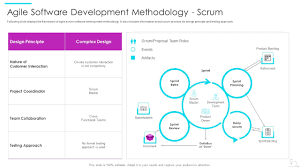
Scrum is a popular framework within the agile methodology that provides structure and guidance to teams. It emphasizes teamwork, accountability, and continuous improvement. In Scrum, work is organized into short iterations called sprints, typically lasting 2-4 weeks.

Key Components of Scrum

  • Sprint Planning: At the beginning of each sprint, the team plans the work to be done and commits to delivering a set of features or user stories.
  • Daily Stand-ups: Daily stand-up meetings keep the team aligned on progress, impediments, and upcoming work.
  • Sprint Review: At the end of each sprint, the team demonstrates completed work to stakeholders for feedback.
  • Retro…

Benefits of Agile Software Development with Scrum

The agile approach offers numerous benefits for software development teams:

  • Rapid Adaptation: Teams can respond quickly to changing requirements and market conditions.
  • Increased Collaboration: Close collaboration between team members fosters creativity and innovation.
  • Early Delivery: Working software is delivered in short increments, providing value to customers sooner.
  • Continuous Improvement: Regular retrospectives allow teams to reflect on their process and make adjustments for better efficiency.

In Conclusion

Agile software development with Scrum empowers teams to deliver high-quality products efficiently while adapting to change. By embracing agility and collaboration, organizations can stay competitive in today’s fast-paced market landscape.


6 Essential Tips for Mastering Agile Software Development with Scrum

  1. Ensure clear communication and collaboration among team members to promote transparency and efficiency.
  2. Prioritize tasks based on business value to deliver working software incrementally and frequently.
  3. Hold regular sprint planning, review, and retrospective meetings to evaluate progress and adapt accordingly.
  4. Empower the Scrum Master to remove impediments and facilitate a self-organizing team environment.
  5. Use visual boards like Kanban or Scrum boards to track progress and keep everyone informed about the project status.
  6. Encourage continuous improvement by fostering a culture of learning, feedback, and adaptation within the team.

Ensure clear communication and collaboration among team members to promote transparency and efficiency.

Ensuring clear communication and fostering collaboration among team members is a crucial tip in agile software development with Scrum. By promoting transparency and efficiency through effective communication, team members can align on project goals, share knowledge, and address any challenges promptly. Transparent communication helps build trust within the team and ensures that everyone is on the same page, leading to smoother workflow and improved productivity throughout the development process.

Prioritize tasks based on business value to deliver working software incrementally and frequently.

In agile software development with Scrum, prioritizing tasks based on business value is crucial for delivering working software incrementally and frequently. By focusing on the most valuable features first, teams can ensure that the product delivers maximum benefit to the business and end-users. This approach allows for early delivery of key functionalities, enabling stakeholders to provide feedback and make informed decisions throughout the development process. Prioritizing tasks based on business value not only accelerates time-to-market but also ensures that resources are allocated efficiently to deliver a product that aligns with the organization’s strategic objectives.

Hold regular sprint planning, review, and retrospective meetings to evaluate progress and adapt accordingly.

Regular sprint planning, review, and retrospective meetings are essential components of agile software development with Scrum. These meetings provide teams with the opportunity to evaluate their progress, gather feedback, and make necessary adjustments to enhance efficiency and productivity. Sprint planning sets the direction for the upcoming work, ensuring that the team is aligned on goals and priorities. Sprint review allows stakeholders to provide valuable input on the delivered work, fostering collaboration and transparency. The retrospective meeting enables teams to reflect on their processes, identify areas for improvement, and implement changes for continuous growth. By holding these meetings consistently, teams can adapt quickly to changes, optimize their workflow, and deliver high-quality products effectively.

Empower the Scrum Master to remove impediments and facilitate a self-organizing team environment.

To optimize agile software development with Scrum, it is crucial to empower the Scrum Master to proactively address impediments and foster a self-organizing team culture. By entrusting the Scrum Master with the authority to remove obstacles hindering progress and facilitating an environment where team members can collaborate autonomously, efficiency and innovation are enhanced. This empowerment not only streamlines workflow but also promotes a sense of ownership and accountability within the team, ultimately leading to successful project outcomes.

Use visual boards like Kanban or Scrum boards to track progress and keep everyone informed about the project status.

Utilizing visual boards such as Kanban or Scrum boards is a valuable tip in agile software development with Scrum. These visual tools provide a clear and transparent way to track progress, visualize tasks, and keep everyone informed about the project status. By having a centralized place where team members can see what tasks are in progress, what’s completed, and what’s upcoming, communication is enhanced, and potential bottlenecks can be identified and addressed promptly. Visual boards promote collaboration, accountability, and efficiency within the team, ultimately contributing to the successful delivery of high-quality software products.

Encourage continuous improvement by fostering a culture of learning, feedback, and adaptation within the team.

Encouraging continuous improvement in agile software development with Scrum involves fostering a culture of learning, feedback, and adaptation within the team. By creating an environment where team members are encouraged to seek knowledge, share insights, and provide constructive feedback, organizations can drive innovation and enhance productivity. Embracing a mindset of continuous learning and adaptation not only leads to better outcomes in software development projects but also cultivates a sense of collaboration and growth within the team.