
cfchris.com

Loading

sdlc devops

Optimizing Software Development: The Synergy of SDLC and DevOps

Article: SDLC and DevOps

The Integration of SDLC and DevOps: Enhancing Software Development Processes

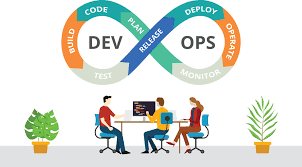
Software Development Life Cycle (SDLC) and DevOps are two essential frameworks that play crucial roles in the software development process. While SDLC focuses on the planning, design, development, testing, deployment, and maintenance phases of software development, DevOps emphasizes collaboration, automation, and integration between development and operations teams.

Benefits of Integrating SDLC with DevOps

By integrating SDLC with DevOps practices, organizations can achieve several benefits:

  • Accelerated Development: The collaboration between development and operations teams streamlines the software development process, leading to faster delivery of high-quality software.
  • Improved Quality: Continuous testing and feedback loops in the DevOps pipeline ensure that issues are identified early in the development cycle, resulting in higher-quality software.
  • Enhanced Collaboration: DevOps promotes a culture of collaboration and communication among team members, breaking down silos and improving overall efficiency.
  • Increased Automation: Automation tools in the DevOps pipeline automate repetitive tasks, reducing manual errors and enhancing productivity.
  • Better Deployment Practices: Continuous integration and continuous deployment (CI/CD) practices enable organizations to deploy software updates rapidly and reliably.

Key Practices for Integrating SDLC with DevOps

To successfully integrate SDLC with DevOps, organizations should consider implementing the following key practices:

  1. Version Control: Utilize version control systems to manage code changes efficiently and enable collaboration among team members.
  2. Continuous Integration: Implement automated build and test processes to integrate code changes frequently into a shared repository.
  3. Continuous Delivery/Deployment: Automate the deployment process to enable rapid delivery of software updates to production environments.
  4. Monitoring and Feedback: Use monitoring tools to track application performance in real-time and gather feedback for continuous improvement.
  5. Culture of Collaboration: Foster a culture that values collaboration, transparency, and shared responsibility across development and operations teams.

In conclusion, integrating SDLC with DevOps practices can significantly enhance software development processes by improving speed, quality, collaboration, automation, and deployment practices. Organizations that embrace this integration stand to benefit from increased efficiency, innovation, and competitiveness in today’s fast-paced digital landscape.


Top 5 DevOps Tips for Streamlining the SDLC: Automation, CI/CD, Collaboration, Monitoring, and Continuous Improvement

  1. Automate the build, test, and deployment processes to increase efficiency.
  2. Implement continuous integration and continuous delivery practices for faster feedback loops.
  3. Ensure collaboration and communication between development and operations teams throughout the SDLC.
  4. Monitor and analyze performance metrics to identify areas for improvement in the development process.
  5. Embrace a culture of continuous learning and improvement to drive innovation in DevOps practices.

Automate the build, test, and deployment processes to increase efficiency.

Automating the build, test, and deployment processes is a key tip in integrating SDLC with DevOps to enhance efficiency. By automating these critical stages of software development, teams can reduce manual errors, accelerate delivery timelines, and ensure consistent quality across releases. Automation streamlines repetitive tasks, allowing developers to focus on innovation and problem-solving rather than mundane chores. This practice not only increases efficiency but also promotes a more agile and responsive development environment where updates can be deployed quickly and reliably.

Implement continuous integration and continuous delivery practices for faster feedback loops.

Implementing continuous integration and continuous delivery practices in the software development life cycle (SDLC) with DevOps can significantly enhance the development process. By automating the integration of code changes and enabling rapid deployment of software updates, organizations can establish faster feedback loops. This approach allows teams to identify issues early, improve collaboration between developers and operations, and deliver high-quality software more efficiently. Continuous integration and delivery not only streamline the development pipeline but also promote a culture of agility and innovation within the organization.

Ensure collaboration and communication between development and operations teams throughout the SDLC.

Ensuring collaboration and communication between development and operations teams throughout the Software Development Life Cycle (SDLC) is crucial for the successful integration of DevOps practices. By fostering a culture of teamwork and open communication, organizations can streamline processes, share knowledge effectively, and address challenges proactively. This collaborative approach enables developers and operations staff to work together seamlessly, leading to faster delivery of high-quality software, improved efficiency, and enhanced overall performance of the software development process.

Monitor and analyze performance metrics to identify areas for improvement in the development process.

Monitoring and analyzing performance metrics is a crucial tip in the integration of SDLC with DevOps. By closely tracking key performance indicators throughout the software development life cycle, teams can identify bottlenecks, inefficiencies, and areas for improvement in their processes. This data-driven approach enables organizations to make informed decisions, optimize workflows, and enhance overall productivity. Continuous monitoring of performance metrics fosters a culture of continuous improvement, driving innovation and ensuring that software development practices align with business objectives effectively.

Embrace a culture of continuous learning and improvement to drive innovation in DevOps practices.

Embracing a culture of continuous learning and improvement is essential to driving innovation in DevOps practices. By encouraging team members to stay updated on the latest technologies, tools, and methodologies, organizations can foster a dynamic environment where new ideas are welcomed and implemented. This commitment to ongoing learning not only enhances individual skills but also promotes collaboration and creativity within the team. Through a culture of continuous improvement, organizations can adapt to changing market demands, optimize their processes, and ultimately achieve greater success in their software development endeavors.
devops sdlc

Optimizing Software Development: The Power of DevOps in SDLC

The Role of DevOps in the Software Development Life Cycle (SDLC)

The Role of DevOps in the Software Development Life Cycle (SDLC)

DevOps, a combination of “development” and “operations,” is a software development methodology that emphasizes collaboration and communication between software developers and IT operations professionals. When integrated into the Software Development Life Cycle (SDLC), DevOps can streamline the development process, improve efficiency, and enhance product quality.

Key Components of DevOps in SDLC:

Continuous Integration (CI): CI involves automatically integrating code changes into a shared repository multiple times a day. This practice helps identify and fix integration issues early in the development process.

Continuous Delivery (CD): CD focuses on automating the deployment process to deliver code changes to production quickly and reliably. It ensures that software is always in a deployable state.

Infrastructure as Code (IaC): IaC involves managing infrastructure through code and automation tools. It allows for consistent provisioning of environments, reducing manual errors and improving scalability.

Monitoring and Logging: Monitoring tools provide insights into system performance, while logging helps track events and troubleshoot issues. These practices are essential for maintaining system health and reliability.

Benefits of Integrating DevOps into SDLC:

Faster Time-to-Market: By automating processes and improving collaboration, DevOps accelerates development cycles, allowing organizations to release products faster.

Improved Quality: Continuous testing and integration help catch bugs early, leading to higher-quality software releases with fewer defects.

Enhanced Collaboration: DevOps promotes cross-functional teamwork, breaking down silos between development, operations, and other teams. This collaboration fosters innovation and efficiency.

Better Scalability: With IaC and automation, organizations can easily scale their infrastructure based on demand without manual intervention. This flexibility enables rapid growth without compromising stability.

In Conclusion

Integrating DevOps practices into the SDLC is crucial for modern software development teams looking to stay competitive in today’s fast-paced market. By embracing automation, collaboration, and continuous improvement, organizations can deliver high-quality products efficiently while meeting customer demands effectively.


6 Essential DevOps SDLC Tips for Streamlining Efficiency and Security

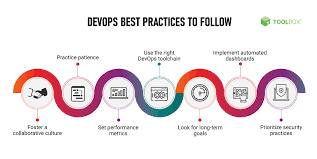
  1. Automate repetitive tasks to increase efficiency.
  2. Implement continuous integration and continuous deployment practices.
  3. Use version control systems to track changes in code and configurations.
  4. Monitor application performance and infrastructure health regularly.
  5. Encourage collaboration between development and operations teams.
  6. Prioritize security measures throughout the software development lifecycle.

Automate repetitive tasks to increase efficiency.

Automating repetitive tasks is a key tip in DevOps SDLC to boost efficiency and productivity. By leveraging automation tools and scripts, teams can streamline routine processes, such as testing, deployment, and monitoring, saving valuable time and reducing the risk of human error. This allows developers and operations professionals to focus on more strategic tasks, innovation, and problem-solving, ultimately accelerating the software development lifecycle and improving overall project outcomes.

Implement continuous integration and continuous deployment practices.

Implementing continuous integration and continuous deployment practices in DevOps SDLC is essential for streamlining the software development process. Continuous integration involves automatically integrating code changes into a shared repository multiple times a day, facilitating early detection and resolution of integration issues. On the other hand, continuous deployment focuses on automating the deployment process to deliver code changes to production swiftly and reliably. By adopting these practices, development teams can enhance collaboration, improve efficiency, and ensure that software is always in a deployable state, ultimately leading to faster time-to-market and higher-quality product releases.

Use version control systems to track changes in code and configurations.

In DevOps SDLC, it is essential to utilize version control systems to monitor and manage changes in code and configurations effectively. Version control systems, such as Git or SVN, allow developers to track modifications, collaborate seamlessly, revert to previous versions if needed, and maintain a clear history of changes. By implementing robust version control practices, teams can ensure consistency, traceability, and reliability throughout the software development process.

Monitor application performance and infrastructure health regularly.

Monitoring application performance and infrastructure health regularly is a critical aspect of implementing DevOps practices in the Software Development Life Cycle (SDLC). By continuously monitoring these key metrics, teams can identify potential issues early, ensure optimal system performance, and proactively address any anomalies that may impact the overall quality of the software. This proactive approach not only helps in maintaining a stable and reliable environment but also enables teams to make data-driven decisions to improve efficiency and enhance the end-user experience.

Encourage collaboration between development and operations teams.

Encouraging collaboration between development and operations teams is a key tip in implementing DevOps practices within the Software Development Life Cycle (SDLC). By fostering open communication and teamwork between these traditionally siloed departments, organizations can streamline processes, improve efficiency, and enhance the overall quality of software releases. When developers and operations professionals work together closely, they can better understand each other’s needs and challenges, leading to faster problem-solving, smoother deployments, and ultimately, more successful outcomes for the entire project.

Prioritize security measures throughout the software development lifecycle.

It is essential to prioritize security measures throughout the software development lifecycle when implementing DevOps practices. By integrating security from the initial stages of development, teams can identify and address vulnerabilities early on, reducing the risk of potential security breaches. This proactive approach ensures that security is not an afterthought but a fundamental aspect of the entire development process, leading to more secure and resilient software products.