
cfchris.com

Loading

Revolutionizing Industries: The Impact of Artificial Intelligence in Business

Artificial Intelligence in Business: Transforming the Future

Artificial Intelligence (AI) is no longer a futuristic concept; it is a present-day reality that is reshaping the business landscape. From enhancing customer experiences to optimizing operations, AI is becoming an integral part of modern business strategies. This article delves into how AI is transforming businesses across various sectors.

The Role of AI in Business

AI technologies, such as machine learning, natural language processing, and robotics, are enabling businesses to automate processes, analyze data more efficiently, and make informed decisions. Here are some key areas where AI is making a significant impact:

Customer Service and Support

AI-powered chatbots and virtual assistants are revolutionizing customer service by providing instant responses and personalized interactions. These tools can handle routine inquiries, freeing up human agents to focus on more complex issues.

Data Analysis and Insights

Businesses generate vast amounts of data daily. AI algorithms can process this data at high speed to uncover patterns and insights that would be impossible for humans to identify manually. This capability allows companies to make data-driven decisions that enhance performance and competitiveness.

Marketing and Sales

AI helps businesses personalize marketing campaigns by analyzing consumer behavior and preferences. Predictive analytics can forecast trends, allowing companies to tailor their strategies accordingly. Additionally, AI tools optimize pricing strategies by assessing market conditions in real-time.

Supply Chain Management

AI improves supply chain efficiency by predicting demand fluctuations, optimizing inventory levels, and identifying potential disruptions before they occur. This leads to cost reductions and improved customer satisfaction through timely deliveries.

The Benefits of Implementing AI in Business

  • Increased Efficiency: Automation of repetitive tasks reduces human error and increases productivity.
  • Cost Savings: By optimizing processes and reducing waste, businesses can achieve significant cost savings.
  • Enhanced Decision-Making: Real-time data analysis provides actionable insights that inform strategic decisions.
  • Improved Customer Experience: Personalized services create better customer satisfaction and loyalty.

The Challenges of AI Adoption

Despite its benefits, implementing AI comes with challenges such as:

  • Lack of Expertise: There is a shortage of skilled professionals who can develop and manage AI systems effectively.
  • Cultural Resistance: Employees may resist changes brought about by automation due to fear of job displacement.
  • Data Privacy Concerns: Handling sensitive data requires robust security measures to prevent breaches.

The Future of AI in Business

The future looks promising as advancements in technology continue to expand the capabilities of AI. Businesses that embrace these changes will likely gain a competitive edge in their industries. As AI becomes more accessible, even small businesses will be able to leverage its power for growth and innovation.

The integration of artificial intelligence into business practices marks the dawn of a new era where efficiency meets creativity, paving the way for unprecedented opportunities across all sectors.


Unlocking Business Success: 8 Key Advantages of AI Integration

  1. Increased efficiency through automation of repetitive tasks.
  2. Cost savings by optimizing processes and reducing waste.
  3. Enhanced decision-making with real-time data analysis.
  4. Improved customer experience through personalized services.
  5. Predictive analytics for forecasting trends and planning strategies.
  6. Optimized marketing campaigns based on consumer behavior analysis.
  7. Efficient supply chain management with demand prediction and inventory optimization.
  8. Competitive edge in the market by leveraging AI for innovation and growth.


5 Challenges of Integrating Artificial Intelligence in Business: From Job Displacement to Technological Dependence

  1. 1. Job Displacement
  2. 2. Data Privacy Concerns
  3. 3. Cost of Implementation
  4. 4. Lack of Human Touch
  5. 5. Dependence on Technology

Increased efficiency through automation of repetitive tasks.

Artificial intelligence significantly boosts efficiency in business by automating repetitive tasks, allowing employees to focus on more strategic and creative endeavors. By taking over routine activities such as data entry, scheduling, and basic customer inquiries, AI reduces the likelihood of human error and speeds up processes that would otherwise consume valuable time. This not only enhances productivity but also leads to cost savings and improved accuracy. As a result, businesses can allocate resources more effectively, prioritize innovation, and ultimately achieve better outcomes in a competitive marketplace.

Cost savings by optimizing processes and reducing waste.

Artificial intelligence significantly contributes to cost savings in business by optimizing processes and reducing waste. By automating routine tasks and streamlining operations, AI minimizes the need for manual intervention, which can lead to human error and inefficiency. This automation not only speeds up processes but also ensures consistent quality, reducing the likelihood of costly mistakes. Additionally, AI systems can analyze data to identify areas of waste within a company’s operations, such as excess inventory or inefficient energy use. By addressing these issues proactively, businesses can cut unnecessary expenses and allocate resources more effectively, ultimately boosting their bottom line while maintaining high operational standards.

Enhanced decision-making with real-time data analysis.

Artificial intelligence significantly enhances decision-making in business by enabling real-time data analysis. Through AI-powered analytics, businesses can process vast amounts of data quickly and accurately, allowing leaders to gain valuable insights into market trends, customer behaviors, and operational efficiencies. This immediate access to actionable information empowers companies to make informed decisions swiftly, adapt strategies on the fly, and anticipate future challenges with greater confidence. By leveraging AI’s ability to analyze data in real time, businesses can optimize performance, reduce risks, and maintain a competitive edge in an ever-evolving marketplace.

Improved customer experience through personalized services.

Artificial intelligence significantly enhances customer experience by enabling businesses to offer personalized services tailored to individual preferences and behaviors. Through advanced data analytics and machine learning algorithms, AI can analyze vast amounts of customer data to identify patterns and predict future needs. This allows companies to deliver targeted recommendations, personalized marketing messages, and customized solutions that resonate with each customer. By anticipating customer desires and providing relevant interactions, businesses can foster stronger relationships, increase customer satisfaction, and build loyalty. Ultimately, AI-driven personalization transforms the way companies engage with their clients, creating a more meaningful and efficient customer journey.

Predictive analytics, powered by artificial intelligence, is revolutionizing how businesses forecast trends and plan strategies. By analyzing vast amounts of historical and real-time data, AI algorithms can identify patterns and predict future outcomes with remarkable accuracy. This capability enables businesses to anticipate market shifts, consumer behavior changes, and potential disruptions, allowing them to proactively adjust their strategies. As a result, companies can optimize resource allocation, improve decision-making processes, and maintain a competitive edge in their respective industries. By leveraging predictive analytics, businesses are better equipped to navigate uncertainties and capitalize on emerging opportunities.

Optimized marketing campaigns based on consumer behavior analysis.

Artificial intelligence is revolutionizing marketing by enabling businesses to optimize their campaigns through detailed consumer behavior analysis. By leveraging AI algorithms, companies can sift through vast amounts of data to identify patterns and preferences among their target audience. This allows for the creation of highly personalized marketing strategies that resonate with consumers on an individual level. As a result, businesses can deliver more relevant content and offers, enhancing customer engagement and increasing conversion rates. The ability to predict consumer trends and tailor campaigns accordingly not only maximizes the return on investment but also strengthens brand loyalty by meeting customer needs more effectively.

Efficient supply chain management with demand prediction and inventory optimization.

Artificial intelligence significantly enhances supply chain management by enabling accurate demand prediction and inventory optimization. By analyzing historical data and current market trends, AI algorithms can forecast demand fluctuations with remarkable precision. This predictive capability allows businesses to adjust their inventory levels proactively, ensuring that they have the right amount of stock at the right time. Consequently, companies can minimize overstocking or stockouts, reducing storage costs and improving cash flow. Additionally, AI-driven insights help identify potential supply chain disruptions early on, allowing businesses to implement contingency plans swiftly. Overall, AI’s role in supply chain management leads to increased efficiency, cost savings, and improved customer satisfaction through timely product availability.

Competitive edge in the market by leveraging AI for innovation and growth.

Leveraging artificial intelligence provides businesses with a significant competitive edge in the market by driving innovation and fostering growth. AI enables companies to streamline operations, enhance product offerings, and deliver personalized customer experiences, all of which contribute to a stronger market position. By utilizing AI-driven insights and predictive analytics, businesses can anticipate market trends and consumer needs more accurately, allowing them to adapt quickly and strategically. This agility not only helps in capturing new opportunities but also in mitigating potential risks. As a result, companies that effectively integrate AI into their strategies are better positioned to outpace competitors and achieve sustainable growth.

1. Job Displacement

One significant concern regarding the integration of artificial intelligence in business is job displacement. As AI technologies advance, many routine and manual tasks are becoming automated, leading to a reduction in the demand for human labor in certain roles. This shift can result in job losses as positions that were once essential become obsolete. Industries such as manufacturing, customer service, and data entry are particularly vulnerable to this trend, as AI-driven systems can perform these tasks more efficiently and cost-effectively. While AI creates opportunities for new types of jobs, there is a growing need for reskilling and upskilling the workforce to adapt to the changing employment landscape. The challenge lies in managing this transition effectively to minimize the negative impact on workers and ensure that they are equipped with the skills required for emerging roles in an AI-driven economy.

2. Data Privacy Concerns

The integration of artificial intelligence in business operations brings with it significant data privacy concerns, particularly when handling sensitive information. AI systems often require large datasets to function effectively, which may include personal or confidential data. This reliance on extensive data collection and processing raises the risk of unauthorized access or breaches, potentially exposing sensitive information. Businesses must navigate complex regulatory landscapes, such as GDPR and CCPA, to ensure compliance while protecting customer privacy. Moreover, the sophisticated nature of AI algorithms can make it challenging to fully understand how data is being used or shared, further complicating efforts to maintain transparency and security. As a result, companies must invest in robust cybersecurity measures and transparent data management practices to mitigate these risks and build trust with their customers.

3. Cost of Implementation

Integrating AI technologies into a business can be a costly endeavor, particularly for smaller companies with limited budgets. The expenses associated with AI implementation include not only the initial investment in software and hardware but also the ongoing costs of maintenance, updates, and training staff to effectively use these new systems. Additionally, small businesses may need to hire specialized personnel or consultants to manage and oversee AI projects, further increasing the financial burden. This substantial investment can be daunting for small businesses that are already operating on tight margins, potentially hindering their ability to adopt AI solutions and compete with larger enterprises that have more resources at their disposal.

4. Lack of Human Touch

One significant drawback of using artificial intelligence in business is the lack of human touch in customer interactions. While AI-powered chatbots and virtual assistants can efficiently handle routine inquiries and provide instant responses, they often fall short in delivering the empathy and understanding that human customer service representatives offer. This absence of a personal connection can lead to customer frustration, especially in situations that require emotional intelligence or nuanced problem-solving. As a result, businesses may struggle to build strong relationships with their customers, potentially impacting customer satisfaction and loyalty. Balancing AI efficiency with human empathy remains a challenge for companies aiming to provide exceptional customer experiences.

5. Dependence on Technology

Dependence on technology is a significant concern when it comes to integrating artificial intelligence into business operations. As companies increasingly rely on AI systems for critical tasks, they may become vulnerable to disruptions if these systems malfunction or are compromised. A technical glitch or cyberattack could lead to significant operational setbacks, financial losses, and damage to a company’s reputation. This overreliance can also diminish human oversight and problem-solving skills, making businesses less adaptable in the face of unexpected challenges. Therefore, while AI offers numerous advantages, it is crucial for businesses to maintain a balanced approach that includes contingency plans and robust cybersecurity measures to mitigate these risks.
Unlocking the Potential of Artificial Intelligence Websites: A Guide to Enhanced User Experiences

The Rise of Artificial Intelligence Websites

The Rise of Artificial Intelligence Websites

In recent years, artificial intelligence (AI) has become an integral part of various industries, transforming how businesses operate and interact with their customers. One area where AI is making a significant impact is in the development and functionality of websites.

What Are AI-Powered Websites?

AI-powered websites utilize artificial intelligence technologies to enhance user experience, streamline operations, and provide personalized content. These websites can analyze user behavior, predict preferences, and adapt in real-time to meet the needs of their visitors.

Key Features of AI Websites

  • Personalization: AI algorithms analyze user data to deliver tailored content and recommendations.
  • Chatbots: AI-driven chatbots provide instant customer support and answer common queries 24/7.
  • Predictive Analysis: By analyzing trends and patterns, AI can forecast future behaviors and outcomes.
  • Voice Search Optimization: With the rise of voice-activated devices, AI helps optimize websites for voice search queries.
  • Content Creation: Some advanced AI systems can generate content based on specific criteria or topics.

The Benefits of Using AI on Websites

The integration of AI into websites offers numerous advantages for businesses looking to enhance their digital presence. Some key benefits include:

  1. Improved User Engagement: Personalized experiences keep users engaged longer and increase conversion rates.
  2. Enhanced Customer Support: Chatbots provide quick responses, improving customer satisfaction without requiring human intervention.
  3. Data-Driven Decisions: With access to vast amounts of data, businesses can make informed decisions based on real insights rather than assumptions.
  4. Cognitive Automation: Routine tasks are automated, allowing human resources to focus on more strategic activities.

The Future of AI in Web Development

The future looks promising for the integration of artificial intelligence in web development. As technology continues to evolve, we can expect even more sophisticated applications that will further revolutionize how we interact with digital platforms. From augmented reality experiences to hyper-personalized content delivery, the possibilities are endless.

The challenge lies in ensuring ethical use and maintaining transparency when deploying these technologies. As developers harness the power of AI, they must also consider privacy concerns and strive for responsible implementation that benefits both businesses and consumers alike.

© 2023 The Tech Journal


9 Essential Tips for Optimizing Your Website for AI Compatibility and Engagement

  1. Ensure your website is mobile-friendly for AI assistants to access information easily.
  2. Optimize your website’s loading speed to provide a seamless experience for AI algorithms.
  3. Include structured data markup to help search engines better understand your content.
  4. Create high-quality, relevant content that appeals to both human visitors and AI crawlers.
  5. Implement natural language processing techniques for better interaction with voice-based AI systems.
  6. Use alt text for images to make them understandable by screen readers and image recognition AI.
  7. Regularly update and maintain your website to stay relevant in the ever-evolving field of AI.
  8. Incorporate chatbots or virtual assistants on your site for enhanced user engagement and support.
  9. Protect user data and privacy by following best practices in AI ethics and security.

Ensure your website is mobile-friendly for AI assistants to access information easily.

In today’s digital age, ensuring that your website is mobile-friendly is crucial, especially for AI assistants that access and deliver information to users. With the increasing reliance on smartphones and voice-activated devices, AI assistants like Siri, Google Assistant, and Alexa often retrieve data from websites to answer user queries. A mobile-friendly design ensures that these AI tools can efficiently navigate and extract relevant information from your site. This not only enhances the user experience by providing quick and accurate responses but also improves your website’s visibility and accessibility in search results. By optimizing for mobile, you ensure that both human users and AI systems can interact seamlessly with your content, ultimately driving more traffic and engagement.

Optimize your website’s loading speed to provide a seamless experience for AI algorithms.

Optimizing your website’s loading speed is crucial for providing a seamless experience not only for users but also for AI algorithms that interact with your site. Fast-loading pages ensure that AI-driven features, such as chatbots and personalized content recommendations, can operate efficiently and without delay. A slow website can hinder the performance of these AI tools, leading to a less effective user experience and potentially driving visitors away. By prioritizing speed optimization techniques—such as compressing images, leveraging browser caching, and minimizing server response times—you create an environment where both human users and AI systems can function optimally, ultimately enhancing engagement and satisfaction.

Include structured data markup to help search engines better understand your content.

Including structured data markup on your artificial intelligence website is a crucial tip to enhance its visibility and relevance in search engine results. By incorporating structured data, you provide search engines with additional context about your content, making it easier for them to interpret and display relevant information to users. This markup not only improves the understanding of your website’s content but also increases the likelihood of appearing in rich snippets and other prominent search features, ultimately driving more traffic to your site.

Create high-quality, relevant content that appeals to both human visitors and AI crawlers.

Creating high-quality, relevant content is crucial for the success of an artificial intelligence website. This approach ensures that human visitors find the information engaging and valuable, keeping them on the site longer and encouraging return visits. At the same time, well-crafted content is essential for AI crawlers, which index websites for search engines. By using clear language, appropriate keywords, and structured data, a website can improve its search engine ranking, making it easier for potential visitors to discover. Balancing content that appeals to both humans and AI requires understanding user intent and search algorithms, ultimately enhancing user experience and visibility.

Implement natural language processing techniques for better interaction with voice-based AI systems.

Implementing natural language processing (NLP) techniques on an artificial intelligence website can significantly enhance interaction with voice-based AI systems. NLP allows these systems to understand, interpret, and respond to human language in a way that feels natural and intuitive. By leveraging NLP, websites can offer more accurate voice recognition, better context understanding, and more relevant responses to user queries. This not only improves the overall user experience but also increases accessibility for users who prefer or require voice interactions. As a result, businesses can engage a broader audience and provide seamless communication between users and AI-driven services.

Use alt text for images to make them understandable by screen readers and image recognition AI.

In the realm of artificial intelligence websites, a crucial tip is to utilize alt text for images to ensure accessibility for users relying on screen readers and image recognition AI. By incorporating descriptive alt text, website creators can make visual content understandable to those with visual impairments, enabling them to comprehend the context and significance of the images. This practice not only enhances inclusivity but also optimizes the overall user experience by providing valuable information through alternative means.

Regularly update and maintain your website to stay relevant in the ever-evolving field of AI.

In the rapidly advancing field of artificial intelligence, it’s crucial to regularly update and maintain your website to stay relevant and competitive. AI technologies are constantly evolving, with new advancements and breakthroughs emerging frequently. By keeping your website up-to-date, you ensure that it reflects the latest trends and innovations in AI, providing users with current information and insights. Regular maintenance also helps improve website performance, security, and user experience, making it more appealing to visitors. Staying proactive in updating content and features not only enhances credibility but also positions your website as a leader in the dynamic world of AI technology.

Incorporate chatbots or virtual assistants on your site for enhanced user engagement and support.

By incorporating chatbots or virtual assistants on your website, you can significantly enhance user engagement and provide valuable support to your visitors. These AI-powered tools offer instant responses to queries, guide users through the site, and personalize interactions based on individual preferences. By integrating chatbots or virtual assistants, you create a seamless and interactive experience for users, leading to improved satisfaction and increased retention rates on your website.

Protect user data and privacy by following best practices in AI ethics and security.

Protecting user data and privacy is paramount when developing and managing an artificial intelligence website. By adhering to best practices in AI ethics and security, developers can ensure that sensitive information is safeguarded against unauthorized access and misuse. This involves implementing robust encryption methods, regularly updating security protocols, and being transparent with users about data collection practices. Additionally, obtaining explicit consent before gathering personal information and providing users with control over their data are essential steps in building trust. By prioritizing these measures, AI websites can foster a secure environment that respects user privacy while leveraging the power of artificial intelligence.

software development metrics

Unlocking Success: Maximizing Efficiency with Software Development Metrics

Article: Software Development Metrics

Understanding the Importance of Software Development Metrics

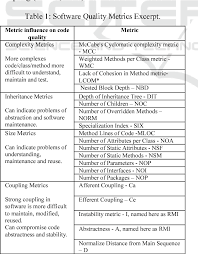
Software development metrics play a crucial role in assessing the efficiency and effectiveness of a development team. By tracking and analyzing various metrics throughout the software development lifecycle, teams can identify areas for improvement, make informed decisions, and optimize their processes for better outcomes.

Key Software Development Metrics to Consider

**Code Churn**: This metric measures the rate at which code is being added, modified, or deleted in a project. High code churn may indicate instability or frequent changes in requirements.

**Lead Time**: Lead time refers to the time taken from when a task is started to when it is completed. Monitoring lead time helps teams identify bottlenecks and streamline their workflow.

**Defect Density**: Defect density measures the number of defects identified per unit of code. Tracking this metric helps teams assess code quality and prioritize bug fixes.

**Velocity**: Velocity measures the amount of work completed by a team in a specific timeframe, such as a sprint. It provides insights into team productivity and helps with future planning.

The Benefits of Using Software Development Metrics

By leveraging software development metrics effectively, teams can:

  • Identify inefficiencies in their processes and address them promptly.
  • Maintain visibility into project progress and make data-driven decisions.
  • Predict potential issues before they escalate and take proactive measures to mitigate risks.
  • Demonstrate performance improvements over time and showcase achievements to stakeholders.

Conclusion

In conclusion, software development metrics are valuable tools that enable teams to monitor their performance, optimize their processes, and deliver high-quality software efficiently. By tracking key metrics and analyzing trends over time, development teams can drive continuous improvement and achieve greater success in their projects.


5 Essential Tips for Effectively Using Software Development Metrics

  1. Define clear goals and objectives for choosing software development metrics.
  2. Select metrics that are relevant to the specific project or team to ensure they provide valuable insights.
  3. Regularly review and analyze the chosen metrics to track progress and identify areas for improvement.
  4. Avoid focusing solely on quantitative metrics; consider qualitative aspects for a more comprehensive evaluation.
  5. Communicate the significance of the selected metrics to all team members to foster understanding and alignment.

Define clear goals and objectives for choosing software development metrics.

When selecting software development metrics, it is essential to establish clear goals and objectives. Defining specific outcomes that the team aims to achieve through the use of metrics helps ensure that the chosen metrics align with the overarching objectives of the project. Clear goals provide a framework for selecting relevant metrics that will provide meaningful insights into the team’s performance and progress towards meeting project milestones. By setting clear goals and objectives upfront, teams can effectively track their success and make informed decisions based on the data derived from software development metrics.

Select metrics that are relevant to the specific project or team to ensure they provide valuable insights.

When it comes to software development metrics, it is essential to select metrics that are tailored to the specific project or team. By choosing metrics that are relevant and aligned with the goals and objectives of the project, teams can ensure that they provide valuable insights into performance and progress. This approach enables teams to focus on measuring aspects that truly matter in their context, leading to more meaningful analysis and informed decision-making throughout the software development lifecycle.

Regularly review and analyze the chosen metrics to track progress and identify areas for improvement.

Regularly reviewing and analyzing the selected software development metrics is essential for effectively tracking progress and pinpointing areas that require improvement. By consistently monitoring these metrics, development teams can gain valuable insights into their performance, identify trends, and make data-driven decisions to enhance their processes. This ongoing evaluation allows teams to adapt quickly to changing circumstances, optimize their workflow, and ultimately achieve better outcomes in their software development projects.

Avoid focusing solely on quantitative metrics; consider qualitative aspects for a more comprehensive evaluation.

When utilizing software development metrics, it is essential to avoid solely concentrating on quantitative data. While quantitative metrics offer valuable insights into productivity and performance, considering qualitative aspects is equally crucial for a comprehensive evaluation. Qualitative metrics such as user satisfaction, team morale, and code maintainability provide a deeper understanding of the overall quality and effectiveness of the development process. By incorporating both quantitative and qualitative metrics, teams can gain a more holistic view of their software development efforts and make well-informed decisions to drive continuous improvement.

Communicate the significance of the selected metrics to all team members to foster understanding and alignment.

Effective communication of the selected software development metrics to all team members is crucial to foster understanding and alignment within the team. By clearly explaining the significance of these metrics, team members can better grasp their importance in assessing performance and guiding decision-making. This shared understanding ensures that everyone is on the same page regarding goals, progress, and areas for improvement, ultimately leading to a more cohesive and collaborative development process.