Unlocking Innovation: The Role of an Application Software Engineer
The Role of an Application Software Engineer
Application software engineers play a crucial role in the development and maintenance of software applications that are used by individuals and businesses alike. These professionals are responsible for designing, coding, testing, and debugging applications to ensure they meet the needs and requirements of users.
Key Responsibilities
Application software engineers work closely with clients or stakeholders to understand their needs and translate them into functional software solutions. They write code using various programming languages, such as Java, C++, or Python, to create applications that perform specific tasks or functions.
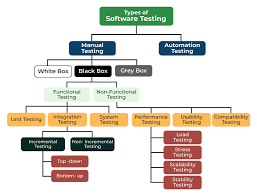
These engineers also conduct thorough testing of the software to identify and fix any bugs or issues before deployment. They may collaborate with other team members, such as UX designers and quality assurance testers, to ensure the final product meets quality standards.
Educational Background
Most application software engineers hold a bachelor’s degree in computer science, software engineering, or a related field. Some employers may also require certifications or advanced degrees for senior positions.
Skills Required
To excel as an application software engineer, individuals need strong problem-solving skills, attention to detail, and proficiency in programming languages. They should also have excellent communication skills to collaborate effectively with team members and stakeholders.
Career Outlook
The demand for application software engineers is expected to grow as more industries rely on technology for their operations. These professionals can work in various sectors, including healthcare, finance, e-commerce, and more.
In conclusion, application software engineers play a vital role in creating user-friendly and efficient software applications that enhance productivity and streamline processes for organizations worldwide.
8 Essential Tips for Success as an Application Software Engineer
- Stay updated on the latest programming languages and technologies.
- Practice coding regularly to improve your skills.
- Collaborate with other developers to learn new techniques and approaches.
- Pay attention to detail when writing code to avoid errors.
- Communicate effectively with team members and stakeholders.
- Test your code thoroughly to ensure quality and functionality.
- Document your code for easier maintenance and future reference.
- Stay organized with project management tools and techniques.
Stay updated on the latest programming languages and technologies.
It is essential for application software engineers to stay updated on the latest programming languages and technologies to remain competitive in the ever-evolving tech industry. By keeping abreast of new developments, engineers can enhance their skills, adapt to changing trends, and leverage innovative tools to create cutting-edge software solutions that meet the demands of modern users. Continuous learning and exploration of emerging technologies are key to staying relevant and ensuring long-term success in this dynamic field.
Practice coding regularly to improve your skills.
To enhance your proficiency as an application software engineer, it is essential to practice coding regularly. By dedicating time to coding exercises and projects, you can sharpen your problem-solving abilities, familiarize yourself with different programming languages, and gain valuable hands-on experience in software development. Consistent practice not only improves your technical skills but also boosts your confidence in tackling complex challenges that may arise in the field of application engineering.
Collaborate with other developers to learn new techniques and approaches.
Collaborating with other developers is a valuable tip for application software engineers looking to enhance their skills and stay updated with the latest industry trends. By working together with peers, engineers can exchange knowledge, share best practices, and learn new techniques and approaches that can improve their coding efficiency and problem-solving abilities. This collaborative environment fosters creativity and innovation, ultimately leading to the development of high-quality software applications that meet the evolving needs of users and stakeholders.
Pay attention to detail when writing code to avoid errors.
When working as an application software engineer, it is crucial to pay close attention to detail when writing code to avoid errors. Even a small oversight can lead to significant issues in the functionality of the software. By meticulously reviewing and testing the code, engineers can identify and rectify any mistakes before they impact the performance of the application. This dedication to precision not only ensures the quality of the software but also contributes to a more efficient development process overall.
Communicate effectively with team members and stakeholders.
Effective communication is essential for application software engineers to collaborate successfully with team members and stakeholders. Clear and concise communication helps ensure that everyone is on the same page regarding project requirements, progress, and challenges. By maintaining open lines of communication, software engineers can address issues promptly, gather feedback, and make informed decisions that contribute to the overall success of the project. Strong communication skills also help build trust and foster a positive working environment, leading to better teamwork and ultimately, superior outcomes in software development projects.
Test your code thoroughly to ensure quality and functionality.
It is essential for application software engineers to test their code thoroughly to guarantee the quality and functionality of the software they develop. By conducting comprehensive testing, engineers can identify and rectify any bugs or issues before the software is deployed. This practice not only ensures a seamless user experience but also helps in maintaining the integrity and reliability of the application. Testing plays a crucial role in delivering high-quality software that meets the needs and expectations of users.
Document your code for easier maintenance and future reference.
Documenting your code is a critical practice for application software engineers to ensure easier maintenance and future reference. By adding comments and explanations within the code, developers can provide valuable insights into the purpose of each function, variable, or section of code. This documentation not only helps the original coder understand their own work better but also assists other team members who may need to review or modify the code in the future. Clear and concise documentation can save time and effort in troubleshooting issues, making it an essential aspect of creating well-maintained and sustainable software applications.
Stay organized with project management tools and techniques.
To excel as an application software engineer, it is essential to stay organized with project management tools and techniques. By utilizing tools like project management software, task boards, and agile methodologies, engineers can effectively plan, track progress, and prioritize tasks to ensure timely delivery of high-quality software solutions. These organizational strategies help streamline workflow, improve collaboration among team members, and ultimately contribute to the success of software development projects.