Accelerating Innovation: The Power of Rapid Application Development
Rapid Application Development: Accelerating Software Development Processes
In today’s fast-paced digital world, businesses are constantly seeking ways to streamline their software development processes to meet the ever-changing demands of the market. One approach that has gained significant traction in recent years is Rapid Application Development (RAD).
Rapid Application Development is a software development methodology that prioritizes rapid prototyping and iterative development over traditional planning and extensive upfront design. The primary goal of RAD is to accelerate the development process and deliver working software quickly.
One of the key principles of RAD is active user involvement throughout the development cycle. By involving end-users early on in the process, developers can gather feedback, iterate on designs, and ensure that the final product meets user expectations.
RAD emphasizes collaboration between cross-functional teams, including developers, designers, and business stakeholders. This collaborative approach helps identify potential issues early in the development cycle and allows for quick adjustments to be made.
Another hallmark of RAD is the use of rapid prototyping tools and techniques to create functional prototypes quickly. These prototypes serve as a visual representation of the final product and help stakeholders visualize the end result early in the process.
By focusing on delivering working software in short iterations, RAD enables businesses to respond swiftly to changing requirements and market dynamics. This agility is crucial in today’s competitive landscape where speed-to-market can often make or break a product’s success.
While RAD offers many benefits in terms of speed and flexibility, it also comes with its challenges. Managing scope creep, ensuring quality control, and maintaining documentation can be more challenging in a rapid development environment. However, with proper planning and effective communication, these challenges can be mitigated.
In conclusion, Rapid Application Development has emerged as a valuable methodology for accelerating software development processes in response to today’s fast-paced business environment. By embracing RAD principles and practices, businesses can deliver innovative solutions quickly while remaining responsive to evolving market needs.
Understanding Rapid Application Development: Key Differences, Uses, Stages, Examples, and Applications
- What is the difference between RAD and agile?
- What is RAD used for?
- What are the 5 stages of rapid application development?
- What is a real life example of rapid application development?
- What are the 4 phases of rapid application development?
- Where is rapid application development used?
What is the difference between RAD and agile?
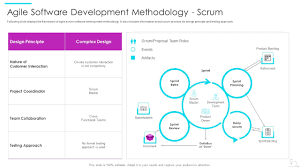
When comparing Rapid Application Development (RAD) and Agile methodologies, it’s essential to understand that while both approaches emphasize iterative development and collaboration, they differ in their focus and implementation. RAD typically places more emphasis on rapid prototyping and quick delivery of working software, aiming to accelerate the development process through intensive user involvement and feedback. On the other hand, Agile is a broader methodology that encompasses various frameworks like Scrum and Kanban, emphasizing adaptability, continuous improvement, and incremental delivery. While RAD is known for its speed and efficiency in delivering prototypes, Agile offers a more structured approach to project management with defined roles, ceremonies, and iterative planning. Ultimately, the choice between RAD and Agile depends on the specific needs of the project and the desired balance between speed and structure in the development process.
What is RAD used for?
One frequently asked question about Rapid Application Development (RAD) is, “What is RAD used for?” RAD is commonly used to accelerate the software development process by focusing on rapid prototyping, iterative development, and active user involvement. This methodology is employed to quickly deliver working software that meets user requirements and adapts to changing market needs. RAD is particularly beneficial for projects where speed-to-market and flexibility are critical, allowing businesses to respond swiftly to evolving demands and gain a competitive edge in today’s fast-paced digital landscape.
What are the 5 stages of rapid application development?
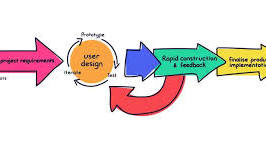
In Rapid Application Development (RAD), the development process typically consists of five key stages. The first stage is Requirements Planning, where project goals and user requirements are defined. This is followed by User Design, where prototypes and mock-ups are created based on user feedback. The third stage is Rapid Construction, where the actual coding and development of the application take place in short iterations. Next is Cutover, where the application is deployed and tested in a live environment. Finally, the fifth stage is Post-Implementation Support, where ongoing maintenance and support ensure the application’s continued success. These five stages form a structured framework that allows for rapid development and iterative improvements based on user input and feedback throughout the process.
What is a real life example of rapid application development?
In a real-life scenario, a prime example of Rapid Application Development (RAD) can be seen in the development of mobile applications. Mobile app development often follows RAD principles to meet the fast-paced demands of the market. Companies aiming to launch a new app quickly may opt for RAD methodologies to prototype, iterate, and release features rapidly based on user feedback. By involving stakeholders and end-users early in the process, developers can create user-centric mobile apps that are both functional and responsive to changing requirements. This iterative approach allows for quick adjustments and enhancements, ensuring that the final product aligns with user expectations and market trends.
What are the 4 phases of rapid application development?
In Rapid Application Development (RAD), the development process typically consists of four main phases: Requirements Planning, User Design, Rapid Construction, and Cutover. In the Requirements Planning phase, project requirements are gathered and analyzed in collaboration with stakeholders to define the scope of the project. The User Design phase focuses on creating prototypes and mockups based on user feedback to visualize the final product. Rapid Construction involves iterative development cycles where software features are built and refined quickly. Finally, the Cutover phase involves deploying the application and transitioning it into production. These four phases of RAD emphasize speed, flexibility, and user involvement throughout the software development lifecycle to deliver high-quality solutions efficiently.
Where is rapid application development used?
Rapid Application Development (RAD) is commonly used in various industries and scenarios where there is a need for quick development and deployment of software solutions. It is often employed in projects with tight deadlines, prototyping new ideas, building proof-of-concept applications, and addressing rapidly evolving business requirements. RAD is particularly beneficial in industries such as software development, IT consulting, finance, healthcare, and e-commerce where agility and speed-to-market are critical factors for success. By leveraging RAD methodologies, organizations can accelerate the software development process, reduce time-to-market, and stay competitive in today’s fast-paced digital landscape.