cfchris.com

Loading

ai robots

AI Robots: Revolutionizing the Future of Technology and Industry

The Rise of AI Robots: Transforming the Future

The Rise of AI Robots: Transforming the Future

Artificial Intelligence (AI) robots are no longer a concept confined to science fiction. They are increasingly becoming an integral part of our daily lives and industries, transforming how we work, play, and interact with the world around us.

What Are AI Robots?

AI robots are machines designed to perform tasks autonomously or semi-autonomously using artificial intelligence technologies. These technologies enable robots to perceive their environment, process data, make decisions, and execute actions with minimal human intervention.

Applications of AI Robots

The applications of AI robots span across various sectors:

  • Manufacturing: AI robots streamline production lines by performing repetitive tasks with precision and speed.
  • Healthcare: In healthcare, they assist in surgeries, patient care, and diagnostics.
  • Agriculture: Robots equipped with AI help in planting, harvesting, and monitoring crops.
  • Logistics: Autonomous drones and delivery robots optimize supply chain management.
  • Customer Service: Chatbots and humanoid robots enhance customer interaction in retail and hospitality sectors.

The Benefits of AI Robots

The integration of AI in robotics offers numerous benefits:

  • Efficiency: AI robots can operate 24/7 without fatigue, significantly increasing productivity.
  • Precision: They perform tasks with high accuracy, reducing errors and waste.
  • Safety: In hazardous environments such as mining or chemical plants, they minimize human exposure to risks.
  • Cognitive Capabilities: Advanced algorithms enable them to learn from experience and improve over time.

The Challenges Ahead

The rise of AI robots also presents challenges that need addressing:

  • Ethical Concerns: The potential for job displacement raises questions about economic impact and workforce adaptation.
  • Privacy Issues: The use of surveillance robots could infringe on personal privacy rights.
  • Lack of Regulation: As technology evolves rapidly, regulatory frameworks struggle to keep pace.

The Future of AI Robots

The future holds exciting possibilities for AI robotics. As technology advances further, we can expect more sophisticated interactions between humans and machines. Innovations such as emotion-sensing capabilities could lead to more empathetic robot companions. Moreover, collaboration between humans and robots may redefine workplace dynamics across industries.

The journey towards a future enriched by AI robotics is both thrilling and complex. It requires careful consideration of ethical implications while embracing the potential for positive change. As society navigates this transformative era, ongoing dialogue among technologists, policymakers, businesses—and indeed everyone—will be crucial in shaping a future where technology enhances human life responsibly.


8 Advantages of AI Robots: Boosting Productivity, Safety, and Efficiency

  1. Increased productivity
  2. Precision and accuracy
  3. Cost-effectiveness
  4. Improved safety
  5. 24/7 operation
  6. Adaptability
  7. Enhanced decision-making
  8. Task automation


Six Key Concerns About AI Robots: Job Displacement, Privacy, and More

  1. Job Displacement
  2. Privacy Concerns
  3. Dependency on Technology
  4. Security Risks
  5. Ethical Dilemmas
  6. Cost of Implementation

Increased productivity

AI robots significantly boost productivity by operating continuously without the need for breaks, unlike their human counterparts. This constant operation means that tasks can be completed faster and more efficiently, leading to increased output in various industries. For example, in manufacturing, AI robots can work around the clock on assembly lines, maintaining a consistent pace that enhances overall production rates. This ability to function tirelessly not only maximizes efficiency but also allows human workers to focus on more complex and creative tasks that require critical thinking and problem-solving skills. As a result, businesses can achieve higher levels of productivity and innovation by integrating AI robots into their operations.

Precision and accuracy

AI robots are renowned for their precision and accuracy, performing tasks with a level of consistency that significantly reduces the likelihood of errors. Unlike humans, who may experience fatigue or distraction, AI robots maintain a steady focus on their tasks, ensuring uniform output every time. This capability is particularly beneficial in industries where even minor errors can lead to significant consequences, such as in manufacturing or healthcare. By minimizing mistakes, AI robots not only enhance the quality of products and services but also contribute to cost savings by reducing waste and the need for rework. Their ability to operate with such exactness positions them as invaluable assets in any environment where precision is paramount.

Cost-effectiveness

AI robots offer significant cost-effectiveness by streamlining processes and minimizing waste, which can lead to substantial savings over time. By automating repetitive and labor-intensive tasks, these robots reduce the need for a large workforce, thereby cutting labor costs. Furthermore, their precision and accuracy in performing tasks minimize errors and material waste, leading to more efficient use of resources. This not only lowers operational costs but also enhances productivity and output quality. As AI robots continue to evolve and become more sophisticated, their ability to optimize workflows will increasingly contribute to cost savings across various industries.

Improved safety

AI robots significantly enhance safety by taking on dangerous tasks in hazardous environments, thereby protecting human workers from potential harm. In industries such as mining, construction, and chemical manufacturing, robots are deployed to perform high-risk activities like handling toxic substances, operating in extreme temperatures, or working in confined spaces. These machines can be designed to withstand conditions that would be perilous for humans, reducing the likelihood of accidents and injuries. By assuming roles that involve exposure to danger, AI robots not only improve workplace safety but also allow human workers to focus on tasks that require creativity and problem-solving skills. This shift not only safeguards human health but also contributes to increased efficiency and productivity across various sectors.

24/7 operation

AI robots offer the significant advantage of 24/7 operation, which is a game-changer for industries seeking to maximize efficiency and output. Unlike human workers, AI robots do not require breaks, sleep, or shift changes, allowing them to maintain continuous production without downtime. This capability optimizes production schedules by ensuring that manufacturing lines can run non-stop, meeting high demand and reducing lead times. In service industries, around-the-clock operation means enhanced availability and customer satisfaction, as tasks such as order processing or customer support can be handled at any time of day. This relentless operational capacity not only boosts productivity but also provides businesses with a competitive edge in today’s fast-paced market.

Adaptability

AI robots offer a remarkable advantage in adaptability due to their machine learning capabilities. By leveraging advanced algorithms, these robots can swiftly adjust to new situations, learn from experiences, and enhance their performance progressively. This ability not only enables them to handle diverse tasks effectively but also ensures continuous improvement in their functionality, making them invaluable assets across various industries where flexibility and efficiency are paramount.

Enhanced decision-making

AI robots significantly enhance decision-making capabilities by leveraging advanced AI algorithms to process and analyze vast amounts of data rapidly. This ability allows them to make informed decisions autonomously, without the need for constant human oversight. In industries such as manufacturing, healthcare, and logistics, AI robots can evaluate complex datasets to optimize operations, predict maintenance needs, or adjust strategies in real-time. This not only improves efficiency and productivity but also reduces the likelihood of human error. By continuously learning from new data inputs, AI robots can refine their decision-making processes over time, leading to smarter and more adaptive systems that can respond effectively to changing conditions or unexpected challenges.

Task automation

AI robots excel at task automation, which significantly enhances productivity and efficiency in various industries. By taking over repetitive and mundane tasks, these robots allow human workers to redirect their energy and skills toward more complex and creative endeavors. This shift not only boosts overall job satisfaction but also fosters innovation as employees have the opportunity to engage in strategic thinking, problem-solving, and the development of new ideas. As a result, businesses can experience increased competitiveness and growth while employees enjoy a more stimulating work environment that leverages their unique talents and insights.

Job Displacement

The advent of AI robots in various industries brings the challenge of job displacement, as automation increasingly replaces roles traditionally performed by human workers. This shift is particularly evident in sectors like manufacturing, logistics, and customer service, where tasks are repetitive and can be efficiently handled by machines. As businesses adopt AI technologies to enhance productivity and reduce costs, many workers face the risk of unemployment or the need to transition into new roles that require different skill sets. This change necessitates a focus on reskilling and upskilling programs to help the workforce adapt to an evolving job market. Additionally, it raises important discussions about economic inequality and the responsibility of companies and governments to support affected individuals during this transition.

Privacy Concerns

The deployment of AI robots equipped with surveillance capabilities has sparked significant privacy concerns. These robots, often used in public spaces and private enterprises for security and monitoring purposes, have the potential to collect vast amounts of data on individuals without their explicit consent. This raises questions about how personal information is stored, who has access to it, and how it might be used or misused. The pervasive nature of such surveillance can lead to a sense of constant monitoring, infringing on personal freedoms and autonomy. As AI technology continues to advance, it becomes increasingly important to establish robust privacy regulations and ethical guidelines to ensure that individuals’ rights are protected while balancing the benefits these technologies can offer.

Dependency on Technology

The dependency on AI robots poses a significant concern as it can lead to the erosion of human skills and decision-making abilities. As more tasks are delegated to intelligent machines, individuals may become less adept at performing these tasks themselves, leading to a decline in critical thinking and problem-solving capabilities. This overreliance on technology could result in a workforce that lacks essential skills, making it difficult for people to adapt if technological systems fail or if they need to operate without robotic assistance. Additionally, the diminished engagement with hands-on experiences and real-world challenges might hinder creativity and innovation, ultimately impacting personal growth and societal progress.

Security Risks

AI robots, while offering numerous benefits, also present significant security risks. Malicious actors may exploit vulnerabilities within AI systems to cause harm or disrupt operations. These vulnerabilities can be targeted to manipulate robots into performing unintended actions, potentially leading to physical damage, data breaches, or compromised safety protocols. As AI systems become more integrated into critical infrastructure and daily life, the potential for cyberattacks increases. Ensuring robust security measures and continuous monitoring is essential to protect against these threats and safeguard both individuals and organizations from potential exploitation by cybercriminals.

Ethical Dilemmas

AI robots, while capable of making autonomous decisions, often raise significant ethical dilemmas. One major concern is accountability: when an AI system makes a decision that leads to unintended consequences, determining who is responsible can be complex. Is it the developer, the user, or the AI itself? Additionally, AI systems can inadvertently perpetuate or even exacerbate biases present in their training data. These biases can lead to unfair treatment or discrimination in critical areas such as hiring, law enforcement, and access to services. As AI robots become more integrated into society, addressing these ethical challenges becomes imperative to ensure that their deployment aligns with societal values and fairness.

Cost of Implementation

The cost of implementing AI robots is a significant barrier for many organizations, particularly smaller businesses or those with limited budgets. The initial investment required to purchase and integrate AI robotic systems can be substantial, often involving not only the purchase of advanced hardware and software but also the need for infrastructure upgrades. Additionally, ongoing maintenance costs, including software updates, technical support, and potential repairs, add to the financial burden. These expenses can be prohibitive for companies that are unable to allocate sufficient resources or justify the return on investment in the short term. As a result, while AI robotics offer numerous benefits in terms of efficiency and productivity, their high cost remains a critical factor that organizations must carefully consider when evaluating their adoption.


development

Driving Innovation: The Path to Sustainable Development

The Importance of Development in Today’s World

The Importance of Development in Today’s World

Development is a crucial aspect of progress in today’s rapidly evolving world. It encompasses growth, improvement, and advancement in various areas, including technology, infrastructure, education, and society as a whole.

Technological Development

Technological development plays a significant role in shaping our modern society. Advancements in technology have revolutionized how we communicate, work, and live. From the invention of the internet to breakthroughs in artificial intelligence and robotics, technology has transformed every aspect of our lives.

Economic Development

Economic development is essential for the prosperity of nations and individuals. It involves creating opportunities for growth, increasing productivity, and reducing poverty. A strong economy can provide better living standards, employment opportunities, and access to essential services for its citizens.

Social Development

Social development focuses on improving the well-being of individuals and communities. It includes initiatives to promote equality, education, healthcare, and social justice. By investing in social development programs, societies can create a more inclusive and equitable environment for all members.

Environmental Development

Environmental development aims to protect natural resources and preserve the planet for future generations. Sustainable practices such as renewable energy sources, conservation efforts, and waste reduction are crucial for mitigating environmental degradation and combating climate change.

Personal Development

Personal development refers to self-improvement and growth on an individual level. It involves acquiring new skills, expanding knowledge, setting goals, and enhancing personal well-being. Continuous personal development is key to achieving success and fulfillment in life.

In conclusion, development is a multifaceted process that drives progress and innovation across various domains. By embracing development in all its forms – technological, economic, social, environmental, and personal – we can create a brighter future for ourselves and future generations.


9 Common Questions About Development: Definitions, Synonyms, and Concepts

  1. What is the other word for development?
  2. What is another word for development?
  3. What is the synonym word for development?
  4. What are the different means of development?
  5. What are the 3 types of development?
  6. What is the main concept of development?
  7. What is the simple definition of development?
  8. What can I say instead of developing?
  9. What is development and examples?

What is the other word for development?

An alternative term often used interchangeably with “development” is “progress.” Both words convey the idea of growth, improvement, and advancement in various aspects of life, whether it be technological, economic, social, or personal. “Progress” implies a forward movement towards a better state or condition, reflecting the continuous evolution and positive change that development strives to achieve in our rapidly changing world.

What is another word for development?

An alternative term often used interchangeably with “development” is “progress.” Progress implies forward movement, growth, and improvement in various aspects of life, whether it be technological advancements, economic prosperity, social well-being, or personal growth. Both development and progress signify positive change and evolution towards a better future.

What is the synonym word for development?

A common synonym for the term “development” is “progress.” Both words convey the idea of growth, advancement, and improvement in various aspects of life, whether it be technological, economic, social, or personal. “Progress” suggests moving forward and making positive changes towards a better future, much like how “development” implies evolution and enhancement over time. These synonyms are often used interchangeably to describe the continuous process of building and evolving in different spheres of society.

What are the different means of development?

The question “What are the different means of development?” often arises in discussions about progress and growth. Development can be achieved through various means, including technological advancements, economic reforms, social initiatives, environmental sustainability efforts, and personal growth strategies. Each of these avenues plays a crucial role in driving positive change and improvement in different aspects of society. By exploring and utilizing diverse means of development, individuals and communities can work towards creating a more prosperous, equitable, and sustainable future for all.

What are the 3 types of development?

Development can be categorized into three main types: economic development, social development, and environmental development. Economic development focuses on improving the economic well-being of individuals and societies through factors such as increased productivity, job creation, and poverty reduction. Social development aims to enhance the quality of life for people by addressing issues like education, healthcare, and social justice. Environmental development centers on sustainable practices that protect natural resources, reduce pollution, and promote conservation efforts to ensure a healthier planet for future generations. Each type of development plays a crucial role in shaping a more prosperous, equitable, and sustainable world.

What is the main concept of development?

The main concept of development revolves around the idea of growth, progress, and improvement in various aspects of society. Development encompasses not only economic advancement but also social, technological, and environmental enhancements. It aims to create sustainable and inclusive systems that benefit individuals, communities, and the planet as a whole. By focusing on building capacity, reducing inequalities, and promoting well-being, development seeks to create a better future for all by addressing the diverse needs and aspirations of people worldwide.

What is the simple definition of development?

Development can be defined as the process of growth, progress, or advancement in various aspects of life. It encompasses improvement and expansion in technology, economy, society, environment, and personal well-being. In simple terms, development signifies positive change and evolution towards a better and more prosperous future. It involves continuous efforts to enhance living standards, create opportunities for growth, and achieve sustainable outcomes for individuals and communities.

What can I say instead of developing?

When seeking alternative terms to use instead of “developing,” one may consider phrases such as “progressing,” “evolving,” “advancing,” or “growing.” These synonyms can effectively convey the idea of improvement or change over time in a more nuanced and varied manner. Selecting the most suitable synonym depends on the specific context and desired tone of the communication. By exploring different options, individuals can enhance their vocabulary and express ideas with greater precision and clarity.

What is development and examples?

Development refers to the process of growth, advancement, and improvement in various aspects of society, technology, economy, and individual well-being. It encompasses progress towards achieving better living standards, increased opportunities, and positive changes in different spheres of life. Examples of development include technological advancements such as the evolution of smartphones and artificial intelligence, economic growth seen in emerging markets and infrastructure projects, social development initiatives promoting education and healthcare access for all, and personal development through acquiring new skills and knowledge to enhance one’s capabilities and potential. Development is a continuous journey towards creating a more prosperous, equitable, and sustainable future for all.

develop

Empowering Growth: The Journey to Continuous Development

The Importance of Continuous Development in Today’s World

The Importance of Continuous Development in Today’s World

In a rapidly evolving world, the concept of development has become more crucial than ever before. Whether it’s personal growth, professional advancement, or technological innovation, the need to develop and adapt is essential for success.

Personal Development

Personal development involves self-improvement and lifelong learning. It encompasses various aspects such as acquiring new skills, expanding knowledge, enhancing emotional intelligence, and fostering healthy habits. Continuous personal development leads to increased self-awareness, confidence, and resilience.

Professional Development

Professional development is vital for career growth and staying competitive in the job market. It involves honing existing skills, acquiring new ones, and staying updated with industry trends. Continuous professional development opens up opportunities for advancement, increases job satisfaction, and boosts overall performance.

Technological Development

Technological development drives innovation and progress in various fields. From software advancements to medical breakthroughs, continuous technological development shapes the way we live and work. Embracing technological advancements allows individuals and organizations to stay ahead of the curve and remain relevant in a rapidly changing world.

The Benefits of Continuous Development

  • Growth: Continuous development fosters personal growth, career advancement, and innovation.
  • Adaptability: Developing new skills and knowledge enhances adaptability to change and challenges.
  • Competitiveness: Continuous development keeps individuals and organizations competitive in their respective fields.
  • Fulfillment: The process of continuous development leads to a sense of fulfillment and accomplishment.
  • Innovation: Embracing continuous development fuels creativity and drives innovation.

In conclusion, continuous development is not just a choice but a necessity in today’s fast-paced world. By prioritizing personal growth, professional advancement, and technological innovation through continuous learning and adaptation, individuals and organizations can thrive amidst constant change and uncertainty.


7 Essential Tips for Successful Development Projects

  1. Set clear and achievable goals for your development projects.
  2. Stay organized by creating a detailed plan before starting any development work.
  3. Regularly test and debug your code to ensure its quality and functionality.
  4. Seek feedback from others to improve your development skills and learn new techniques.
  5. Stay updated with the latest technologies and trends in the field of development.
  6. Collaborate with other developers to share knowledge and work on projects together.
  7. Take breaks when needed to prevent burnout and maintain productivity.

Set clear and achievable goals for your development projects.

Setting clear and achievable goals for your development projects is essential for success. By defining specific objectives and milestones, you provide a roadmap that guides your progress and keeps you focused. Clear goals help you measure your achievements, track your development, and stay motivated throughout the project. Additionally, achievable goals ensure that you set realistic expectations and avoid becoming overwhelmed by unattainable targets. By establishing clear and achievable goals, you create a framework for effective planning, execution, and ultimately, successful project completion.

Stay organized by creating a detailed plan before starting any development work.

Staying organized is key to successful development work. By creating a detailed plan before diving into any project, you set a clear roadmap that helps you stay focused and on track. A well-thought-out plan allows you to allocate resources efficiently, anticipate potential challenges, and establish realistic timelines for completion. This proactive approach not only streamlines the development process but also ensures that your efforts are directed towards achieving your goals effectively.

Regularly test and debug your code to ensure its quality and functionality.

Regularly testing and debugging your code is a critical practice to uphold the quality and functionality of your software. By conducting thorough testing procedures, you can identify and rectify any errors or issues within the code, ensuring that it operates smoothly and efficiently. Debugging allows you to pinpoint and resolve bugs, enhancing the overall performance and reliability of your application. Consistent testing and debugging not only improve the user experience but also contribute to the long-term success of your development projects.

Seek feedback from others to improve your development skills and learn new techniques.

Seeking feedback from others is a valuable strategy to enhance your development skills and acquire new techniques. Constructive feedback provides insights into areas for improvement and helps you gain a fresh perspective on your work. By actively seeking feedback from peers, mentors, or experts in the field, you can identify blind spots, refine your approach, and accelerate your learning process. Embracing feedback as a tool for growth allows you to continuously evolve and stay at the forefront of your development journey.

To stay ahead in the field of development, it is essential to stay updated with the latest technologies and trends. By keeping abreast of new advancements, tools, and best practices, developers can enhance their skills, remain competitive, and deliver innovative solutions that meet the evolving needs of users and businesses. Continuous learning and staying informed about industry trends not only enriches one’s expertise but also ensures relevance and success in a rapidly changing technological landscape.

Collaborate with other developers to share knowledge and work on projects together.

Collaborating with other developers to share knowledge and work on projects together is a valuable tip for personal and professional development. By engaging in collaborative efforts, developers can leverage each other’s expertise, learn new skills, and tackle complex projects more effectively. This collaborative approach not only enhances individual growth but also fosters a sense of community within the developer ecosystem, leading to innovative solutions and collective success in the ever-evolving tech industry.

Take breaks when needed to prevent burnout and maintain productivity.

Taking breaks when needed is essential to prevent burnout and sustain productivity. In today’s fast-paced world, it can be tempting to push ourselves to the limit without giving our minds and bodies a chance to rest. However, incorporating regular breaks into our work routine allows us to recharge, refocus, and maintain a high level of productivity in the long run. By listening to our bodies and taking breaks when necessary, we can avoid burnout, improve our overall well-being, and achieve greater success in our endeavors.

Exploring Google’s Cutting-Edge Cloud Computing Services

The Power of Google Cloud Computing Services

Google Cloud Computing Services have revolutionized the way businesses operate in the digital age. With its cutting-edge technology and innovative solutions, Google has established itself as a leader in the cloud computing industry. Let’s explore some of the key features and benefits of Google Cloud services.

Scalability and Flexibility

One of the major advantages of Google Cloud is its scalability. Businesses can easily scale their infrastructure up or down based on their needs, allowing for flexibility and cost-efficiency. Whether you are a small startup or a large enterprise, Google Cloud offers solutions that can adapt to your requirements.

Security and Compliance

Security is a top priority for Google, and its cloud services are designed with robust security measures to protect data and applications. With advanced encryption, access control, and monitoring tools, Google Cloud ensures that your sensitive information remains safe and secure. Additionally, Google Cloud is compliant with various industry standards and regulations, giving businesses peace of mind when it comes to data protection.

Performance and Reliability

Google’s global network infrastructure provides high performance and reliability for cloud services. With data centers located around the world, Google Cloud offers low latency and high availability, ensuring that your applications run smoothly without interruptions. This level of performance is crucial for businesses that rely on fast and consistent access to their data and resources.

Innovative Solutions

Google is known for its innovation, and this extends to its cloud computing services. From machine learning tools to big data analytics platforms, Google Cloud offers a wide range of cutting-edge solutions that help businesses drive growth and innovation. By leveraging these advanced technologies, businesses can gain valuable insights, improve efficiency, and stay ahead of the competition.

Conclusion

In conclusion, Google Cloud Computing Services provide businesses with a powerful platform to enhance their operations, improve security, increase scalability, and drive innovation. With its comprehensive suite of services and industry-leading technology, Google Cloud is a trusted partner for businesses looking to thrive in the digital landscape.

Whether you are looking to migrate your existing infrastructure to the cloud or develop new applications using cloud-native technologies, Google Cloud has the tools and expertise to support your journey towards digital transformation.


Top 8 Benefits of Google Cloud Computing: Scalability, Security, and More

  1. Scalability for easily adjusting resources based on demand
  2. Robust security measures to protect data and applications
  3. Global network infrastructure for high performance and reliability
  4. Cost-efficiency by paying only for the resources used
  5. Innovative solutions like machine learning and big data analytics
  6. Automatic software updates and maintenance for seamless operation
  7. Collaboration tools for efficient team communication and productivity
  8. Flexible storage options to accommodate varying data needs


4 Key Drawbacks of Cloud Computing Services: Downtime, Costs, Security, and Internet Dependency

  1. Potential for downtime
  2. Costs can add up
  3. Security concerns
  4. Dependency on internet connectivity

Scalability for easily adjusting resources based on demand

One of the key advantages of Google Cloud Computing Services is its scalability, allowing businesses to effortlessly adjust resources based on demand. This flexibility enables organizations to efficiently manage fluctuating workloads and optimize resource allocation without the need for significant upfront investments in infrastructure. By leveraging Google Cloud’s scalable solutions, businesses can seamlessly scale up or down to meet changing requirements, ensuring optimal performance and cost-effectiveness in dynamic environments.

Robust security measures to protect data and applications

Google Cloud Computing Services from Google offer robust security measures to safeguard data and applications. With advanced encryption, access control, and monitoring tools, Google ensures that sensitive information remains secure in the cloud. This focus on security provides businesses with peace of mind, knowing that their data is protected against unauthorized access and cyber threats. By leveraging Google’s stringent security protocols, businesses can confidently store and manage their critical data while maintaining compliance with industry standards and regulations.

Global network infrastructure for high performance and reliability

Google Cloud Computing Services from Google offer a remarkable advantage with their global network infrastructure, ensuring high performance and reliability for businesses. With data centers strategically located worldwide, Google Cloud provides low latency and high availability, allowing for seamless access to data and resources. This robust network infrastructure not only enhances the speed and efficiency of operations but also ensures consistent performance, making Google Cloud a trusted choice for businesses seeking reliable cloud computing solutions on a global scale.

Cost-efficiency by paying only for the resources used

One significant advantage of Google Cloud Computing Services is the cost-efficiency it offers through a pay-as-you-go model. Businesses can optimize their expenses by paying only for the resources they actually use, avoiding upfront investments in infrastructure that may go underutilized. This flexible pricing structure allows companies to scale their operations seamlessly while keeping costs in check, making Google Cloud an attractive option for organizations of all sizes looking to maximize their budget allocation and overall efficiency.

Innovative solutions like machine learning and big data analytics

Google Cloud Computing Services from Google offer innovative solutions such as machine learning and big data analytics, empowering businesses to unlock valuable insights and drive informed decision-making. By leveraging these advanced technologies, businesses can analyze vast amounts of data in real-time, identify patterns, trends, and correlations, and make data-driven decisions that lead to improved efficiency and competitiveness. Google’s expertise in machine learning and big data analytics enables businesses to extract actionable intelligence from their data, ultimately helping them stay ahead in today’s rapidly evolving digital landscape.

Automatic software updates and maintenance for seamless operation

Google Cloud Computing Services from Google offer the significant advantage of automatic software updates and maintenance, ensuring seamless operation for businesses. With this feature, businesses can rest assured that their systems are always up-to-date with the latest software versions and security patches without the need for manual intervention. This not only saves time and resources but also helps in maintaining optimal performance and reliability of cloud-based applications and services. Automatic updates and maintenance provided by Google Cloud enable businesses to focus on their core operations while benefiting from a hassle-free and continuously optimized cloud computing environment.

Collaboration tools for efficient team communication and productivity

Google Cloud Computing Services from Google offer powerful collaboration tools that enhance team communication and productivity. With features like real-time document editing, file sharing, video conferencing, and project management tools, Google Cloud enables teams to work together seamlessly regardless of their physical location. These tools promote efficient collaboration, streamline workflows, and boost overall productivity by allowing team members to communicate and collaborate in a centralized and organized manner.

Flexible storage options to accommodate varying data needs

Google Cloud Computing Services from Google offer flexible storage options to accommodate varying data needs. Whether businesses require a small amount of storage for basic data or extensive storage for large-scale applications, Google Cloud provides scalable solutions that can be easily adjusted based on specific requirements. This flexibility allows businesses to optimize their storage resources efficiently, ensuring that they only pay for the storage they use without being limited by fixed capacities. With Google Cloud’s flexible storage options, businesses can seamlessly adapt to changing data needs and scale their storage capacity as their business grows.

Potential for downtime

One significant drawback of Google Cloud Computing Services is the potential for downtime. Just like any cloud service, Google’s infrastructure may experience interruptions, leading to operational disruptions and decreased productivity for businesses relying on these services. Downtime can result in loss of access to critical data and applications, causing inconvenience and potential financial losses for users. It is essential for businesses to have contingency plans in place to mitigate the impact of downtime and ensure continuity of operations during such instances.

Costs can add up

One significant drawback of using Google Cloud computing services is the potential for costs to add up quickly. While the scalability and flexibility of cloud services are beneficial, businesses need to be cautious as expenses can accumulate over time. This becomes particularly problematic when usage surpasses initial estimates or requirements, leading to unexpected charges that may strain the budget. It is crucial for organizations to closely monitor their usage and optimize resource allocation to prevent cost overruns and ensure that cloud computing remains a cost-effective solution for their operations.

Security concerns

Security concerns are a significant con of cloud computing services from Google. Despite implementing robust security measures, there is always a lingering risk of data breaches or cyber attacks when storing sensitive information in the cloud. This vulnerability can be a cause for concern for businesses and individuals who rely on cloud services to store their confidential data, as even the most advanced security protocols may not always guarantee complete protection against malicious threats. It is essential for users to remain vigilant and implement additional security measures to mitigate the potential risks associated with storing sensitive information in the cloud.

Dependency on internet connectivity

One significant drawback of using Google Cloud services is the dependency on internet connectivity. Since Google Cloud relies on internet access to function, any disruptions in network connectivity can potentially impede users’ ability to access their data and applications. This reliance on a stable internet connection means that businesses and individuals may face challenges in accessing critical resources during periods of network outages or slowdowns, highlighting the importance of having reliable internet infrastructure when utilizing cloud computing services from Google.

app designing software

Mastering the Art of App Designing Software: A Guide to Creating Stunning Mobile Applications

The Power of App Designing Software

The Power of App Designing Software

App designing software has revolutionized the way developers create mobile applications. These powerful tools provide a user-friendly interface and a wide range of features that make the app design process efficient and effective.

Benefits of Using App Designing Software:

  • Drag-and-Drop Functionality: Many app designing software offer drag-and-drop functionality, allowing designers to easily place elements on the screen and arrange them as needed.
  • Pre-built Templates: These tools often come with pre-built templates that designers can use as a starting point for their projects, saving time and effort in the design process.
  • Interactive Prototyping: App designing software allows designers to create interactive prototypes of their apps, enabling them to test functionality and user experience before finalizing the design.
  • Cross-Platform Compatibility: Some app designing software support cross-platform development, allowing designers to create apps that work seamlessly on both iOS and Android devices.
  • Collaboration Features: Many app designing tools offer collaboration features that enable team members to work together on a project in real-time, streamlining the design process.

Popular App Designing Software:

Some popular app designing software in the market include Adobe XD, Sketch, Figma, InVision Studio, and Axure RP. Each tool has its unique features and capabilities that cater to different design requirements.

Conclusion

App designing software has become an indispensable tool for developers looking to create visually appealing and functional mobile applications. By leveraging the power of these tools, designers can bring their ideas to life and deliver exceptional user experiences through their apps.


Understanding App Designing Software: Key Features, Best Options for Beginners, and Cross-Platform Capabilities

  1. What is app designing software and what does it do?
  2. Which app designing software is best for beginners?
  3. How can app designing software help streamline the design process?
  4. Are there any free app designing software available in the market?
  5. Can app designing software be used to create both iOS and Android apps?

What is app designing software and what does it do?

App designing software refers to specialized tools that enable developers and designers to create mobile applications with ease and efficiency. These software applications provide a range of features such as drag-and-drop functionality, pre-built templates, interactive prototyping, and collaboration tools. By using app designing software, users can design the layout, user interface, and user experience of their mobile apps effectively. These tools streamline the app design process, allowing designers to visualize their ideas, test functionality, and create high-quality mobile applications that meet the needs of modern users.

Which app designing software is best for beginners?

When it comes to choosing the best app designing software for beginners, there are several options available that cater to different skill levels and preferences. Some popular choices among beginners include Adobe XD, Sketch, and Figma. These tools offer intuitive interfaces, extensive online resources, and community support, making them ideal for those new to app design. Beginners can explore these software options to find the one that aligns with their learning style and design goals, helping them kickstart their journey into the world of app designing with confidence and ease.

How can app designing software help streamline the design process?

App designing software plays a crucial role in streamlining the design process by offering a range of features that enhance efficiency and productivity. These tools provide designers with intuitive interfaces, drag-and-drop functionality, and pre-built templates that expedite the creation of app layouts and designs. By enabling interactive prototyping, designers can quickly visualize and test different design elements, ensuring a seamless user experience. Additionally, collaboration features in app designing software facilitate real-time teamwork among team members, allowing for swift feedback and iteration. Overall, app designing software simplifies complex design tasks, accelerates development timelines, and ultimately helps create polished mobile applications efficiently.

Are there any free app designing software available in the market?

Yes, there are several free app designing software options available in the market that cater to designers looking to create mobile applications without incurring additional costs. These tools often provide basic design functionalities and templates that can help users get started with their app design projects. Some popular free app designing software includes Figma, Adobe XD Starter Plan, and Sketch (with limitations). While these free versions may have certain restrictions compared to their paid counterparts, they still offer valuable features for designers to explore and create prototypes or simple apps.

Can app designing software be used to create both iOS and Android apps?

App designing software can indeed be used to create both iOS and Android apps. Many app designing tools offer cross-platform compatibility, allowing designers to develop applications that can run seamlessly on both iOS and Android devices. By utilizing these tools, designers can streamline the app development process and ensure consistent design elements across different platforms. This flexibility enables developers to reach a broader audience and deliver a cohesive user experience regardless of the operating system used.

web based document management system

Optimizing Workflow Efficiency with a Web-Based Document Management System

The Benefits of a Web-Based Document Management System

The Benefits of a Web-Based Document Management System

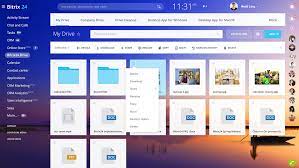
In today’s digital age, managing documents efficiently is crucial for businesses of all sizes. A web-based document management system offers a convenient and secure solution to organize, store, and access documents online. Here are some key benefits of implementing a web-based document management system:

Accessibility

One of the primary benefits of a web-based document management system is the ability to access your documents from anywhere with an internet connection. This ensures that your team members can collaborate on projects and access important files even when they are not in the office.

Security

Web-based document management systems provide robust security features to protect your sensitive information. With encryption, user authentication, and access controls, you can ensure that only authorized users have access to specific documents.

Version Control

Keeping track of document versions can be challenging, especially when multiple team members are working on the same file. A web-based document management system allows you to track changes, revert to previous versions, and maintain a clear audit trail of document edits.

Collaboration

Collaboration is made easy with a web-based document management system. Team members can work together on documents in real-time, leave comments, and provide feedback without the need for emailing files back and forth.

Cost-Effective

Implementing a web-based document management system eliminates the need for physical storage space and reduces paper usage. This not only saves costs associated with printing and storing paper documents but also contributes to environmental sustainability.

Scalability

A web-based document management system can easily scale with your business as it grows. You can add more users, increase storage capacity, and customize features according to your evolving needs without significant disruptions.

In conclusion, a web-based document management system offers numerous benefits that enhance efficiency, collaboration, security, and cost-effectiveness for businesses looking to streamline their document workflows in the digital era.


8 Essential Tips for Optimizing Your Web-Based Document Management System

  1. Ensure regular backups of all documents to prevent data loss.
  2. Implement user permissions to control access and editing rights.
  3. Utilize version control to track changes made to documents over time.
  4. Set up automated workflows for efficient document routing and approval processes.
  5. Integrate with other tools such as email and calendars for seamless collaboration.
  6. Provide training and support for users to maximize system utilization.
  7. Regularly audit the system for security vulnerabilities and compliance with regulations.
  8. Consider scalability options to accommodate future growth of document storage needs.

Ensure regular backups of all documents to prevent data loss.

Regular backups of all documents are essential to prevent data loss when using a web-based document management system. By implementing a robust backup strategy, businesses can safeguard their valuable information against unexpected events such as system failures, cyber attacks, or human errors. Regularly backing up documents ensures that even in the event of data loss, businesses can quickly restore their files and continue operations without disruption. Prioritizing regular backups is a proactive measure that helps maintain the integrity and availability of critical documents, providing peace of mind for organizations relying on web-based document management systems.

Implement user permissions to control access and editing rights.

Implementing user permissions in a web-based document management system is essential for controlling access and editing rights effectively. By setting up user-specific permissions, organizations can ensure that only authorized individuals have the ability to view, edit, or delete sensitive documents. This not only enhances security but also helps maintain data integrity and compliance with regulatory requirements. User permissions provide a granular level of control over document access, allowing businesses to tailor access rights based on roles and responsibilities within the organization.

Utilize version control to track changes made to documents over time.

Utilizing version control in a web-based document management system is essential for tracking changes made to documents over time. By maintaining a clear record of document versions and edits, teams can easily identify who made specific changes, revert to previous versions if needed, and ensure that the most up-to-date information is always accessible. This feature enhances collaboration, streamlines workflows, and helps maintain data integrity within the organization.

Set up automated workflows for efficient document routing and approval processes.

Setting up automated workflows for efficient document routing and approval processes is a game-changer in web-based document management systems. By automating the flow of documents through predefined routes and approval stages, businesses can streamline their operations, reduce manual errors, and ensure timely approvals. This feature not only saves time but also improves collaboration among team members by providing a clear and structured process for document handling. Businesses can achieve greater efficiency and productivity by leveraging automated workflows in their web-based document management system.

Integrate with other tools such as email and calendars for seamless collaboration.

Integrating a web-based document management system with other tools like email and calendars can significantly enhance collaboration within a team. By seamlessly connecting these platforms, team members can easily share documents, schedule meetings, and coordinate tasks more efficiently. This integration streamlines communication processes and ensures that all relevant information is accessible in one centralized location, ultimately improving productivity and teamwork.

Provide training and support for users to maximize system utilization.

To maximize the utilization of a web-based document management system, it is essential to provide comprehensive training and ongoing support for users. By offering training sessions that educate users on the system’s features, functionalities, and best practices, organizations can ensure that their employees are equipped with the knowledge and skills needed to effectively utilize the system. Additionally, providing continuous support through help desks, user guides, and troubleshooting resources can address any issues or questions that may arise, ultimately enhancing user confidence and system adoption. Effective training and support empower users to leverage the full potential of the document management system, leading to improved productivity and efficiency within the organization.

Regularly audit the system for security vulnerabilities and compliance with regulations.

Regularly auditing your web-based document management system for security vulnerabilities and compliance with regulations is essential to ensure the integrity and confidentiality of your sensitive information. By conducting routine assessments, you can identify potential risks, address any vulnerabilities promptly, and maintain adherence to industry regulations and standards. This proactive approach not only enhances the security of your system but also demonstrates your commitment to safeguarding data privacy and maintaining compliance with legal requirements.

Consider scalability options to accommodate future growth of document storage needs.

When implementing a web-based document management system, it is essential to consider scalability options to accommodate future growth of document storage needs. By planning for scalability from the outset, businesses can ensure that their system can easily expand to meet increasing storage demands as the organization grows. This proactive approach not only prevents potential storage constraints but also allows for a seamless transition as document volumes increase over time.

Unlocking Success: The Role of a Software Engineering Consultant in Project Excellence

Software Engineering Consultant: The Key to Successful Projects

Software Engineering Consultant: The Key to Successful Projects

In today’s fast-paced technological landscape, businesses are constantly seeking ways to stay ahead of the competition. One crucial aspect that can make or break a project is software engineering. This is where a software engineering consultant comes into play.

What Does a Software Engineering Consultant Do?

A software engineering consultant is a professional who provides expert advice and guidance on software development projects. They have in-depth knowledge of programming languages, development methodologies, and industry best practices. Their role is to analyze project requirements, identify potential challenges, and recommend solutions to ensure the successful delivery of high-quality software.

The Benefits of Hiring a Software Engineering Consultant

There are several benefits to hiring a software engineering consultant for your project:

  • Expertise: Consultants bring specialized skills and experience to the table, ensuring that your project is in capable hands.
  • Efficiency: Their knowledge of efficient development practices can help streamline the project timeline and reduce costs.
  • Risk Mitigation: Consultants can identify potential risks early on and implement strategies to mitigate them, reducing the likelihood of project delays or failures.
  • Innovation: Consultants stay up-to-date with the latest technologies and trends, bringing fresh ideas and innovative solutions to your project.

How to Choose the Right Software Engineering Consultant

When selecting a software engineering consultant for your project, consider the following factors:

  • Experience: Look for consultants with a proven track record of successful projects in your industry.
  • Communication Skills: Effective communication is key to a successful collaboration. Ensure that the consultant can clearly convey complex technical concepts to stakeholders.
  • Cultural Fit: Choose a consultant who aligns with your company culture and values for seamless integration into your team.
  • Pricing: While cost is an important factor, prioritize value over price when selecting a consultant. Quality expertise may come at a higher cost but can yield better results in the long run.

In conclusion, a software engineering consultant plays a vital role in ensuring the success of software development projects. By leveraging their expertise and experience, businesses can overcome challenges, drive innovation, and achieve their goals in today’s competitive market.


Maximize Success with a Software Engineering Consultant: 6 Key Benefits

  1. Specialized expertise in software development
  2. Efficient project management and timeline optimization
  3. Risk mitigation through early identification and resolution of issues
  4. Innovative solutions based on the latest technologies and trends
  5. Objective perspective and fresh insights into project challenges
  6. Customized strategies tailored to meet specific project requirements


7 Drawbacks of Hiring a Software Engineering Consultant: Costs, Compatibility, and More

  1. Costly services may not fit all budgets.
  2. Dependency on external expertise may hinder internal skill development.
  3. Potential conflicts with in-house development teams or existing processes.
  4. Difficulty in finding a consultant with the right expertise for specific project requirements.
  5. Communication challenges due to technical jargon and complex concepts.
  6. Risk of consultants not fully understanding the business context or industry nuances.
  7. Limited availability leading to potential delays in project timelines.

Specialized expertise in software development

Having specialized expertise in software development, a software engineering consultant brings a deep understanding of programming languages, development methodologies, and industry best practices to the table. This specialized knowledge allows them to tackle complex technical challenges with precision and efficiency, ensuring that projects are executed with high quality and adherence to industry standards. By leveraging their expertise, software engineering consultants can provide valuable insights, innovative solutions, and guidance that lead to successful project outcomes.

Efficient project management and timeline optimization

Efficient project management and timeline optimization are key advantages of hiring a software engineering consultant. With their expertise in development methodologies and best practices, consultants can streamline project workflows, allocate resources effectively, and identify potential bottlenecks early on. By optimizing timelines and ensuring efficient project management, software engineering consultants help businesses meet deadlines, reduce costs, and deliver high-quality software solutions in a timely manner.

Risk mitigation through early identification and resolution of issues

One significant benefit of hiring a software engineering consultant is their ability to mitigate risks by promptly identifying and resolving issues in the early stages of a project. With their expertise and experience, consultants can proactively assess potential challenges, such as technical complexities or development roadblocks, before they escalate into major problems. By addressing these issues upfront, consultants help minimize the risk of project delays, cost overruns, or quality compromises, ultimately ensuring a smoother and more successful software development process.

Software engineering consultants offer a valuable pro by providing innovative solutions that are built on the foundation of the latest technologies and trends. By staying abreast of advancements in the tech industry, consultants can offer cutting-edge solutions that help businesses stay competitive and relevant in today’s rapidly evolving digital landscape. This proactive approach ensures that projects are developed using the most efficient and effective tools available, ultimately leading to enhanced performance, scalability, and user experience.

Objective perspective and fresh insights into project challenges

A significant advantage of hiring a software engineering consultant is their ability to provide an objective perspective and fresh insights into project challenges. With their expertise and experience in various projects, consultants can offer a new viewpoint on existing issues, identify potential roadblocks that may have been overlooked, and propose innovative solutions to overcome obstacles. This objective approach helps teams navigate complexities more effectively and ensures that projects stay on track towards successful completion.

Customized strategies tailored to meet specific project requirements

Software engineering consultants offer a valuable pro by providing customized strategies tailored to meet specific project requirements. By thoroughly analyzing the unique needs and goals of a project, consultants can design tailored solutions that address specific challenges and maximize efficiency. This personalized approach ensures that the software development process is aligned with the project’s objectives, leading to successful outcomes and enhanced project delivery.

Costly services may not fit all budgets.

One significant drawback of hiring a software engineering consultant is the potential cost associated with their services, which may not align with all budgets. The expertise and specialized skills offered by consultants often come at a premium price, making it challenging for smaller businesses or individuals with limited financial resources to afford their services. This cost barrier can restrict access to valuable consultancy support, limiting the ability of some organizations to benefit from the insights and guidance that software engineering consultants can provide. As a result, finding cost-effective alternatives or carefully evaluating the return on investment becomes crucial considerations for those seeking consultancy assistance in the software engineering realm.

Dependency on external expertise may hinder internal skill development.

One notable con of relying heavily on software engineering consultants is the potential hindrance to the development of internal skills within an organization. When companies consistently depend on external expertise for their software engineering projects, there is a risk that internal team members may not have the opportunity to grow and enhance their own skills. This dependency can lead to a lack of knowledge transfer and hands-on learning experiences, limiting the long-term growth and proficiency of the internal team. It is essential for organizations to strike a balance between utilizing external consultants and investing in the continuous development of their internal talent to ensure sustainable success in software engineering endeavors.

Potential conflicts with in-house development teams or existing processes.

One significant con of hiring a software engineering consultant is the potential conflicts that may arise with in-house development teams or existing processes within the organization. Introducing an external consultant into the mix can sometimes lead to friction or resistance from internal team members who may feel threatened or uneasy about changes to their established workflows. Additionally, consultants may propose new methodologies or technologies that contradict existing processes, causing disruptions and challenges in alignment. Managing these conflicts effectively requires clear communication, collaboration, and a shared commitment to achieving project goals while balancing the perspectives of both internal and external stakeholders.

Difficulty in finding a consultant with the right expertise for specific project requirements.

One significant challenge when considering a software engineering consultant is the difficulty in finding a professional with the precise expertise required for specific project requirements. The vast and evolving landscape of software development can make it challenging to identify consultants who possess the exact skill set, experience, and knowledge needed to address unique project demands effectively. This mismatch in expertise can lead to potential delays, misunderstandings, and suboptimal solutions, highlighting the importance of thorough research and evaluation when selecting a consultant to ensure alignment with project objectives and success.

Communication challenges due to technical jargon and complex concepts.

One significant drawback of hiring a software engineering consultant is the potential communication challenges that may arise due to the use of technical jargon and complex concepts. The consultant’s deep expertise in software development may lead to difficulties in effectively conveying information to non-technical team members or clients. This can result in misunderstandings, delays in decision-making, and ultimately impact the project’s progress. Clear and concise communication is essential for successful collaboration, and overcoming these challenges requires the consultant to adapt their language and explanations to ensure everyone involved understands the project’s complexities and requirements.

Risk of consultants not fully understanding the business context or industry nuances.

One significant drawback of hiring a software engineering consultant is the risk that they may not fully grasp the business context or industry nuances of the client’s specific domain. Without a deep understanding of the unique challenges, requirements, and intricacies of the business environment, consultants may struggle to provide tailored solutions that align with the client’s strategic objectives. This lack of contextual awareness can lead to misaligned recommendations, inefficient processes, and ultimately hinder the successful implementation of software projects within the organization. It is essential for businesses to ensure effective communication and knowledge transfer between consultants and internal stakeholders to mitigate this risk and maximize the value derived from external expertise.

Limited availability leading to potential delays in project timelines.

One significant drawback of hiring a software engineering consultant is their limited availability, which can potentially result in delays in project timelines. Due to their expertise being in high demand, consultants may have other commitments that could impact their ability to dedicate sufficient time to your project. This limitation in availability can lead to extended project timelines, causing frustration and potential setbacks for businesses aiming to meet tight deadlines. It is crucial for organizations to carefully consider the consultant’s availability and workload management strategies before engaging their services to mitigate the risk of project delays.

it business consultant

Unlocking Success: The Essential Role of an IT Business Consultant

Article: IT Business Consultant

The Role of an IT Business Consultant

IT business consultants play a crucial role in helping organizations leverage technology to achieve their business goals. These professionals are experts in both information technology and business management, making them valuable assets for companies looking to optimize their operations.

Responsibilities of an IT Business Consultant

An IT business consultant is responsible for analyzing a company’s existing IT infrastructure, identifying areas for improvement, and recommending solutions that align with the organization’s objectives. They collaborate with key stakeholders to understand the company’s needs and develop strategies to enhance efficiency and productivity.

Additionally, IT business consultants provide guidance on implementing new technologies, managing software applications, and ensuring data security. They stay informed about the latest industry trends and best practices to offer cutting-edge solutions that give their clients a competitive edge.

Skills Required

To excel as an IT business consultant, individuals need a combination of technical expertise and business acumen. Key skills include:

  • Strong analytical skills
  • Excellent communication abilities
  • Project management proficiency
  • Problem-solving capabilities
  • Knowledge of industry regulations and compliance standards
  • Creativity in developing innovative solutions

The Benefits of Hiring an IT Business Consultant

By engaging the services of an IT business consultant, organizations can:

  • Enhance operational efficiency
  • Improve decision-making processes
  • Increase cybersecurity measures
  • Optimize resource allocation
  • Leverage technology for strategic growth

In conclusion, IT business consultants play a vital role in helping businesses navigate the complexities of the digital landscape. Their expertise and insights enable companies to harness the power of technology to drive success and achieve sustainable growth.


Leveraging IT Business Consultants: 8 Key Benefits for Enhanced Efficiency and Strategic Growth

  1. Expertise in both IT and business management
  2. Ability to analyze and optimize IT infrastructure
  3. Recommendation of solutions aligned with business objectives
  4. Collaboration with stakeholders to understand needs
  5. Guidance on implementing new technologies
  6. Knowledge of industry trends and best practices
  7. Enhancement of operational efficiency
  8. Improvement of decision-making processes


6 Drawbacks of Hiring an IT Business Consultant: Costs, Conflicts, and More

  1. High consulting fees may be prohibitive for small businesses with limited budgets.
  2. Potential conflicts of interest if the consultant has partnerships with specific technology vendors.
  3. Difficulty in quantifying the ROI of consulting services, making it challenging to measure their impact.
  4. Consultants may not fully understand the unique intricacies and culture of a particular organization.
  5. Limited availability or responsiveness from consultants can hinder timely project completion.
  6. Overreliance on consultants may lead to a lack of internal expertise development within the organization.

Expertise in both IT and business management

An invaluable benefit of hiring an IT business consultant is their dual expertise in both information technology and business management. This unique skill set allows them to bridge the gap between technical solutions and strategic business objectives. By understanding the intricacies of IT systems as well as the complexities of organizational operations, IT business consultants can provide tailored recommendations that not only address technological needs but also align with the overall goals and vision of the company. Their ability to translate technical jargon into actionable insights for decision-makers makes them indispensable partners in driving innovation and efficiency within businesses.

Ability to analyze and optimize IT infrastructure

The ability of an IT business consultant to analyze and optimize IT infrastructure is a valuable asset for organizations seeking to enhance their technological capabilities. By conducting in-depth assessments of existing systems and processes, these consultants can identify inefficiencies, bottlenecks, and areas for improvement. Through strategic planning and implementation of tailored solutions, they can streamline operations, increase performance, and maximize the overall efficiency of an organization’s IT environment. This proactive approach not only ensures a more robust infrastructure but also positions the company for future growth and success in an increasingly digital world.

Recommendation of solutions aligned with business objectives

An essential benefit of hiring an IT business consultant is their ability to recommend solutions that are closely aligned with the company’s overarching business objectives. By thoroughly understanding the organization’s goals and challenges, these consultants can propose tailored IT strategies that not only address immediate technical needs but also contribute to the long-term success and growth of the business. This alignment ensures that technology investments support and enhance the company’s overall mission, vision, and strategic direction, leading to more effective utilization of resources and a competitive edge in the market.

Collaboration with stakeholders to understand needs

Collaboration with stakeholders to understand their needs is a key advantage of hiring an IT business consultant. By working closely with various departments and individuals within an organization, the consultant gains valuable insights into the specific challenges and requirements of the business. This collaborative approach ensures that solutions are tailored to meet the unique goals and objectives of the company, leading to more effective and targeted IT strategies. Effective communication and engagement with stakeholders allow the consultant to align technological recommendations with the overall vision of the organization, ultimately driving successful outcomes and fostering a culture of teamwork and shared responsibility.

Guidance on implementing new technologies

IT business consultants provide invaluable guidance on implementing new technologies within organizations. By staying abreast of the latest advancements in the tech industry, they can recommend and oversee the integration of cutting-edge solutions that align with a company’s objectives. This proactive approach not only ensures a smooth transition to new systems but also maximizes the benefits that innovative technologies can bring, ultimately helping businesses stay competitive and agile in a rapidly evolving digital landscape.

Having a deep understanding of industry trends and best practices is a significant advantage of hiring an IT business consultant. This expertise allows consultants to provide clients with cutting-edge solutions that are aligned with the latest developments in technology and business strategies. By staying informed about emerging trends, IT business consultants can offer innovative recommendations that help organizations stay competitive and ahead of the curve in a rapidly evolving digital landscape.

Enhancement of operational efficiency

The expertise of an IT business consultant in enhancing operational efficiency is invaluable to organizations seeking to streamline their processes and maximize productivity. By analyzing existing workflows, identifying bottlenecks, and recommending optimized solutions, IT consultants can help businesses operate more smoothly and effectively. Through the implementation of efficient technologies and strategic improvements, they enable companies to achieve higher levels of performance, reduce costs, and deliver better results in a competitive business environment.

Improvement of decision-making processes

One significant benefit of engaging an IT business consultant is the improvement of decision-making processes within an organization. By leveraging their expertise in technology and business management, IT consultants can provide valuable insights and data-driven recommendations that empower companies to make informed decisions. Through strategic analysis and innovative solutions, IT consultants help streamline decision-making processes, leading to more efficient operations, increased productivity, and ultimately, better outcomes for the business as a whole.

High consulting fees may be prohibitive for small businesses with limited budgets.

High consulting fees associated with IT business consultants can pose a significant challenge for small businesses operating on limited budgets. The cost of hiring these professionals may be prohibitive for smaller organizations, making it difficult for them to access the expertise and guidance needed to optimize their IT infrastructure. This financial barrier can prevent small businesses from benefiting from the valuable insights and strategic recommendations that IT consultants offer, potentially hindering their ability to compete effectively in the digital marketplace. Finding affordable solutions or alternative consulting arrangements may be crucial for small businesses looking to overcome this con and leverage technology effectively within their budget constraints.

Potential conflicts of interest if the consultant has partnerships with specific technology vendors.

One significant con of hiring an IT business consultant is the potential for conflicts of interest, especially when the consultant has established partnerships with specific technology vendors. In such cases, there is a risk that the consultant may prioritize recommending solutions from their partner vendors over objectively selecting the best-fit technologies for the client’s needs. This bias can compromise the integrity of the consulting process and hinder the client’s ability to explore a wider range of options that could better suit their requirements and budget. Transparency and clear communication regarding any vendor relationships are essential to mitigate this conflict and ensure that recommendations are made in the client’s best interests.

Difficulty in quantifying the ROI of consulting services, making it challenging to measure their impact.

One significant drawback of IT business consultants is the difficulty in quantifying the return on investment (ROI) of their consulting services. This challenge makes it arduous for organizations to accurately measure the impact that consultants have on their operations and bottom line. Without clear metrics to assess the effectiveness of consulting initiatives, companies may struggle to justify the costs associated with hiring IT business consultants and may find it challenging to determine the true value they bring to the organization.

Consultants may not fully understand the unique intricacies and culture of a particular organization.

Consultants may encounter challenges when they do not fully grasp the unique intricacies and culture of a specific organization. Without a deep understanding of the company’s internal dynamics, values, and operational nuances, consultants may struggle to tailor their recommendations effectively. This lack of insight can lead to proposed solutions that are not aligned with the organization’s goals or that fail to resonate with its employees. Building trust and rapport within the organization becomes more difficult when consultants are perceived as disconnected from the company’s core identity and way of doing business. It is essential for IT business consultants to invest time in comprehensively understanding each client’s organizational culture to deliver solutions that truly meet their needs.

Limited availability or responsiveness from consultants can hinder timely project completion.

Limited availability or responsiveness from IT business consultants can pose a significant challenge and hinder timely project completion. When consultants are not readily accessible to address issues, provide guidance, or make critical decisions, it can lead to delays in project milestones and overall progress. This lack of responsiveness can disrupt communication flow, cause misunderstandings, and create bottlenecks in the project timeline. Clients rely on prompt and efficient support from consultants to ensure that projects stay on track and meet deadlines. Therefore, ensuring consistent availability and responsiveness is essential for successful project outcomes in the realm of IT business consulting.

Overreliance on consultants may lead to a lack of internal expertise development within the organization.

Overreliance on IT business consultants can potentially result in a lack of internal expertise development within the organization. When companies consistently turn to external consultants for IT solutions, there is a risk that internal staff may not have the opportunity to acquire and enhance their own skills. This dependency on external expertise could hinder the growth and knowledge-building of the organization’s workforce, limiting their ability to independently address future IT challenges. It is essential for businesses to strike a balance between utilizing external consultants and investing in the continuous development of their internal talent to ensure long-term sustainability and innovation within the company.

Navigating Success: The Role of IT Consulting Business in Today’s Digital Landscape

The Role of IT Consulting Businesses in Today’s Digital World

The Role of IT Consulting Businesses in Today’s Digital World

In today’s fast-paced and ever-evolving digital landscape, businesses are constantly seeking ways to leverage technology to gain a competitive edge. This is where IT consulting businesses play a crucial role.

IT consulting firms provide expert advice and guidance to organizations looking to optimize their IT infrastructure, streamline processes, enhance security measures, and implement new technologies effectively. These firms bring a wealth of knowledge and experience to the table, helping businesses navigate the complexities of the digital realm.

Key Services Offered by IT Consulting Businesses

IT consulting businesses offer a wide range of services tailored to meet the unique needs of each client. Some of the key services include:

  • IT Strategy Development: Helping businesses align their IT strategies with their overall business goals.
  • Infrastructure Assessment: Evaluating existing IT infrastructure to identify areas for improvement and optimization.
  • Cybersecurity Consulting: Implementing robust security measures to protect against cyber threats and data breaches.
  • Cloud Computing Solutions: Assisting businesses in migrating to cloud-based systems for increased efficiency and scalability.
  • Software Development: Creating custom software solutions tailored to meet specific business requirements.

The Benefits of Engaging an IT Consulting Firm

By partnering with an IT consulting business, organizations can benefit in several ways:

  • Expertise: Access to a team of skilled professionals with specialized knowledge in various areas of technology.
  • Cost-Effectiveness: Avoiding costly mistakes by implementing solutions that are tailored to the organization’s needs.
  • Innovation: Staying ahead of the curve by leveraging the latest technologies and trends in the industry.
  • Risk Mitigation: Minimizing security risks and ensuring compliance with industry regulations through proactive measures.

In conclusion, IT consulting businesses play a vital role in helping organizations harness the power of technology for growth and success. By leveraging their expertise and guidance, businesses can navigate the complexities of the digital landscape with confidence and achieve their strategic objectives effectively.


9 Key Advantages of IT Consulting for Business Growth and Innovation

  1. Access to specialized expertise in various areas of technology
  2. Cost-effective solutions tailored to the organization’s needs
  3. Innovative strategies to stay ahead of industry trends
  4. Efficient implementation of new technologies and processes
  5. Improved cybersecurity measures to protect against threats
  6. Enhanced scalability and flexibility through cloud computing solutions
  7. Custom software development for specific business requirements
  8. Proactive risk mitigation and compliance with industry regulations
  9. Expert guidance for optimizing IT infrastructure and processes


6 Drawbacks of IT Consulting: Costs, Dependency, and More

  1. High Cost
  2. Dependency
  3. Lack of Control
  4. Confidentiality Concerns
  5. Skill Mismatch
  6. Communication Challenges

Access to specialized expertise in various areas of technology

Access to specialized expertise in various areas of technology is a key advantage of engaging an IT consulting business. These firms bring a diverse team of skilled professionals with in-depth knowledge in fields such as cybersecurity, cloud computing, software development, and more. By tapping into this specialized expertise, organizations can benefit from tailored solutions that address their specific technological needs effectively. This access to a breadth of knowledge ensures that businesses stay ahead of the curve and leverage the latest advancements in technology to drive innovation and achieve their strategic goals.

Cost-effective solutions tailored to the organization’s needs

One significant advantage of engaging an IT consulting business is the provision of cost-effective solutions that are customized to meet the specific needs of the organization. By tailoring IT solutions to align with the organization’s requirements, businesses can avoid unnecessary expenses associated with generic or one-size-fits-all approaches. This personalized approach not only helps in optimizing the use of resources but also ensures that the implemented solutions are efficient and relevant, ultimately leading to improved operational effectiveness and cost savings in the long run.

IT consulting businesses offer a valuable pro by providing innovative strategies to help organizations stay ahead of industry trends. By leveraging their expertise and in-depth knowledge of the latest technologies, IT consultants can guide businesses in adopting cutting-edge solutions that give them a competitive edge. These innovative strategies not only help companies adapt to changing market dynamics but also position them as industry leaders, driving growth and success in today’s fast-paced digital world.

Efficient implementation of new technologies and processes

IT consulting businesses excel in the efficient implementation of new technologies and processes for organizations. By leveraging their expertise and experience, these firms can seamlessly integrate cutting-edge technologies into existing systems, ensuring a smooth transition and minimal disruption to operations. This proactive approach not only accelerates the adoption of innovative solutions but also enhances overall efficiency, productivity, and competitiveness within the organization.

Improved cybersecurity measures to protect against threats

In today’s increasingly digital world, one significant advantage of engaging an IT consulting business is the enhancement of cybersecurity measures to safeguard against evolving cyber threats. These firms bring specialized expertise in implementing robust security protocols, conducting risk assessments, and staying abreast of the latest cybersecurity trends. By leveraging their knowledge and experience, organizations can fortify their defenses, mitigate potential risks, and ensure the protection of sensitive data from malicious actors.

Enhanced scalability and flexibility through cloud computing solutions

IT consulting businesses offer enhanced scalability and flexibility through cloud computing solutions, enabling organizations to adapt to changing business needs with ease. By leveraging cloud technologies, businesses can scale their IT resources up or down based on demand, ensuring optimal performance and cost-efficiency. Cloud solutions also provide the flexibility to access data and applications from anywhere, empowering employees to work remotely and collaborate seamlessly. This pro of IT consulting services not only enhances operational efficiency but also future-proofs businesses by enabling them to embrace growth opportunities without being limited by traditional IT infrastructure constraints.

Custom software development for specific business requirements

Custom software development tailored to specific business requirements is a significant advantage offered by IT consulting businesses. By creating bespoke solutions, these firms enable organizations to address unique challenges and streamline processes effectively. This personalized approach ensures that the software aligns perfectly with the company’s operations, enhancing efficiency, productivity, and overall performance. With custom software development, businesses can optimize their workflows, improve decision-making processes, and gain a competitive edge in their industry.

Proactive risk mitigation and compliance with industry regulations

One significant advantage of engaging an IT consulting business is their proactive approach to risk mitigation and ensuring compliance with industry regulations. These firms have the expertise to identify potential security threats and vulnerabilities in a company’s IT infrastructure before they escalate into major issues. By implementing robust security measures and staying up-to-date on regulatory requirements, IT consulting businesses help organizations minimize risks, protect sensitive data, and maintain adherence to industry standards, ultimately fostering a secure and compliant operating environment.

Expert guidance for optimizing IT infrastructure and processes

IT consulting businesses offer expert guidance for optimizing IT infrastructure and processes, ensuring that organizations can maximize efficiency and performance in their technological operations. By leveraging the knowledge and experience of IT consultants, businesses can identify areas for improvement, streamline workflows, and implement best practices to enhance overall productivity. This proactive approach not only helps businesses operate more effectively but also positions them for future growth and success in an increasingly digital world.

High Cost

One significant drawback of IT consulting services is the high cost associated with them, which can pose a challenge for small businesses operating on limited budgets. The fees charged by IT consulting firms for their expertise and services can be substantial, making it difficult for smaller enterprises to afford the level of support they may require to optimize their IT infrastructure. This financial barrier may prevent some businesses from accessing the valuable guidance and solutions that IT consultants can offer, potentially hindering their ability to compete effectively in today’s digital market.

Dependency

One significant con of engaging IT consulting businesses is the risk of dependency. Businesses may become overly reliant on IT consultants, which can impact their ability to make independent decisions regarding their IT infrastructure and technology strategies. This dependency can lead to a lack of in-house expertise and ownership of critical IT processes, potentially limiting the organization’s agility and autonomy in adapting to changing technology needs. It is essential for businesses to strike a balance between leveraging external expertise and maintaining internal capabilities to ensure long-term sustainability and strategic decision-making.

Lack of Control

Outsourcing IT consulting services can present a significant drawback in the form of a lack of control over crucial technology decisions and implementations. When businesses rely on external consultants for their IT needs, they may find themselves in a position where they have limited influence over the direction of their technology strategies. This loss of control can lead to potential misalignment with business objectives and a disconnect between the desired outcomes and the implemented solutions. Organizations must carefully weigh this con against the benefits of expertise and efficiency that IT consulting firms offer to ensure that they maintain a balance between external support and internal autonomy in their technology initiatives.

Confidentiality Concerns

Confidentiality concerns represent a significant con of engaging IT consulting businesses. Sharing sensitive business information with external consultants can potentially lead to confidentiality breaches and raise concerns about the protection of proprietary data. Organizations may feel hesitant to disclose critical details about their operations, strategies, or technologies, fearing the risk of unauthorized access or data leaks. Maintaining strict confidentiality protocols and ensuring trustworthiness in handling sensitive information are crucial aspects that both IT consulting firms and their clients must address to mitigate these risks effectively.

Skill Mismatch

Skill Mismatch can be a significant con of IT consulting businesses, as the expertise of IT consultants may not always align perfectly with the specific needs or goals of a business. This mismatch can lead to inefficiencies, misunderstandings, and potential roadblocks in implementing effective solutions. It is crucial for businesses to thoroughly assess the capabilities and experience of IT consultants before engaging their services to ensure that they possess the necessary skills to address the unique challenges faced by the organization.

Communication Challenges

Communication challenges represent a significant drawback of IT consulting businesses. Misunderstandings or miscommunication between the consulting firm and the client can result in inefficiencies and project delays. When there is a lack of clear and effective communication, it can lead to discrepancies in expectations, objectives, or deliverables, hindering the overall progress and success of the project. Addressing these communication challenges is essential to ensure that both parties are aligned and working towards the same goals for a smooth and productive collaboration.

Exploring the Role of Software Applications in Software Engineering

Software Applications in Software Engineering

The Role of Software Applications in Software Engineering

Software applications play a crucial role in the field of software engineering, serving as the primary tools that enable engineers to design, develop, test, and maintain software systems. These applications are essential for streamlining the software development process and ensuring the delivery of high-quality products.

Key Functions of Software Applications in Software Engineering

Integrated Development Environments (IDEs): IDEs provide engineers with a comprehensive set of tools for writing, compiling, debugging, and deploying code. These applications enhance productivity by offering features such as code auto-completion, syntax highlighting, and version control integration.

Version Control Systems: Version control systems like Git enable software engineers to track changes to their codebase, collaborate with team members effectively, and revert to previous versions if needed. These applications help maintain code integrity and facilitate seamless collaboration within development teams.

Testing Tools: Testing tools such as JUnit and Selenium assist engineers in verifying the functionality and performance of their software applications. These tools automate the testing process, identify bugs early in the development cycle, and ensure that the final product meets quality standards.

The Impact of Software Applications on Software Engineering Practices

The use of software applications has revolutionized software engineering practices by enabling engineers to work more efficiently and collaboratively. These tools have facilitated agile development methodologies, continuous integration practices, and rapid prototyping techniques that accelerate the delivery of software products to market.

Future Trends in Software Applications for Software Engineering

As technology continues to evolve, we can expect software applications in software engineering to become more sophisticated and specialized. Emerging trends such as artificial intelligence-driven development tools, cloud-based IDEs, and low-code platforms are reshaping how engineers approach software development tasks.

In conclusion, software applications are indispensable assets for software engineers, empowering them to innovate, iterate rapidly, and deliver cutting-edge solutions to meet evolving market demands. By leveraging these tools effectively, engineers can enhance their productivity, collaboration capabilities, and overall success in the dynamic field of software engineering.


Understanding Software Applications in Software Engineering: Key Concepts and Examples

  1. What is software engineer applications?
  2. What is software application in software engineering?
  3. What are the 3 main types of software applications?
  4. What are examples of software applications?
  5. What is a software application and examples?
  6. What are software applications in software engineering?

What is software engineer applications?

In the realm of software engineering, the term “software engineer applications” refers to the specialized software tools and applications that are utilized by software engineers to design, develop, test, and maintain software systems. These applications encompass a wide range of tools, including integrated development environments (IDEs), version control systems, testing tools, and more. Software engineer applications play a pivotal role in streamlining the development process, enhancing productivity, and ensuring the delivery of high-quality software products. By leveraging these specialized tools effectively, software engineers can optimize their workflows, collaborate efficiently with team members, and navigate the complexities of modern software development practices with precision and expertise.

What is software application in software engineering?

In the realm of software engineering, a software application refers to a program or set of programs designed to perform specific tasks or functions on a computer system. These applications are meticulously crafted by software engineers to address various user needs, from simple utilities to complex enterprise systems. They serve as the building blocks of technology solutions, enabling users to interact with data, automate processes, and accomplish specific goals efficiently. In essence, a software application in software engineering embodies the ingenuity and expertise of developers in creating functional and user-friendly solutions that drive innovation and progress in the digital landscape.

What are the 3 main types of software applications?

In the realm of software applications in software engineering, one frequently asked question revolves around the classification of software into different types. When considering this question, it is commonly acknowledged that there are three main types of software applications: system software, application software, and programming software. System software serves as a foundational layer that manages hardware resources and provides essential functionalities for other software to run smoothly. Application software, on the other hand, caters to end-users’ needs by offering specific functionalities such as word processing, graphic design, or accounting. Lastly, programming software includes tools and environments that enable developers to create and modify other software applications effectively. Understanding these distinct types is crucial for comprehending the diverse roles that software applications play in the field of software engineering.

What are examples of software applications?

In the realm of software engineering, examples of software applications encompass a wide array of tools that serve distinct purposes throughout the software development lifecycle. Common examples include Integrated Development Environments (IDEs) like Visual Studio and IntelliJ IDEA, which provide a comprehensive platform for coding, debugging, and building software projects. Version control systems such as Git and Subversion enable teams to manage code changes efficiently and collaborate seamlessly. Testing tools like Selenium and JUnit assist in verifying the functionality and performance of applications. These examples highlight the diverse range of software applications that play vital roles in modern software engineering practices.

What is a software application and examples?

A software application, commonly referred to as an “app,” is a computer program designed to perform specific tasks or functions for end-users. These applications are created to address various needs, such as productivity, entertainment, communication, and more. Examples of software applications include web browsers like Google Chrome and Mozilla Firefox, productivity suites like Microsoft Office and Google Workspace, messaging apps like WhatsApp and Slack, social media platforms such as Facebook and Instagram, and video streaming services like Netflix and YouTube. Each software application serves a distinct purpose and offers unique features to enhance user experiences in different aspects of daily life and work.

What are software applications in software engineering?

Software applications in software engineering refer to the specialized tools and programs that software engineers use to design, develop, test, and maintain software systems. These applications encompass a wide range of functionalities, including integrated development environments (IDEs) for coding, version control systems for managing code changes, testing tools for quality assurance, and various other utilities that streamline the software development process. Essentially, software applications in software engineering are essential components that empower engineers to create innovative solutions, collaborate effectively with team members, and deliver high-quality software products to meet the needs of users and businesses.