


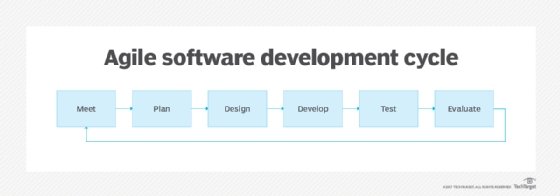
The Foundation of Agile Software Development: Principles That Agile Software Development Is Based On
The Foundation of Agile Software Development
Agile software development is a methodology that has revolutionized the way software is created and delivered. It is based on several key principles that prioritize flexibility, collaboration, and continuous improvement.
Iterative Approach
One of the fundamental aspects of agile software development is its iterative approach. Instead of working on a project in one large chunk, agile teams break it down into smaller increments known as sprints. This allows for regular feedback and adjustments to be made throughout the development process.
Collaborative Environment
Agile development emphasizes the importance of collaboration among team members. Developers, designers, testers, and stakeholders work closely together throughout the project to ensure that everyone’s input is considered and integrated into the final product.
Customer Involvement
Another core principle of agile software development is customer involvement. By engaging with customers early and often, teams can gather feedback, validate assumptions, and make necessary changes to meet customer expectations effectively.
Adaptability
Agile methodologies prioritize adaptability in response to changing requirements or market conditions. Teams are encouraged to embrace change and continuously improve their processes to deliver high-quality software that meets evolving needs.
Transparency
Transparency is essential in agile development practices. Team members share progress, challenges, and successes openly to foster trust and accountability within the team. This transparency enables better decision-making and ensures alignment with project goals.
Continuous Improvement
Continuous improvement lies at the heart of agile software development. Through retrospectives at the end of each sprint, teams reflect on their performance, identify areas for enhancement, and implement changes to enhance efficiency and effectiveness in future iterations.
In conclusion, agile software development is founded on principles that promote collaboration, adaptability, customer focus, transparency, and continuous improvement. By embracing these core values, teams can deliver innovative solutions that meet customer needs efficiently and effectively in today’s fast-paced digital landscape.
5 Essential Tips for Mastering Agile Software Development
- Embrace change and welcome requirements that evolve throughout the project.
- Prioritize collaboration and communication among team members to enhance efficiency.
- Deliver working software in short iterations to receive feedback early and frequently.
- Empower the team by trusting them to make decisions and self-organize.
- Reflect on ways to improve processes continuously through regular retrospectives.
Embrace change and welcome requirements that evolve throughout the project.
In agile software development, embracing change and welcoming evolving requirements are essential principles that drive project success. By remaining flexible and open to adjustments as the project progresses, teams can respond effectively to shifting priorities, new insights, and emerging opportunities. This approach allows for continuous improvement and ensures that the final product meets the evolving needs of stakeholders and customers. Embracing change not only enhances the team’s ability to deliver value but also fosters a culture of adaptability and innovation within the organization.
Prioritize collaboration and communication among team members to enhance efficiency.
To enhance efficiency in agile software development, prioritizing collaboration and communication among team members is crucial. By fostering a culture of open communication and teamwork, individuals can share ideas, address challenges collectively, and leverage each other’s strengths to deliver high-quality software solutions. Effective collaboration ensures that everyone is aligned with project goals, minimizes misunderstandings, and promotes a sense of ownership and accountability within the team. Ultimately, by working together seamlessly and transparently, teams can streamline processes, make informed decisions, and achieve greater productivity in their agile development projects.
Deliver working software in short iterations to receive feedback early and frequently.
In agile software development, the practice of delivering working software in short iterations is crucial for obtaining feedback early and frequently. By breaking down the project into manageable chunks and providing functional deliverables at the end of each iteration, teams can engage stakeholders and end-users to gather valuable insights. This iterative approach allows for rapid adjustments based on feedback, ensuring that the final product meets customer expectations effectively. The continuous feedback loop not only enhances collaboration and transparency but also enables teams to address issues promptly, leading to the development of high-quality software solutions that align closely with user needs.
Empower the team by trusting them to make decisions and self-organize.
Empowering the team by trusting them to make decisions and self-organize is a fundamental aspect of agile software development. By giving team members autonomy and ownership over their work, they are more motivated, engaged, and innovative. This approach fosters a culture of collaboration and creativity, where individuals feel valued and empowered to contribute their unique skills and perspectives. Trusting the team to self-organize not only improves productivity but also leads to better outcomes as members take responsibility for their tasks and collectively work towards achieving project goals efficiently.
Reflect on ways to improve processes continuously through regular retrospectives.
Reflecting on ways to improve processes continuously through regular retrospectives is a key aspect of agile software development. By conducting retrospectives at the end of each sprint, teams have the opportunity to analyze their performance, identify areas for enhancement, and implement changes that lead to increased efficiency and effectiveness in future iterations. This practice fosters a culture of continuous improvement within the team, encouraging open communication, collaboration, and a shared commitment to delivering high-quality software solutions that meet evolving needs.