cfchris.com

Loading

Archives November 2025

human ai

Exploring the Synergy Between Human Intelligence and Artificial Intelligence (AI)

The Intersection of Human Intelligence and Artificial Intelligence

The Intersection of Human Intelligence and Artificial Intelligence

In the rapidly evolving landscape of technology, the collaboration between human intelligence and artificial intelligence (AI) is becoming increasingly significant. This partnership holds the potential to revolutionize various sectors, from healthcare to finance, by enhancing efficiency and enabling new possibilities.

Understanding Human and Artificial Intelligence

Human intelligence refers to the cognitive abilities that allow humans to learn from experience, adapt to new situations, understand complex concepts, and solve problems. It encompasses emotional intelligence, creativity, critical thinking, and empathy.

Artificial intelligence, on the other hand, involves machines designed to mimic human cognitive functions. AI systems can process vast amounts of data quickly and perform tasks such as recognizing patterns, making decisions based on algorithms, and learning from data inputs.

The Synergy Between Humans and AI

The combination of human intelligence with AI creates a powerful synergy. While AI excels at processing information at high speeds and identifying patterns within large datasets, humans bring creativity, emotional understanding, and ethical reasoning to the table.

  • Enhanced Decision-Making: In industries like healthcare, AI can analyze medical data rapidly to assist doctors in diagnosing diseases more accurately. However, human doctors provide the essential context for understanding patient histories and making empathetic decisions.
  • Creative Collaboration: In fields such as art and music, AI tools can generate new ideas or compositions based on existing works. Artists can then refine these creations using their unique perspective and intuition.
  • Ethical Considerations: As AI systems become more prevalent in decision-making processes that impact society—such as criminal justice or hiring practices—human oversight is crucial in ensuring ethical standards are maintained.

The Future of Human-AI Collaboration

The future promises even deeper integration between humans and AI. As technologies advance, there will be greater opportunities for collaboration that leverage both machine efficiency and human insight. This partnership could lead to breakthroughs in personalized medicine, environmental conservation efforts through smart technologies, or even entirely new industries driven by innovation at this intersection.

Challenges Ahead

Despite its potential benefits, integrating AI with human processes poses challenges such as data privacy concerns or biases inherent in algorithmic decision-making systems. Addressing these issues requires ongoing dialogue among technologists policymakers businesses—and most importantly—the public—to ensure responsible development of these technologies.

A Collaborative Path Forward

The key lies not in viewing artificial intelligence as a replacement for human capabilities but rather an augmentation tool that enhances what people already do well while opening up new frontiers previously unimaginable without technological assistance.

This collaborative path forward will require continuous learning adaptation—and perhaps most importantly—a commitment towards harnessing technology ethically responsibly—and sustainably—for generations yet unborn who will inherit this brave new world shaped by our choices today at this fascinating intersection where humanity meets machine ingenuity head-on!


Top 6 Frequently Asked Questions About Human AI: Understanding, Purchasing, and Utilizing Human-Like Artificial Intelligence

  1. Where can I buy human AI?
  2. What is human AI?
  3. What is the most human AI?
  4. How to use human AI?
  5. What is a human AI?
  6. How to humanize ChatGPT text?

Where can I buy human AI?

The concept of “buying” human AI can be a bit misleading, as human AI typically refers to artificial intelligence systems designed to simulate or augment human cognitive functions. These systems are not standalone products that can be purchased off the shelf but rather software solutions that need to be integrated into existing technologies or platforms. Companies interested in utilizing AI capabilities often work with technology providers, developers, or consultants who specialize in creating custom AI solutions tailored to specific business needs. Popular cloud service providers like Amazon Web Services (AWS), Microsoft Azure, and Google Cloud offer various AI and machine learning services that businesses can leverage. Additionally, there are numerous startups and tech firms specializing in AI development that offer bespoke solutions for different industries. It’s important for organizations to assess their specific requirements and consult with experts to implement the most effective AI strategies.

What is human AI?

Human AI, often referred to as human-centered artificial intelligence, is an approach to AI development and deployment that emphasizes collaboration between humans and machines. It focuses on designing AI systems that enhance human capabilities rather than replace them, ensuring that technology serves to augment human decision-making, creativity, and problem-solving skills. This concept involves creating AI tools that are intuitive and align with human values and needs, fostering a partnership where machines handle data-driven tasks efficiently while humans provide context, ethical considerations, and emotional intelligence. By prioritizing the human experience in AI design, human AI aims to create more effective, ethical, and user-friendly technological solutions across various sectors.

What is the most human AI?

When discussing the concept of “the most human AI,” it typically refers to artificial intelligence systems that exhibit behaviors or characteristics closely resembling human thought processes, emotions, or interactions. These AI systems are designed to understand and respond to human language in a natural way, recognize and interpret emotions, and engage in conversations that feel intuitive and lifelike. Technologies like advanced natural language processing (NLP) models, such as those used in sophisticated chatbots or virtual assistants, are often highlighted for their ability to simulate human-like dialogue. Additionally, AI systems that can learn from context and adapt their responses based on previous interactions are considered more “human” because they mimic the way humans learn and adjust their communication styles over time. However, while these technologies can convincingly emulate certain aspects of human interaction, they still lack genuine consciousness, emotions, and the nuanced understanding inherent to human beings.

How to use human AI?

Using human AI effectively involves integrating artificial intelligence tools and systems into workflows to complement human skills and enhance productivity. To start, it’s important to identify specific tasks or processes where AI can add value, such as data analysis, customer service automation, or predictive maintenance. Training is essential to ensure that team members understand how to interact with AI tools and interpret their outputs. Collaboration between humans and AI should be designed so that AI handles repetitive or data-intensive tasks, freeing up humans to focus on strategic decision-making and creative problem-solving. Regular feedback loops are crucial for refining AI systems and ensuring they align with organizational goals. By fostering an environment of continuous learning and adaptation, businesses can harness the full potential of human-AI collaboration to drive innovation and efficiency.

What is a human AI?

A “human AI” typically refers to artificial intelligence systems designed to emulate human-like behaviors, understanding, and decision-making processes. These systems aim to mimic aspects of human cognition, such as learning, reasoning, and problem-solving. Human AI can interpret complex data inputs in a way that resembles human thought patterns, allowing it to perform tasks traditionally requiring human intelligence. This includes understanding natural language, recognizing emotions through facial expressions or speech tones, and making decisions based on ethical considerations. The goal of human AI is not to replace humans but to augment their capabilities by providing tools that can enhance productivity and innovation across various fields.

How to humanize ChatGPT text?

To humanize ChatGPT text, consider incorporating conversational elements that mimic natural human interactions. This can include using colloquial language, expressing emotions or opinions, adding personal anecdotes or humor, and engaging in two-way dialogue by asking questions or seeking feedback. By infusing ChatGPT responses with these human-like qualities, the text becomes more relatable, engaging, and empathetic to users, enhancing the overall conversational experience.


minecraft java

Exploring the Endless Creativity of Minecraft Java Edition

The World of Minecraft Java Edition

The World of Minecraft Java Edition

Minecraft Java Edition is a beloved and iconic version of the popular sandbox game that has captured the hearts of millions of players around the world. Developed by Mojang Studios, Minecraft Java Edition offers a unique and immersive gameplay experience that continues to evolve and expand with each update.

Gameplay

In Minecraft Java Edition, players can explore vast procedurally generated worlds filled with various biomes, creatures, and resources. The game allows for creative building, survival challenges, and multiplayer interactions that make each gameplay session unique and engaging.

Modding Community

One of the standout features of Minecraft Java Edition is its vibrant modding community. Players can customize their gameplay experience by installing mods created by the community, adding new features, mechanics, and content to the game. This flexibility and creativity have contributed to the enduring popularity of Minecraft Java Edition.

Updates and Enhancements

Mojang Studios regularly releases updates for Minecraft Java Edition, introducing new features, blocks, items, and mechanics to keep the game fresh and exciting. These updates often reflect player feedback and suggestions, ensuring that the community remains actively involved in shaping the future of the game.

Community Engagement

The Minecraft Java Edition community is known for its creativity, passion, and camaraderie. Players share their creations, collaborate on projects, participate in events, and support one another through forums, social media platforms, and dedicated servers. This sense of community adds depth to the gaming experience and fosters lasting friendships among players.

Conclusion

Minecraft Java Edition continues to be a cornerstone of modern gaming culture, offering endless possibilities for creativity, exploration, collaboration, and fun. Whether you’re a seasoned player or new to the world of Minecraft, there’s always something exciting waiting for you in this dynamic virtual universe.


9 Reasons Why Minecraft Java Edition Continues to Captivate Gamers

  1. Vibrant modding community for endless customization options
  2. Regular updates from Mojang Studios keep the game fresh
  3. Diverse biomes and creatures offer immersive exploration
  4. Creative building mechanics allow for unique constructions
  5. Engaging multiplayer experience for social interaction
  6. Procedurally generated worlds provide limitless possibilities
  7. Active community engagement through forums and events
  8. Flexible gameplay modes cater to different playstyles
  9. Enduring popularity with a dedicated fan base


7 Drawbacks of Minecraft Java Edition: Challenges for Gamers

  1. Limited graphics compared to newer games
  2. Requires a Java installation, which can be cumbersome
  3. Can be resource-intensive on older or lower-end systems
  4. Some mods may cause compatibility issues or game instability
  5. Limited official support for certain features compared to Bedrock Edition
  6. Multiplayer servers may have performance and latency issues
  7. Learning curve for new players due to complex crafting and gameplay mechanics

Vibrant modding community for endless customization options

Minecraft Java Edition boasts a vibrant modding community that opens up endless customization options for players. With a plethora of user-created mods available, players can tailor their gameplay experience to suit their preferences, adding new features, mechanics, and content to the game. This active and creative community not only enhances the replay value of Minecraft Java Edition but also fosters a sense of collaboration and innovation among players, making each gaming session a unique and personalized adventure.

Regular updates from Mojang Studios keep the game fresh

Regular updates from Mojang Studios for Minecraft Java Edition ensure that the game stays fresh and exciting for players. With each update, new features, blocks, items, and mechanics are introduced, adding depth and variety to the gameplay experience. Players can look forward to ongoing enhancements that not only address bugs and issues but also incorporate community feedback, keeping the game dynamic and engaging. The commitment to regular updates demonstrates Mojang Studios’ dedication to providing a continuously evolving and immersive world for Minecraft Java Edition players to explore and enjoy.

Diverse biomes and creatures offer immersive exploration

Minecraft Java Edition stands out for its diverse biomes and creatures, providing players with an immersive exploration experience like no other. From lush forests to icy tundras, and from bustling villages to mysterious caves, each biome offers unique challenges and opportunities for discovery. The variety of creatures that inhabit these biomes adds depth to the exploration, making every encounter a new adventure. Whether you’re seeking rare resources, uncovering hidden treasures, or simply enjoying the beauty of the virtual world, Minecraft Java Edition’s rich diversity of environments and wildlife ensures that exploration is always engaging and rewarding.

Creative building mechanics allow for unique constructions

The creative building mechanics in Minecraft Java Edition empower players to unleash their imagination and construct truly unique creations within the game world. From intricate architectural marvels to fantastical landscapes, the flexibility and versatility of these building tools enable players to bring their visions to life in ways that are limited only by their creativity. This pro of Minecraft Java Edition not only fosters individual expression but also encourages collaboration and inspiration among the community, making each player’s creations a testament to the limitless possibilities of digital craftsmanship.

Engaging multiplayer experience for social interaction

Minecraft Java Edition offers an engaging multiplayer experience that fosters social interaction and collaboration among players. Whether embarking on epic adventures together, building intricate structures, or engaging in friendly competitions, the multiplayer aspect of the game allows individuals to connect, communicate, and share experiences in a virtual world. This feature not only enhances gameplay but also creates opportunities for friendships to flourish and communities to thrive within the vibrant Minecraft Java Edition community.

Procedurally generated worlds provide limitless possibilities

The procedural generation of worlds in Minecraft Java Edition offers players limitless possibilities for exploration, creativity, and adventure. Each new world generated is unique, ensuring that no two gameplay experiences are ever the same. This dynamic feature allows players to discover diverse biomes, structures, and resources, fostering a sense of wonder and excitement as they delve into the boundless virtual landscapes that await them. The endless potential for discovery and innovation in procedurally generated worlds makes Minecraft Java Edition a truly immersive and captivating gaming experience.

Active community engagement through forums and events

Minecraft Java Edition boasts a significant pro in its active community engagement through forums and events. Players have the opportunity to connect, share ideas, and collaborate with like-minded individuals through various online platforms. From discussing gameplay strategies to organizing in-game events, the vibrant community fosters a sense of camaraderie and creativity among players. This interaction not only enhances the overall gaming experience but also creates a supportive environment where players can learn from each other and build lasting friendships within the Minecraft community.

Flexible gameplay modes cater to different playstyles

Minecraft Java Edition stands out for its flexibility in offering diverse gameplay modes that cater to a wide range of playstyles. Whether players prefer creative building, challenging survival scenarios, competitive multiplayer battles, or immersive role-playing experiences, Minecraft Java Edition provides the tools and settings to accommodate various preferences. This adaptability allows each player to tailor their gameplay experience to suit their individual style, ensuring that everyone can find enjoyment and fulfillment in the vast and dynamic world of Minecraft Java Edition.

Enduring popularity with a dedicated fan base

The enduring popularity of Minecraft Java Edition is a testament to its captivating gameplay and endless possibilities, attracting a dedicated fan base that continues to grow and thrive. Players of all ages appreciate the game’s creativity, exploration, and community engagement, fostering a strong sense of camaraderie among enthusiasts. The unwavering support from loyal fans ensures that Minecraft Java Edition remains a beloved classic in the world of gaming, with its rich history and promising future keeping players coming back for more adventures in its virtual realms.

Limited graphics compared to newer games

One of the drawbacks of Minecraft Java Edition is its limited graphics when compared to newer games in the market. While the game’s iconic pixelated aesthetic has its charm and nostalgic appeal, some players may find the visuals lacking in realism and detail found in more modern titles. Despite this limitation, many players appreciate Minecraft Java Edition for its unique art style and focus on gameplay mechanics rather than cutting-edge graphics.

Requires a Java installation, which can be cumbersome

One notable drawback of Minecraft Java Edition is that it requires a Java installation, which can be cumbersome for some players. Setting up and maintaining Java on your system may pose challenges, especially for those unfamiliar with the process or who prefer more streamlined gaming experiences. This additional step in the setup process can be seen as a barrier to entry for individuals looking to dive into the world of Minecraft Java Edition quickly and effortlessly.

Can be resource-intensive on older or lower-end systems

Minecraft Java Edition, while a beloved game with a vast and immersive world, can pose a challenge for players using older or lower-end systems due to its resource-intensive nature. The game’s complex graphics, procedural generation, and dynamic environments may require significant processing power and memory, leading to potential performance issues on less powerful hardware. Players with older computers or limited resources may experience lag, stuttering, or reduced visual quality when running Minecraft Java Edition, impacting their overall gameplay experience.

Some mods may cause compatibility issues or game instability

Some mods in Minecraft Java Edition may present a downside by potentially causing compatibility issues or game instability. While mods can enhance gameplay and offer new experiences, certain mods may not be well optimized or may conflict with other mods, leading to glitches, crashes, or performance issues. Players need to exercise caution when installing mods and ensure they are compatible with their version of the game to avoid disruptions to their gaming experience.

Limited official support for certain features compared to Bedrock Edition

One notable con of Minecraft Java Edition is its limited official support for certain features when compared to the Bedrock Edition. While Java Edition boasts a robust modding community and extensive customization options, some official updates and features may be slower to arrive or may not be as fully implemented as in the Bedrock Edition. This discrepancy can sometimes lead to a disparity in gameplay experiences between the two versions, potentially leaving Java Edition players feeling left behind in terms of official content and support.

Multiplayer servers may have performance and latency issues

In Minecraft Java Edition, one notable drawback is that multiplayer servers may encounter performance and latency issues. Due to the dynamic nature of online gameplay and the varying network conditions of players, server performance can sometimes suffer, leading to lags, delays, and connectivity problems. These issues can disrupt the gaming experience, affecting player interactions, building activities, and overall enjoyment of the game when playing with others on shared servers.

Learning curve for new players due to complex crafting and gameplay mechanics

For new players, one significant drawback of Minecraft Java Edition is the steep learning curve imposed by its complex crafting and gameplay mechanics. Navigating the intricate system of crafting recipes, understanding various in-game mechanics, and mastering survival strategies can be overwhelming for beginners. This high barrier to entry may deter some players from fully immersing themselves in the game and enjoying all that Minecraft Java Edition has to offer.

Unlocking the Potential of Artificial Intelligence Websites: A Guide to Enhanced User Experiences

The Rise of Artificial Intelligence Websites

The Rise of Artificial Intelligence Websites

In recent years, artificial intelligence (AI) has become an integral part of various industries, transforming how businesses operate and interact with their customers. One area where AI is making a significant impact is in the development and functionality of websites.

What Are AI-Powered Websites?

AI-powered websites utilize artificial intelligence technologies to enhance user experience, streamline operations, and provide personalized content. These websites can analyze user behavior, predict preferences, and adapt in real-time to meet the needs of their visitors.

Key Features of AI Websites

  • Personalization: AI algorithms analyze user data to deliver tailored content and recommendations.
  • Chatbots: AI-driven chatbots provide instant customer support and answer common queries 24/7.
  • Predictive Analysis: By analyzing trends and patterns, AI can forecast future behaviors and outcomes.
  • Voice Search Optimization: With the rise of voice-activated devices, AI helps optimize websites for voice search queries.
  • Content Creation: Some advanced AI systems can generate content based on specific criteria or topics.

The Benefits of Using AI on Websites

The integration of AI into websites offers numerous advantages for businesses looking to enhance their digital presence. Some key benefits include:

  1. Improved User Engagement: Personalized experiences keep users engaged longer and increase conversion rates.
  2. Enhanced Customer Support: Chatbots provide quick responses, improving customer satisfaction without requiring human intervention.
  3. Data-Driven Decisions: With access to vast amounts of data, businesses can make informed decisions based on real insights rather than assumptions.
  4. Cognitive Automation: Routine tasks are automated, allowing human resources to focus on more strategic activities.

The Future of AI in Web Development

The future looks promising for the integration of artificial intelligence in web development. As technology continues to evolve, we can expect even more sophisticated applications that will further revolutionize how we interact with digital platforms. From augmented reality experiences to hyper-personalized content delivery, the possibilities are endless.

The challenge lies in ensuring ethical use and maintaining transparency when deploying these technologies. As developers harness the power of AI, they must also consider privacy concerns and strive for responsible implementation that benefits both businesses and consumers alike.

© 2023 The Tech Journal


9 Essential Tips for Optimizing Your Website for AI Compatibility and Engagement

  1. Ensure your website is mobile-friendly for AI assistants to access information easily.
  2. Optimize your website’s loading speed to provide a seamless experience for AI algorithms.
  3. Include structured data markup to help search engines better understand your content.
  4. Create high-quality, relevant content that appeals to both human visitors and AI crawlers.
  5. Implement natural language processing techniques for better interaction with voice-based AI systems.
  6. Use alt text for images to make them understandable by screen readers and image recognition AI.
  7. Regularly update and maintain your website to stay relevant in the ever-evolving field of AI.
  8. Incorporate chatbots or virtual assistants on your site for enhanced user engagement and support.
  9. Protect user data and privacy by following best practices in AI ethics and security.

Ensure your website is mobile-friendly for AI assistants to access information easily.

In today’s digital age, ensuring that your website is mobile-friendly is crucial, especially for AI assistants that access and deliver information to users. With the increasing reliance on smartphones and voice-activated devices, AI assistants like Siri, Google Assistant, and Alexa often retrieve data from websites to answer user queries. A mobile-friendly design ensures that these AI tools can efficiently navigate and extract relevant information from your site. This not only enhances the user experience by providing quick and accurate responses but also improves your website’s visibility and accessibility in search results. By optimizing for mobile, you ensure that both human users and AI systems can interact seamlessly with your content, ultimately driving more traffic and engagement.

Optimize your website’s loading speed to provide a seamless experience for AI algorithms.

Optimizing your website’s loading speed is crucial for providing a seamless experience not only for users but also for AI algorithms that interact with your site. Fast-loading pages ensure that AI-driven features, such as chatbots and personalized content recommendations, can operate efficiently and without delay. A slow website can hinder the performance of these AI tools, leading to a less effective user experience and potentially driving visitors away. By prioritizing speed optimization techniques—such as compressing images, leveraging browser caching, and minimizing server response times—you create an environment where both human users and AI systems can function optimally, ultimately enhancing engagement and satisfaction.

Include structured data markup to help search engines better understand your content.

Including structured data markup on your artificial intelligence website is a crucial tip to enhance its visibility and relevance in search engine results. By incorporating structured data, you provide search engines with additional context about your content, making it easier for them to interpret and display relevant information to users. This markup not only improves the understanding of your website’s content but also increases the likelihood of appearing in rich snippets and other prominent search features, ultimately driving more traffic to your site.

Create high-quality, relevant content that appeals to both human visitors and AI crawlers.

Creating high-quality, relevant content is crucial for the success of an artificial intelligence website. This approach ensures that human visitors find the information engaging and valuable, keeping them on the site longer and encouraging return visits. At the same time, well-crafted content is essential for AI crawlers, which index websites for search engines. By using clear language, appropriate keywords, and structured data, a website can improve its search engine ranking, making it easier for potential visitors to discover. Balancing content that appeals to both humans and AI requires understanding user intent and search algorithms, ultimately enhancing user experience and visibility.

Implement natural language processing techniques for better interaction with voice-based AI systems.

Implementing natural language processing (NLP) techniques on an artificial intelligence website can significantly enhance interaction with voice-based AI systems. NLP allows these systems to understand, interpret, and respond to human language in a way that feels natural and intuitive. By leveraging NLP, websites can offer more accurate voice recognition, better context understanding, and more relevant responses to user queries. This not only improves the overall user experience but also increases accessibility for users who prefer or require voice interactions. As a result, businesses can engage a broader audience and provide seamless communication between users and AI-driven services.

Use alt text for images to make them understandable by screen readers and image recognition AI.

In the realm of artificial intelligence websites, a crucial tip is to utilize alt text for images to ensure accessibility for users relying on screen readers and image recognition AI. By incorporating descriptive alt text, website creators can make visual content understandable to those with visual impairments, enabling them to comprehend the context and significance of the images. This practice not only enhances inclusivity but also optimizes the overall user experience by providing valuable information through alternative means.

Regularly update and maintain your website to stay relevant in the ever-evolving field of AI.

In the rapidly advancing field of artificial intelligence, it’s crucial to regularly update and maintain your website to stay relevant and competitive. AI technologies are constantly evolving, with new advancements and breakthroughs emerging frequently. By keeping your website up-to-date, you ensure that it reflects the latest trends and innovations in AI, providing users with current information and insights. Regular maintenance also helps improve website performance, security, and user experience, making it more appealing to visitors. Staying proactive in updating content and features not only enhances credibility but also positions your website as a leader in the dynamic world of AI technology.

Incorporate chatbots or virtual assistants on your site for enhanced user engagement and support.

By incorporating chatbots or virtual assistants on your website, you can significantly enhance user engagement and provide valuable support to your visitors. These AI-powered tools offer instant responses to queries, guide users through the site, and personalize interactions based on individual preferences. By integrating chatbots or virtual assistants, you create a seamless and interactive experience for users, leading to improved satisfaction and increased retention rates on your website.

Protect user data and privacy by following best practices in AI ethics and security.

Protecting user data and privacy is paramount when developing and managing an artificial intelligence website. By adhering to best practices in AI ethics and security, developers can ensure that sensitive information is safeguarded against unauthorized access and misuse. This involves implementing robust encryption methods, regularly updating security protocols, and being transparent with users about data collection practices. Additionally, obtaining explicit consent before gathering personal information and providing users with control over their data are essential steps in building trust. By prioritizing these measures, AI websites can foster a secure environment that respects user privacy while leveraging the power of artificial intelligence.

Exploring the Best AI Innovations Shaping Our Future

The Best AI Technologies Transforming Our World

The Best AI Technologies Transforming Our World

Artificial Intelligence (AI) is revolutionizing industries and changing the way we live, work, and interact with technology. From healthcare to finance, AI technologies are making significant impacts across various sectors. Here are some of the best AI technologies that are leading the charge in this transformative era.

Machine Learning

Machine learning is a subset of AI that focuses on building systems that can learn from data and improve their performance over time without being explicitly programmed. This technology powers many applications we use daily, such as recommendation engines on streaming platforms and personalized marketing strategies.

Natural Language Processing (NLP)

NLP enables machines to understand, interpret, and respond to human language in a way that is both meaningful and useful. It is the driving force behind virtual assistants like Siri and Alexa, as well as chatbots used in customer service environments.

Computer Vision

Computer vision allows machines to interpret and make decisions based on visual data from the world around them. This technology is essential for applications like facial recognition systems, autonomous vehicles, and medical imaging diagnostics.

Robotics

AI-powered robotics are transforming industries by automating tasks that were once considered too complex or dangerous for humans. From manufacturing floors to surgical rooms, robots are enhancing efficiency and precision.

Deep Learning

A more advanced form of machine learning, deep learning utilizes neural networks with many layers (deep neural networks) to analyze various factors of data inputs. This technology has been instrumental in breakthroughs such as AlphaGo defeating human champions in Go.

The Impact on Industries

The impact of these AI technologies extends across various fields:

  • Healthcare: AI assists in diagnosing diseases earlier with greater accuracy through predictive analytics and personalized medicine.
  • Finance: Fraud detection systems powered by AI help secure transactions while algorithmic trading optimizes investment strategies.
  • Retail: Personalized shopping experiences are enhanced through AI-driven recommendations and inventory management systems.
  • Agriculture: Precision farming techniques use AI for crop monitoring and yield prediction to increase efficiency.

The Future of AI

The future of AI holds immense potential as these technologies continue evolving at a rapid pace. Ethical considerations regarding privacy and job displacement remain crucial discussions as society integrates more deeply with intelligent systems.

The best AI technologies not only improve current processes but also open new possibilities for innovation across all aspects of life—making our world smarter every day.


Top 9 FAQs About the Best AI: Chatbots, Accuracy, and Popularity

  1. Which is the best AI chatbot?
  2. What is the best AI in the world?
  3. What is the current best AI?
  4. Is Grok 3 really the best AI?
  5. Which AI is better than ChatGPT?
  6. What is the most accurate AI?
  7. What is the most popular AI?
  8. Which is the best AI right now?
  9. Which is the smartest AI?

Which is the best AI chatbot?

When it comes to identifying the best AI chatbot, it largely depends on the specific needs and context of use. Some of the most popular and advanced AI chatbots include OpenAI’s ChatGPT, Google’s Bard, and Microsoft’s Bing Chat. These chatbots are known for their ability to understand context, generate human-like responses, and continuously learn from interactions to improve over time. For businesses, chatbots like Drift and Intercom are highly regarded for customer service and sales automation. Ultimately, the best AI chatbot is one that aligns with the intended use case—whether it’s for casual conversation, customer support, or specialized industry applications—and effectively meets user expectations in terms of accuracy, reliability, and ease of integration.

What is the best AI in the world?

Determining the “best” AI in the world depends on the context and specific application it is being evaluated for. In the realm of natural language processing, models like OpenAI’s GPT-3 have been recognized for their advanced capabilities in understanding and generating human-like text. For image recognition, Google’s DeepMind has made significant strides with its AlphaGo program, which famously defeated world champions in the game of Go. In autonomous driving, companies like Tesla and Waymo are leading with their sophisticated AI systems designed to navigate complex driving environments. Each of these represents a pinnacle of achievement in its respective field, showcasing how diverse and specialized AI technologies can be when addressing different challenges. Ultimately, the “best” AI is one that excels at its intended purpose and continues to push the boundaries of what’s possible within its domain.

What is the current best AI?

Determining the “best” AI can be challenging, as it largely depends on the specific application and criteria for evaluation. However, some of the most advanced AI models currently include OpenAI’s GPT-3 and its successor GPT-4, which excel in natural language processing tasks, offering human-like text generation capabilities. In the realm of image recognition and computer vision, models like Google’s Vision Transformer (ViT) have set new benchmarks for accuracy and performance. DeepMind’s AlphaFold has revolutionized protein structure prediction in biology, showcasing AI’s potential in scientific research. Each of these AI systems represents cutting-edge advancements in their respective fields, highlighting the diverse capabilities and applications of modern artificial intelligence technologies.

Is Grok 3 really the best AI?

Grok 3 has garnered significant attention in the AI community for its advanced capabilities and innovative features, leading many to question whether it is truly the best AI available. Developed with cutting-edge algorithms and a robust architecture, Grok 3 excels in natural language processing, machine learning, and data analysis tasks. Its versatility allows it to be applied across various industries, from healthcare to finance, making it a strong contender in the AI landscape. However, determining if it is the “best” AI depends on specific needs and criteria, as other AI models may outperform Grok 3 in certain specialized applications or environments. Ultimately, while Grok 3 is undeniably powerful and efficient, the “best” AI can vary depending on individual requirements and use cases.

Which AI is better than ChatGPT?

Determining which AI is better than ChatGPT depends on the specific needs and use cases. While ChatGPT excels in generating human-like text and engaging in natural language conversations, other AI models may outperform it in specialized areas. For instance, Google’s BERT is renowned for its capabilities in understanding the context of words in search queries, making it particularly useful for search engine optimization tasks. Meanwhile, OpenAI’s DALL-E specializes in generating images from textual descriptions, showcasing strengths in creative visual content generation. Ultimately, the “better” AI is contingent upon the task at hand and the specific requirements of the application.

What is the most accurate AI?

Determining the “most accurate” AI largely depends on the specific application or task it is designed to perform. For example, in the realm of natural language processing, models like OpenAI’s GPT-4 and Google’s BERT are renowned for their accuracy in understanding and generating human-like text. In image recognition, systems built on convolutional neural networks (CNNs), such as those used by Google’s DeepMind or Facebook’s AI Research, often lead the field in precision. Furthermore, specialized AI models excel in niche areas like medical diagnostics or financial forecasting due to their tailored data sets and algorithms. Ultimately, the accuracy of an AI system is contingent upon its training data quality, algorithm design, and intended use case.

When discussing the most popular AI, it often refers to technologies and platforms that have gained widespread recognition and adoption across various industries. Currently, machine learning models like OpenAI’s GPT series and Google’s BERT are among the most popular due to their advanced natural language processing capabilities. These models are widely used in applications ranging from chatbots and virtual assistants to content creation and data analysis. Additionally, AI platforms such as TensorFlow and PyTorch are highly popular among developers for building custom machine learning models. These tools have become integral in advancing AI research and application development, making them some of the most recognized names in the field today.

Which is the best AI right now?

Determining the “best” AI is challenging, as it largely depends on the specific application and context. However, some of the most advanced AI systems currently recognized for their capabilities include OpenAI’s GPT-4 for natural language processing, Google’s DeepMind for its breakthroughs in deep learning and reinforcement learning, and IBM’s Watson for its applications in data analysis and business solutions. These AI systems excel in different domains—GPT-4 is renowned for generating human-like text, DeepMind has demonstrated exceptional performance in strategic games like Go, and Watson offers robust analytics across various industries. Ultimately, the best AI is one that effectively meets the needs of a particular task or industry.

Which is the smartest AI?

Determining the “smartest” AI is challenging because intelligence can be measured in various ways depending on the context and application. Some of the most advanced AI systems include OpenAI’s GPT models, which excel in natural language understanding and generation, and DeepMind’s AlphaGo, which demonstrated remarkable strategic thinking by defeating human champions in the complex game of Go. Each of these systems showcases different aspects of AI capabilities, from language processing to strategic decision-making. However, it’s important to note that these AIs are highly specialized for their respective tasks and do not possess general intelligence akin to human cognition. As AI technology continues to evolve, new advancements may redefine what is considered the “smartest” AI in different domains.

consulting

Unlocking Business Potential: The Power of Strategic Consulting Services

The Importance of Consulting Services in Today’s Business Landscape

Consulting services play a crucial role in helping businesses navigate the complexities of the modern marketplace. Whether it’s a small startup looking to scale up or a large corporation seeking operational efficiency, consulting firms provide valuable expertise and guidance to achieve their goals.

Strategic Planning and Decision-Making

One of the key benefits of consulting services is assisting businesses in strategic planning and decision-making. Consultants bring fresh perspectives and industry insights that can help organizations identify opportunities, mitigate risks, and make informed choices that align with their objectives.

Specialized Expertise

Consulting firms often have specialized expertise in various areas such as finance, marketing, human resources, technology, and more. This allows businesses to access a diverse range of skills and knowledge that may not be available internally, enabling them to address specific challenges effectively.

Efficiency and Cost-Effectiveness

By engaging consulting services, businesses can improve their operational efficiency and cost-effectiveness. Consultants can identify inefficiencies, streamline processes, implement best practices, and recommend innovative solutions that optimize performance and reduce expenses in the long run.

Change Management

In today’s dynamic business environment, change is constant. Consulting services help organizations manage change effectively by providing support in areas such as organizational restructuring, mergers and acquisitions, technology adoption, and cultural transformation. Consultants guide companies through transitions smoothly while minimizing disruptions.

Enhanced Competitive Advantage

Consulting services enable businesses to stay ahead of the competition by offering strategic insights and innovative solutions that differentiate them in the market. Consultants help companies capitalize on emerging trends, capitalize on new opportunities, and adapt to evolving customer demands to maintain a competitive edge.

Conclusion

In conclusion, consulting services are indispensable for businesses seeking growth, sustainability, and success in today’s fast-paced business landscape. By leveraging the expertise of consultants, organizations can overcome challenges, seize opportunities, drive innovation, and achieve their strategic objectives effectively.


Understanding Consulting: Common Questions Answered

  1. What is the role of a consultant?
  2. What does consulting company do?
  3. What do you mean by consulting?
  4. What exactly does consulting do?
  5. What does IT mean when someone is consulting?

What is the role of a consultant?

The role of a consultant is multifaceted and dynamic, encompassing a wide range of responsibilities aimed at providing expert guidance and solutions to clients. Consultants serve as trusted advisors, leveraging their specialized knowledge and experience to analyze complex business challenges, develop strategic recommendations, and implement tailored solutions that drive organizational success. They act as catalysts for change, helping businesses navigate uncertainties, optimize processes, enhance performance, and achieve their objectives effectively. Consultants also play a critical role in facilitating decision-making, fostering innovation, building capabilities, and fostering long-term partnerships with clients to ensure sustainable growth and competitive advantage in today’s competitive business environment.

What does consulting company do?

A consulting company provides expert advice and guidance to businesses across various industries. These firms offer specialized services in areas such as strategic planning, organizational development, process improvement, financial management, marketing strategies, and technology implementation. Consulting companies work closely with their clients to understand their unique challenges and goals, devising tailored solutions to address specific needs. By leveraging their industry knowledge, analytical skills, and experience, consulting companies help organizations optimize performance, drive growth, enhance efficiency, and achieve sustainable success in a competitive market environment.

What do you mean by consulting?

Consulting refers to the practice of providing expert advice, guidance, and solutions to individuals or organizations seeking assistance in specific areas of expertise. Consultants leverage their knowledge, skills, and experience to help clients address challenges, make informed decisions, and achieve their goals effectively. Consulting encompasses a wide range of services, including strategic planning, process improvement, problem-solving, and change management. Consultants work closely with clients to understand their unique needs and tailor solutions that drive success and growth.

What exactly does consulting do?

Consulting services encompass a wide range of activities aimed at providing expert advice and solutions to businesses across various industries. Consultants typically work closely with clients to analyze their current processes, identify areas for improvement, develop strategic plans, and implement effective solutions to enhance efficiency, profitability, and overall performance. Whether it’s advising on business strategy, operational optimization, technology implementation, or organizational change management, consulting plays a vital role in helping companies navigate challenges, seize opportunities, and achieve their goals successfully.

What does IT mean when someone is consulting?

When someone is consulting in the context of IT, it typically refers to the practice of seeking professional advice and guidance from experts in the field to address specific technology-related challenges or opportunities. IT consulting involves engaging with knowledgeable professionals who can offer strategic recommendations, technical expertise, and practical solutions tailored to meet the unique needs of an organization. Consultants may assist with various aspects of information technology, such as system design, implementation, cybersecurity, software development, network management, and more. By leveraging the insights and skills of IT consultants, businesses can enhance their IT capabilities, optimize processes, mitigate risks, and achieve their technology goals effectively.

Unleashing the Power of Generative AI: Innovating Creativity in the Digital Age

Understanding Generative AI: Transforming Creativity and Innovation

Generative AI is a rapidly evolving field of artificial intelligence that focuses on creating models capable of generating new content. This includes everything from text and images to music and even complex data structures. By leveraging advanced algorithms, generative AI can produce outputs that mimic human creativity, opening up new possibilities in various industries.

What is Generative AI?

At its core, generative AI involves the use of machine learning models to generate data that resembles existing data. Unlike traditional AI, which often focuses on classification or prediction, generative AI aims to create new content. This is achieved through techniques such as neural networks and deep learning.

Key Technologies in Generative AI

  • Generative Adversarial Networks (GANs): GANs consist of two neural networks—a generator and a discriminator—that work together to create realistic data. The generator creates new samples, while the discriminator evaluates them against real-world data. Through this adversarial process, GANs can produce remarkably lifelike images and videos.
  • Variational Autoencoders (VAEs): VAEs are another type of neural network used in generative modeling. They work by encoding input data into a compressed representation before decoding it back into new content. VAEs are particularly useful for generating variations of existing data.
  • Transformers: Originally designed for natural language processing tasks, transformer models like GPT-3 have demonstrated impressive capabilities in generating coherent text based on input prompts.

Applications of Generative AI

The potential applications of generative AI are vast and varied:

  • Creative Arts: Artists and designers use generative AI to create unique artworks, music compositions, and fashion designs. These tools can assist creatives by providing inspiration or automating parts of the creative process.
  • Content Creation: In media and entertainment, generative AI aids in script writing, video game design, and virtual world building by generating realistic characters and environments.
  • Healthcare: Researchers utilize generative models to simulate complex biological processes or generate synthetic medical images for training diagnostic algorithms without compromising patient privacy.
  • E-commerce: Businesses leverage generative AI for personalized marketing content creation or virtual try-ons for fashion items using generated imagery.

The Future of Generative AI

The future holds immense promise for generative AI as technology continues to advance at an unprecedented pace. However, it also poses challenges related to ethics and security concerns surrounding deepfakes—realistic fake media generated using these technologies—and intellectual property rights when machines create original works.

The key lies in responsible development practices that prioritize transparency while ensuring accountability throughout the entire lifecycle—from model training through deployment—to harness its full potential ethically across diverse domains globally.

This transformative technology has already begun reshaping industries worldwide with innovative solutions driven by machine-generated creativity—an exciting frontier where human ingenuity meets artificial intelligence head-on!

The journey into this brave new world promises both challenges yet untold opportunities waiting just beyond our current horizon—an era defined not only by what machines can do but how they inspire us all towards greater heights together!


Unlocking Creativity and Efficiency: The Top 6 Benefits of Generative AI

  1. 1. Enables creative content generation across various domains like art, music, and design.
  2. 2. Automates repetitive tasks in content creation, saving time and effort for creators.
  3. 3. Facilitates personalized experiences for users through tailored recommendations and outputs.
  4. 4. Supports innovation by providing new perspectives and ideas that may not have been considered otherwise.
  5. 5. Enhances research capabilities in fields such as healthcare by simulating complex scenarios and generating synthetic data.
  6. 6. Empowers businesses with tools for dynamic marketing strategies and product customization.


Navigating the Challenges of Generative AI: Ethics, Privacy, and Fairness

  1. 1. Ethical Concerns
  2. 2. Data Privacy Risks
  3. 3. Bias and Fairness

1. Enables creative content generation across various domains like art, music, and design.

Generative AI has revolutionized the creative landscape by enabling content generation across diverse domains such as art, music, and design. By harnessing advanced algorithms and machine learning models, generative AI can produce unique and innovative works that mimic human creativity. In art, it helps artists explore new styles and techniques, offering fresh perspectives and inspiration. In music, it assists composers in crafting original compositions or enhancing existing pieces with novel elements. In design, generative AI streamlines the creative process by generating patterns, layouts, and even entire structures that push the boundaries of traditional design principles. This technology not only augments human creativity but also democratizes access to creative tools, allowing individuals from all backgrounds to experiment and innovate in their respective fields.

2. Automates repetitive tasks in content creation, saving time and effort for creators.

Generative AI significantly enhances productivity in content creation by automating repetitive tasks, allowing creators to focus on more strategic and creative aspects of their work. By handling routine tasks such as drafting initial versions of text, generating image variations, or even creating background music tracks, generative AI reduces the time and effort required for these processes. This automation not only speeds up the production timeline but also helps maintain consistency and quality across different pieces of content. As a result, creators can allocate more resources to refining their ideas and developing innovative concepts, ultimately leading to more engaging and polished final products.

3. Facilitates personalized experiences for users through tailored recommendations and outputs.

Generative AI plays a pivotal role in enhancing user experiences by delivering personalized recommendations and outputs tailored to individual preferences. By analyzing vast amounts of data, generative models can discern patterns and preferences unique to each user, allowing for the creation of customized content that resonates on a personal level. Whether it’s suggesting music playlists, recommending products, or curating news articles, this technology ensures that users receive content that aligns with their tastes and interests. This level of personalization not only improves user satisfaction but also fosters engagement by making interactions more relevant and meaningful. As a result, businesses can build stronger relationships with their customers, while users enjoy a more enriched and individualized experience.

4. Supports innovation by providing new perspectives and ideas that may not have been considered otherwise.

Generative AI plays a pivotal role in fostering innovation by offering fresh perspectives and ideas that might not have been previously considered. By analyzing vast datasets and identifying patterns beyond human capability, these AI systems can propose novel solutions and creative approaches to complex problems. This ability to generate unexpected insights encourages out-of-the-box thinking, enabling businesses, researchers, and creatives to explore uncharted territories. Whether it’s designing a groundbreaking product, developing new scientific theories, or crafting unique artistic expressions, generative AI acts as a catalyst for innovation by breaking conventional boundaries and expanding the realm of possibilities.

5. Enhances research capabilities in fields such as healthcare by simulating complex scenarios and generating synthetic data.

Generative AI significantly enhances research capabilities, particularly in fields like healthcare, by simulating complex scenarios and generating synthetic data. This technology allows researchers to create detailed models of biological processes, enabling them to explore hypotheses and conduct experiments that would be difficult or impossible in real-world settings. By producing high-quality synthetic data, generative AI facilitates the training of machine learning models without the need for extensive real-world data collection, which can be costly and time-consuming. This capability not only accelerates the pace of medical research but also aids in the development of innovative treatments and diagnostic tools, ultimately contributing to improved patient outcomes.

6. Empowers businesses with tools for dynamic marketing strategies and product customization.

Generative AI empowers businesses by providing advanced tools for dynamic marketing strategies and product customization, allowing them to tailor their offerings to meet individual customer needs effectively. By analyzing vast amounts of consumer data, generative AI can create personalized marketing content that resonates with specific audiences, enhancing engagement and conversion rates. Additionally, it enables the development of customized products by generating design variations based on consumer preferences and trends. This level of personalization not only improves customer satisfaction but also fosters brand loyalty, as consumers feel more connected to products and services that are uniquely suited to their tastes and requirements. As a result, businesses can stay competitive in rapidly evolving markets by delivering innovative solutions that cater directly to their customers’ desires.

1. Ethical Concerns

Generative AI presents significant ethical concerns, particularly in the realm of creating fake content like deepfakes. These highly realistic but fabricated videos or images can be used to deceive or manipulate individuals, potentially leading to misinformation and erosion of trust in digital media. The ability to convincingly alter reality poses a threat to privacy, security, and the integrity of information. As generative AI technology becomes more accessible, it raises questions about accountability and the potential misuse by malicious actors seeking to exploit these tools for fraudulent activities or political manipulation. Addressing these ethical challenges requires robust regulatory frameworks and technological safeguards to ensure that generative AI is used responsibly and ethically.

2. Data Privacy Risks

Generative AI models often require extensive datasets to function effectively, which poses significant data privacy and security challenges. When these datasets contain sensitive information, such as personal details or confidential business data, the risk of exposure or misuse increases. The process of collecting, storing, and processing such large volumes of data can make systems vulnerable to breaches and unauthorized access. Additionally, ensuring that the data is anonymized and compliant with privacy regulations is a complex task that requires rigorous oversight. These concerns highlight the importance of implementing robust security measures and ethical guidelines to protect individuals’ privacy while leveraging the capabilities of generative AI.

3. Bias and Fairness

Generative AI models, while powerful, can inadvertently perpetuate biases present in their training data, leading to concerns about fairness and discrimination. These models learn from vast datasets that may contain historical or societal biases, which can then be reflected in the content they generate. For example, if a generative AI is trained on data with gender or racial biases, it might produce outputs that reinforce stereotypes or marginalize certain groups. This issue poses significant ethical challenges, as biased outputs can influence decision-making processes and impact real-world scenarios negatively. Addressing these biases requires careful curation of training data and the implementation of strategies to identify and mitigate unfair outcomes, ensuring that generative AI contributes positively to society without perpetuating existing inequalities.

cyber-security

Enhancing Cyber-Security Measures for a Safer Digital World

The Importance of Cybersecurity

The Importance of Cybersecurity

In today’s digital age, cybersecurity has become a critical aspect of our daily lives. With the increasing reliance on technology for communication, business transactions, and personal data storage, the need to protect sensitive information from cyber threats has never been more pressing.

Cybersecurity refers to the practice of protecting systems, networks, and data from malicious attacks. These attacks can come in various forms, such as malware, phishing scams, ransomware, and more. The consequences of a successful cyber attack can be devastating, leading to financial loss, reputational damage, and even legal implications.

Why is Cybersecurity Important?

Protecting Personal Information: Cybersecurity helps safeguard personal information such as social security numbers, credit card details, and medical records from falling into the wrong hands.

Safeguarding Business Assets: For businesses, cybersecurity is essential for protecting intellectual property, financial data, customer information, and other valuable assets.

Maintaining Trust: A strong cybersecurity posture helps build trust with customers and partners who rely on your organization to keep their data secure.

Best Practices for Cybersecurity

To enhance cybersecurity defenses, individuals and organizations can implement the following best practices:

  • Use strong passwords and enable multi-factor authentication.
  • Keep software and systems up-to-date with the latest security patches.
  • Educate employees about cybersecurity awareness and best practices.
  • Regularly back up important data to prevent loss in case of a cyber incident.
  • Implement firewalls, antivirus software, and encryption tools to protect against threats.
  • Monitor network activity for any suspicious behavior that may indicate a potential breach.

Conclusion

Cybersecurity is an ongoing effort that requires vigilance and proactive measures to stay ahead of evolving threats. By prioritizing cybersecurity practices at both individual and organizational levels, we can create a safer digital environment for everyone.


Understanding Cybersecurity: Challenges, Types, Career Potential, and Roles

  1. Is cyber security very hard?
  2. What are the 5 types of cyber security?
  3. Is cyber security high paying?
  4. What does cyber security do?

Is cyber security very hard?

Addressing the frequently asked question, “Is cybersecurity very hard?” can vary depending on one’s perspective and level of expertise. While cybersecurity can indeed be complex and challenging due to the ever-evolving nature of cyber threats and the technical knowledge required to mitigate risks effectively, it is not insurmountable. With proper education, training, and adherence to best practices, individuals and organizations can enhance their cybersecurity posture and protect their digital assets. Taking proactive steps such as implementing strong passwords, keeping software updated, and staying informed about emerging threats can go a long way in bolstering cybersecurity defenses. Ultimately, while cybersecurity may present challenges, it is a crucial aspect of modern-day life that can be managed with dedication and the right approach.

What are the 5 types of cyber security?

There are five main types of cybersecurity measures that organizations and individuals can implement to protect against cyber threats. These include network security, which focuses on securing the organization’s network infrastructure, endpoint security that safeguards individual devices like computers and mobile devices, application security which involves protecting software applications from vulnerabilities, cloud security for securing data stored in the cloud, and data security to ensure the confidentiality, integrity, and availability of sensitive information. By employing a combination of these cybersecurity types, entities can strengthen their defenses against a wide range of cyber attacks.

Is cyber security high paying?

In the field of cybersecurity, professionals often wonder about the earning potential and whether cybersecurity is a high-paying career path. The answer to this frequently asked question is yes, cybersecurity is known for offering competitive salaries due to the increasing demand for skilled professionals who can protect organizations from cyber threats. With the rise in cyber attacks and data breaches, companies are willing to invest in top talent to secure their systems and data, making cybersecurity a lucrative and rewarding career choice for those with the right skills and expertise.

What does cyber security do?

Cybersecurity plays a crucial role in safeguarding digital systems, networks, and data from malicious attacks. It encompasses a range of practices and technologies designed to protect against threats such as malware, phishing scams, ransomware, and more. Cybersecurity measures help prevent unauthorized access to sensitive information, ensuring the confidentiality, integrity, and availability of data. By implementing robust cybersecurity protocols, organizations and individuals can mitigate risks and defend against cyber threats that could compromise their security and privacy.

infrastructure

Advancing Infrastructure: Building the Foundation for Tomorrow’s Society

The Importance of Infrastructure in Modern Society

The Importance of Infrastructure in Modern Society

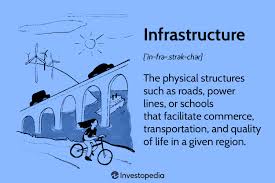
Infrastructure plays a crucial role in supporting the functioning and development of modern society. It encompasses the physical structures, facilities, and systems that enable various activities and services to take place efficiently. From transportation networks to communication systems, infrastructure is the backbone of a thriving economy and a high quality of life.

Types of Infrastructure

Infrastructure can be categorized into different types based on its function:

  • Transportation: Roads, bridges, airports, and public transit systems facilitate the movement of people and goods.
  • Utilities: Water supply networks, electricity grids, and sewage systems ensure essential services reach communities.
  • Communication: Telecommunication networks, internet infrastructure, and broadcasting systems connect individuals and businesses globally.
  • Social infrastructure: Schools, hospitals, and public spaces contribute to the well-being and development of communities.

The Role of Infrastructure in Economic Growth

A well-developed infrastructure is a key driver of economic growth. Efficient transportation systems reduce logistics costs for businesses, while reliable energy infrastructure supports industrial production. Additionally, modern communication networks enable businesses to connect with customers worldwide and access new markets.

Sustainability and Resilience

In an era marked by climate change and natural disasters, building sustainable and resilient infrastructure is crucial. Green infrastructure initiatives focus on reducing environmental impact through renewable energy sources, efficient water management systems, and eco-friendly construction practices. Resilient infrastructure can withstand shocks such as extreme weather events or cyber-attacks without compromising essential services.

The Future of Infrastructure

Rapid technological advancements are shaping the future of infrastructure development. Smart infrastructure solutions leverage data analytics, IoT devices, and artificial intelligence to optimize operations and enhance user experience. As urbanization continues to rise globally, innovative approaches to sustainable urban planning will be essential for creating livable cities with efficient infrastructure systems.

In conclusion, infrastructure is not just about concrete structures; it is the foundation that supports our daily lives and drives progress in society. Investing in robust, sustainable infrastructure is key to ensuring a prosperous future for generations to come.


Understanding Infrastructure: Key Questions and Insights

  1. What is infrastructure?
  2. Why is infrastructure important?
  3. What are the different types of infrastructure?
  4. How does infrastructure impact economic growth?
  5. What are the challenges in maintaining and upgrading infrastructure?
  6. How can sustainable infrastructure practices benefit society?
  7. What role does technology play in modernizing infrastructure?
  8. How does government funding support infrastructure development?
  9. What are some examples of successful infrastructure projects around the world?

What is infrastructure?

Infrastructure refers to the essential physical and organizational systems that support various activities and services in society. It encompasses a wide range of components, including transportation networks, communication systems, utilities such as water and electricity supply, and social infrastructure like schools and healthcare facilities. Essentially, infrastructure acts as the backbone of a functioning economy and society, enabling the efficient movement of people and goods, facilitating communication on local and global scales, and providing essential services to communities. In essence, infrastructure forms the foundation upon which modern societies are built and sustained.

Why is infrastructure important?

Infrastructure is vital for the functioning and progress of societies due to its essential role in supporting various activities and services. The importance of infrastructure lies in its ability to facilitate economic growth, enhance quality of life, and ensure the smooth operation of critical systems. From transportation networks that enable the movement of goods and people to communication systems that connect individuals globally, infrastructure forms the backbone of modern society. Without robust infrastructure, businesses would struggle to thrive, communities would face challenges in accessing essential services, and overall development would be hindered. In essence, infrastructure is important because it underpins the foundation for a sustainable and prosperous future for all.

What are the different types of infrastructure?

Infrastructure encompasses various types of essential systems and facilities that form the backbone of modern society. The different types of infrastructure include transportation infrastructure, such as roads, bridges, airports, and public transit systems that enable the movement of people and goods. Utilities infrastructure comprises water supply networks, electricity grids, and sewage systems that deliver essential services to communities. Communication infrastructure includes telecommunication networks, internet infrastructure, and broadcasting systems that facilitate global connectivity. Social infrastructure encompasses institutions like schools, hospitals, and public spaces that contribute to community well-being and development. Each type of infrastructure plays a vital role in supporting economic activities, enhancing quality of life, and fostering societal progress.

How does infrastructure impact economic growth?

Infrastructure plays a critical role in influencing economic growth by serving as the backbone of a thriving economy. A well-developed infrastructure system, including transportation networks, communication systems, and utilities, can significantly impact economic productivity and efficiency. Efficient transportation infrastructure reduces the cost and time of moving goods and people, facilitating trade and business activities. Reliable energy and water infrastructure support industrial production and enable businesses to operate smoothly. Moreover, modern communication infrastructure enhances connectivity, allowing businesses to reach new markets and customers globally. In essence, infrastructure not only supports economic activities but also drives innovation, competitiveness, and overall growth in an economy.

What are the challenges in maintaining and upgrading infrastructure?

Maintaining and upgrading infrastructure poses several challenges in today’s rapidly evolving society. One major challenge is the aging of existing infrastructure, which requires regular maintenance and upgrades to ensure safety and functionality. Limited funding and budget constraints often hinder efforts to address infrastructure needs adequately. Additionally, coordinating between various stakeholders, such as government agencies, private sector partners, and local communities, can be complex and time-consuming. Technological advancements also present challenges as new infrastructure solutions require specialized skills and resources for implementation. Overcoming these obstacles requires strategic planning, innovative financing mechanisms, and collaborative efforts to ensure that infrastructure remains resilient and sustainable for future generations.

How can sustainable infrastructure practices benefit society?

Sustainable infrastructure practices offer numerous benefits to society by promoting long-term environmental, social, and economic well-being. By incorporating renewable energy sources, efficient water management systems, and eco-friendly construction methods, sustainable infrastructure helps reduce carbon emissions and mitigate the impacts of climate change. Additionally, these practices enhance public health by improving air quality and reducing pollution levels. Socially, sustainable infrastructure projects create job opportunities, promote community resilience, and enhance the overall quality of life for residents. Economically, investing in sustainable infrastructure can lead to cost savings through energy efficiency measures and contribute to long-term economic growth by attracting green investments and fostering innovation in clean technologies. Overall, embracing sustainable infrastructure practices is essential for building a more resilient and prosperous society for future generations.

What role does technology play in modernizing infrastructure?

Technology plays a pivotal role in modernizing infrastructure by introducing innovative solutions that enhance efficiency, connectivity, and sustainability. From smart sensors and data analytics to automation and artificial intelligence, technology enables infrastructure systems to operate more intelligently and adaptively. By leveraging digital tools, infrastructure can be monitored in real-time, maintenance can be predictive rather than reactive, and resources can be optimized for maximum impact. Ultimately, technology empowers infrastructure to meet the evolving needs of society while driving progress towards a more resilient and interconnected future.

How does government funding support infrastructure development?

Government funding plays a pivotal role in supporting infrastructure development by providing the financial resources needed to plan, build, and maintain essential public assets. Through various funding mechanisms such as grants, loans, and public-private partnerships, governments allocate resources to critical infrastructure projects like transportation networks, water systems, and energy grids. This funding not only helps address existing infrastructure gaps but also stimulates economic growth, creates jobs, and improves the overall quality of life for communities. By investing in infrastructure development, governments can enhance public safety, promote sustainability, and lay the groundwork for a more resilient and prosperous society.

What are some examples of successful infrastructure projects around the world?

Numerous successful infrastructure projects around the world serve as shining examples of effective planning and execution. The Panama Canal expansion stands out as a remarkable feat of engineering that has transformed global trade routes. The High-Speed Rail network in Japan revolutionized transportation efficiency and connectivity within the country. Singapore’s Changi Airport consistently ranks among the best globally, showcasing excellence in airport infrastructure and operations. The Hoover Dam in the United States remains an iconic symbol of water resource management and hydroelectric power generation. These projects demonstrate the impact of well-designed infrastructure on economic growth, sustainability, and quality of life for communities worldwide.

java script

Mastering the Art of JavaScript: Building Dynamic Web Experiences

The Power of JavaScript: A Versatile Language for Web Development

The Power of JavaScript: A Versatile Language for Web Development

JavaScript is a dynamic programming language that is widely used for creating interactive and dynamic content on websites. Originally developed by Brendan Eich in 1995, JavaScript has evolved into one of the most popular languages for web development.

One of the key strengths of JavaScript is its versatility. It can be used both on the client-side and server-side, making it a powerful tool for building full-stack web applications. With JavaScript, developers can create responsive and interactive user interfaces that enhance the overall user experience.

JavaScript is supported by all major web browsers, making it a universal language for web development. Its flexibility allows developers to add functionality to websites, such as form validation, animations, and dynamic content loading, without the need to reload the entire page.

Furthermore, JavaScript has a vast ecosystem of libraries and frameworks that simplify and accelerate the development process. Popular libraries like jQuery and frameworks like React and Angular provide developers with ready-made solutions for common tasks, enabling them to build robust web applications more efficiently.

In addition to front-end development, JavaScript is also used in server-side programming with platforms like Node.js. This allows developers to use a single language across the entire stack, streamlining development and maintenance processes.

As technology continues to evolve, JavaScript remains at the forefront of web development due to its adaptability and versatility. With its rich features and extensive community support, JavaScript continues to empower developers to create innovative and engaging web experiences.


7 Essential Tips for Mastering JavaScript Best Practices

  1. Always use ‘var’, ‘let’, or ‘const’ to declare variables.
  2. Pay attention to data types to avoid unexpected type coercion.
  3. Use === and !== for strict equality and inequality comparisons.
  4. Remember that JavaScript is case-sensitive.
  5. Be mindful of asynchronous operations and use callbacks, promises, or async/await.
  6. Practice good code organization and modularization for maintainability.
  7. Regularly test your code and handle errors gracefully.

Always use ‘var’, ‘let’, or ‘const’ to declare variables.

When working with JavaScript, it is essential to always use ‘var’, ‘let’, or ‘const’ to declare variables. By explicitly declaring variables with these keywords, developers can ensure proper scope management and prevent unexpected behavior in their code. Using ‘var’ for variable declarations was common in older versions of JavaScript, but the introduction of ‘let’ and ‘const’ in ES6 offers more predictable scoping rules and immutability for constants. Adhering to this best practice not only enhances code readability but also helps maintain clean and organized codebases in JavaScript projects.

Pay attention to data types to avoid unexpected type coercion.

When working with JavaScript, it is essential to pay close attention to data types to prevent unexpected type coercion. Type coercion can lead to errors in your code and produce results that are not as intended. By understanding the data types in JavaScript and being mindful of how they interact with each other, developers can ensure that their code behaves predictably and accurately. Properly managing data types helps maintain the integrity of the code and prevents potential bugs or issues that may arise from unintentional type conversions.

Use === and !== for strict equality and inequality comparisons.

When working with JavaScript, it is recommended to use the strict equality operator (===) and strict inequality operator (!==) for comparisons. These operators not only compare the values of variables but also check their data types. By using === and !==, developers can ensure more precise and reliable comparisons in their code, avoiding unexpected type coercion that may occur with the loose equality operators (== and !=). This practice helps maintain code consistency and reduces the risk of logical errors in JavaScript programs.

Remember that JavaScript is case-sensitive.

When working with JavaScript, it is important to remember that the language is case-sensitive. This means that even small differences in capitalization can lead to errors in your code. For example, a variable named “myVariable” is not the same as “myvariable” in JavaScript. Being mindful of case sensitivity helps ensure consistency and accuracy in your coding practices, ultimately leading to more efficient and error-free scripts.

Be mindful of asynchronous operations and use callbacks, promises, or async/await.

When working with JavaScript, it is crucial to be mindful of asynchronous operations to ensure smooth and efficient execution of code. By utilizing callbacks, promises, or async/await, developers can manage asynchronous tasks effectively. Callbacks allow functions to be executed once a task is completed, while promises simplify handling asynchronous operations by providing a cleaner syntax for chaining multiple tasks. Additionally, async/await offers a more readable and synchronous way to work with asynchronous code, making it easier to manage complex workflows and maintain code clarity. By incorporating these techniques into JavaScript development, programmers can enhance the performance and reliability of their applications.

Practice good code organization and modularization for maintainability.

Practicing good code organization and modularization in JavaScript is essential for ensuring maintainability and scalability of your web applications. By breaking down your code into smaller, reusable modules, you can easily manage and update different parts of your application without affecting the entire codebase. This approach not only improves code readability but also makes it easier to debug and enhance functionality in the future. Embracing good coding practices from the beginning can save you time and effort in the long run, making your JavaScript projects more efficient and sustainable.

Regularly test your code and handle errors gracefully.

Regularly testing your JavaScript code and implementing effective error handling are essential practices in ensuring the reliability and stability of your web applications. By conducting thorough testing, you can identify and address potential issues early on, minimizing the risk of bugs and malfunctions. Additionally, handling errors gracefully by providing informative error messages and fallback mechanisms not only improves the user experience but also helps developers troubleshoot and resolve issues more efficiently. Embracing a proactive approach to testing and error handling in JavaScript development is key to delivering high-quality software that meets user expectations.

coding

Mastering the Art of Coding: A Path to Digital Excellence

The World of Coding

The World of Coding

Coding, also known as programming, is the art of giving instructions to a computer to perform specific tasks. It is a fundamental skill in today’s digital age and plays a crucial role in shaping our technological landscape.

Through coding, developers create software, websites, mobile apps, and much more. It involves using programming languages such as HTML, CSS, JavaScript, Python, Java, and many others to communicate with computers and solve real-world problems.

Coding requires logical thinking, problem-solving skills, and attention to detail. It empowers individuals to create innovative solutions and bring their ideas to life in the digital realm.

The Importance of Learning to Code

Learning to code opens up a world of opportunities. It not only enhances your problem-solving abilities but also improves your creativity and critical thinking skills. In today’s job market, coding skills are highly sought after across various industries.

Moreover, coding allows you to automate repetitive tasks, analyze data efficiently, and build tools that can make a positive impact on society. Whether you aspire to become a software engineer, web developer, data scientist, or entrepreneur, coding is a valuable skill that can help you achieve your goals.

The Future of Coding

As technology continues to advance rapidly, the demand for skilled coders will only increase. With emerging fields such as artificial intelligence, machine learning, and blockchain gaining prominence, coding will play an even more significant role in shaping the future.

By staying curious and continuously learning new languages and frameworks, coders can stay ahead of the curve and adapt to ever-evolving technologies. The possibilities in the world of coding are endless – from creating virtual reality experiences to building smart devices that improve our daily lives.

Conclusion

Coding is not just about writing lines of code; it is about unlocking creativity and solving complex problems with technology. Whether you are a beginner or an experienced coder, embracing the world of coding opens up endless opportunities for growth and innovation.


Top 6 Frequently Asked Questions About Coding

  1. What is coding?
  2. Why is coding important?
  3. How do I start learning to code?
  4. Which programming language should I learn first?
  5. What are the common challenges faced by beginner coders?
  6. How can coding skills benefit my career?

What is coding?

Coding, also known as programming, is the process of creating sets of instructions that computers can understand and execute. It involves using specific programming languages to develop software, websites, applications, and more. Coding is essential in modern technology as it enables developers to solve problems, automate tasks, and bring innovative ideas to life in the digital world. By learning how to code, individuals gain the ability to communicate with machines effectively and create solutions that can have a significant impact on various industries and aspects of daily life.

Why is coding important?

Understanding why coding is important is crucial in today’s digital age. Coding serves as the backbone of technology, enabling us to create software, websites, apps, and more. It empowers individuals to solve complex problems, automate tasks, and innovate in various fields. With coding skills, individuals can pursue rewarding careers in tech-related industries and contribute to technological advancements that shape our world. In essence, coding is essential for driving innovation, fostering creativity, and building a future where technology plays a central role in our daily lives.

How do I start learning to code?

Embarking on the journey to learn coding can be both exciting and daunting for beginners. To start learning to code, it is essential to first identify your goals and interests within the vast field of programming. Begin by selecting a programming language that aligns with your objectives, such as Python for versatility or JavaScript for web development. Utilize online resources like coding tutorials, interactive platforms, and online courses to grasp the basics and build a solid foundation. Practice regularly, work on small projects, seek guidance from coding communities, and don’t be afraid to make mistakes – as they are crucial for learning and growth in the world of coding. Remember, persistence and dedication are key when embarking on your coding journey.

Which programming language should I learn first?

When it comes to the frequently asked question of which programming language to learn first, the answer often depends on your goals and interests. Beginners are commonly advised to start with languages like Python or JavaScript due to their readability and versatility. Python is known for its simplicity and is widely used in various fields such as web development, data analysis, and artificial intelligence. On the other hand, JavaScript is essential for front-end web development and allows you to create interactive websites. Ultimately, the best programming language to learn first is one that aligns with your objectives and motivates you to explore the vast world of coding.

What are the common challenges faced by beginner coders?

Beginner coders often encounter common challenges as they embark on their coding journey. One of the main hurdles is grasping the fundamental concepts of programming, such as syntax and logic, which can be overwhelming at first. Additionally, debugging errors and troubleshooting code can be frustrating for beginners who are still learning how to identify and fix issues in their programs. Another challenge is staying motivated and persistent when faced with complex problems or projects that may seem daunting. However, with patience, practice, and a willingness to learn from mistakes, beginner coders can overcome these challenges and gradually build their coding skills and confidence.

How can coding skills benefit my career?

Having coding skills can significantly benefit your career in various ways. Firstly, coding skills are highly sought after in today’s job market across a wide range of industries, from technology to finance to healthcare. By being proficient in coding, you open up opportunities to pursue roles as a software developer, web designer, data analyst, or even a digital marketer. Coding skills also enhance your problem-solving abilities and logical thinking, making you more adaptable and efficient in tackling complex challenges. Additionally, with the increasing emphasis on automation and digital transformation, having coding skills can future-proof your career and make you a valuable asset in any organization looking to innovate and stay competitive in the digital age.