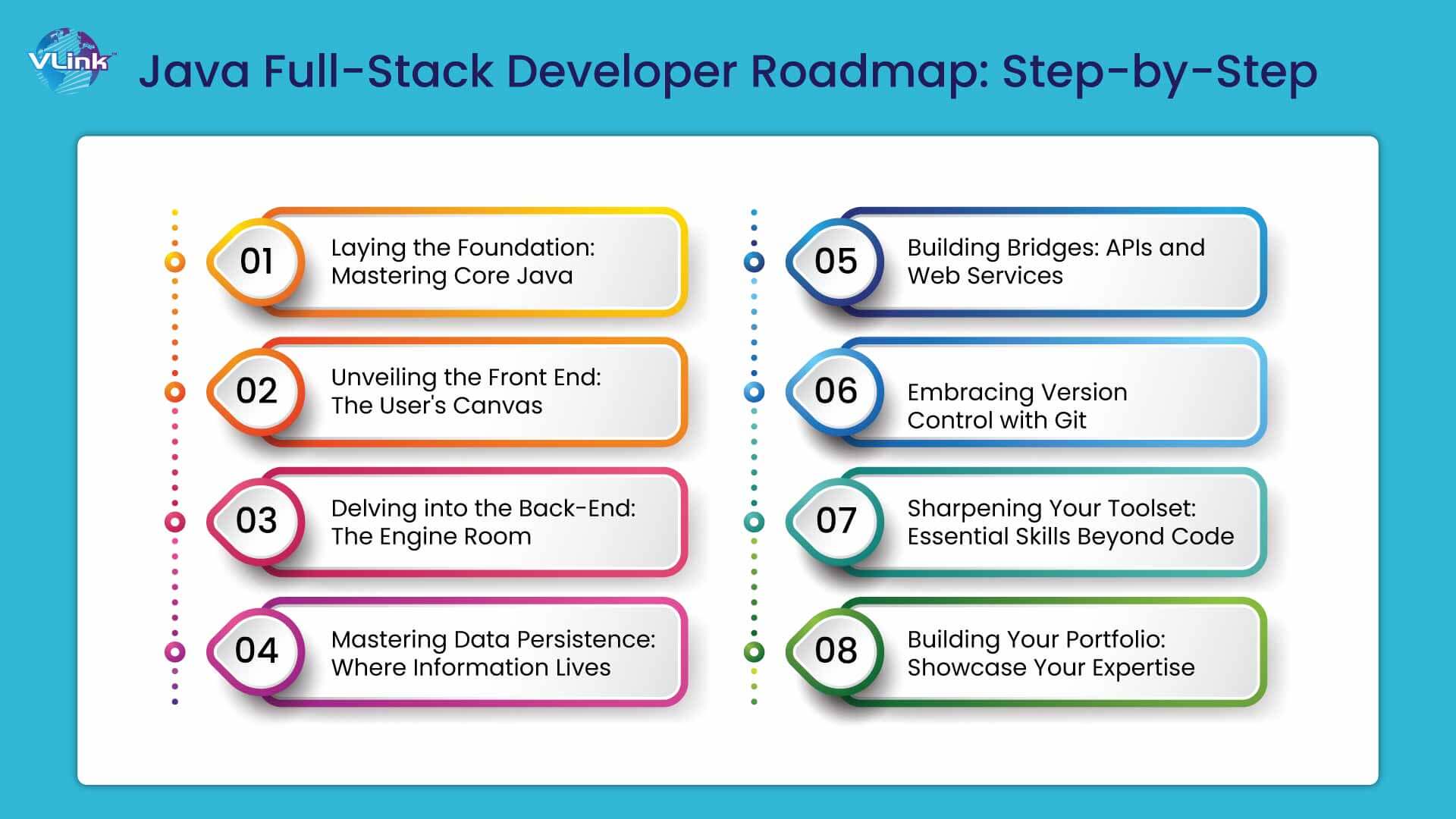
Mastering Java Full Stack Development: A Comprehensive Guide
The World of Java Full Stack Development
Java Full Stack Development is a popular and in-demand skill set in the tech industry. Full stack developers are proficient in both front-end and back-end technologies, allowing them to work on all aspects of web development.
What is Java Full Stack Development?
Java Full Stack Development refers to the ability to work with Java programming language for both front-end and back-end development. A Java full stack developer is capable of handling tasks ranging from creating user interfaces to managing databases and server-side logic.
Skills Required for Java Full Stack Development
To excel in Java Full Stack Development, one needs a solid understanding of:
- Java programming language
- Front-end technologies like HTML, CSS, JavaScript
- Back-end frameworks such as Spring or Hibernate
- Database management with SQL or NoSQL databases
- Version control systems like Git
- Knowledge of web servers and deployment processes
Career Opportunities in Java Full Stack Development
Professionals with expertise in Java Full Stack Development are highly sought after by companies looking to build robust web applications. They can pursue roles such as:
- Full Stack Developer
- Web Application Developer
- Software Engineer
- System Architect
The Future of Java Full Stack Development
In a rapidly evolving tech landscape, Java Full Stack Development continues to be a valuable skill set. As businesses increasingly rely on web applications for their operations, the demand for skilled full stack developers is expected to grow.
7 Essential Tips for Excelling in Java Full Stack Development
- 1. Master the core Java programming language.
- 2. Learn popular front-end technologies like HTML, CSS, and JavaScript.
- 3. Get familiar with back-end frameworks such as Spring or Hibernate.
- 4. Practice building full-stack applications to integrate front-end and back-end components.
- 5. Understand databases and how to work with them using tools like SQL or NoSQL.
- 6. Stay updated with the latest trends and technologies in Java full stack development.
- 7. Collaborate with other developers through online communities or by contributing to open-source projects.
1. Master the core Java programming language.
To excel in Java Full Stack Development, it is crucial to master the core Java programming language. Understanding the fundamentals of Java, such as syntax, data types, control structures, and object-oriented programming principles, forms the foundation for building robust web applications. Proficiency in core Java allows developers to efficiently work on both front-end and back-end components, enabling them to create scalable and efficient solutions for various projects. By mastering the core Java programming language, developers can unleash their full potential in the dynamic field of Full Stack Development.
2. Learn popular front-end technologies like HTML, CSS, and JavaScript.
To excel in Java Full Stack Development, it is essential to prioritize learning popular front-end technologies such as HTML, CSS, and JavaScript. These foundational languages are crucial for creating dynamic and interactive user interfaces on the web. Proficiency in HTML for structuring content, CSS for styling elements, and JavaScript for adding functionality and interactivity will not only enhance your skills as a full stack developer but also enable you to build engaging and user-friendly web applications.
3. Get familiar with back-end frameworks such as Spring or Hibernate.
To excel in Java Full Stack Development, it is crucial to get familiar with back-end frameworks like Spring or Hibernate. These frameworks provide essential tools and features that streamline back-end development tasks, such as database management, transaction handling, and application configuration. By mastering these frameworks, developers can efficiently build robust and scalable web applications that meet industry standards and best practices in back-end development.
4. Practice building full-stack applications to integrate front-end and back-end components.
To enhance your skills in Java Full Stack Development, it is crucial to practice building full-stack applications that seamlessly integrate front-end and back-end components. By working on projects that involve both aspects of web development, you gain valuable experience in connecting user interfaces with server-side logic. This hands-on approach not only solidifies your understanding of how different components interact but also prepares you for real-world scenarios where comprehensive knowledge of both front-end and back-end technologies is essential for creating functional and efficient web applications.
5. Understand databases and how to work with them using tools like SQL or NoSQL.
To excel in Java Full Stack Development, it is crucial to understand databases and how to effectively work with them using tools like SQL or NoSQL. Proficiency in database management allows developers to store, retrieve, and manipulate data efficiently, ensuring that web applications function seamlessly. By mastering these essential skills, Java full stack developers can design robust and scalable systems that meet the demands of modern web development projects.
6. Stay updated with the latest trends and technologies in Java full stack development.
To excel in Java full stack development, it is crucial to stay updated with the latest trends and technologies in the field. Continuous learning and keeping abreast of new advancements ensure that developers remain competitive and can leverage cutting-edge tools to enhance their projects. By staying informed about emerging practices and technologies, Java full stack developers can adapt quickly to industry changes and deliver innovative solutions that meet the evolving needs of clients and users.
7. Collaborate with other developers through online communities or by contributing to open-source projects.
To enhance your skills in Java Full Stack Development, consider collaborating with other developers through online communities or contributing to open-source projects. Engaging with like-minded professionals in online forums, discussion groups, or by actively participating in open-source initiatives not only expands your knowledge but also provides valuable real-world experience. By working collaboratively, you can learn new techniques, receive feedback on your code, and contribute to the broader tech community while sharpening your Java Full Stack Development skills.