
cfchris.com

Loading

software development and consulting

Empowering Businesses Through Expert Software Development and Consulting Services

Software Development and Consulting: A Comprehensive Guide

Software Development and Consulting: A Comprehensive Guide

In today’s digital age, software development and consulting play a crucial role in helping businesses navigate the complex world of technology. Whether you are looking to build a custom software solution or need expert advice on optimizing your IT infrastructure, software development and consulting services can provide you with the necessary expertise and support.

The Importance of Software Development

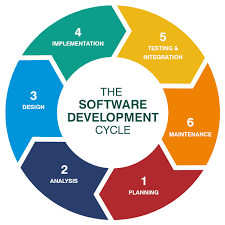
Software development is the process of designing, coding, testing, and maintaining software applications. It is essential for businesses looking to automate processes, enhance productivity, and stay ahead of the competition. Custom software solutions can be tailored to meet specific business needs, providing a competitive edge in today’s fast-paced market.

The Role of Consulting in Software Development

Consulting services complement software development by offering expert guidance on technology strategy, project management, and implementation best practices. Consultants work closely with clients to understand their goals and challenges, providing recommendations for optimizing existing systems or developing new solutions.

Benefits of Software Development and Consulting Services

  • Custom Solutions: Software development allows businesses to create tailored solutions that address their unique requirements.
  • Expert Guidance: Consulting services provide access to industry experts who can offer valuable insights and recommendations.
  • Increased Efficiency: Well-designed software solutions can streamline processes and improve overall efficiency within an organization.
  • Scalability: Custom software solutions can be easily scaled to accommodate business growth and changing needs.
  • Competitive Advantage: By leveraging cutting-edge technologies, businesses can gain a competitive edge in their industry.

Conclusion

In conclusion, software development and consulting services are essential for businesses looking to thrive in the digital landscape. By investing in custom software solutions and expert guidance, organizations can optimize their operations, drive innovation, and achieve long-term success. Whether you are a startup or an established enterprise, partnering with experienced professionals in software development and consulting can help you unlock your full potential in today’s technology-driven world.


Comparing Careers: Software Developer vs. Consultant – Roles, Transitions, and Salaries

  1. Which is better software developer or consultant?
  2. What does a software development consultant do?
  3. Can a software engineer get into consulting?
  4. What is the salary of consultant vs developer?

Which is better software developer or consultant?

When considering whether to pursue a career as a software developer or a consultant in the field of software development, it ultimately depends on individual preferences and career goals. As a software developer, one focuses on designing and building software applications, diving deep into coding and technical aspects. On the other hand, a consultant in software development provides strategic guidance, project management expertise, and solutions to clients’ technology challenges. Both roles have their unique advantages and require different skill sets. Software developers enjoy the creativity of coding and building tangible products, while consultants thrive on problem-solving, client interaction, and strategic planning. Ultimately, the choice between being a software developer or consultant boils down to personal interests, strengths, and career aspirations.

What does a software development consultant do?

A software development consultant plays a pivotal role in providing expert guidance and support to businesses seeking to enhance their software solutions. These professionals are adept at analyzing existing systems, identifying inefficiencies, and recommending tailored strategies to improve overall performance. From advising on technology stack selection and project planning to offering insights on best practices and industry trends, a software development consultant serves as a valuable partner in helping organizations achieve their software development goals efficiently and effectively. Their expertise lies in bridging the gap between business requirements and technical solutions, ensuring that each project is aligned with the client’s objectives and delivers optimal results.

Can a software engineer get into consulting?

Many software engineers often wonder if they can transition into consulting roles within the tech industry. The answer is yes! Software engineers possess valuable technical skills and problem-solving abilities that are highly sought after in consulting. By leveraging their expertise in software development, engineers can offer strategic guidance, project management support, and technical insights to clients seeking to optimize their IT infrastructure. Transitioning from a software engineering role to a consulting position can open up new opportunities for professional growth and allow individuals to apply their technical knowledge in a broader business context.

What is the salary of consultant vs developer?

When comparing the salaries of consultants versus developers in the field of software development and consulting, it is important to consider several factors. Consultants, who often possess specialized knowledge and expertise in various technologies and industries, tend to command higher salaries due to their strategic advisory role and ability to provide valuable insights to clients. On the other hand, developers, who focus on designing and coding software solutions, may have more standardized salary ranges based on their level of experience and technical skills. Ultimately, the salary difference between a consultant and a developer can vary depending on factors such as location, company size, project complexity, and individual qualifications.


solutions

Unlocking Success: Empowering Through Innovative Solutions

The Power of Solutions

The Power of Solutions

In today’s fast-paced world, problems and challenges are inevitable. Whether you are a business facing operational hurdles or an individual seeking personal growth, the key to overcoming obstacles lies in finding the right solutions.

What Are Solutions?

Solutions are answers or methods that effectively resolve issues or improve existing situations. They can come in various forms, such as technological innovations, strategic plans, creative ideas, or simply a shift in perspective.

The Importance of Finding Solutions

Without solutions, problems can persist and hinder progress. Finding effective solutions not only addresses immediate concerns but also paves the way for long-term success and growth. It empowers individuals and organizations to adapt, evolve, and thrive in a dynamic environment.

Types of Solutions

There are different types of solutions tailored to specific needs:

  • Technical Solutions: Utilizing technology to streamline processes and enhance efficiency.
  • Strategic Solutions: Developing plans and tactics to achieve goals and overcome challenges.
  • Creative Solutions: Thinking outside the box to generate innovative ideas and approaches.
  • Personal Solutions: Implementing changes in behavior or mindset to address personal issues and achieve personal growth.

The Process of Finding Solutions

Finding the right solution involves critical thinking, problem-solving skills, collaboration, and perseverance. It requires identifying the root cause of a problem, exploring various options, evaluating their feasibility and impact, and implementing the most effective course of action.

The Impact of Effective Solutions

Effective solutions have the power to transform challenges into opportunities. They can optimize processes, enhance productivity, foster innovation, improve quality of life, and drive success. By embracing solutions-oriented thinking, individuals and organizations can navigate obstacles with confidence and resilience.

In conclusion, solutions are not just answers; they are catalysts for positive change and growth. Embracing a solution-focused mindset empowers us to face challenges head-on and unlock our full potential. Remember: where there is a problem, there is also a solution waiting to be discovered.


9 Essential Tips for Effective Problem Solving and Solutions

  1. Identify the root cause of the problem before seeking a solution.
  2. Brainstorm multiple possible solutions to increase chances of success.
  3. Consider both short-term and long-term implications of each solution.
  4. Consult with others for different perspectives and insights on potential solutions.
  5. Prioritize solutions based on feasibility, impact, and resources required.
  6. Create an action plan outlining steps needed to implement the chosen solution.
  7. Monitor progress closely and be prepared to adjust the solution if needed.
  8. Celebrate successes and learn from failures to improve future problem-solving efforts.
  9. Continuously seek feedback to refine solutions and enhance problem-solving skills.

Identify the root cause of the problem before seeking a solution.

To effectively address a problem, it is crucial to first identify its root cause before seeking a solution. By pinpointing the underlying issue that is causing the problem, we can develop targeted and sustainable solutions that address the core of the issue rather than just its symptoms. This approach not only leads to more effective problem-solving but also helps prevent recurring challenges in the future. Understanding the root cause is like treating the source of an ailment rather than just alleviating its symptoms, leading to long-lasting and impactful solutions.

Brainstorm multiple possible solutions to increase chances of success.

When tackling a problem, it is essential to brainstorm multiple possible solutions as it can significantly increase the chances of success. By exploring various options and considering different perspectives, individuals and teams can uncover innovative approaches and find the most effective way to address the issue at hand. This approach not only enhances creativity but also allows for thorough evaluation and selection of the best solution, leading to more successful outcomes in problem-solving endeavors.

Consider both short-term and long-term implications of each solution.

When evaluating solutions, it is crucial to consider both the short-term and long-term implications of each option. While a quick fix may address immediate concerns, it is essential to assess how sustainable and beneficial the solution will be in the long run. Taking into account the potential consequences and outcomes over time helps in making informed decisions that not only resolve current issues but also contribute to long-lasting success and growth. By weighing both short-term gains and long-term impacts, individuals and organizations can choose solutions that align with their goals and values for a more sustainable future.

Consult with others for different perspectives and insights on potential solutions.

Consulting with others for different perspectives and insights on potential solutions can be invaluable in problem-solving. By seeking input from diverse sources, you open yourself up to fresh ideas, alternative viewpoints, and innovative approaches that you may not have considered on your own. Collaborating with others not only enriches the decision-making process but also fosters a sense of teamwork and collective ownership of the solution. Embracing this tip can lead to more comprehensive and effective outcomes by leveraging the collective wisdom and expertise of a group.

Prioritize solutions based on feasibility, impact, and resources required.

When tackling challenges, it is crucial to prioritize solutions based on their feasibility, impact, and the resources they require. By assessing the practicality of each solution, evaluating its potential impact on addressing the issue at hand, and considering the resources needed for implementation, individuals and organizations can make informed decisions that lead to effective problem resolution. This strategic approach ensures that efforts are focused on solutions that offer the greatest benefits while optimizing resource allocation for optimal outcomes.

Create an action plan outlining steps needed to implement the chosen solution.

Creating an action plan outlining the steps needed to implement the chosen solution is a crucial aspect of problem-solving. This strategic approach helps to break down the solution into manageable tasks, assign responsibilities, set timelines, and track progress effectively. By having a clear roadmap in place, individuals and organizations can ensure that the chosen solution is implemented efficiently and successfully. The action plan serves as a guide that keeps everyone aligned and focused on achieving the desired outcome, turning ideas into tangible results.

Monitor progress closely and be prepared to adjust the solution if needed.

Monitoring progress closely and being prepared to adjust the solution if needed are essential components of effective problem-solving. By staying vigilant and regularly assessing the outcomes of implemented solutions, individuals and organizations can identify any deviations from the desired results and make timely adjustments. This proactive approach not only ensures that the solution remains aligned with the initial goals but also allows for flexibility and adaptation in response to changing circumstances. Embracing a mindset of continuous improvement through monitoring and adjustment ultimately leads to more sustainable and successful outcomes in overcoming challenges.

Celebrate successes and learn from failures to improve future problem-solving efforts.

Celebrating successes and learning from failures are essential components of enhancing future problem-solving efforts. By acknowledging and appreciating achievements, individuals and teams can boost morale, motivation, and confidence, creating a positive environment for continued success. Similarly, analyzing failures provides valuable insights into what went wrong, enabling adjustments and improvements in problem-solving strategies. Embracing both success and failure as learning opportunities fosters a culture of continuous growth and development, ultimately leading to more effective solutions in the future.

Continuously seek feedback to refine solutions and enhance problem-solving skills.

Continuously seeking feedback is a valuable tip for refining solutions and improving problem-solving skills. By actively soliciting input from others, whether colleagues, clients, or mentors, individuals can gain fresh perspectives and identify areas for improvement in their solutions. This feedback loop not only enhances the effectiveness of current solutions but also contributes to the development of stronger problem-solving abilities over time. Embracing feedback as a tool for growth fosters a culture of continuous learning and innovation, ultimately leading to more robust and impactful outcomes.

java programming

Unlocking the Potential of Java Programming: A Comprehensive Guide

The Power of Java Programming

The Power of Java Programming

Java is a versatile and powerful programming language that has been widely used in the software development industry for decades. Known for its platform independence, robustness, and versatility, Java continues to be a popular choice among developers for building a wide range of applications.

Why Choose Java?

One of the key reasons for Java’s popularity is its “write once, run anywhere” philosophy. This means that Java code can be written once and run on any platform that supports Java without the need for recompilation. This makes Java ideal for developing cross-platform applications.

Java is also known for its strong emphasis on security. With built-in features like automatic memory management and exception handling, Java helps developers write reliable and secure code. Additionally, Java’s extensive standard library provides developers with a wide range of tools and functions to streamline the development process.

Applications of Java

Java is used in a variety of applications, including:

  • Web development: With frameworks like Spring and Hibernate, Java is widely used for building dynamic web applications.
  • Mobile development: Android apps are primarily developed using Java, making it a popular choice for mobile application development.
  • Enterprise applications: Many large-scale enterprise systems are built using Java due to its scalability and reliability.
  • Data analysis: Tools like Apache Hadoop leverage Java for processing large datasets efficiently.
  • IoT (Internet of Things): With platforms like Raspberry Pi supporting Java, it is increasingly used in IoT projects.

Conclusion

In conclusion, Java programming offers developers a powerful and versatile tool for building a wide range of applications. Its platform independence, robustness, security features, and extensive library make it an excellent choice for both beginners and experienced developers alike. Whether you are developing web applications, mobile apps, enterprise systems, or exploring emerging technologies like IoT or data analysis, mastering Java can open up endless possibilities in the world of software development.


Top 5 Essential Tips for Mastering Java Programming

  1. Use meaningful variable names to improve code readability.
  2. Follow naming conventions, such as using camelCase for variables and methods.
  3. Break down complex problems into smaller tasks and implement them one at a time.
  4. Make use of comments to explain your code logic and make it easier for others to understand.
  5. Regularly practice coding to improve your skills and stay updated with the latest features of Java.

Use meaningful variable names to improve code readability.

When programming in Java, it is essential to use meaningful variable names to enhance code readability. By choosing descriptive names that accurately reflect the purpose of the variable, developers can make their code more understandable and maintainable. Meaningful variable names not only help others (or even your future self) comprehend the code quickly but also contribute to better documentation and overall code quality. This simple practice can significantly improve the clarity and efficiency of Java programs, making them easier to work with and debug in the long run.

Follow naming conventions, such as using camelCase for variables and methods.

When working on Java programming projects, it is essential to adhere to naming conventions for better code readability and consistency. One crucial tip is to follow conventions like using camelCase for variables and methods. By following this convention, where the first letter of each word is capitalized except for the first word, developers can make their code more organized and easier to understand. Consistent naming practices not only improve the clarity of the code but also contribute to maintaining a professional and standardized coding style throughout the project.

Break down complex problems into smaller tasks and implement them one at a time.

When tackling Java programming tasks, it is essential to break down complex problems into smaller, more manageable tasks. By dividing the problem into smaller components and implementing them one at a time, developers can approach the challenge systematically and effectively. This approach not only helps in better understanding the problem but also allows for more efficient debugging and testing of each individual task. Breaking down complex problems into smaller tasks is a fundamental strategy that can lead to clearer code structure and successful project completion in Java programming.

Make use of comments to explain your code logic and make it easier for others to understand.

When engaging in Java programming, it is essential to utilize comments effectively to elucidate the logic of your code. By incorporating comments strategically throughout your code, you not only clarify your thought process and intentions but also facilitate comprehension for other developers who may collaborate on or review your code. Comments serve as valuable documentation that can enhance the readability and maintainability of your Java programs, fostering a more efficient and collaborative coding environment.

Regularly practice coding to improve your skills and stay updated with the latest features of Java.

Regularly practicing coding is essential for improving your Java programming skills and staying abreast of the latest features in the language. By consistently working on coding challenges, projects, or exercises, you not only reinforce your existing knowledge but also discover new ways to solve problems efficiently. Additionally, keeping up with the latest updates and enhancements in Java ensures that you can leverage new functionalities and best practices in your coding endeavors, ultimately enhancing your proficiency and staying competitive in the ever-evolving field of software development.