
cfchris.com

Loading

devops software development

Unlocking the Power of DevOps in Modern Software Development

The Role of DevOps in Modern Software Development

The Role of DevOps in Modern Software Development

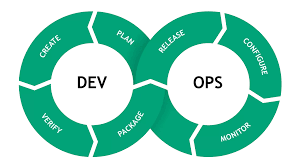
DevOps has emerged as a crucial methodology in the world of software development, bridging the gap between development and operations teams to streamline the delivery of high-quality software products. By integrating key practices and tools, DevOps aims to enhance collaboration, automate processes, and accelerate the pace of development cycles.

Key Principles of DevOps

DevOps is built on several core principles that guide its implementation:

  • Automation: Automating manual tasks to increase efficiency and reduce errors.
  • Collaboration: Fostering a culture of collaboration between development and operations teams for seamless workflow.
  • Continuous Integration/Continuous Deployment (CI/CD): Implementing CI/CD pipelines to automate software delivery processes.
  • Monitoring and Feedback: Utilizing monitoring tools to gather feedback and improve performance continuously.
  • Infrastructure as Code (IaC): Managing infrastructure through code to ensure consistency and scalability.

The Benefits of DevOps

Implementing DevOps practices offers numerous benefits for software development teams:

  • Rapid Delivery: Shortening development cycles and accelerating time-to-market for new features.
  • Improved Quality: Enhancing software quality through automated testing and continuous integration.
  • Innovation: Encouraging innovation by fostering a culture of experimentation and learning.
  • Reliability: Increasing system reliability through automated monitoring and feedback mechanisms.
  • Efficiency: Improving operational efficiency by automating repetitive tasks and workflows.

The Future of DevOps

In an increasingly competitive digital landscape, the adoption of DevOps is becoming essential for organizations looking to stay ahead. As technology evolves, DevOps will continue to play a pivotal role in shaping the future of software development, enabling teams to deliver value faster, more reliably, and with higher quality.


5 Essential DevOps Tips for Streamlining Software Development

  1. Automate repetitive tasks to increase efficiency.
  2. Implement continuous integration and continuous deployment practices for faster delivery of software.
  3. Use version control systems to track changes and collaborate effectively with team members.
  4. Monitor system performance and logs to identify issues early on.
  5. Encourage communication and collaboration between development and operations teams for smoother workflows.

Automate repetitive tasks to increase efficiency.

Automating repetitive tasks is a key principle in DevOps software development that significantly boosts efficiency. By automating routine processes such as testing, deployment, and configuration management, teams can save valuable time and resources, allowing them to focus on more strategic and creative aspects of software development. This not only speeds up the delivery of software but also reduces the likelihood of human errors, leading to higher quality products. Embracing automation in DevOps empowers teams to work smarter, faster, and more effectively towards achieving their development goals.

Implement continuous integration and continuous deployment practices for faster delivery of software.

Implementing continuous integration and continuous deployment practices in DevOps software development is key to achieving faster delivery of software. By automating the process of integrating code changes and deploying them to production environments, teams can streamline their development cycles and ensure that new features and updates are delivered quickly and efficiently. This approach not only accelerates time-to-market but also enhances overall software quality by enabling frequent testing and feedback loops, ultimately leading to more responsive and agile development processes.

Use version control systems to track changes and collaborate effectively with team members.

Utilizing version control systems in DevOps software development is crucial for tracking changes and facilitating seamless collaboration among team members. By implementing a robust version control system, developers can easily manage code changes, track revisions, and revert to previous versions if needed. This practice ensures that all team members are working on the most up-to-date codebase, promotes transparency in the development process, and enables efficient collaboration by providing a centralized platform for sharing and reviewing code modifications. Ultimately, leveraging version control systems enhances productivity, reduces errors, and fosters a cohesive team environment in the DevOps workflow.

Monitor system performance and logs to identify issues early on.

Monitoring system performance and logs is a critical tip in DevOps software development. By regularly tracking key metrics and analyzing log data, teams can proactively identify potential issues before they escalate, allowing for timely intervention and resolution. This proactive approach not only helps maintain system reliability and performance but also contributes to a smoother development process by addressing issues early on, minimizing downtime, and ensuring a seamless user experience.

Encourage communication and collaboration between development and operations teams for smoother workflows.

Encouraging communication and collaboration between development and operations teams is a fundamental tip in DevOps software development. By fostering open dialogue and teamwork between these traditionally siloed departments, organizations can achieve smoother workflows, faster problem resolution, and enhanced overall efficiency. When developers and operations staff work together seamlessly, they can align their goals, share knowledge effectively, and collectively drive the success of software projects from inception to deployment. This collaborative approach not only improves productivity but also promotes a culture of shared responsibility and continuous improvement within the organization.
xp software development

Exploring the World of XP Software Development: Principles, Practices, and Benefits

Exploring XP Software Development

The World of XP Software Development

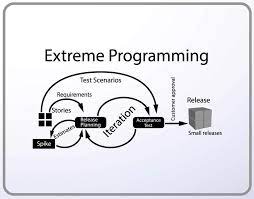
Extreme Programming (XP) is a software development methodology that emphasizes flexibility, collaboration, and customer satisfaction. It is designed to adapt to changing requirements and deliver high-quality software in a timely manner.

Core Principles of XP

XP is built on several core principles that guide the development process:

  • Communication: XP promotes open communication among team members, stakeholders, and customers to ensure everyone is on the same page.
  • Simplicity: The focus is on keeping things simple by writing only the code needed at any given moment and avoiding unnecessary complexity.
  • Feedback: Continuous feedback loops help identify issues early and make necessary adjustments throughout the development cycle.
  • Courage: XP encourages developers to take risks, experiment with new ideas, and make decisions confidently.
  • Respect: Team members respect each other’s expertise, opinions, and contributions to create a positive working environment.

Key Practices in XP

To implement these principles effectively, XP relies on key practices such as:

  1. Pair Programming: Two developers work together at one workstation, collaborating in real-time to write code, review each other’s work, and share knowledge.
  2. Test-Driven Development (TDD): Developers write automated tests before writing the actual code. This approach helps ensure that the code meets the specified requirements and can be easily tested for bugs.
  3. Continuous Integration: Code changes are integrated frequently into a shared repository to detect integration issues early and maintain a stable codebase.
  4. Sustainable Pace: Teams work at a sustainable pace to avoid burnout and maintain productivity over the long term.

The Benefits of XP

The XP methodology offers several benefits for software development teams, including:

  • Rapid Adaptation: The iterative nature of XP allows teams to respond quickly to changing requirements or feedback from stakeholders.
  • Improved Quality: By focusing on simplicity, testing, and continuous integration, XP helps deliver high-quality software with fewer defects.
  • Closer Collaboration: Practices like pair programming foster collaboration among team members, leading to better communication and shared knowledge.
  •  

    6 Essential Tips for Effective XP Software Development

    1. Break down tasks into smaller units for easier management.
    2. Regularly review and prioritize tasks in the backlog.
    3. Encourage collaboration and communication among team members.
    4. Focus on delivering working software incrementally.
    5. Embrace changes in requirements to better meet customer needs.
    6. Ensure continuous integration and testing for quality assurance.

    Break down tasks into smaller units for easier management.

    Breaking down tasks into smaller units is a key tip in XP software development to enhance manageability and efficiency. By dividing complex tasks into smaller, more manageable units, teams can focus on incremental progress, track developments more effectively, and address any issues promptly. This approach also promotes better collaboration among team members, as it allows for clearer assignment of responsibilities and a more structured development process. Ultimately, breaking down tasks into smaller units not only streamlines project management but also contributes to the overall success of the software development process in an XP environment.

    Regularly review and prioritize tasks in the backlog.

    In Extreme Programming (XP) software development, it is crucial to regularly review and prioritize tasks in the backlog. By consistently revisiting the backlog, teams can ensure that they are focusing on the most important and valuable tasks at any given time. This practice helps maintain alignment with project goals, adapt to changing requirements, and optimize productivity by addressing high-priority items first. Prioritizing tasks in the backlog enables teams to stay agile, responsive, and efficient in delivering quality software that meets stakeholder needs effectively.

    Encourage collaboration and communication among team members.

    Encouraging collaboration and communication among team members is a fundamental tip in XP software development. By fostering an environment where team members openly share ideas, feedback, and knowledge, the development process becomes more efficient and effective. Collaborative efforts help ensure that everyone is aligned on project goals, reduces misunderstandings, and promotes a sense of unity within the team. Effective communication also enables quick problem-solving, enhances creativity, and strengthens relationships among team members, ultimately leading to the successful delivery of high-quality software solutions.

    Focus on delivering working software incrementally.

    In Extreme Programming (XP) software development, it is crucial to focus on delivering working software incrementally. By breaking down the project into smaller, manageable increments, teams can demonstrate tangible progress to stakeholders and gather valuable feedback early in the development process. This iterative approach not only helps identify and address issues promptly but also allows for adjustments to be made based on changing requirements or priorities. Ultimately, delivering working software incrementally ensures that the end product meets customer expectations effectively and efficiently.

    Embrace changes in requirements to better meet customer needs.

    In Extreme Programming (XP) software development, embracing changes in requirements is key to better meeting customer needs. By staying flexible and responsive to evolving customer demands, XP teams can ensure that the final product aligns closely with what the customer truly wants. Embracing changes allows for continuous improvement and adaptation throughout the development process, ultimately leading to a more satisfying end result for the customer.

    Ensure continuous integration and testing for quality assurance.

    Ensuring continuous integration and testing is a crucial aspect of XP software development to maintain high-quality standards and streamline the development process. By integrating code changes frequently and running automated tests, teams can detect issues early, prevent regressions, and ensure that the software meets the desired quality criteria. This practice not only improves the overall reliability of the codebase but also enhances collaboration among team members by providing immediate feedback on the impact of their changes. Ultimately, prioritizing continuous integration and testing in XP development leads to more efficient workflows, faster delivery of features, and a more robust end product.