


Exploring the Path to Becoming an Entry Level Software Engineer
The Role of an Entry Level Software Engineer
Software engineering is a dynamic and rapidly growing field that offers endless opportunities for individuals looking to kickstart their career in technology. As an entry level software engineer, you play a crucial role in developing, testing, and maintaining software applications that power our digital world.
Responsibilities of an Entry Level Software Engineer
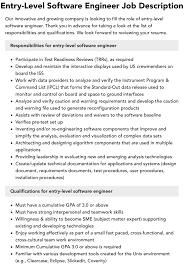
As an entry level software engineer, your responsibilities may include:
- Assisting in the design and development of software applications
- Writing code following best practices and coding standards
- Participating in code reviews and debugging sessions
- Collaborating with senior developers and team members on projects
- Testing and documenting software to ensure quality and reliability
- Learning new technologies and tools to enhance your skills
Skills Required for Entry Level Software Engineers
To excel as an entry level software engineer, you should possess the following skills:
- Proficiency in programming languages such as Java, Python, C++, or JavaScript
- Understanding of software development principles and methodologies
- Problem-solving abilities and attention to detail
- Strong communication and teamwork skills
- Ability to learn quickly and adapt to new technologies
Career Growth Opportunities for Entry Level Software Engineers
Starting as an entry level software engineer opens up a world of possibilities for career advancement. With dedication, continuous learning, and hands-on experience, you can progress to roles such as senior software engineer, technical lead, project manager, or even pursue specialization in areas like artificial intelligence, cybersecurity, or mobile app development.
If you are passionate about technology and eager to make a difference through innovative solutions, a career as an entry level software engineer could be the perfect starting point for your journey in the exciting world of software development.
7 Essential Tips for Aspiring Entry-Level Software Engineers
- Focus on building a strong foundation in programming languages like Java, Python, or C++.
- Practice problem-solving skills through coding challenges and projects.
- Seek internships or co-op opportunities to gain real-world experience.
- Stay updated with the latest industry trends and technologies.
- Build a portfolio showcasing your projects and contributions.
- Network with professionals in the field to expand your opportunities.
- Continuously learn and improve your skills to advance in your career.
Focus on building a strong foundation in programming languages like Java, Python, or C++.
To succeed as an entry level software engineer, it is essential to focus on building a solid foundation in programming languages such as Java, Python, or C++. These languages are widely used in the industry and mastering them will not only enhance your coding skills but also open up a myriad of opportunities for career growth. By dedicating time and effort to learning these fundamental languages, you can establish a strong technical base that will serve as a solid platform for your future success in the field of software engineering.
Practice problem-solving skills through coding challenges and projects.
To excel as an entry level software engineer, it is essential to hone your problem-solving skills through engaging in coding challenges and projects. By tackling real-world problems and implementing solutions through coding, you not only enhance your technical abilities but also develop a strategic mindset that is invaluable in the software development field. Practice not only sharpens your coding proficiency but also fosters creativity and critical thinking, preparing you for the diverse challenges you may encounter in your career as a software engineer.
Seek internships or co-op opportunities to gain real-world experience.
Seeking internships or co-op opportunities is a valuable tip for entry level software engineers looking to gain real-world experience. These hands-on experiences provide invaluable insights into the industry, allowing individuals to apply their knowledge in practical settings, collaborate with seasoned professionals, and build a strong foundation for their future careers. By participating in internships or co-op programs, entry level software engineers can enhance their skills, expand their networks, and increase their marketability in the competitive tech job market.
Stay updated with the latest industry trends and technologies.
It is essential for entry level software engineers to stay updated with the latest industry trends and technologies. By keeping abreast of advancements in the field, such as new programming languages, development tools, and best practices, you can enhance your skills, remain competitive in the job market, and contribute effectively to innovative projects. Continuous learning and adaptation to emerging technologies are key factors in building a successful career as a software engineer.
Build a portfolio showcasing your projects and contributions.
Building a portfolio showcasing your projects and contributions is a valuable tip for entry level software engineers. A well-curated portfolio not only demonstrates your technical skills but also highlights your creativity, problem-solving abilities, and passion for software development. By showcasing real-world projects you have worked on, whether personal or during internships or academic projects, you provide potential employers with tangible evidence of your capabilities and dedication to the field. A strong portfolio can set you apart from other candidates and increase your chances of landing exciting opportunities in the competitive tech industry.
Network with professionals in the field to expand your opportunities.
Networking with professionals in the field is a valuable tip for entry level software engineers looking to expand their opportunities. Building connections with experienced individuals can provide insights, mentorship, and potential job leads that may not be advertised elsewhere. By engaging with professionals in the industry, entry level software engineers can gain valuable knowledge, stay updated on trends, and create a supportive network that can help propel their career forward.
Continuously learn and improve your skills to advance in your career.
To advance in your career as an entry level software engineer, it is crucial to continuously learn and improve your skills. Embracing a mindset of lifelong learning not only keeps you updated with the latest technologies and trends in the industry but also enhances your problem-solving abilities and adaptability. By seeking out opportunities for professional development, such as online courses, workshops, and mentorship programs, you can strengthen your expertise and position yourself for growth within the field of software engineering. Remember, investing in your skills today paves the way for a successful and fulfilling career tomorrow.