cfchris.com

Loading

agile development scrum

Mastering Agile Development Through Scrum: A Guide to Success

Agile Development: Understanding Scrum

Agile Development: Understanding Scrum

Agile development has revolutionized the way software is built and delivered. Among the various methodologies within agile, Scrum stands out as one of the most popular and widely adopted frameworks.

What is Scrum?

Scrum is a lightweight, iterative approach to software development that emphasizes collaboration, flexibility, and continuous improvement. It is based on the principles of transparency, inspection, and adaptation.

Key Components of Scrum

Scrum consists of several key components:

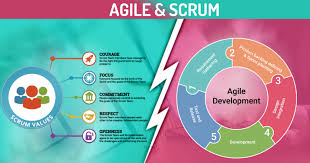
  • Sprints: Sprints are time-boxed iterations, usually lasting 1-4 weeks, during which a set of features or user stories are developed and delivered.
  • Scrum Team: The Scrum Team typically consists of a Product Owner, Scrum Master, and Development Team. They work together to deliver value in each sprint.
  • Product Backlog: The Product Backlog is a prioritized list of features or user stories that need to be developed. It evolves throughout the project based on feedback and changing requirements.
  • Sprint Planning: At the beginning of each sprint, the team selects items from the Product Backlog to work on during that sprint.
  • Daily Standups: Daily standup meetings are held to keep the team aligned and address any obstacles or issues that may arise.
  • Sprint Review: At the end of each sprint, a Sprint Review meeting is held to demonstrate completed work to stakeholders and gather feedback.
  • Sprint Retrospective: The Sprint Retrospective allows the team to reflect on what went well and what could be improved in future sprints.

The Benefits of Scrum

Scrum offers several benefits to development teams and organizations, including:

  • Rapid delivery of working software
  • Increased collaboration and communication
  • Faster response to changing requirements
  • Better visibility into project progress
  • Continuous improvement through regular feedback loops

In Conclusion

Scrum is a powerful framework that enables teams to deliver high-quality software in a fast-paced and dynamic environment. By embracing its principles and practices, organizations can adapt more effectively to change and deliver value to their customers more efficiently.
 

Understanding Agile Development: Key FAQs About Scrum Methodology

  1. What is agile development and how does it differ from traditional methodologies?
  2. What is Scrum and how does it fit into the agile framework?
  3. What are the key roles in a Scrum team?
  4. How long are sprints in Scrum and why are they time-boxed?
  5. What is a Product Backlog and how is it managed in Scrum?
  6. What is the difference between Sprint Planning, Daily Standups, Sprint Review, and Sprint Retrospective?
  7. How does Scrum promote collaboration and communication within a development team?
  8. What are the benefits of using Scrum for software development projects?

What is agile development and how does it differ from traditional methodologies?

Agile development is a modern approach to software development that emphasizes flexibility, collaboration, and adaptability. Unlike traditional methodologies like Waterfall, which follow a linear and sequential process, agile development is iterative and incremental. Agile projects are divided into small, manageable iterations called sprints, allowing for continuous feedback and adaptation. This iterative approach enables teams to respond quickly to changing requirements and deliver value to customers more efficiently. Agile also promotes close collaboration between cross-functional team members, encouraging communication and teamwork throughout the development process. Overall, agile development prioritizes customer satisfaction, quality deliverables, and the ability to respond effectively to evolving project needs.

What is Scrum and how does it fit into the agile framework?

Scrum is a popular agile framework that emphasizes iterative and incremental development practices to deliver high-quality software efficiently. It is characterized by its focus on collaboration, adaptability, and continuous improvement. Within the broader agile framework, Scrum serves as a specific methodology that provides a structured approach to project management and product development. By breaking down work into manageable chunks called sprints and following key ceremonies like sprint planning, daily standups, sprint reviews, and retrospectives, Scrum helps teams prioritize tasks effectively, respond to changes quickly, and deliver valuable increments of work at regular intervals. In essence, Scrum is a key component of the agile methodology that enables teams to work collaboratively towards achieving their project goals in a flexible and adaptive manner.

What are the key roles in a Scrum team?

In a Scrum team, there are three key roles that play essential parts in the successful implementation of the framework. The Product Owner is responsible for representing the stakeholders’ interests, prioritizing the work, and ensuring that the team delivers value to the business. The Scrum Master acts as a facilitator, helping the team understand and adopt Scrum principles, removing impediments, and fostering a collaborative environment. Lastly, the Development Team consists of professionals who are responsible for delivering potentially shippable increments of product at the end of each sprint. Each role has unique responsibilities that contribute to the overall effectiveness and efficiency of the Scrum team.

How long are sprints in Scrum and why are they time-boxed?

In Scrum, sprints typically last between 1 to 4 weeks, with the most common duration being 2 weeks. Sprints are time-boxed to provide a clear and consistent cadence for the team to work within. By having a fixed timeframe, teams can focus on delivering a specific set of features or user stories without getting sidetracked by changing priorities or scope creep. The time-boxed nature of sprints also encourages a sense of urgency and helps teams maintain a sustainable pace of work throughout the project. Additionally, shorter sprints allow for more frequent feedback and opportunities for course correction, leading to faster delivery of value to stakeholders.

What is a Product Backlog and how is it managed in Scrum?

In Agile development using Scrum, the Product Backlog plays a crucial role as a dynamic and prioritized list of features, enhancements, and fixes that need to be developed for a product. It serves as the single source of requirements for any changes to be made to the product. The Product Backlog is managed by the Product Owner, who is responsible for continuously refining and prioritizing the items based on feedback, changing market conditions, and business needs. The items at the top of the Product Backlog are typically more detailed and ready for implementation in upcoming sprints, while those at the bottom are still in need of refinement. Regular collaboration between the Product Owner, Development Team, and stakeholders ensures that the Product Backlog remains relevant and aligned with the project’s goals throughout the development process.

What is the difference between Sprint Planning, Daily Standups, Sprint Review, and Sprint Retrospective?

In agile development using the Scrum framework, Sprint Planning, Daily Standups, Sprint Review, and Sprint Retrospective are essential ceremonies that play distinct roles in the iterative software development process. Sprint Planning marks the beginning of each sprint, where the team collaborates to select and commit to work from the Product Backlog for that iteration. Daily Standups are brief meetings held every day to synchronize team members, discuss progress, and identify any obstacles hindering their work. Sprint Review occurs at the end of a sprint and involves showcasing completed work to stakeholders for feedback. Lastly, the Sprint Retrospective allows the team to reflect on their processes and performance during the sprint, identifying areas for improvement in future iterations. Each of these events contributes to the transparency, collaboration, and continuous improvement that are core principles of Scrum methodology.

How does Scrum promote collaboration and communication within a development team?

Scrum promotes collaboration and communication within a development team through its structured framework and practices. By emphasizing the importance of cross-functional teams working together towards a common goal, Scrum encourages regular interaction and information sharing. Daily standup meetings provide an opportunity for team members to synchronize their efforts, discuss progress, and address any obstacles. Additionally, the sprint planning, review, and retrospective meetings facilitate open communication, feedback exchange, and continuous improvement. The transparent nature of Scrum, with its visible progress tracking and regular feedback loops, fosters a culture of collaboration where team members feel empowered to share ideas, raise concerns, and work together towards delivering high-quality software efficiently.

What are the benefits of using Scrum for software development projects?

One of the frequently asked questions about agile development Scrum is, “What are the benefits of using Scrum for software development projects?” Using Scrum in software development projects offers numerous advantages. It enables teams to deliver working software rapidly, promotes increased collaboration and communication among team members, facilitates a faster response to changing requirements, provides better visibility into project progress, and fosters continuous improvement through regular feedback loops. By embracing Scrum’s principles and practices, organizations can adapt more effectively to change and deliver value to their customers more efficiently.
soft development

Mastering the Art of Software Development: A Guide to Success

The Importance of Software Development

The Importance of Software Development

Software development plays a crucial role in today’s digital world. It involves designing, coding, testing, and maintaining applications and systems that help businesses and individuals perform various tasks efficiently. Here are some key reasons why software development is essential:

Innovation and Efficiency

Software development drives innovation by creating new solutions to address complex problems. Custom software can streamline processes, automate tasks, and improve overall efficiency within an organization.

Competitive Advantage

Businesses that invest in custom software development gain a competitive edge. Tailored applications can meet specific needs and adapt to changing market conditions quickly, giving companies an advantage over their competitors.

Enhanced User Experience

User experience is vital in today’s digital landscape. Well-designed software not only functions effectively but also provides a seamless and intuitive user interface, enhancing customer satisfaction and loyalty.

Scalability and Flexibility

Scalability is crucial for growing businesses. Custom software can be easily scaled to accommodate increased workload or user base without compromising performance. It also offers flexibility to adapt to evolving business requirements.

Security and Compliance

Data security is a top priority for organizations handling sensitive information. Custom-built software allows for robust security measures to protect data from cyber threats while ensuring compliance with industry regulations.

Cost-Effectiveness

While initial investment in software development may seem significant, tailored solutions can result in long-term cost savings by improving operational efficiency, reducing manual errors, and minimizing the need for multiple off-the-shelf applications.

In conclusion, software development is a cornerstone of modern business operations, driving innovation, efficiency, and growth. By investing in custom software solutions tailored to their unique needs, organizations can stay ahead of the curve in a rapidly evolving digital landscape.


9 Essential Tips for Effective Software Development

  1. Write clean and well-organized code.
  2. Use version control systems like Git to track changes.
  3. Document your code to make it easier for others to understand.
  4. Test your code thoroughly to catch bugs early on.
  5. Follow coding standards and best practices in the industry.
  6. Stay updated with the latest technologies and trends in software development.
  7. Collaborate with team members through effective communication.
  8. Prioritize security measures in your code to prevent vulnerabilities.
  9. Practice continuous learning and improvement in your development skills.

Write clean and well-organized code.

When it comes to software development, a crucial tip is to write clean and well-organized code. Clean code is not only easier to understand and maintain but also reduces the likelihood of errors and bugs. Well-organized code follows a logical structure, making it simpler for developers to collaborate on projects and for future modifications to be implemented smoothly. By adhering to this best practice, developers can enhance the efficiency, readability, and overall quality of their software solutions.

Use version control systems like Git to track changes.

Utilizing version control systems like Git is essential in software development to track changes efficiently. By leveraging Git, developers can maintain a complete history of modifications made to the codebase, allowing for easy collaboration, error detection, and seamless integration of new features. Version control systems also enable teams to work concurrently on different parts of the project without the risk of conflicting changes, ensuring a smooth and organized development process.

Document your code to make it easier for others to understand.

Documenting your code is a crucial practice in software development as it enhances the understandability of the codebase for other developers. By adding clear and concise comments, explanations, and documentation within the code, you not only make it easier for others to grasp the logic and functionality of the software but also facilitate collaboration and maintenance tasks. Documented code serves as a roadmap for future modifications or troubleshooting, ensuring smoother development processes and overall project success.

Test your code thoroughly to catch bugs early on.

Testing your code thoroughly is a critical step in software development to catch bugs early on. By conducting comprehensive testing, developers can identify and rectify issues before they escalate, ensuring the stability and reliability of the software. Early bug detection not only saves time and resources but also enhances the overall quality of the product, leading to a more seamless user experience. Prioritizing thorough testing as part of the development process is key to delivering robust and error-free software solutions.

Follow coding standards and best practices in the industry.

Following coding standards and best practices in the industry is crucial in software development. Adhering to established guidelines ensures consistency, readability, and maintainability of code. By following these standards, developers can write cleaner code that is easier to understand and debug. Consistent coding practices also promote collaboration among team members and facilitate smoother integration of code modules. Ultimately, following coding standards helps improve the overall quality of the software product and enhances its long-term sustainability.

Staying updated with the latest technologies and trends in software development is crucial for professionals in the field. By keeping abreast of advancements, developers can enhance their skills, stay competitive, and deliver cutting-edge solutions to clients. Continuous learning and exploration of new tools and methodologies enable software developers to adapt to industry changes, improve efficiency, and create innovative products that meet the evolving needs of users. Embracing ongoing education and staying informed about emerging technologies are key factors in achieving success and staying relevant in the dynamic landscape of software development.

Collaborate with team members through effective communication.

Collaborating with team members through effective communication is a fundamental tip in software development. Clear and open communication among team members ensures that everyone is on the same page regarding project goals, timelines, and tasks. By sharing ideas, discussing challenges, and providing regular updates, team members can work together seamlessly to achieve project success. Effective communication fosters collaboration, enhances problem-solving abilities, and promotes a supportive team environment where each member’s contributions are valued.

Prioritize security measures in your code to prevent vulnerabilities.

When engaging in software development, it is crucial to prioritize security measures in your code to prevent vulnerabilities. By implementing robust security protocols and practices during the development process, you can significantly reduce the risk of cyber threats and safeguard sensitive data. Proactively addressing security concerns not only protects your software from potential breaches but also instills trust among users and enhances the overall reliability of your applications. Prioritizing security measures is a fundamental aspect of responsible software development that ensures the integrity and confidentiality of information within your systems.

Practice continuous learning and improvement in your development skills.

To excel in software development, it is crucial to embrace a mindset of continuous learning and improvement in your development skills. By staying updated on the latest technologies, tools, and best practices, you can enhance your proficiency and adaptability in this fast-evolving field. Engaging in ongoing learning not only expands your knowledge base but also hones your problem-solving abilities and creativity, enabling you to tackle complex challenges with confidence and innovation. Embracing a culture of continuous improvement empowers you to stay at the forefront of software development trends and deliver high-quality solutions that meet the dynamic needs of today’s digital landscape.

adaptive software development

Embracing Change: The Power of Adaptive Software Development in Modern Tech Projects

Adaptive Software Development: Adapting to Change in the Digital Age

Adaptive Software Development: Adapting to Change in the Digital Age

In today’s fast-paced and ever-changing digital landscape, software development needs to be agile and adaptable. One approach that has gained popularity is Adaptive Software Development (ASD). ASD is a methodology that emphasizes flexibility, collaboration, and continuous improvement throughout the software development process.

Key Principles of Adaptive Software Development:

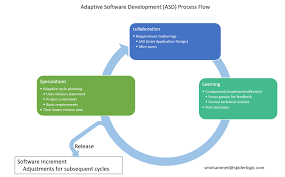
  • Collaboration: ASD promotes close collaboration among team members, stakeholders, and end-users. By working together closely, teams can quickly adapt to changing requirements and feedback.
  • Iterative Development: ASD follows an iterative approach, where software is developed in small increments. This allows for early feedback, rapid prototyping, and continuous refinement of the product.
  • Continuous Learning: In ASD, learning is a fundamental part of the development process. Teams reflect on their work regularly, identify areas for improvement, and adjust their approach accordingly.
  • Flexibility: ASD recognizes that requirements and priorities can change rapidly. Teams are encouraged to embrace change and adjust their plans as needed to deliver value to the customer.

The Benefits of Adaptive Software Development:

Adaptive Software Development offers several advantages for software development teams and organizations:

  • Rapid Response to Change: By being adaptable and flexible, teams can respond quickly to changing market conditions, customer needs, or technological advancements.
  • Improved Collaboration: Close collaboration among team members fosters creativity, innovation, and a shared sense of ownership over the project.
  • Better Quality Products: The iterative nature of ASD allows for early detection of defects and issues, leading to higher-quality software products.
  • Enhanced Customer Satisfaction: By involving customers throughout the development process and adapting based on their feedback, ASD helps ensure that the final product meets their expectations.

In Conclusion

In conclusion, Adaptive Software Development is a valuable approach for modern software development projects. By embracing flexibility, collaboration, and continuous learning, teams can deliver high-quality products that meet evolving customer needs in today’s dynamic digital landscape.


Understanding Adaptive Software Development: Key Differences, Methodologies, and Applications in Java

  1. What is adaptive software development method?
  2. How does the adaptive software development model differs from the traditional development model?
  3. What are the seven 7 software development methodologies?
  4. What is ASD in Java?

What is adaptive software development method?

The Adaptive Software Development method is a flexible and collaborative approach to software development that emphasizes adaptability to change throughout the project lifecycle. It focuses on close collaboration among team members, stakeholders, and end-users, allowing for rapid adjustments in response to evolving requirements and feedback. By following an iterative development process and embracing continuous learning, teams using Adaptive Software Development can deliver high-quality software products that meet the dynamic needs of today’s digital environment.

How does the adaptive software development model differs from the traditional development model?

In the context of software development, the adaptive software development model differs from traditional development models in several key ways. Unlike traditional models that follow a sequential and rigid approach, adaptive software development embraces flexibility and adaptability. It prioritizes collaboration, iterative development, continuous learning, and rapid response to change. In contrast to the linear nature of traditional models, adaptive software development allows for constant adjustments based on evolving requirements and feedback. This dynamic approach enables teams to deliver high-quality products that better meet the changing needs of customers in today’s fast-paced digital environment.

What are the seven 7 software development methodologies?

In the realm of software development, there are several methodologies that teams can adopt to guide their processes and practices. The seven commonly recognized software development methodologies include Waterfall, Agile, Scrum, Kanban, Lean, Extreme Programming (XP), and Adaptive Software Development. Each methodology has its unique approach to managing projects, organizing tasks, and facilitating collaboration among team members. Understanding these methodologies can help teams choose the most suitable framework for their specific project requirements and goals.

What is ASD in Java?

Adaptive Software Development (ASD) in Java refers to the application of the ASD methodology specifically within the context of Java programming. In this approach, Java developers utilize the principles of ASD, such as collaboration, iterative development, continuous learning, and flexibility, to adapt and respond to changes effectively throughout the software development lifecycle. By incorporating ASD practices into Java development projects, teams can enhance agility, improve product quality, and deliver software solutions that align closely with customer requirements in a dynamic and evolving digital environment.

rapid software development

Accelerating Innovation: The Power of Rapid Software Development

The Advantages of Rapid Software Development

The Advantages of Rapid Software Development

Rapid software development is a methodology that focuses on quickly creating high-quality software through iterative processes and collaboration. This approach has gained popularity in recent years due to its efficiency and effectiveness in meeting the ever-changing demands of the market.

Benefits of Rapid Software Development:

Faster Time-to-Market:

One of the key advantages of rapid software development is its ability to deliver products to market quickly. By breaking down the development process into smaller, manageable chunks, teams can release functional software incrementally, allowing for faster feedback and adaptation to changes.

Flexibility and Adaptability:

Rapid software development allows for greater flexibility in responding to changing requirements or customer feedback. Teams can easily incorporate new features or make adjustments during the development process, ensuring that the final product meets stakeholders’ needs effectively.

Improved Collaboration:

Collaboration is at the core of rapid software development. By involving all stakeholders, including developers, designers, and end-users, in the development process from the beginning, teams can ensure that everyone’s input is considered and incorporated. This leads to a more cohesive and user-friendly end product.

Reduced Costs:

Due to its iterative nature, rapid software development can help reduce costs associated with rework or late-stage changes. By catching issues early on and continuously testing and refining the software throughout the process, teams can avoid costly delays and ensure a more efficient use of resources.

Conclusion:

Rapid software development offers numerous benefits for organizations looking to stay competitive in today’s fast-paced market. By prioritizing speed, flexibility, collaboration, and cost-effectiveness, teams can deliver high-quality software that meets user needs effectively while adapting to changing requirements swiftly.


Understanding Rapid Software Development: Key FAQs and Insights

  1. What is rapid software development?
  2. How does rapid software development differ from traditional methods?
  3. What are the benefits of using rapid software development?
  4. What are the challenges associated with rapid software development?
  5. How can teams ensure quality while using rapid software development?
  6. What tools and technologies are commonly used in rapid software development?
  7. How does customer feedback play a role in rapid software development?

What is rapid software development?

Rapid software development is a methodology that emphasizes quick and iterative approaches to creating software solutions. It involves breaking down the development process into smaller, manageable increments to deliver functional products faster. This approach focuses on flexibility, adaptability, and collaboration among team members and stakeholders to ensure that the software meets evolving requirements efficiently. By prioritizing speed and responsiveness to changes, rapid software development aims to streamline the development process, reduce costs, and improve time-to-market for software products.

How does rapid software development differ from traditional methods?

In the realm of software development, the key distinction between rapid software development and traditional methods lies in their approach to the development process. Rapid software development emphasizes iterative and incremental cycles, focusing on delivering functional software quickly and continuously incorporating feedback from stakeholders. This agile approach allows for greater flexibility, adaptability, and collaboration throughout the development lifecycle. In contrast, traditional methods often follow a more linear and sequential process, with a heavy emphasis on upfront planning and documentation. While traditional methods may provide a structured framework for development, rapid software development offers a more dynamic and responsive way to address evolving requirements and deliver value to end-users in a timely manner.

What are the benefits of using rapid software development?

When considering the benefits of using rapid software development, several advantages stand out. Firstly, the methodology allows for faster time-to-market, enabling teams to release functional software incrementally and gather feedback early on for quick adjustments. Additionally, rapid software development offers flexibility and adaptability, allowing teams to respond promptly to changing requirements or customer feedback throughout the development process. Improved collaboration is another key benefit, as involving all stakeholders from the beginning ensures that everyone’s input is considered and integrated effectively. Moreover, the iterative nature of rapid software development helps reduce costs by identifying and addressing issues early on, ultimately leading to more efficient resource utilization.

What are the challenges associated with rapid software development?

When it comes to rapid software development, several challenges need to be addressed. One common challenge is maintaining quality while working under tight timelines. The pressure to deliver quickly can sometimes lead to overlooking crucial aspects such as thorough testing and code review, which may result in bugs and issues in the final product. Another challenge is managing changing requirements effectively. In a fast-paced environment, requirements can evolve rapidly, making it essential for teams to have robust communication and prioritization processes in place to ensure that the software meets stakeholders’ needs. Additionally, coordinating collaboration among team members and stakeholders can be challenging, especially when working on quick iterations. Overcoming these challenges requires a well-structured development process, clear communication channels, and a focus on balancing speed with quality to achieve successful outcomes in rapid software development projects.

How can teams ensure quality while using rapid software development?

In the context of rapid software development, ensuring quality remains a paramount concern for teams aiming to deliver efficient and reliable products. To maintain quality throughout the rapid development process, teams can implement several key strategies. Firstly, establishing clear and measurable quality standards from the project’s outset helps guide development efforts towards meeting predefined benchmarks. Additionally, incorporating automated testing procedures at each iteration aids in identifying and rectifying potential issues swiftly. Moreover, fostering a culture of continuous feedback and collaboration among team members promotes transparency and accountability, contributing to overall product quality. By prioritizing thorough testing, proactive communication, and adherence to predetermined quality metrics, teams can effectively uphold high standards of quality while embracing the rapid software development approach.

What tools and technologies are commonly used in rapid software development?

In rapid software development, various tools and technologies are commonly used to streamline the development process and enhance productivity. Some of the popular tools include integrated development environments (IDEs) like Visual Studio, Eclipse, or IntelliJ IDEA, which provide a comprehensive platform for coding, debugging, and testing software. Version control systems such as Git enable teams to collaborate effectively and manage code changes efficiently. Additionally, automation tools like Jenkins or Travis CI help automate build processes and ensure continuous integration and deployment. Frameworks like React, Angular, or Spring Boot are often utilized to accelerate development by providing pre-built components and structures. Overall, the careful selection and utilization of these tools and technologies play a crucial role in facilitating rapid software development practices.

How does customer feedback play a role in rapid software development?

Customer feedback plays a crucial role in rapid software development by providing valuable insights that drive the iterative process. In this methodology, customer feedback serves as a compass, guiding development teams to make informed decisions and prioritize features based on user needs. By incorporating customer feedback early and often, teams can ensure that the software aligns with user expectations, leading to a more user-friendly and market-ready product. This continuous feedback loop not only enhances the quality of the software but also fosters customer satisfaction and loyalty through a collaborative approach to product development.

rad software development

Exploring the Dynamics of RAD Software Development: A Modern Approach to Agile Solutions

RAD Software Development

Rapid Application Development (RAD) in Software Development

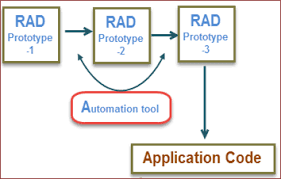
Rapid Application Development (RAD) is an agile software development approach that prioritizes rapid prototyping and quick feedback over long planning and extensive upfront design. RAD aims to accelerate the development process by focusing on iterative development and user feedback.

Key Features of RAD:

  • Iterative Development: RAD emphasizes building software in small increments, allowing for quick iterations and continuous improvement.
  • User Involvement: Users play a crucial role in the RAD process, providing feedback early and often to ensure that the final product meets their needs.
  • Rapid Prototyping: Prototyping is a central component of RAD, enabling developers to create working models quickly for validation and feedback.
  • Collaborative Approach: RAD encourages collaboration among cross-functional teams, including developers, designers, and stakeholders, to foster creativity and innovation.
  • Flexible and Adaptive: RAD is highly flexible and adaptive to changes, allowing for adjustments based on evolving requirements and feedback throughout the development cycle.

Benefits of RAD:

RAD offers several advantages for software development projects:

  • Reduced Time-to-Market: By focusing on rapid iterations and quick feedback cycles, RAD helps accelerate the delivery of functional software.
  • Improved User Satisfaction: User involvement throughout the development process ensures that the final product aligns with user expectations and requirements.
  • Increased Flexibility: The iterative nature of RAD allows for changes to be incorporated easily, making it ideal for projects with evolving or unclear requirements.
  • Better Risk Management: Early prototyping and frequent testing help identify potential issues early on, reducing risks associated with large-scale implementation.
  • Creative Problem-Solving: The collaborative nature of RAD fosters creativity and innovation within teams, leading to unique solutions to complex problems.

In conclusion, Rapid Application Development (RAD) is a dynamic approach to software development that prioritizes speed, flexibility, collaboration, and user satisfaction. By embracing rapid prototyping, iterative development cycles, and continuous user feedback, RAD enables teams to deliver high-quality software solutions efficiently while adapting to changing requirements effectively.


Understanding RAD in Software Development: Key FAQs Answered

  1. What does RAD stand for in development?
  2. Is agile and RAD same?
  3. What is RAD and agile?
  4. What are the 5 stages of the RAD model?
  5. What does RAD stand for in agile?
  6. What is RAD in software development?
  7. What are the four phases of RAD software development?
  8. What is the RAD model in software development?

What does RAD stand for in development?

Rapid Application Development (RAD) in software development refers to an agile approach that emphasizes quick prototyping, iterative development, and user feedback to accelerate the delivery of functional software solutions. RAD stands for a methodology that prioritizes speed, flexibility, and collaboration among cross-functional teams to ensure that the final product meets user requirements effectively. By focusing on rapid iterations and continuous improvement based on user input, RAD enables developers to build and refine software applications efficiently while remaining adaptable to evolving project needs.

Is agile and RAD same?

The frequently asked question about Rapid Application Development (RAD) and Agile often revolves around whether they are the same approach. While both RAD and Agile share some common principles, they are distinct methodologies in software development. RAD focuses on rapid prototyping, quick iterations, and user involvement to accelerate the development process, while Agile is a broader umbrella term encompassing various iterative and incremental approaches, including Scrum and Kanban. While both emphasize flexibility, collaboration, and customer feedback, RAD specifically emphasizes rapid application delivery through prototyping and user engagement, whereas Agile is a more overarching framework that can incorporate RAD principles among others.

What is RAD and agile?

Rapid Application Development (RAD) and Agile are both iterative software development approaches that prioritize flexibility, collaboration, and responsiveness to change. While RAD focuses on rapid prototyping and user involvement to accelerate the development process, Agile is a broader methodology that emphasizes adaptive planning, continuous improvement, and cross-functional teamwork. Both RAD and Agile share common principles such as iterative development, user feedback, and a collaborative approach but differ in their specific techniques and scope. Ultimately, RAD and Agile methodologies aim to enhance software development efficiency, quality, and customer satisfaction through dynamic and iterative practices tailored to meet evolving project requirements.

What are the 5 stages of the RAD model?

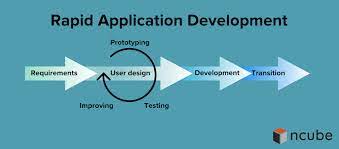
The Rapid Application Development (RAD) model typically consists of five key stages: Requirements Planning, User Design, Rapid Construction, Cutover, and Feedback. In the Requirements Planning stage, project requirements are gathered and analyzed to establish the scope of the software development project. The User Design stage involves creating prototypes and mock-ups based on user feedback to ensure that the final product meets user expectations. During Rapid Construction, developers build the software in iterations, focusing on functionality and quick delivery. The Cutover phase involves transitioning from development to production, while Feedback allows for continuous improvement based on user input and testing results. These five stages form a structured yet flexible framework for implementing RAD methodologies in software development projects.

What does RAD stand for in agile?

In the context of agile software development, RAD stands for Rapid Application Development. RAD is an approach that emphasizes quick prototyping, iterative development, and close collaboration with users to accelerate the delivery of software solutions. By focusing on rapid iterations and continuous feedback, RAD enables teams to respond quickly to changing requirements and deliver high-quality applications efficiently.

What is RAD in software development?

Rapid Application Development (RAD) in software development is an agile methodology that focuses on accelerating the development process by emphasizing quick iterations, user involvement, and rapid prototyping. RAD aims to deliver functional software solutions faster by breaking down the development cycle into smaller increments, allowing for continuous feedback from users and stakeholders. This approach enables teams to adapt to changing requirements more effectively and deliver high-quality software that aligns closely with user needs.

What are the four phases of RAD software development?

In Rapid Application Development (RAD) software development, the process typically consists of four key phases. The first phase is Requirements Planning, where project goals and objectives are defined, and initial user feedback is gathered. This is followed by User Design, where prototypes are created based on user input to visualize the final product. The third phase is Rapid Construction, where the actual development takes place in iterative cycles to build and refine the software incrementally. Finally, the Implementation phase involves testing, deployment, and user training to ensure a smooth transition to the new system. These four phases of RAD software development emphasize collaboration, rapid prototyping, and continuous feedback to deliver high-quality software solutions efficiently.

What is the RAD model in software development?

The RAD model, short for Rapid Application Development, is an agile software development approach that focuses on iterative development, quick prototyping, and user feedback to accelerate the delivery of software solutions. In the RAD model, software is built in small increments with a strong emphasis on collaboration among cross-functional teams and active involvement of end-users throughout the development process. This approach allows for rapid adaptation to changing requirements, early identification of potential issues, and ultimately results in the creation of high-quality software products that align closely with user needs and expectations.

in house software development

Unlocking Success: The Power of In-House Software Development

In-House Software Development

The Benefits of In-House Software Development

Software development is a crucial aspect of modern business operations. Many companies face the decision of whether to outsource their software development needs or build an in-house team. While outsourcing can offer certain advantages, there are compelling reasons why in-house software development can be the preferred choice for many organizations.

Customization and Control

One of the key benefits of in-house software development is the ability to customize solutions according to specific business requirements. In-house teams have a deep understanding of the company’s operations, culture, and goals, allowing them to tailor software applications to fit seamlessly into existing workflows.

Speed and Flexibility

Having an in-house development team enables faster response times to changing business needs and market demands. Internal teams can quickly adapt to new requirements, iterate on solutions, and implement updates without being dependent on external vendors’ schedules.

Quality Assurance

In-house teams are dedicated to upholding high standards of quality throughout the software development process. They have a vested interest in delivering reliable and efficient solutions that meet internal standards and user expectations. This focus on quality assurance can lead to more robust and secure software products.

Knowledge Retention and Innovation

By investing in an in-house development team, companies retain valuable knowledge within the organization. Developers gain domain expertise over time, which can lead to innovative solutions that drive business growth and competitive advantage. In-house teams also foster a culture of continuous learning and collaboration.

Cost Considerations

While in-house software development may require initial investments in talent acquisition, training, and infrastructure, it can result in long-term cost savings compared to outsourcing. Companies that build internal expertise benefit from reduced dependency on external vendors and greater control over budget allocation.

Conclusion

In-house software development offers a range of benefits that contribute to organizational efficiency, agility, and innovation. By building a skilled internal team, companies can create customized solutions that align closely with their strategic objectives and differentiate them in the marketplace.

© 2023 All rights reserved – Your Company Name


Understanding In-House Software Development: Key FAQs Answered

  1. What is an in-house application software?
  2. Why are users doing so little in-house development of software today?
  3. What is the main advantage of inhouse approach?
  4. What do you mean by software in-house?
  5. What is the difference between inhouse and outsource?

What is an in-house application software?

An in-house application software refers to a custom-built software solution developed by a company’s internal team of developers to address specific business needs. Unlike off-the-shelf software packages, in-house applications are tailored to meet the unique requirements and workflows of the organization. These applications are designed, built, and maintained internally, allowing the company to have full control over the development process and customization options. In-house application software is typically used to streamline operations, improve efficiency, enhance data security, and support strategic initiatives within the organization.

Why are users doing so little in-house development of software today?

One reason users are doing less in-house software development today is the availability of specialized external vendors and service providers offering a wide range of off-the-shelf solutions. These third-party options often provide cost-effective and time-efficient alternatives to in-house development, allowing companies to focus on their core business activities. Additionally, the rapidly evolving technology landscape requires continuous learning and adaptation, which can be challenging for in-house teams to keep up with. Outsourcing certain software development tasks can also bring fresh perspectives and expertise to projects, enhancing innovation and efficiency within organizations.

What is the main advantage of inhouse approach?

The main advantage of the in-house approach to software development lies in the level of customization and control it offers to organizations. By building an internal team of developers, companies can tailor software solutions to meet their specific business requirements and seamlessly integrate them into existing workflows. This customization capability allows for greater alignment with organizational goals, operational processes, and user needs, ultimately leading to more efficient and effective software applications that drive business success.

What do you mean by software in-house?

“In the context of software development, ‘in-house’ refers to the practice of having an internal team within a company responsible for designing, developing, and maintaining software applications. This means that the organization utilizes its own resources, such as programmers, developers, and project managers, to create custom software solutions tailored to meet specific business needs. By opting for in-house software development, companies retain full control over the development process and have the flexibility to adapt quickly to changing requirements and market conditions.”

What is the difference between inhouse and outsource?

When considering the difference between in-house and outsourced software development, it boils down to where the development work is conducted. In-house software development involves having an internal team within the company handle all aspects of software creation, from design to implementation. On the other hand, outsourcing entails hiring external vendors or third-party companies to perform software development tasks remotely. While in-house development offers greater control, customization, and alignment with company goals, outsourcing can provide cost savings, access to specialized expertise, and flexibility in scaling resources. Each approach has its advantages and considerations based on the specific needs and priorities of the organization.

bespoke software development

Unlocking Business Potential Through Bespoke Software Development

The Power of Bespoke Software Development

The Power of Bespoke Software Development

In today’s fast-paced and competitive business environment, having the right tools can make all the difference. Off-the-shelf software solutions are readily available, but they may not always meet the unique needs and requirements of your business. This is where bespoke software development comes in.

Bespoke software development involves creating custom software tailored specifically to your business processes, goals, and challenges. Unlike generic off-the-shelf solutions, bespoke software is designed from the ground up to address your specific needs, providing a competitive edge and driving efficiency.

Benefits of Bespoke Software Development

One of the key advantages of bespoke software is its scalability. As your business grows and evolves, bespoke software can be easily adapted and expanded to accommodate new requirements without the need for a complete overhaul.

Furthermore, bespoke software offers greater flexibility and customization options. You have full control over the features, functionality, and user interface, ensuring that the end product aligns perfectly with your business processes and workflow.

Security is another critical aspect where bespoke software excels. Off-the-shelf solutions are more vulnerable to security breaches due to their widespread use and predictable vulnerabilities. With bespoke software, you can implement robust security measures tailored to your specific needs.

Challenges of Bespoke Software Development

While bespoke software development offers numerous benefits, it also comes with its own set of challenges. Custom development projects require careful planning, thorough requirements gathering, and effective communication between stakeholders to ensure successful implementation.

Additionally, bespoke software development can be more time-consuming and costly compared to off-the-shelf solutions. However, the long-term benefits and competitive advantages gained from custom-built software often outweigh the initial investment.

Conclusion

Bespoke software development is a powerful tool that empowers businesses to optimize their operations, enhance productivity, and stay ahead of the competition. By investing in custom-built solutions tailored to your unique needs, you can unlock new opportunities for growth and success in today’s dynamic business landscape.


6 Essential Tips for Successful Bespoke Software Development

  1. Clearly define project requirements and objectives.
  2. Communicate effectively with the development team throughout the process.
  3. Prioritize security measures to protect sensitive data.
  4. Regularly test and debug the software to ensure functionality and performance.
  5. Document all aspects of the software development process for future reference.
  6. Provide training and support for end-users to maximize adoption and satisfaction.

Clearly define project requirements and objectives.

To ensure the success of a bespoke software development project, it is crucial to clearly define project requirements and objectives from the outset. By establishing a detailed roadmap that outlines the specific needs, goals, and expectations of the project, stakeholders can align their efforts and resources effectively. Clear project requirements help developers understand the scope of work, make informed decisions during development, and deliver a solution that meets the client’s exact specifications. Additionally, well-defined objectives provide a framework for measuring progress and ensuring that the final product aligns with the desired outcomes. By prioritizing clarity and precision in defining project requirements and objectives, businesses can set themselves up for a successful bespoke software development journey.

Communicate effectively with the development team throughout the process.

Effective communication with the development team is crucial throughout the bespoke software development process. Clear and consistent communication helps ensure that all stakeholders are aligned on project goals, requirements, and timelines. By maintaining open lines of communication, both parties can address any issues or changes promptly, leading to a smoother development process and a final product that meets the client’s expectations. Regular updates and feedback sessions also allow for transparency and collaboration, fostering a strong partnership between the client and the development team.

Prioritize security measures to protect sensitive data.

When embarking on bespoke software development, it is crucial to prioritize security measures to safeguard sensitive data. By implementing robust security protocols and encryption techniques, businesses can mitigate the risk of data breaches and unauthorized access. Protecting confidential information is paramount in today’s digital landscape, and investing in stringent security measures ensures the integrity and trustworthiness of custom-built software solutions.

Regularly test and debug the software to ensure functionality and performance.

Regularly testing and debugging bespoke software is crucial to ensure its functionality and performance. By conducting thorough testing processes, developers can identify and resolve any issues or bugs that may impact the software’s operation. This proactive approach not only enhances the overall quality of the software but also helps maintain its reliability and efficiency over time. Consistent testing and debugging are essential steps in the bespoke software development process to deliver a robust and stable solution that meets the client’s specific requirements effectively.

Document all aspects of the software development process for future reference.

Documenting all aspects of the software development process is crucial for future reference and ongoing improvement. By maintaining detailed documentation, including requirements, design decisions, code structure, testing procedures, and any challenges faced during development, teams can ensure transparency, consistency, and knowledge transfer. This documentation serves as a valuable resource for troubleshooting issues, onboarding new team members, and revisiting past projects to leverage insights for future endeavors. Investing time in thorough documentation not only enhances collaboration and communication within the team but also contributes to the overall efficiency and success of bespoke software development projects.

Provide training and support for end-users to maximize adoption and satisfaction.

To maximize adoption and satisfaction of bespoke software development, it is crucial to provide comprehensive training and support for end-users. By offering training sessions and ongoing support, users can better understand the software’s functionalities, leading to increased proficiency and confidence in utilizing the custom solution effectively. This approach not only enhances user satisfaction but also promotes higher adoption rates, ensuring that the bespoke software delivers maximum value to the organization.

iterative software development

Unlocking Success: The Power of Iterative Software Development

Iterative Software Development: A Modern Approach to Building Better Software

Iterative Software Development: A Modern Approach to Building Better Software

Iterative software development is a dynamic and flexible approach to building software that has gained popularity in recent years. Unlike traditional waterfall methods, which follow a linear progression from planning to deployment, iterative development breaks the process into smaller cycles or iterations.

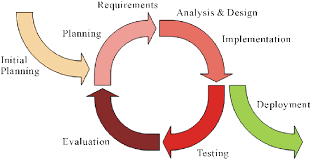
Each iteration involves a subset of the overall project requirements and includes planning, design, implementation, testing, and review phases. The key idea behind iterative development is to deliver working software incrementally, allowing for feedback and adjustments along the way.

The Benefits of Iterative Development

There are several benefits to adopting an iterative approach to software development:

  • Rapid Feedback: By delivering working software in short iterations, stakeholders can provide feedback early in the process, leading to better alignment with business needs.
  • Flexibility: Iterative development allows for changes and updates to be incorporated easily as the project progresses, accommodating evolving requirements.
  • Risk Mitigation: Breaking the project into smaller iterations reduces overall project risk by identifying issues early and addressing them before they escalate.
  • Quality Improvement: Continuous testing and review during each iteration help ensure higher quality software by catching defects early in the development cycle.

Key Principles of Iterative Development

While there are various iterative methodologies such as Agile and Scrum, they share some common principles:

  • Cross-Functional Teams: Teams are composed of members with diverse skills who collaborate closely throughout the development process.
  • Frequent Delivery: Working software is delivered in short iterations, typically ranging from one to four weeks.
  • Continuous Improvement: Teams reflect on their processes at the end of each iteration and make adjustments to improve efficiency and effectiveness.
  • Customer Collaboration: Regular interaction with stakeholders ensures that the software meets their needs and expectations.

In Conclusion

Iterative software development offers a modern and effective approach to building high-quality software that meets business requirements. By embracing flexibility, collaboration, and continuous improvement, teams can deliver value quickly while adapting to changing circumstances. As technology continues to evolve rapidly, iterative development provides a framework for success in today’s dynamic software landscape.


7 Essential Tips for Effective Iterative Software Development

  1. Break down the project into smaller tasks or iterations.
  2. Prioritize features based on value and complexity.
  3. Get feedback early and often from stakeholders and end users.
  4. Iterate quickly to incorporate feedback and make improvements.
  5. Use version control to track changes and collaborate effectively.
  6. Automate testing to ensure quality at each iteration.
  7. Embrace flexibility and be willing to adapt plans as needed.

Break down the project into smaller tasks or iterations.

To effectively implement iterative software development, it is crucial to break down the project into smaller tasks or iterations. By dividing the project into manageable chunks, teams can focus on delivering specific functionalities within each iteration. This approach not only helps in better planning and tracking progress but also allows for early feedback and adjustments. Breaking down the project into smaller tasks promotes a more efficient development process, improves collaboration among team members, and ultimately leads to the successful delivery of high-quality software in a timely manner.

Prioritize features based on value and complexity.

In iterative software development, it is crucial to prioritize features based on their value to the end-users and the complexity of implementation. By focusing on delivering high-value features early in the development process, teams can ensure that the most critical functionalities are available sooner, providing immediate benefits to stakeholders. Additionally, considering the complexity of features helps teams manage resources efficiently and tackle challenging tasks early on, reducing risks and ensuring a smoother development process overall. Prioritizing features based on value and complexity is key to maximizing the impact of each iteration and delivering software that aligns closely with user needs.

Get feedback early and often from stakeholders and end users.

In iterative software development, it is crucial to prioritize obtaining feedback early and frequently from both stakeholders and end users. This practice ensures that the software aligns with the needs and expectations of the intended users throughout the development process. By incorporating feedback at various stages, teams can make timely adjustments, enhance user experience, and ultimately deliver a product that meets or exceeds expectations. Regular feedback loops help identify potential issues early on, leading to a more efficient development cycle and a higher-quality end result.

Iterate quickly to incorporate feedback and make improvements.

In iterative software development, it is crucial to iterate quickly to incorporate feedback and make improvements. By delivering working software in short cycles and promptly gathering feedback from stakeholders, teams can adapt and enhance the product effectively. This rapid iteration process allows for continuous refinement based on real-world usage and ensures that the final software meets the evolving needs of users. By embracing a fast-paced iterative approach, teams can stay responsive to feedback, address issues promptly, and deliver a high-quality product that aligns closely with user expectations.

Use version control to track changes and collaborate effectively.

In iterative software development, utilizing version control is essential for tracking changes and enabling effective collaboration among team members. Version control systems such as Git allow developers to manage code revisions, track modifications made by different team members, and revert to previous versions if needed. By using version control, teams can work concurrently on the same codebase, merge changes seamlessly, and maintain a clear history of project iterations. This practice not only enhances productivity but also ensures that the software development process remains organized and transparent throughout the iterative cycles.

Automate testing to ensure quality at each iteration.

Automating testing is a crucial tip in iterative software development to maintain quality throughout each iteration. By automating tests, developers can quickly and efficiently verify that new code changes have not introduced any regressions or defects. This approach not only saves time but also helps ensure that the software remains stable and reliable as it evolves. Automated testing allows teams to detect issues early, enabling them to address them promptly and deliver high-quality software consistently throughout the development process.

Embrace flexibility and be willing to adapt plans as needed.

Embracing flexibility and being open to adapting plans as needed is a crucial tip in iterative software development. By remaining agile and responsive to changing requirements or feedback, teams can ensure that the software they deliver aligns closely with evolving business needs. This mindset allows for quick adjustments, continuous improvement, and ultimately leads to the development of software that is more resilient, efficient, and tailored to meet the dynamic demands of today’s fast-paced technological landscape.

custom healthcare software development

Empowering Healthcare: The Impact of Custom Healthcare Software Development

Custom Healthcare Software Development

The Importance of Custom Healthcare Software Development

In the rapidly evolving healthcare industry, the need for efficient and tailored software solutions is more crucial than ever. Custom healthcare software development plays a vital role in enhancing patient care, streamlining processes, and improving overall operational efficiency.

Benefits of Custom Healthcare Software

Custom healthcare software offers several advantages over off-the-shelf solutions. Here are some key benefits:

  • Personalized Solutions: Custom software can be designed to meet the unique needs and workflows of a healthcare organization, ensuring seamless integration with existing systems.
  • Enhanced Data Security: With custom software, healthcare providers can implement robust security measures to protect sensitive patient information and comply with data privacy regulations.
  • Improved Efficiency: Tailored software solutions can automate routine tasks, reduce manual errors, and optimize workflow processes, leading to increased productivity and cost savings.
  • Better Patient Care: Custom healthcare software enables healthcare professionals to access real-time patient data, make informed decisions, and deliver personalized care that meets individual patient needs.
  • Scalability and Flexibility: Custom software can be easily scaled up or modified as per changing requirements, allowing healthcare organizations to adapt to evolving trends and technologies.

Challenges in Healthcare Software Development

Developing custom healthcare software comes with its own set of challenges. Some common hurdles include interoperability issues with existing systems, ensuring regulatory compliance, managing complex data sets, and addressing cybersecurity concerns. However, by partnering with experienced software developers specializing in healthcare solutions, these challenges can be effectively overcome.

The Future of Healthcare Software Development

As technology continues to revolutionize the healthcare sector, custom software development will play a pivotal role in driving innovation and improving patient outcomes. By leveraging cutting-edge technologies such as artificial intelligence, machine learning, telemedicine, and IoT devices, custom healthcare software will empower providers to deliver high-quality care in a rapidly changing landscape.

In conclusion, custom healthcare software development is essential for modernizing the industry, enhancing operational efficiency, and delivering superior patient care. By investing in tailored solutions that address specific needs and challenges faced by healthcare organizations, we pave the way for a healthier future for all.


6 Essential Tips for Successful Custom Healthcare Software Development

  1. 1. Understand the specific needs and requirements of the healthcare organization before starting development.
  2. 2. Ensure compliance with healthcare regulations such as HIPAA to protect patient data privacy and security.
  3. 3. Design user-friendly interfaces that are intuitive for healthcare professionals to use efficiently.
  4. 4. Implement robust data encryption and access controls to safeguard sensitive medical information.
  5. 5. Test the software thoroughly to identify and address any bugs or vulnerabilities before deployment.
  6. 6. Provide training and ongoing support to ensure successful adoption and utilization of the custom healthcare software.

1. Understand the specific needs and requirements of the healthcare organization before starting development.

Before embarking on custom healthcare software development, it is crucial to thoroughly understand the specific needs and requirements of the healthcare organization. By conducting a comprehensive assessment of the organization’s workflows, challenges, and goals, developers can tailor the software solution to address key pain points and optimize operational efficiency. This proactive approach ensures that the final product aligns closely with the organization’s objectives, ultimately leading to a successful implementation that enhances patient care and streamlines processes.

2. Ensure compliance with healthcare regulations such as HIPAA to protect patient data privacy and security.

To safeguard patient data privacy and security, it is crucial for custom healthcare software development to adhere to healthcare regulations like HIPAA. By ensuring compliance with regulations such as HIPAA, healthcare organizations can maintain the confidentiality of sensitive patient information, mitigate the risk of data breaches, and uphold ethical standards in handling medical data. Implementing robust security measures and following regulatory guidelines not only protects patient privacy but also instills trust in the healthcare system, fostering a safe and secure environment for all stakeholders involved.

3. Design user-friendly interfaces that are intuitive for healthcare professionals to use efficiently.

When developing custom healthcare software, it is crucial to design user-friendly interfaces that are intuitive for healthcare professionals to use efficiently. By creating interfaces that are easy to navigate and understand, healthcare professionals can seamlessly access and utilize the software to enhance their workflow and provide better patient care. Intuitive interfaces not only improve user satisfaction but also contribute to increased productivity and reduced errors in healthcare settings. Prioritizing user experience in software design is key to optimizing the effectiveness and adoption of custom healthcare solutions.

4. Implement robust data encryption and access controls to safeguard sensitive medical information.

To enhance data security and protect sensitive medical information, it is crucial to implement robust data encryption and access controls in custom healthcare software development. By encrypting data at rest and in transit, healthcare organizations can prevent unauthorized access and ensure the confidentiality and integrity of patient records. Access controls help limit user permissions, allowing only authorized personnel to view or modify sensitive information. These measures not only comply with data privacy regulations but also build trust with patients by demonstrating a commitment to safeguarding their personal health data.

5. Test the software thoroughly to identify and address any bugs or vulnerabilities before deployment.

Testing custom healthcare software thoroughly is a critical step in the development process to ensure its reliability and security. By conducting comprehensive testing, developers can identify and rectify any bugs or vulnerabilities before deploying the software in a healthcare environment. This proactive approach not only helps in delivering a high-quality product but also enhances patient data protection and overall system performance, ultimately contributing to better healthcare outcomes.

6. Provide training and ongoing support to ensure successful adoption and utilization of the custom healthcare software.

To ensure the successful adoption and utilization of custom healthcare software, it is essential to provide comprehensive training and ongoing support to users. Training sessions should be tailored to the specific needs of healthcare professionals, focusing on how to effectively navigate the software, input data accurately, and leverage its features for improved patient care. Ongoing support mechanisms, such as help desk assistance and regular updates, are crucial for addressing any issues that may arise and ensuring that users feel confident in utilizing the software to its full potential. By investing in training and support initiatives, healthcare organizations can maximize the benefits of custom software solutions and enhance overall operational efficiency.

xp software development

Exploring the World of XP Software Development: Principles, Practices, and Benefits

Exploring XP Software Development

The World of XP Software Development

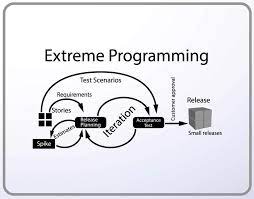
Extreme Programming (XP) is a software development methodology that emphasizes flexibility, collaboration, and customer satisfaction. It is designed to adapt to changing requirements and deliver high-quality software in a timely manner.

Core Principles of XP

XP is built on several core principles that guide the development process:

  • Communication: XP promotes open communication among team members, stakeholders, and customers to ensure everyone is on the same page.
  • Simplicity: The focus is on keeping things simple by writing only the code needed at any given moment and avoiding unnecessary complexity.
  • Feedback: Continuous feedback loops help identify issues early and make necessary adjustments throughout the development cycle.
  • Courage: XP encourages developers to take risks, experiment with new ideas, and make decisions confidently.
  • Respect: Team members respect each other’s expertise, opinions, and contributions to create a positive working environment.

Key Practices in XP

To implement these principles effectively, XP relies on key practices such as:

  1. Pair Programming: Two developers work together at one workstation, collaborating in real-time to write code, review each other’s work, and share knowledge.
  2. Test-Driven Development (TDD): Developers write automated tests before writing the actual code. This approach helps ensure that the code meets the specified requirements and can be easily tested for bugs.
  3. Continuous Integration: Code changes are integrated frequently into a shared repository to detect integration issues early and maintain a stable codebase.
  4. Sustainable Pace: Teams work at a sustainable pace to avoid burnout and maintain productivity over the long term.

The Benefits of XP

The XP methodology offers several benefits for software development teams, including:

  • Rapid Adaptation: The iterative nature of XP allows teams to respond quickly to changing requirements or feedback from stakeholders.
  • Improved Quality: By focusing on simplicity, testing, and continuous integration, XP helps deliver high-quality software with fewer defects.
  • Closer Collaboration: Practices like pair programming foster collaboration among team members, leading to better communication and shared knowledge.
  •  

    6 Essential Tips for Effective XP Software Development

    1. Break down tasks into smaller units for easier management.
    2. Regularly review and prioritize tasks in the backlog.
    3. Encourage collaboration and communication among team members.
    4. Focus on delivering working software incrementally.
    5. Embrace changes in requirements to better meet customer needs.
    6. Ensure continuous integration and testing for quality assurance.

    Break down tasks into smaller units for easier management.

    Breaking down tasks into smaller units is a key tip in XP software development to enhance manageability and efficiency. By dividing complex tasks into smaller, more manageable units, teams can focus on incremental progress, track developments more effectively, and address any issues promptly. This approach also promotes better collaboration among team members, as it allows for clearer assignment of responsibilities and a more structured development process. Ultimately, breaking down tasks into smaller units not only streamlines project management but also contributes to the overall success of the software development process in an XP environment.

    Regularly review and prioritize tasks in the backlog.

    In Extreme Programming (XP) software development, it is crucial to regularly review and prioritize tasks in the backlog. By consistently revisiting the backlog, teams can ensure that they are focusing on the most important and valuable tasks at any given time. This practice helps maintain alignment with project goals, adapt to changing requirements, and optimize productivity by addressing high-priority items first. Prioritizing tasks in the backlog enables teams to stay agile, responsive, and efficient in delivering quality software that meets stakeholder needs effectively.

    Encourage collaboration and communication among team members.

    Encouraging collaboration and communication among team members is a fundamental tip in XP software development. By fostering an environment where team members openly share ideas, feedback, and knowledge, the development process becomes more efficient and effective. Collaborative efforts help ensure that everyone is aligned on project goals, reduces misunderstandings, and promotes a sense of unity within the team. Effective communication also enables quick problem-solving, enhances creativity, and strengthens relationships among team members, ultimately leading to the successful delivery of high-quality software solutions.

    Focus on delivering working software incrementally.

    In Extreme Programming (XP) software development, it is crucial to focus on delivering working software incrementally. By breaking down the project into smaller, manageable increments, teams can demonstrate tangible progress to stakeholders and gather valuable feedback early in the development process. This iterative approach not only helps identify and address issues promptly but also allows for adjustments to be made based on changing requirements or priorities. Ultimately, delivering working software incrementally ensures that the end product meets customer expectations effectively and efficiently.

    Embrace changes in requirements to better meet customer needs.

    In Extreme Programming (XP) software development, embracing changes in requirements is key to better meeting customer needs. By staying flexible and responsive to evolving customer demands, XP teams can ensure that the final product aligns closely with what the customer truly wants. Embracing changes allows for continuous improvement and adaptation throughout the development process, ultimately leading to a more satisfying end result for the customer.

    Ensure continuous integration and testing for quality assurance.

    Ensuring continuous integration and testing is a crucial aspect of XP software development to maintain high-quality standards and streamline the development process. By integrating code changes frequently and running automated tests, teams can detect issues early, prevent regressions, and ensure that the software meets the desired quality criteria. This practice not only improves the overall reliability of the codebase but also enhances collaboration among team members by providing immediate feedback on the impact of their changes. Ultimately, prioritizing continuous integration and testing in XP development leads to more efficient workflows, faster delivery of features, and a more robust end product.