cfchris.com

Loading

software outsourcing services

Unlocking Success: Leveraging Software Outsourcing Services for Business Growth

Article: Software Outsourcing Services

The Benefits of Software Outsourcing Services

In today’s fast-paced business environment, companies are constantly seeking ways to stay competitive and innovative. One strategy that has gained popularity in recent years is software outsourcing services. This practice involves hiring external vendors or teams to develop, maintain, or support software applications.

Cost-Effectiveness

One of the primary reasons companies opt for software outsourcing is cost-effectiveness. By outsourcing software development to regions with lower labor costs, businesses can save significantly on expenses related to hiring and maintaining an in-house team. This cost-saving advantage allows companies to allocate resources more efficiently and invest in other areas of their operations.

Access to Specialized Skills

Software outsourcing services provide access to a vast pool of talented professionals with specialized skills and expertise. Whether it’s mobile app development, web design, or cybersecurity, outsourcing firms often have teams dedicated to specific technologies and industries. This access to diverse skill sets enables companies to leverage the latest technologies and best practices without having to invest in extensive training for their internal teams.

Focus on Core Business Activities

By outsourcing software development tasks, companies can free up their internal resources to focus on core business activities. Instead of getting bogged down by technical details and project management responsibilities, businesses can concentrate on strategic initiatives that drive growth and innovation. This enhanced focus can lead to improved efficiency and productivity across the organization.

Scalability and Flexibility

Software outsourcing services offer scalability and flexibility that are crucial for businesses operating in dynamic markets. Whether a company needs additional resources for a short-term project or wants to scale up its development team rapidly, outsourcing firms can quickly adapt to changing requirements. This flexibility allows businesses to respond swiftly to market demands and stay ahead of the competition.

Risk Mitigation

Outsourcing software development also helps mitigate risks associated with project delays, budget overruns, or talent shortages. Reputable outsourcing providers follow industry best practices, adhere to strict quality standards, and have robust contingency plans in place. By partnering with experienced vendors, companies can reduce the likelihood of potential risks and ensure successful project outcomes.

In conclusion, software outsourcing services offer numerous benefits that empower businesses to innovate, optimize operations, and achieve strategic objectives effectively. By leveraging external expertise and resources, companies can accelerate their digital transformation journey and position themselves for long-term success in today’s competitive landscape.


Maximize Business Success: The Top 6 Benefits of Software Outsourcing Services

  1. Cost-effectiveness
  2. Access to specialized skills
  3. Focus on core activities
  4. Scalability
  5. Risk mitigation
  6. Innovation


6 Drawbacks of Software Outsourcing: From Control Loss to Hidden Costs

  1. Loss of Direct Control
  2. Communication Challenges
  3. Quality Concerns
  4. Security Risks
  5. Dependency on Third-Party Providers
  6. Hidden Costs

Cost-effectiveness

Outsourcing software development can provide a substantial cost-saving advantage for businesses by significantly reducing labor costs and overhead expenses. By leveraging external vendors or teams in regions with lower labor costs, companies can streamline their budget allocation and achieve greater financial efficiency. This cost-effectiveness allows businesses to reallocate resources to other strategic areas of their operations, ultimately enhancing their overall competitiveness and profitability in the market.

Access to specialized skills

By utilizing software outsourcing services, companies gain access to a wide range of specialized skills offered by outsourcing firms. These external partners bring expertise in diverse technologies and industries, allowing businesses to leverage the latest advancements and best practices without the need for extensive internal training. This access to specialized skills enables companies to enhance their software development projects with expert knowledge and experience, ultimately leading to more innovative and high-quality solutions.

Focus on core activities

By delegating software development tasks to outsourcing services, organizations can effectively focus on strategic initiatives and core business functions. This allows companies to direct their internal resources towards activities that drive growth and innovation, rather than getting bogged down by technical details and project management responsibilities. By entrusting software development to external experts, businesses can streamline their operations and enhance overall efficiency, ultimately leading to improved productivity and success in their primary areas of expertise.

Scalability

Software outsourcing services provide businesses with the valuable pro of scalability, allowing them to adapt their resources quickly in response to project demands without being tied down by long-term commitments. This flexibility enables companies to ramp up or downsize their development teams as needed, ensuring that they can efficiently manage fluctuating workloads and optimize resource allocation. By leveraging outsourcing services for scalability, businesses can maintain agility and responsiveness in a dynamic market environment, ultimately enhancing their ability to meet project deadlines and achieve strategic goals effectively.

Risk mitigation

One significant advantage of software outsourcing services is risk mitigation. Reputable outsourcing providers adhere to industry best practices to minimize the risks associated with project delays, budget overruns, and talent shortages. By partnering with experienced vendors who have robust contingency plans in place, businesses can effectively reduce the likelihood of potential risks and ensure successful project outcomes. This proactive approach to risk management enhances project predictability and reliability, ultimately contributing to the overall success of software development initiatives.

Innovation

Software outsourcing services provide businesses with a gateway to innovation by granting access to cutting-edge technologies and innovative solutions. This access not only drives competitiveness but also fuels growth by allowing companies to stay ahead of the curve in a rapidly evolving technological landscape. By leveraging the expertise of external vendors, organizations can tap into new ideas, methodologies, and tools that may not be readily available internally, ultimately fostering a culture of continuous improvement and creativity within the company.

Loss of Direct Control

When companies opt for software outsourcing services, they may encounter the con of loss of direct control over the development process and project management. Entrusting external vendors with software development tasks can result in a disconnect between the company’s internal team and the outsourced team, leading to challenges in monitoring progress, ensuring alignment with business goals, and maintaining transparency throughout the project lifecycle. This lack of direct control can potentially impact decision-making processes, quality assurance measures, and overall project outcomes, highlighting the importance of establishing clear communication channels and effective collaboration frameworks when engaging in software outsourcing partnerships.

Communication Challenges

Communication challenges can be a significant con of software outsourcing services. Language barriers, time zone differences, and cultural nuances often create hurdles in effective communication between the client and the outsourced team. Misunderstandings due to language differences or delayed responses caused by time zone variations can impact project timelines and deliverables. Moreover, cultural differences may lead to differing expectations and approaches to problem-solving, potentially affecting the overall collaboration and project outcomes. Overcoming these communication challenges requires proactive measures such as clear communication protocols, regular updates, and cultural sensitivity training to ensure smooth interactions between all parties involved in the outsourcing process.

Quality Concerns

Ensuring consistent quality standards across geographically dispersed teams can be a significant con of software outsourcing services. The physical distance and cultural differences between teams located in various regions can lead to communication barriers and discrepancies in understanding project requirements. This lack of direct oversight and coordination may result in varying interpretations of quality standards, leading to inconsistencies in the final deliverables. Additionally, differences in work ethics, time zones, and work cultures can further complicate the maintenance of uniform quality levels across geographically dispersed teams, posing a risk to the overall success of outsourced software projects.

Security Risks

One significant con of software outsourcing services is the security risks associated with sharing sensitive business data with external vendors. This practice exposes companies to potential data breaches and intellectual property theft, as confidential information may not be adequately protected or controlled outside the organization’s secure infrastructure. The lack of direct oversight and control over data security measures by third-party vendors can lead to vulnerabilities that compromise the confidentiality and integrity of critical business assets. It is essential for companies to carefully assess and mitigate these security risks before engaging in software outsourcing to safeguard their sensitive information and intellectual property.

Dependency on Third-Party Providers

Dependency on third-party providers is a significant con of software outsourcing services. Overreliance on external vendors for critical software functions can lead to dependency issues and restrict the flexibility of a company. Relying too heavily on third-party providers may result in challenges such as lack of control over timelines, quality assurance, and customization options. Additionally, if a company becomes too dependent on external vendors, it may face difficulties in adapting to changing business needs or transitioning to alternative solutions in the future. This dependency can hinder the company’s ability to innovate independently and maintain a competitive edge in the market.

Hidden Costs

Hidden costs pose a significant con of software outsourcing services as they can disrupt budget projections and increase overall project expenses. These unforeseen costs, such as additional revisions, change requests, or contract modifications, may surface during the outsourcing process, leading to financial strain and potential delays in project delivery. Companies must carefully assess and monitor all aspects of their outsourcing agreements to mitigate the risk of encountering hidden costs and ensure transparency in budget planning.

Exploring the Future of SaaS Development: Trends and Innovations

The Evolution of SaaS Development

The Evolution of SaaS Development

Software as a Service (SaaS) has revolutionized the way businesses access and use software applications. SaaS development has come a long way since its inception, shaping the digital landscape and empowering organizations to work more efficiently and effectively.

Early Days of SaaS

In the early days, SaaS applications were limited in functionality and often seen as less secure compared to traditional on-premises software. However, as technology advanced and internet connectivity improved, SaaS development gained momentum.

The Rise of Cloud Computing

Cloud computing played a crucial role in the evolution of SaaS development. With the cloud, developers could build scalable and flexible applications that could be accessed from anywhere with an internet connection. This shift enabled businesses to reduce IT infrastructure costs and focus on innovation.

Key Benefits of SaaS Development

  • Scalability: SaaS applications can easily scale up or down based on business needs, allowing organizations to adapt quickly to changing requirements.
  • Cost-Effectiveness: By eliminating the need for on-premises hardware and maintenance, SaaS development offers cost savings for businesses of all sizes.
  • Accessibility: Users can access SaaS applications from any device with an internet connection, promoting collaboration and productivity.
  • Automatic Updates: Developers can push updates seamlessly to all users, ensuring that everyone has access to the latest features and security enhancements.

The Future of SaaS Development

As technology continues to evolve, we can expect further advancements in SaaS development. Artificial intelligence, machine learning, and automation are likely to play a more significant role in shaping the next generation of SaaS applications. The focus will be on enhancing user experience, improving data security, and driving innovation across industries.


9 Key Advantages of SaaS Development: Cost Savings, Scalability, and More

  1. Cost-effective subscription model
  2. Scalability to meet changing business needs
  3. Automatic updates ensure access to latest features
  4. Accessibility from any location with internet connection
  5. Reduced IT infrastructure and maintenance costs
  6. Enhanced data security through centralized management
  7. Improved collaboration and productivity among users
  8. Easy integration with other SaaS applications
  9. Faster deployment of new software solutions


5 Key Challenges of SaaS Development: Internet Dependency, Security, and More

  1. Dependency on Internet Connection
  2. Data Security Concerns
  3. Limited Customization
  4. Subscription Costs
  5. Vendor Reliability

Cost-effective subscription model

The cost-effective subscription model of SaaS development offers businesses a budget-friendly alternative to traditional software licensing. By paying a recurring subscription fee, organizations can access the latest software updates, maintenance, and support without the upfront costs of purchasing and maintaining on-premises hardware. This pay-as-you-go approach allows companies to scale their usage based on actual needs, resulting in cost savings and improved financial predictability.

Scalability to meet changing business needs

Scalability is a key advantage of SaaS development, allowing businesses to easily adjust their software resources to meet changing needs. Whether a company experiences rapid growth or seasonal fluctuations in demand, SaaS applications can scale up or down seamlessly without the need for significant infrastructure investments. This flexibility enables organizations to efficiently adapt to evolving market conditions and ensure that their software resources align with their current business requirements.

Automatic updates ensure access to latest features

Automatic updates in SaaS development ensure that users always have access to the latest features and enhancements without the need for manual intervention. This pro of SaaS not only saves time for users but also ensures that they can benefit from improved functionality and security measures promptly. By seamlessly delivering updates to all users, SaaS applications keep pace with technological advancements, enhancing user experience and overall satisfaction.

Accessibility from any location with internet connection

One of the key advantages of SaaS development is the accessibility it offers from any location with an internet connection. This means that users can conveniently access their software applications and data from various devices, whether they are in the office, at home, or on-the-go. This flexibility promotes collaboration among team members, increases productivity, and allows for seamless work continuity regardless of physical location. The ability to work remotely without being tied to a specific device or location is a significant benefit that SaaS development brings to modern businesses and individuals alike.

Reduced IT infrastructure and maintenance costs

One significant advantage of SaaS development is the reduction in IT infrastructure and maintenance costs for businesses. By shifting to cloud-based SaaS applications, organizations can eliminate the need for expensive on-premises hardware, software installations, and ongoing maintenance. This cost-effective approach allows companies to allocate resources more efficiently, focus on core business activities, and scale their operations without the burden of managing complex IT infrastructure.

Enhanced data security through centralized management

Enhanced data security through centralized management is a key advantage of SaaS development. By storing data in centralized servers managed by the SaaS provider, businesses can benefit from robust security measures, such as encryption, access controls, and regular backups. This centralized approach not only helps prevent data breaches but also ensures compliance with industry regulations and standards. Additionally, in the event of a security incident, the SaaS provider can quickly respond and implement necessary measures to safeguard the data, providing peace of mind to users and enabling them to focus on their core business activities.

Improved collaboration and productivity among users

One significant advantage of SaaS development is the enhancement of collaboration and productivity among users. With SaaS applications accessible from any device with an internet connection, users can seamlessly collaborate on projects, share information in real-time, and work together more efficiently. This increased connectivity fosters teamwork, streamlines communication, and ultimately boosts productivity within organizations, leading to better outcomes and faster decision-making processes.

Easy integration with other SaaS applications

One of the key advantages of SaaS development is its seamless integration capabilities with other SaaS applications. This pro allows businesses to effortlessly connect different software solutions, creating a unified and efficient ecosystem. With easy integration, organizations can streamline workflows, share data across platforms, and enhance overall productivity. By leveraging the interoperability of SaaS applications, businesses can adapt to changing needs and scale their operations with minimal hassle, ultimately driving innovation and collaboration in the digital landscape.

Faster deployment of new software solutions

One significant advantage of SaaS development is the faster deployment of new software solutions. With SaaS, businesses can quickly roll out updates and introduce new features without the need for lengthy installation processes on individual devices. This rapid deployment capability allows organizations to stay agile, respond promptly to market demands, and ensure that users always have access to the latest software enhancements. By streamlining the deployment process, SaaS development enables businesses to innovate efficiently and maintain a competitive edge in today’s fast-paced digital landscape.

Dependency on Internet Connection

One significant drawback of SaaS development is the dependency on a stable internet connection for accessing applications. In regions with unreliable or limited connectivity, users may face challenges in utilizing SaaS services effectively. This limitation can hinder productivity and create frustrations for businesses and individuals who rely on seamless access to their software solutions. Additionally, intermittent internet access can disrupt workflows and impact the overall user experience, highlighting a key concern associated with the reliance on cloud-based applications.

Data Security Concerns

Data Security Concerns are a significant con of SaaS development. Storing sensitive data in the cloud raises security risks, making organizations vulnerable to potential breaches or cyber attacks. With data being stored off-site and accessed over the internet, there is always a concern about the security measures in place to protect this information. Organizations need to carefully consider data encryption, access controls, and compliance with industry regulations to mitigate these risks and ensure the safety of their valuable data.

Limited Customization

SaaS development does come with a notable drawback in the form of limited customization options. Unlike on-premises software that can be extensively tailored to meet specific needs, SaaS applications often have constraints when it comes to customization. This limitation can hinder businesses that require highly specialized solutions or unique functionalities that are not readily available in standard SaaS offerings. Organizations may find themselves restricted in their ability to adapt the software to align perfectly with their workflows and requirements, potentially impacting overall efficiency and effectiveness in certain use cases.

Subscription Costs

One significant drawback of SaaS development is the issue of subscription costs. Although SaaS solutions offer cost-effectiveness in the long term by eliminating upfront hardware and maintenance expenses, the cumulative effect of ongoing subscription fees can pose a financial challenge for certain businesses. As these costs accumulate over time, they may strain budgets and become a burden, especially for smaller organizations or startups with limited resources. It is essential for businesses to carefully evaluate their financial capabilities and consider the long-term implications of subscription fees before committing to a SaaS solution.

Vendor Reliability

Vendor reliability is a significant con of SaaS development as organizations heavily depend on SaaS providers for uptime and support. Any disruptions or downtime in the vendor’s service can directly impact business operations, leading to potential loss of productivity, revenue, and customer trust. Organizations must carefully assess the reliability and track record of SaaS vendors before committing to their services to mitigate the risks associated with vendor-related issues.

freelance software

Unlocking the Potential of Freelance Software Development

The World of Freelance Software Development

The World of Freelance Software Development

In today’s digital age, freelance software development has become a popular choice for both developers and businesses. Freelancers offer flexibility, specialized skills, and cost-effectiveness that traditional employment models may not provide.

Freelance software developers are independent professionals who work on a project basis for various clients. They have the freedom to choose their projects, set their rates, and work remotely from anywhere in the world.

Benefits of Hiring Freelance Software Developers:

  • Flexibility: Businesses can hire freelancers for short-term projects or ongoing support without the commitment of a full-time employee.
  • Specialized Skills: Freelancers often have expertise in niche areas of software development, allowing businesses to access specialized knowledge they may not have in-house.
  • Cost-Effectiveness: Hiring freelancers can be more cost-effective than maintaining a full-time team, as businesses only pay for the work completed on a project-by-project basis.
  • Global Talent Pool: Businesses can tap into a global talent pool by hiring freelance developers from different countries with diverse backgrounds and experiences.
  • Rapid Scaling: Freelancers can help businesses scale their development resources up or down quickly based on project requirements.

Challenges of Freelance Software Development:

While freelance software development offers many benefits, there are also challenges to consider:

  • Communication: Remote communication can sometimes be challenging, leading to misunderstandings or delays in project delivery.
  • Quality Control: Ensuring consistent quality across multiple freelancers working on different aspects of a project can be a concern for some businesses.
  • Project Management: Coordinating tasks and timelines among multiple freelancers requires effective project management skills to ensure smooth collaboration.
  • Data Security: Protecting sensitive data when working with external freelancers requires robust security measures and confidentiality agreements.

In conclusion, freelance software development offers a wealth of opportunities for both developers seeking independence and businesses looking for flexible solutions. By understanding the benefits and challenges associated with freelance work, stakeholders can make informed decisions that lead to successful collaborations in the dynamic world of software development.


7 Benefits of Freelance Software Work: Flexibility, Independence, and Enhanced Earnings

  1. Flexibility in choosing projects and working hours
  2. Ability to set your own rates and negotiate with clients
  3. Opportunity to work with diverse clients from around the world
  4. Independence and autonomy in managing your workload
  5. Potential for higher earnings compared to traditional employment
  6. Enhanced skill development through exposure to varied projects
  7. Work-life balance by creating a schedule that suits your lifestyle


Overcoming Freelance Software Hurdles: Communication, Quality Control, and Project Management Challenges

  1. Communication challenges due to remote work
  2. Quality control issues with multiple freelancers working on different aspects of a project
  3. Difficulty in project management and coordination among freelancers

Flexibility in choosing projects and working hours

One of the key advantages of freelance software development is the unparalleled flexibility it offers in selecting projects and determining working hours. Freelancers have the autonomy to choose projects that align with their interests, expertise, and schedule preferences. This freedom empowers them to create a work-life balance that suits their individual needs, leading to increased job satisfaction and productivity. Additionally, clients benefit from this flexibility as they can engage with freelancers who are fully committed and motivated to deliver high-quality results on their own terms.

Ability to set your own rates and negotiate with clients

The ability to set your own rates and negotiate with clients is a significant advantage of freelance software development. Freelancers have the flexibility to determine their worth based on their skills, experience, and the complexity of the project. This autonomy empowers freelancers to establish fair pricing that reflects the value they bring to clients, leading to more transparent and mutually beneficial negotiations. By setting competitive rates and engaging in constructive discussions with clients, freelancers can build strong professional relationships while ensuring they are appropriately compensated for their expertise and services.

Opportunity to work with diverse clients from around the world

One significant advantage of freelance software development is the opportunity it provides to work with diverse clients from around the world. Freelancers have the chance to collaborate with individuals and businesses across different cultures, industries, and geographical locations. This exposure not only broadens their professional network but also allows them to gain valuable insights, perspectives, and experiences that can enhance their skills and creativity. Working with diverse clients fosters a dynamic and enriching work environment, promoting continuous learning and growth in the ever-evolving field of software development.

Independence and autonomy in managing your workload

Independence and autonomy in managing your workload are significant advantages of freelance software development. As a freelance developer, you have the freedom to choose the projects that align with your interests and expertise, set your own schedule, and determine how you allocate your time and resources. This level of control allows you to maintain a healthy work-life balance, take on projects that inspire you, and tailor your workload to suit your personal preferences and professional goals. Ultimately, the independence and autonomy inherent in freelance software work empower you to create a fulfilling and sustainable career path that aligns with your unique strengths and aspirations.

Potential for higher earnings compared to traditional employment

Freelance software developers have the potential for higher earnings compared to traditional employment due to their ability to set their own rates, take on multiple projects simultaneously, and cater to a global client base. By leveraging their specialized skills and expertise, freelancers can command competitive rates for their services, leading to increased income opportunities. Additionally, freelancers have the flexibility to negotiate project fees based on the complexity and scope of work, allowing them to maximize their earning potential in a way that may not be possible in a traditional employment setting.

Enhanced skill development through exposure to varied projects

Freelance software developers benefit from enhanced skill development through exposure to varied projects. Working on diverse assignments for different clients allows freelancers to expand their expertise, adapt to new technologies, and solve unique challenges. This exposure not only broadens their skill set but also fosters creativity and innovation as they navigate a range of project requirements. By engaging in a variety of projects, freelance developers continuously refine their abilities, stay current with industry trends, and cultivate a versatile skill set that sets them apart in the competitive software development landscape.

Work-life balance by creating a schedule that suits your lifestyle

Freelance software development allows professionals to achieve better work-life balance by creating a schedule that aligns with their lifestyle. Unlike traditional office jobs with fixed hours, freelancers have the flexibility to choose when and where they work. This freedom enables them to prioritize personal commitments, hobbies, and downtime while still meeting project deadlines. By tailoring their work schedule to suit their individual needs, freelance software developers can strike a harmonious balance between work responsibilities and personal well-being, leading to increased productivity and job satisfaction.

Communication challenges due to remote work

Communication challenges due to remote work can be a significant drawback of freelance software development. Without the benefit of face-to-face interaction, misunderstandings can arise more easily, leading to delays in project progress and potential misalignment of expectations between freelancers and clients. Clear and effective communication becomes crucial in overcoming this con, requiring both parties to utilize various digital tools and establish structured communication channels to ensure smooth collaboration and project success.

Quality control issues with multiple freelancers working on different aspects of a project

Quality control can be a significant challenge in freelance software development when multiple freelancers are working on different aspects of a project. Ensuring consistency in coding standards, design elements, and overall project quality becomes complex when each freelancer brings their unique style and approach to the table. Coordinating efforts to maintain a cohesive end product requires meticulous oversight and clear communication among team members to address any discrepancies and uphold the desired quality standards throughout the project lifecycle.

Difficulty in project management and coordination among freelancers

One significant challenge of freelance software development is the difficulty in project management and coordination among freelancers. When multiple freelancers are involved in a project, ensuring seamless collaboration, aligning tasks and timelines, and maintaining consistent communication can be complex. Coordinating the efforts of freelancers who work remotely and have varying schedules and priorities requires strong project management skills and effective communication strategies to overcome potential obstacles and ensure the successful delivery of projects within deadlines.

software outsourcing companies

Unlocking Innovation: The Role of Software Outsourcing Companies in Today’s Tech Landscape

Article: Software Outsourcing Companies

The Rise of Software Outsourcing Companies

In today’s fast-paced digital world, software outsourcing companies have become key players in the global tech industry. These companies provide a wide range of services to businesses looking to develop software solutions without the need for an in-house team.

Benefits of Software Outsourcing

Software outsourcing offers several benefits to businesses, including:

  • Cost-Effectiveness: Outsourcing software development can be more cost-effective than hiring and maintaining an in-house team.
  • Access to Talent: Outsourcing companies often have access to a diverse pool of skilled professionals with expertise in various technologies.
  • Faster Time-to-Market: By leveraging the resources of an outsourcing company, businesses can accelerate the development process and bring products to market more quickly.
  • Focus on Core Activities: Outsourcing software development allows businesses to focus on their core activities and strategic goals while leaving the technical work to experts.

Services Offered by Software Outsourcing Companies

Software outsourcing companies offer a wide range of services, including:

  • Custom Software Development: Tailored solutions designed to meet specific business requirements.
  • Mobile App Development: Creating mobile applications for iOS and Android platforms.
  • Web Development: Building websites and web applications using various technologies.
  • Quality Assurance and Testing: Ensuring the quality and reliability of software products through rigorous testing processes.
  • Maintenance and Support: Providing ongoing maintenance and support services for developed software applications.

The Future of Software Outsourcing

As technology continues to evolve at a rapid pace, the demand for software outsourcing companies is expected to grow. These companies will play a crucial role in helping businesses adapt to changing market conditions, innovate faster, and stay competitive in the digital age.

In conclusion, software outsourcing companies offer valuable services that enable businesses to harness the power of technology without the need for extensive internal resources. By partnering with these companies, organizations can drive innovation, reduce costs, and achieve their business objectives more efficiently.


6 Essential Tips for Choosing the Right Software Outsourcing Company

  1. Clearly define your project requirements and goals before choosing a software outsourcing company.
  2. Research and compare multiple outsourcing companies to find the one that best fits your needs and budget.
  3. Check the expertise and experience of the outsourcing company in relevant technologies and industries.
  4. Establish clear communication channels and set regular updates to ensure transparency and progress tracking.
  5. Include legal protection measures in the contract, such as confidentiality agreements and intellectual property rights.
  6. Monitor the project closely to address any issues promptly and ensure timely delivery of quality work.

Clearly define your project requirements and goals before choosing a software outsourcing company.

Before selecting a software outsourcing company, it is crucial to clearly define your project requirements and goals. By establishing a detailed understanding of what you aim to achieve with the software development project, you can effectively communicate your expectations to the outsourcing team. This clarity not only helps in selecting the right company that aligns with your needs but also ensures that the project progresses smoothly towards successful completion. Clear project requirements and goals serve as a roadmap for both parties, fostering better collaboration and ultimately leading to a successful software development partnership.

Research and compare multiple outsourcing companies to find the one that best fits your needs and budget.

When considering software outsourcing companies, it is essential to conduct thorough research and compare multiple options to identify the one that aligns best with your specific requirements and budget constraints. By evaluating various outsourcing providers, you can assess their expertise, track record, pricing structures, and overall suitability for your project. This diligent approach ensures that you select a partner who not only meets your technical needs but also delivers value for your investment, ultimately leading to a successful collaboration and project outcome.

Check the expertise and experience of the outsourcing company in relevant technologies and industries.

When considering software outsourcing companies, it is crucial to check the expertise and experience of the company in relevant technologies and industries. A reputable outsourcing partner should have a proven track record of working with the technologies essential for your project and possess industry-specific knowledge to deliver tailored solutions. By assessing their expertise and experience, you can ensure that the outsourcing company is well-equipped to meet your unique requirements and contribute effectively to the success of your project.

Establish clear communication channels and set regular updates to ensure transparency and progress tracking.

Establishing clear communication channels and setting regular updates are crucial aspects when working with software outsourcing companies. By maintaining open lines of communication, businesses can ensure transparency throughout the project and track progress effectively. This practice not only fosters a collaborative environment but also helps in addressing any issues or changes promptly, leading to smoother project execution and successful outcomes.

When engaging in software outsourcing, it is crucial to include legal protection measures in the contract to safeguard your interests. This includes incorporating confidentiality agreements to protect sensitive information and intellectual property rights provisions to ensure that any developed software or innovations remain the property of your business. By outlining these measures in the contract, both parties can establish clear expectations and boundaries, ultimately fostering a secure and mutually beneficial partnership in the realm of software outsourcing.

Monitor the project closely to address any issues promptly and ensure timely delivery of quality work.

Monitoring the software outsourcing project closely is crucial to address any issues promptly and ensure the timely delivery of high-quality work. By staying actively involved in the project and maintaining clear communication with the outsourcing company, businesses can identify potential challenges early on and take corrective actions to keep the project on track. This proactive approach not only helps in meeting deadlines but also ensures that the final deliverables meet the desired quality standards, ultimately leading to a successful partnership with the outsourcing company.

Navigating Success: The Role of IT Consulting Business in Today’s Digital Landscape

The Role of IT Consulting Businesses in Today’s Digital World

The Role of IT Consulting Businesses in Today’s Digital World

In today’s fast-paced and ever-evolving digital landscape, businesses are constantly seeking ways to leverage technology to gain a competitive edge. This is where IT consulting businesses play a crucial role.

IT consulting firms provide expert advice and guidance to organizations looking to optimize their IT infrastructure, streamline processes, enhance security measures, and implement new technologies effectively. These firms bring a wealth of knowledge and experience to the table, helping businesses navigate the complexities of the digital realm.

Key Services Offered by IT Consulting Businesses

IT consulting businesses offer a wide range of services tailored to meet the unique needs of each client. Some of the key services include:

  • IT Strategy Development: Helping businesses align their IT strategies with their overall business goals.
  • Infrastructure Assessment: Evaluating existing IT infrastructure to identify areas for improvement and optimization.
  • Cybersecurity Consulting: Implementing robust security measures to protect against cyber threats and data breaches.
  • Cloud Computing Solutions: Assisting businesses in migrating to cloud-based systems for increased efficiency and scalability.
  • Software Development: Creating custom software solutions tailored to meet specific business requirements.

The Benefits of Engaging an IT Consulting Firm

By partnering with an IT consulting business, organizations can benefit in several ways:

  • Expertise: Access to a team of skilled professionals with specialized knowledge in various areas of technology.
  • Cost-Effectiveness: Avoiding costly mistakes by implementing solutions that are tailored to the organization’s needs.
  • Innovation: Staying ahead of the curve by leveraging the latest technologies and trends in the industry.
  • Risk Mitigation: Minimizing security risks and ensuring compliance with industry regulations through proactive measures.

In conclusion, IT consulting businesses play a vital role in helping organizations harness the power of technology for growth and success. By leveraging their expertise and guidance, businesses can navigate the complexities of the digital landscape with confidence and achieve their strategic objectives effectively.


9 Key Advantages of IT Consulting for Business Growth and Innovation

  1. Access to specialized expertise in various areas of technology
  2. Cost-effective solutions tailored to the organization’s needs
  3. Innovative strategies to stay ahead of industry trends
  4. Efficient implementation of new technologies and processes
  5. Improved cybersecurity measures to protect against threats
  6. Enhanced scalability and flexibility through cloud computing solutions
  7. Custom software development for specific business requirements
  8. Proactive risk mitigation and compliance with industry regulations
  9. Expert guidance for optimizing IT infrastructure and processes


6 Drawbacks of IT Consulting: Costs, Dependency, and More

  1. High Cost
  2. Dependency
  3. Lack of Control
  4. Confidentiality Concerns
  5. Skill Mismatch
  6. Communication Challenges

Access to specialized expertise in various areas of technology

Access to specialized expertise in various areas of technology is a key advantage of engaging an IT consulting business. These firms bring a diverse team of skilled professionals with in-depth knowledge in fields such as cybersecurity, cloud computing, software development, and more. By tapping into this specialized expertise, organizations can benefit from tailored solutions that address their specific technological needs effectively. This access to a breadth of knowledge ensures that businesses stay ahead of the curve and leverage the latest advancements in technology to drive innovation and achieve their strategic goals.

Cost-effective solutions tailored to the organization’s needs

One significant advantage of engaging an IT consulting business is the provision of cost-effective solutions that are customized to meet the specific needs of the organization. By tailoring IT solutions to align with the organization’s requirements, businesses can avoid unnecessary expenses associated with generic or one-size-fits-all approaches. This personalized approach not only helps in optimizing the use of resources but also ensures that the implemented solutions are efficient and relevant, ultimately leading to improved operational effectiveness and cost savings in the long run.

IT consulting businesses offer a valuable pro by providing innovative strategies to help organizations stay ahead of industry trends. By leveraging their expertise and in-depth knowledge of the latest technologies, IT consultants can guide businesses in adopting cutting-edge solutions that give them a competitive edge. These innovative strategies not only help companies adapt to changing market dynamics but also position them as industry leaders, driving growth and success in today’s fast-paced digital world.

Efficient implementation of new technologies and processes

IT consulting businesses excel in the efficient implementation of new technologies and processes for organizations. By leveraging their expertise and experience, these firms can seamlessly integrate cutting-edge technologies into existing systems, ensuring a smooth transition and minimal disruption to operations. This proactive approach not only accelerates the adoption of innovative solutions but also enhances overall efficiency, productivity, and competitiveness within the organization.

Improved cybersecurity measures to protect against threats

In today’s increasingly digital world, one significant advantage of engaging an IT consulting business is the enhancement of cybersecurity measures to safeguard against evolving cyber threats. These firms bring specialized expertise in implementing robust security protocols, conducting risk assessments, and staying abreast of the latest cybersecurity trends. By leveraging their knowledge and experience, organizations can fortify their defenses, mitigate potential risks, and ensure the protection of sensitive data from malicious actors.

Enhanced scalability and flexibility through cloud computing solutions

IT consulting businesses offer enhanced scalability and flexibility through cloud computing solutions, enabling organizations to adapt to changing business needs with ease. By leveraging cloud technologies, businesses can scale their IT resources up or down based on demand, ensuring optimal performance and cost-efficiency. Cloud solutions also provide the flexibility to access data and applications from anywhere, empowering employees to work remotely and collaborate seamlessly. This pro of IT consulting services not only enhances operational efficiency but also future-proofs businesses by enabling them to embrace growth opportunities without being limited by traditional IT infrastructure constraints.

Custom software development for specific business requirements

Custom software development tailored to specific business requirements is a significant advantage offered by IT consulting businesses. By creating bespoke solutions, these firms enable organizations to address unique challenges and streamline processes effectively. This personalized approach ensures that the software aligns perfectly with the company’s operations, enhancing efficiency, productivity, and overall performance. With custom software development, businesses can optimize their workflows, improve decision-making processes, and gain a competitive edge in their industry.

Proactive risk mitigation and compliance with industry regulations

One significant advantage of engaging an IT consulting business is their proactive approach to risk mitigation and ensuring compliance with industry regulations. These firms have the expertise to identify potential security threats and vulnerabilities in a company’s IT infrastructure before they escalate into major issues. By implementing robust security measures and staying up-to-date on regulatory requirements, IT consulting businesses help organizations minimize risks, protect sensitive data, and maintain adherence to industry standards, ultimately fostering a secure and compliant operating environment.

Expert guidance for optimizing IT infrastructure and processes

IT consulting businesses offer expert guidance for optimizing IT infrastructure and processes, ensuring that organizations can maximize efficiency and performance in their technological operations. By leveraging the knowledge and experience of IT consultants, businesses can identify areas for improvement, streamline workflows, and implement best practices to enhance overall productivity. This proactive approach not only helps businesses operate more effectively but also positions them for future growth and success in an increasingly digital world.

High Cost

One significant drawback of IT consulting services is the high cost associated with them, which can pose a challenge for small businesses operating on limited budgets. The fees charged by IT consulting firms for their expertise and services can be substantial, making it difficult for smaller enterprises to afford the level of support they may require to optimize their IT infrastructure. This financial barrier may prevent some businesses from accessing the valuable guidance and solutions that IT consultants can offer, potentially hindering their ability to compete effectively in today’s digital market.

Dependency

One significant con of engaging IT consulting businesses is the risk of dependency. Businesses may become overly reliant on IT consultants, which can impact their ability to make independent decisions regarding their IT infrastructure and technology strategies. This dependency can lead to a lack of in-house expertise and ownership of critical IT processes, potentially limiting the organization’s agility and autonomy in adapting to changing technology needs. It is essential for businesses to strike a balance between leveraging external expertise and maintaining internal capabilities to ensure long-term sustainability and strategic decision-making.

Lack of Control

Outsourcing IT consulting services can present a significant drawback in the form of a lack of control over crucial technology decisions and implementations. When businesses rely on external consultants for their IT needs, they may find themselves in a position where they have limited influence over the direction of their technology strategies. This loss of control can lead to potential misalignment with business objectives and a disconnect between the desired outcomes and the implemented solutions. Organizations must carefully weigh this con against the benefits of expertise and efficiency that IT consulting firms offer to ensure that they maintain a balance between external support and internal autonomy in their technology initiatives.

Confidentiality Concerns

Confidentiality concerns represent a significant con of engaging IT consulting businesses. Sharing sensitive business information with external consultants can potentially lead to confidentiality breaches and raise concerns about the protection of proprietary data. Organizations may feel hesitant to disclose critical details about their operations, strategies, or technologies, fearing the risk of unauthorized access or data leaks. Maintaining strict confidentiality protocols and ensuring trustworthiness in handling sensitive information are crucial aspects that both IT consulting firms and their clients must address to mitigate these risks effectively.

Skill Mismatch

Skill Mismatch can be a significant con of IT consulting businesses, as the expertise of IT consultants may not always align perfectly with the specific needs or goals of a business. This mismatch can lead to inefficiencies, misunderstandings, and potential roadblocks in implementing effective solutions. It is crucial for businesses to thoroughly assess the capabilities and experience of IT consultants before engaging their services to ensure that they possess the necessary skills to address the unique challenges faced by the organization.

Communication Challenges

Communication challenges represent a significant drawback of IT consulting businesses. Misunderstandings or miscommunication between the consulting firm and the client can result in inefficiencies and project delays. When there is a lack of clear and effective communication, it can lead to discrepancies in expectations, objectives, or deliverables, hindering the overall progress and success of the project. Addressing these communication challenges is essential to ensure that both parties are aligned and working towards the same goals for a smooth and productive collaboration.

cloud document management system

Maximizing Efficiency with a Cloud Document Management System

The Benefits of a Cloud Document Management System

The Benefits of a Cloud Document Management System

In today’s digital age, businesses are constantly looking for ways to streamline their operations and improve efficiency. One key aspect of modern business management is the handling of documents and information. This is where a cloud document management system comes into play.

What is a Cloud Document Management System?

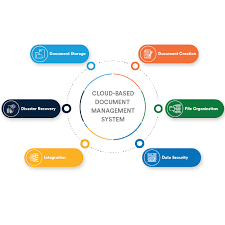
A cloud document management system is a software platform that allows organizations to store, manage, and track electronic documents and files in the cloud. Instead of storing documents on local servers or physical storage devices, all data is stored securely in the cloud, accessible from anywhere with an internet connection.

The Benefits

Accessibility and Collaboration

One of the primary benefits of a cloud document management system is the ability for multiple users to access and collaborate on documents in real-time from any location. This promotes seamless collaboration among team members, regardless of their physical location.

Security and Data Backup

Cloud document management systems offer robust security features to protect sensitive information from unauthorized access. Additionally, data stored in the cloud is automatically backed up, reducing the risk of data loss due to hardware failure or other unforeseen circumstances.

Cost-Effectiveness

By eliminating the need for physical storage devices and on-premises servers, businesses can significantly reduce their IT infrastructure costs with a cloud document management system. Cloud-based solutions often operate on a subscription model, allowing organizations to scale resources as needed.

Enhanced Efficiency and Productivity

With streamlined document retrieval and sharing capabilities, employees can quickly locate information when needed, leading to improved productivity and efficiency in day-to-day operations. Automation features further enhance workflow processes within the organization.

Conclusion

A cloud document management system offers numerous benefits for businesses seeking to optimize their document handling processes. From increased accessibility and collaboration to enhanced security and cost-effectiveness, implementing a cloud-based solution can transform how organizations manage their information assets in today’s digital landscape.


8 Common Questions About Cloud Document Management Systems: Everything You Need to Know

  1. What is a cloud document management system?
  2. How does a cloud document management system work?
  3. What are the benefits of using a cloud document management system?
  4. Is my data secure in a cloud document management system?
  5. Can multiple users collaborate on documents in a cloud document management system?
  6. How can a cloud document management system improve productivity?
  7. Are there different types of cloud document management systems available?
  8. What factors should I consider when choosing a cloud document management system?

What is a cloud document management system?

A cloud document management system is a software platform that enables organizations to store, manage, and access electronic documents and files securely in the cloud. Instead of relying on traditional on-premises servers or physical storage devices, a cloud document management system allows users to store and retrieve documents from any location with an internet connection. This technology streamlines document handling processes by providing centralized storage, version control, and collaboration features, making it easier for teams to work together efficiently and access information whenever needed.

How does a cloud document management system work?

A cloud document management system operates by storing electronic documents and files in a secure cloud-based environment, rather than on local servers or physical storage devices. When a user uploads a document to the system, it is encrypted and stored in the cloud, ensuring data security. Users can access these documents from any device with an internet connection, enabling seamless collaboration and remote work capabilities. The system typically includes features for organizing, categorizing, and searching for documents efficiently. Additionally, automated workflows and version control mechanisms help streamline document management processes within organizations.

What are the benefits of using a cloud document management system?

Utilizing a cloud document management system offers a multitude of benefits for businesses. Firstly, it provides unparalleled accessibility and collaboration, allowing teams to work on documents in real-time from any location. The system enhances security measures, ensuring data is protected from unauthorized access and automatically backed up for added peace of mind. Moreover, the cost-effectiveness of cloud solutions reduces IT infrastructure expenses by eliminating the need for physical storage devices and on-premises servers. This streamlined approach not only boosts efficiency and productivity but also empowers organizations to scale resources as needed, making it a valuable asset in today’s digital business landscape.

Is my data secure in a cloud document management system?

When considering a cloud document management system, a common concern is the security of data stored in the cloud. Cloud document management systems prioritize data security through robust encryption methods, access controls, and regular security audits to ensure that sensitive information remains protected from unauthorized access. By implementing stringent security measures and adhering to industry best practices, cloud document management systems offer a secure environment for storing and managing documents, providing users with peace of mind regarding the confidentiality and integrity of their data.

Can multiple users collaborate on documents in a cloud document management system?

Yes, multiple users can collaborate on documents in a cloud document management system. One of the key advantages of utilizing a cloud-based solution is the seamless collaboration it enables among team members. With a cloud document management system, users can access and work on documents simultaneously from different locations, making real-time collaboration efficient and convenient. This feature promotes teamwork, enhances communication, and streamlines the document editing process, ultimately improving productivity within the organization.

How can a cloud document management system improve productivity?

Implementing a cloud document management system can significantly enhance productivity within an organization. By providing seamless access to documents from any location with an internet connection, employees can collaborate in real-time, eliminating delays caused by physical distance. The system’s automated workflows streamline document processes, reducing manual tasks and improving efficiency. With quick and easy document retrieval capabilities, employees spend less time searching for information, allowing them to focus on more critical tasks. Overall, a cloud document management system optimizes workflow processes and empowers employees to work more efficiently, ultimately boosting productivity across the organization.

Are there different types of cloud document management systems available?

Yes, there are different types of cloud document management systems available to cater to various business needs and preferences. Some systems focus on basic document storage and retrieval, offering essential features for organizing and sharing files in the cloud. Other systems provide advanced functionalities such as workflow automation, version control, collaboration tools, and integration with other business applications. Organizations can choose from a range of cloud document management systems based on their specific requirements, size, industry, and budget constraints. It’s essential to assess the features and capabilities of different types of systems to select the one that best aligns with the organization’s goals and workflows.

What factors should I consider when choosing a cloud document management system?

When choosing a cloud document management system, several factors should be carefully considered to ensure the optimal solution for your organization. Firstly, assess your specific business needs and requirements to determine the features and functionalities essential for efficient document management. Security measures offered by the system should be robust to safeguard sensitive data. Scalability is another crucial factor, as the system should be able to accommodate your organization’s growth and evolving needs over time. Integration capabilities with existing software applications and ease of use for employees are also key considerations to streamline workflows effectively. Lastly, evaluate the pricing structure and support services provided by the vendor to ensure a cost-effective and reliable long-term partnership.

saas application development services

Empowering Businesses with Cutting-Edge SaaS Application Development Services

SaaS Application Development Services

The Power of SaaS Application Development Services

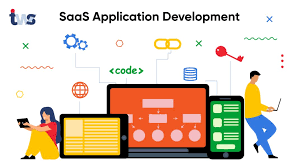
In today’s digital age, Software as a Service (SaaS) has revolutionized the way businesses operate and deliver services to their customers. SaaS applications offer a cost-effective and efficient solution for companies looking to streamline their operations and enhance user experience.

Benefits of SaaS Application Development Services

Scalability: SaaS applications are highly scalable, allowing businesses to easily adjust resources and features based on their needs.

Cost-Effectiveness: With no need for upfront hardware investments and lower maintenance costs, SaaS applications provide a budget-friendly option for businesses of all sizes.

Accessibility: SaaS applications can be accessed from any device with an internet connection, enabling remote work capabilities and improving collaboration among teams.

Key Features of SaaS Applications

SaaS application development services focus on creating software solutions that offer the following key features:

  • Multi-Tenancy: Ability to serve multiple customers from a single instance of the software.
  • Automatic Updates: Regular updates and maintenance are handled by the service provider, ensuring users always have access to the latest features.
  • Data Security: Robust security measures are implemented to protect user data and maintain compliance with industry regulations.
  • Customization: Tailoring the application to meet specific business requirements and preferences.

Harnessing the Potential of SaaS Application Development

To leverage the full potential of SaaS application development services, businesses should partner with experienced software development companies that specialize in building scalable and secure cloud-based solutions. These experts can help businesses conceptualize, design, develop, and deploy custom SaaS applications that align with their strategic goals and drive growth.

In conclusion, investing in SaaS application development services can propel your business forward by enhancing operational efficiency, improving customer satisfaction, and staying ahead of the competition in today’s dynamic market landscape.


Top 8 FAQs About SaaS Application Development Services

  1. How much does it cost to build a SaaS application?
  2. Who develops SaaS software?
  3. What does a SaaS developer do?
  4. What is the SaaS process of software development?
  5. Which is the best technology for SaaS app development?
  6. What is SaaS application development?
  7. What is SaaS development services?
  8. Which is an example of a SaaS application?

How much does it cost to build a SaaS application?

When considering the cost of building a SaaS application, it is important to understand that the pricing can vary significantly depending on various factors such as the complexity of the application, desired features, scalability requirements, and development time. Custom SaaS applications are tailored to meet specific business needs, which can impact the overall cost. Additionally, factors like integration with third-party services, security measures, ongoing maintenance, and support services need to be taken into account when estimating the total cost of developing a SaaS application. It is recommended to consult with experienced software development professionals to get a detailed assessment and quote based on your unique requirements and objectives.

Who develops SaaS software?

SaaS software is typically developed by skilled software engineers, developers, and IT professionals who specialize in cloud-based technologies. These experts have the knowledge and expertise to design, build, and maintain SaaS applications that meet the specific needs and requirements of businesses and end-users. Collaboration between development teams, product managers, designers, and quality assurance specialists is essential in creating high-quality SaaS software that delivers a seamless user experience and provides value to customers. By entrusting the development of SaaS software to experienced professionals, businesses can ensure that their applications are robust, secure, scalable, and tailored to their unique business objectives.

What does a SaaS developer do?

A SaaS developer is responsible for designing, developing, and maintaining Software as a Service (SaaS) applications that are accessible to users over the internet. These developers work on creating cloud-based software solutions that offer scalability, security, and flexibility to meet the evolving needs of businesses and end-users. They collaborate with cross-functional teams to translate requirements into functional software, implement best practices in coding and testing, and ensure that the SaaS applications are user-friendly and efficient. Overall, a SaaS developer plays a crucial role in building innovative and reliable cloud-based solutions that drive digital transformation and enhance user experiences.

What is the SaaS process of software development?

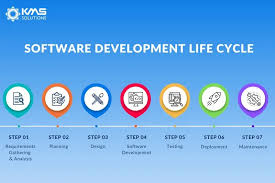
The SaaS process of software development involves a systematic approach to creating cloud-based applications that are accessible to users over the internet. It typically begins with defining the requirements and objectives of the SaaS application, followed by designing the user interface and architecture. Development teams then proceed with coding, testing, and deploying the software on a cloud infrastructure. Continuous monitoring, updates, and maintenance are essential parts of the SaaS development process to ensure optimal performance and security. Collaboration between developers, designers, and stakeholders is key to delivering a high-quality SaaS solution that meets the evolving needs of businesses and users.

Which is the best technology for SaaS app development?

When it comes to choosing the best technology for SaaS app development, there is no one-size-fits-all answer. The ideal technology stack for SaaS application development depends on various factors such as the specific requirements of the project, scalability needs, security considerations, and the expertise of the development team. Popular technologies often used for SaaS app development include JavaScript frameworks like React and Angular for front-end development, Node.js for backend services, and cloud platforms like AWS or Azure for hosting. Ultimately, selecting the best technology involves careful evaluation of your project goals and collaborating with experienced developers to determine the most suitable tools and technologies that align with your business objectives.

What is SaaS application development?

SaaS application development refers to the process of creating software applications that are delivered to users as a service through the cloud. In SaaS (Software as a Service) model, users can access the application over the internet without the need to install or maintain it on their local devices. SaaS application development involves designing, building, and deploying software solutions that offer scalability, accessibility, and cost-effectiveness to businesses. By outsourcing software development and maintenance to service providers, organizations can focus on their core operations while enjoying the benefits of innovative and customizable applications that enhance productivity and streamline processes.

What is SaaS development services?

SaaS development services refer to the process of creating and implementing Software as a Service applications that are hosted and maintained by a service provider. In SaaS development, software applications are accessed over the internet on a subscription basis, eliminating the need for users to install or manage the software locally. SaaS development services encompass designing, developing, and deploying cloud-based applications that offer scalability, accessibility, and cost-effectiveness to businesses seeking efficient solutions for their operational needs. By leveraging SaaS development services, organizations can streamline their workflows, enhance collaboration, and benefit from regular updates and maintenance provided by the service provider.

Which is an example of a SaaS application?

A prime example of a SaaS application is Salesforce, a popular customer relationship management (CRM) platform that is widely used by businesses of all sizes. Salesforce offers a comprehensive suite of tools and features accessible through a web browser, allowing users to manage customer interactions, sales processes, marketing campaigns, and more in a centralized cloud-based environment. By leveraging Salesforce as a SaaS application, businesses can enhance their productivity, streamline operations, and improve customer relationships without the need for complex on-premises infrastructure.

cloud based document management system

Unlocking Efficiency: The Power of a Cloud-Based Document Management System

The Benefits of a Cloud-Based Document Management System

The Benefits of a Cloud-Based Document Management System

In today’s digital age, managing documents efficiently is crucial for businesses of all sizes. A cloud-based document management system offers numerous advantages over traditional paper-based systems. Let’s explore some of the key benefits:

Accessibility and Collaboration

One of the primary advantages of a cloud-based document management system is the ability to access documents from anywhere with an internet connection. This enables employees to collaborate in real-time, regardless of their location. Team members can work on documents simultaneously, increasing productivity and efficiency.

Cost-Effectiveness

Implementing a cloud-based document management system eliminates the need for physical storage space and reduces costs associated with printing, paper, and manual filing systems. Businesses can save money on infrastructure maintenance and streamline their document management processes.

Security and Data Backup

Cloud-based document management systems offer enhanced security features such as encryption, access controls, and audit trails to protect sensitive information. Additionally, data stored in the cloud is automatically backed up, reducing the risk of data loss due to hardware failures or disasters.

Scalability and Flexibility

Cloud-based document management systems are highly scalable, allowing businesses to easily adjust storage capacity based on their needs. As businesses grow, they can expand their storage space without investing in additional hardware or software upgrades.

Compliance and Regulatory Requirements

Many industries have strict compliance requirements regarding document retention and security. A cloud-based document management system helps businesses meet regulatory standards by providing secure storage, version control, and audit capabilities.

Conclusion

A cloud-based document management system offers a wide range of benefits that can significantly improve efficiency, collaboration, security, and compliance within an organization. By leveraging the power of cloud technology, businesses can streamline their document management processes and focus on driving growth and innovation.


5 Essential Tips for Optimizing Your Cloud-Based Document Management System

  1. Ensure proper access controls are in place to protect sensitive information.
  2. Regularly back up your documents to prevent data loss.
  3. Utilize version control features to track changes and revisions.
  4. Train employees on how to effectively use the document management system.
  5. Integrate with other tools and applications for seamless workflow management.

Ensure proper access controls are in place to protect sensitive information.

It is crucial to ensure proper access controls are in place when implementing a cloud-based document management system to safeguard sensitive information. By setting up granular permissions and user roles, businesses can control who has access to specific documents and prevent unauthorized users from viewing or editing sensitive data. This security measure helps mitigate the risk of data breaches and ensures that confidential information remains protected at all times.

Regularly back up your documents to prevent data loss.

Regularly backing up your documents is a crucial practice to prevent data loss when using a cloud-based document management system. By creating backups at scheduled intervals, you ensure that even in the event of unexpected issues like system failures or accidental deletions, your important files are safe and easily recoverable. This proactive approach not only safeguards your data but also provides peace of mind knowing that your information is secure and accessible whenever needed.

Utilize version control features to track changes and revisions.

Utilizing version control features in a cloud-based document management system is essential for tracking changes and revisions effectively. By maintaining a history of document versions, users can easily review previous iterations, identify modifications, and revert to earlier versions if needed. This feature enhances collaboration among team members, ensures data integrity, and streamlines the document editing process by providing a clear audit trail of all changes made to the document.

Train employees on how to effectively use the document management system.

Training employees on how to effectively use the cloud-based document management system is crucial for maximizing its benefits. By providing comprehensive training sessions, employees can learn how to navigate the system efficiently, collaborate with colleagues, maintain data security, and adhere to compliance regulations. Investing in employee training ensures that the organization can fully leverage the capabilities of the document management system, leading to improved productivity, streamlined workflows, and enhanced data management practices.

Integrate with other tools and applications for seamless workflow management.

Integrating a cloud-based document management system with other tools and applications is essential for ensuring a seamless workflow management process. By connecting your document management system with other software solutions such as project management tools, communication platforms, and CRM systems, you can streamline processes, enhance collaboration, and improve overall efficiency. This integration allows for easy access to documents across different platforms, eliminates silos between systems, and creates a more cohesive work environment where information flows smoothly between various tools, ultimately boosting productivity and driving better results.

cloud based document management

Maximizing Efficiency: The Power of Cloud-Based Document Management

Cloud-Based Document Management

The Benefits of Cloud-Based Document Management

In today’s digital age, managing documents efficiently is crucial for businesses of all sizes. Cloud-based document management systems have revolutionized the way organizations handle their information. Instead of traditional paper-based methods or on-premises servers, cloud-based solutions offer numerous advantages that streamline processes and enhance collaboration.

Accessibility and Flexibility

One of the key benefits of cloud-based document management is the ability to access files from anywhere with an internet connection. This flexibility allows employees to work remotely, access important documents on-the-go, and collaborate in real-time without being tied to a specific location or device.

Cost-Effectiveness

Implementing a cloud-based document management system eliminates the need for physical storage space and reduces costs associated with printing, copying, and maintaining paper documents. Additionally, cloud solutions typically operate on a subscription basis, allowing businesses to scale their usage according to their needs without large upfront investments.

Data Security and Backup

Cloud-based document management systems offer robust security features such as encryption, access controls, and regular backups to protect sensitive information from unauthorized access or loss. Data stored in the cloud is often more secure than traditional on-premises storage due to advanced security protocols implemented by service providers.

Collaboration and Version Control

Collaboration is made seamless with cloud-based document management systems as multiple users can work on the same document simultaneously. Version control features ensure that everyone is working on the latest version of a file, reducing errors and confusion that may arise from outdated information.

Scalability and Integration

Cloud solutions are highly scalable, allowing businesses to expand their storage capacity or add new features as their needs evolve. Integration with other software applications such as customer relationship management (CRM) systems or project management tools further enhances efficiency by streamlining workflows and data sharing.

Conclusion

In conclusion, cloud-based document management offers a multitude of benefits that empower organizations to manage their information effectively in today’s fast-paced business environment. By leveraging the accessibility, cost-effectiveness, security, collaboration capabilities, scalability, and integration options provided by cloud solutions, businesses can optimize their document workflows and drive productivity across teams.


5 Essential Tips for Effective Cloud-Based Document Management

  1. Ensure data security by using encryption and access controls.
  2. Regularly back up your documents to prevent data loss.
  3. Implement version control to track changes and updates made to documents.
  4. Train employees on proper use of the cloud document management system to maximize efficiency.
  5. Integrate with other business tools for seamless workflow and collaboration.

Ensure data security by using encryption and access controls.

To enhance data security in cloud-based document management, it is vital to implement robust measures such as encryption and access controls. Encryption helps protect sensitive information by encoding data in a way that only authorized users can decipher, adding an extra layer of security against potential breaches. Access controls allow administrators to define who can view, edit, or share specific documents, ensuring that confidential data remains protected and only accessible to authorized personnel. By prioritizing encryption and access controls, organizations can safeguard their documents effectively in the cloud environment.

Regularly back up your documents to prevent data loss.

Regularly backing up your documents is a crucial aspect of effective cloud-based document management. By creating routine backups, you can safeguard your data against unexpected events such as system failures, cyber attacks, or accidental deletions. Ensuring that your documents are securely stored in multiple locations not only mitigates the risk of data loss but also provides peace of mind knowing that your valuable information is protected and easily recoverable when needed.

Implement version control to track changes and updates made to documents.

Implementing version control in a cloud-based document management system is essential for tracking changes and updates made to documents. By maintaining a history of revisions, users can easily review past edits, compare different versions, and identify who made specific changes. Version control not only enhances collaboration by ensuring everyone is working on the most recent document iteration but also provides a reliable audit trail for accountability and compliance purposes. This feature promotes accuracy, transparency, and efficiency in document management processes.

Train employees on proper use of the cloud document management system to maximize efficiency.

Training employees on the proper use of the cloud document management system is essential to maximize efficiency within an organization. By providing comprehensive training sessions, employees can learn how to leverage the system’s features effectively, ensuring that documents are stored, accessed, and shared efficiently. Proper training also helps in promoting best practices for data security, version control, and collaboration, ultimately leading to improved productivity and streamlined workflows across teams. Investing in employee training demonstrates a commitment to harnessing the full potential of cloud-based document management solutions for enhanced organizational success.

Integrate with other business tools for seamless workflow and collaboration.

To enhance workflow efficiency and foster seamless collaboration, it is recommended to integrate cloud-based document management systems with other essential business tools. By integrating document management with tools such as project management software, customer relationship management (CRM) systems, or communication platforms, organizations can streamline processes, facilitate information sharing, and ensure that all team members have access to up-to-date data. This integration not only improves productivity but also promotes better coordination and communication among team members, ultimately leading to more effective and agile business operations.

software development house

Innovative Solutions from a Leading Software Development House

Article: Software Development House

The Role of a Software Development House in Today’s Tech Landscape

In the fast-paced world of technology, software development houses play a crucial role in bringing innovative ideas to life. These specialized companies are dedicated to creating custom software solutions that meet the unique needs of businesses and individuals.

Software development houses employ talented teams of developers, designers, project managers, and quality assurance specialists who work together to design, build, and maintain software applications. They leverage their expertise in programming languages, frameworks, and tools to deliver high-quality products that drive efficiency and productivity.

Key Responsibilities of a Software Development House:

  • Requirement Analysis: Understanding the client’s needs and defining project requirements.
  • Design and Development: Creating software architecture and writing code to build functional applications.
  • Testing and Quality Assurance: Conducting thorough testing to ensure the software performs as intended.
  • Deployment and Maintenance: Deploying the software and providing ongoing support and updates as needed.

The Benefits of Working with a Software Development House:

Collaborating with a software development house offers several advantages, including:

  • Expertise: Access to a team of skilled professionals with specialized knowledge in various technologies.
  • Creative Solutions: Innovative ideas tailored to meet specific business requirements.
  • Timely Delivery: Efficient project management processes that ensure timely delivery of projects.
  • Cost-Effectiveness: Customized solutions that optimize resources and maximize ROI.
  • Ongoing Support: Continued maintenance and support services to keep software running smoothly.

In conclusion, software development houses play a vital role in driving digital transformation by providing custom software solutions that empower businesses to stay competitive in today’s ever-evolving tech landscape. Their expertise, creativity, and dedication make them valuable partners for organizations looking to leverage technology for growth and success.


7 Essential Tips for Optimizing Your Software Development House

  1. Establish clear communication channels among team members.
  2. Adopt version control systems to track changes in the codebase.
  3. Encourage continuous learning and skill development for employees.
  4. Prioritize code reviews to maintain code quality and identify issues early on.
  5. Implement automated testing to ensure software reliability and reduce bugs.
  6. Document code, processes, and decisions to facilitate knowledge sharing within the team.
  7. Regularly update software tools and technologies to stay current with industry trends.

Establish clear communication channels among team members.

Effective communication is essential within a software development house to ensure seamless collaboration and project success. By establishing clear communication channels among team members, such as regular meetings, project management tools, and open lines of dialogue, information flows smoothly, ideas are shared efficiently, and potential issues are addressed promptly. Clear communication fosters a cohesive team environment where everyone is on the same page, leading to improved productivity, better decision-making, and ultimately delivering high-quality software solutions that meet client expectations.

Adopt version control systems to track changes in the codebase.

Adopting version control systems is essential for a software development house to efficiently track changes in the codebase. By using tools like Git or SVN, developers can easily manage and collaborate on code, keep track of revisions, and revert to previous versions if needed. Version control systems provide a centralized repository for code, ensuring better organization, collaboration, and overall project management. This practice not only enhances productivity but also helps maintain code integrity and transparency throughout the development process.

Encourage continuous learning and skill development for employees.

Encouraging continuous learning and skill development for employees is essential for a software development house to stay competitive and innovative in the ever-evolving tech industry. By investing in training programs, workshops, and opportunities for professional growth, employees can enhance their expertise in programming languages, tools, and methodologies. This commitment to ongoing learning not only benefits individual team members by expanding their knowledge and capabilities but also strengthens the overall capabilities of the software development house to deliver cutting-edge solutions that meet the diverse needs of clients.

Prioritize code reviews to maintain code quality and identify issues early on.

To ensure the quality and reliability of software applications, it is essential for a software development house to prioritize code reviews. By conducting thorough code reviews, developers can identify potential issues early in the development process, allowing them to address and rectify any issues before they escalate. This practice not only helps maintain code quality but also promotes collaboration among team members, fosters knowledge sharing, and ultimately leads to the delivery of robust and error-free software solutions.

Implement automated testing to ensure software reliability and reduce bugs.

Implementing automated testing is a crucial practice for any software development house to ensure the reliability of software and minimize the occurrence of bugs. By automating the testing process, developers can efficiently run test cases repeatedly to catch potential issues early in the development cycle. This not only helps in identifying bugs before they reach production but also improves the overall quality of the software by providing continuous feedback on code changes. Automated testing ultimately leads to more stable and reliable software products, enhancing user experience and reducing maintenance costs in the long run.

Document code, processes, and decisions to facilitate knowledge sharing within the team.

Documenting code, processes, and decisions within a software development house is essential for fostering effective knowledge sharing among team members. By maintaining clear and detailed documentation, team members can easily understand the rationale behind design choices, implementation strategies, and project decisions. This practice not only promotes consistency in development practices but also empowers team members to collaborate more efficiently, troubleshoot issues effectively, and onboard new members seamlessly. Ultimately, comprehensive documentation serves as a valuable resource that enhances communication, promotes transparency, and contributes to the overall success of the team’s projects.

To ensure the success and relevance of a software development house, it is essential to prioritize the regular updating of software tools and technologies. By staying current with industry trends, these companies can leverage the latest advancements to enhance their development processes, improve efficiency, and deliver cutting-edge solutions to their clients. Embracing updates also allows software development houses to remain competitive in a rapidly evolving tech landscape, demonstrating their commitment to innovation and continuous improvement.