cfchris.com

Loading

software development consulting services

Maximizing Success with Professional Software Development Consulting Services

Software Development Consulting Services

The Importance of Software Development Consulting Services

In today’s rapidly evolving technological landscape, businesses are increasingly relying on software solutions to streamline operations, enhance productivity, and stay competitive. However, developing custom software that meets the unique needs of a business can be a complex and challenging task.

This is where software development consulting services play a crucial role. Software development consultants are experts in the field who provide guidance, expertise, and support throughout the software development lifecycle. Whether you are looking to build a new application from scratch or improve an existing system, consulting services can help you navigate the complexities of software development and ensure successful project delivery.

Benefits of Software Development Consulting Services

Expertise: Software development consultants bring specialized knowledge and experience to the table. They understand industry best practices, emerging technologies, and can offer valuable insights to help you make informed decisions.

Customized Solutions: Consultants work closely with your team to understand your business objectives and requirements. They tailor their recommendations and solutions to align with your specific needs, ensuring that the software developed meets your expectations.

Cost-Effectiveness: By engaging consulting services, businesses can avoid costly mistakes and delays in the software development process. Consultants help optimize resources, minimize risks, and ensure efficient project execution within budget constraints.

How Software Development Consulting Services Work

The process typically begins with an initial consultation where consultants assess your current systems, understand your goals, and identify areas for improvement. Based on this assessment, they develop a roadmap outlining the project scope, timeline, resources required, and deliverables.

Throughout the development phase, consultants collaborate with your team to provide guidance on technology selection, architecture design, coding standards, testing strategies, and project management practices. They conduct regular reviews to monitor progress, address challenges proactively, and make necessary adjustments to keep the project on track.

Conclusion

Software development consulting services offer businesses a strategic advantage in navigating the complexities of software projects. By leveraging the expertise of consultants, organizations can accelerate time-to-market, enhance product quality, and achieve their business objectives effectively.

If you are considering embarking on a software development initiative or seeking to improve an existing system, investing in consulting services can be a wise decision that yields long-term benefits for your business.


9 Essential Tips for Effective Software Development Consulting Services

  1. Clearly define project requirements and scope with the client.
  2. Communicate regularly and effectively with the client to provide updates on progress.
  3. Ensure that the software solution meets industry standards and best practices.
  4. Offer personalized recommendations based on the client’s specific needs and goals.
  5. Provide thorough documentation for all aspects of the project, including code, design, and processes.
  6. Prioritize security measures to protect sensitive data and prevent breaches.
  7. Test rigorously to identify and fix any bugs or issues before delivering the final product.
  8. Collaborate closely with the client throughout each phase of development to gather feedback and make necessary adjustments.
  9. Deliver training sessions or documentation to help clients understand how to use and maintain the software solution.

Clearly define project requirements and scope with the client.

To ensure the success of software development consulting services, it is crucial to clearly define project requirements and scope with the client. By establishing a comprehensive understanding of the client’s needs, objectives, and expectations upfront, consultants can effectively align their strategies and deliverables to meet the desired outcomes. Clear communication and collaboration in defining project requirements help mitigate misunderstandings, reduce scope creep, and ensure that the final software solution meets or exceeds the client’s expectations.

Communicate regularly and effectively with the client to provide updates on progress.

Regular and effective communication with the client is a critical tip in software development consulting services. Keeping the client informed about the progress of the project through timely updates fosters transparency, trust, and alignment of expectations. It allows for any potential issues to be addressed promptly, ensures that the project stays on track, and ultimately leads to a successful collaboration where both parties are actively involved in achieving the desired outcomes.

Ensure that the software solution meets industry standards and best practices.

To ensure the success of your software development project, it is essential to prioritize meeting industry standards and best practices. Adhering to established norms not only enhances the quality and reliability of the software solution but also ensures compatibility, security, and scalability. By following industry standards, you can build a robust and future-proof system that meets user expectations and stands the test of time. Consulting services can provide valuable guidance in aligning your software solution with industry best practices to achieve optimal results.

Offer personalized recommendations based on the client’s specific needs and goals.

By offering personalized recommendations tailored to the client’s specific needs and goals, software development consulting services can provide invaluable guidance and support throughout the project lifecycle. Understanding the unique requirements of each client allows consultants to propose solutions that align closely with their objectives, ensuring that the software developed not only meets but exceeds expectations. This personalized approach fosters a collaborative partnership between the consulting team and the client, leading to successful project outcomes and enhanced satisfaction.

Provide thorough documentation for all aspects of the project, including code, design, and processes.

Providing thorough documentation for all aspects of the project, including code, design, and processes, is essential in software development consulting services. Comprehensive documentation serves as a valuable resource for developers, stakeholders, and future maintenance teams by ensuring clarity, consistency, and transparency throughout the project lifecycle. It facilitates seamless collaboration, knowledge transfer, and troubleshooting, ultimately contributing to the success and sustainability of the software solution.

Prioritize security measures to protect sensitive data and prevent breaches.

In software development consulting services, it is essential to prioritize security measures to safeguard sensitive data and prevent breaches. Implementing robust security protocols, encryption techniques, and access controls help mitigate potential risks and ensure the confidentiality, integrity, and availability of critical information. By proactively addressing security concerns, businesses can build trust with their clients, comply with regulatory requirements, and safeguard their reputation in an increasingly digital world.

Test rigorously to identify and fix any bugs or issues before delivering the final product.

To ensure the successful delivery of a high-quality software product, it is essential to implement rigorous testing procedures to identify and address any bugs or issues effectively. By conducting thorough testing throughout the development process, software development consulting services can detect potential problems early on, allowing for prompt resolution and ensuring a more stable and reliable final product. Testing rigorously not only helps in enhancing the overall quality of the software but also contributes to customer satisfaction by delivering a polished and error-free solution that meets their expectations.

Collaborate closely with the client throughout each phase of development to gather feedback and make necessary adjustments.

It is essential for software development consulting services to collaborate closely with the client throughout each phase of development to gather feedback and make necessary adjustments. By maintaining open communication and involving the client in the decision-making process, consultants can ensure that the software aligns with the client’s vision and requirements. This iterative approach allows for timely feedback, continuous improvement, and ultimately results in a successful project delivery that meets or exceeds the client’s expectations.

Deliver training sessions or documentation to help clients understand how to use and maintain the software solution.

To enhance the value of software development consulting services, it is essential to deliver training sessions or provide comprehensive documentation to clients. By offering training sessions or detailed guides, clients can better understand how to effectively use and maintain the software solution post-implementation. This proactive approach not only empowers clients to maximize the benefits of the software but also promotes long-term satisfaction and success in utilizing the custom solution tailored to their specific needs.


outsourcing software development companies

Unlocking Success: The Power of Outsourcing Software Development Companies

Outsourcing Software Development Companies

The Benefits of Outsourcing Software Development Companies

In today’s fast-paced digital world, businesses are constantly looking for ways to stay ahead of the competition. One effective strategy that many companies are turning to is outsourcing software development. Outsourcing software development companies offer a range of benefits that can help businesses streamline their operations, reduce costs, and access top talent.

Cost-Effectiveness

One of the primary reasons why businesses choose to outsource software development is cost-effectiveness. Outsourcing allows companies to access skilled developers at a fraction of the cost compared to hiring an in-house team. This cost-saving benefit is particularly advantageous for startups and small businesses with limited budgets.

Access to Top Talent

Outsourcing software development companies often have a pool of highly skilled and experienced developers who specialize in various technologies and programming languages. By outsourcing, businesses can tap into this talent pool and benefit from the expertise of professionals who are up-to-date with the latest industry trends.

Focus on Core Business Activities

By outsourcing software development tasks, businesses can free up their internal resources and focus on core activities that drive growth and innovation. Outsourcing allows companies to delegate repetitive or time-consuming tasks to external experts, enabling them to concentrate on strategic initiatives.

Faster Time-to-Market

Outsourcing software development can significantly reduce the time it takes to bring a product or service to market. With access to a dedicated team of developers, businesses can accelerate the development process, meet tight deadlines, and respond quickly to changing market demands.

Risk Mitigation

Outsourcing software development companies often provide robust project management practices and adhere to strict quality standards. This helps mitigate risks associated with project delays, budget overruns, or technical issues. By partnering with a reputable outsourcing provider, businesses can ensure smoother project execution and successful outcomes.

In conclusion, outsourcing software development companies offer numerous advantages that can help businesses enhance their competitiveness and achieve strategic goals. By leveraging external expertise, cutting-edge technologies, and cost-effective solutions, companies can optimize their operations and drive business growth in today’s dynamic marketplace.


7 Essential Tips for Successfully Outsourcing Software Development

  1. Clearly define your project requirements and goals before outsourcing.
  2. Research and evaluate multiple outsourcing companies to find the right fit for your project.
  3. Check the expertise and experience of the software development company in your industry or technology stack.
  4. Define communication channels and frequency to ensure effective collaboration with the outsourced team.
  5. Establish clear timelines, milestones, and deliverables to track progress and ensure timely completion.
  6. Consider factors like cost, quality, reputation, and scalability when selecting an outsourcing partner.
  7. Have a well-defined contract outlining responsibilities, intellectual property rights, payment terms, and dispute resolution mechanisms.

Clearly define your project requirements and goals before outsourcing.

To maximize the benefits of outsourcing software development companies, it is crucial to clearly define your project requirements and goals before engaging with an external provider. By establishing a detailed project scope, timeline, budget, and desired outcomes upfront, you can ensure that both parties have a clear understanding of expectations. This proactive approach helps streamline communication, minimize misunderstandings, and set the foundation for a successful collaboration. Clear project requirements and goals serve as a roadmap for the outsourcing team, guiding them towards delivering results that align with your business objectives effectively.

Research and evaluate multiple outsourcing companies to find the right fit for your project.

When considering outsourcing software development companies, it is crucial to conduct thorough research and evaluation of multiple service providers to identify the best fit for your project. By comparing the expertise, experience, pricing, and past client reviews of different outsourcing companies, you can make an informed decision that aligns with your project requirements and business goals. Taking the time to assess various options ensures that you select a partner who not only meets your technical needs but also shares your vision for success.

Check the expertise and experience of the software development company in your industry or technology stack.

When considering outsourcing software development companies, it is crucial to assess the expertise and experience of the potential partners in your industry or technology stack. By evaluating their past projects and understanding their proficiency in relevant technologies, you can ensure that the outsourcing company has the necessary skills to meet your specific requirements and deliver high-quality solutions tailored to your business needs. Choosing a partner with industry-specific knowledge and experience in your technology stack can significantly enhance the success of your software development projects and drive innovation within your organization.

Define communication channels and frequency to ensure effective collaboration with the outsourced team.

To ensure effective collaboration with an outsourced software development team, it is crucial to define clear communication channels and establish a regular frequency of interactions. By setting up channels such as video calls, messaging platforms, and project management tools, businesses can maintain open lines of communication with the remote team. Regularly scheduled meetings, updates, and progress reports help keep all stakeholders informed and aligned on project goals and timelines. Clear communication channels and consistent interaction foster transparency, trust, and efficient collaboration between the outsourcing partner and the client organization.

Establish clear timelines, milestones, and deliverables to track progress and ensure timely completion.

Establishing clear timelines, milestones, and deliverables is a crucial tip when outsourcing software development companies. By defining specific goals and checkpoints, businesses can effectively track progress, monitor performance, and ensure timely completion of projects. Clear timelines help both the outsourcing company and the client stay on the same page regarding project expectations and deadlines. Milestones provide tangible markers of progress, allowing for adjustments if necessary. Moreover, well-defined deliverables help maintain accountability and quality standards throughout the development process, ultimately leading to successful project outcomes.

Consider factors like cost, quality, reputation, and scalability when selecting an outsourcing partner.

When choosing an outsourcing partner for software development, it is crucial to consider key factors such as cost, quality, reputation, and scalability. Evaluating the cost structure of potential partners ensures that the project remains within budget without compromising on quality. Assessing the quality of work delivered by the outsourcing company is essential to guarantee that the final product meets expectations. Checking the reputation of the outsourcing partner through reviews and testimonials helps in selecting a reliable and trustworthy collaborator. Additionally, considering scalability allows for future growth and flexibility in adapting to changing business needs. By carefully weighing these factors, businesses can make informed decisions when selecting an outsourcing partner for software development projects.

Have a well-defined contract outlining responsibilities, intellectual property rights, payment terms, and dispute resolution mechanisms.

When outsourcing software development companies, it is crucial to have a well-defined contract that clearly outlines each party’s responsibilities, intellectual property rights, payment terms, and dispute resolution mechanisms. A comprehensive contract helps establish expectations, protect valuable intellectual property assets, ensure transparency in financial transactions, and provide a framework for resolving any potential conflicts that may arise during the project. By having a detailed agreement in place, both the client and the outsourcing company can mitigate risks and foster a mutually beneficial partnership built on trust and accountability.

software development outsourcing companies

Unlocking Success: The Role of Software Development Outsourcing Companies

Article: Software Development Outsourcing Companies

The Rise of Software Development Outsourcing Companies

In today’s fast-paced digital world, software development outsourcing companies have become a popular choice for businesses looking to enhance their technological capabilities without the need for in-house expertise. These companies offer a range of services, from custom software development to application maintenance and support.

Benefits of Software Development Outsourcing

One of the key benefits of outsourcing software development is cost savings. By partnering with an outsourcing company, businesses can access a global talent pool at a fraction of the cost compared to hiring full-time employees locally. This cost-effectiveness allows companies to allocate their resources more efficiently and invest in other areas of their business.

Another advantage of outsourcing is the ability to tap into specialized skills and expertise. Software development outsourcing companies often have teams of experienced professionals who are well-versed in the latest technologies and best practices. This expertise can help businesses accelerate their project timelines and deliver high-quality solutions.

Challenges and Considerations

While software development outsourcing offers many benefits, there are also challenges that businesses need to consider. Communication can sometimes be a hurdle when working with remote teams, especially across different time zones. It is essential for companies to establish clear communication channels and set expectations early on to ensure successful collaboration.

Data security is another concern when outsourcing software development. Businesses must carefully vet potential outsourcing partners to ensure they have robust security measures in place to protect sensitive information and intellectual property.

Choosing the Right Partner

When selecting a software development outsourcing company, it is crucial for businesses to conduct thorough research and due diligence. Look for companies with a proven track record of delivering successful projects within budget and on time. Consider factors such as industry experience, technical expertise, and client testimonials when making your decision.

In conclusion, software development outsourcing companies play a vital role in helping businesses stay competitive in today’s digital landscape. By leveraging the benefits of outsourcing while addressing potential challenges, businesses can unlock new opportunities for growth and innovation.


6 Essential Tips for Successfully Working with Software Development Outsourcing Companies

  1. Clearly define your project requirements and goals before engaging with an outsourcing company.
  2. Research and thoroughly vet potential outsourcing partners to ensure they have the necessary expertise and experience.
  3. Establish open communication channels to maintain transparency throughout the development process.
  4. Set clear expectations regarding timelines, deliverables, and project scope to avoid misunderstandings later on.
  5. Consider cultural differences when working with offshore teams to foster a positive working relationship.
  6. Regularly monitor progress, provide feedback, and address any issues promptly to keep the project on track.

Clearly define your project requirements and goals before engaging with an outsourcing company.

It is crucial to clearly define your project requirements and goals before engaging with a software development outsourcing company. By having a comprehensive understanding of what you aim to achieve and the specific features you need in your software, you can effectively communicate your expectations to the outsourcing partner. This clarity helps ensure that the outsourcing company delivers a solution that aligns with your objectives and meets your business needs efficiently. Additionally, defining project requirements upfront can streamline the development process, minimize misunderstandings, and ultimately lead to a successful collaboration between your business and the outsourcing company.

Research and thoroughly vet potential outsourcing partners to ensure they have the necessary expertise and experience.

To maximize the benefits of software development outsourcing, it is crucial to conduct comprehensive research and diligently evaluate potential outsourcing partners. By thoroughly vetting these companies, businesses can verify that they possess the required expertise and experience to successfully deliver on project requirements. This proactive approach helps mitigate risks and ensures a more productive and successful collaboration, ultimately leading to high-quality outcomes and enhanced business results.

Establish open communication channels to maintain transparency throughout the development process.

Establishing open communication channels is crucial when working with software development outsourcing companies to maintain transparency throughout the development process. Clear and consistent communication helps ensure that all stakeholders are on the same page regarding project requirements, progress, and any potential challenges that may arise. By fostering transparency through open communication, businesses can build trust with their outsourcing partners, mitigate risks, and ultimately achieve successful project outcomes.

Set clear expectations regarding timelines, deliverables, and project scope to avoid misunderstandings later on.

Setting clear expectations regarding timelines, deliverables, and project scope is crucial when working with software development outsourcing companies. By establishing these parameters upfront, businesses can ensure that both parties are aligned on project goals and requirements, ultimately avoiding misunderstandings and potential delays down the line. Clear communication from the outset helps to create a solid foundation for successful collaboration and sets the stage for a smooth and efficient project execution.

Consider cultural differences when working with offshore teams to foster a positive working relationship.

When engaging with offshore teams for software development outsourcing, it is essential to consider cultural differences to cultivate a harmonious and productive working relationship. By acknowledging and respecting cultural nuances, such as communication styles, work ethics, and business practices, businesses can bridge the gap between diverse teams and foster a collaborative environment. Embracing cultural diversity not only enhances communication and teamwork but also promotes mutual understanding and appreciation among team members, ultimately leading to successful project outcomes.

Regularly monitor progress, provide feedback, and address any issues promptly to keep the project on track.

To ensure the success of a software development outsourcing project, it is essential to maintain regular monitoring of progress, offer constructive feedback, and promptly address any issues that may arise. By staying actively involved in the project and fostering open communication with the outsourcing team, businesses can effectively keep the project on track and ensure that it meets its objectives within the specified timeline and budget. This proactive approach helps to identify and resolve potential roadblocks early on, ultimately leading to a smoother and more successful project outcome.

manage

Mastering Effective Management Strategies

The Art of Effective Management

The Art of Effective Management

Management is a crucial skill in both professional and personal life. It involves the coordination of resources, people, and tasks to achieve specific goals efficiently and effectively.

Key Aspects of Management

Effective management requires a combination of leadership, communication, decision-making, and organizational skills. A good manager not only sets clear objectives but also motivates and guides their team to success.

Setting Objectives

One of the first steps in effective management is setting clear and achievable objectives. These goals provide direction for the team and help measure progress along the way.

Communication

Communication is essential in management. A manager must convey expectations clearly, listen actively to feedback, and provide timely updates to ensure everyone is on the same page.

Decision-making

Managers are often faced with making tough decisions. It’s important to gather relevant information, consider alternatives, and make informed choices that align with the overall goals of the organization.

Organizational Skills

Organization is key to effective management. This includes planning ahead, prioritizing tasks, delegating responsibilities, and ensuring resources are allocated efficiently.

The Role of a Manager

A manager plays a critical role in overseeing operations, resolving conflicts, fostering teamwork, and driving innovation within an organization. They must lead by example and inspire their team to perform at their best.

The Benefits of Effective Management

Effective management leads to increased productivity, higher employee morale, better decision-making processes, and ultimately greater success for the organization as a whole. By mastering the art of management, individuals can propel themselves and their teams towards achieving their full potential.

© 2022 The Art of Effective Management – All rights reserved.


8 Essential Tips for Effective Management

  1. Set clear goals and priorities.
  2. Delegate tasks effectively.
  3. Communicate clearly with your team.
  4. Provide feedback regularly.
  5. Stay organized and manage your time wisely.
  6. Adapt to changes and be flexible.
  7. Encourage teamwork and collaboration.
  8. Take care of your well-being and manage stress.

Set clear goals and priorities.

Setting clear goals and priorities is a fundamental aspect of effective management. By defining specific objectives and identifying key tasks that need to be prioritized, managers can provide a clear direction for their team members. This approach helps streamline workflow, enhance focus, and ensure that resources are allocated efficiently towards achieving the desired outcomes. Clear goals and priorities not only guide decision-making but also motivate individuals to work collaboratively towards common goals, ultimately leading to increased productivity and success for the organization.

Delegate tasks effectively.

Delegating tasks effectively is a key aspect of successful management. By assigning responsibilities to the right team members based on their strengths and expertise, a manager can empower individuals, foster skill development, and improve overall productivity. Effective delegation not only lightens the manager’s workload but also cultivates a sense of trust and accountability within the team. It allows for better utilization of resources and ensures that tasks are completed efficiently, contributing to the achievement of organizational goals.

Communicate clearly with your team.

Communication is a fundamental aspect of effective management. When it comes to leading a team, clear and open communication is key to success. By ensuring that information is shared transparently and expectations are clearly articulated, managers can foster a sense of trust, collaboration, and alignment within their team. Effective communication not only helps prevent misunderstandings but also enables team members to work cohesively towards common goals, ultimately leading to improved productivity and overall success.

Provide feedback regularly.

Providing feedback regularly is a crucial aspect of effective management. By offering constructive feedback to employees on a consistent basis, managers can help them understand their strengths and areas for improvement. Regular feedback sessions create a culture of open communication and continuous learning within the team, leading to increased motivation, engagement, and overall performance. It allows employees to track their progress, set goals, and make necessary adjustments, ultimately contributing to the growth and success of both individuals and the organization as a whole.

Stay organized and manage your time wisely.

Staying organized and managing your time wisely are essential components of effective management. By maintaining a structured approach to tasks and responsibilities, individuals can prioritize effectively, allocate resources efficiently, and ensure that deadlines are met. This practice not only enhances productivity but also reduces stress levels and fosters a sense of control over one’s workload. Embracing organization and time management techniques can lead to improved performance and overall success in both professional and personal endeavors.

Adapt to changes and be flexible.

Adapting to changes and being flexible are essential qualities in effective management. In today’s dynamic business environment, the ability to adjust strategies, workflows, and priorities quickly is paramount to staying competitive and achieving success. Managers who embrace change with flexibility not only demonstrate agility in problem-solving but also inspire their team to navigate challenges with resilience and creativity. By fostering a culture of adaptability, managers can lead their teams through uncertainty and drive innovation towards long-term growth and prosperity.

Encourage teamwork and collaboration.

Encouraging teamwork and collaboration is a key tip in effective management. By fostering a culture where team members work together towards common goals, managers can harness the diverse skills and perspectives of their employees to drive innovation and achieve success. Teamwork promotes a sense of unity, boosts morale, and enhances productivity by leveraging the strengths of each individual towards collective achievements. Effective collaboration not only leads to better outcomes but also creates a supportive and inclusive work environment where everyone feels valued and motivated to contribute their best.

Take care of your well-being and manage stress.

Taking care of your well-being and managing stress are essential aspects of effective management. Prioritizing self-care allows managers to maintain a healthy work-life balance, make sound decisions, and lead their team with clarity and focus. By managing stress through activities like exercise, mindfulness, and setting boundaries, managers can enhance their resilience and overall performance. Remember, a well-balanced manager is better equipped to handle challenges and inspire their team to success.

technology

Exploring the Cutting-Edge Technology Trends Shaping Our Future

The Impact of Technology on Modern Life

The Impact of Technology on Modern Life

Technology has become an integral part of our daily lives, transforming the way we communicate, work, and entertain ourselves. From smartphones to artificial intelligence, technological advancements have reshaped every aspect of modern society.

Communication Revolution

One of the most significant impacts of technology is in the field of communication. The advent of the internet and mobile devices has made it easier than ever to stay connected with people around the globe. Social media platforms like Facebook, Twitter, and Instagram allow users to share their experiences and stay updated with friends and family in real-time.

Instant Messaging

Instant messaging apps such as WhatsApp, Telegram, and Messenger have replaced traditional SMS services. These apps offer features like video calls, voice messages, and group chats, making communication more interactive and engaging.

Workplace Transformation

Technology has also revolutionized the workplace. Remote work has become increasingly popular, thanks to tools like Zoom, Slack, and Microsoft Teams. These platforms enable employees to collaborate effectively from different locations.

Automation and AI

The integration of automation and artificial intelligence (AI) in various industries has increased efficiency and productivity. AI-powered systems can analyze large datasets to provide insights that drive decision-making processes.

Entertainment Evolution

The entertainment industry has seen a massive transformation due to technology. Streaming services like Netflix, Hulu, and Disney+ offer a vast library of movies and TV shows accessible from any device with an internet connection.

Gaming Industry

The gaming industry has also benefited from technological advancements. Virtual reality (VR) and augmented reality (AR) have created immersive gaming experiences that were unimaginable a few years ago.

Challenges Ahead

While technology brings numerous benefits, it also poses challenges such as privacy concerns, cybersecurity threats, and the digital divide. It is crucial for policymakers to address these issues to ensure that technological advancements benefit everyone equally.

Privacy Concerns

The collection of personal data by tech companies raises significant privacy concerns. Users must be aware of how their data is being used and take steps to protect their privacy online.

Cybersecurity Threats

As technology becomes more integrated into our lives, cybersecurity threats are becoming more sophisticated. Individuals and organizations must invest in robust security measures to protect against cyber-attacks.

The Future of Technology

The future holds exciting possibilities for technology. Innovations such as quantum computing, 5G networks, and advanced robotics promise to further transform our world. As we continue to embrace these advancements, it is essential to remain mindful of their impact on society.

In conclusion, technology plays a pivotal role in shaping modern life. Its influence spans across communication, work environments, entertainment options—and even presents new challenges that need addressing promptly for a balanced future growth trajectory.

© 2023 Tech Insights Inc.


8 Essential Technology Tips for Enhanced Security and Privacy

  1. Regularly update your devices and software to ensure they have the latest security patches.
  2. Backup your important data regularly to prevent loss in case of hardware failure or cyber attacks.
  3. Use strong, unique passwords for each of your online accounts to enhance security.
  4. Be cautious when clicking on links or downloading attachments from unknown sources to avoid malware infections.
  5. Enable two-factor authentication whenever possible for an extra layer of security on your accounts.
  6. Protect your privacy by reviewing and adjusting the privacy settings on your devices and online accounts.
  7. Avoid using public Wi-Fi networks for sensitive activities like online banking to reduce the risk of data interception.
  8. Stay informed about current technology trends and threats to better protect yourself in the digital world.

Regularly update your devices and software to ensure they have the latest security patches.

Regularly updating your devices and software is crucial to maintaining a secure digital environment. By installing the latest security patches, you can protect your devices from vulnerabilities that cybercriminals may exploit. These updates often contain fixes for known security issues, ensuring that your data and personal information remain safe from potential threats. Making it a habit to stay current with updates is a proactive step towards safeguarding your technology and reducing the risk of cyber attacks.

Backup your important data regularly to prevent loss in case of hardware failure or cyber attacks.

It is crucial to regularly back up your important data to safeguard against potential loss due to hardware failures or cyber attacks. By creating routine backups of your files and information, you can ensure that even in the event of an unexpected incident, such as a system crash or malicious cyber intrusion, your data remains secure and accessible. Implementing a robust backup strategy is a proactive measure that can provide peace of mind and protect your valuable digital assets from unforeseen threats.

Use strong, unique passwords for each of your online accounts to enhance security.

Using strong, unique passwords for each of your online accounts is crucial in enhancing security. By creating complex passwords that are different for every account, you reduce the risk of unauthorized access to your personal information and sensitive data. Strong passwords typically include a mix of letters, numbers, and special characters, making them harder to crack. This simple yet effective practice adds an extra layer of protection to your online presence and helps safeguard your digital identity from potential cyber threats.

It is essential to exercise caution when interacting with unfamiliar sources online to prevent malware infections. Avoid clicking on links or downloading attachments from unknown sources, as these actions can potentially introduce harmful software into your device. By staying vigilant and being selective about the sources you trust, you can significantly reduce the risk of falling victim to malicious cyber threats.

Enable two-factor authentication whenever possible for an extra layer of security on your accounts.

Enabling two-factor authentication whenever possible adds an additional layer of security to your accounts. This feature requires a second form of verification, such as a code sent to your phone or generated by an authenticator app, in addition to your password. By implementing two-factor authentication, you significantly enhance the protection of your online accounts, making it more challenging for unauthorized users to gain access even if they have your password. It is a simple yet effective way to safeguard your sensitive information and maintain better control over your digital identity.

Protect your privacy by reviewing and adjusting the privacy settings on your devices and online accounts.

To safeguard your privacy in the digital age, it is crucial to take proactive measures such as reviewing and adjusting the privacy settings on your devices and online accounts. By carefully configuring these settings, you can control the information you share and limit access to personal data, helping to mitigate potential risks of unauthorized access or misuse. Stay vigilant in managing your privacy preferences to ensure a secure online experience while enjoying the benefits of technology.

Avoid using public Wi-Fi networks for sensitive activities like online banking to reduce the risk of data interception.

To minimize the risk of data interception, it is advisable to refrain from conducting sensitive activities such as online banking on public Wi-Fi networks. Public Wi-Fi hotspots are vulnerable to potential security breaches, making it easier for cybercriminals to intercept sensitive information. By avoiding the use of public Wi-Fi for such activities, individuals can enhance their data security and protect their personal and financial information from unauthorized access.

Staying informed about current technology trends and threats is crucial in safeguarding oneself in the digital realm. By staying up-to-date with the latest advancements and potential risks, individuals can make informed decisions to enhance their digital security. Whether it’s understanding new cybersecurity threats or being aware of emerging technologies, knowledge empowers individuals to navigate the digital landscape more effectively and protect their online presence.

tech

Exploring the Latest Tech Innovations: A Glimpse into the Future

The Impact of Technology on Modern Society

The Impact of Technology on Modern Society

Technology has become an integral part of our daily lives, revolutionizing the way we communicate, work, and live. From smartphones to artificial intelligence, tech innovations have reshaped various aspects of modern society.

Communication

One of the most significant impacts of technology is in communication. With the advent of social media platforms and messaging apps, people can connect with others across the globe instantly. Communication barriers have been broken down, enabling collaboration and information sharing like never before.

Workplace Efficiency

In the workplace, technology has streamlined processes and increased efficiency. Automation tools, cloud computing, and project management software have transformed how businesses operate. Remote work has also become more prevalent, allowing employees to work from anywhere with an internet connection.

Education and Learning

Technology has revolutionized education by providing access to vast amounts of information online. E-learning platforms offer interactive lessons and courses to students worldwide. Virtual reality and augmented reality technologies are enhancing learning experiences by making subjects more engaging and immersive.

Healthcare Advancements

In healthcare, technology has led to significant advancements in medical treatments and patient care. From telemedicine services to wearable health devices, tech innovations are improving diagnosis accuracy, monitoring patient health remotely, and enhancing overall healthcare outcomes.

Social Impact

While technology brings many benefits, it also raises concerns about privacy, security, and digital divide issues. It is crucial for society to address these challenges proactively to ensure that technological advancements benefit everyone equitably.

The Future of Tech

As technology continues to evolve rapidly, its impact on society will only grow stronger. Innovations such as artificial intelligence, blockchain technology, and Internet of Things (IoT) hold immense potential to transform industries and create new opportunities for growth and development.

Tech is not just about gadgets; it’s about shaping the future of humanity through innovation and progress.

Contact us at [email protected] for more information.


Top 8 Frequently Asked Questions About the Tech Industry

  1. How to start a tech company?
  2. How do I get into tech?
  3. What is considered tech?
  4. What is considered a tech?
  5. What is the word tech short for?
  6. Does tech mean man made?
  7. What is a tech job?
  8. What are important tech startups?

How to start a tech company?

Starting a tech company requires a strategic approach and careful planning. To begin, aspiring entrepreneurs should conduct thorough market research to identify a niche or problem that their tech product or service can address. Developing a solid business plan outlining the company’s goals, target market, revenue model, and growth strategy is essential. Securing funding through investors, grants, or loans is often necessary to support the initial stages of the business. Building a talented team with diverse skills and expertise is crucial for executing the vision effectively. Additionally, leveraging networking opportunities within the tech industry and seeking mentorship from experienced professionals can provide valuable guidance and support along the entrepreneurial journey.

How do I get into tech?

Getting into the tech industry can be an exciting and rewarding journey for those interested in pursuing a career in technology. To enter the tech field, individuals can start by gaining foundational knowledge in areas such as coding languages, software development, networking, or cybersecurity through online courses, bootcamps, or formal education programs. Building a strong portfolio of projects and practical experience through internships or freelance work can also help demonstrate skills to potential employers. Networking with professionals in the industry, attending tech events, and staying updated on the latest trends and technologies are essential steps to establish a successful career path in tech.

What is considered tech?

Technology, commonly referred to as “tech,” encompasses a wide range of tools, systems, and applications that utilize scientific knowledge to solve problems, improve efficiency, and enhance human capabilities. In today’s digital age, tech includes hardware such as computers, smartphones, and wearable devices, as well as software like applications and operating systems. Additionally, emerging technologies such as artificial intelligence, blockchain, virtual reality, and Internet of Things (IoT) are pushing the boundaries of what is considered tech by revolutionizing industries and shaping the future of innovation. Ultimately, tech is a dynamic and ever-evolving field that continues to redefine how we interact with the world around us.

What is considered a tech?

Technology, commonly referred to as “tech,” encompasses a broad range of tools, systems, and innovations that facilitate various aspects of human life. In today’s digital age, tech includes devices such as smartphones, computers, and tablets, as well as software applications and online platforms. Additionally, tech extends to fields like artificial intelligence, robotics, biotechnology, and telecommunications. Essentially, anything that leverages scientific knowledge to create practical solutions can be considered technology. The constant evolution of tech continues to shape how we communicate, work, learn, and interact with the world around us.

What is the word tech short for?

The word “tech” is a shortened form of “technology,” which encompasses the application of scientific knowledge for practical purposes. In the context of modern language and colloquial usage, “tech” is often used as an abbreviation to refer to various technological fields, devices, or industries related to innovation, digital advancements, and computing. Its concise nature makes it a convenient term to describe the ever-evolving landscape of technology and its pervasive influence on our daily lives.

Does tech mean man made?

In the realm of technology, the question often arises: Does “tech” imply something that is man-made? The term “tech” typically refers to tools, systems, or methods developed through human innovation and knowledge. While nature itself can exhibit complex mechanisms and processes that may be considered “technical” in a broad sense, the term “tech” commonly denotes creations crafted by human intellect and creativity to serve various purposes and improve efficiency in our daily lives.

What is a tech job?

A tech job refers to a position within the technology industry that involves working with various aspects of technology, such as software development, IT support, cybersecurity, data analysis, and more. Individuals in tech jobs typically utilize their expertise in computer science, programming languages, and digital technologies to solve complex problems, develop innovative solutions, and contribute to the advancement of technological systems. Tech jobs can be found in a wide range of industries, including software companies, healthcare organizations, financial institutions, and government agencies, offering diverse career opportunities for individuals passionate about technology and its applications.

What are important tech startups?

In the ever-evolving landscape of technology, identifying important tech startups can be a challenging yet crucial task for investors, entrepreneurs, and tech enthusiasts alike. These startups are often characterized by their disruptive innovations, scalability potential, and ability to address critical industry needs. From groundbreaking AI-driven platforms to sustainable fintech solutions and revolutionary healthcare technologies, important tech startups are reshaping industries and driving forward the boundaries of innovation. Keeping a pulse on these emerging players can offer valuable insights into the future direction of technology and provide opportunities for collaboration and investment in cutting-edge ventures.

it infrastructure

Optimizing Your Business with a Robust IT Infrastructure Strategy

The Importance of IT Infrastructure in Today’s Business Environment

The Importance of IT Infrastructure in Today’s Business Environment

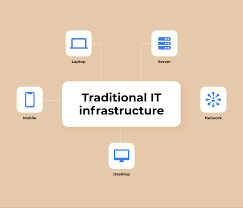
In the digital age, a robust and efficient IT infrastructure is essential for the success of any business. IT infrastructure encompasses all the components necessary to operate and manage information technology within an organization.

From hardware such as servers, computers, and networking equipment to software applications and databases, a well-designed IT infrastructure provides the foundation for seamless communication, data management, and operational efficiency.

Key Components of IT Infrastructure

Key components of IT infrastructure include:

  • Hardware: Servers, workstations, routers, switches, and other physical devices that support IT operations.
  • Software: Operating systems, applications, databases, and other software tools that enable business processes.
  • Networking: Infrastructure such as routers, switches, firewalls, and network cables that facilitate communication between devices.
  • Data Storage: Systems for storing and managing data securely and efficiently.
  • Security Measures: Tools and protocols to protect data from unauthorized access or cyber threats.

The Benefits of a Strong IT Infrastructure

A well-designed IT infrastructure offers numerous benefits to businesses:

  • Improved Efficiency: Streamlined processes and automated tasks lead to increased productivity.
  • Enhanced Communication: Seamless communication channels enable collaboration among employees and departments.
  • Data Security: Robust security measures protect sensitive information from cyber threats.
  • Better Decision-Making: Access to real-time data allows for informed decision-making at all levels of the organization.

The Future of IT Infrastructure

As technology continues to evolve rapidly, businesses must adapt their IT infrastructure to meet changing demands. Cloud computing, artificial intelligence (AI), Internet of Things (IoT), and other emerging technologies are reshaping the way organizations operate.

In conclusion, investing in a reliable and scalable IT infrastructure is crucial for businesses looking to stay competitive in today’s fast-paced digital landscape. By leveraging the power of technology effectively, organizations can drive innovation, improve operational efficiency, and achieve sustainable growth in the long run.


6 Essential Tips for Maintaining a Secure and Efficient IT Infrastructure

  1. Regularly update software and firmware to ensure security patches are in place.
  2. Implement strong password policies and consider multi-factor authentication for added security.
  3. Backup data regularly and store it securely offsite to protect against data loss.
  4. Monitor network traffic for any unusual activity that may indicate a security breach.
  5. Document your IT infrastructure setup and procedures to facilitate troubleshooting and maintenance.
  6. Consider implementing virtualization technology to optimize resource utilization and scalability.

Regularly update software and firmware to ensure security patches are in place.

Regularly updating software and firmware is a critical aspect of maintaining a secure IT infrastructure. By staying current with updates, organizations can ensure that security patches are promptly applied to address vulnerabilities and protect against potential cyber threats. These updates not only enhance the overall security posture of the system but also help in safeguarding sensitive data and maintaining the integrity of operations. Prioritizing software and firmware updates demonstrates a proactive approach to cybersecurity and minimizes the risk of exploitation by malicious actors.

Implement strong password policies and consider multi-factor authentication for added security.

Implementing strong password policies and considering multi-factor authentication are crucial steps in enhancing IT infrastructure security. By enforcing complex password requirements, such as length, complexity, and regular changes, organizations can significantly reduce the risk of unauthorized access to sensitive data. Additionally, implementing multi-factor authentication adds an extra layer of security by requiring users to provide multiple forms of verification before accessing systems or applications. These measures help safeguard against potential cyber threats and ensure that critical business information remains protected.

Backup data regularly and store it securely offsite to protect against data loss.

Regularly backing up data and securely storing it offsite is a crucial tip for maintaining a robust IT infrastructure. In the event of data loss due to hardware failure, cyber attacks, or natural disasters, having secure offsite backups ensures that critical information can be recovered swiftly and effectively. By implementing a reliable backup strategy, businesses can safeguard their valuable data assets and minimize the risk of disruptions that could impact operations and productivity.

Monitor network traffic for any unusual activity that may indicate a security breach.

Monitoring network traffic for any unusual activity is a critical aspect of maintaining a secure IT infrastructure. By keeping a close eye on data flow and communication patterns within the network, IT professionals can quickly identify potential security breaches or unauthorized access attempts. Unusual spikes in traffic, unfamiliar IP addresses, or suspicious data transfers could be early signs of a cyber threat. Proactive monitoring allows organizations to respond promptly to any security incidents, minimizing the risk of data breaches and protecting sensitive information from malicious actors.

Document your IT infrastructure setup and procedures to facilitate troubleshooting and maintenance.

Documenting your IT infrastructure setup and procedures is a critical step in ensuring smooth troubleshooting and maintenance processes. By maintaining detailed documentation, including network configurations, hardware specifications, software installations, and operational procedures, IT teams can quickly identify issues, implement solutions efficiently, and minimize downtime. Clear documentation also helps new team members familiarize themselves with the infrastructure and promotes consistency in system management practices. Overall, thorough documentation plays a vital role in enhancing the reliability and effectiveness of IT operations within an organization.

Consider implementing virtualization technology to optimize resource utilization and scalability.

Consider implementing virtualization technology to optimize resource utilization and scalability in your IT infrastructure. Virtualization allows you to create virtual instances of servers, storage, and networks, enabling more efficient use of hardware resources and easier scalability as your business grows. By consolidating multiple virtual machines on a single physical server, you can reduce costs, improve flexibility, and enhance overall performance. Virtualization technology is a powerful tool that can help streamline operations and adapt quickly to changing business needs in a dynamic digital environment.

reliable it partner

Unlocking Success: The Power of a Reliable IT Partner

The Importance of Having a Reliable IT Partner

The Importance of Having a Reliable IT Partner

In today’s digital age, businesses rely heavily on technology to operate efficiently and effectively. From managing data to communicating with clients, having a reliable IT partner is crucial for the success of any organization.

What Makes an IT Partner Reliable?

A reliable IT partner is one that you can count on to provide timely support, innovative solutions, and proactive maintenance. They understand your business needs and are committed to helping you achieve your goals through technology.

Benefits of Having a Reliable IT Partner

Peace of Mind: Knowing that you have a team of experts monitoring and managing your IT infrastructure gives you peace of mind so you can focus on running your business.

Efficiency: A reliable IT partner can streamline your processes, automate tasks, and optimize your systems for maximum efficiency, saving you time and resources.

Security: With cyber threats on the rise, having a reliable IT partner means having a team dedicated to keeping your data secure and implementing the latest cybersecurity measures to protect your business.

Choosing the Right IT Partner

When selecting an IT partner for your business, look for a company with a proven track record of success, excellent customer reviews, and expertise in the services you require. Communication is key – make sure they understand your needs and can provide tailored solutions to meet them.

In Conclusion

A reliable IT partner is more than just a service provider – they are an extension of your team, working towards your success. By choosing the right partner, you can leverage technology to drive growth, improve efficiency, and stay ahead in today’s competitive market.


8 Essential Tips for Choosing a Reliable IT Partner

  1. Look for a partner with a proven track record of successful IT projects.
  2. Ensure the partner has relevant certifications and expertise in your industry.
  3. Check client testimonials and references to gauge their reliability.
  4. Assess the scalability of their services to accommodate your future growth.
  5. Verify that they have robust security measures in place to protect your data.
  6. Establish clear communication channels and response times for support issues.
  7. Define key performance indicators (KPIs) to measure their effectiveness as a partner.
  8. Negotiate a detailed service level agreement (SLA) outlining expectations and responsibilities.

Look for a partner with a proven track record of successful IT projects.

When seeking a reliable IT partner, it is essential to prioritize companies with a proven track record of successful IT projects. By selecting a partner with a history of delivering effective solutions and achieving positive outcomes for their clients, you can have confidence in their ability to meet your specific needs and contribute to the success of your business. Trusting in a partner with a demonstrated track record can provide reassurance and peace of mind as you navigate the complexities of technology integration and optimization.

Ensure the partner has relevant certifications and expertise in your industry.

When seeking a reliable IT partner, it is essential to verify that they hold relevant certifications and possess expertise tailored to your specific industry. By ensuring that the partner has the necessary qualifications and industry knowledge, you can trust in their ability to understand your unique challenges and provide solutions that align with your business objectives. This ensures a more seamless collaboration and increases the likelihood of achieving successful outcomes in leveraging technology for your organization’s success.

Check client testimonials and references to gauge their reliability.

Checking client testimonials and references is a valuable tip when assessing the reliability of an IT partner. By reviewing feedback from previous clients, you can gain insights into the partner’s track record, customer satisfaction levels, and the quality of their services. Positive testimonials and references indicate a trustworthy and dependable IT partner who has successfully delivered on their promises in the past. It helps you make an informed decision and ensures that you choose a reliable IT partner who can meet your business needs effectively.

Assess the scalability of their services to accommodate your future growth.

When seeking a reliable IT partner, it is essential to assess the scalability of their services to ensure they can accommodate your future growth. A partner who can adapt and expand their services as your business evolves will help you avoid disruptions and costly transitions down the line. By considering scalability upfront, you can establish a long-term partnership that supports your organization’s growth and success.

Verify that they have robust security measures in place to protect your data.

It is crucial to verify that your chosen IT partner has robust security measures in place to safeguard your data. Ensuring the protection of sensitive information is paramount in today’s digital landscape, where cyber threats are prevalent. By partnering with a company that prioritizes security and implements strong measures to defend against potential breaches, you can have peace of mind knowing that your data is safe and secure.

Establish clear communication channels and response times for support issues.

Establishing clear communication channels and defining response times for support issues is essential when working with a reliable IT partner. By setting expectations upfront, both parties ensure that any technical problems or inquiries are addressed promptly and efficiently. Clear communication channels help streamline the troubleshooting process and minimize downtime, allowing for a smoother operation of your business. This proactive approach to support not only fosters a sense of trust and transparency but also demonstrates the IT partner’s commitment to providing top-notch service and support to meet your needs effectively.

Define key performance indicators (KPIs) to measure their effectiveness as a partner.

Defining key performance indicators (KPIs) is essential when evaluating the effectiveness of an IT partner. By establishing clear metrics to measure their performance against agreed-upon goals and objectives, you can track their impact on your business operations. KPIs such as response time, system uptime, resolution rates, and customer satisfaction scores can provide valuable insights into how well your IT partner is meeting your needs and delivering value to your organization. Regularly reviewing and analyzing these KPIs can help ensure that your IT partner remains aligned with your business goals and continues to be a reliable and valuable asset to your team.

Negotiate a detailed service level agreement (SLA) outlining expectations and responsibilities.

When seeking a reliable IT partner, it is essential to negotiate a detailed service level agreement (SLA) that clearly outlines expectations and responsibilities. A well-defined SLA ensures that both parties have a mutual understanding of the services to be provided, response times, performance metrics, and escalation procedures. By having a comprehensive SLA in place, you can establish accountability and transparency, setting the foundation for a successful partnership built on trust and clarity.

network management

Mastering Network Management: Enhancing Efficiency and Security

The Importance of Effective Network Management

In today’s digital age, networks form the backbone of almost every organization’s operations. From small businesses to large corporations, having a well-managed network is crucial for ensuring smooth communication, data sharing, and overall efficiency.

What is Network Management?

Network management refers to the process of overseeing and administering computer networks. It involves tasks such as monitoring network performance, ensuring security protocols are in place, managing software and hardware components, and troubleshooting any issues that may arise.

The Benefits of Efficient Network Management

Effective network management offers numerous benefits to organizations:

  • Improved Performance: Properly managed networks lead to faster data transfer speeds and reduced downtime, resulting in increased productivity.
  • Enhanced Security: A well-maintained network reduces the risk of cyber threats and unauthorized access to sensitive information.
  • Cost Savings: Proactive network management helps identify potential issues before they escalate into costly problems, saving organizations time and money.
  • Scalability: Managed networks can easily adapt to changes in an organization’s size or requirements, allowing for seamless growth.

The Role of Network Management Tools

To effectively manage complex networks, organizations often utilize specialized network management tools. These tools provide features such as real-time monitoring, automated alerts for anomalies, configuration management, and performance analysis.

Challenges in Network Management

Despite its importance, network management can pose challenges for organizations. Common issues include network congestion, security vulnerabilities, compatibility problems between devices and software, and the need for continuous updates to keep up with evolving technologies.

Conclusion

In conclusion, effective network management is essential for any organization looking to optimize its operations and ensure a secure and reliable IT infrastructure. By investing in proper network management practices and utilizing advanced tools, businesses can stay ahead in today’s competitive digital landscape.


Understanding Network Management: Key Areas, Examples, and Types

  1. What are the four 4 areas of network management?
  2. What is an example of network management?
  3. What are the 5 different types of network management?

What are the four 4 areas of network management?

Network management encompasses four key areas that are essential for maintaining a well-functioning network infrastructure. These areas include fault management, performance management, configuration management, and security management. Fault management involves detecting, isolating, and resolving network issues to minimize downtime. Performance management focuses on optimizing network performance by monitoring and analyzing data traffic, bandwidth usage, and response times. Configuration management ensures that network devices are correctly configured and updated to meet operational requirements. Lastly, security management involves implementing measures to safeguard the network from unauthorized access, cyber threats, and data breaches. Each of these areas plays a critical role in ensuring the reliability, efficiency, and security of a network system.

What is an example of network management?

An example of network management is the use of a network monitoring tool to oversee the performance and security of a company’s computer network. This tool collects data on various network parameters, such as bandwidth usage, device connectivity, and traffic patterns, allowing IT administrators to identify potential issues proactively. By monitoring the network in real-time and generating alerts for anomalies or breaches, network management tools help ensure smooth operations, optimize resource allocation, and maintain a secure environment for data transmission within the organization.

What are the 5 different types of network management?

Network management encompasses various types of management practices to ensure the smooth operation of computer networks. The five different types of network management include fault management, performance management, configuration management, security management, and accounting management. Fault management focuses on identifying and resolving network issues promptly. Performance management involves monitoring and optimizing network performance to meet desired standards. Configuration management deals with maintaining accurate records of network configurations. Security management aims to protect networks from unauthorized access and cyber threats. Lastly, accounting management involves tracking network resource usage for cost allocation and billing purposes. Each type plays a crucial role in maintaining a robust and secure network infrastructure.

innovative technology

Exploring the Impact of Innovative Technology on Modern Society

The Impact of Innovative Technology on Society

The Impact of Innovative Technology on Society

Technology has always been a driving force behind societal progress. In today’s fast-paced world, innovative technologies are revolutionizing the way we live, work, and interact with one another.

Enhancing Efficiency and Productivity

One of the key benefits of innovative technology is its ability to enhance efficiency and productivity across various industries. Automation, artificial intelligence, and data analytics are transforming traditional processes, allowing businesses to streamline operations and achieve higher levels of output.

Improving Quality of Life

Advancements in healthcare technology have led to improved diagnoses, treatments, and patient care. From telemedicine services to wearable health monitoring devices, innovative technologies are enhancing the quality of life for people around the globe.

Empowering Communication and Connectivity

The rise of social media platforms, video conferencing tools, and instant messaging apps has revolutionized the way we communicate and connect with others. Innovative technology has bridged geographical barriers, allowing people to stay connected in real-time regardless of their location.

Fostering Sustainability and Environmental Conservation

Innovative technologies are playing a crucial role in promoting sustainability and environmental conservation. From renewable energy solutions to smart waste management systems, technology is enabling us to reduce our carbon footprint and preserve our planet for future generations.

Challenges and Considerations

While innovative technology brings about numerous benefits, it also presents challenges such as cybersecurity threats, privacy concerns, and digital divide issues. It is essential for society to address these challenges proactively to ensure that the benefits of technology can be enjoyed by all.

The Future of Innovation

As we look towards the future, it is clear that innovative technology will continue to shape our world in profound ways. By embracing new ideas, fostering creativity, and prioritizing ethical considerations, we can harness the power of technology to create a more inclusive, sustainable, and interconnected society.


Understanding Innovative Technology: Key Questions and Answers

  1. What is innovation examples?
  2. What is the purpose of innovative technology?
  3. What do you mean by innovative technologies?
  4. How do you innovate technology?

What is innovation examples?

Innovation examples encompass a wide range of groundbreaking technologies and creative solutions that have transformed industries and daily life. From the development of self-driving cars and virtual reality experiences to the integration of artificial intelligence in healthcare diagnostics and smart home devices, innovation examples showcase the power of human ingenuity to drive progress and shape the future. These advancements not only improve efficiency and convenience but also have the potential to address pressing societal challenges and enhance overall well-being.

What is the purpose of innovative technology?

The purpose of innovative technology is to drive progress, improve efficiency, and enhance the quality of life for individuals and societies. By pushing the boundaries of what is possible, innovative technologies aim to solve complex problems, streamline processes, and create new opportunities for growth and development. Whether it’s in healthcare, communication, sustainability, or any other field, the ultimate goal of innovative technology is to bring about positive change and make a meaningful impact on the world around us.

What do you mean by innovative technologies?

Innovative technologies refer to new and advanced solutions, tools, or approaches that introduce novel ideas or methods to address existing challenges or improve upon existing processes. These technologies often involve cutting-edge developments in fields such as artificial intelligence, automation, data analytics, and biotechnology. They are characterized by their ability to transform industries, enhance efficiency, drive progress, and create new opportunities for growth and development. Embracing innovative technologies can lead to disruptive changes that have the potential to revolutionize how we live, work, communicate, and interact with the world around us.

How do you innovate technology?

Innovating technology involves a combination of creativity, problem-solving, and strategic thinking. To innovate technology effectively, individuals and organizations must stay abreast of the latest trends, conduct thorough research, and identify areas where improvement or disruption is needed. This process often includes brainstorming new ideas, prototyping solutions, testing them in real-world scenarios, and iterating based on feedback. Collaboration with experts from diverse backgrounds and industries can also spark innovative ideas and lead to breakthrough advancements in technology. By fostering a culture of innovation, embracing risk-taking, and being open to change, individuals and organizations can drive technological progress and make a meaningful impact on society.