cfchris.com

Loading

it strategy consulting

Maximizing Business Success Through IT Strategy Consulting Services

Article: IT Strategy Consulting

The Importance of IT Strategy Consulting in Today’s Business Environment

In the fast-paced and ever-evolving world of technology, businesses need to stay ahead of the curve to remain competitive. This is where IT strategy consulting plays a crucial role. IT strategy consulting involves working with experts to develop a comprehensive plan that aligns technology with business goals and objectives.

Benefits of IT Strategy Consulting

Alignment with Business Objectives: IT strategy consulting ensures that technology initiatives are in line with the overall business strategy. This alignment helps maximize efficiency and productivity.

Risk Management: By identifying potential risks and vulnerabilities in the IT infrastructure, consultants can help businesses mitigate these risks and enhance security measures.

Cost Optimization: Consultants analyze existing systems and processes to identify areas where cost savings can be achieved through optimization or consolidation of resources.

Key Components of IT Strategy Consulting

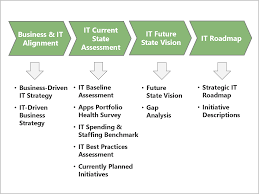
Assessment: Consultants conduct a thorough assessment of the current IT infrastructure, processes, and systems to identify strengths, weaknesses, opportunities, and threats.

Planning: Based on the assessment, consultants develop a strategic plan that outlines goals, objectives, timelines, and resource requirements for implementing new technologies or improving existing ones.

Implementation: Consultants work closely with businesses to implement the strategic plan, ensuring a smooth transition and minimal disruption to operations.

The Future of IT Strategy Consulting

In an increasingly digital world, the demand for IT strategy consulting services is only expected to grow. Businesses that invest in developing robust IT strategies will have a competitive edge and be better positioned to adapt to changing market dynamics.

Contact us today to learn more about how our IT strategy consulting services can help your business thrive in the digital age.


9 Essential Tips for Effective IT Strategy Consulting

  1. Understand the client’s business goals and objectives thoroughly before proposing any IT strategy.
  2. Stay updated with the latest trends and technologies in the IT industry to provide innovative solutions.
  3. Collaborate closely with key stakeholders to ensure alignment between IT strategy and overall business strategy.
  4. Consider scalability and flexibility when designing IT strategies to accommodate future growth and changes.
  5. Evaluate risks associated with implementing new IT strategies and develop mitigation plans accordingly.
  6. Communicate complex technical concepts in a clear and concise manner to non-technical stakeholders.
  7. Regularly review and adjust IT strategies based on feedback, performance metrics, and market dynamics.
  8. Ensure that proposed IT strategies are cost-effective and provide measurable value to the client’s business.
  9. Encourage a culture of continuous learning within the organization to adapt to evolving technology landscapes.

Understand the client’s business goals and objectives thoroughly before proposing any IT strategy.

It is essential in IT strategy consulting to thoroughly understand the client’s business goals and objectives before proposing any IT strategy. By gaining a deep understanding of the client’s specific needs and desired outcomes, consultants can tailor their recommendations to align technology solutions with the overarching business objectives. This approach ensures that the proposed IT strategy is not only technically sound but also directly contributes to the client’s success and long-term growth.

To excel in IT strategy consulting, it is essential to stay updated with the latest trends and technologies in the industry. By keeping abreast of emerging innovations, consultants can offer cutting-edge solutions that address clients’ evolving needs and challenges. Embracing new technologies allows for the development of innovative strategies that drive business growth and competitive advantage.

Collaborate closely with key stakeholders to ensure alignment between IT strategy and overall business strategy.

Collaborating closely with key stakeholders is a crucial tip in IT strategy consulting to ensure alignment between IT strategy and overall business strategy. By engaging with stakeholders from various departments and levels of the organization, IT consultants can gain valuable insights into the business’s goals, challenges, and priorities. This collaboration helps in developing an IT strategy that not only meets the technological needs of the organization but also directly contributes to achieving its broader business objectives. Effective communication and collaboration with key stakeholders foster a unified vision and ensure that technology initiatives are strategically aligned with the company’s long-term success.

Consider scalability and flexibility when designing IT strategies to accommodate future growth and changes.

When engaging in IT strategy consulting, it is essential to consider scalability and flexibility in the design of strategies to accommodate future growth and changes. By incorporating scalability, businesses can ensure that their IT infrastructure can expand seamlessly as the organization grows. Flexibility allows for adjustments and adaptations to meet evolving technology trends and business requirements. This proactive approach not only prepares businesses for future challenges but also enables them to leverage opportunities for innovation and efficiency.

Evaluate risks associated with implementing new IT strategies and develop mitigation plans accordingly.

When embarking on new IT strategies, it is crucial to evaluate the potential risks that come with implementation. By identifying and understanding these risks, businesses can proactively develop mitigation plans to address them effectively. This proactive approach not only helps in minimizing potential disruptions but also ensures a smoother transition to the new IT strategies, ultimately leading to successful outcomes and improved business performance.

Communicate complex technical concepts in a clear and concise manner to non-technical stakeholders.

When engaging in IT strategy consulting, it is essential to effectively communicate complex technical concepts to non-technical stakeholders in a clear and concise manner. By translating intricate IT jargon into easily understandable language, consultants can ensure that all stakeholders, regardless of their technical expertise, grasp the significance and implications of proposed strategies. This streamlined communication approach fosters better collaboration, alignment of goals, and informed decision-making within the organization.

Regularly review and adjust IT strategies based on feedback, performance metrics, and market dynamics.

Regularly reviewing and adjusting IT strategies based on feedback, performance metrics, and market dynamics is essential for ensuring the continued relevance and effectiveness of the technology initiatives within a business. By staying attuned to feedback from stakeholders, monitoring key performance metrics, and staying informed about market trends, organizations can proactively adapt their IT strategies to meet evolving needs and seize new opportunities. This iterative approach not only fosters agility and innovation but also helps align technology investments with overall business objectives for sustained success in today’s dynamic business environment.

Ensure that proposed IT strategies are cost-effective and provide measurable value to the client’s business.

It is essential in IT strategy consulting to ensure that any proposed IT strategies are not only cost-effective but also deliver measurable value to the client’s business. By focusing on cost-effectiveness, businesses can optimize their resources and investments, maximizing the return on their IT initiatives. Additionally, emphasizing measurable value ensures that the impact of the proposed strategies can be quantified and aligned with the client’s business objectives, ultimately leading to tangible benefits and a more successful IT implementation.

Encourage a culture of continuous learning within the organization to adapt to evolving technology landscapes.

To thrive in today’s rapidly changing technology landscape, it is essential for organizations to foster a culture of continuous learning. By encouraging employees to stay updated on the latest technological advancements and trends, businesses can adapt more effectively to the evolving IT environment. This proactive approach not only enhances the organization’s competitiveness but also empowers individuals to contribute meaningfully to innovation and growth.

cloud solutions

Unleashing the Potential: Harnessing the Power of Cloud Solutions for Business Success

The Power of Cloud Solutions

The Power of Cloud Solutions

In today’s digital age, businesses are increasingly turning to cloud solutions to streamline their operations, enhance collaboration, and improve efficiency. Cloud computing offers a wide range of benefits that can revolutionize the way organizations work and grow.

Scalability and Flexibility

One of the key advantages of cloud solutions is their scalability. Businesses can easily adjust their storage and computing resources based on their current needs, allowing for flexibility in managing workload fluctuations. Whether you are a small startup or a large enterprise, cloud services can scale up or down to accommodate your requirements.

Cost-Effectiveness

Cloud solutions eliminate the need for businesses to invest in expensive hardware and infrastructure. With a pay-as-you-go model, organizations only pay for the resources they use, reducing capital expenditure and operational costs. This cost-effectiveness makes cloud computing an attractive option for businesses looking to optimize their budget without compromising on performance.

Enhanced Collaboration

Collaboration is essential in today’s interconnected world, and cloud solutions facilitate seamless communication and teamwork among employees. With cloud-based tools such as file sharing platforms and project management software, teams can collaborate in real-time regardless of their physical location. This level of connectivity boosts productivity and innovation within organizations.

Data Security and Reliability

Cloud service providers invest heavily in security measures to protect data stored on their platforms. From encryption protocols to regular backups, cloud solutions offer robust security features that safeguard sensitive information from cyber threats. Additionally, cloud infrastructure is designed for high availability and reliability, ensuring that businesses can access their data anytime, anywhere without interruptions.

Conclusion

Cloud solutions have become indispensable for modern businesses seeking agility, cost savings, and competitive advantage in the digital landscape. By leveraging the power of cloud computing, organizations can transform their operations, drive innovation, and achieve sustainable growth in today’s dynamic business environment.


Top 9 Frequently Asked Questions About Cloud Solutions for Businesses

  1. What is cloud computing?
  2. How secure is data stored in the cloud?
  3. What are the benefits of using cloud solutions for businesses?
  4. How does cloud storage differ from traditional storage methods?
  5. What types of cloud services are available to businesses?
  6. Can I integrate existing IT infrastructure with cloud solutions?
  7. How does scalability work in cloud computing?
  8. What are the potential risks of migrating to the cloud?
  9. How can businesses ensure compliance and data governance when using cloud solutions?

What is cloud computing?

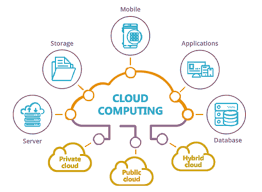
Cloud computing refers to the delivery of computing services, including storage, processing power, and applications over the internet. Instead of relying on local servers or personal devices to handle data and applications, cloud computing allows users to access resources remotely through a network of servers hosted in data centers. This model offers scalability, flexibility, and cost-effectiveness by enabling businesses to pay only for the resources they use. With cloud computing, organizations can streamline their operations, enhance collaboration, and improve efficiency while benefiting from enhanced security measures and high availability of services.

How secure is data stored in the cloud?

The security of data stored in the cloud is a common concern among individuals and businesses considering cloud solutions. Cloud service providers implement robust security measures to protect data from unauthorized access, breaches, and other cyber threats. Encryption protocols, access controls, regular security audits, and compliance certifications are some of the mechanisms used to ensure the confidentiality, integrity, and availability of data in the cloud. By adhering to industry best practices and standards, cloud providers strive to create a secure environment for storing sensitive information, giving users peace of mind regarding the safety of their data in the cloud.

What are the benefits of using cloud solutions for businesses?

Businesses can reap a multitude of benefits by leveraging cloud solutions. From enhanced scalability and flexibility to cost-effectiveness and improved collaboration, cloud computing offers a versatile toolkit for optimizing operations. By utilizing cloud services, organizations can easily adjust their resources to meet changing demands, reduce infrastructure costs, foster seamless teamwork among employees, and ensure robust data security and reliability. Embracing cloud solutions empowers businesses to streamline processes, drive innovation, and stay competitive in today’s fast-paced digital landscape.

How does cloud storage differ from traditional storage methods?

Cloud storage differs from traditional storage methods in several key ways. Unlike traditional storage, which typically involves storing data on physical hardware within an organization’s premises, cloud storage utilizes remote servers maintained by a third-party provider. This means that with cloud storage, data is stored off-site and accessed over the internet, offering greater flexibility and scalability. Additionally, cloud storage allows for easier data backup and recovery, as well as seamless collaboration among users from different locations. The pay-as-you-go model of cloud storage also makes it a cost-effective solution for businesses of all sizes. Overall, cloud storage offers enhanced accessibility, security, and efficiency compared to traditional storage methods.

What types of cloud services are available to businesses?

Businesses have access to a variety of cloud services tailored to meet their specific needs and requirements. The main types of cloud services include Infrastructure as a Service (IaaS), Platform as a Service (PaaS), and Software as a Service (SaaS). IaaS provides businesses with virtualized computing resources such as servers, storage, and networking infrastructure, allowing for greater flexibility and scalability. PaaS offers a platform for developers to build, deploy, and manage applications without the complexity of underlying infrastructure. SaaS delivers software applications over the internet on a subscription basis, enabling businesses to access productivity tools and business applications without the need for installation or maintenance. Each type of cloud service offers distinct advantages and can be customized to support various aspects of business operations.

Can I integrate existing IT infrastructure with cloud solutions?

Yes, integrating existing IT infrastructure with cloud solutions is a common practice that many organizations undertake to leverage the benefits of cloud computing while maintaining their current systems. By adopting a hybrid approach, businesses can seamlessly connect on-premises infrastructure with cloud services, allowing for increased flexibility, scalability, and efficiency. This integration enables companies to optimize their resources, enhance data accessibility, and improve overall performance across their IT ecosystem. With proper planning and implementation, organizations can successfully integrate their existing infrastructure with cloud solutions to create a unified and cohesive IT environment that meets their evolving needs and strategic objectives.

How does scalability work in cloud computing?

Scalability in cloud computing refers to the ability of a system to handle varying workloads efficiently by adjusting resources accordingly. Cloud solutions offer scalability through features like auto-scaling, which automatically allocates more resources when demand increases and releases them when demand decreases. This dynamic resource allocation ensures that businesses can scale their IT infrastructure up or down seamlessly without manual intervention, allowing for optimal performance and cost-efficiency. Scalability in cloud computing empowers organizations to adapt to changing needs quickly and effectively, making it a fundamental aspect of leveraging cloud technology for business growth and innovation.

What are the potential risks of migrating to the cloud?

When considering migrating to the cloud, it is essential to be aware of the potential risks associated with this transition. One common concern is data security and privacy, as storing sensitive information on a third-party server may raise apprehensions about unauthorized access or data breaches. Another risk is the possibility of service outages or downtime, which could impact business operations and result in financial losses. Additionally, compliance and regulatory issues must be carefully addressed to ensure that data handling practices align with industry standards and legal requirements. Despite these risks, proactive risk management strategies and thorough assessment of cloud service providers can help mitigate potential challenges and ensure a smooth migration process.

How can businesses ensure compliance and data governance when using cloud solutions?

Ensuring compliance and data governance when utilizing cloud solutions is a critical concern for businesses in today’s digital landscape. To address this challenge effectively, organizations can implement a comprehensive strategy that includes thorough vetting of cloud service providers’ security and compliance certifications, establishing clear data governance policies and procedures, conducting regular audits to monitor compliance with regulatory requirements, encrypting sensitive data both in transit and at rest, and providing employee training on data security best practices. By adopting a proactive approach to compliance and data governance in the cloud, businesses can mitigate risks, protect sensitive information, and maintain regulatory adherence while leveraging the benefits of cloud technology.