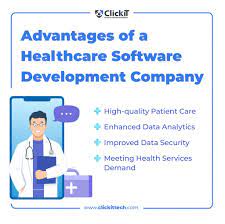
Transforming Healthcare: The Role of a Leading Healthcare Software Development Company
The Importance of Healthcare Software Development Companies
In today’s digital age, healthcare software development companies play a crucial role in revolutionizing the healthcare industry. These companies specialize in creating innovative software solutions that streamline processes, improve patient care, and enhance overall efficiency within healthcare organizations.
Benefits of Healthcare Software Development
Healthcare software development companies develop custom applications and platforms tailored to meet the specific needs of healthcare providers. These solutions offer a wide range of benefits, including:
- Enhanced Patient Care: Software applications can facilitate better communication between healthcare providers and patients, leading to improved care outcomes.
- Streamlined Operations: Custom software can automate administrative tasks, reduce paperwork, and optimize workflows within healthcare facilities.
- Data Security: Healthcare software developers prioritize data security to ensure patient information remains confidential and protected from cyber threats.
- Interoperability: Software solutions enable seamless integration with existing systems, allowing for efficient data exchange between different departments and healthcare facilities.
- Analytics and Reporting: Advanced analytics tools help healthcare professionals make informed decisions by analyzing data trends and generating insightful reports.
The Role of Healthcare Software Developers
Healthcare software developers are skilled professionals who possess expertise in coding, programming languages, and healthcare industry standards. They collaborate with healthcare providers to understand their unique requirements and develop tailored solutions that address specific challenges.
These developers are committed to staying abreast of the latest technological advancements and regulatory changes in the healthcare sector to ensure that their software solutions comply with industry standards and meet the evolving needs of healthcare organizations.
Innovations in Healthcare Software
The field of healthcare software development is continuously evolving, with new technologies such as artificial intelligence (AI), machine learning, telemedicine, and blockchain making significant contributions to improving patient care delivery and operational efficiency.
By harnessing these innovations, healthcare software development companies can create cutting-edge solutions that empower healthcare providers to deliver high-quality care, enhance patient engagement, and drive positive outcomes across the entire continuum of care.
Conclusion
In conclusion, healthcare software development companies play a pivotal role in shaping the future of the healthcare industry. By leveraging technology and innovation, these companies drive positive change by developing advanced software solutions that optimize operations, improve patient outcomes, and elevate the standard of care provided by healthcare organizations worldwide.
Top 5 Benefits of Partnering with a Healthcare Software Development Company
- Customized solutions tailored to meet the specific needs of healthcare providers.
- Enhanced patient care through improved communication and streamlined processes.
- Increased operational efficiency by automating administrative tasks and optimizing workflows.
- Robust data security measures to protect patient information from cyber threats.
- Advanced analytics tools for data analysis, reporting, and informed decision-making.
Key Challenges in Healthcare Software Development: Investment, Compliance, Integration, and Maintenance
Customized solutions tailored to meet the specific needs of healthcare providers.
Healthcare software development companies offer a significant advantage by providing customized solutions that are specifically designed to address the unique requirements of healthcare providers. By tailoring software applications to meet the specific needs of each healthcare organization, these companies ensure that their solutions align seamlessly with existing processes and workflows. This personalized approach not only enhances operational efficiency but also improves patient care delivery by catering to the distinct challenges and requirements of healthcare professionals. Customized solutions enable healthcare providers to optimize their practices, streamline operations, and ultimately deliver better outcomes for patients.
Enhanced patient care through improved communication and streamlined processes.
Healthcare software development companies excel in enhancing patient care by implementing solutions that improve communication between healthcare providers and patients while streamlining processes within healthcare facilities. By developing custom software applications tailored to meet the specific needs of healthcare organizations, these companies enable better coordination and information sharing, leading to more efficient care delivery and improved patient outcomes. Through innovative technologies and streamlined workflows, healthcare software development companies play a vital role in ensuring that patients receive the highest quality of care possible.
Increased operational efficiency by automating administrative tasks and optimizing workflows.
Healthcare software development companies offer a significant advantage by increasing operational efficiency through the automation of administrative tasks and the optimization of workflows. By developing custom software solutions tailored to the specific needs of healthcare providers, these companies streamline processes, reduce manual labor, and enhance overall productivity within healthcare organizations. Automation not only saves time and resources but also minimizes errors, improves accuracy, and allows healthcare professionals to focus more on patient care. Through innovative technology and tailored solutions, healthcare software development companies play a vital role in driving efficiency and effectiveness in the delivery of healthcare services.
Robust data security measures to protect patient information from cyber threats.
Healthcare software development companies prioritize robust data security measures to safeguard patient information from cyber threats. By implementing advanced encryption protocols, access controls, and regular security audits, these companies ensure that sensitive medical data remains confidential and protected. This proactive approach not only helps healthcare organizations comply with stringent data protection regulations but also instills trust among patients regarding the privacy and security of their personal health information.
Advanced analytics tools for data analysis, reporting, and informed decision-making.
Healthcare software development companies offer a valuable pro through their advanced analytics tools, enabling in-depth data analysis, comprehensive reporting, and informed decision-making within healthcare organizations. These tools empower healthcare professionals to extract meaningful insights from vast amounts of data, identify trends, patterns, and correlations, and make evidence-based decisions to enhance patient care quality, operational efficiency, and overall organizational performance. By leveraging advanced analytics capabilities, healthcare software development companies contribute significantly to improving healthcare outcomes and driving continuous advancements in the industry.
High Initial Investment
One notable drawback of engaging with a healthcare software development company is the high initial investment it entails. Creating custom healthcare software often demands a substantial upfront financial commitment in terms of time, resources, and specialized expertise. This financial burden can pose a challenge for healthcare organizations looking to adopt tailored software solutions to enhance their operations and patient care services. The need to allocate significant resources at the outset of the development process may deter some healthcare providers from pursuing custom software solutions, despite the potential long-term benefits they offer in improving efficiency and quality of care.
Regulatory Compliance Challenges
Healthcare software development companies face a significant con in the form of regulatory compliance challenges. Navigating the intricate landscape of healthcare regulations and data privacy laws is essential to ensure that their software solutions meet industry standards and safeguard sensitive patient information. The need to stay updated with evolving regulations adds complexity to the development process, requiring meticulous attention to detail and thorough adherence to compliance protocols. Failure to address these regulatory hurdles can lead to legal consequences and jeopardize the trust of healthcare providers and patients alike.
Integration Issues
Integration issues pose a significant challenge for healthcare software development companies. The process of integrating new software with existing healthcare systems can be complex and fraught with potential compatibility issues. These challenges may result in disruptions to workflow efficiency within healthcare organizations, impacting the seamless delivery of patient care and administrative operations. Overcoming integration issues requires careful planning, collaboration with stakeholders, and a deep understanding of both the technical aspects and operational requirements of the healthcare environment. Addressing these integration challenges is crucial to ensure that software solutions effectively enhance rather than hinder the overall effectiveness of healthcare systems.
Maintenance and Updates
Maintenance and updates pose a significant challenge for healthcare software development companies. Ensuring that healthcare software remains current with the latest technology trends, security protocols, and industry regulations demands continuous maintenance and support efforts. This process can be resource-intensive, requiring dedicated time, expertise, and financial investment to implement necessary updates and enhancements. Failure to prioritize maintenance and updates may result in software vulnerabilities, compliance issues, and performance gaps that could jeopardize patient data security and overall system reliability. Healthcare software developers must navigate this conundrum carefully to ensure that their solutions remain robust, secure, and compliant in the ever-evolving landscape of healthcare technology.