


Exploring the Significance of Prototyping in Software Engineering
The Importance of Prototyping in Software Engineering
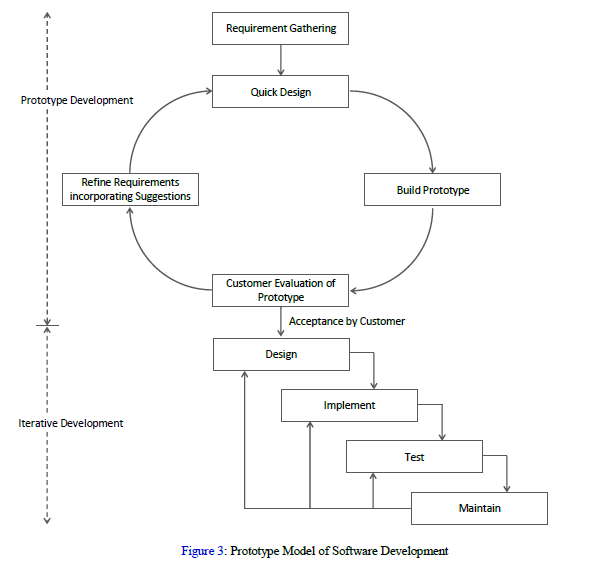
Prototyping plays a crucial role in the software engineering process, allowing developers to create a preliminary version of a software product to gather feedback, test functionality, and refine requirements before the final product is developed. This iterative approach offers numerous benefits and significantly contributes to the success of software projects.
Benefits of Prototyping
Requirement Validation: Prototyping helps stakeholders visualize the proposed software solution early in the development process. This visual representation allows for better requirement validation and ensures that the final product meets user expectations.
Faster Feedback Loops: By creating a prototype, developers can quickly gather feedback from users, clients, and other stakeholders. This feedback loop enables early identification of issues and facilitates timely adjustments to improve the final product.
Risk Mitigation: Prototyping helps mitigate risks associated with software development by identifying potential challenges and limitations early on. Addressing these issues during the prototyping phase minimizes rework and reduces project delays.
Improved Communication: Prototypes serve as effective communication tools between developers, designers, clients, and end-users. Visualizing the software interface and functionality enhances understanding and ensures alignment among all project stakeholders.
Types of Prototypes
Low-Fidelity Prototypes: Low-fidelity prototypes focus on basic functionalities and visual representations without detailed design elements. These prototypes are quick to create and ideal for initial concept validation.
High-Fidelity Prototypes: High-fidelity prototypes include more detailed design elements, interactive features, and realistic content. These prototypes closely resemble the final product and provide a comprehensive user experience simulation.
Best Practices for Prototyping
Define Objectives: Clearly define the objectives of prototyping, including what aspects of the software solution will be tested or validated through prototyping.
Involve Stakeholders: Engage key stakeholders throughout the prototyping process to ensure their input is considered and incorporated into the final product design.
Iterate Regularly: Embrace an iterative approach to prototyping by continuously refining and improving prototypes based on feedback received from stakeholders.
Use Tools Wisely: Utilize prototyping tools that align with project requirements and team capabilities to streamline the prototyping process effectively.
In Conclusion
The practice of prototyping in software engineering is essential for enhancing collaboration, validating requirements, mitigating risks, and ultimately delivering successful software solutions that meet user needs effectively. By incorporating prototyping into the development lifecycle, teams can optimize their processes, improve communication, and increase overall project success rates.
6 Essential Tips for Effective Software Prototyping
- Start with a clear goal and requirements for the prototype.
- Focus on key features and functionality to demonstrate the concept effectively.
- Use prototyping tools or frameworks to speed up the development process.
- Gather feedback early and iterate based on user input to improve the prototype.
- Document the design decisions and limitations of the prototype for future reference.
- Collaborate with stakeholders throughout the prototyping process to ensure alignment with expectations.
Start with a clear goal and requirements for the prototype.
To ensure the effectiveness of prototyping in software engineering, it is crucial to begin with a clear goal and well-defined requirements for the prototype. By establishing a specific objective and outlining the key functionalities that need to be demonstrated or validated through the prototype, developers can focus their efforts on creating a solution that aligns with stakeholder expectations and project objectives. Starting with a clear goal and requirements sets a solid foundation for the prototyping process, guiding subsequent iterations and ensuring that the final product meets the desired outcomes.
Focus on key features and functionality to demonstrate the concept effectively.
In software engineering, focusing on key features and functionality during prototyping is essential to effectively demonstrate the concept. By prioritizing the core aspects of the software solution, developers can create a prototype that clearly showcases the intended functionality and user experience. This targeted approach not only helps validate the feasibility of key features early in the development process but also enables stakeholders to provide valuable feedback on critical components that drive the overall success of the project.
Use prototyping tools or frameworks to speed up the development process.
Utilizing prototyping tools or frameworks is a valuable tip in software engineering to expedite the development process. These tools offer pre-built components, templates, and interactive features that enable developers to create prototypes efficiently and effectively. By leveraging such tools, teams can streamline the prototyping phase, iterate quickly on design concepts, and accelerate the overall development timeline. Additionally, prototyping tools facilitate collaboration among team members and stakeholders by providing a visual representation of the software solution early in the process, leading to enhanced communication and alignment on project objectives.
Gather feedback early and iterate based on user input to improve the prototype.
Gathering feedback early in the prototyping phase of software engineering is crucial for refining the product and ensuring it meets user expectations. By actively seeking input from users and stakeholders, developers can identify potential issues, validate requirements, and make necessary adjustments to enhance the prototype’s functionality and usability. This iterative process based on user feedback not only improves the overall quality of the software but also fosters collaboration and alignment among project team members, resulting in a final product that better addresses user needs and preferences.
Document the design decisions and limitations of the prototype for future reference.
It is essential to document the design decisions and limitations of the prototype for future reference in software engineering. By documenting these aspects, developers and stakeholders can understand the rationale behind specific design choices and recognize any constraints that influenced the prototype’s development. This documentation serves as a valuable reference point for future iterations, ensuring continuity in decision-making and providing insights into potential improvements or modifications needed to enhance the final product.
Collaborate with stakeholders throughout the prototyping process to ensure alignment with expectations.
Collaborating with stakeholders throughout the prototyping process is crucial to ensure alignment with expectations and project success. By involving key stakeholders from the early stages of prototyping, developers can gather valuable feedback, validate requirements, and make informed decisions that meet user needs effectively. This collaborative approach fosters a sense of ownership among stakeholders, enhances communication, and leads to the development of software solutions that truly reflect the desired outcomes. Ultimately, engaging stakeholders in the prototyping process helps build consensus, mitigate risks, and deliver high-quality products that meet or exceed expectations.