cfchris.com

Loading

Category software engineer

amazon entry level software engineer

Exploring Opportunities as an Amazon Entry-Level Software Engineer

Amazon Entry Level Software Engineer

The Role of an Entry-Level Software Engineer at Amazon

Amazon, one of the world’s largest and most innovative companies, offers exciting opportunities for entry-level software engineers to kickstart their careers. As an entry-level software engineer at Amazon, you will be part of a dynamic team working on cutting-edge projects that impact millions of customers worldwide.

Responsibilities

As an entry-level software engineer at Amazon, you will have the opportunity to:

  • Collaborate with experienced engineers to design and develop software solutions
  • Write clean, efficient, and maintainable code
  • Participate in all phases of the software development lifecycle
  • Contribute to innovative projects that drive customer engagement and satisfaction
  • Learn and grow your skills in a fast-paced and challenging environment

Qualifications

To succeed as an entry-level software engineer at Amazon, you should possess:

  • A degree in Computer Science or related field
  • Strong programming skills in languages such as Java, C++, or Python
  • Familiarity with data structures, algorithms, and object-oriented design principles
  • An analytical mindset and problem-solving abilities
  • Excellent communication and teamwork skills

Career Growth Opportunities

Amazon values continuous learning and professional development. As an entry-level software engineer, you will have access to training programs, mentorship opportunities, and career advancement paths within the company. Your contributions will be recognized and rewarded as you grow your expertise and take on more challenging projects.

Join Amazon as an Entry-Level Software Engineer Today!

If you are passionate about technology, innovation, and making a difference on a global scale, consider applying for an entry-level software engineer position at Amazon. Join a diverse team of talented individuals who are shaping the future of e-commerce, cloud computing, artificial intelligence, and more.


5 Essential Tips for Aspiring Amazon Entry-Level Software Engineers

  1. Prepare for technical interviews by practicing coding problems
  2. Familiarize yourself with data structures and algorithms
  3. Learn about Amazon’s leadership principles and how to demonstrate them in your answers
  4. Highlight any relevant projects or experiences on your resume
  5. Be prepared to discuss your problem-solving skills and past experiences in detail

Prepare for technical interviews by practicing coding problems

Preparing for technical interviews as an entry-level software engineer at Amazon is crucial, and one effective tip is to practice coding problems regularly. By honing your coding skills and problem-solving abilities through practice, you can boost your confidence and readiness to tackle the challenging technical questions that may arise during the interview process. Regular practice not only helps you improve your coding efficiency but also enhances your ability to think critically and logically when faced with complex problems, ultimately increasing your chances of success in securing a software engineering position at Amazon.

Familiarize yourself with data structures and algorithms

To excel as an entry-level software engineer at Amazon, it is crucial to familiarize yourself with data structures and algorithms. Understanding the fundamentals of data structures and algorithms not only enhances your problem-solving skills but also equips you with the knowledge needed to write efficient and optimized code. By mastering these concepts, you will be better prepared to tackle complex challenges and contribute effectively to innovative projects within the dynamic environment at Amazon.

Learn about Amazon’s leadership principles and how to demonstrate them in your answers

To excel as an entry-level software engineer at Amazon, it is crucial to familiarize yourself with Amazon’s leadership principles and showcase how you embody them in your responses during interviews. Demonstrating qualities such as customer obsession, ownership, bias for action, and innovation can set you apart and align you with Amazon’s core values. By understanding and incorporating these principles into your answers, you not only showcase your fit within the company culture but also demonstrate your readiness to contribute effectively to Amazon’s innovative projects and customer-centric approach.

Highlight any relevant projects or experiences on your resume

When applying for an entry-level software engineer position at Amazon, it is essential to highlight any relevant projects or experiences on your resume. Showcase your practical skills and demonstrate your ability to contribute to impactful projects. By emphasizing specific examples of your work, you can effectively communicate your qualifications and stand out as a strong candidate for the role. Remember, showcasing relevant projects and experiences can make a significant difference in capturing the attention of recruiters and showcasing your potential as a valuable addition to Amazon’s team.

Be prepared to discuss your problem-solving skills and past experiences in detail

When applying for an entry-level software engineer position at Amazon, it is crucial to be prepared to discuss your problem-solving skills and past experiences in detail. Amazon values candidates who can demonstrate their ability to tackle complex challenges, think critically, and innovate solutions. Be ready to share specific examples from your academic projects or internships that highlight your problem-solving approach, decision-making process, and the impact of your contributions. Showing a strong foundation in problem-solving will set you apart as a promising candidate for the role.

intel software engineer

Exploring the Role of an Intel Software Engineer in Driving Technological Innovation

Intel Software Engineer

The Role of an Intel Software Engineer

Intel, a leading technology company, relies on skilled software engineers to drive innovation and develop cutting-edge solutions. As an Intel software engineer, you play a crucial role in shaping the future of technology.

Responsibilities of an Intel Software Engineer

Intel software engineers are responsible for designing, developing, and testing software applications that power Intel’s products and services. They collaborate with cross-functional teams to create efficient and reliable software solutions.

Key responsibilities of an Intel software engineer include:

  • Writing code in various programming languages such as C++, Python, and Java
  • Optimizing software performance for Intel hardware platforms
  • Collaborating with hardware engineers to ensure seamless integration of software and hardware components
  • Participating in code reviews and providing constructive feedback to team members
  • Staying updated on emerging technologies and industry trends
  • Debugging and troubleshooting software issues to ensure high-quality deliverables

Skills Required

To excel as an Intel software engineer, you need a combination of technical skills, problem-solving abilities, and strong communication skills. Some key skills required for this role include:

  • Proficiency in programming languages such as C/C++, Python, or Java
  • Understanding of computer architecture and system design principles
  • Experience with debugging tools and techniques
  • Strong analytical skills to identify and solve complex problems efficiently
  • Excellent teamwork and collaboration skills to work effectively in a dynamic environment
  • Adaptability to learn new technologies quickly and stay ahead in a rapidly evolving industry

Career Growth Opportunities at Intel

Working as a software engineer at Intel opens up numerous opportunities for career growth and advancement. Intel values continuous learning and provides resources for employees to enhance their skills through training programs, certifications, and hands-on projects.

As you progress in your career at Intel, you may have the chance to take on leadership roles, work on innovative projects, or specialize in specific areas of software development.


Common Questions About Software Engineering Careers at Intel

  1. What does a software engineer do at Intel?
  2. What is the highest paying job in Intel?
  3. What does Intel software engineer do?
  4. Does Intel pay well?
  5. What is the salary of software engineer in Intel?

What does a software engineer do at Intel?

At Intel, a software engineer plays a pivotal role in designing, developing, and testing software applications that drive the functionality of Intel’s products and services. They collaborate with multidisciplinary teams to ensure seamless integration of software with Intel’s cutting-edge hardware platforms. A software engineer at Intel is responsible for writing code in various programming languages, optimizing software performance for Intel’s hardware architecture, participating in code reviews, and staying abreast of emerging technologies to deliver high-quality and innovative solutions. Their work involves problem-solving, debugging, and continuous learning to meet the dynamic demands of the technology industry and contribute to Intel’s legacy of innovation.

What is the highest paying job in Intel?

One of the frequently asked questions regarding Intel software engineers is related to the highest paying job within Intel. While specific salary figures can vary based on factors such as experience, location, and job role, senior technical positions such as Principal Engineers or Technical Fellows are often among the highest-paying roles at Intel. These positions typically require extensive expertise, leadership skills, and a proven track record of contributing to significant technological advancements within the company. Individuals in these roles may be responsible for driving innovation, leading critical projects, and shaping the future direction of Intel’s technology solutions.

What does Intel software engineer do?

Intel software engineers play a pivotal role in designing, developing, and testing software applications that drive Intel’s products and services. They are responsible for writing code in various programming languages, optimizing software performance for Intel hardware platforms, collaborating with hardware engineers for seamless integration, participating in code reviews, and staying updated on emerging technologies. Intel software engineers leverage their technical expertise, problem-solving skills, and strong communication abilities to ensure the delivery of high-quality software solutions that meet the evolving needs of the industry.

Does Intel pay well?

When it comes to compensation, Intel is known for offering competitive salaries and benefits to its employees, including software engineers. The pay scale at Intel is often aligned with industry standards, and the company values its employees’ contributions by providing a comprehensive compensation package. Additionally, Intel recognizes the importance of attracting and retaining top talent in the tech industry, which reflects in its approach to fair and rewarding pay structures for software engineers.

What is the salary of software engineer in Intel?

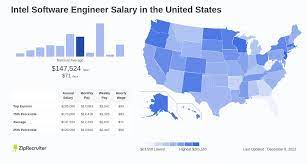
The salary of a software engineer at Intel can vary based on factors such as experience, location, and specific role within the company. Generally, Intel offers competitive compensation packages to software engineers, including base salary, bonuses, stock options, and benefits. Entry-level software engineers at Intel can expect a starting salary that is above the industry average, with opportunities for salary increases and promotions as they gain experience and demonstrate their skills. Experienced software engineers with a strong track record of performance may command higher salaries within the company. It’s important to note that Intel values its employees and strives to provide fair compensation that reflects their contributions to the company’s success.

software engineer 2

Exploring the Role of a Software Engineer 2 in Modern Technology

Software Engineer 2: The Role and Responsibilities

Software Engineer 2: The Role and Responsibilities

Software engineers play a crucial role in today’s technology-driven world. As businesses increasingly rely on software solutions to streamline operations and enhance user experiences, the demand for skilled software engineers continues to grow. In this article, we will explore the role and responsibilities of a Software Engineer 2.

Role Overview

A Software Engineer 2 is typically a mid-level position within a software development team. They are responsible for designing, developing, testing, and maintaining software applications to meet specific business needs. Software Engineer 2s often work under the guidance of senior engineers or team leads and may also provide mentorship to junior developers.

Responsibilities

The responsibilities of a Software Engineer 2 may include:

  • Participating in the full software development lifecycle, from requirements gathering to deployment.
  • Writing clean, efficient code that meets project requirements.
  • Collaborating with cross-functional teams, including product managers, designers, and other developers.
  • Conducting code reviews and providing constructive feedback to peers.
  • Testing and debugging software applications to ensure they perform as intended.
  • Maintaining documentation for codebase and processes.

Skills Required

To excel as a Software Engineer 2, individuals should possess a combination of technical skills and soft skills. Some key skills required for this role include:

  • Proficiency in programming languages such as Java, Python, C++, or others depending on the project requirements.
  • Experience with software development tools and frameworks.
  • Strong problem-solving abilities and attention to detail.
  • Excellent communication skills for effective collaboration with team members.
  • Ability to adapt to changing technologies and project requirements.

Career Growth

A Software Engineer 2 can further advance their career by gaining expertise in specialized areas such as cybersecurity, cloud computing, or data analytics. With experience and continuous learning, they may progress to roles like Senior Software Engineer or Technical Lead within an organization.

In conclusion, being a Software Engineer 2 offers an exciting opportunity to contribute to innovative projects while honing technical skills and collaborating with talented professionals. It is a dynamic role that plays a vital part in shaping the future of technology-driven solutions across various industries.


Understanding Software Engineer II: Roles, Levels, and Comparisons with Other Positions

  1. What does engineer 2 mean?
  2. What is Software Engineer II vs III?
  3. Is Software Engineer 2 higher than 1?
  4. What’s the difference between software engineer 1 and 2?
  5. What is a software development engineer 2?
  6. What is software engineer level 2?
  7. Which is higher, software engineer 2 or 3?
  8. Is software engineer 1 or 2 higher?
  9. Is software engineer II mid level?

What does engineer 2 mean?

In the context of software engineering, the term “Engineer 2” typically refers to a mid-level position within a software development team. A Software Engineer 2 is expected to have more experience and responsibilities compared to an entry-level engineer but may still work under the guidance of senior engineers or team leads. This role often involves tasks such as designing, developing, testing, and maintaining software applications to meet specific business requirements. Software Engineer 2s may also provide mentorship to junior developers and actively contribute to the full software development lifecycle of projects.

What is Software Engineer II vs III?

In the realm of software engineering, the distinction between a Software Engineer II and a Software Engineer III typically lies in their level of experience, responsibilities, and expertise within an organization. A Software Engineer II is commonly considered a mid-level position, where individuals have gained some industry experience and are proficient in their technical skills. On the other hand, a Software Engineer III often represents a more senior role with increased responsibilities, such as leading projects, mentoring junior team members, and making strategic technical decisions. The transition from Software Engineer II to III usually involves demonstrating consistent performance, taking on more complex challenges, and showcasing leadership qualities in addition to technical proficiency.

Is Software Engineer 2 higher than 1?

In the hierarchy of software engineering roles, a Software Engineer 2 typically denotes a more experienced position than a Software Engineer 1. While the specific naming conventions may vary between companies, generally, a Software Engineer 2 is considered to be at a higher level in terms of expertise and responsibilities compared to a Software Engineer 1. The distinction between the two levels often involves factors such as years of experience, technical skills, and leadership capabilities within the software development team.

What’s the difference between software engineer 1 and 2?

When comparing the roles of a Software Engineer 1 and a Software Engineer 2, the key distinction lies in their level of experience and responsibilities within a software development team. A Software Engineer 1 is typically an entry-level position where individuals are starting their career in software development. They may focus on learning foundational coding skills, working on smaller tasks, and receiving mentorship from more experienced team members. On the other hand, a Software Engineer 2 is considered a mid-level position, indicating that the individual has gained some experience in software development and is capable of handling more complex projects independently. Software Engineer 2s often take on greater responsibilities in designing, developing, and testing software applications while providing guidance to junior developers.

What is a software development engineer 2?

A Software Development Engineer 2, often abbreviated as SDE 2, is a professional with intermediate-level experience in software development. In this role, individuals are typically expected to contribute to the design, implementation, and maintenance of software applications within a team setting. Software Development Engineers 2 are responsible for writing efficient code, collaborating with cross-functional teams, conducting code reviews, and ensuring that software projects meet specified requirements. This position often requires a solid foundation in programming languages, software development methodologies, and problem-solving skills. SDE 2s may also provide mentorship to junior developers and play a key role in the successful delivery of software projects.

What is software engineer level 2?

A Software Engineer Level 2 refers to a mid-level position within a software development team. Individuals at this level typically have gained some experience in the field and are responsible for designing, developing, testing, and maintaining software applications to meet specific business requirements. They often work under the guidance of senior engineers or team leads, contributing to the full software development lifecycle. Software Engineer Level 2s may also provide mentorship to junior developers and actively participate in code reviews and collaborative efforts with cross-functional teams to deliver high-quality software solutions.

Which is higher, software engineer 2 or 3?

In the hierarchy of software engineering roles, the level of a Software Engineer is typically denoted by a numerical value, such as 1, 2, 3, and so on. In this context, a Software Engineer 3 is generally considered to be at a higher level than a Software Engineer 2. The numerical designation usually indicates the seniority and experience level within the organization. While specific responsibilities and titles may vary between companies, it is common for a Software Engineer 3 to have more advanced technical skills, leadership capabilities, and project management experience compared to a Software Engineer 2.

Is software engineer 1 or 2 higher?

In the software engineering field, the distinction between a Software Engineer 1 and a Software Engineer 2 is often based on experience and skill level rather than hierarchical superiority. While the specific criteria may vary between companies, generally, a Software Engineer 2 is considered to be at a more advanced level compared to a Software Engineer 1. A Software Engineer 2 typically has more experience, expertise, and responsibilities within a development team. This progression allows individuals to take on more complex projects, provide mentorship to junior team members, and contribute significantly to the software development process.

Is software engineer II mid level?

In the realm of software engineering, the classification of a Software Engineer II as a mid-level role is a commonly debated topic among professionals in the field. While there is no universal standard defining mid-level positions in software development, many organizations consider Software Engineer II to be situated between entry-level roles and senior positions. Typically, a Software Engineer II is expected to have acquired a certain level of experience and expertise, allowing them to handle more complex tasks and responsibilities compared to junior engineers. However, the exact categorization may vary depending on company structures and industry norms. Ultimately, whether Software Engineer II is truly mid-level often depends on the specific context within which it is being discussed.

software engineer 1

The Essential Role of a Software Engineer in Today’s Tech Industry

Article: Software Engineer

The Role of a Software Engineer

A software engineer is a professional who applies engineering principles to the design, development, maintenance, testing, and evaluation of software and systems that make computers or anything containing software work. They play a crucial role in the tech industry by creating innovative solutions to complex problems.

Responsibilities of a Software Engineer:

  • Designing and developing software applications
  • Testing and debugging software to ensure quality and performance
  • Collaborating with other team members, such as designers and product managers
  • Implementing best practices in software development processes
  • Keeping up-to-date with the latest technologies and trends in the industry
  • Maintaining and updating existing software systems

Skills Required:

To excel as a software engineer, one needs a combination of technical skills, problem-solving abilities, creativity, and strong communication skills. Some essential skills for a software engineer include:

  • Proficiency in programming languages such as Java, C++, Python, or JavaScript
  • Knowledge of data structures and algorithms
  • Understanding of software development methodologies like Agile or Scrum
  • Ability to work well in a team environment
  • Critical thinking and problem-solving skills
  • Attention to detail and dedication to producing high-quality code

Career Outlook:

The demand for skilled software engineers continues to grow as technology becomes increasingly integrated into our daily lives. Software engineers can find opportunities in various industries, including tech companies, healthcare, finance, gaming, and more. With the right skills and experience, software engineers can advance their careers into roles such as senior developer, tech lead, or even CTO.

In conclusion, being a software engineer is not just about writing code; it’s about solving problems creatively and building solutions that have a real impact on people’s lives. It’s a challenging yet rewarding career path that offers endless opportunities for growth and innovation.


9 Essential Tips for Success as a Software Engineer 1

  1. Stay curious and keep learning new technologies
  2. Practice coding regularly to improve your skills
  3. Collaborate with team members and communicate effectively
  4. Write clean and maintainable code for easier debugging
  5. Use version control systems like Git to track changes in code
  6. Test your code thoroughly to ensure its reliability
  7. Document your code and processes for better understanding by others
  8. Attend tech events and conferences to stay updated with industry trends
  9. Seek feedback from peers to continuously improve yourself

Stay curious and keep learning new technologies

To excel as a software engineer, it is crucial to stay curious and continuously seek to learn new technologies. The tech industry is constantly evolving, and by staying curious, you can adapt to the latest trends and innovations. Embracing a mindset of lifelong learning not only enhances your skills but also keeps you ahead in the rapidly changing landscape of technology. By exploring new technologies, you can broaden your expertise, improve problem-solving abilities, and remain competitive in the dynamic field of software engineering.

Practice coding regularly to improve your skills

To enhance your proficiency as a software engineer, it is essential to engage in regular coding practice. By consistently working on coding challenges and projects, you can sharpen your problem-solving abilities, deepen your understanding of programming concepts, and become more adept at writing efficient and clean code. Practicing coding regularly not only helps you stay current with industry trends but also boosts your confidence in tackling complex tasks and projects effectively.

Collaborate with team members and communicate effectively

Collaborating with team members and communicating effectively are essential skills for a software engineer. By working closely with designers, product managers, and fellow developers, software engineers can leverage diverse perspectives and expertise to create innovative solutions. Clear communication ensures that everyone is on the same page regarding project goals, timelines, and potential challenges. Effective collaboration fosters a harmonious work environment and promotes the successful delivery of high-quality software products.

Write clean and maintainable code for easier debugging

When working as a software engineer, it is essential to follow the tip of writing clean and maintainable code. By adhering to this practice, developers can make the debugging process much more manageable. Clean code is easier to read, understand, and modify, which ultimately leads to faster identification and resolution of bugs. Additionally, maintainable code ensures that future updates and enhancements can be implemented smoothly without causing unintended issues. Embracing this tip not only benefits the individual developer but also contributes to the overall efficiency and quality of the software development process.

Use version control systems like Git to track changes in code

Using version control systems like Git is essential for software engineers to track changes in code efficiently. By utilizing Git, developers can easily manage different versions of their codebase, collaborate with team members seamlessly, and revert to previous versions if needed. This practice not only ensures better organization and documentation of code changes but also promotes a more structured and collaborative approach to software development. Overall, incorporating version control systems like Git into the workflow of a software engineer can greatly enhance productivity and streamline the development process.

Test your code thoroughly to ensure its reliability

To ensure the reliability of your software, it is crucial to test your code thoroughly. Testing helps identify and fix potential bugs and errors, ensuring that the software functions as intended. By conducting comprehensive testing, software engineers can increase the quality of their code and deliver a more reliable product to users. Testing also helps in maintaining the integrity of the software over time, as any changes or updates can be validated through testing procedures. Ultimately, thorough testing is a fundamental practice that contributes to the overall success of a software engineering project.

Document your code and processes for better understanding by others

Documenting your code and processes is a crucial practice for software engineers to ensure better understanding by others. By providing clear and detailed documentation, you not only make it easier for your team members to grasp the functionality of the code but also enable future developers to maintain and build upon it effectively. Well-documented code enhances collaboration, reduces errors, and streamlines the development process, ultimately leading to more efficient and successful software projects.

Attending tech events and conferences is a valuable tip for software engineers to stay informed about the latest industry trends and advancements. These gatherings provide opportunities to network with peers, learn from experts through workshops and presentations, and gain insights into emerging technologies. By staying updated with industry trends, software engineers can enhance their skills, stay competitive in the job market, and contribute effectively to innovative projects within their organizations.

Seek feedback from peers to continuously improve yourself

Seeking feedback from peers is a valuable practice for software engineers looking to enhance their skills and grow professionally. By soliciting input from colleagues, software engineers can gain fresh perspectives, identify areas for improvement, and learn new techniques or best practices. Constructive feedback not only helps individuals refine their technical abilities but also fosters a collaborative and supportive work environment where team members can learn from each other’s experiences and expertise. Embracing feedback as a tool for self-improvement can lead to continuous growth and development in the dynamic field of software engineering.

adobe software engineer

The Role of an Adobe Software Engineer: Driving Innovation in Technology

Adobe Software Engineer

The Role of an Adobe Software Engineer

Adobe software engineers play a crucial role in the development and maintenance of various software products offered by Adobe Inc. As a leading technology company known for its creative software solutions, Adobe relies on talented engineers to design, implement, and enhance its diverse range of applications.

Responsibilities of an Adobe Software Engineer

Adobe software engineers are responsible for:

  • Collaborating with cross-functional teams to understand project requirements
  • Designing and developing software solutions that meet quality standards
  • Testing and debugging code to ensure optimal performance
  • Maintaining and updating existing software applications
  • Keeping abreast of industry trends and technologies to drive innovation

Skills and Qualifications

To excel as an Adobe software engineer, individuals typically possess the following skills and qualifications:

  • Proficiency in programming languages such as Java, C++, or Python
  • Experience with software development methodologies and tools
  • Strong problem-solving abilities and attention to detail
  • Effective communication skills for team collaboration
  • A passion for technology and a desire to innovate

Career Outlook

The demand for skilled software engineers, including those specializing in Adobe products, continues to grow as companies rely on technology for their operations. Career opportunities for Adobe software engineers can be found in various industries, from design and media to e-commerce and beyond.

In conclusion, being an Adobe software engineer offers a rewarding career path for individuals who are passionate about creating innovative solutions that empower users worldwide.


Top 7 FAQs About Working as a Software Engineer at Adobe

  1. What is the salary of software engineer in Adobe test?
  2. What is the salary of a software quality engineer in Adobe?
  3. Is Adobe Good company to Work as a software engineer?
  4. What is the in hand salary of Adobe Software Engineer?
  5. Is it hard getting a job at Adobe?
  6. How much do software engineers make at Adobe?
  7. What does an Adobe software engineer do?

What is the salary of software engineer in Adobe test?

One of the frequently asked questions regarding Adobe software engineers is about the salary range for individuals working in Adobe’s testing department. The salary of a software engineer at Adobe can vary based on factors such as experience, location, and specific job responsibilities within the testing domain. Generally, Adobe offers competitive salaries to attract top talent in the industry, and software engineers in test roles can expect to receive compensation that aligns with their skills and contributions to the company’s success.

What is the salary of a software quality engineer in Adobe?

The salary of a software quality engineer at Adobe can vary based on factors such as experience, location, and specific job responsibilities. Generally, software quality engineers at Adobe are competitively compensated, with salaries typically ranging from $80,000 to $120,000 per year. Additionally, Adobe offers various benefits and opportunities for career growth and development to attract and retain top talent in the field of software engineering.

Is Adobe Good company to Work as a software engineer?

Many software engineers considering job opportunities often wonder, “Is Adobe a good company to work for as a software engineer?” Adobe is widely regarded as a reputable technology company with a strong emphasis on creativity and innovation. Working as a software engineer at Adobe offers the opportunity to contribute to cutting-edge projects, collaborate with talented teams, and be part of a company known for its industry-leading software solutions. With a focus on employee development, work-life balance, and a culture that values diversity and inclusion, Adobe can be an appealing choice for software engineers looking to grow their careers in a dynamic and forward-thinking environment.

What is the in hand salary of Adobe Software Engineer?

One frequently asked question regarding Adobe Software Engineer positions is about the in-hand salary. The in-hand salary of an Adobe Software Engineer can vary based on factors such as experience, location, and specific job role within the company. Generally, Adobe offers competitive compensation packages to attract and retain top talent in the industry. Candidates interested in knowing the specific in-hand salary for an Adobe Software Engineer position are encouraged to research current market trends, leverage resources like Glassdoor or Payscale for salary insights, and engage directly with Adobe’s recruitment team during the interview process to discuss compensation details.

Is it hard getting a job at Adobe?

Securing a job at Adobe can be a competitive process due to the company’s reputation for innovation and high-quality software products. The hiring standards at Adobe are known to be rigorous, as they seek talented individuals who can contribute effectively to their diverse range of projects. Candidates applying for software engineering positions at Adobe should demonstrate strong technical skills, a solid understanding of software development principles, and the ability to work collaboratively in a dynamic environment. While getting a job at Adobe may pose challenges, it is certainly achievable for candidates who showcase their expertise and passion for technology during the application process.

How much do software engineers make at Adobe?

When it comes to compensation for software engineers at Adobe, salaries typically reflect the industry standards and the level of experience and expertise of the individual. While specific figures can vary based on factors such as location, job role, and seniority, software engineers at Adobe can expect competitive pay packages that align with their skills and contributions to the company. Adobe values its employees and strives to offer fair and attractive compensation packages to ensure that software engineers feel valued and motivated in their roles.

What does an Adobe software engineer do?

An Adobe software engineer plays a pivotal role in the development and enhancement of Adobe’s diverse range of software products. These professionals collaborate with cross-functional teams to understand project requirements, design and implement software solutions that meet quality standards, test and debug code for optimal performance, maintain and update existing applications, and stay updated on industry trends to drive innovation. In essence, an Adobe software engineer is responsible for creating cutting-edge software solutions that empower users across various industries with innovative tools and technologies.

mcdonalds software engineer

Inside the World of a McDonald’s Software Engineer: Innovating Fast Food Technology

McDonald’s Software Engineer: Behind the Scenes of Fast Food Technology

McDonald’s Software Engineer: Behind the Scenes of Fast Food Technology

In today’s digital age, even fast-food giants like McDonald’s rely heavily on technology to streamline operations and enhance customer experience. At the heart of McDonald’s technological advancements are its software engineers, who play a crucial role in developing and maintaining the systems that power one of the world’s most iconic brands.

The Role of a McDonald’s Software Engineer

A McDonald’s software engineer is responsible for designing, developing, and implementing software solutions that support various aspects of the company’s operations. From point-of-sale systems to mobile ordering apps, these engineers work tirelessly to ensure that McDonald’s technology infrastructure runs smoothly and efficiently.

One key area where software engineers at McDonald’s make a significant impact is in enhancing the customer experience. By creating user-friendly interfaces, optimizing order processing systems, and implementing innovative features like self-service kiosks and mobile payment options, these engineers help McDonald’s deliver a seamless and convenient dining experience to millions of customers worldwide.

The Skills Required

To excel as a software engineer at McDonald’s, individuals need a strong foundation in computer science, programming languages, and software development methodologies. Attention to detail, problem-solving skills, and the ability to work collaboratively with cross-functional teams are also essential traits for success in this role.

Moreover, given the scale and complexity of McDonald’s technology ecosystem, software engineers must be adept at managing large datasets, optimizing system performance, and staying abreast of emerging technologies to drive continuous innovation within the organization.

Career Opportunities at McDonald’s

Working as a software engineer at McDonald’s opens up a world of opportunities for professionals looking to make an impact in the fast-paced tech industry. Whether it’s developing cutting-edge solutions for digital menu boards or designing predictive analytics tools for supply chain management, there is no shortage of exciting projects for engineers to sink their teeth into at McDonald’s.

Additionally, with a global presence spanning over 100 countries, McDonald’s offers software engineers the chance to collaborate with diverse teams from around the world and gain valuable international experience that can further enhance their career growth.

Conclusion

As technology continues to revolutionize the way we interact with food service establishments, software engineers at McDonald’s play a vital role in shaping the future of fast food technology. By leveraging their technical expertise and creativity, these professionals help drive innovation and efficiency within one of the most recognizable brands on the planet.

So next time you place an order at your local McDonald’s restaurant or use their mobile app for quick pickup, remember that behind every digital interaction is a team of dedicated software engineers working tirelessly to make your dining experience as enjoyable and seamless as possible.


7 Essential Tips for Success as a McDonald’s Software Engineer

  1. Stay updated on the latest technologies and programming languages.
  2. Collaborate effectively with cross-functional teams.
  3. Prioritize tasks based on project requirements and deadlines.
  4. Test software thoroughly to ensure quality and reliability.
  5. Seek feedback from peers and seniors to improve coding skills.
  6. Attend relevant workshops or training sessions to enhance knowledge and skills.
  7. Stay organized by maintaining clear documentation of code and project details.

Stay updated on the latest technologies and programming languages.

To excel as a McDonald’s software engineer, it is crucial to stay updated on the latest technologies and programming languages. By continuously learning and adapting to industry trends, software engineers can enhance their skills, stay competitive, and contribute to innovative solutions that drive McDonald’s technological advancements. Keeping abreast of emerging technologies ensures that engineers can tackle new challenges effectively and deliver cutting-edge software solutions that meet the evolving needs of the fast-food industry.

Collaborate effectively with cross-functional teams.

Collaborating effectively with cross-functional teams is essential for McDonald’s software engineers to succeed in their roles. By working closely with colleagues from different departments, such as marketing, operations, and finance, engineers can gain valuable insights into the diverse needs and perspectives within the organization. This collaboration not only fosters innovation but also ensures that software solutions are aligned with the overall business objectives of McDonald’s. Through open communication, mutual respect, and a shared commitment to excellence, software engineers can leverage the collective expertise of cross-functional teams to deliver impactful technology solutions that drive the company forward.

Prioritize tasks based on project requirements and deadlines.

In the fast-paced world of McDonald’s software engineering, it is crucial for professionals to prioritize tasks effectively based on project requirements and deadlines. By carefully assessing the urgency and importance of each task, software engineers can ensure that they allocate their time and resources efficiently to meet project milestones and deliver high-quality solutions. Prioritizing tasks helps streamline workflow, enhance productivity, and ultimately contribute to the successful execution of projects within the fast-food technology landscape.

Test software thoroughly to ensure quality and reliability.

Testing software thoroughly is essential for ensuring quality and reliability in the fast-paced world of McDonald’s technology. Software engineers must conduct rigorous testing procedures to identify and address any potential bugs or issues before they impact the customer experience. By meticulously testing each component of the software, engineers can guarantee that McDonald’s systems operate smoothly, efficiently, and securely, ultimately delivering a seamless and satisfying dining experience for customers around the globe.

Seek feedback from peers and seniors to improve coding skills.

Seeking feedback from peers and seniors is a valuable tip for McDonald’s software engineers looking to enhance their coding skills. By actively soliciting input from colleagues with varying levels of experience, engineers can gain valuable insights, identify areas for improvement, and learn best practices that can help them write more efficient and effective code. Constructive feedback not only fosters a culture of collaboration and continuous learning within the team but also empowers engineers to refine their coding techniques and stay abreast of industry trends, ultimately contributing to their professional growth and the overall success of McDonald’s technology initiatives.

Attend relevant workshops or training sessions to enhance knowledge and skills.

Attending relevant workshops or training sessions is essential for McDonald’s software engineers to stay updated with the latest technologies and trends in the fast-paced tech industry. By participating in these educational opportunities, engineers can enhance their knowledge and skills, learn new tools and techniques, and network with other professionals in the field. This continuous learning approach not only benefits the individual engineer but also contributes to McDonald’s overall technological advancement and innovation efforts.

Stay organized by maintaining clear documentation of code and project details.

To excel as a McDonald’s software engineer, it is essential to stay organized by maintaining clear documentation of code and project details. By documenting code changes, system designs, and project specifications, software engineers can ensure better collaboration with team members, facilitate smoother troubleshooting processes, and enhance overall project efficiency. Clear documentation also serves as a valuable resource for future reference, enabling engineers to build upon existing work and maintain a structured approach to software development within the fast-paced environment of McDonald’s technology initiatives.

oracle software engineer

Exploring the Role of an Oracle Software Engineer in Modern IT Environments

Article: Oracle Software Engineer

The Role of an Oracle Software Engineer

Oracle software engineers play a crucial role in developing and maintaining software applications that utilize Oracle technologies. These professionals are responsible for designing, implementing, and testing software solutions that meet the specific needs of their clients or organizations.

Key Responsibilities:

  • Designing: Oracle software engineers work closely with stakeholders to understand requirements and design software solutions using Oracle database technologies.
  • Development: They write code, develop applications, and integrate systems using Oracle tools and platforms.
  • Testing: Ensuring the quality and functionality of the software through rigorous testing processes to identify and fix any issues.
  • Maintenance: Providing ongoing support, troubleshooting, and maintenance for existing software applications built on Oracle technologies.
  • Documentation: Creating documentation for code, processes, and procedures to ensure clarity and ease of understanding for other team members.
  • Collaboration: Working collaboratively with other team members, such as developers, testers, project managers, and clients to deliver successful projects.

Skills Required:

To excel as an Oracle software engineer, individuals should possess a combination of technical skills and soft skills. Some essential skills include:

  • Proficiency in SQL and PL/SQL programming languages
  • Familiarity with Oracle database management systems
  • Knowledge of software development methodologies (e.g., Agile)
  • Problem-solving abilities
  • Strong communication skills
  • Attention to detail
  • Ability to work independently and in a team environment

Career Outlook:

The demand for skilled Oracle software engineers is expected to remain high as organizations continue to rely on Oracle technologies for their critical business operations. With the right expertise and experience, individuals in this role can advance their careers into senior positions or specialize in specific areas within the field of database management and software development.

In conclusion, being an Oracle software engineer offers a rewarding career path for those who are passionate about technology, problem-solving, and innovation. It is a dynamic role that requires continuous learning and adaptation to stay ahead in the ever-evolving world of IT.


Mastering Oracle: 6 Essential Tips for Aspiring Software Engineers

  1. Develop a strong understanding of Oracle database architecture.
  2. Learn SQL and PL/SQL to effectively work with Oracle databases.
  3. Stay updated with the latest Oracle technologies and tools.
  4. Practice problem-solving skills to troubleshoot and optimize database performance.
  5. Collaborate with other team members to design efficient database solutions.
  6. Obtain relevant certifications to enhance your credibility as an Oracle software engineer.

Develop a strong understanding of Oracle database architecture.

To excel as an Oracle software engineer, it is crucial to develop a strong understanding of Oracle database architecture. This knowledge forms the foundation for designing efficient and scalable software solutions that leverage the full capabilities of Oracle technologies. By delving deep into Oracle database architecture, software engineers can optimize performance, ensure data integrity, and make informed decisions when developing and maintaining applications. A solid grasp of Oracle database architecture not only enhances technical proficiency but also enables engineers to troubleshoot issues effectively and design robust solutions that align with industry best practices.

Learn SQL and PL/SQL to effectively work with Oracle databases.

To excel as an Oracle software engineer, it is crucial to learn SQL and PL/SQL programming languages. These skills are essential for effectively working with Oracle databases, enabling engineers to design, query, and manipulate data efficiently. By mastering SQL for database querying and PL/SQL for creating stored procedures and functions, software engineers can enhance their ability to develop robust and optimized solutions tailored to the specific needs of their clients or organizations.

Stay updated with the latest Oracle technologies and tools.

To excel as an Oracle software engineer, it is essential to stay updated with the latest Oracle technologies and tools. By keeping abreast of advancements in the field, professionals can enhance their skills, adapt to industry trends, and deliver innovative solutions to meet the evolving needs of clients and organizations. Continuous learning and exploration of new Oracle technologies not only expand one’s knowledge base but also ensure relevance and competitiveness in the dynamic IT landscape.

Practice problem-solving skills to troubleshoot and optimize database performance.

To excel as an Oracle software engineer, it is essential to practice problem-solving skills to effectively troubleshoot and optimize database performance. By honing these skills, professionals can identify and address issues that may impact the efficiency and speed of database operations. This proactive approach not only enhances the overall performance of the system but also demonstrates a commitment to continuous improvement and excellence in managing Oracle technologies.

Collaborate with other team members to design efficient database solutions.

Collaboration with fellow team members is essential for Oracle software engineers to design efficient and effective database solutions. By working together, sharing insights, and leveraging each other’s expertise, the team can create database solutions that not only meet the project requirements but also optimize performance and scalability. Through open communication and a collaborative approach, Oracle software engineers can harness the collective knowledge and creativity of the team to deliver high-quality solutions that drive success for their clients or organizations.

Obtain relevant certifications to enhance your credibility as an Oracle software engineer.

To enhance your credibility as an Oracle software engineer, it is advisable to obtain relevant certifications. These certifications not only validate your expertise in Oracle technologies but also demonstrate your commitment to professional development and staying current in the field. By earning certifications, you showcase your proficiency and dedication, which can boost your career opportunities and set you apart as a knowledgeable and skilled Oracle software engineer in the competitive IT industry.

ibm software engineer

Exploring the Role of an IBM Software Engineer in Cutting-Edge Technology Projects

IBM Software Engineer

The Role of an IBM Software Engineer

IBM, a global technology company, offers exciting opportunities for software engineers to work on cutting-edge projects that drive innovation and impact millions of users worldwide.

Responsibilities of an IBM Software Engineer

As an IBM software engineer, you will be responsible for designing, developing, and testing software solutions that meet the needs of clients and contribute to IBM’s reputation as a leader in the tech industry. Your day-to-day tasks may include:

  • Collaborating with cross-functional teams to define project requirements
  • Writing clean, efficient code using programming languages such as Java, Python, or C++
  • Testing and debugging software applications to ensure they meet quality standards
  • Implementing new features and enhancements based on user feedback
  • Staying up-to-date with emerging technologies and best practices in software development

Skills Required

To excel as an IBM software engineer, you should possess a combination of technical skills, problem-solving abilities, and teamwork. Some key skills required for this role include:

  • Proficiency in programming languages and development tools
  • Strong analytical skills to troubleshoot complex issues
  • Excellent communication skills for effective collaboration with team members and clients
  • Adaptability to work in a fast-paced environment with evolving project requirements
  • A passion for learning and continuous improvement in software engineering practices

Career Growth at IBM

IBM values career development and provides opportunities for software engineers to enhance their skills through training programs, mentorship, and exposure to diverse projects. With a strong emphasis on innovation and creativity, IBM fosters a culture where employees can thrive and make meaningful contributions to the tech industry.

In Conclusion

Becoming an IBM software engineer opens doors to a dynamic career path filled with challenges and rewards. If you are passionate about technology and eager to make a difference through your work, consider exploring the opportunities available at IBM as a software engineer.


Top 9 Benefits of Being an IBM Software Engineer

  1. Opportunity to work on cutting-edge projects
  2. Access to advanced technology and tools
  3. Collaborative work environment with talented professionals
  4. Career development and growth opportunities
  5. Global reach and impact through IBM’s diverse client base
  6. Competitive salary and benefits package
  7. Prestigious reputation of working for a leading tech company
  8. Training programs to enhance technical skills and knowledge
  9. Innovation-driven culture that encourages creativity


7 Challenges Faced by IBM Software Engineers

  1. High pressure to meet project deadlines
  2. Limited work-life balance during peak periods
  3. Complex organizational structure can slow decision-making
  4. Limited opportunities for remote work
  5. Possibility of frequent travel for client engagements
  6. Competitive environment may lead to long working hours
  7. Technical challenges can be demanding and require continuous learning

Opportunity to work on cutting-edge projects

Working as an IBM software engineer provides the unique opportunity to engage with cutting-edge projects that are at the forefront of technological innovation. IBM is renowned for its commitment to pushing the boundaries of what’s possible, which means engineers often find themselves working on pioneering technologies such as artificial intelligence, quantum computing, and cloud solutions. This exposure not only enhances technical skills but also allows engineers to contribute to projects that have a significant impact on industries and society at large. Being part of such transformative work is both professionally rewarding and intellectually stimulating, offering engineers a chance to leave their mark on the future of technology.

Access to advanced technology and tools

IBM software engineers benefit from access to advanced technology and tools that empower them to create innovative solutions and stay at the forefront of the tech industry. With cutting-edge resources at their fingertips, such as state-of-the-art development platforms and specialized software, IBM engineers can tackle complex challenges with efficiency and precision. This access not only enhances their technical skills but also enables them to explore new possibilities, experiment with emerging technologies, and push the boundaries of what is achievable in software development.

Collaborative work environment with talented professionals

IBM software engineers benefit from a collaborative work environment that brings together talented professionals from diverse backgrounds. This setting fosters creativity, innovation, and knowledge sharing, allowing team members to leverage each other’s expertise to tackle complex challenges and deliver high-quality solutions. By working alongside skilled colleagues, IBM software engineers have the opportunity to learn from one another, grow professionally, and collectively achieve success in driving technological advancements within the company.

Career development and growth opportunities

IBM offers its software engineers exceptional career development and growth opportunities. With a strong emphasis on continuous learning and skill enhancement, IBM provides various training programs, mentorship opportunities, and exposure to diverse projects. This enables software engineers to expand their expertise, explore new technologies, and advance their careers within the company. The supportive environment at IBM encourages professional growth, allowing software engineers to thrive and reach their full potential in the ever-evolving tech industry.

Global reach and impact through IBM’s diverse client base

IBM software engineers enjoy a unique advantage of global reach and impact due to IBM’s diverse client base. By working on projects that cater to clients from various industries and regions around the world, IBM software engineers have the opportunity to make a significant difference on a global scale. This exposure not only broadens their technical expertise but also allows them to understand diverse business needs and cultural nuances, ultimately contributing to their professional growth and making their work at IBM both challenging and rewarding.

Competitive salary and benefits package

IBM offers its software engineers a competitive salary and benefits package that reflects the company’s commitment to attracting and retaining top talent in the tech industry. In addition to a competitive base salary, IBM provides comprehensive benefits such as healthcare coverage, retirement plans, paid time off, and professional development opportunities. This robust compensation package not only rewards employees for their hard work and dedication but also ensures their overall well-being and satisfaction within the organization.

Prestigious reputation of working for a leading tech company

Working as an IBM software engineer offers the prestigious advantage of being associated with a renowned tech company at the forefront of innovation. IBM’s legacy as a global leader in technology not only enhances one’s professional credibility but also provides opportunities to collaborate on groundbreaking projects and contribute to cutting-edge solutions that shape the future of the industry. Being part of such a prestigious organization opens doors to a network of industry experts, resources, and experiences that can propel one’s career to new heights.

Training programs to enhance technical skills and knowledge

IBM offers valuable training programs to empower its software engineers with the latest technical skills and knowledge. These programs are designed to enhance the expertise of engineers, keeping them abreast of emerging technologies and industry trends. By investing in continuous learning and development, IBM ensures that its software engineers are equipped to tackle complex challenges and deliver innovative solutions that drive the company’s success in the fast-paced tech landscape.

Innovation-driven culture that encourages creativity

IBM fosters an innovation-driven culture that actively encourages creativity among its software engineers. By promoting a mindset of exploration and experimentation, IBM empowers its employees to think outside the box, propose novel solutions, and push the boundaries of technology. This approach not only fuels continuous innovation within the company but also inspires software engineers to unleash their full creative potential, leading to groundbreaking advancements in the tech industry.

High pressure to meet project deadlines

One significant challenge faced by IBM software engineers is the high pressure to meet project deadlines. The fast-paced nature of the tech industry and the demand for timely delivery of software solutions can create a stressful work environment for engineers. Meeting strict project timelines often requires long hours, intense focus, and effective time management skills. The pressure to deliver on time can impact work-life balance and lead to burnout if not managed effectively. Despite the challenges, IBM software engineers learn to thrive under pressure, honing their problem-solving abilities and resilience in the face of tight deadlines.

Limited work-life balance during peak periods

During peak periods, IBM software engineers may experience a con of limited work-life balance. The demanding nature of projects and deadlines can lead to long hours and intense workloads, potentially impacting personal time and well-being. Balancing professional commitments with personal life during these busy periods can be challenging, requiring effective time management and prioritization to maintain a healthy work-life harmony. IBM may need to address this issue by implementing strategies to support employees in managing their workload more effectively and promoting a sustainable work environment for its software engineers.

Complex organizational structure can slow decision-making

The complex organizational structure at IBM can sometimes hinder the efficiency of decision-making processes for software engineers. With multiple layers of management and intricate communication channels, important decisions may take longer to be made, leading to potential delays in project timelines. Software engineers may find it challenging to navigate through the hierarchy to get approvals or feedback, which can impact their ability to respond quickly to changing requirements or address critical issues in a timely manner. Streamlining communication and decision-making processes within the organization could help mitigate this con and improve overall productivity for IBM software engineers.

Limited opportunities for remote work

One notable drawback for IBM software engineers is the limited opportunities for remote work. Due to the nature of some projects requiring close collaboration and on-site presence, remote work options may be restricted. This limitation can impact work-life balance and flexibility for individuals who prefer or require remote work arrangements. It may also hinder access to a broader talent pool and limit the ability to accommodate diverse working preferences among employees.

Possibility of frequent travel for client engagements

One potential downside of being an IBM software engineer is the possibility of frequent travel for client engagements. While travel can provide valuable opportunities to work closely with clients and gain firsthand insights into their needs, it may also lead to challenges such as time away from home, long hours on the road or in transit, and disruptions to work-life balance. Constantly being on the move can be physically and mentally demanding, requiring adaptability and resilience to navigate different locations and time zones while maintaining productivity and focus on project deliverables.

Competitive environment may lead to long working hours

In the realm of IBM software engineering, one notable drawback is the fiercely competitive environment that can often result in prolonged working hours. The pressure to meet project deadlines and surpass performance expectations may lead software engineers to dedicate extensive time and effort to their tasks, potentially sacrificing work-life balance. The demanding nature of the industry can create a culture where long working hours become the norm, impacting the well-being and overall satisfaction of individuals in this role. It is crucial for both employees and employers to prioritize sustainable work practices to mitigate the negative effects of extended work hours on productivity and mental health.

Technical challenges can be demanding and require continuous learning

One notable challenge faced by IBM software engineers is the demanding nature of technical tasks, which often require a high level of expertise and continuous learning. Keeping up with evolving technologies and industry trends can be a significant challenge, as software engineers must constantly adapt to new tools and methodologies to meet project requirements. This ongoing learning process can be time-consuming and mentally taxing, but it is essential for maintaining proficiency and delivering innovative solutions in a rapidly changing tech landscape.


python software engineer

Exploring the Role of a Python Software Engineer in Modern Technology

Python Software Engineer

The Role of a Python Software Engineer

A Python software engineer is a professional who specializes in developing software applications using the Python programming language. Python is a versatile and powerful language that is widely used in various fields such as web development, data science, artificial intelligence, and more.

Responsibilities of a Python Software Engineer

Python software engineers are responsible for:

  • Writing clean, efficient, and maintainable code using Python
  • Collaborating with other team members to design and implement software solutions
  • Testing and debugging code to ensure quality and reliability
  • Integrating data storage solutions and third-party libraries
  • Optimizing application performance and scalability
  • Maintaining existing software applications and making enhancements as needed

Skills Required for Python Software Engineers

To excel in this role, a Python software engineer should possess the following skills:

  • Proficiency in Python programming language
  • Understanding of object-oriented programming principles
  • Knowledge of web frameworks such as Django or Flask for web development projects
  • Familiarity with data manipulation and analysis libraries like NumPy and Pandas for data science applications
  • Experience with version control systems like Git for collaborative development
  • Strong problem-solving skills and attention to detail

Career Outlook for Python Software Engineers

The demand for skilled Python software engineers is on the rise due to the increasing adoption of Python across various industries. With its simplicity, readability, and vast ecosystem of libraries, Python has become a popular choice for developing complex software solutions.


7 Reasons Why Becoming a Python Software Engineer is a Smart Career Move

  1. Versatile language used in various fields like web development, data science, and AI
  2. Large community support for troubleshooting and knowledge sharing
  3. Simple syntax that promotes readability and reduces development time
  4. Abundance of third-party libraries and frameworks for quick application development
  5. High demand for Python skills in the job market with competitive salaries
  6. Strong compatibility with other languages and systems for seamless integration
  7. Great choice for beginners due to its gentle learning curve and beginner-friendly documentation


Challenges Faced by Python Software Engineers: Performance, Multi-threading, and More

  1. Limited speed compared to lower-level languages like C or C++ for performance-critical applications.
  2. Global Interpreter Lock (GIL) in Python can limit multi-threading performance in certain scenarios.
  3. Python’s dynamic typing can lead to potential runtime errors that may not be caught until execution.
  4. Dependency management can be challenging due to compatibility issues between different Python libraries and versions.
  5. Debugging complex applications in Python may require more effort and time compared to statically typed languages.
  6. Python’s design limitations may make it less suitable for high-performance computing or real-time systems.

Versatile language used in various fields like web development, data science, and AI

Python is a versatile language that finds widespread use across diverse fields such as web development, data science, and artificial intelligence. Its flexibility and extensive library support make it a top choice for software engineers working on a wide range of projects. In web development, Python frameworks like Django and Flask enable the creation of dynamic and scalable web applications. In data science, Python’s rich ecosystem of libraries such as NumPy and Pandas empower engineers to analyze and visualize complex datasets efficiently. Moreover, in the realm of artificial intelligence, Python serves as a foundational tool for developing machine learning algorithms and neural networks due to its simplicity and readability. The adaptability of Python makes it an invaluable asset for software engineers seeking to innovate in these cutting-edge fields.

Large community support for troubleshooting and knowledge sharing

Python software engineers benefit greatly from the large community support available for troubleshooting and knowledge sharing. With a vast network of experienced developers, online forums, and resources, Python enthusiasts can easily find solutions to coding challenges, seek advice on best practices, and stay updated on the latest trends in the Python ecosystem. This collaborative environment fosters continuous learning and innovation, enabling Python software engineers to enhance their skills and tackle complex projects with confidence. The sense of community within the Python programming world promotes a culture of sharing expertise and helping fellow developers succeed in their endeavors.

Simple syntax that promotes readability and reduces development time

Python software engineers benefit from the language’s simple syntax, which promotes readability and significantly reduces development time. The clean and straightforward structure of Python code makes it easier for developers to write and understand complex algorithms, resulting in more efficient and error-free programming. By minimizing the time spent on deciphering code intricacies, Python software engineers can focus on solving problems and creating innovative solutions, ultimately enhancing productivity and accelerating the development process.

Abundance of third-party libraries and frameworks for quick application development

Python software engineers benefit greatly from the abundance of third-party libraries and frameworks available, enabling them to expedite application development. With a rich ecosystem of pre-built modules and tools, Python developers can leverage existing solutions to streamline the coding process and focus on implementing core functionalities rather than reinventing the wheel. These libraries cover a wide range of functionalities, from web development frameworks like Django and Flask to data processing libraries such as NumPy and Pandas, empowering engineers to deliver efficient and robust software applications in a more time-effective manner.

High demand for Python skills in the job market with competitive salaries

In today’s job market, the demand for Python software engineers is exceptionally high, leading to lucrative career opportunities with competitive salaries. Employers across various industries seek professionals with strong Python skills to develop innovative software solutions, analyze data, build web applications, and more. As Python continues to gain popularity for its versatility and ease of use, individuals proficient in this programming language are well-positioned to secure well-paid positions and advance their careers in the ever-evolving tech industry.

Strong compatibility with other languages and systems for seamless integration

Python software engineers benefit from the strong compatibility of Python with other languages and systems, enabling seamless integration of Python-based solutions into existing software environments. Whether it’s interfacing with C/C++ code for performance-critical tasks, integrating with Java applications in enterprise settings, or leveraging Python’s versatility in web development frameworks like JavaScript, this interoperability allows Python developers to work effectively across a wide range of technologies and platforms. This flexibility not only enhances the scalability and functionality of software projects but also streamlines collaboration between diverse teams working on interconnected systems.

Great choice for beginners due to its gentle learning curve and beginner-friendly documentation

Python is a great choice for beginners entering the field of software engineering due to its gentle learning curve and beginner-friendly documentation. The language’s simple and readable syntax makes it easy for newcomers to grasp fundamental programming concepts without feeling overwhelmed. Additionally, Python’s extensive documentation provides clear explanations and examples, aiding beginners in understanding how to write code effectively. This combination of approachability and support makes Python an excellent starting point for aspiring software engineers looking to build a solid foundation in programming.

Limited speed compared to lower-level languages like C or C++ for performance-critical applications.

One significant drawback of being a Python software engineer is the limited speed of Python compared to lower-level languages like C or C++ when it comes to performance-critical applications. Due to its dynamic typing and interpreted nature, Python may not be as efficient in handling tasks that require high performance and low-level control over hardware resources. This limitation can pose challenges when developing applications that demand optimal speed and responsiveness, especially in scenarios where milliseconds matter, making it crucial for Python developers to carefully consider the trade-offs between development speed and runtime performance.

Global Interpreter Lock (GIL) in Python can limit multi-threading performance in certain scenarios.

The Global Interpreter Lock (GIL) in Python poses a significant challenge for Python software engineers as it can restrict the performance of multi-threading in certain situations. The GIL is a mutex that allows only one thread to execute Python bytecode at a time, limiting the effectiveness of multi-threading for CPU-bound tasks. This constraint can hinder the scalability and efficiency of applications that heavily rely on parallel processing and can lead to suboptimal performance in scenarios where concurrency is crucial. Python developers need to carefully consider alternative approaches such as multiprocessing or utilizing external libraries to overcome the limitations imposed by the GIL and optimize performance in such cases.

Python’s dynamic typing can lead to potential runtime errors that may not be caught until execution.

Python’s dynamic typing, while offering flexibility and ease of use, can be a double-edged sword for Python software engineers. One significant drawback is that the dynamic nature of Python can lead to potential runtime errors that may not be detected until the code is executed. Unlike statically-typed languages that catch type-related errors at compile time, Python’s dynamic typing allows for more implicit conversions and may result in unexpected behavior during runtime, making it challenging to identify and resolve issues proactively. This aspect of Python can increase the risk of bugs slipping through the cracks and require thorough testing and debugging to ensure the reliability and stability of software applications developed in Python.

Dependency management can be challenging due to compatibility issues between different Python libraries and versions.

Managing dependencies can be a significant challenge for Python software engineers, primarily due to compatibility issues that may arise between different Python libraries and versions. Ensuring that all required libraries work seamlessly together and are compatible with the specific version of Python being used can be a time-consuming task. This can lead to potential conflicts, errors, and issues during the development process, requiring careful attention to detail and thorough testing to mitigate any compatibility-related problems that may arise.

Debugging complex applications in Python may require more effort and time compared to statically typed languages.

Debugging complex applications in Python can be a challenging task, especially when compared to statically typed languages. The dynamic nature of Python, where data types are determined at runtime, can sometimes lead to subtle bugs that are harder to detect during the development process. Due to the lack of compile-time type checking, Python software engineers may need to invest more time and effort in tracing and resolving issues related to data type mismatches or unexpected behaviors. This increased debugging complexity in Python underscores the importance of thorough testing and meticulous code review practices to ensure the reliability and stability of software applications.

Python’s design limitations may make it less suitable for high-performance computing or real-time systems.

Python’s design limitations, such as its interpreted nature and dynamic typing, may render it less suitable for high-performance computing or real-time systems. In scenarios where speed and efficiency are critical, Python’s inherent overhead and slower execution compared to lower-level languages like C or C++ could pose challenges. Real-time systems require precise timing and responsiveness, which may be hindered by Python’s garbage collection mechanisms and lack of strict control over memory management. As a result, developers working on performance-critical applications may need to consider alternative languages better suited for these specific requirements.

deloitte software engineer

Exploring the Role of a Deloitte Software Engineer in Today’s Tech Landscape

Deloitte Software Engineer: A Career Overview

Deloitte Software Engineer: A Career Overview

Deloitte is a renowned global consulting firm that offers various career opportunities for software engineers. As a software engineer at Deloitte, you will be part of a dynamic team that works on cutting-edge projects for clients across different industries.

Responsibilities of a Deloitte Software Engineer

As a software engineer at Deloitte, your responsibilities may include:

  • Developing and implementing software solutions to meet client needs
  • Collaborating with cross-functional teams to design and deliver innovative technology solutions
  • Testing and debugging software applications to ensure optimal performance
  • Providing technical expertise and support to clients during project implementation
  • Staying updated on emerging technologies and trends in the software engineering field

Skills and Qualifications Required

To excel as a software engineer at Deloitte, you should possess the following skills and qualifications:

  • Bachelor’s degree in Computer Science, Engineering, or related field
  • Proficiency in programming languages such as Java, C++, Python, or others
  • Strong problem-solving abilities and analytical skills
  • Excellent communication and teamwork skills
  • Experience with software development tools and methodologies

Career Growth Opportunities

Working as a software engineer at Deloitte provides numerous opportunities for career growth and advancement. Deloitte offers training programs, mentorship opportunities, and chances to work on challenging projects that can help you enhance your skills and expertise.

If you are passionate about technology, innovation, and making an impact through software development, consider exploring a career as a software engineer at Deloitte.


Exploring the Role and Opportunities of a Software Engineer at Deloitte: FAQs Answered

  1. What are the responsibilities of a software engineer at Deloitte?
  2. What qualifications are required to become a software engineer at Deloitte?
  3. What programming languages are commonly used by software engineers at Deloitte?
  4. How does Deloitte support the career growth of software engineers?
  5. Can you describe a typical day in the life of a software engineer at Deloitte?
  6. What training and development opportunities are available for software engineers at Deloitte?
  7. How does collaboration work among software engineers and other teams at Deloitte?
  8. What types of projects do software engineers typically work on at Deloitte?
  9. How does Deloitte stay current with emerging technologies in the field of software engineering?

What are the responsibilities of a software engineer at Deloitte?

As a software engineer at Deloitte, you will have a range of responsibilities that involve developing and implementing software solutions tailored to meet the specific needs of clients. Collaborating with diverse teams, you will work on designing and delivering innovative technology solutions. Your tasks will also include testing and debugging software applications to ensure optimal performance, providing technical expertise and support during project implementation, and staying abreast of emerging technologies and trends within the software engineering domain.

What qualifications are required to become a software engineer at Deloitte?

To become a software engineer at Deloitte, candidates are typically required to have a bachelor’s degree in Computer Science, Engineering, or a related field. Proficiency in programming languages such as Java, C++, Python, or others is essential. Strong problem-solving abilities, analytical skills, excellent communication, and teamwork skills are also highly valued. Experience with software development tools and methodologies is beneficial for candidates looking to excel in this role at Deloitte.

What programming languages are commonly used by software engineers at Deloitte?

Software engineers at Deloitte commonly use a variety of programming languages to develop innovative solutions for clients. Some of the programming languages frequently used include Java, C++, Python, JavaScript, and SQL. These languages are chosen based on project requirements and the specific needs of clients to ensure efficient and effective software development processes. Deloitte software engineers are skilled in adapting to different programming languages and technologies to deliver high-quality solutions that meet client expectations.

How does Deloitte support the career growth of software engineers?

Deloitte supports the career growth of software engineers through a variety of avenues. The company offers training programs, mentorship opportunities, and access to cutting-edge projects that allow software engineers to enhance their skills and expertise. Deloitte encourages continuous learning and development, providing resources for staying updated on the latest technologies and trends in the industry. Additionally, software engineers at Deloitte have the chance to work with diverse teams on innovative solutions for clients across different sectors, fostering professional growth and exposure to new challenges. With a focus on nurturing talent and promoting advancement, Deloitte is committed to empowering software engineers to reach their full potential in their careers.

Can you describe a typical day in the life of a software engineer at Deloitte?

One of the frequently asked questions about working as a software engineer at Deloitte is, “Can you describe a typical day in the life of a software engineer at Deloitte?” A typical day for a software engineer at Deloitte may involve collaborating with team members to design and develop software solutions, attending meetings with clients to understand their requirements, writing code to implement new features or enhance existing applications, conducting code reviews and testing to ensure quality, and staying updated on the latest technologies and trends in the industry. Software engineers at Deloitte often work on diverse projects that offer opportunities for learning and growth while making a meaningful impact through innovative technology solutions.

What training and development opportunities are available for software engineers at Deloitte?

Deloitte offers a wide range of training and development opportunities for software engineers to enhance their skills and stay ahead in the ever-evolving tech industry. Software engineers at Deloitte have access to specialized training programs, workshops, and certifications that cover the latest technologies and trends. Additionally, they can benefit from mentorship programs, networking events, and hands-on project experiences that help them grow professionally. Deloitte is committed to investing in the continuous learning and development of its software engineers, ensuring they are equipped with the knowledge and tools needed to excel in their roles.

How does collaboration work among software engineers and other teams at Deloitte?

Collaboration among software engineers and other teams at Deloitte is a key aspect of the company’s work culture. Software engineers at Deloitte often collaborate closely with cross-functional teams, including business analysts, project managers, designers, and clients. This collaborative approach allows for a holistic understanding of project requirements and fosters innovation through diverse perspectives. Regular meetings, brainstorming sessions, and feedback loops ensure that all team members are aligned on project goals and deliverables. By working together seamlessly, software engineers and other teams at Deloitte create impactful solutions that meet client needs effectively and drive business success.

What types of projects do software engineers typically work on at Deloitte?

Software engineers at Deloitte are involved in a wide range of projects spanning various industries and technologies. They may work on developing custom software solutions for clients, implementing enterprise applications, designing and optimizing databases, creating mobile applications, and integrating systems to enhance business processes. Additionally, software engineers at Deloitte often collaborate with cross-functional teams to deliver innovative technology solutions that address complex challenges faced by clients. The diverse project portfolio at Deloitte provides software engineers with valuable opportunities to apply their skills, learn new technologies, and make a meaningful impact through their work.

How does Deloitte stay current with emerging technologies in the field of software engineering?

Deloitte stays current with emerging technologies in the field of software engineering through a proactive approach that involves continuous research, collaboration with industry experts, and investment in training programs for its software engineers. The company prioritizes staying at the forefront of technological advancements by monitoring industry trends, attending conferences and seminars, and fostering partnerships with technology providers. By embracing a culture of innovation and learning, Deloitte ensures that its software engineers are equipped with the knowledge and skills needed to leverage the latest technologies in delivering cutting-edge solutions to clients.