
cfchris.com

Loading

Category software developer

dedicated software development team

Maximizing Efficiency with a Dedicated Software Development Team

The Benefits of Having a Dedicated Software Development Team

The Benefits of Having a Dedicated Software Development Team

In today’s fast-paced digital world, having a dedicated software development team can be a game-changer for businesses looking to stay ahead of the competition. A dedicated team of skilled professionals can bring numerous benefits to your organization, from increased efficiency to faster time-to-market for your products and services.

Expertise and Specialization

One of the key advantages of having a dedicated software development team is the expertise and specialization they bring to the table. These professionals are well-versed in the latest technologies, programming languages, and best practices in software development. Their specialized knowledge allows them to tackle complex projects with efficiency and precision.

Improved Efficiency

By having a dedicated team solely focused on software development, you can significantly improve the efficiency of your projects. These professionals work together seamlessly, communicate effectively, and are aligned towards achieving common goals. This streamlined approach leads to faster project delivery and better outcomes for your business.

Flexibility and Scalability

A dedicated software development team offers flexibility and scalability that traditional project-based teams may not provide. You can easily scale up or down the team size based on project requirements without the hassle of hiring or training new resources. This adaptability ensures that your organization can respond quickly to changing market demands.

Continuous Support and Maintenance

After the initial development phase, a dedicated software development team can provide ongoing support and maintenance for your applications. They are familiar with the codebase and can quickly address any issues that arise post-launch. This proactive approach ensures that your software remains up-to-date, secure, and optimized for performance.

Collaborative Partnership

Working with a dedicated software development team fosters a collaborative partnership between your business and the technical experts. This close collaboration enables better alignment of technology solutions with your business objectives, leading to innovative products that meet customer needs effectively.


7 Essential Tips for Managing a Dedicated Software Development Team

  1. Clearly define project goals and requirements.
  2. Ensure effective communication within the team.
  3. Establish a strong team culture and work ethic.
  4. Provide necessary resources and support for the team.
  5. Encourage collaboration and knowledge sharing among team members.
  6. Regularly review progress and adapt to changes as needed.
  7. Recognize and reward team members for their contributions.

Clearly define project goals and requirements.

To ensure the success of a dedicated software development team, it is crucial to clearly define project goals and requirements from the outset. By establishing a detailed roadmap that outlines the objectives, scope, and deliverables of the project, team members can align their efforts and work towards a common vision. Clear project goals and requirements serve as a guiding light throughout the development process, helping to minimize misunderstandings, enhance communication, and ultimately lead to the successful delivery of high-quality software solutions that meet client expectations.

Ensure effective communication within the team.

Effective communication within a dedicated software development team is crucial for the success of any project. Clear and open communication ensures that team members are aligned on project goals, timelines, and expectations. It promotes collaboration, problem-solving, and knowledge sharing among team members, leading to more efficient workflows and better outcomes. By fostering a culture of effective communication, a dedicated software development team can overcome challenges more effectively and deliver high-quality solutions that meet client needs.

Establish a strong team culture and work ethic.

Establishing a strong team culture and work ethic is crucial when building a dedicated software development team. A cohesive team culture fosters collaboration, communication, and mutual respect among team members, leading to higher productivity and better outcomes. By defining clear values, goals, and expectations, team members can align their efforts towards a common purpose. Encouraging a positive work ethic promotes accountability, professionalism, and a shared commitment to delivering quality results. Ultimately, a strong team culture and work ethic create a supportive environment where individuals can thrive and contribute their best to the success of the software development projects.

Provide necessary resources and support for the team.

To ensure the success of a dedicated software development team, it is crucial to provide the necessary resources and support for their work. This includes access to cutting-edge tools and technologies, adequate training opportunities to enhance their skills, and a supportive work environment that fosters collaboration and innovation. By investing in the team’s growth and well-being, businesses can empower their developers to deliver high-quality solutions efficiently and effectively.

Encourage collaboration and knowledge sharing among team members.

Encouraging collaboration and knowledge sharing among team members is crucial for the success of a dedicated software development team. By fostering an environment where team members freely exchange ideas, insights, and expertise, you can enhance creativity, problem-solving abilities, and overall team performance. Collaborative efforts not only lead to innovative solutions but also promote a culture of continuous learning and growth within the team. Sharing knowledge helps team members leverage each other’s strengths and experiences, leading to more efficient project delivery and higher quality outcomes.

Regularly review progress and adapt to changes as needed.

Regularly reviewing progress and adapting to changes as needed is a crucial tip when working with a dedicated software development team. By consistently monitoring the project’s advancement, identifying potential roadblocks, and adjusting strategies accordingly, you ensure that the team stays on track towards meeting project goals efficiently. Embracing flexibility and being open to change allows for agile responses to evolving requirements, ultimately leading to successful outcomes in software development projects.

Recognize and reward team members for their contributions.

Recognizing and rewarding team members for their contributions is crucial in maintaining a motivated and engaged dedicated software development team. By acknowledging the hard work and achievements of individual team members, you not only boost their morale but also foster a positive team culture. Rewards can come in various forms, such as bonuses, promotions, or even simple gestures of appreciation. This practice not only encourages continued excellence but also strengthens the bond within the team, leading to increased productivity and overall success in software development projects.
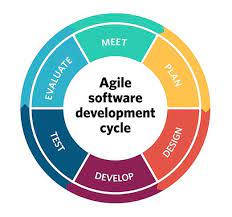

agile in software engineering

Exploring the Impact of Agile Methodology in Software Engineering

The Role of Agile Methodology in Software Engineering

The Role of Agile Methodology in Software Engineering

Agile methodology has revolutionized the way software development projects are managed and executed. It is a collaborative approach that emphasizes flexibility, adaptability, and customer satisfaction. In today’s fast-paced digital world, agile has become a cornerstone of successful software engineering practices.

Key Principles of Agile

Agile is based on four core values outlined in the Agile Manifesto:

  • Individuals and interactions over processes and tools: Agile values human communication and collaboration over rigid procedures.
  • Working software over comprehensive documentation: The primary measure of progress in agile is working software that meets customer needs.
  • Customer collaboration over contract negotiation: Agile encourages active involvement of customers throughout the development process to ensure their requirements are met.
  • Responding to change over following a plan: Agile recognizes the inevitability of change and promotes flexibility in adapting to evolving project requirements.

Benefits of Agile in Software Engineering

The adoption of agile methodology offers several advantages to software engineering teams:

  • Rapid Iterations: Agile allows for iterative development cycles, enabling quick feedback and continuous improvement.
  • Enhanced Collaboration: Cross-functional teams work closely together, fostering better communication and collaboration.
  • Faster Time-to-Market: By delivering working software incrementally, agile accelerates the time-to-market for products.
  • Better Adaptability: Agile’s flexibility enables teams to respond swiftly to changing requirements or market conditions.
  • Increased Customer Satisfaction: Customer involvement throughout the development process ensures that their needs are met, leading to higher satisfaction rates.

Challenges of Implementing Agile

While agile brings numerous benefits, its implementation can pose challenges for some organizations. Common obstacles include resistance to change, lack of experience with agile practices, difficulty in estimating project timelines accurately, and ensuring consistent team collaboration.

In Conclusion

In conclusion, agile methodology has transformed the landscape of software engineering by promoting iterative development, collaboration, adaptability, and customer-centricity. By embracing agile principles and practices, software development teams can enhance their efficiency, productivity, and ultimately deliver greater value to their customers.


Top 5 Advantages of Agile in Software Engineering: Speed, Collaboration, Adaptability, and Customer Satisfaction

  1. Rapid iterations allow for quick feedback and continuous improvement.
  2. Enhanced collaboration among cross-functional teams leads to better communication and teamwork.
  3. Faster time-to-market by delivering working software incrementally.
  4. Better adaptability to changing requirements or market conditions.
  5. Increased customer satisfaction through active customer involvement in the development process.


Challenges of Agile in Software Engineering: Pressure, Estimation, Documentation, and Scaling

  1. Increased pressure on team members due to short development cycles
  2. Difficulty in accurately estimating project timelines and scope
  3. Potential for lack of documentation and comprehensive planning
  4. Challenges in scaling agile practices across large or geographically dispersed teams

Rapid iterations allow for quick feedback and continuous improvement.

One of the key advantages of agile methodology in software engineering is its ability to facilitate rapid iterations, enabling teams to receive quick feedback and make continuous improvements throughout the development process. By breaking down projects into smaller, manageable increments and regularly soliciting input from stakeholders, agile teams can swiftly address issues, refine features, and adapt to changing requirements. This iterative approach not only accelerates the delivery of high-quality software but also fosters a culture of continuous learning and enhancement within the team.

Enhanced collaboration among cross-functional teams leads to better communication and teamwork.

Enhanced collaboration among cross-functional teams in agile software engineering is a significant advantage that fosters better communication and teamwork. By bringing together individuals with diverse skills and expertise, agile encourages team members to work closely, share knowledge, and collaborate effectively. This collaborative environment not only improves the exchange of ideas and information but also enhances problem-solving capabilities and promotes a sense of shared responsibility. As a result, cross-functional teams in agile are better equipped to address challenges, make informed decisions, and deliver high-quality software solutions efficiently.

Faster time-to-market by delivering working software incrementally.

One significant advantage of adopting agile methodology in software engineering is the ability to achieve a faster time-to-market by delivering working software incrementally. Instead of waiting until the entire project is completed, agile allows for iterative development cycles where functional pieces of software are delivered and tested continuously. This approach not only accelerates the release of usable products but also enables teams to gather feedback early on, make necessary adjustments promptly, and respond effectively to changing market demands. Ultimately, delivering working software incrementally through agile practices enhances the efficiency and speed of product development, giving organizations a competitive edge in bringing their solutions to market quickly and efficiently.

Better adaptability to changing requirements or market conditions.

One of the key advantages of agile methodology in software engineering is its ability to offer better adaptability to changing requirements or market conditions. Agile practices enable development teams to respond swiftly and effectively to evolving project needs, customer feedback, or shifts in the market landscape. By embracing a flexible and iterative approach, agile empowers teams to make necessary adjustments throughout the development process, ensuring that the final product meets current demands and remains competitive in a dynamic environment. This adaptability not only enhances the overall quality of the software but also increases customer satisfaction by delivering solutions that are aligned with the latest market trends and requirements.

Increased customer satisfaction through active customer involvement in the development process.

One of the significant benefits of agile methodology in software engineering is the increased customer satisfaction achieved through active customer involvement in the development process. By engaging customers throughout the project lifecycle, software teams can gain valuable insights into customer needs and preferences, leading to the creation of products that better align with user expectations. This collaborative approach not only fosters a sense of ownership and transparency but also ensures that the final deliverables meet or exceed customer requirements, ultimately enhancing overall satisfaction and loyalty.

Increased pressure on team members due to short development cycles

One significant drawback of agile methodology in software engineering is the increased pressure on team members caused by short development cycles. The rapid iterations and frequent delivery requirements of agile projects can lead to tight deadlines and intense workloads for developers. This heightened pressure may result in burnout, reduced quality of work, and diminished team morale. Managing the balance between delivering quickly and maintaining the well-being of team members becomes a critical challenge in agile environments.

Difficulty in accurately estimating project timelines and scope

One significant challenge of agile methodology in software engineering is the difficulty in accurately estimating project timelines and scope. Due to the iterative and adaptive nature of agile development, predicting the exact time and resources required for each phase of the project can be complex. This uncertainty can lead to challenges in setting realistic expectations for stakeholders and may result in delays or scope creep if not managed effectively. Teams must continuously reassess and adjust their plans based on ongoing feedback and changes, making precise timeline estimations a continual challenge in agile projects.

Potential for lack of documentation and comprehensive planning

One significant drawback of agile methodology in software engineering is the potential for a lack of documentation and comprehensive planning. Due to the iterative and adaptive nature of agile, there may be a tendency to prioritize working software over extensive documentation and detailed planning. This can lead to challenges in maintaining thorough records of project requirements, design decisions, and implementation details, which may hinder future maintenance, scalability, or knowledge transfer within the team. Additionally, the emphasis on responding to change over following a rigid plan can sometimes result in insufficient long-term strategic planning, potentially impacting the overall project coherence and alignment with organizational goals. Balancing agility with the need for adequate documentation and planning is crucial to mitigate this con effectively.

Challenges in scaling agile practices across large or geographically dispersed teams

Scaling agile practices across large or geographically dispersed teams presents a significant challenge in software engineering. Maintaining effective communication, coordination, and alignment of goals becomes more complex as the team size or physical distance increases. Ensuring consistent implementation of agile principles and practices across diverse locations can be daunting, leading to potential discrepancies in understanding and execution. Additionally, managing dependencies and integrating work from multiple locations poses a considerable hurdle in maintaining the agility and efficiency that agile methodology aims to achieve. Addressing these challenges requires careful planning, robust communication channels, and a strong focus on collaboration to overcome the barriers that arise when scaling agile practices in large or distributed teams.

agile development in software engineering

Unlocking Success: The Power of Agile Development in Software Engineering

Agile Development in Software Engineering

The Evolution of Agile Development in Software Engineering

Agile development has revolutionized the software engineering industry by emphasizing flexibility, collaboration, and rapid iterations. Unlike traditional waterfall methodologies, agile approaches prioritize adaptability and customer feedback throughout the development process.

Key Principles of Agile Development:

  • Iterative Approach: Agile development breaks down projects into smaller iterations or sprints, allowing for continuous improvement and adjustment based on feedback.
  • Collaborative Environment: Cross-functional teams work together closely to deliver high-quality software efficiently.
  • Customer Involvement: Customers are involved throughout the development process, providing feedback that helps shape the final product.
  • Adaptability: Agile teams are adaptable and responsive to change, adjusting priorities and requirements as needed.
  • Rapid Delivery: By focusing on delivering working software in short cycles, agile development accelerates time-to-market and enables quick responses to market demands.

The Benefits of Agile Development:

Implementing agile methodologies in software engineering offers numerous advantages, including:

  • Improved Product Quality: Continuous testing and feedback lead to higher-quality software that better meets customer needs.
  • Enhanced Customer Satisfaction: Regular interactions with customers ensure that their requirements are understood and incorporated into the product.
  • Faster Time-to-Market: Agile development allows for quicker delivery of features and functionalities, giving companies a competitive edge.
  • Better Risk Management: The iterative nature of agile development helps identify and address risks early in the process.
  • Innovation and Creativity: Agile teams have the flexibility to experiment with new ideas and solutions, fostering innovation within the organization.

The Future of Agile Development:

As technology continues to evolve rapidly, agile development will remain a cornerstone of successful software engineering practices. Organizations that embrace agility can adapt quickly to changing market conditions, deliver value to customers faster, and stay ahead of the competition in today’s dynamic business landscape.


7 Essential Tips for Effective Agile Development in Software Engineering

  1. Encourage collaboration and communication among team members.
  2. Prioritize customer satisfaction by delivering working software frequently.
  3. Embrace changes in requirements, even late in development.
  4. Focus on delivering a minimum viable product (MVP) to gather feedback early.
  5. Empower the team to self-organize and make decisions collectively.
  6. Regularly reflect on how to become more effective as a team and adjust accordingly.
  7. Use tools and processes that promote transparency and visibility of project progress.

Encourage collaboration and communication among team members.

Encouraging collaboration and communication among team members is a fundamental tip in agile development within software engineering. By fostering open dialogue and teamwork, team members can share ideas, feedback, and insights more effectively. This collaborative environment not only enhances the quality of the software being developed but also promotes a sense of ownership and accountability among team members. Clear communication channels ensure that everyone is aligned on project goals, priorities, and progress, leading to smoother workflows and increased productivity in achieving project milestones.

Prioritize customer satisfaction by delivering working software frequently.

In agile development, prioritizing customer satisfaction by delivering working software frequently is a key principle that drives success. By focusing on providing tangible results to customers in short, iterative cycles, teams can gather valuable feedback early on and make necessary adjustments to meet customer needs effectively. This approach not only ensures that the final product aligns with customer expectations but also fosters a collaborative relationship between development teams and clients, leading to improved communication and ultimately higher levels of customer satisfaction.

Embrace changes in requirements, even late in development.

In agile development within software engineering, it is crucial to embrace changes in requirements, even late in the development process. By remaining flexible and open to modifications throughout the project, teams can respond effectively to evolving customer needs and market demands. Embracing changes late in development allows for continuous improvement and ensures that the final product meets the most up-to-date requirements, ultimately leading to greater customer satisfaction and a more successful software solution.

Focus on delivering a minimum viable product (MVP) to gather feedback early.

In agile development within software engineering, a key tip is to prioritize delivering a minimum viable product (MVP) to gather feedback early in the development process. By focusing on creating a basic version of the product with essential features, teams can quickly release it to users for feedback. This approach allows for early validation of concepts, identification of potential improvements, and alignment with customer needs. Gathering feedback on the MVP enables teams to iterate efficiently, refine the product based on real user input, and ultimately deliver a final product that better meets customer expectations.

Empower the team to self-organize and make decisions collectively.

In agile development within software engineering, empowering the team to self-organize and make decisions collectively is a crucial tip for success. By fostering a collaborative environment where team members have the autonomy to organize their work and make decisions together, organizations can unlock the full potential of their workforce. This approach not only promotes creativity and innovation but also enhances team morale and ownership of the project, leading to more efficient problem-solving and higher-quality outcomes. Encouraging self-organization and collective decision-making empowers individuals to take ownership of their work and fosters a culture of collaboration that drives continuous improvement in the development process.

Regularly reflect on how to become more effective as a team and adjust accordingly.

Regularly reflecting on ways to enhance team effectiveness is a fundamental tip in agile development for software engineering. By engaging in continuous self-assessment and adjustment, teams can identify areas for improvement, capitalize on strengths, and adapt their processes to work more efficiently together. This practice fosters a culture of learning and growth within the team, ultimately leading to increased productivity, better collaboration, and the delivery of higher-quality software solutions.

Use tools and processes that promote transparency and visibility of project progress.

To enhance the efficiency and effectiveness of agile development in software engineering, it is crucial to utilize tools and processes that foster transparency and visibility of project progress. By implementing tools such as project management software, version control systems, and collaborative platforms, team members can easily track tasks, share updates, and monitor the status of the project in real-time. This transparency not only promotes better communication and collaboration within the team but also enables stakeholders to have a clear understanding of the project’s trajectory, leading to informed decision-making and successful project outcomes.

software development and consulting

Empowering Businesses Through Expert Software Development and Consulting Services

Software Development and Consulting: A Comprehensive Guide

Software Development and Consulting: A Comprehensive Guide

In today’s digital age, software development and consulting play a crucial role in helping businesses navigate the complex world of technology. Whether you are looking to build a custom software solution or need expert advice on optimizing your IT infrastructure, software development and consulting services can provide you with the necessary expertise and support.

The Importance of Software Development

Software development is the process of designing, coding, testing, and maintaining software applications. It is essential for businesses looking to automate processes, enhance productivity, and stay ahead of the competition. Custom software solutions can be tailored to meet specific business needs, providing a competitive edge in today’s fast-paced market.

The Role of Consulting in Software Development

Consulting services complement software development by offering expert guidance on technology strategy, project management, and implementation best practices. Consultants work closely with clients to understand their goals and challenges, providing recommendations for optimizing existing systems or developing new solutions.

Benefits of Software Development and Consulting Services

  • Custom Solutions: Software development allows businesses to create tailored solutions that address their unique requirements.
  • Expert Guidance: Consulting services provide access to industry experts who can offer valuable insights and recommendations.
  • Increased Efficiency: Well-designed software solutions can streamline processes and improve overall efficiency within an organization.
  • Scalability: Custom software solutions can be easily scaled to accommodate business growth and changing needs.
  • Competitive Advantage: By leveraging cutting-edge technologies, businesses can gain a competitive edge in their industry.

Conclusion

In conclusion, software development and consulting services are essential for businesses looking to thrive in the digital landscape. By investing in custom software solutions and expert guidance, organizations can optimize their operations, drive innovation, and achieve long-term success. Whether you are a startup or an established enterprise, partnering with experienced professionals in software development and consulting can help you unlock your full potential in today’s technology-driven world.


Comparing Careers: Software Developer vs. Consultant – Roles, Transitions, and Salaries

  1. Which is better software developer or consultant?
  2. What does a software development consultant do?
  3. Can a software engineer get into consulting?
  4. What is the salary of consultant vs developer?

Which is better software developer or consultant?

When considering whether to pursue a career as a software developer or a consultant in the field of software development, it ultimately depends on individual preferences and career goals. As a software developer, one focuses on designing and building software applications, diving deep into coding and technical aspects. On the other hand, a consultant in software development provides strategic guidance, project management expertise, and solutions to clients’ technology challenges. Both roles have their unique advantages and require different skill sets. Software developers enjoy the creativity of coding and building tangible products, while consultants thrive on problem-solving, client interaction, and strategic planning. Ultimately, the choice between being a software developer or consultant boils down to personal interests, strengths, and career aspirations.

What does a software development consultant do?

A software development consultant plays a pivotal role in providing expert guidance and support to businesses seeking to enhance their software solutions. These professionals are adept at analyzing existing systems, identifying inefficiencies, and recommending tailored strategies to improve overall performance. From advising on technology stack selection and project planning to offering insights on best practices and industry trends, a software development consultant serves as a valuable partner in helping organizations achieve their software development goals efficiently and effectively. Their expertise lies in bridging the gap between business requirements and technical solutions, ensuring that each project is aligned with the client’s objectives and delivers optimal results.

Can a software engineer get into consulting?

Many software engineers often wonder if they can transition into consulting roles within the tech industry. The answer is yes! Software engineers possess valuable technical skills and problem-solving abilities that are highly sought after in consulting. By leveraging their expertise in software development, engineers can offer strategic guidance, project management support, and technical insights to clients seeking to optimize their IT infrastructure. Transitioning from a software engineering role to a consulting position can open up new opportunities for professional growth and allow individuals to apply their technical knowledge in a broader business context.

What is the salary of consultant vs developer?

When comparing the salaries of consultants versus developers in the field of software development and consulting, it is important to consider several factors. Consultants, who often possess specialized knowledge and expertise in various technologies and industries, tend to command higher salaries due to their strategic advisory role and ability to provide valuable insights to clients. On the other hand, developers, who focus on designing and coding software solutions, may have more standardized salary ranges based on their level of experience and technical skills. Ultimately, the salary difference between a consultant and a developer can vary depending on factors such as location, company size, project complexity, and individual qualifications.

software development consulting

Maximizing Success Through Expert Software Development Consulting

Software Development Consulting

The Importance of Software Development Consulting

Software development consulting plays a crucial role in helping businesses navigate the complex world of technology. Whether you are a startup looking to build a new application or an established company seeking to modernize your existing software systems, consulting services can provide invaluable expertise and guidance.

Benefits of Software Development Consulting

**Expertise**: Software development consultants are experts in their field with extensive knowledge of programming languages, development methodologies, and industry best practices. They can offer insights and recommendations that help you make informed decisions about your software projects.

**Efficiency**: By leveraging the experience of software development consultants, you can streamline your development process and avoid common pitfalls that may lead to delays or cost overruns. Consultants can help you set realistic goals, establish timelines, and optimize workflows for maximum efficiency.

**Innovation**: Consultants bring fresh perspectives and innovative ideas to the table. They can introduce you to new technologies, tools, and approaches that may enhance the functionality and performance of your software solutions.

How Software Development Consulting Works

When you engage a software development consultant, the process typically involves:

  • Initial assessment: Consultants will assess your current software infrastructure, understand your business goals, and identify areas for improvement.
  • Planning: Together with your team, consultants will create a customized development plan that outlines project scope, deliverables, timelines, and resources required.
  • Implementation: Consultants will work closely with your developers to execute the plan, provide guidance on coding standards, architecture design, testing procedures, and more.
  • Evaluation: After implementation, consultants will evaluate the success of the project based on predefined metrics and make recommendations for further enhancements or optimizations.

Choosing the Right Software Development Consultant

When selecting a software development consultant for your project, consider the following factors:

  • Experience: Look for consultants with a proven track record of successful projects in your industry.
  • Communication: Ensure that consultants have excellent communication skills and can effectively collaborate with your internal teams.
  • Cultural fit: Choose consultants who align with your company culture and values to foster a productive working relationship.

In Conclusion

Software development consulting is an investment in the future success of your business. By partnering with experienced consultants, you can unlock new opportunities for growth, innovation, and efficiency in your software projects. Take advantage of their expertise to stay ahead in today’s competitive digital landscape.


6 Essential Tips for Successful Software Development Consulting

  1. Understand the client’s needs and requirements clearly.
  2. Communicate effectively with the client throughout the project.
  3. Provide regular updates on the progress of the development.
  4. Ensure that the software meets quality standards and is well-tested.
  5. Offer training and support to the client for using the software.
  6. Maintain a good relationship with the client for future collaborations.

Understand the client’s needs and requirements clearly.

Understanding the client’s needs and requirements clearly is a fundamental tip in software development consulting. By taking the time to thoroughly grasp what the client wants to achieve with their software project, consultants can tailor their solutions to meet those specific goals. Clear communication and active listening are key in this process, ensuring that all parties are on the same page and working towards a common objective. This approach not only helps in delivering a successful software solution but also fosters trust and collaboration between the consultant and the client.

Communicate effectively with the client throughout the project.

Effective communication with the client throughout a software development consulting project is essential for success. By maintaining open and transparent communication channels, consultants can ensure that the client’s requirements are clearly understood, expectations are managed, and any issues or changes are addressed promptly. Regular updates, progress reports, and feedback sessions help build trust and collaboration between the consulting team and the client, leading to a smoother project delivery and ultimately a more satisfied client.

Provide regular updates on the progress of the development.

It is essential to provide regular updates on the progress of software development projects during consulting engagements. Keeping stakeholders informed about the status of the development helps maintain transparency, manage expectations, and identify any potential issues early on. Regular updates also foster collaboration and ensure that all parties involved are aligned with the project goals and timelines. By communicating consistently throughout the development process, software development consultants can build trust with their clients and demonstrate their commitment to delivering successful outcomes.

Ensure that the software meets quality standards and is well-tested.

To ensure the success of your software development consulting project, it is crucial to prioritize quality standards and thorough testing. By ensuring that the software meets established quality benchmarks and undergoes rigorous testing processes, you can identify and address potential issues early on, leading to a more reliable and efficient final product. Quality assurance measures not only enhance the user experience but also instill confidence in the software’s performance and functionality, ultimately contributing to the overall success of the project.

Offer training and support to the client for using the software.

One essential tip in software development consulting is to provide training and ongoing support to the client for effectively using the software. By offering comprehensive training sessions and accessible support resources, clients can better understand the functionalities of the software, maximize its potential, and address any issues that may arise. This proactive approach not only enhances user experience but also builds trust and long-term relationships with clients, ensuring their continued satisfaction with the software solution.

Maintain a good relationship with the client for future collaborations.

Maintaining a good relationship with the client is a crucial tip in software development consulting as it paves the way for future collaborations and long-term success. By fostering open communication, understanding the client’s needs, and delivering high-quality solutions, consultants can build trust and credibility. A strong client relationship not only enhances the current project but also opens doors for potential future engagements, referrals, and partnerships. Investing in building a positive rapport with clients can lead to mutually beneficial outcomes and sustained business growth in the dynamic field of software development consulting.

software development companies near me

Exploring Local Software Development Companies Near Me: Finding the Right Partner for Your Project

Software Development Companies Near Me

Software Development Companies Near Me

Living in the digital age, the demand for software development services continues to rise. If you’re looking for software development companies near you, you’re in luck. Having access to local companies can offer many advantages, such as better communication, understanding of local market needs, and easier collaboration.

Benefits of Choosing Local Software Development Companies:

  • Personalized Service: Local companies can provide a more personalized service tailored to your specific needs.
  • Face-to-Face Meetings: Being in close proximity allows for face-to-face meetings, fostering better communication and understanding.
  • Cultural Understanding: Local companies have a better grasp of the local culture and market trends, which can be beneficial for your project.
  • Social Responsibility: Supporting local businesses contributes to the growth of your community and economy.

Finding the Right Software Development Company Near You:

When searching for software development companies near you, consider the following factors:

  1. Experience and Expertise: Look for companies with a proven track record and expertise in the type of software development you require.
  2. Client Reviews and Testimonials: Check online reviews and testimonials to gauge the company’s reputation and client satisfaction levels.
  3. Portfolio: Review their portfolio to see examples of their previous work and determine if they align with your vision.
  4. Pricing and Services: Compare pricing structures and services offered by different companies to find one that fits your budget and requirements.

Your Local Software Development Partner Awaits!

Whether you’re a startup looking to build a custom application or an established business seeking software solutions, choosing a local software development company can be advantageous. Take the time to research and connect with reputable companies near you to kickstart your next project successfully.

Contacting local software development companies opens up opportunities for collaboration, innovation, and growth. Embrace the benefits of working with experts who understand your local market dynamics while delivering top-notch software solutions tailored to your needs.


5 Essential Tips for Choosing the Right Local Software Development Company

  1. Research and compare different software development companies in your area to find the best fit for your project.
  2. Read reviews and testimonials from past clients to gauge the quality of work and customer satisfaction.
  3. Check the company’s portfolio to see examples of their previous projects and ensure they have experience in your industry or niche.
  4. Inquire about the team’s expertise, qualifications, and communication process to ensure a smooth collaboration.
  5. Discuss pricing, timelines, and project scope in detail before making a decision to avoid any misunderstandings later on.

Research and compare different software development companies in your area to find the best fit for your project.

Researching and comparing different software development companies in your area is crucial to finding the best fit for your project. By conducting thorough research, you can assess each company’s experience, expertise, pricing, and services offered. This process allows you to make an informed decision based on your project requirements and budget constraints. Comparing multiple options ensures that you select a software development company that aligns with your goals and can deliver the results you desire.

Read reviews and testimonials from past clients to gauge the quality of work and customer satisfaction.

When considering software development companies near you, it is essential to read reviews and testimonials from past clients. By doing so, you can gain valuable insights into the quality of work and customer satisfaction that the company provides. Reviews and testimonials offer firsthand accounts of the experiences of others who have worked with the company, helping you make an informed decision about which company aligns best with your needs and expectations.

Check the company’s portfolio to see examples of their previous projects and ensure they have experience in your industry or niche.

When searching for software development companies near you, it is essential to check the company’s portfolio to view examples of their previous projects. By reviewing their portfolio, you can assess their expertise and capabilities in software development. It is crucial to ensure that the company has experience in your industry or niche to guarantee they understand your specific requirements and can deliver tailored solutions that align with your business goals. Conducting a thorough evaluation of their past work will give you insight into their skills and help you make an informed decision when selecting a software development partner.

Inquire about the team’s expertise, qualifications, and communication process to ensure a smooth collaboration.

When considering software development companies near you, it is crucial to inquire about the team’s expertise, qualifications, and communication process. Understanding the skill set and experience of the team members can give you confidence in their ability to deliver high-quality results. Additionally, clarifying the communication process ensures that there are clear channels for feedback, updates, and addressing any concerns promptly. By prioritizing these aspects, you can establish a strong foundation for a smooth and productive collaboration with the software development company.

Discuss pricing, timelines, and project scope in detail before making a decision to avoid any misunderstandings later on.

When considering software development companies near you, it is crucial to have detailed discussions about pricing, timelines, and project scope before finalizing your decision. Clear communication and understanding of these aspects can help prevent misunderstandings and ensure that both parties are on the same page regarding expectations and deliverables. By thoroughly discussing these key factors upfront, you can establish a solid foundation for a successful collaboration and project completion within the agreed-upon parameters.

professional software development

Mastering the Art of Professional Software Development: Best Practices and Strategies

Professional Software Development

The Importance of Professional Software Development

In today’s digital age, software development plays a crucial role in shaping the technological landscape. Professional software development involves the process of creating high-quality, reliable, and efficient software solutions to meet the needs of businesses and individuals.

Key Aspects of Professional Software Development

Professional software development encompasses various key aspects that contribute to the success of a software project:

  • Planning: Thorough planning is essential to define project requirements, scope, timelines, and resources.
  • Design: A well-thought-out design ensures that the software architecture is robust, scalable, and maintainable.
  • Development: Skilled developers write clean, efficient code following best practices and coding standards.
  • Testing: Rigorous testing is conducted to identify and fix bugs, ensuring the software functions as intended.
  • Deployment: Proper deployment processes are crucial to ensure a smooth transition from development to production environments.
  • Maintenance: Ongoing maintenance and support are essential to keep the software up-to-date and address any issues that may arise.

The Benefits of Professional Software Development

Engaging professional software developers offers numerous benefits, including:

  • High-Quality Solutions: Professional developers deliver high-quality software that meets industry standards and best practices.
  • Efficiency: Well-designed software solutions optimize processes, improve productivity, and streamline operations.
  • Scalability: Scalable software can adapt to changing business needs and accommodate growth without major rework.
  • Sustainability: Sustainable development practices ensure that software remains relevant and functional over time.
  • Innovation: Professional developers bring expertise and creativity to drive innovation in software solutions.

In Conclusion

Professional software development is essential for organizations looking to leverage technology effectively. By investing in professional expertise, businesses can achieve reliable, efficient, and innovative software solutions that drive success in today’s competitive market.


Top 5 Benefits of Professional Software Development Services

  1. High-quality solutions tailored to specific needs
  2. Efficient and optimized software development processes
  3. Access to skilled and experienced developers
  4. Reliable maintenance and support services
  5. Innovative solutions driving business growth


Top 5 Drawbacks of Professional Software Development

  1. Costly
  2. Time-Consuming
  3. Complexity
  4. Dependency
  5. Risk of Failure

High-quality solutions tailored to specific needs

Professional software development excels in delivering high-quality solutions tailored to specific needs. By understanding the unique requirements of each project, professional developers can create customized software that addresses specific challenges and maximizes efficiency. This tailored approach ensures that the final product aligns perfectly with the client’s objectives, resulting in a solution that not only meets expectations but also exceeds them in terms of functionality, reliability, and user satisfaction.

Efficient and optimized software development processes

Efficient and optimized software development processes are a key advantage of professional software development. By streamlining workflows, eliminating redundant tasks, and leveraging automation tools, professional developers can significantly reduce development time and costs while maintaining high quality. This efficiency not only accelerates project delivery but also ensures that the final software product meets performance requirements and user expectations. Overall, efficient and optimized software development processes enable businesses to maximize productivity, improve time-to-market, and stay competitive in the ever-evolving tech landscape.

Access to skilled and experienced developers

Access to skilled and experienced developers is a significant advantage of professional software development. Skilled developers bring expertise, creativity, and a deep understanding of industry best practices to the table. Their experience allows them to tackle complex challenges efficiently, write high-quality code, and design robust software solutions that meet the specific needs of clients. By working with seasoned professionals, businesses can benefit from innovative ideas, streamlined development processes, and ultimately, superior software products that drive success in the competitive tech landscape.

Reliable maintenance and support services

Reliable maintenance and support services are a key benefit of professional software development. With dedicated professionals overseeing the ongoing maintenance of software solutions, businesses can ensure that their systems remain up-to-date, secure, and optimized for performance. Timely support services also provide assistance in addressing any issues or concerns that may arise, helping to minimize downtime and maintain seamless operations. By entrusting software maintenance and support to experienced professionals, organizations can focus on their core activities with the confidence that their software infrastructure is in capable hands.

Innovative solutions driving business growth

Professional software development excels in delivering innovative solutions that drive business growth by leveraging cutting-edge technologies and creative approaches. By engaging professional developers, businesses can access unique and forward-thinking software solutions that not only meet current needs but also anticipate future trends and challenges. These innovative solutions empower companies to stay ahead of the competition, enhance operational efficiency, and seize new opportunities for expansion and success in a rapidly evolving digital landscape.

Costly

Professional software development can be a costly endeavor, posing a significant challenge for small businesses or startups operating on limited budgets. The expenses associated with hiring professional developers, acquiring specialized tools and technologies, and ensuring quality assurance throughout the development process can strain financial resources. This financial barrier may hinder smaller entities from accessing top-tier software solutions, potentially limiting their competitiveness in the market and impeding their ability to innovate and grow efficiently.

Time-Consuming

One significant drawback of professional software development is its time-consuming nature. The comprehensive process involved in planning, developing, testing, and deploying a solution can lead to extended timelines for project completion. This prolonged duration may not align with tight deadlines or urgent business needs, causing delays in implementing new software solutions or updates. Additionally, the intricate nature of professional software development requires thorough attention to detail and quality assurance, further contributing to the time investment needed for successful project delivery.

Complexity

The complexity of professional software development poses a significant challenge due to the diverse expertise required in handling multiple technologies and methodologies. Developing high-quality software demands a deep understanding of complex systems, programming languages, and best practices, making it difficult to manage all aspects seamlessly. Navigating through the intricate web of technologies and methodologies can be daunting for developers, leading to potential delays and complications in the software development process.

Dependency

One significant con of professional software development is the dependency it creates on external developers for ongoing maintenance and support of the software. Organizations may find themselves reliant on external expertise to address any issues, implement updates, or make enhancements to the software. This dependency can lead to added costs and delays if immediate assistance is needed, as well as potential challenges in aligning the external developers’ priorities with the organization’s evolving needs and timelines.

Risk of Failure

One significant con of professional software development is the inherent risk of failure. Despite meticulous planning and execution, there is always a possibility that a software project may fall short of meeting expectations or encounter unforeseen challenges. Factors such as changing requirements, technical complexities, or external dependencies can contribute to project setbacks, leading to delays, budget overruns, or even project failure. Managing and mitigating these risks requires proactive risk assessment, effective communication among team members, and agile adaptation to changing circumstances throughout the development process.

software development engineer

Mastering the Role of a Software Development Engineer: Key Skills and Responsibilities

Article: Software Development Engineer

The Role of a Software Development Engineer

A software development engineer is a professional responsible for designing, developing, and testing software applications. This role requires a strong background in computer science, programming languages, and software engineering principles.

Key Responsibilities:

  • Collaborating with product managers and other team members to understand project requirements.
  • Writing clean, efficient, and maintainable code.
  • Testing and debugging software to ensure functionality and performance.
  • Implementing best practices in software development methodologies.
  • Participating in code reviews and providing constructive feedback to peers.
  • Adapting to new technologies and tools to improve the development process.

Skills Required:

To excel as a software development engineer, individuals need to possess the following skills:

  • Proficiency in programming languages such as Java, C++, Python, or JavaScript.
  • Strong problem-solving abilities and analytical thinking.
  • Knowledge of data structures, algorithms, and object-oriented design principles.
  • Experience with version control systems like Git.
  • Familiarity with software development tools and frameworks.
  • Excellent communication skills for effective collaboration within a team environment.

    ul>

    Career Outlook:

    The demand for software development engineers continues to grow as technology becomes increasingly integrated into various industries. Companies across sectors rely on these professionals to create innovative solutions that drive business success. With the right skills and experience, software development engineers can pursue rewarding careers in software companies, tech startups, financial institutions, healthcare organizations, and more.

    Conclusion:

    In conclusion, a career as a software development engineer offers exciting opportunities for individuals passionate about technology and innovation. By mastering key programming languages, honing problem-solving skills, and staying abreast of industry trends, aspiring engineers can make significant contributions to the world of software development.


    9 Essential Tips for Excelling as a Software Development Engineer

    1. Write clean and well-documented code
    2. Practice version control using tools like Git
    3. Learn and apply design patterns in your code
    4. Write unit tests to ensure code quality
    5. Stay updated with the latest technologies and trends in software development
    6. Collaborate effectively with team members through good communication
    7. Refactor code regularly to improve efficiency and maintainability
    8. Attend tech conferences and participate in coding challenges or hackathons
    9. Seek feedback from peers to continuously improve your coding skills

    Write clean and well-documented code

    Writing clean and well-documented code is a crucial practice for software development engineers. Clean code is easy to read, understand, and maintain, making it simpler for other team members to collaborate on projects and troubleshoot issues. By documenting the code effectively, engineers provide valuable insights into the purpose and functionality of each component, which can save time and effort in the long run. Emphasizing clean and well-documented code not only enhances the quality of the software but also promotes efficiency and scalability within the development process.

    Practice version control using tools like Git

    To excel as a software development engineer, it is crucial to practice version control using tools like Git. By implementing version control, engineers can effectively manage changes to their codebase, track revisions, collaborate with team members seamlessly, and revert to previous versions if needed. This practice not only enhances the efficiency of the development process but also ensures better code quality and project management. Embracing version control tools like Git is a fundamental skill that every software development engineer should master to thrive in the dynamic field of software development.

    Learn and apply design patterns in your code

    Learning and applying design patterns in your code is a crucial tip for software development engineers. Design patterns provide proven solutions to common design problems, helping developers create more maintainable, scalable, and efficient software systems. By understanding various design patterns such as Singleton, Factory, Observer, and others, engineers can enhance the structure of their code, promote code reusability, and improve overall software quality. Incorporating design patterns not only demonstrates a deeper understanding of software architecture but also streamlines the development process and fosters collaboration within a team environment.

    Write unit tests to ensure code quality

    To ensure code quality in software development, it is essential for software development engineers to write unit tests. Unit tests are small, focused tests that validate the functionality of individual components or units of code. By writing unit tests, engineers can identify and fix bugs early in the development process, maintain code consistency, and improve overall software reliability. Additionally, unit tests serve as documentation for the expected behavior of the code, making it easier for developers to understand and modify the codebase in the future. Embracing a test-driven development approach with thorough unit testing can greatly enhance the quality and maintainability of software projects.

    To excel as a software development engineer, it is crucial to stay updated with the latest technologies and trends in software development. By continuously learning about new tools, programming languages, and best practices, engineers can enhance their skills, stay competitive in the industry, and contribute to cutting-edge projects. Keeping abreast of emerging trends also allows software development engineers to adapt quickly to changes and innovate effectively in their work.

    Collaborate effectively with team members through good communication

    Effective collaboration with team members through good communication is essential for software development engineers to succeed in their roles. Clear and open communication helps ensure that everyone is on the same page regarding project requirements, timelines, and tasks. By sharing ideas, providing updates, and actively listening to feedback from colleagues, software development engineers can work together harmoniously to solve problems, enhance productivity, and deliver high-quality software solutions. Strong communication skills enable team members to align their efforts towards a common goal, fostering a collaborative environment that promotes innovation and success in software development projects.
    Refactor code regularly to improve efficiency and maintainability

    To enhance efficiency and maintainability in software development, it is crucial for software engineers to regularly refactor their code. Refactoring involves restructuring existing code without changing its external behavior, aiming to improve readability, reduce complexity, and enhance overall quality. By refactoring code on a consistent basis, software development engineers can streamline the development process, make future modifications easier, and ensure that the codebase remains robust and adaptable to evolving requirements.

    Attend tech conferences and participate in coding challenges or hackathons

    Attending tech conferences and participating in coding challenges or hackathons can greatly benefit software development engineers. These events provide valuable opportunities to network with industry professionals, learn about the latest technological advancements, and showcase coding skills in a competitive environment. Engaging in such activities not only enhances technical knowledge but also fosters creativity, problem-solving abilities, and teamwork skills essential for success in the ever-evolving field of software development.

    Seek feedback from peers to continuously improve your coding skills

    Seeking feedback from peers is a valuable practice for software development engineers looking to enhance their coding skills. By inviting constructive criticism and insights from colleagues, developers can gain new perspectives, identify areas for improvement, and learn best practices in the field. This collaborative approach not only fosters a culture of continuous learning but also helps individuals refine their coding techniques and adapt to evolving industry standards.

it software development

Exploring the Dynamics of IT Software Development: A Comprehensive Overview

IT Software Development: An Overview

IT Software Development: An Overview

In today’s digital age, IT software development plays a crucial role in the success of businesses across various industries. From streamlining operations to enhancing customer experiences, effective software solutions can drive significant improvements and innovation.

What is IT Software Development?

IT software development is the process of designing, creating, testing, and maintaining software applications and systems. This involves a combination of programming languages, frameworks, tools, and methodologies to build solutions that meet specific business needs.

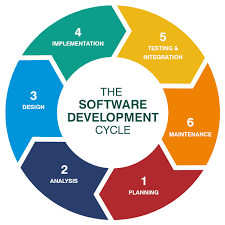
The Software Development Life Cycle (SDLC)

The Software Development Life Cycle (SDLC) is a structured approach used in IT software development to ensure the successful delivery of projects. The SDLC typically consists of the following phases:

  1. Planning: Identifying project goals, requirements, and resources.
  2. Analysis: Gathering detailed requirements and defining system specifications.
  3. Design: Creating architectural designs and user interfaces.
  4. Development: Writing code and building software components.
  5. Testing: Verifying that the software works as intended through various tests.
  6. Deployment: Releasing the software for use in production environments.
  7. Maintenance: Ongoing support and updates to ensure optimal performance.

Main Programming Languages Used in IT Software Development

A variety of programming languages are used in IT software development depending on the project’s requirements. Some of the most popular languages include:

  • C++: Known for its performance and efficiency, often used in system/software development.
  • C#: A versatile language developed by Microsoft for building Windows applications.
  • JavaScript:

  • :Python: Renowned for its simplicity readability widely used data science machine learning applications.
    >

    The Importance of Quality Assurance (QA)

    :Quality assurance critical ensuring reliability functionality security developed QA teams employ various testing methods identify fix bugs before deployment these methods include:
    >

    • :Unit Testing: Testing individual components or modules ensure they function correctly.
      >

    • :Integration Testing: Verifying that different modules work together as expected.
      >

    • :System Testing: Assessing overall system performance under real-world conditions.
      >

    • :User Acceptance Testing (UAT): Involving end-users validate system meets their needs.
      >

      The Future of IT Software Development

      The field continuously evolving with emerging technologies trends shaping future some key trends include:
      >

      • :Artificial Intelligence (AI) Machine Learning (ML): Integrating AI ML enhance automation decision-making capabilities.
        >

      • :Cloud Computing: Leveraging cloud platforms improve scalability flexibility cost-efficiency.
        >

      • :DevOps: Combining development operations streamline processes improve collaboration continuous delivery.
        >

      • :Cybersecurity: Implementing robust security measures protect against increasing cyber threats.
        <

        Back to topContact UsPrivacy Policy
        <


        Top 5 Essential Tips for Effective IT Software Development

        1. Write clean and well-documented code for easier maintenance.
        2. Use version control systems like Git to track changes and collaborate with others.
        3. Regularly test your code to catch bugs early in the development process.
        4. Follow best practices and coding standards to ensure consistency across the project.
        5. Stay updated with the latest technologies and trends in software development.

        Write clean and well-documented code for easier maintenance.

        To ensure smoother maintenance of IT software development projects, it is essential to write clean and well-documented code. Clear and organized code not only enhances readability but also simplifies the debugging and modification processes. By documenting code effectively, developers can easily understand the logic behind each function or module, making it easier to troubleshoot issues and make necessary updates in the future. This practice ultimately contributes to the overall efficiency and longevity of software systems.

        Use version control systems like Git to track changes and collaborate with others.

        Utilizing version control systems such as Git is essential in IT software development. By leveraging Git, developers can easily track changes made to the codebase, maintain a history of revisions, and collaborate effectively with team members. This ensures seamless coordination among developers, facilitates code review processes, and helps prevent conflicts when multiple individuals are working on the same project. Version control systems like Git streamline the development workflow and enhance overall productivity in software development projects.

        Regularly test your code to catch bugs early in the development process.

        Regularly testing your code is a crucial practice in IT software development to identify and address bugs early in the development process. By conducting thorough and systematic tests, developers can detect issues before they escalate, ensuring a smoother and more efficient development cycle. This proactive approach not only enhances the overall quality of the software but also saves time and resources by preventing costly errors from reaching production stages.

        Follow best practices and coding standards to ensure consistency across the project.

        Following best practices and coding standards in IT software development is crucial to maintain consistency and quality throughout the project. By adhering to established guidelines, developers can ensure that the code is structured, readable, and maintainable. Consistency in coding practices not only improves collaboration among team members but also reduces errors and enhances the overall efficiency of the development process. Embracing best practices helps create a solid foundation for the project, leading to better scalability and easier maintenance in the long run.

        Staying updated with the latest technologies and trends in software development is essential for professionals in the IT industry. By keeping abreast of new advancements, tools, and methodologies, developers can enhance their skills, stay competitive in the market, and deliver cutting-edge solutions to meet evolving business needs. Continuous learning and adaptation to industry changes not only improve efficiency and productivity but also pave the way for innovation and success in IT software development projects.

  • computer software development

    Exploring the Evolution of Computer Software Development

    Computer Software Development

    The World of Computer Software Development

    Computer software development is a dynamic and ever-evolving field that plays a crucial role in shaping the digital landscape of today’s world. It involves the creation, design, testing, and maintenance of software applications that run on various devices, from computers to smartphones and beyond.

    The Process of Software Development

    Software development typically follows a structured process that includes several key stages:

    1. Planning: This stage involves defining the project scope, requirements, and objectives.
    2. Design: Developers create a blueprint for the software based on the requirements gathered during the planning phase.
    3. Implementation: The actual coding of the software takes place during this phase, where developers bring the design to life.
    4. Testing: Rigorous testing is conducted to ensure that the software functions as intended and is free of bugs or errors.
    5. Deployment: The software is released to users after successful testing and approval.
    6. Maintenance: Ongoing updates, bug fixes, and improvements are made to ensure that the software remains functional and up-to-date.

    The Role of Developers

    Software developers are at the heart of the software development process. They possess expertise in programming languages such as Java, C++, Python, and more, allowing them to write code that powers applications across various platforms.

    In addition to technical skills, developers must also have problem-solving abilities, creativity, and attention to detail to create efficient and user-friendly software solutions.

    The Future of Software Development

    As technology continues to advance at a rapid pace, the field of computer software development shows no signs of slowing down. Emerging trends such as artificial intelligence, machine learning, cloud computing, and Internet of Things (IoT) are reshaping how software is created and utilized.

    In this fast-paced industry, staying current with new technologies and best practices is essential for developers to remain competitive and deliver cutting-edge solutions that meet the evolving needs of businesses and consumers alike.

    © 2023 Computer Software Development Insights. All rights reserved.


    8 Essential Tips for Effective Computer Software Development

    1. Write clean and readable code for better maintainability.
    2. Use version control systems like Git to track changes in your codebase.
    3. Document your code to make it easier for others to understand and use.
    4. Test your code thoroughly to catch bugs early in the development process.
    5. Follow coding standards and best practices to ensure consistency across the project.
    6. Regularly update dependencies and libraries to keep your software secure and up-to-date.
    7. Optimize performance by profiling and refactoring inefficient code sections.
    8. Collaborate with team members through effective communication and regular code reviews.

    Write clean and readable code for better maintainability.

    Writing clean and readable code is a fundamental tip in computer software development that significantly enhances the maintainability of a project. By adhering to coding best practices and conventions, developers can create code that is easy to understand, modify, and debug. Clean code reduces the likelihood of introducing errors during maintenance tasks and allows for smoother collaboration among team members. Prioritizing readability not only improves the efficiency of future development efforts but also contributes to overall code quality and long-term project success.

    Use version control systems like Git to track changes in your codebase.

    Utilizing version control systems like Git is crucial in computer software development to efficiently track changes in your codebase. By using Git, developers can easily manage different versions of their code, collaborate with team members seamlessly, and revert to previous versions if needed. This practice not only enhances code organization and collaboration but also ensures the integrity and stability of the software development process.

    Document your code to make it easier for others to understand and use.

    Documenting your code is a crucial tip in computer software development as it significantly enhances the readability and usability of the codebase for others. By providing clear and concise comments and explanations within the code, developers can effectively communicate the purpose, functionality, and logic behind each component. This practice not only facilitates collaboration among team members but also ensures that future developers can easily grasp the code structure, make necessary modifications, and troubleshoot issues efficiently. Ultimately, thorough documentation serves as a valuable resource that contributes to the overall quality and maintainability of software projects.

    Test your code thoroughly to catch bugs early in the development process.

    Testing your code thoroughly is a crucial tip in computer software development to catch bugs early in the development process. By conducting rigorous testing, developers can identify and address potential issues before they escalate, ensuring that the software functions as intended and delivers a seamless user experience. Early bug detection not only saves time and resources but also enhances the overall quality and reliability of the final product, ultimately leading to greater customer satisfaction.

    Follow coding standards and best practices to ensure consistency across the project.

    Following coding standards and best practices is essential in computer software development to maintain consistency and quality throughout the project. By adhering to established guidelines, developers can write code that is more readable, maintainable, and scalable. Consistent coding practices also facilitate collaboration among team members, improve code review processes, and ultimately lead to a more efficient development workflow. Embracing coding standards helps create a solid foundation for the project and promotes a higher level of professionalism in software development endeavors.

    Regularly update dependencies and libraries to keep your software secure and up-to-date.

    Ensuring the security and efficiency of your software is paramount in computer software development. One crucial tip is to regularly update dependencies and libraries to keep your software secure and up-to-date. By staying current with the latest versions of libraries and dependencies, developers can address vulnerabilities, improve performance, and leverage new features that enhance the overall functionality of the software. This proactive approach not only helps mitigate security risks but also ensures that your software remains competitive in an ever-evolving technological landscape.

    Optimize performance by profiling and refactoring inefficient code sections.

    To optimize performance in computer software development, it is essential to identify and improve inefficient code sections through profiling and refactoring. Profiling helps developers pinpoint areas of the code that are causing bottlenecks or consuming excessive resources, allowing them to prioritize optimization efforts effectively. Refactoring involves restructuring the code to make it more efficient, readable, and maintainable without changing its external behavior. By regularly profiling and refactoring inefficient code sections, developers can enhance the overall performance and scalability of their software applications.

    Collaborate with team members through effective communication and regular code reviews.

    Effective collaboration among team members is essential in computer software development. By fostering open communication channels and conducting regular code reviews, developers can ensure that everyone is on the same page and working towards a common goal. Code reviews not only help identify errors and optimize code quality but also provide valuable learning opportunities for team members. Through collaboration and constructive feedback, teams can enhance their productivity, creativity, and overall success in delivering high-quality software solutions.