cfchris.com

Loading

Archives 2026

ai painting

Exploring the World of AI Painting: A New Era of Artistry

The Rise of AI Painting: Blending Art and Technology

The Rise of AI Painting: Blending Art and Technology

In recent years, artificial intelligence (AI) has made significant strides in various fields, from healthcare to finance. One area where AI is making a particularly intriguing impact is in the world of art, specifically painting. AI painting is not just a novel concept; it’s a revolutionary approach that is redefining how art can be created, perceived, and appreciated.

What is AI Painting?

AI painting involves the use of artificial intelligence algorithms to create artworks. These algorithms are designed to analyze existing artworks and learn various styles, techniques, and color palettes. By doing so, they can generate new pieces that mimic or even innovate upon traditional artistic methods.

Some AI systems are trained on thousands of images from different art movements such as Impressionism or Cubism. Once trained, these systems can produce paintings that reflect the characteristics of these styles or blend multiple influences into something entirely new.

How Does It Work?

The core technology behind AI painting often involves neural networks, particularly Generative Adversarial Networks (GANs). GANs consist of two parts: a generator that creates images and a discriminator that evaluates them. The generator attempts to produce realistic images while the discriminator provides feedback on their quality. Through this iterative process, the system refines its output to create increasingly sophisticated artworks.

The Impact on the Art World

AI painting has sparked both excitement and debate within the art community. On one hand, it offers artists new tools for expression and experimentation. By collaborating with AI systems, artists can explore creative possibilities beyond human imagination.

On the other hand, there are concerns about authorship and originality. If an algorithm produces an artwork based on learned data from existing pieces, who truly owns the creation? This question challenges traditional notions of creativity and intellectual property in art.

Notable Examples

One famous example of AI-generated art is “Portrait of Edmond de Belamy,” created by Paris-based collective Obvious using GAN technology. The piece was auctioned at Christie’s for over $432,000 in 2018—a milestone that highlighted both public interest and market value for AI-generated works.

The Future of AI Painting

The future looks promising for AI painting as technology continues to advance rapidly. As algorithms become more sophisticated and accessible tools emerge for artists worldwide, we can expect even more groundbreaking developments at this intersection between art and technology.

Whether viewed as collaborators or competitors with human artists remains an open question; however one thing is certain: artificial intelligence will continue playing an influential role in shaping tomorrow’s artistic landscape—one brushstroke at a time.


Exploring AI Painting: Understanding Its Mechanics, Creativity, Ethics, and Impact on the Art World

  1. What is AI painting?
  2. How does AI painting work?
  3. Can AI create original artworks?
  4. What role do neural networks play in AI painting?
  5. Are there ethical concerns surrounding AI-generated art?
  6. What are some notable examples of AI-generated artworks?
  7. How is the art world responding to the rise of AI painting?

What is AI painting?

AI painting refers to the process of creating artworks using artificial intelligence technologies. This innovative approach involves algorithms, often powered by neural networks such as Generative Adversarial Networks (GANs), which are trained on vast datasets of existing images and art styles. By analyzing these datasets, AI systems learn to replicate and even innovate upon traditional artistic techniques. The result is a unique fusion of art and technology, where AI can generate paintings that mimic established styles or create entirely new ones. This development not only expands the possibilities for artistic expression but also challenges conventional notions of creativity and authorship in the art world.

How does AI painting work?

AI painting works by utilizing advanced algorithms and neural networks to create artworks. Typically, these systems employ Generative Adversarial Networks (GANs), which consist of two components: a generator and a discriminator. The generator is responsible for producing images, while the discriminator evaluates them for authenticity and quality. This process involves training the AI on vast datasets of existing artworks, allowing it to learn various styles, techniques, and color palettes. As the generator creates new images, the discriminator provides feedback, enabling the system to refine its output iteratively. Through this dynamic interaction, AI can produce paintings that mimic traditional art forms or even innovate with entirely new styles, pushing the boundaries of creativity and artistic expression.

Can AI create original artworks?

AI can indeed create original artworks, but the concept of “originality” in this context can be complex. AI systems, particularly those using neural networks like Generative Adversarial Networks (GANs), are capable of generating unique pieces that have never been seen before. These systems are trained on vast datasets of existing artworks, learning various styles and techniques. While the AI draws inspiration from this data, the combinations and interpretations it produces can result in entirely new and distinct creations. However, since AI relies on pre-existing art for its training, some debate whether these works can be considered truly original in the same way human-created art is. Nonetheless, AI-generated art continues to push boundaries and expand definitions of creativity in the art world.

What role do neural networks play in AI painting?

Neural networks play a crucial role in AI painting by serving as the backbone technology that enables machines to create art. These networks, particularly deep learning models like Convolutional Neural Networks (CNNs) and Generative Adversarial Networks (GANs), are designed to mimic the human brain’s ability to recognize patterns and learn from data. In AI painting, neural networks analyze vast datasets of existing artworks to understand various styles, techniques, and color schemes. This learning process allows them to generate new images that either replicate or innovate upon traditional artistic forms. By continuously refining their outputs based on feedback, neural networks can produce increasingly sophisticated and aesthetically pleasing artworks, pushing the boundaries of creativity in the digital age.

Are there ethical concerns surrounding AI-generated art?

The rise of AI-generated art brings with it a variety of ethical concerns that are increasingly being debated in the art and technology communities. One major issue revolves around authorship and ownership; when an AI creates a piece of art, it raises questions about who should be credited as the artist—the developer of the algorithm, the machine itself, or perhaps no one at all. Additionally, there are concerns about originality and creativity, as AI systems often learn from existing artworks to generate new pieces. This process can blur the lines between inspiration and plagiarism. Moreover, the potential for AI to reproduce styles or techniques without proper attribution could undermine the value of human-created art. These ethical dilemmas highlight the need for new frameworks and discussions to address how AI fits into our understanding of creativity and artistic expression.

What are some notable examples of AI-generated artworks?

AI-generated artworks have gained significant attention in recent years, with several notable examples highlighting the potential of artificial intelligence in the art world. One such example is “Portrait of Edmond de Belamy,” created by the Paris-based collective Obvious using a Generative Adversarial Network (GAN). This piece made headlines when it was auctioned at Christie’s for over $432,000 in 2018. Another remarkable project is Google’s DeepDream, which transforms ordinary images into surreal and dreamlike visuals by enhancing patterns it detects within them. Additionally, artist Mario Klingemann has gained recognition for his AI-driven works, such as “Memories of Passersby I,” which uses neural networks to generate an endless stream of unique portraits. These instances illustrate how AI can push the boundaries of creativity and challenge traditional notions of art and authorship.

How is the art world responding to the rise of AI painting?

The art world has shown a mixed response to the rise of AI painting, with reactions ranging from enthusiasm to skepticism. Many artists and galleries are embracing AI as a tool for innovation, seeing it as a way to push the boundaries of creativity and explore new artistic possibilities. Some artists are collaborating with AI to create unique pieces that blend human intuition with machine precision. However, there is also a degree of apprehension among traditionalists who question the authenticity and originality of AI-generated artworks. Concerns about authorship, copyright, and the potential devaluation of human-made art have sparked debates within the community. Despite these differing opinions, AI painting is undeniably influencing contemporary art discourse and prompting a reevaluation of what constitutes art in the digital age.

edge ai

Revolutionizing Technology: The Impact of Edge AI

Understanding Edge AI: The Future of Artificial Intelligence

Edge AI is rapidly transforming the landscape of artificial intelligence by bringing computation and data storage closer to the devices where data is generated. Unlike traditional AI systems that rely heavily on cloud computing, edge AI processes data locally on hardware devices. This approach offers numerous advantages, including reduced latency, enhanced privacy, and improved efficiency.

What is Edge AI?

Edge AI refers to the deployment of artificial intelligence algorithms directly on devices such as smartphones, IoT gadgets, and autonomous vehicles. This technology allows these devices to process data in real-time without needing to send information back and forth to centralized cloud servers. By minimizing reliance on cloud infrastructure, edge AI reduces bandwidth usage and latency while enhancing data security.

The Advantages of Edge AI

  • Reduced Latency: By processing data locally, edge AI eliminates the delay associated with sending information to remote servers for analysis. This is crucial for applications requiring immediate responses, such as autonomous driving or industrial automation.
  • Improved Privacy: Since data is processed on-device, sensitive information doesn’t need to be transmitted over networks. This significantly reduces the risk of data breaches and enhances user privacy.
  • Lower Bandwidth Usage: With less need for constant communication with cloud servers, edge AI reduces network congestion and bandwidth costs.
  • Enhanced Reliability: Devices equipped with edge AI can continue functioning even when disconnected from the internet or experiencing connectivity issues.

Applications of Edge AI

The potential applications for edge AI are vast and varied across different industries:

  • Healthcare: Wearable devices equipped with edge AI can monitor vital signs in real-time and alert users or healthcare providers about potential health issues without needing a constant internet connection.
  • Agriculture: Smart farming equipment can analyze soil conditions and crop health on-site, enabling more efficient resource management and better yields.
  • Manufacturing: Industrial machines can use edge AI to monitor their own performance and predict maintenance needs before failures occur.
  • Retail: In-store cameras equipped with edge computing capabilities can analyze customer behavior patterns in real-time to enhance shopping experiences.

The Future of Edge AI

The rise of edge computing represents a significant shift in how artificial intelligence will be deployed in the future. As technology advances, it is expected that more powerful processors will enable even more complex algorithms to run locally on devices. This will further expand the capabilities and applications of edge AI across various sectors.

The integration of 5G technology will also play a crucial role in accelerating the adoption of edge AI by providing faster connectivity where needed while still allowing local processing power when necessary. Together, these advancements promise a future where intelligent systems are seamlessly integrated into everyday life while maintaining high standards for privacy and efficiency.

The journey towards widespread adoption may present challenges such as ensuring interoperability between different devices or managing power consumption effectively; however, the benefits offered by this approach make it an exciting frontier worth exploring further within artificial intelligence research & development efforts worldwide!


Exploring Edge AI: Key Questions and Insights on Its Technologies and Advantages

  1. What is Palantir edge AI?
  2. What is the difference between edge AI and AI?
  3. What is edge machine learning?
  4. What is Intel edge AI?
  5. What is the edge AI?
  6. What is the advantage of edge AI?
  7. What is the difference between edge AI and normal AI?
  8. What is Apple edge AI?

What is Palantir edge AI?

Palantir Edge AI refers to the integration of Palantir’s data analytics platform with edge computing capabilities to enable real-time data processing and decision-making at the source of data generation. By leveraging edge AI, Palantir aims to enhance its ability to provide actionable insights without relying solely on centralized cloud infrastructure. This approach allows for faster analysis and response times, improved data privacy, and reduced bandwidth usage. Palantir Edge AI is particularly beneficial in scenarios where immediate insights are crucial, such as in defense operations, industrial monitoring, and IoT applications. By bringing advanced analytics closer to the point of data collection, Palantir Edge AI empowers organizations to make informed decisions more efficiently and effectively.

What is the difference between edge AI and AI?

Edge AI and traditional AI differ primarily in where data processing occurs. Traditional AI typically relies on cloud computing, where data is sent to remote servers for processing and analysis. This approach can lead to increased latency and potential privacy concerns due to the transmission of sensitive information over networks. In contrast, edge AI processes data locally on devices such as smartphones, IoT devices, or autonomous vehicles. This local processing reduces latency by eliminating the need to send data back and forth to the cloud, enhances privacy by keeping sensitive information on-device, and decreases bandwidth usage. While both edge AI and traditional AI leverage advanced algorithms to make intelligent decisions, edge AI offers a more efficient and secure solution for real-time applications.

What is edge machine learning?

Edge machine learning refers to the implementation of machine learning algorithms directly on edge devices, such as smartphones, IoT devices, and autonomous vehicles, rather than relying on centralized cloud servers for data processing. This approach allows these devices to analyze and interpret data locally, enabling real-time decision-making and reducing the need for constant data transmission to and from the cloud. By processing data at the source, edge machine learning enhances privacy by keeping sensitive information on-device and minimizes latency, which is crucial for applications that require immediate responses. Additionally, it reduces bandwidth usage and increases the reliability of systems by allowing them to function independently of network connectivity. As a result, edge machine learning is becoming increasingly important in various fields, including healthcare, manufacturing, and smart cities.

What is Intel edge AI?

Intel Edge AI refers to Intel’s suite of technologies and solutions designed to enable artificial intelligence processing at the edge of networks, closer to where data is generated. By leveraging Intel’s powerful processors, accelerators, and software tools, edge AI allows for real-time data analysis and decision-making directly on devices such as sensors, cameras, and industrial equipment. This reduces the need for constant data transmission to centralized cloud servers, thereby minimizing latency and enhancing privacy. Intel provides a range of products tailored for different edge computing needs, including CPUs like the Intel Xeon processors, VPUs such as the Intel Movidius Myriad chips, and software frameworks that optimize AI workloads on edge devices. These solutions are widely used across various industries, from smart cities and healthcare to manufacturing and retail, helping businesses harness the power of AI with efficiency and scalability.

What is the edge AI?

Edge AI refers to the deployment of artificial intelligence algorithms directly on local devices, such as smartphones, IoT devices, and autonomous vehicles, rather than relying solely on centralized cloud servers. This approach allows data processing to occur closer to the source of data generation, resulting in reduced latency and improved real-time decision-making capabilities. By minimizing the need for constant communication with remote servers, edge AI enhances privacy and security by keeping sensitive data on-device. Additionally, it reduces bandwidth usage and increases the reliability of AI applications by enabling them to function even without a stable internet connection. Edge AI is increasingly being adopted across various industries, from healthcare to manufacturing, as it offers significant advantages in efficiency and responsiveness.

What is the advantage of edge AI?

The advantage of edge AI lies in its ability to process data locally on devices rather than relying solely on cloud-based servers. This localized processing significantly reduces latency, allowing for real-time decision-making, which is crucial for applications like autonomous vehicles and industrial automation. Additionally, edge AI enhances data privacy by keeping sensitive information on the device itself, minimizing the risk of data breaches during transmission. It also reduces bandwidth usage and network congestion since less data needs to be sent to and from the cloud. Furthermore, edge AI improves system reliability by enabling devices to function independently of internet connectivity, ensuring consistent performance even in areas with limited network access.

What is the difference between edge AI and normal AI?

Edge AI and traditional AI primarily differ in where data processing occurs. In traditional AI, data is typically sent to centralized cloud servers for processing, which can introduce latency and require significant bandwidth. This approach relies heavily on constant internet connectivity and can pose privacy concerns since sensitive data needs to be transmitted over networks. In contrast, edge AI processes data locally on the device where it’s generated, such as smartphones or IoT devices. This local processing reduces latency, enhances privacy by keeping data on the device, and decreases reliance on network connectivity. As a result, edge AI is particularly beneficial for applications requiring real-time decision-making and improved data security.

What is Apple edge AI?

Apple Edge AI refers to the implementation of artificial intelligence technologies directly on Apple devices, such as iPhones, iPads, and Macs, rather than relying solely on cloud-based processing. By leveraging powerful on-device hardware like the Neural Engine in Apple’s A-series and M-series chips, Apple enables real-time data processing and decision-making without the need for constant internet connectivity. This approach enhances user privacy by keeping sensitive data localized on the device and reduces latency for AI-driven tasks such as voice recognition with Siri, facial recognition with Face ID, and image processing in the Photos app. Apple’s commitment to edge AI reflects its focus on delivering seamless user experiences while maintaining high standards of security and efficiency.

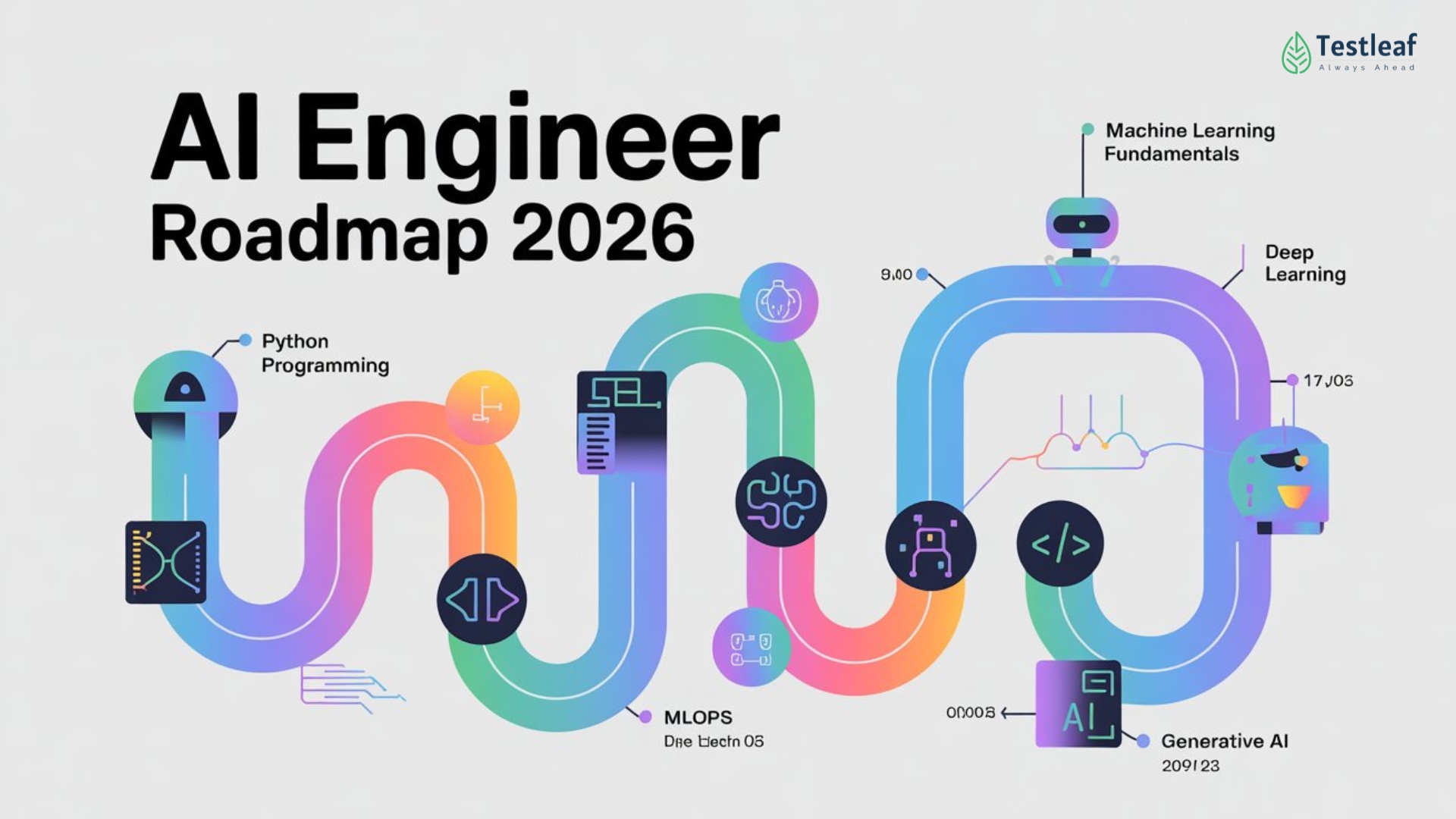
ai engineer

Exploring the Impact and Opportunities of an AI Engineer

The Role of an AI Engineer

The Role of an AI Engineer

Artificial Intelligence (AI) is transforming industries across the globe, and at the heart of this transformation are AI engineers. These professionals are responsible for designing, developing, and implementing AI models that power everything from recommendation systems to autonomous vehicles.

What Does an AI Engineer Do?

An AI engineer’s primary role is to create intelligent algorithms capable of learning and making decisions. They work with vast amounts of data to train models that can perform specific tasks without explicit programming. This involves:

  • Data Collection and Preparation: Gathering and preparing data for training purposes.
  • Model Development: Designing algorithms that can learn from data.
  • Model Training: Using machine learning techniques to train models on large datasets.
  • Model Evaluation: Testing models to ensure they meet performance standards.
  • Deployment: Integrating models into applications or systems for real-world use.

Skills Required for an AI Engineer

A successful AI engineer needs a blend of technical skills and domain knowledge. Key skills include:

  • Programming Languages: Proficiency in languages such as Python, R, or Java is essential.
  • Mathematics and Statistics: A strong foundation in linear algebra, calculus, probability, and statistics is crucial for developing algorithms.
  • Machine Learning Frameworks: Familiarity with frameworks like TensorFlow, PyTorch, or Keras is important for building models efficiently.
  • Data Analysis: The ability to analyze large datasets and extract meaningful insights is vital for training effective models.

The Impact of AI Engineers

The work of AI engineers has a profound impact on various sectors. In healthcare, they develop predictive models that assist in early diagnosis and personalized treatment plans. In finance, they create algorithms that detect fraudulent activities or automate trading processes. In retail, they enhance customer experiences through personalized recommendations.

The demand for skilled AI engineers continues to grow as more organizations recognize the potential of artificial intelligence to drive innovation and efficiency. As technology evolves, so too will the opportunities within this exciting field.

The Future of AI Engineering

The future looks promising for those pursuing a career as an AI engineer. With advancements in areas such as deep learning and natural language processing, there are endless possibilities for innovation. As ethical considerations become increasingly important in technology development, AI engineers will also play a crucial role in ensuring responsible use of artificial intelligence.

If you’re interested in shaping the future through technology and have a passion for solving complex problems with innovative solutions, a career as an AI engineer might be the perfect fit for you!


8 Essential Tips for Aspiring AI Engineers

  1. Stay updated with the latest developments in AI technology.
  2. Build a strong foundation in mathematics and statistics.
  3. Develop proficiency in programming languages such as Python and R.
  4. Gain experience with machine learning algorithms and deep learning techniques.
  5. Work on real-world projects to showcase your skills and knowledge.
  6. Collaborate with other professionals in related fields to broaden your understanding of AI applications.
  7. Continuously improve your problem-solving skills and critical thinking abilities.
  8. Stay curious and be willing to learn new concepts and technologies in the rapidly evolving field of AI.

Stay updated with the latest developments in AI technology.

Staying updated with the latest developments in AI technology is crucial for any AI engineer aiming to remain relevant and effective in the field. The landscape of artificial intelligence is rapidly evolving, with new algorithms, tools, and techniques emerging regularly. By keeping abreast of these advancements, AI engineers can leverage cutting-edge technologies to enhance their projects and solve complex problems more efficiently. This continuous learning not only improves their skill set but also opens up opportunities for innovation and creativity in designing AI solutions. Engaging with research papers, attending conferences, participating in online forums, and taking advanced courses are excellent ways for AI engineers to stay informed about the latest trends and breakthroughs in the industry.

Build a strong foundation in mathematics and statistics.

Building a strong foundation in mathematics and statistics is crucial for anyone aspiring to become an AI engineer. Mathematics, particularly linear algebra and calculus, forms the backbone of many machine learning algorithms, enabling engineers to understand how models process data and make predictions. Statistics is equally important, as it provides the tools needed to analyze datasets, identify patterns, and assess the reliability of model outputs. A solid grasp of these subjects allows AI engineers to not only develop more effective algorithms but also troubleshoot issues and optimize performance. By mastering mathematics and statistics, aspiring AI engineers equip themselves with the essential skills needed to innovate and excel in this rapidly evolving field.

Develop proficiency in programming languages such as Python and R.

To excel as an AI engineer, it’s crucial to develop proficiency in programming languages like Python and R. These languages are fundamental tools in the field of artificial intelligence and machine learning due to their simplicity, versatility, and extensive libraries that facilitate complex computations and data analysis. Python, with its robust frameworks like TensorFlow and PyTorch, is particularly favored for building neural networks and deploying AI models. Meanwhile, R is renowned for its statistical computing capabilities, making it ideal for data manipulation and visualization tasks. Mastering these languages enables AI engineers to efficiently design algorithms, process large datasets, and implement sophisticated AI solutions across various applications.

Gain experience with machine learning algorithms and deep learning techniques.

Gaining experience with machine learning algorithms and deep learning techniques is crucial for anyone aspiring to become an AI engineer. These skills form the backbone of artificial intelligence, enabling systems to learn from data and improve over time without explicit programming. By working with various algorithms such as decision trees, support vector machines, and neural networks, aspiring AI engineers can understand how different models perform under various conditions. Deep learning techniques, which involve complex neural networks like convolutional neural networks (CNNs) and recurrent neural networks (RNNs), are particularly important for tasks involving image recognition, natural language processing, and more. Hands-on experience with these technologies not only enhances technical proficiency but also equips individuals with the problem-solving skills needed to tackle real-world challenges in AI development.

Work on real-world projects to showcase your skills and knowledge.

Gaining hands-on experience by working on real-world projects is essential for aspiring AI engineers to showcase their skills and knowledge effectively. By engaging in practical projects, individuals can apply theoretical concepts to solve tangible problems, demonstrating their ability to design, develop, and implement AI models in real scenarios. This experience not only enhances technical proficiency but also builds a portfolio that highlights one’s expertise to potential employers or clients. Additionally, tackling real-world challenges helps in understanding the complexities and nuances of AI applications, making one more adept at navigating the evolving landscape of artificial intelligence. Whether through internships, open-source contributions, or personal projects, these experiences are invaluable in establishing credibility and advancing one’s career in the field of AI engineering.

Collaborating with professionals in related fields is crucial for AI engineers aiming to broaden their understanding of AI applications. By working alongside experts in areas such as data science, software development, and domain-specific industries like healthcare or finance, AI engineers can gain valuable insights into how artificial intelligence can be applied effectively across different sectors. This interdisciplinary approach not only enhances the engineer’s technical skills but also fosters innovative solutions by integrating diverse perspectives. Such collaboration leads to the creation of more robust and versatile AI models that address real-world challenges, ultimately driving technological advancement and improving outcomes across various applications.

Continuously improve your problem-solving skills and critical thinking abilities.

In the rapidly evolving field of artificial intelligence, continuously improving your problem-solving skills and critical thinking abilities is crucial for success as an AI engineer. These skills enable you to tackle complex challenges and devise innovative solutions that may not be immediately obvious. By honing your ability to analyze situations from multiple perspectives, you can identify potential issues before they arise and develop more effective algorithms. Engaging in activities such as coding challenges, logic puzzles, and collaborative projects can enhance these skills, allowing you to adapt quickly to new technologies and methodologies. Ultimately, strong problem-solving and critical thinking capabilities are essential for driving advancements in AI and maintaining a competitive edge in the industry.

Stay curious and be willing to learn new concepts and technologies in the rapidly evolving field of AI.

In the rapidly evolving field of AI, staying curious and being willing to learn new concepts and technologies is essential for success as an AI engineer. The landscape of artificial intelligence is constantly changing, with breakthroughs and innovations emerging at a fast pace. By maintaining a curious mindset, AI engineers can stay ahead of the curve, exploring cutting-edge tools and methodologies that enhance their work. This openness to learning not only fosters personal growth but also enables engineers to adapt to new challenges and opportunities in the industry. Embracing continuous education ensures that they remain valuable contributors to their teams and organizations, driving forward the potential of AI in transformative ways.

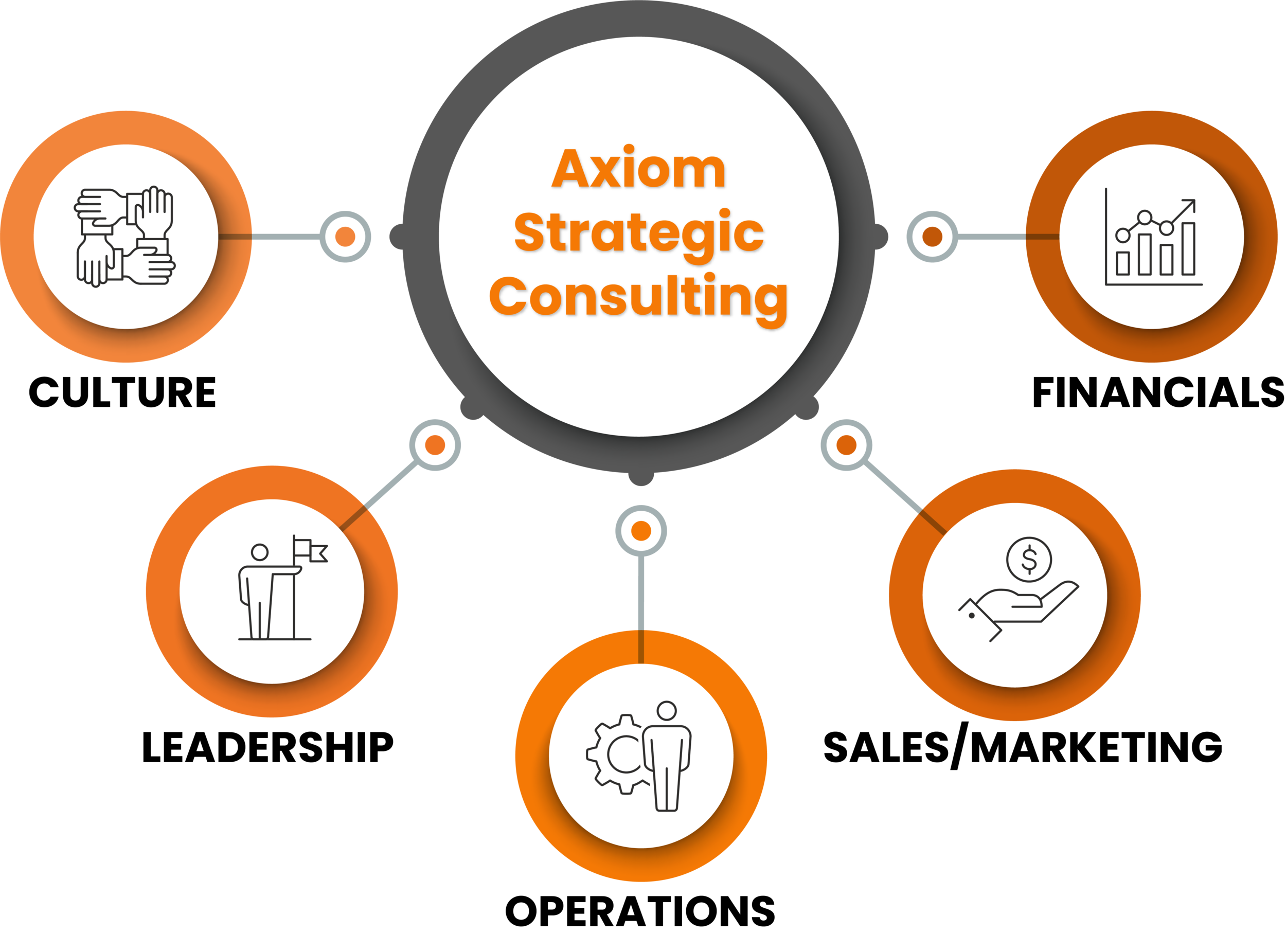
strategic consultant

Navigating Business Success: The Essential Role of a Strategic Consultant

Article: Strategic Consultant

The Role of a Strategic Consultant in Business

In the dynamic and competitive world of business, companies often seek the expertise of strategic consultants to help them navigate challenges and achieve their goals. A strategic consultant is a professional who provides strategic advice and guidance to organizations to improve their performance and competitiveness.

Key Responsibilities of a Strategic Consultant

Strategic consultants work closely with senior management teams to analyze the current state of the business, identify areas for improvement, and develop strategic plans to drive growth and success. Some key responsibilities of a strategic consultant include:

  • Conducting in-depth analysis of market trends, competitors, and internal operations
  • Identifying opportunities for growth and efficiency enhancements
  • Developing strategic plans and initiatives to achieve long-term objectives
  • Providing recommendations on organizational structure, processes, and resource allocation
  • Evaluating the effectiveness of implemented strategies and making adjustments as needed

Skills Required for Success

To excel as a strategic consultant, individuals need a diverse set of skills that combine analytical thinking, business acumen, communication abilities, and project management expertise. Some essential skills for a successful strategic consultant include:

  • Strategic thinking and problem-solving capabilities
  • Data analysis and interpretation skills
  • Strong communication and presentation skills
  • Ability to work collaboratively with diverse teams
  • Project management proficiency to ensure successful implementation of strategies

The Value of Strategic Consultants

Strategic consultants play a crucial role in helping organizations adapt to changing market conditions, seize opportunities for growth, and stay ahead of competitors. By leveraging their expertise and insights, companies can make informed decisions that drive sustainable success in the long run.

In conclusion, the role of a strategic consultant is instrumental in guiding businesses towards achieving their strategic objectives by providing valuable advice, innovative solutions, and actionable plans. Their contribution is vital in shaping the future trajectory of organizations in today’s fast-paced business environment.


8 Essential Tips for Effective Strategic Consulting

  1. Understand the client’s business goals and objectives thoroughly.
  2. Conduct in-depth research and analysis to identify opportunities and challenges.
  3. Develop tailored strategies that align with the client’s vision and resources.
  4. Communicate effectively with all stakeholders involved in the strategy implementation.
  5. Stay updated on industry trends and best practices to provide innovative solutions.
  6. Monitor key performance indicators to track progress and make necessary adjustments.
  7. Provide clear recommendations supported by data and insights.
  8. Maintain a proactive approach to anticipate potential issues and mitigate risks.

Understand the client’s business goals and objectives thoroughly.

To be an effective strategic consultant, it is crucial to thoroughly understand the client’s business goals and objectives. By gaining a deep insight into what the client aims to achieve, a consultant can tailor strategic recommendations and plans that align with the company’s vision. Understanding the client’s aspirations allows the consultant to provide targeted advice that directly contributes to the realization of those goals, fostering a collaborative and productive partnership between the consultant and the client.

Conduct in-depth research and analysis to identify opportunities and challenges.

To be an effective strategic consultant, it is essential to conduct thorough research and analysis to uncover potential opportunities and challenges facing a business. By delving deep into market trends, competitor strategies, and internal operations, consultants can gain valuable insights that inform strategic decision-making. Identifying both favorable prospects for growth and potential obstacles allows consultants to develop tailored strategies that maximize benefits and mitigate risks, ultimately leading to more successful outcomes for their clients.

Develop tailored strategies that align with the client’s vision and resources.

To excel as a strategic consultant, it is essential to develop tailored strategies that align closely with the client’s vision and available resources. By understanding the client’s goals, constraints, and unique characteristics, a strategic consultant can create customized plans that maximize the client’s potential for success. This approach ensures that strategies are not only effective but also practical and feasible within the client’s organizational context, ultimately leading to sustainable growth and competitive advantage.

Communicate effectively with all stakeholders involved in the strategy implementation.

Effective communication with all stakeholders involved in the strategy implementation is paramount for the success of a strategic consultant. Clear and transparent communication ensures that everyone understands their roles, responsibilities, and the overall strategic direction. By engaging with stakeholders proactively, addressing concerns, and soliciting feedback, a strategic consultant can foster collaboration and alignment towards common goals. This open communication approach not only builds trust but also enhances the likelihood of successful strategy execution and positive outcomes for the organization.

To excel as a strategic consultant, it is essential to stay updated on industry trends and best practices. By keeping abreast of the latest developments in the business landscape, strategic consultants can offer innovative solutions that address current challenges and capitalize on emerging opportunities. Continuous learning and staying informed about industry advancements enable strategic consultants to provide valuable insights and recommendations that drive success for their clients.

Monitor key performance indicators to track progress and make necessary adjustments.

Monitoring key performance indicators (KPIs) is essential for a strategic consultant to track progress and make informed decisions. By regularly assessing KPIs related to the organization’s objectives, such as revenue growth, customer satisfaction, or operational efficiency, the consultant can identify areas of success and areas needing improvement. Analyzing these metrics allows for timely adjustments to strategies and tactics, ensuring that the business stays on course towards its goals. Effective monitoring of KPIs enables strategic consultants to provide valuable insights and recommendations that drive continuous improvement and sustainable success for their clients.

Provide clear recommendations supported by data and insights.

When serving as a strategic consultant, it is imperative to offer clear recommendations that are backed by thorough data analysis and valuable insights. By presenting well-supported suggestions, based on a deep understanding of the business environment and market dynamics, consultants can instill confidence in their clients and facilitate informed decision-making processes. Clear recommendations supported by data and insights not only enhance the credibility of the consultant but also increase the likelihood of successful implementation and positive outcomes for the organization seeking strategic guidance.

Maintain a proactive approach to anticipate potential issues and mitigate risks.

To excel as a strategic consultant, it is crucial to maintain a proactive approach in order to anticipate potential issues and effectively mitigate risks. By staying ahead of challenges and identifying them before they escalate, strategic consultants can develop proactive strategies that help organizations navigate uncertainties with agility and resilience. This forward-thinking mindset not only enhances decision-making processes but also ensures that businesses are well-prepared to address emerging threats and seize opportunities for sustainable growth.

entry level software engineer

Exploring the Path to Becoming an Entry Level Software Engineer

Article: Entry Level Software Engineer

The Role of an Entry Level Software Engineer

Software engineering is a dynamic and rapidly growing field that offers endless opportunities for individuals looking to kickstart their career in technology. As an entry level software engineer, you play a crucial role in developing, testing, and maintaining software applications that power our digital world.

Responsibilities of an Entry Level Software Engineer

As an entry level software engineer, your responsibilities may include:

  • Assisting in the design and development of software applications
  • Writing code following best practices and coding standards
  • Participating in code reviews and debugging sessions
  • Collaborating with senior developers and team members on projects
  • Testing and documenting software to ensure quality and reliability
  • Learning new technologies and tools to enhance your skills

Skills Required for Entry Level Software Engineers

To excel as an entry level software engineer, you should possess the following skills:

  • Proficiency in programming languages such as Java, Python, C++, or JavaScript
  • Understanding of software development principles and methodologies
  • Problem-solving abilities and attention to detail
  • Strong communication and teamwork skills
  • Ability to learn quickly and adapt to new technologies

Career Growth Opportunities for Entry Level Software Engineers

Starting as an entry level software engineer opens up a world of possibilities for career advancement. With dedication, continuous learning, and hands-on experience, you can progress to roles such as senior software engineer, technical lead, project manager, or even pursue specialization in areas like artificial intelligence, cybersecurity, or mobile app development.

If you are passionate about technology and eager to make a difference through innovative solutions, a career as an entry level software engineer could be the perfect starting point for your journey in the exciting world of software development.


7 Essential Tips for Aspiring Entry-Level Software Engineers

  1. Focus on building a strong foundation in programming languages like Java, Python, or C++.
  2. Practice problem-solving skills through coding challenges and projects.
  3. Seek internships or co-op opportunities to gain real-world experience.
  4. Stay updated with the latest industry trends and technologies.
  5. Build a portfolio showcasing your projects and contributions.
  6. Network with professionals in the field to expand your opportunities.
  7. Continuously learn and improve your skills to advance in your career.

Focus on building a strong foundation in programming languages like Java, Python, or C++.

To succeed as an entry level software engineer, it is essential to focus on building a solid foundation in programming languages such as Java, Python, or C++. These languages are widely used in the industry and mastering them will not only enhance your coding skills but also open up a myriad of opportunities for career growth. By dedicating time and effort to learning these fundamental languages, you can establish a strong technical base that will serve as a solid platform for your future success in the field of software engineering.

Practice problem-solving skills through coding challenges and projects.

To excel as an entry level software engineer, it is essential to hone your problem-solving skills through engaging in coding challenges and projects. By tackling real-world problems and implementing solutions through coding, you not only enhance your technical abilities but also develop a strategic mindset that is invaluable in the software development field. Practice not only sharpens your coding proficiency but also fosters creativity and critical thinking, preparing you for the diverse challenges you may encounter in your career as a software engineer.

Seek internships or co-op opportunities to gain real-world experience.

Seeking internships or co-op opportunities is a valuable tip for entry level software engineers looking to gain real-world experience. These hands-on experiences provide invaluable insights into the industry, allowing individuals to apply their knowledge in practical settings, collaborate with seasoned professionals, and build a strong foundation for their future careers. By participating in internships or co-op programs, entry level software engineers can enhance their skills, expand their networks, and increase their marketability in the competitive tech job market.

It is essential for entry level software engineers to stay updated with the latest industry trends and technologies. By keeping abreast of advancements in the field, such as new programming languages, development tools, and best practices, you can enhance your skills, remain competitive in the job market, and contribute effectively to innovative projects. Continuous learning and adaptation to emerging technologies are key factors in building a successful career as a software engineer.

Build a portfolio showcasing your projects and contributions.

Building a portfolio showcasing your projects and contributions is a valuable tip for entry level software engineers. A well-curated portfolio not only demonstrates your technical skills but also highlights your creativity, problem-solving abilities, and passion for software development. By showcasing real-world projects you have worked on, whether personal or during internships or academic projects, you provide potential employers with tangible evidence of your capabilities and dedication to the field. A strong portfolio can set you apart from other candidates and increase your chances of landing exciting opportunities in the competitive tech industry.

Network with professionals in the field to expand your opportunities.

Networking with professionals in the field is a valuable tip for entry level software engineers looking to expand their opportunities. Building connections with experienced individuals can provide insights, mentorship, and potential job leads that may not be advertised elsewhere. By engaging with professionals in the industry, entry level software engineers can gain valuable knowledge, stay updated on trends, and create a supportive network that can help propel their career forward.

Continuously learn and improve your skills to advance in your career.

To advance in your career as an entry level software engineer, it is crucial to continuously learn and improve your skills. Embracing a mindset of lifelong learning not only keeps you updated with the latest technologies and trends in the industry but also enhances your problem-solving abilities and adaptability. By seeking out opportunities for professional development, such as online courses, workshops, and mentorship programs, you can strengthen your expertise and position yourself for growth within the field of software engineering. Remember, investing in your skills today paves the way for a successful and fulfilling career tomorrow.

sw engineer

The Essential Role of a Software Engineer in Today’s Technology Landscape

The Role of a Software Engineer

The Role of a Software Engineer

Software engineers play a crucial role in today’s technology-driven world. They are responsible for designing, developing, and maintaining software applications that we rely on in our daily lives.

Key Responsibilities

Software engineers are involved in every phase of the software development process. Their key responsibilities include:

  • Analyzing user requirements
  • Designing software solutions
  • Coding and programming
  • Testing and debugging software
  • Deploying and maintaining applications

Skills Required

To excel as a software engineer, individuals need to possess a combination of technical skills and soft skills. Some essential skills include:

  • Proficiency in programming languages such as Java, C++, Python, etc.
  • Problem-solving abilities
  • Attention to detail
  • Collaboration and teamwork
  • Continuous learning and adaptability to new technologies

Career Outlook

The demand for skilled software engineers continues to grow as technology advances. Software engineers can work in various industries such as IT, healthcare, finance, and more. With the increasing reliance on technology, the career prospects for software engineers remain promising.

Educational Requirements

Most software engineering roles require a bachelor’s degree in computer science or a related field. Additionally, obtaining certifications and staying updated with industry trends through continuous learning is essential for career advancement.

Conclusion

In conclusion, software engineers play a vital role in shaping the digital landscape we live in today. Their expertise drives innovation and enhances user experiences across different platforms. As technology continues to evolve, the role of a software engineer remains indispensable in creating cutting-edge solutions for tomorrow’s challenges.


7 Essential Tips for Excelling as a Software Engineer

  1. Stay updated with the latest technologies and programming languages.
  2. Practice coding regularly to improve your skills.
  3. Collaborate with team members effectively to achieve project goals.
  4. Document your code and processes for easier understanding and future reference.
  5. Test your code thoroughly to ensure quality and identify bugs early on.
  6. Continuously seek feedback to learn and grow as a software engineer.
  7. Stay organized by using tools like version control systems and project management software.

Stay updated with the latest technologies and programming languages.

To excel as a software engineer, it is crucial to stay updated with the latest technologies and programming languages. Technology evolves rapidly, and staying current allows software engineers to remain competitive in the industry. By continuously learning new languages and technologies, software engineers can enhance their skill set, adapt to changing trends, and develop innovative solutions that meet the demands of today’s digital landscape. Keeping abreast of advancements in the field ensures that software engineers can deliver high-quality and cutting-edge solutions to address complex challenges effectively.

Practice coding regularly to improve your skills.

For software engineers, practicing coding regularly is essential to enhance their skills and stay competitive in the ever-evolving tech industry. By dedicating time to coding exercises and projects, engineers can sharpen their problem-solving abilities, expand their programming knowledge, and gain hands-on experience that is invaluable in real-world scenarios. Consistent practice not only helps improve coding proficiency but also fosters a mindset of continuous learning and growth, enabling engineers to tackle complex challenges with confidence and creativity.

Collaborate with team members effectively to achieve project goals.

Effective collaboration with team members is essential for software engineers to achieve project goals successfully. By fostering open communication, sharing ideas, and leveraging each team member’s strengths, software engineers can work together cohesively towards a common objective. Collaboration not only enhances productivity but also promotes innovation and creativity within the team, leading to the development of high-quality software solutions that meet or exceed project requirements.

Document your code and processes for easier understanding and future reference.

Documenting your code and processes is a crucial tip for software engineers. By providing clear and detailed documentation, you ensure easier understanding of the codebase and procedures for yourself and others in the future. Documentation serves as a roadmap that guides developers through the logic, functionality, and implementation details of the software. It not only facilitates maintenance and troubleshooting but also enhances collaboration among team members. Investing time in documenting code and processes ultimately leads to more efficient development cycles and better scalability of projects over time.

Test your code thoroughly to ensure quality and identify bugs early on.

Testing your code thoroughly is a critical step in the software engineering process. By conducting comprehensive testing, you can ensure the quality of your code and detect any potential bugs early in the development cycle. This proactive approach not only helps in delivering a more reliable and robust software product but also saves time and resources by addressing issues before they escalate. Emphasizing thorough testing as part of your software development workflow is key to producing high-quality, error-free applications that meet user expectations.

Continuously seek feedback to learn and grow as a software engineer.

Continuously seeking feedback is a valuable practice for software engineers looking to enhance their skills and expertise. By actively soliciting input from peers, mentors, and stakeholders, software engineers can gain valuable insights into their work, identify areas for improvement, and adapt to evolving industry standards. Embracing feedback as a learning opportunity allows software engineers to grow professionally, refine their problem-solving abilities, and deliver high-quality solutions that meet the needs of users effectively.

Stay organized by using tools like version control systems and project management software.

Staying organized is essential for software engineers to effectively manage their projects and collaborate with team members. Utilizing tools like version control systems, such as Git, and project management software, like Jira or Trello, can streamline the development process. Version control systems help track changes in code, facilitate collaboration, and ensure code integrity. Project management software allows for task tracking, scheduling, and communication within teams, enhancing productivity and ensuring project deadlines are met efficiently. By incorporating these tools into their workflow, software engineers can maintain organization and optimize their development processes effectively.

custom built software

Unlocking Success with Custom-Built Software Solutions

The Power of Custom-Built Software

The Power of Custom-Built Software

In today’s fast-paced digital world, businesses are constantly seeking ways to stay ahead of the competition. One effective strategy that many successful companies are adopting is investing in custom-built software solutions tailored to their specific needs.

Custom-built software refers to applications or systems that are uniquely developed to address a company’s unique requirements and challenges. Unlike off-the-shelf software, custom solutions are designed from the ground up with the organization’s goals, processes, and workflows in mind.

Benefits of Custom-Built Software:

  • Enhanced Efficiency: Custom software is built to streamline processes and automate tasks, leading to increased productivity and efficiency within the organization.
  • Scalability: As businesses grow and evolve, custom software can easily be scaled to accommodate changing needs and requirements without major disruptions.
  • Competitive Edge: By having software that is tailored specifically for their operations, companies can gain a competitive edge by offering unique features and capabilities that set them apart from competitors.
  • Improved Security: Custom-built software can be designed with robust security measures to protect sensitive data and mitigate cybersecurity risks.
  • Cost-Effectiveness: While the initial investment in custom software development may be higher than off-the-shelf solutions, in the long run, it can result in cost savings by eliminating the need for multiple third-party applications and reducing manual workarounds.

Choosing a Reliable Software Development Partner

When embarking on a custom software development project, it is crucial to partner with a reputable software development company that has a proven track record of delivering high-quality solutions. A reliable partner will work closely with your team to understand your business objectives and develop a tailored solution that meets your specific requirements.

In conclusion, custom-built software offers businesses a powerful tool for driving innovation, increasing efficiency, and gaining a competitive advantage in today’s digital landscape. By investing in bespoke solutions that align with their unique needs, organizations can position themselves for long-term success and growth.


8 Essential Tips for Successful Custom Software Development

  1. Clearly define your requirements before starting the development process.
  2. Communicate effectively with the development team to ensure alignment on project goals.
  3. Consider scalability and flexibility in the design to accommodate future growth.
  4. Regularly test the software for bugs and performance issues throughout the development cycle.
  5. Prioritize security measures to protect sensitive data and prevent cyber threats.
  6. Document all aspects of the custom software for easier maintenance and troubleshooting.
  7. Provide training for end-users to maximize adoption and utilization of the new software.
  8. Gather feedback from users to continuously improve and enhance the custom-built software.

Clearly define your requirements before starting the development process.

It is essential to clearly define your requirements before initiating the development process for custom-built software. By outlining your objectives, functionalities, and expectations upfront, you provide a roadmap for the development team to follow. This step helps ensure that the final product aligns closely with your needs and minimizes the risk of misunderstandings or costly changes later in the project. Clear requirements also facilitate effective communication between stakeholders and developers, leading to a smoother development process and a successful outcome that meets your business goals.

Communicate effectively with the development team to ensure alignment on project goals.

Effective communication with the development team is essential to ensure alignment on project goals when creating custom-built software. By maintaining clear and open lines of communication, stakeholders can convey their requirements, expectations, and feedback to the development team. This collaborative approach helps in fostering a shared understanding of the project objectives, leading to the successful delivery of a tailored software solution that meets the organization’s specific needs and vision.

Consider scalability and flexibility in the design to accommodate future growth.

When developing custom-built software, it is essential to consider scalability and flexibility in the design to accommodate future growth. By planning for scalability, organizations can ensure that the software can easily expand and adapt to meet increasing demands as the business evolves. Additionally, incorporating flexibility into the design allows for modifications and enhancements to be made efficiently, enabling the software to remain relevant and effective in the face of changing requirements. Prioritizing scalability and flexibility during the development process can help future-proof the software and support long-term success for the organization.

Regularly test the software for bugs and performance issues throughout the development cycle.

To ensure the success of custom-built software, it is essential to incorporate regular testing for bugs and performance issues at every stage of the development cycle. By conducting thorough testing throughout the process, developers can identify and address any issues early on, preventing potential setbacks and ensuring the final product meets quality standards. This proactive approach not only helps in delivering a reliable and high-performing software solution but also enhances user experience and overall satisfaction with the end product.

Prioritize security measures to protect sensitive data and prevent cyber threats.

It is crucial for businesses investing in custom-built software to prioritize security measures to safeguard sensitive data and prevent cyber threats. By implementing robust security protocols and encryption techniques, organizations can ensure the confidentiality and integrity of their information, mitigating the risk of data breaches and unauthorized access. Proactive measures such as regular security audits, vulnerability assessments, and employee training on cybersecurity best practices are essential components of a comprehensive security strategy that can help protect valuable data assets from potential threats.

Document all aspects of the custom software for easier maintenance and troubleshooting.

Documenting all aspects of custom-built software is crucial for ensuring easier maintenance and troubleshooting in the long run. Comprehensive documentation that outlines the software’s architecture, functionalities, dependencies, and any customizations made during development provides valuable insights for developers and IT teams. By maintaining detailed documentation, organizations can streamline future updates, identify issues more efficiently, and facilitate knowledge transfer among team members. This proactive approach to documentation not only enhances the software’s maintainability but also contributes to overall system reliability and performance.

Provide training for end-users to maximize adoption and utilization of the new software.

Providing training for end-users is a crucial step in maximizing the adoption and utilization of custom-built software within an organization. By offering comprehensive training sessions, employees can gain the necessary skills and knowledge to effectively use the new software, leading to increased efficiency and productivity. Training also helps to minimize resistance to change and ensures that users feel confident and empowered when working with the customized solution. Ultimately, investing in training for end-users not only enhances the overall success of the software implementation but also fosters a culture of continuous learning and improvement within the organization.

Gather feedback from users to continuously improve and enhance the custom-built software.

To ensure the success and effectiveness of custom-built software, it is essential to gather feedback from users on a regular basis. By soliciting input from those who interact with the software daily, developers can gain valuable insights into how the system is being used, what features are most beneficial, and where improvements can be made. This feedback loop allows for continuous enhancement and refinement of the custom software, ensuring that it remains aligned with user needs and evolves to meet changing requirements over time.

Empowering Businesses: The Role of an Ecommerce App Development Company

The Rise of Ecommerce App Development Companies

The Rise of Ecommerce App Development Companies

As online shopping continues to dominate the retail industry, the demand for ecommerce app development companies is on the rise. These companies specialize in creating mobile applications that enable businesses to sell their products and services online, reaching a global audience and increasing revenue.

Why Choose an Ecommerce App Development Company?

Building a successful ecommerce app requires expertise in design, user experience, security, and functionality. Ecommerce app development companies have the knowledge and experience to create customized solutions that meet the unique needs of each client.

Key Services Offered by Ecommerce App Development Companies:

  • App Design: Creating visually appealing and user-friendly interfaces that enhance the shopping experience.
  • Mobile Compatibility: Ensuring that the ecommerce app is optimized for various mobile devices and operating systems.
  • Payment Gateway Integration: Securely integrating payment gateways to facilitate smooth transactions.
  • Inventory Management: Implementing systems to track inventory levels and manage product listings.
  • Analytics and Reporting: Providing insights into customer behavior and sales performance through data analytics.
  • Security Measures: Implementing robust security features to protect customer data and prevent fraud.

The Future of Ecommerce App Development

As technology continues to evolve, ecommerce app development companies will play a crucial role in helping businesses adapt to changing consumer preferences and market trends. By staying ahead of the curve and leveraging innovative solutions, these companies empower businesses to thrive in the competitive world of online retail.

In conclusion, ecommerce app development companies are essential partners for businesses looking to establish a strong online presence and drive growth through digital channels. With their expertise and dedication, these companies are shaping the future of ecommerce one app at a time.


Top 7 FAQs About Ecommerce App Development Companies: Services, Costs, and More

  1. 1. What services do ecommerce app development companies offer?
  2. 2. How long does it take to develop an ecommerce app?
  3. 3. What factors determine the cost of developing an ecommerce app?
  4. 4. Can ecommerce app development companies integrate payment gateways into the app?
  5. 5. Do ecommerce app development companies provide maintenance and support services after the app is launched?
  6. 6. How can I ensure the security of my ecommerce app developed by a company?
  7. 7. Are ecommerce apps developed by these companies compatible with both Android and iOS devices?

1. What services do ecommerce app development companies offer?

Ecommerce app development companies offer a range of services tailored to meet the specific needs of businesses looking to establish or enhance their online presence. These services typically include app design, ensuring a visually appealing and user-friendly interface; mobile compatibility, optimizing the app for various devices and operating systems; payment gateway integration for secure transactions; inventory management systems for tracking products; analytics and reporting tools for insights into sales performance; and robust security measures to protect customer data. By providing these comprehensive services, ecommerce app development companies help businesses create effective and efficient digital platforms to drive online sales and enhance customer experiences.

2. How long does it take to develop an ecommerce app?

When it comes to developing an ecommerce app, the timeline can vary depending on various factors such as the complexity of the app, features required, design intricacies, and integration of third-party services. On average, developing a fully functional ecommerce app can take anywhere from a few weeks to several months. It is crucial for ecommerce app development companies to conduct a thorough analysis of the project requirements and provide a realistic timeline based on the scope of work to ensure timely delivery without compromising on quality.

3. What factors determine the cost of developing an ecommerce app?

When considering the cost of developing an ecommerce app, several key factors come into play. The complexity of the app’s features and functionalities, the design intricacy, the level of customization required, integration with third-party services such as payment gateways, and the platform compatibility all contribute to determining the overall cost. Additionally, factors like scalability, security measures, ongoing maintenance needs, and post-launch support also impact the development cost. It is essential for businesses to carefully evaluate these factors and work closely with a reputable ecommerce app development company to establish a budget that aligns with their goals and requirements.

4. Can ecommerce app development companies integrate payment gateways into the app?

Yes, ecommerce app development companies specialize in integrating payment gateways into mobile applications. Payment gateway integration is a crucial aspect of ecommerce apps as it allows customers to securely make transactions within the app. These companies have the expertise to seamlessly incorporate popular payment methods such as credit cards, digital wallets, and other online payment systems into the app, ensuring a smooth and secure checkout process for users. By leveraging their technical skills and industry knowledge, ecommerce app development companies can provide tailored solutions that meet the specific requirements of each client while adhering to the highest standards of security and compliance.

5. Do ecommerce app development companies provide maintenance and support services after the app is launched?

Yes, ecommerce app development companies typically offer maintenance and support services after the app is launched. These services are essential to ensure that the app continues to function smoothly, remains secure, and adapts to any changes in technology or business requirements. Maintenance may include updates for new operating system versions, bug fixes, performance optimizations, and security patches. Additionally, support services provide assistance to address any issues or queries that users may encounter while using the app. By providing ongoing maintenance and support, ecommerce app development companies help their clients maximize the longevity and effectiveness of their ecommerce applications.

6. How can I ensure the security of my ecommerce app developed by a company?

Ensuring the security of your ecommerce app developed by a company is paramount in safeguarding sensitive customer information and maintaining trust. To enhance app security, it is crucial to work with a reputable ecommerce app development company that prioritizes robust security measures. Look for companies that implement encryption protocols, secure payment gateways, regular security audits, and compliance with industry standards such as PCI DSS. Additionally, discuss data protection practices, access controls, and secure coding techniques with the development team to ensure that your ecommerce app is fortified against potential cyber threats and vulnerabilities. By collaborating closely with the development company on security considerations throughout the app development process, you can create a secure and resilient ecommerce platform for your business and customers.

7. Are ecommerce apps developed by these companies compatible with both Android and iOS devices?

One of the frequently asked questions regarding ecommerce app development companies is whether the ecommerce apps they develop are compatible with both Android and iOS devices. The answer to this question is typically yes. Ecommerce app development companies strive to create apps that are cross-platform compatible, ensuring that users on both Android and iOS devices can access and use the app seamlessly. By leveraging technologies like React Native or Flutter, these companies can develop apps that offer a consistent user experience across different operating systems, enabling businesses to reach a wider audience and maximize their online presence.

application development platform

Unlocking Innovation: The Evolution of Application Development Platforms

Article: Application Development Platform

The Power of Application Development Platforms

Application development platforms have revolutionized the way software is created and deployed in today’s fast-paced digital world. These platforms provide developers with a comprehensive set of tools and frameworks to streamline the development process and deliver high-quality applications efficiently.

Benefits of Using an Application Development Platform:

Rapid Development: With pre-built components and templates, developers can quickly prototype and build applications, reducing time-to-market.

Scalability: Application development platforms are designed to scale effortlessly as your user base grows, ensuring that your application can handle increased demand without compromising performance.

Cross-Platform Compatibility: Many development platforms support multiple operating systems and devices, allowing developers to create applications that can run seamlessly on various platforms.

Integration Capabilities: These platforms often come with built-in integrations for common services and APIs, simplifying the process of connecting your application to external systems.

Key Features of Application Development Platforms:

  • Drag-and-Drop Interface: Enables developers to visually design the user interface of their applications without writing extensive code.
  • Code Reusability: Developers can reuse components and modules across different projects, saving time and effort in development.
  • Data Management Tools: Built-in tools for managing data storage, retrieval, and manipulation within the application.
  • Analytics & Reporting: Provides insights into application performance, user behavior, and other metrics for optimization.
  • Security Features: Includes mechanisms for securing data transmission, authentication, and authorization within the application.

The Future of Application Development Platforms

As technology continues to evolve, application development platforms will play a crucial role in accelerating innovation and driving digital transformation across industries. With their robust features and capabilities, these platforms empower developers to create cutting-edge applications that meet the demands of today’s dynamic market landscape.


Understanding Application Development Platforms: Types, Best Options, and Definitions

  1. What are the different types of application platforms?
  2. Which platform is best for application development?
  3. What is an application development platform?
  4. What is a platform for an application?

What are the different types of application platforms?

When considering the different types of application platforms, it’s important to recognize the variety of options available to developers based on their specific needs and requirements. Common types of application platforms include mobile application development platforms (MADP), web application development platforms, low-code or no-code platforms, and enterprise application platforms. Each type offers distinct features and functionalities tailored to different use cases, allowing developers to choose the platform that best aligns with their project goals and technical expertise. Understanding the nuances of these various types of application platforms can help developers make informed decisions when selecting the most suitable platform for their development projects.

Which platform is best for application development?

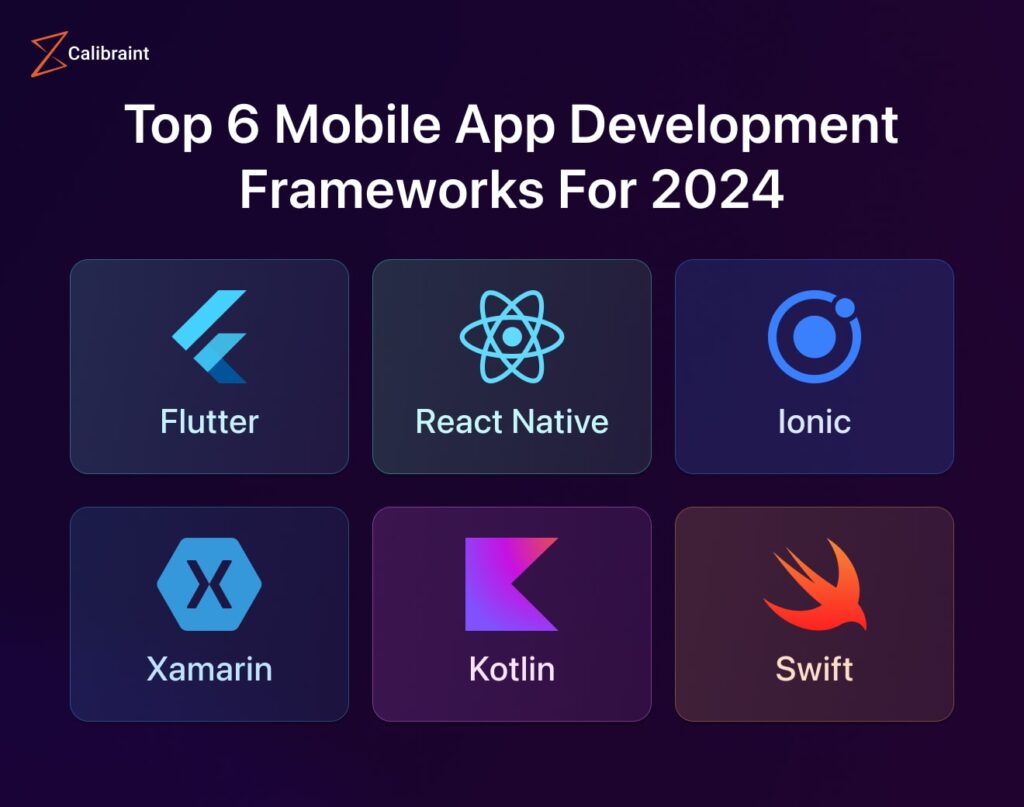
When it comes to choosing the best platform for application development, the answer depends on various factors such as the specific requirements of the project, the expertise of the development team, scalability needs, budget constraints, and target platforms. Some popular application development platforms include Android Studio for Android app development, Xcode for iOS app development, Visual Studio for Windows app development, and cross-platform frameworks like React Native and Flutter. It is essential to evaluate each platform based on its features, community support, flexibility, and compatibility with your project goals to determine which one aligns best with your development needs.

What is an application development platform?

An application development platform is a comprehensive set of tools, frameworks, and resources that enable developers to design, build, test, and deploy software applications efficiently. It provides a structured environment for creating applications by offering features such as integrated development environments (IDEs), libraries, APIs, and deployment options. Essentially, an application development platform serves as a foundation that streamlines the development process and allows developers to focus on designing innovative solutions without getting bogged down in the complexities of infrastructure setup and configuration.

What is a platform for an application?

A platform for an application refers to the foundational software environment on which developers build, deploy, and run their applications. It provides a set of tools, frameworks, and services that streamline the development process and enable the creation of functional and user-friendly applications. Essentially, an application development platform serves as a comprehensive infrastructure that supports developers in designing, coding, testing, and maintaining software applications across various devices and operating systems. By leveraging a robust platform, developers can focus on creating innovative features and functionalities for their applications without getting bogged down by the complexities of infrastructure management.

best platform to develop mobile apps

Choosing the Best Platform to Develop Mobile Apps

Best Platform to Develop Mobile Apps

The Best Platform to Develop Mobile Apps

When it comes to developing mobile apps, choosing the right platform is crucial for success. With the ever-growing demand for mobile applications, developers have a variety of platforms to choose from. Each platform has its own set of features, capabilities, and target audiences. Let’s explore some of the best platforms for developing mobile apps:

Android Studio

Android Studio is the official integrated development environment (IDE) for Android app development. It offers a wide range of tools and resources to help developers create high-quality Android applications. With a large user base and extensive documentation, Android Studio is a popular choice among developers.

Xcode

Xcode is the IDE for iOS app development, exclusively available for macOS users. It provides a comprehensive set of tools for building iOS, macOS, watchOS, and tvOS applications. With features like Interface Builder and Swift programming language support, Xcode simplifies the app development process for Apple devices.

React Native

React Native is a cross-platform framework developed by Facebook that allows developers to build mobile apps using JavaScript and React. By leveraging a single codebase, developers can create apps that run on both iOS and Android platforms. React Native offers fast development cycles and a vibrant community of developers.

Flutter

Flutter is Google’s UI toolkit for building natively compiled applications for mobile, web, and desktop from a single codebase. With its expressive UI designs and customizable widgets, Flutter enables developers to create visually appealing apps with high performance. Flutter’s hot reload feature speeds up the development process.

Xamarin

Xamarin is a Microsoft-owned framework that allows developers to build native iOS, Android, and Windows apps using C#. By sharing code across multiple platforms, Xamarin reduces development time and effort while maintaining native performance and user experience.

Choosing the best platform to develop mobile apps depends on factors such as target audience, project requirements, developer expertise, and budget constraints. Each platform offers unique advantages and challenges that developers should consider before making a decision.

Whether you are developing an app for Android or iOS devices or targeting multiple platforms simultaneously, selecting the right platform can significantly impact the success of your mobile app project.


8 Essential Tips for Choosing the Best Mobile App Development Platform

  1. Choose a platform that supports the programming languages you are familiar with.
  2. Consider the popularity and market share of the platform to reach a wider audience.
  3. Look for a platform with robust development tools and resources for efficient app creation.
  4. Ensure the platform provides good support and documentation for troubleshooting and guidance.
  5. Check if the platform offers easy integration with third-party services and APIs.
  6. Evaluate the scalability options of the platform to accommodate future growth of your app.
  7. Consider the cost implications, including licensing fees and developer account charges, when choosing a platform.
  8. Seek feedback from other developers or read reviews to learn about their experiences with the platform.

Choose a platform that supports the programming languages you are familiar with.

When selecting the best platform to develop mobile apps, it is essential to consider choosing a platform that supports the programming languages you are already familiar with. By opting for a platform that aligns with your expertise, you can leverage your existing skills and knowledge to streamline the app development process. Working with familiar programming languages not only enhances your productivity but also reduces the learning curve, allowing you to focus on building innovative and high-quality mobile applications efficiently.

Consider the popularity and market share of the platform to reach a wider audience.

When deciding on the best platform to develop mobile apps, it is essential to consider the popularity and market share of the platform. By choosing a platform with a significant user base, developers can reach a wider audience and maximize the app’s potential for success. Platforms with higher market share often offer greater visibility and exposure for mobile apps, increasing the chances of attracting more users and achieving higher engagement levels. Therefore, evaluating the popularity and market share of a platform is a strategic decision that can impact the app’s reach and overall performance in the competitive mobile app market.

Look for a platform with robust development tools and resources for efficient app creation.

When considering the best platform for developing mobile apps, it is essential to prioritize those with robust development tools and abundant resources. Opting for a platform that offers efficient tools and resources can streamline the app creation process, enhance productivity, and facilitate the implementation of innovative features. By selecting a platform with comprehensive development support, developers can expedite their workflow, troubleshoot issues effectively, and ultimately deliver high-quality mobile applications to meet user expectations.

Ensure the platform provides good support and documentation for troubleshooting and guidance.

It is essential to ensure that the chosen platform for developing mobile apps offers robust support and comprehensive documentation for troubleshooting and guidance. Having access to reliable resources and assistance can significantly streamline the development process, resolve issues efficiently, and enhance overall productivity. Clear documentation and responsive support services empower developers to overcome challenges effectively, improve their skills, and create high-quality mobile applications that meet users’ expectations.

Check if the platform offers easy integration with third-party services and APIs.

When selecting the best platform to develop mobile apps, it is essential to consider whether the platform offers easy integration with third-party services and APIs. Seamless integration with external services and APIs can enhance the functionality and features of your app, allowing you to leverage a wide range of resources and capabilities without reinventing the wheel. By choosing a platform that supports smooth integration with third-party services, developers can streamline development processes, improve app performance, and provide users with a more comprehensive and engaging experience.

Evaluate the scalability options of the platform to accommodate future growth of your app.

When selecting the best platform to develop mobile apps, it is essential to evaluate the scalability options offered by the platform. Understanding how well the platform can accommodate the future growth of your app is crucial for long-term success. Scalability ensures that your app can handle increased traffic, user base, and feature enhancements without compromising performance. By choosing a platform with robust scalability options, developers can future-proof their apps and ensure seamless expansion as the app grows in popularity and functionality.

Consider the cost implications, including licensing fees and developer account charges, when choosing a platform.

When selecting the best platform for developing mobile apps, it is essential to consider the cost implications associated with each option. This includes evaluating licensing fees, developer account charges, and any additional expenses that may arise during the development process. By factoring in these financial considerations upfront, developers can make informed decisions that align with their budget constraints and ensure a cost-effective app development strategy.

Seek feedback from other developers or read reviews to learn about their experiences with the platform.

To make an informed decision on the best platform to develop mobile apps, seeking feedback from other developers or reading reviews can provide valuable insights into their experiences with the platform. By learning from the firsthand experiences of other developers, you can gain a better understanding of the platform’s strengths, weaknesses, and overall performance. This feedback can help you assess whether the platform aligns with your project requirements and development goals, ultimately guiding you towards selecting the most suitable platform for your mobile app development.