cfchris.com

Loading

Archives March 2025

windows software development

Exploring the Dynamics of Windows Software Development

Windows Software Development

The World of Windows Software Development

Windows software development is a vast and dynamic field that continues to evolve with the latest technologies and trends. With millions of users worldwide, developing software for the Windows platform offers immense opportunities for developers to create innovative and impactful applications.

Key Aspects of Windows Software Development

Developing software for Windows involves using various programming languages such as C#, C++, and Visual Basic along with frameworks like .NET. These tools provide developers with a robust environment to build applications that run seamlessly on Windows operating systems.

User Interface Design

User interface design plays a crucial role in Windows software development. Creating intuitive and visually appealing interfaces enhances user experience and usability. Developers leverage tools like XAML (Extensible Application Markup Language) to design responsive and interactive interfaces for Windows applications.

Integration with Microsoft Services

Windows software can be integrated with various Microsoft services such as Azure, Office 365, and Dynamics 365. Leveraging these services enables developers to enhance the functionality of their applications by incorporating cloud services, productivity tools, and business solutions.

Security Considerations

Security is paramount in Windows software development. Implementing robust security measures such as encryption, authentication, and secure communication protocols is essential to protect user data and ensure the integrity of the application.

The Future of Windows Software Development

As technology advances, the future of Windows software development looks promising with emerging trends like artificial intelligence, Internet of Things (IoT), and cloud computing shaping the landscape. Developers are exploring new possibilities to create innovative applications that cater to the evolving needs of users in an interconnected world.

Whether you are a seasoned developer or just starting your journey in Windows software development, staying informed about the latest tools and technologies is key to success in this dynamic field.

Explore the endless possibilities that Windows software development offers and unleash your creativity to build impactful applications that make a difference in the digital world.

Contact us at [email protected] for inquiries or collaborations.


8 Key Advantages of Windows Software Development: From a Vast User Base to Future Opportunities

  1. Vast user base
  2. Robust development tools
  3. Integration with Microsoft services
  4. Familiar environment
  5. Rich user interface design options
  6. Strong security features
  7. Compatibility
  8. Future opportunities


Challenges in Windows Software Development: Navigating Compatibility, Costs, and Flexibility

  1. Limited cross-platform compatibility compared to other development environments.
  2. Dependency on Microsoft technologies and frameworks may restrict flexibility in software development.
  3. Higher licensing costs for certain tools and services required for Windows software development.
  4. Potential compatibility issues with older versions of Windows OS, requiring additional testing and maintenance.
  5. Slower adoption of new features and updates compared to open-source platforms.

Vast user base

Windows software development offers a significant advantage in its vast user base. With a large number of users globally, Windows provides software developers with a broad audience to showcase their applications. This extensive reach not only increases visibility but also offers developers the opportunity to cater to diverse user preferences and needs, ultimately enhancing the impact and success of their software products.

Robust development tools

Windows software development benefits from robust development tools such as Visual Studio, which significantly enhance the efficiency and productivity of developers. Visual Studio provides a comprehensive integrated development environment (IDE) with features like code debugging, project management, and collaboration tools that streamline the software creation process. With these powerful tools at their disposal, developers can write, test, and deploy applications for Windows platforms with ease and precision, ultimately leading to faster development cycles and higher-quality software products.

Integration with Microsoft services

Integration with Microsoft services is a significant advantage of Windows software development. Developers have the flexibility to seamlessly integrate their applications with a wide range of Microsoft services, such as Azure, Office 365, and Dynamics 365. This integration enables developers to enhance the functionality of their software by leveraging cloud services, productivity tools, and business solutions provided by Microsoft. The ease of integration with Microsoft services empowers developers to create robust and feature-rich applications that cater to diverse user needs effectively.

Familiar environment

One significant advantage of Windows software development is the familiar environment it provides to developers. Due to the widespread use of Windows operating systems, many developers already have a solid understanding of the platform, making it easier for them to dive into software development for Windows. This familiarity not only reduces the learning curve but also enables developers to leverage their existing knowledge and skills to create innovative and efficient applications that cater to the needs of Windows users.

Rich user interface design options

Windows software development offers a significant advantage in terms of rich user interface design options. With tools like XAML, developers can create visually appealing and interactive interfaces that enhance the user experience. The flexibility and capabilities provided by Windows empower developers to design intuitive and engaging interfaces that not only look great but also improve usability and overall user satisfaction.

Strong security features

Windows software development offers the advantage of strong security features that are crucial for safeguarding applications and user data. With robust security measures such as encryption, secure communication protocols, and authentication mechanisms, Windows provides a secure environment for developers to build applications that prioritize data protection and integrity. By leveraging these built-in security features, developers can ensure the safety and confidentiality of sensitive information, enhancing trust and reliability in their applications.

Compatibility

One significant advantage of Windows software development is its compatibility across a wide range of devices that run on different versions of the operating system. This flexibility allows developers to create applications that can seamlessly run on various Windows-powered devices, ensuring a broader reach and accessibility for users. Whether it’s a desktop, laptop, tablet, or mobile device, Windows software offers a consistent user experience regardless of the device’s specifications or operating system version.

Future opportunities

With emerging technologies driving advancements in the digital landscape, Windows software development presents abundant opportunities for innovation. The evolving tech ecosystem offers developers a platform to explore new possibilities and create cutting-edge solutions that cater to the changing needs of users. By staying at the forefront of emerging trends, developers can harness the potential of Windows software development to drive impactful and transformative innovations in the ever-evolving tech industry.

Limited cross-platform compatibility compared to other development environments.

One significant drawback of Windows software development is its limited cross-platform compatibility when compared to other development environments. Applications built specifically for Windows may face challenges when it comes to running on different operating systems such as macOS or Linux. This can restrict the reach and accessibility of the software, requiring additional effort and resources to adapt or recreate the application for multiple platforms, ultimately impacting the overall development process and user experience.

Dependency on Microsoft technologies and frameworks may restrict flexibility in software development.

One significant drawback of Windows software development is the heavy dependency on Microsoft technologies and frameworks, which can potentially limit the flexibility of developers. Relying solely on Microsoft tools may restrict the ability to explore alternative solutions or utilize open-source technologies that could offer more customization options or cost-effective alternatives. This dependency can create a barrier to innovation and hinder developers from fully leveraging a diverse range of resources available in the software development landscape.

Higher licensing costs for certain tools and services required for Windows software development.

One significant drawback of Windows software development is the higher licensing costs associated with certain tools and services required for development. Developers often encounter financial constraints when accessing essential software components, such as IDEs (Integrated Development Environments), frameworks, and libraries specific to the Windows platform. These additional expenses can pose a challenge for individuals or organizations looking to create Windows applications, impacting budget allocation and potentially limiting access to advanced development resources.

Potential compatibility issues with older versions of Windows OS, requiring additional testing and maintenance.

One significant drawback of Windows software development is the potential compatibility issues that may arise with older versions of the Windows operating system. This challenge often necessitates additional testing and maintenance efforts to ensure that the developed software functions correctly across various Windows OS versions. Addressing compatibility issues can be time-consuming and resource-intensive, leading to delays in deployment and increased maintenance costs for developers.

Slower adoption of new features and updates compared to open-source platforms.

In the realm of Windows software development, a notable drawback is the slower adoption of new features and updates when compared to open-source platforms. Due to the rigorous testing and validation processes required by Microsoft before releasing updates, developers may experience delays in implementing cutting-edge functionalities in their applications. This slower pace of feature integration can sometimes hinder innovation and responsiveness to rapidly evolving market demands, posing a challenge for developers aiming to stay at the forefront of technological advancements within the Windows ecosystem.


software development house

Innovative Solutions from a Leading Software Development House

Article: Software Development House

The Role of a Software Development House in Today’s Tech Landscape

In the fast-paced world of technology, software development houses play a crucial role in bringing innovative ideas to life. These specialized companies are dedicated to creating custom software solutions that meet the unique needs of businesses and individuals.

Software development houses employ talented teams of developers, designers, project managers, and quality assurance specialists who work together to design, build, and maintain software applications. They leverage their expertise in programming languages, frameworks, and tools to deliver high-quality products that drive efficiency and productivity.

Key Responsibilities of a Software Development House:

  • Requirement Analysis: Understanding the client’s needs and defining project requirements.
  • Design and Development: Creating software architecture and writing code to build functional applications.
  • Testing and Quality Assurance: Conducting thorough testing to ensure the software performs as intended.
  • Deployment and Maintenance: Deploying the software and providing ongoing support and updates as needed.

The Benefits of Working with a Software Development House:

Collaborating with a software development house offers several advantages, including:

  • Expertise: Access to a team of skilled professionals with specialized knowledge in various technologies.
  • Creative Solutions: Innovative ideas tailored to meet specific business requirements.
  • Timely Delivery: Efficient project management processes that ensure timely delivery of projects.
  • Cost-Effectiveness: Customized solutions that optimize resources and maximize ROI.
  • Ongoing Support: Continued maintenance and support services to keep software running smoothly.

In conclusion, software development houses play a vital role in driving digital transformation by providing custom software solutions that empower businesses to stay competitive in today’s ever-evolving tech landscape. Their expertise, creativity, and dedication make them valuable partners for organizations looking to leverage technology for growth and success.


7 Essential Tips for Optimizing Your Software Development House

  1. Establish clear communication channels among team members.
  2. Adopt version control systems to track changes in the codebase.
  3. Encourage continuous learning and skill development for employees.
  4. Prioritize code reviews to maintain code quality and identify issues early on.
  5. Implement automated testing to ensure software reliability and reduce bugs.
  6. Document code, processes, and decisions to facilitate knowledge sharing within the team.
  7. Regularly update software tools and technologies to stay current with industry trends.

Establish clear communication channels among team members.

Effective communication is essential within a software development house to ensure seamless collaboration and project success. By establishing clear communication channels among team members, such as regular meetings, project management tools, and open lines of dialogue, information flows smoothly, ideas are shared efficiently, and potential issues are addressed promptly. Clear communication fosters a cohesive team environment where everyone is on the same page, leading to improved productivity, better decision-making, and ultimately delivering high-quality software solutions that meet client expectations.

Adopt version control systems to track changes in the codebase.

Adopting version control systems is essential for a software development house to efficiently track changes in the codebase. By using tools like Git or SVN, developers can easily manage and collaborate on code, keep track of revisions, and revert to previous versions if needed. Version control systems provide a centralized repository for code, ensuring better organization, collaboration, and overall project management. This practice not only enhances productivity but also helps maintain code integrity and transparency throughout the development process.

Encourage continuous learning and skill development for employees.

Encouraging continuous learning and skill development for employees is essential for a software development house to stay competitive and innovative in the ever-evolving tech industry. By investing in training programs, workshops, and opportunities for professional growth, employees can enhance their expertise in programming languages, tools, and methodologies. This commitment to ongoing learning not only benefits individual team members by expanding their knowledge and capabilities but also strengthens the overall capabilities of the software development house to deliver cutting-edge solutions that meet the diverse needs of clients.

Prioritize code reviews to maintain code quality and identify issues early on.

To ensure the quality and reliability of software applications, it is essential for a software development house to prioritize code reviews. By conducting thorough code reviews, developers can identify potential issues early in the development process, allowing them to address and rectify any issues before they escalate. This practice not only helps maintain code quality but also promotes collaboration among team members, fosters knowledge sharing, and ultimately leads to the delivery of robust and error-free software solutions.

Implement automated testing to ensure software reliability and reduce bugs.

Implementing automated testing is a crucial practice for any software development house to ensure the reliability of software and minimize the occurrence of bugs. By automating the testing process, developers can efficiently run test cases repeatedly to catch potential issues early in the development cycle. This not only helps in identifying bugs before they reach production but also improves the overall quality of the software by providing continuous feedback on code changes. Automated testing ultimately leads to more stable and reliable software products, enhancing user experience and reducing maintenance costs in the long run.

Document code, processes, and decisions to facilitate knowledge sharing within the team.

Documenting code, processes, and decisions within a software development house is essential for fostering effective knowledge sharing among team members. By maintaining clear and detailed documentation, team members can easily understand the rationale behind design choices, implementation strategies, and project decisions. This practice not only promotes consistency in development practices but also empowers team members to collaborate more efficiently, troubleshoot issues effectively, and onboard new members seamlessly. Ultimately, comprehensive documentation serves as a valuable resource that enhances communication, promotes transparency, and contributes to the overall success of the team’s projects.

To ensure the success and relevance of a software development house, it is essential to prioritize the regular updating of software tools and technologies. By staying current with industry trends, these companies can leverage the latest advancements to enhance their development processes, improve efficiency, and deliver cutting-edge solutions to their clients. Embracing updates also allows software development houses to remain competitive in a rapidly evolving tech landscape, demonstrating their commitment to innovation and continuous improvement.

distributed software development

Unlocking the Potential of Distributed Software Development: A Modern Approach to Collaborative Coding

The Advantages of Distributed Software Development

The Advantages of Distributed Software Development

In today’s interconnected world, distributed software development has become a common practice among many organizations. This approach involves teams collaborating on a project from different locations, often across countries or continents. While traditional in-house development has its benefits, distributed software development offers several advantages that can lead to increased efficiency and productivity.

Global Talent Pool

One of the key advantages of distributed software development is access to a global talent pool. Organizations can tap into a diverse range of skills and expertise from around the world, allowing them to build high-performing teams with specialized knowledge in various technologies and domains.

Around-the-Clock Development

With team members located in different time zones, distributed software development enables organizations to have round-the-clock development cycles. This means that work can progress continuously as one team hands off tasks to another at the end of their workday, leading to faster project completion.

Cost Savings

By leveraging distributed teams, organizations can realize cost savings in terms of overhead expenses. They can hire talent from regions with lower labor costs without compromising on quality, resulting in significant cost efficiencies compared to maintaining an in-house team.

Enhanced Collaboration Tools

To facilitate effective communication and collaboration among distributed teams, organizations invest in advanced tools and technologies. These tools include project management platforms, video conferencing software, version control systems, and messaging applications that enable seamless coordination and information sharing.

Flexibility and Scalability

Distributed software development offers organizations the flexibility to scale their teams up or down based on project requirements. They can quickly onboard additional resources when needed and adapt to changing demands without being constrained by geographical limitations.

Conclusion

As technology continues to advance, distributed software development is likely to become even more prevalent in the future. By embracing this approach, organizations can harness the benefits of global collaboration, cost savings, enhanced productivity, and flexibility in adapting to evolving market dynamics.


Key Insights into Distributed Software Development: FAQs and Best Practices

  1. What is distributed software development?
  2. How does distributed software development differ from traditional in-house development?
  3. What are the benefits of distributed software development?
  4. What challenges are associated with distributed software development?
  5. How do teams ensure effective communication in distributed software development?
  6. What tools and technologies are commonly used in distributed software development?
  7. How can organizations successfully manage and coordinate distributed teams in software development projects?

What is distributed software development?

Distributed software development refers to a collaborative approach where teams work on a software project from different locations, often geographically dispersed. This method allows organizations to leverage a global talent pool, access specialized expertise, and facilitate around-the-clock development cycles. By breaking down barriers of physical distance, distributed software development enables seamless collaboration through advanced tools and technologies. This approach offers cost efficiencies, flexibility in team scalability, and enhanced productivity, making it a popular choice for modern organizations looking to optimize their software development processes.

How does distributed software development differ from traditional in-house development?

In distributed software development, teams collaborate on a project from different locations, often across countries or continents, utilizing a global talent pool and advanced collaboration tools to work together effectively. This approach differs from traditional in-house development, where all team members are typically located in the same physical workspace. Distributed development allows for around-the-clock work cycles, cost savings through leveraging diverse labor markets, and increased scalability by easily adding or reducing team members based on project needs. While traditional in-house development fosters face-to-face interactions, distributed software development prioritizes virtual communication and coordination to achieve efficient and productive outcomes despite geographical barriers.

What are the benefits of distributed software development?

When considering the benefits of distributed software development, organizations can leverage a global talent pool, access specialized expertise from around the world, and foster innovation through diverse perspectives. Additionally, the around-the-clock development cycles enabled by teams in different time zones can lead to faster project completion and increased productivity. Cost savings are another significant advantage, as organizations can tap into regions with lower labor costs without compromising on quality. Enhanced collaboration tools and flexibility in scaling teams up or down based on project needs further highlight the advantages of distributed software development in today’s interconnected world.

What challenges are associated with distributed software development?

When it comes to distributed software development, several challenges are commonly encountered. One significant challenge is communication among team members who are geographically dispersed. Misunderstandings can arise due to differences in time zones, languages, and cultural norms, leading to delays and inefficiencies in project progress. Coordination and collaboration may also be hindered by the lack of face-to-face interaction, making it crucial for teams to leverage effective communication tools and establish clear channels for sharing information. Additionally, ensuring consistent code quality and adherence to project timelines across distributed teams can be challenging without proper monitoring and coordination mechanisms in place. Addressing these challenges requires a proactive approach to fostering strong team dynamics, implementing robust communication strategies, and utilizing appropriate technologies to support seamless collaboration in distributed software development projects.

How do teams ensure effective communication in distributed software development?

Effective communication is crucial in distributed software development to ensure that teams collaborate seamlessly across different locations. Teams employ various strategies to enhance communication, such as regular video conferences, daily stand-up meetings, and utilizing collaboration tools like project management platforms and messaging applications. Establishing clear channels for sharing updates, progress reports, and feedback helps team members stay informed and aligned on project goals. Additionally, setting expectations for response times and establishing protocols for resolving issues promptly contribute to maintaining effective communication in distributed software development environments.

What tools and technologies are commonly used in distributed software development?

In distributed software development, various tools and technologies play a crucial role in facilitating effective collaboration among remote teams. Commonly used tools include project management platforms like Jira and Trello for task tracking and assignment, version control systems such as Git for code management and collaboration, communication tools like Slack and Microsoft Teams for real-time messaging and video conferencing, and cloud computing services such as AWS and Azure for hosting applications and data storage. Additionally, continuous integration and deployment tools like Jenkins and Docker are utilized to automate the build, test, and deployment processes across distributed teams. These technologies enable seamless coordination, communication, and productivity in distributed software development environments.

How can organizations successfully manage and coordinate distributed teams in software development projects?

Successfully managing and coordinating distributed teams in software development projects requires a strategic approach that prioritizes effective communication, collaboration, and project management. Organizations can implement several key practices to ensure the success of their distributed teams. This includes establishing clear goals and expectations, leveraging advanced collaboration tools and technologies, defining roles and responsibilities within the team, fostering a culture of transparency and trust, scheduling regular meetings and check-ins to keep everyone aligned, and providing opportunities for team building and social interactions despite physical distance. By investing in these practices and promoting a culture of teamwork and shared responsibility, organizations can overcome the challenges of distance and time zones to deliver successful software development projects through their distributed teams.

learn software development online

Master Software Development Skills Through Online Learning

Learn Software Development Online

The Benefits of Learning Software Development Online

Software development is a rapidly growing field with endless opportunities for those with the right skills. With the convenience of online learning, aspiring developers can now acquire these skills from the comfort of their own homes. Here are some key benefits of learning software development online:

Flexibility

Online courses allow you to learn at your own pace and on your own schedule. Whether you’re a full-time student, a working professional, or someone with other commitments, online learning offers the flexibility to fit your education into your busy life.

Cost-Effective

Online software development courses are often more affordable than traditional in-person classes. You can save money on commuting, accommodation, and other expenses associated with attending a physical campus.

Access to Quality Resources

Many online platforms offer high-quality resources, including video tutorials, coding exercises, and interactive projects. These resources are designed to help you build practical skills and gain hands-on experience in software development.

Community Support

Online learning platforms often provide forums, chat rooms, and social media groups where you can connect with fellow learners and instructors. This sense of community support can enhance your learning experience and provide valuable networking opportunities.

Up-to-Date Curriculum

The field of software development is constantly evolving. Online courses are frequently updated to reflect the latest trends and technologies in the industry. By learning online, you can stay current with the most relevant skills sought by employers.

Conclusion

Learning software development online offers a convenient and cost-effective way to acquire valuable skills in this in-demand field. Whether you’re looking to start a new career or enhance your existing expertise, online learning can provide the flexibility and resources you need to succeed.


8 Advantages of Learning Software Development Online: Flexibility, Cost-Effectiveness, and More

  1. Flexibility to learn at your own pace and schedule.
  2. Cost-effective compared to traditional in-person classes.
  3. Access to high-quality resources such as video tutorials and coding exercises.
  4. Community support through online forums and networking opportunities.
  5. Up-to-date curriculum reflecting the latest trends in software development.
  6. Convenience of learning from anywhere with an internet connection.
  7. Ability to balance learning with other commitments like work or family responsibilities.
  8. Opportunity to develop practical skills through hands-on projects and real-world applications.


Challenges of Learning Software Development Online: 7 Key Cons to Consider

  1. Limited face-to-face interaction with instructors for immediate feedback and clarification.
  2. Potential for distractions at home that may hinder focus and productivity during online learning.
  3. Less hands-on experience compared to in-person classes, which can impact practical skill development.
  4. Technical issues such as internet connectivity problems or software glitches may disrupt the learning process.
  5. Difficulty in building strong personal connections with peers and networking opportunities in a virtual environment.
  6. Lack of access to physical resources like specialized equipment or libraries that may be available on campus.
  7. Self-discipline is crucial as online learning requires more self-motivation and time management skills.

Flexibility to learn at your own pace and schedule.

One of the significant advantages of learning software development online is the flexibility it offers to learn at your own pace and on your schedule. Whether you have a full-time job, family commitments, or other responsibilities, online courses allow you to study when it’s most convenient for you. This flexibility enables individuals to balance their learning with other aspects of their lives, making it easier to acquire new skills and knowledge in software development without disrupting their daily routines.

Cost-effective compared to traditional in-person classes.

Online software development courses offer a cost-effective alternative to traditional in-person classes. By choosing to learn online, students can save money on commuting, accommodation, and other expenses associated with attending a physical campus. This affordability makes online learning an attractive option for individuals looking to acquire valuable software development skills without breaking the bank.

Access to high-quality resources such as video tutorials and coding exercises.

Access to high-quality resources such as video tutorials and coding exercises is a significant advantage of learning software development online. These resources provide hands-on learning experiences that allow aspiring developers to practice their skills in a practical setting. Video tutorials offer step-by-step guidance, while coding exercises help reinforce theoretical concepts through application. By utilizing these resources, learners can enhance their understanding of software development principles and gain valuable experience that prepares them for real-world projects and challenges.

Community support through online forums and networking opportunities.

One significant advantage of learning software development online is the sense of community support provided through online forums and networking opportunities. These platforms allow learners to connect with like-minded individuals, share knowledge, seek advice, and collaborate on projects. Engaging with a community of peers and instructors not only enhances the learning experience but also provides valuable networking opportunities that can lead to professional growth and career advancement in the field of software development.

One of the key advantages of learning software development online is the access to an up-to-date curriculum that reflects the latest trends in the industry. Online courses are regularly updated to incorporate new technologies, tools, and best practices in software development. This ensures that learners are equipped with the most relevant and in-demand skills sought by employers, allowing them to stay current with the rapidly evolving field of software development.

Convenience of learning from anywhere with an internet connection.

The convenience of learning software development online from anywhere with an internet connection is a game-changer for aspiring developers. This flexibility allows individuals to access high-quality educational resources and engage in interactive learning experiences without the constraints of physical classrooms. Whether at home, in a coffee shop, or while traveling, students can immerse themselves in coding exercises, video tutorials, and community discussions at their own pace and convenience. This accessibility empowers learners to take control of their education and pursue their software development goals from virtually any location with internet connectivity.

Ability to balance learning with other commitments like work or family responsibilities.

One significant advantage of learning software development online is the ability to balance your educational pursuits with other commitments, such as work or family responsibilities. Online courses offer the flexibility to study at your own pace and schedule, allowing you to manage your time effectively and accommodate various obligations without sacrificing your learning goals. This flexibility empowers individuals to pursue a career in software development while maintaining a healthy work-life balance, making online learning a practical and convenient option for those with diverse responsibilities.

Opportunity to develop practical skills through hands-on projects and real-world applications.

One significant advantage of learning software development online is the opportunity to develop practical skills through hands-on projects and real-world applications. Online platforms often provide interactive exercises and projects that allow learners to apply their knowledge in a practical setting. By working on real-world scenarios, students can gain valuable experience and enhance their problem-solving abilities, preparing them for the challenges they may encounter in the field of software development.

Limited face-to-face interaction with instructors for immediate feedback and clarification.

One drawback of learning software development online is the limited face-to-face interaction with instructors, which can hinder immediate feedback and clarification. In a traditional classroom setting, students have the advantage of asking questions in real-time and receiving instant responses from instructors. Without this direct interaction, online learners may face delays in getting their doubts resolved or may struggle to fully grasp complex concepts without immediate guidance.

Potential for distractions at home that may hinder focus and productivity during online learning.

One significant drawback of learning software development online is the potential for distractions at home, which can hinder focus and productivity. Working from home can blur the boundaries between personal and learning spaces, making it easier to get sidetracked by household chores, family members, or other interruptions. Without the structured environment of a traditional classroom setting, students may find it challenging to maintain the same level of concentration and discipline needed for effective online learning. Establishing a dedicated study area and implementing time management strategies are essential to mitigate these distractions and ensure optimal focus during online software development courses.

Less hands-on experience compared to in-person classes, which can impact practical skill development.

One drawback of learning software development online is the potential lack of hands-on experience compared to traditional in-person classes. This limitation can impact the development of practical skills that are essential in the field. Without the immediate guidance and supervision that in-person classes provide, students may find it challenging to apply theoretical knowledge to real-world projects and scenarios, potentially hindering their ability to build a strong foundation of practical skills necessary for success in software development roles.

Technical issues such as internet connectivity problems or software glitches may disrupt the learning process.

Technical issues, such as internet connectivity problems or software glitches, can present a significant challenge for those learning software development online. These disruptions have the potential to interrupt the learning process, causing frustration and hindering progress. Students may find themselves unable to access course materials, participate in live sessions, or complete assignments on time. Overcoming these technical hurdles requires patience and troubleshooting skills, adding an extra layer of complexity to the online learning experience.

Difficulty in building strong personal connections with peers and networking opportunities in a virtual environment.

One significant drawback of learning software development online is the challenge of building strong personal connections with peers and accessing networking opportunities in a virtual environment. Unlike traditional in-person classes where face-to-face interactions foster relationships and networking, online learning can sometimes feel isolating. The lack of physical presence and spontaneous conversations can make it harder to establish meaningful connections with classmates and industry professionals, potentially limiting the networking opportunities that are crucial for career advancement in the field of software development.

Lack of access to physical resources like specialized equipment or libraries that may be available on campus.

One significant drawback of learning software development online is the lack of access to physical resources such as specialized equipment and libraries that are typically available on campus. In a traditional classroom setting, students may have access to cutting-edge technology, software tools, and physical libraries that can enhance their learning experience. Without these resources readily available online, students may miss out on hands-on practice with specialized equipment or the depth of research materials found in physical libraries, which could limit their exposure to real-world applications and in-depth exploration of software development concepts.

Self-discipline is crucial as online learning requires more self-motivation and time management skills.

When it comes to learning software development online, one significant challenge is the need for self-discipline. Online learning demands a higher level of self-motivation and strong time management skills from learners. Without the structure of traditional classroom settings and in-person interactions with instructors, students must be proactive in setting their study schedules, staying focused, and completing assignments on time. Developing and maintaining self-discipline is crucial for success in online software development courses, as it requires individuals to take full responsibility for their learning progress.

software development pricing

Navigating Software Development Pricing: A Comprehensive Guide

Understanding Software Development Pricing

Understanding Software Development Pricing

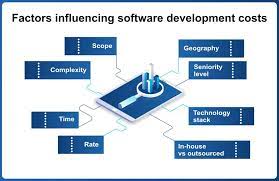
Software development pricing can vary significantly depending on various factors. It is essential for businesses and individuals looking to develop custom software to understand these factors to make informed decisions and budget effectively.

Factors Influencing Software Development Pricing

Complexity of the Project: The complexity of the software project plays a significant role in determining the pricing. More complex projects that require advanced features or integrations will generally cost more.

Technology Stack: The choice of technology stack used in development can impact pricing. Technologies that are in high demand or require specialized skills may result in higher costs.

Development Timeframe: The timeline for software development also affects pricing. Rushed projects may incur additional costs, while longer timelines can sometimes lead to more affordable pricing.

Customization Requirements: Customized software solutions tailored to specific needs will typically cost more than off-the-shelf solutions.

Common Pricing Models

Fixed Price: In this model, the price is agreed upon before the project begins and remains fixed throughout the development process.

Time and Materials: This model involves paying based on the time and resources spent on the project. It offers flexibility but can lead to cost overruns if not managed effectively.

Dedicated Team: Businesses can hire a dedicated team for software development on a monthly basis, providing ongoing support and maintenance as needed.

Tips for Managing Software Development Costs

– Clearly define project requirements upfront to avoid scope creep and additional costs.

– Collaborate closely with developers to ensure efficient communication and understanding of project goals.

– Consider scalability and future maintenance costs when choosing a pricing model.

Conclusion

Software development pricing is a crucial aspect of any project, requiring careful consideration of various factors and pricing models. By understanding these factors and following best practices for managing costs, businesses can navigate the complexities of software development pricing effectively and achieve successful outcomes.


Understanding Software Development Pricing: 7 Key Questions Answered

  1. What factors influence software development pricing?
  2. How does the complexity of a project affect software development pricing?
  3. What are the common pricing models in software development?
  4. Is it better to opt for fixed-price or time-and-materials pricing?
  5. How can businesses manage software development costs effectively?
  6. What role does technology stack play in determining software development pricing?
  7. Why do customized software solutions cost more than off-the-shelf options?

What factors influence software development pricing?

When considering software development pricing, it is important to understand the key factors that influence costs. Factors such as the complexity of the project, technology stack used, development timeframe, and customization requirements all play a significant role in determining the overall pricing of a software development project. By carefully assessing these factors and discussing them with developers, businesses can gain a clearer understanding of how each element impacts pricing and make informed decisions to budget effectively for their software development needs.

How does the complexity of a project affect software development pricing?

The complexity of a software development project has a significant impact on pricing. Projects that are more complex, involving intricate features, advanced functionalities, or integrations with other systems, typically require more time and expertise to develop. As a result, the cost of development tends to increase with the level of complexity. Developers may need to allocate more resources, conduct thorough testing, and implement specialized solutions to meet the project’s requirements. Understanding how project complexity influences software development pricing is essential for businesses to budget effectively and ensure that their software solution aligns with their specific needs and goals.

What are the common pricing models in software development?

One frequently asked question in software development is, “What are the common pricing models in software development?” There are several common pricing models used in software development, including fixed price, time and materials, and dedicated team models. In the fixed price model, the cost is agreed upon upfront and remains constant throughout the project. Time and materials model involves payment based on resources and time spent on the project, offering flexibility but requiring effective management. The dedicated team model allows businesses to hire a dedicated team for ongoing support and maintenance on a monthly basis. Each pricing model has its advantages and considerations, catering to different project requirements and client preferences in software development.

Is it better to opt for fixed-price or time-and-materials pricing?

When deciding between fixed-price and time-and-materials pricing models for software development, it’s essential to consider the specific needs and nature of your project. Fixed-price contracts provide cost predictability and a clear scope of work but may limit flexibility for changes during the development process. On the other hand, time-and-materials pricing offers greater flexibility to accommodate changes and evolving requirements but can lead to cost overruns if not managed effectively. Ultimately, the choice between the two pricing models depends on factors such as project complexity, timeline, budget constraints, and the level of control and predictability desired throughout the development process. Consulting with experienced software development professionals can help determine which pricing model aligns best with your project goals and requirements.

How can businesses manage software development costs effectively?

To manage software development costs effectively, businesses can implement several strategies. Firstly, clearly defining project requirements and scope upfront helps prevent scope creep and unnecessary expenses. Collaborating closely with developers throughout the project ensures efficient communication and alignment on goals, reducing the risk of misunderstandings that could lead to cost overruns. Additionally, considering scalability and future maintenance costs when selecting a pricing model can help businesses make informed decisions that support long-term cost management. By prioritizing transparency, communication, and strategic planning, businesses can navigate software development pricing challenges more effectively and optimize their investment in custom software solutions.

What role does technology stack play in determining software development pricing?

The technology stack plays a crucial role in determining software development pricing. The choice of technologies and tools used in the development process can significantly impact the overall cost of the project. Technologies that are in high demand, require specialized skills, or involve licensing fees can contribute to higher pricing. Additionally, certain technology stacks may offer more efficient solutions for specific project requirements, leading to cost savings in the long run. Understanding the implications of selecting a particular technology stack is essential for businesses and individuals seeking to develop custom software within their budget constraints.

Why do customized software solutions cost more than off-the-shelf options?

Customized software solutions typically cost more than off-the-shelf options due to the personalized nature of the development process. When creating a customized software solution, developers need to tailor the product to meet specific requirements and functionalities unique to the client’s needs. This level of customization requires additional time, expertise, and resources compared to off-the-shelf solutions that offer a one-size-fits-all approach. The investment in custom software development ensures that the final product aligns perfectly with the client’s business processes and goals, providing a higher level of efficiency and effectiveness in the long run.

app development software for pc

Exploring Top App Development Software for PC: Tools to Boost Your Development Process

Article: App Development Software for PC

The Best App Development Software for PC

Developing applications for various platforms has become increasingly popular in today’s digital age. Whether you are a seasoned developer or a beginner looking to create your first app, having the right software tools is essential. When it comes to app development for PC, there are several powerful options available that can streamline the development process and help you bring your ideas to life.

Microsoft Visual Studio

Microsoft Visual Studio is a comprehensive integrated development environment (IDE) that supports multiple programming languages such as C#, C++, and Visual Basic. It offers a wide range of tools and features for building Windows, Android, and iOS applications. With its intuitive interface and robust debugging capabilities, Visual Studio is a top choice for many developers.

JetBrains IntelliJ IDEA

IntelliJ IDEA is a popular Java IDE that provides advanced coding assistance and productivity tools for developing Java applications. It offers support for other languages like Kotlin, Groovy, and Scala as well. IntelliJ IDEA’s smart code completion, refactoring tools, and built-in version control make it an excellent choice for Java developers working on PC.

Xamarin

Xamarin is a cross-platform development tool that allows developers to create native mobile apps using C# and .NET. With Xamarin, you can build apps for Android, iOS, and Windows platforms while sharing code across them. Its integration with Visual Studio makes it easy to develop, test, and deploy mobile applications efficiently.

Adobe Dreamweaver

Dreamweaver is a versatile web development tool that supports HTML, CSS, JavaScript, and other web technologies. While primarily known for web design, Dreamweaver can also be used to develop web-based applications for PCs. Its visual editor and code suggestions make it ideal for front-end developers looking to create interactive user interfaces.

These are just a few examples of the many app development software options available for PC users. Whether you are building desktop applications or mobile apps, choosing the right tools can significantly impact your development workflow and overall success.


Top 9 Benefits of App Development Software for PC: Versatility, Efficiency, and Community Support

  1. 1. Versatile tools for developing applications across multiple platforms.
  2. 2. Robust debugging capabilities to identify and fix errors efficiently.
  3. 3. Integration with version control systems for better code management.
  4. 4. Advanced coding assistance to improve productivity and code quality.
  5. 5. Support for various programming languages, catering to diverse developer needs.
  6. 6. Visual editors that simplify the design and layout of user interfaces.
  7. 7. Cross-platform development options for building apps compatible with different operating systems.
  8. 8. Regular updates and enhancements to stay current with industry trends.
  9. 9. Community support and resources for troubleshooting and knowledge sharing.


Challenges of App Development Software: Navigating Complexity, Resource Demands, and High Costs

  1. Steep Learning Curve
  2. Resource Intensive
  3. Costly Licenses

1. Versatile tools for developing applications across multiple platforms.

App development software for PC offers versatile tools that empower developers to create applications across multiple platforms effortlessly. Whether targeting Windows, Android, iOS, or web-based applications, these tools provide a unified environment where developers can write code once and deploy it across various platforms with ease. This versatility not only saves time and effort but also ensures consistency in the user experience across different devices, making it a valuable asset for developers aiming to reach a broader audience with their applications.

2. Robust debugging capabilities to identify and fix errors efficiently.

Robust debugging capabilities in app development software for PC play a crucial role in identifying and fixing errors efficiently. With advanced debugging tools, developers can quickly pinpoint issues in their code, trace the root cause of bugs, and implement effective solutions. This not only saves time during the development process but also ensures that the final product is stable and free of critical errors. By leveraging robust debugging features, developers can streamline their workflow and deliver high-quality applications that meet user expectations.

3. Integration with version control systems for better code management.

Integration with version control systems is a significant advantage of app development software for PC. By seamlessly connecting with version control systems like Git or SVN, developers can effectively manage and track changes to their codebase. This feature enables team collaboration, ensures code consistency, and simplifies the process of merging code from multiple contributors. With version control integration, developers can easily revert to previous versions, identify bugs more efficiently, and maintain a well-organized and structured development environment.

4. Advanced coding assistance to improve productivity and code quality.

One significant advantage of app development software for PC is its advanced coding assistance, which greatly enhances productivity and code quality. These tools provide developers with intelligent features such as code completion, syntax highlighting, and error checking, helping them write cleaner and more efficient code. By offering suggestions and automated refactoring options, these software solutions enable developers to work faster, reduce errors, and maintain higher standards of code quality throughout the development process.

5. Support for various programming languages, catering to diverse developer needs.

One significant advantage of app development software for PC is its support for various programming languages, catering to diverse developer needs. This feature allows developers to work in their preferred language, whether it’s Java, C#, Python, or others, making the software versatile and accommodating for a wide range of projects. By offering support for multiple programming languages, developers can choose the most suitable language for their specific requirements, enhancing flexibility and enabling them to create innovative and efficient applications tailored to their expertise and preferences.

6. Visual editors that simplify the design and layout of user interfaces.

Visual editors that simplify the design and layout of user interfaces are a significant pro of app development software for PC. These tools provide developers with a user-friendly interface to visually create and customize the look and feel of their applications without needing to write extensive code manually. By offering drag-and-drop functionality, real-time previews, and access to a library of pre-designed elements, visual editors streamline the UI/UX design process and empower developers to efficiently create visually appealing and intuitive user interfaces for their apps.

7. Cross-platform development options for building apps compatible with different operating systems.

Cross-platform development options for building apps on PC offer the significant advantage of creating applications that are compatible with multiple operating systems. This versatility allows developers to write code once and deploy it across various platforms, such as Windows, macOS, and Linux, saving time and resources. By leveraging cross-platform development tools, developers can reach a broader audience with their applications while maintaining consistency in functionality and user experience across different devices and operating systems.

One significant advantage of app development software for PC is the regular updates and enhancements it receives to stay current with industry trends. By consistently updating the software, developers can access new features, improvements, and security patches that align with the latest technological advancements. This ensures that developers have access to cutting-edge tools and capabilities, allowing them to create high-quality applications that meet the evolving needs and expectations of users in today’s fast-paced digital landscape.

9. Community support and resources for troubleshooting and knowledge sharing.

One significant advantage of app development software for PC is the strong community support and abundance of resources available for troubleshooting and knowledge sharing. Developers can benefit from online forums, user communities, tutorials, and documentation provided by the software vendors and fellow developers. This robust support network not only helps in resolving technical issues efficiently but also facilitates continuous learning and collaboration within the app development community. By tapping into these resources, developers can enhance their skills, stay updated on industry trends, and overcome challenges more effectively during the software development process.

Steep Learning Curve

Some app development software for PC can present a significant challenge due to their steep learning curve, which can be particularly daunting for beginners or individuals transitioning from other platforms. Navigating complex tools and understanding intricate features may require extra time and effort to master, potentially slowing down the development process and causing frustration for users who are not yet familiar with the software. However, with dedication and practice, overcoming this obstacle can lead to valuable skills and expertise in app development.

Resource Intensive

Certain app development tools for PC can be resource-intensive, posing a con for developers. These tools may demand substantial system resources, potentially causing slowdowns or performance issues on the PC. When software consumes a large amount of processing power or memory, it can hinder the overall efficiency of the development process and impact the user experience. Developers need to consider the hardware requirements of these tools to ensure smooth operation and optimal performance while creating applications.

Costly Licenses

High-quality app development software for PC can be hindered by the con of costly licenses. Many top-tier development tools require significant financial investment in the form of licenses and subscriptions, which can be prohibitive for individual developers or small businesses operating on a tight budget. The high price tag associated with these licenses may limit access to advanced features and tools, posing a challenge for those looking to create professional-grade applications without breaking the bank.

managing the development of large software systems

Strategies for Effectively Managing the Development of Large Software Systems

Managing the Development of Large Software Systems

The Art of Managing Large Software Systems Development

Developing large software systems is a complex and challenging task that requires careful planning, coordination, and execution. Managing the development process effectively is crucial to ensure the success of the project. Here are some key strategies for managing the development of large software systems:

Define Clear Goals and Requirements

Before starting the development process, it is essential to define clear goals and requirements for the software system. This includes identifying the functionality, performance, scalability, and other key aspects of the system. Clear requirements help ensure that all stakeholders are on the same page and provide a roadmap for the development team.

Break Down the Project into Manageable Tasks

Large software systems can be overwhelming to develop as a whole. Breaking down the project into manageable tasks or modules helps simplify the development process and allows for better tracking of progress. Each task should be well-defined, with clear deliverables and deadlines.

Establish a Strong Communication Strategy

Effective communication is essential for managing large software systems development. Establishing a strong communication strategy that includes regular meetings, status updates, and feedback sessions helps keep all team members aligned and informed about project progress.

Use Version Control and Collaboration Tools

Version control systems such as Git are crucial for managing changes to codebase in large software projects. Collaboration tools like Jira or Trello can help track tasks, assign responsibilities, and monitor progress across different teams or departments.

Conduct Regular Testing and Quality Assurance

Testing is a critical part of developing large software systems to ensure that the system functions correctly and meets all requirements. Implementing automated testing processes and conducting regular quality assurance checks help identify bugs early on and maintain high standards of quality throughout development.

Monitor Performance Metrics and KPIs

Monitoring performance metrics and key performance indicators (KPIs) throughout the development process provides valuable insights into project progress, resource allocation, and potential bottlenecks. Tracking KPIs helps identify areas for improvement and ensures that the project stays on track towards meeting its goals.

In conclusion, managing the development of large software systems requires careful planning, effective communication, collaboration tools, testing processes, and monitoring performance metrics. By following these key strategies, project managers can navigate the complexities of developing large software systems successfully.


Key Considerations and Models in Managing Large Software Development Projects

  1. Which factor is most crucial during software development?
  2. What is role of management in software development?
  3. What is the waterfall model of Royce?
  4. Who published a paper on the development of large software systems?

Which factor is most crucial during software development?

During software development, one of the most crucial factors is effective communication among team members and stakeholders. Clear and open communication helps ensure that everyone involved in the project understands the goals, requirements, progress, and challenges. It facilitates collaboration, problem-solving, and decision-making, ultimately leading to a more efficient and successful development process. Effective communication also helps prevent misunderstandings, delays, and rework, allowing the team to stay on track and deliver a high-quality software system that meets the desired objectives.

What is role of management in software development?

The role of management in software development is crucial in ensuring the successful execution of large-scale projects. Management plays a key role in setting clear goals and objectives, allocating resources effectively, coordinating team efforts, and making strategic decisions to drive the project forward. Effective management helps in defining project scope, managing timelines and budgets, resolving conflicts, and ensuring that the development process aligns with business objectives. Additionally, management oversees risk assessment, quality control, and stakeholder communication to ensure that the software system meets requirements and delivers value to end-users. Overall, management in software development acts as a guiding force that orchestrates the efforts of individuals and teams towards achieving project success.

What is the waterfall model of Royce?

The waterfall model of Royce is a sequential software development process that follows a linear and rigid approach to project management. In this model, each phase of the development cycle must be completed before moving on to the next phase, resembling a waterfall cascading down in a linear fashion. The phases typically include requirements gathering, design, implementation, testing, and maintenance. While the waterfall model provides a structured framework for managing large software systems, it has limitations in adapting to changes and feedback during the development process.

Who published a paper on the development of large software systems?

One of the most frequently asked questions regarding managing the development of large software systems is about the publication of papers on this topic. Various researchers and experts in the field of software engineering have published papers discussing different aspects of developing large software systems. These papers often provide valuable insights, best practices, and case studies that can help project managers and developers navigate the complexities of managing such projects effectively. Studying these publications can offer guidance and inspiration for improving development processes and achieving successful outcomes in the realm of large software system development.

online software development

Exploring the Evolution of Online Software Development in the Digital Age

Article: Online Software Development

The Rise of Online Software Development

In today’s digital age, online software development has become a crucial aspect of creating innovative solutions for businesses and individuals. With the advancement of technology and the widespread use of the internet, the traditional model of software development has evolved to adapt to the demands of a fast-paced and interconnected world.

Benefits of Online Software Development

One of the key benefits of online software development is its accessibility. Developers can collaborate from different locations, allowing for a diverse and global talent pool to work together seamlessly. This not only promotes creativity and innovation but also ensures that projects can be completed efficiently and on time.

Furthermore, online software development offers flexibility in terms of project management. Through various online tools and platforms, teams can easily communicate, share resources, track progress, and make necessary adjustments in real-time. This agile approach enables developers to respond quickly to changing requirements and deliver high-quality software solutions.

Challenges and Solutions

Despite its advantages, online software development also presents challenges such as communication barriers, time zone differences, and security concerns. However, these challenges can be mitigated through effective use of communication tools, establishing clear workflows and processes, implementing robust security measures, and fostering a culture of collaboration and transparency within the team.

The Future of Online Software Development

As technology continues to advance rapidly, online software development is expected to play an even more significant role in shaping the future of software engineering. With emerging trends such as cloud computing, artificial intelligence, and Internet of Things (IoT), developers will need to adapt their skills and practices to stay ahead in this dynamic industry.

In conclusion, online software development offers numerous opportunities for innovation, collaboration, and efficiency in creating cutting-edge software solutions. By embracing this digital transformation and leveraging the power of online tools and technologies, developers can unlock new possibilities and drive meaningful change in the world of software engineering.


Top 7 Advantages of Online Software Development: Enhancing Collaboration, Accessibility, and Efficiency

  1. Global collaboration with diverse talent pool
  2. Increased accessibility for developers from different locations
  3. Efficient project management through online tools and platforms
  4. Real-time communication and feedback among team members
  5. Agile approach to respond quickly to changing requirements
  6. Cost-effective solutions due to reduced need for physical infrastructure
  7. Enhanced scalability and flexibility in software development projects


7 Challenges of Online Software Development: From Communication Hurdles to Security Risks

  1. Communication challenges due to remote work
  2. Potential security risks and data breaches
  3. Dependency on stable internet connection for collaboration
  4. Difficulty in establishing team cohesion and camaraderie
  5. Time zone differences leading to delays in decision-making
  6. Limited face-to-face interaction impacting creativity and problem-solving
  7. Risk of misinterpretation or lack of clarity in virtual communication

Global collaboration with diverse talent pool

Online software development enables global collaboration with a diverse talent pool, allowing teams to leverage a wide range of skills and perspectives from around the world. This diversity fosters creativity, innovation, and problem-solving, leading to the development of more robust and dynamic software solutions. By tapping into a global talent pool, teams can access specialized expertise, cultural insights, and fresh ideas that contribute to the success of projects and drive continuous improvement in the field of software development.

Increased accessibility for developers from different locations

The increased accessibility for developers from different locations in online software development has revolutionized the way teams collaborate and innovate. By breaking down geographical barriers, developers can now seamlessly work together regardless of their physical location, tapping into a diverse talent pool and fostering a global perspective. This not only enhances creativity and problem-solving but also promotes a more inclusive and dynamic work environment where expertise from various regions can come together to create impactful software solutions.

Efficient project management through online tools and platforms

Efficient project management through online tools and platforms is a significant advantage of online software development. By leveraging these digital resources, teams can streamline communication, track progress in real-time, allocate tasks effectively, and make timely adjustments as needed. This agile approach not only enhances collaboration among team members regardless of their location but also ensures that projects are completed on schedule and within budget. The use of online tools for project management promotes transparency, accountability, and productivity, ultimately leading to the successful delivery of high-quality software solutions.

Real-time communication and feedback among team members

Real-time communication and feedback among team members is a significant advantage of online software development. By leveraging instant messaging, video conferencing, and collaboration tools, team members can seamlessly exchange ideas, provide timely feedback, and address issues promptly. This fosters a more dynamic and interactive work environment, enhancing collaboration, productivity, and overall project efficiency. The ability to communicate in real-time ensures that team members stay aligned on project goals and can quickly adapt to changes or challenges as they arise, ultimately leading to the successful delivery of high-quality software solutions.

Agile approach to respond quickly to changing requirements

Online software development’s agile approach allows teams to respond promptly to changing requirements, ensuring flexibility and adaptability throughout the project lifecycle. By embracing this methodology, developers can efficiently adjust their strategies, prioritize tasks, and deliver incremental updates based on evolving needs. This proactive and iterative process not only enhances collaboration within the team but also enables stakeholders to provide feedback continuously, resulting in the development of high-quality software that meets dynamic market demands.

Cost-effective solutions due to reduced need for physical infrastructure

Online software development offers cost-effective solutions by significantly reducing the need for physical infrastructure. With the ability to collaborate online, teams can work remotely, eliminating the expenses associated with maintaining a dedicated office space and on-premises hardware. This cost-saving advantage allows businesses to allocate resources more efficiently, invest in innovation, and deliver high-quality software products without being burdened by hefty infrastructure costs.

Enhanced scalability and flexibility in software development projects

Enhanced scalability and flexibility in software development projects are significant advantages of leveraging online platforms. With the ability to easily scale resources up or down based on project requirements, teams can adapt to changing needs efficiently. This scalability ensures that projects can grow seamlessly as needed without being constrained by traditional limitations. Additionally, the flexibility offered by online software development allows for agile responses to evolving project dynamics, enabling teams to adjust priorities, allocate resources effectively, and deliver high-quality solutions in a timely manner.

Communication challenges due to remote work

One significant challenge of online software development is the communication barriers that arise from remote work. With team members working from different locations and time zones, maintaining effective communication can be difficult. Misunderstandings may occur more frequently, leading to delays in project timelines and potential errors in the software development process. It requires extra effort to ensure that all team members are on the same page, which can sometimes hinder the seamless flow of information and collaboration essential for successful software development projects.

Potential security risks and data breaches

One significant drawback of online software development is the potential security risks and data breaches that come with it. Working in a digital environment exposes projects to vulnerabilities that malicious actors can exploit, leading to unauthorized access to sensitive information, data leaks, and other cybersecurity threats. Ensuring the security of online software development requires robust measures such as implementing encryption protocols, regular security audits, and strict access controls to protect valuable data from being compromised. Failure to address these security risks adequately can result in severe consequences for both developers and clients, highlighting the critical importance of prioritizing cybersecurity in online software development practices.

Dependency on stable internet connection for collaboration

One significant drawback of online software development is the heavy reliance on a stable internet connection for effective collaboration among team members. Inconsistent or slow internet connectivity can disrupt communication, delay project progress, and hinder real-time collaboration efforts. This dependency on a stable internet connection poses a challenge for remote teams working across different locations and time zones, as any disruptions in connectivity can lead to inefficiencies and potential setbacks in project timelines. Developers must navigate this con by implementing backup communication channels and strategies to mitigate the impact of unreliable internet connections on collaborative efforts during online software development projects.

Difficulty in establishing team cohesion and camaraderie

One significant challenge of online software development is the difficulty in establishing team cohesion and camaraderie. When team members are geographically dispersed and primarily interact through digital channels, building strong relationships and fostering a sense of unity can be challenging. The lack of face-to-face communication and physical presence can hinder the development of trust, collaboration, and shared understanding among team members. Overcoming this con requires intentional efforts to promote virtual team building activities, encourage open communication, and create opportunities for personal interactions to strengthen bonds and enhance teamwork in the online environment.

Time zone differences leading to delays in decision-making

One significant disadvantage of online software development is the presence of time zone differences, which can often result in delays in decision-making processes. When team members are spread across various locations, coordinating meetings and discussions becomes challenging due to conflicting work hours. This can lead to communication gaps, prolonged response times, and ultimately hinder the efficiency of decision-making within the development team. As a result, project timelines may be extended, impacting overall productivity and potentially delaying the delivery of software solutions.

Limited face-to-face interaction impacting creativity and problem-solving

A significant drawback of online software development is the limited face-to-face interaction among team members, which can have a negative impact on creativity and problem-solving. Without the ability to engage in spontaneous discussions, brainstorming sessions, and in-person collaboration, developers may find it challenging to generate innovative ideas and solutions. The absence of non-verbal cues and personal interactions can hinder effective communication and lead to misunderstandings, potentially slowing down the decision-making process and impeding the team’s ability to tackle complex problems efficiently.

Risk of misinterpretation or lack of clarity in virtual communication

One significant con of online software development is the risk of misinterpretation or lack of clarity in virtual communication. Without face-to-face interactions, nuances in tone, body language, and facial expressions can be lost, leading to misunderstandings among team members. Written messages or emails may be open to interpretation, potentially resulting in confusion regarding project requirements, feedback, or expectations. This lack of direct communication can hinder collaboration and productivity, requiring extra effort to ensure that all stakeholders are on the same page and working towards a common goal.

incremental software development

Mastering the Art of Incremental Software Development: A Guide to Iterative Success

Article: Incremental Software Development

Understanding Incremental Software Development

Incremental software development is a methodology that involves breaking down the software development process into smaller, manageable segments. Instead of trying to deliver the entire product at once, incremental development focuses on delivering a series of functional components or features over time.

One of the key benefits of incremental software development is its flexibility. By dividing the project into smaller increments, developers can adapt to changing requirements and feedback more easily. This iterative approach allows for continuous improvement and refinement throughout the development cycle.

Another advantage of incremental development is its ability to provide early and frequent deliverables. This means that stakeholders can see tangible progress at regular intervals, which helps in managing expectations and ensuring that the final product meets their needs.

Furthermore, incremental software development promotes collaboration and communication among team members. By working on smaller increments together, developers can share knowledge, identify issues early on, and make necessary adjustments in a timely manner.

It’s important to note that incremental development requires careful planning and prioritization of features. The team must have a clear understanding of the project scope and goals to ensure that each increment contributes meaningfully to the overall product.

In conclusion, incremental software development offers a flexible and iterative approach to building software products. By focusing on delivering small increments of functionality over time, teams can adapt to changes more effectively, provide early deliverables for feedback, promote collaboration, and ultimately deliver a high-quality product that meets stakeholders’ expectations.


Advantages of Incremental Software Development: Flexibility, Early Deliverables, Continuous Improvement, Team Collaboration, Early Issue Detection, and High-Quality Outcomes

  1. Flexibility to adapt to changing requirements
  2. Early and frequent deliverables for stakeholders
  3. Continuous improvement and refinement throughout development cycle
  4. Promotes collaboration and communication among team members
  5. Easier identification of issues early on in the process
  6. High-quality final product that meets stakeholders’ expectations


7 Challenges of Incremental Software Development: Navigating Complexity, Integration, and Coordination

  1. Increased complexity due to managing multiple increments simultaneously
  2. Potential for inconsistent integration between incremental components
  3. Difficulty in estimating project timelines accurately
  4. Risk of overlooking dependencies between increments, leading to issues later on
  5. Possible challenges in maintaining a cohesive overall architecture with incremental additions
  6. Higher coordination efforts required among team members working on different increments
  7. Limited visibility into the final product until all increments are completed

Flexibility to adapt to changing requirements

One significant advantage of incremental software development is its inherent flexibility to adapt to changing requirements. By breaking down the project into smaller, manageable segments, developers can easily incorporate new features or modifications as needed throughout the development process. This adaptive approach enables teams to respond swiftly to evolving customer needs, market trends, or unforeseen challenges, ensuring that the final product remains aligned with stakeholders’ expectations and delivers maximum value.

Early and frequent deliverables for stakeholders

One significant advantage of incremental software development is the provision of early and frequent deliverables for stakeholders. By breaking down the project into smaller increments and delivering functional components regularly, stakeholders can see tangible progress at various stages of development. This allows them to provide feedback, make informed decisions, and ensure that the final product aligns with their expectations. Ultimately, the transparency and visibility provided by early and frequent deliverables enhance communication between the development team and stakeholders, leading to a more successful and satisfying end product.

Continuous improvement and refinement throughout development cycle

One significant advantage of incremental software development is the opportunity for continuous improvement and refinement throughout the development cycle. By breaking down the project into smaller increments and delivering functional components iteratively, developers can receive feedback early on, identify areas for enhancement, and make necessary adjustments in a timely manner. This iterative process allows for ongoing refinement of the product, ensuring that it evolves to meet changing requirements and stakeholder expectations as the project progresses.

Promotes collaboration and communication among team members

Incremental software development promotes collaboration and communication among team members by encouraging them to work together on smaller increments of the project. This collaborative approach allows team members to share knowledge, insights, and feedback more effectively, leading to better problem-solving, increased innovation, and a stronger sense of teamwork. By fostering open communication and cooperation, incremental development helps ensure that all team members are aligned towards the common goal of delivering a successful software product.

Easier identification of issues early on in the process

One significant benefit of incremental software development is the easier identification of issues early on in the process. By breaking down the project into smaller increments and delivering functional components iteratively, development teams can quickly spot any issues or challenges that arise. This early detection allows for timely resolution, preventing potential problems from escalating and impacting the overall project timeline and quality. Identifying and addressing issues at an early stage ultimately leads to a more efficient and successful software development process.

High-quality final product that meets stakeholders’ expectations

Incremental software development’s focus on delivering small increments of functionality over time leads to a high-quality final product that aligns closely with stakeholders’ expectations. By continuously refining and improving each increment based on feedback and changing requirements, teams can ensure that the end product meets the needs and desires of stakeholders. This iterative approach allows for early identification and resolution of issues, resulting in a final product that not only meets but exceeds stakeholders’ expectations in terms of functionality, usability, and overall quality.

Increased complexity due to managing multiple increments simultaneously

One significant drawback of incremental software development is the increased complexity that arises from managing multiple increments simultaneously. As developers work on different features or components in parallel, coordinating dependencies, ensuring compatibility, and maintaining consistency across increments can become challenging. This complexity may lead to issues such as integration conflicts, version control problems, and difficulty in tracking changes effectively. As a result, teams may experience delays in delivery, reduced overall productivity, and heightened risk of errors or inconsistencies in the final product. Effective project management strategies and clear communication are essential to mitigate this con and ensure the successful implementation of incremental development practices.

Potential for inconsistent integration between incremental components

One significant drawback of incremental software development is the potential for inconsistent integration between incremental components. As each component is developed and integrated separately, there is a risk that they may not seamlessly fit together when combined into the final product. This can lead to compatibility issues, bugs, and inefficiencies that may require additional time and effort to resolve. Ensuring consistent integration and synchronization between incremental components becomes crucial to maintain the overall integrity and functionality of the software throughout the development process.

Difficulty in estimating project timelines accurately

One significant challenge associated with incremental software development is the difficulty in estimating project timelines accurately. Since the development process is broken down into smaller increments that evolve over time based on feedback and changing requirements, it can be challenging to predict the exact timeline for completing the entire project. This uncertainty in timelines can make it difficult for project managers and stakeholders to plan resources effectively and set realistic expectations regarding delivery dates. As a result, this lack of precise timeline estimation may lead to delays or disruptions in the development process, impacting overall project management and success.

Risk of overlooking dependencies between increments, leading to issues later on

One significant drawback of incremental software development is the potential risk of overlooking dependencies between increments, which can result in issues surfacing later in the development process. When individual increments are developed without considering how they interact with each other or rely on specific components, it may lead to compatibility issues, integration challenges, or functionality gaps that become apparent only when attempting to combine all the increments into a cohesive product. This oversight can result in delays, rework, and added complexity as developers address these dependencies retroactively, highlighting the importance of thorough planning and coordination throughout the incremental development cycle.

Possible challenges in maintaining a cohesive overall architecture with incremental additions

One significant challenge of incremental software development is the potential difficulty in maintaining a cohesive overall architecture when adding increments over time. As new features or components are introduced in a piecemeal fashion, there is a risk of inconsistencies or conflicts arising within the system’s architecture. Without careful planning and oversight, these incremental additions may lead to a fragmented structure that lacks coherence and scalability. Ensuring that each increment aligns with the overarching architectural design while accommodating future growth can be a complex task that requires continuous evaluation and adjustment to prevent architectural degradation.

Higher coordination efforts required among team members working on different increments

One significant challenge of incremental software development is the increased coordination efforts needed among team members working on different increments. As the project is divided into smaller segments, team members working on separate increments must ensure that their work aligns cohesively with the overall project goals and that dependencies between increments are managed effectively. This higher level of coordination can lead to potential communication gaps, delays in decision-making, and the need for continuous synchronization efforts to maintain consistency across all increments.

Limited visibility into the final product until all increments are completed

One significant drawback of incremental software development is the limited visibility into the final product until all increments are completed. Since the project is divided into smaller segments that are developed incrementally, stakeholders may not have a clear picture of the end product until all increments are integrated and finalized. This lack of visibility can make it challenging to assess the overall progress, evaluate the coherence of different components, and ensure that the final product meets all requirements effectively. It may also lead to uncertainties regarding the project timeline and budget, as stakeholders may not have a comprehensive understanding of the final scope until all increments are delivered and integrated.

reddit software development

Exploring the Evolution of Reddit Through Software Development

Reddit Software Development

The Impact of Software Development on Reddit

Reddit, one of the most popular social news aggregation and discussion platforms on the internet, has undergone significant transformations over the years. Behind its user-friendly interface and vast community lies a complex system of software development that powers its functionality.

Continuous Improvement through Software Updates

Software development plays a crucial role in enhancing user experience on Reddit. The platform regularly releases updates to improve performance, introduce new features, and address security vulnerabilities. These updates are a result of meticulous planning, coding, testing, and deployment by Reddit’s dedicated team of software developers.

Scalability and Reliability

As Reddit continues to grow in popularity, scalability and reliability become paramount. Software developers work tirelessly to ensure that the platform can handle millions of users concurrently while maintaining high performance levels. This involves optimizing code, implementing efficient algorithms, and leveraging cloud technologies to support Reddit’s expanding user base.

Community Engagement through Open Source

Reddit values community engagement and collaboration. The platform has open-sourced several tools and projects to encourage developers worldwide to contribute to its ecosystem. By embracing open source principles, Reddit fosters innovation and creativity within the software development community.

Data-driven Decision Making

Software development at Reddit is driven by data analysis and insights. Developers leverage analytics tools to gather information on user behavior, content engagement, and platform performance. This data-driven approach enables Reddit to make informed decisions regarding feature enhancements, content moderation strategies, and overall user satisfaction.

The Future of Software Development at Reddit

Looking ahead, software development will continue to be a cornerstone of Reddit’s evolution. With a focus on innovation, collaboration, and user-centric design principles, Reddit aims to enhance its platform further and provide an unparalleled experience for its diverse community of users.


8 Essential Tips for Leveraging Reddit in Software Development

  1. Follow subreddit communities related to software development for valuable insights and resources.
  2. Engage in discussions and ask questions to learn from experienced developers on Reddit.
  3. Contribute to open-source projects shared on Reddit to enhance your coding skills.
  4. Stay updated with the latest trends and technologies in software development through Reddit threads.
  5. Utilize Reddit’s programming-related subreddits for networking opportunities and collaboration.
  6. Share your own projects or code snippets on relevant subreddits to receive feedback and suggestions.
  7. Participate in coding challenges or hackathons organized within the Reddit community for skill-building.
  8. Use Reddit as a platform to showcase your expertise, connect with potential employers, or find job opportunities.

By following subreddit communities related to software development on Reddit, you can gain access to valuable insights, resources, and discussions that can enhance your knowledge and skills in the field. Engaging with like-minded individuals and industry experts within these communities provides a platform for sharing experiences, learning about new technologies, and staying up-to-date with the latest trends in software development. Whether you are seeking advice on coding practices, exploring career opportunities, or simply looking to connect with fellow developers, participating in these subreddit communities can be a rewarding experience that enriches your journey in software development.

Engage in discussions and ask questions to learn from experienced developers on Reddit.

Engaging in discussions and asking questions on Reddit can be a valuable way to learn from experienced developers. By actively participating in relevant communities and seeking advice from seasoned professionals, you can gain insights, tips, and best practices that can help enhance your software development skills. Leveraging the collective knowledge and expertise of the Reddit community can provide you with new perspectives and solutions to challenges you may encounter in your development projects. Embracing this collaborative approach can lead to personal growth and a deeper understanding of the ever-evolving field of software development.

Contribute to open-source projects shared on Reddit to enhance your coding skills.

Contributing to open-source projects shared on Reddit is a valuable tip for enhancing your coding skills. By actively participating in these projects, you not only gain practical experience in real-world software development but also collaborate with a diverse community of developers. This hands-on approach allows you to improve your coding proficiency, learn new techniques, and contribute to the greater open-source ecosystem. Additionally, engaging with open-source projects on Reddit provides an opportunity to receive feedback, mentorship, and recognition for your contributions, ultimately helping you grow as a developer and expand your skill set.

To stay ahead in the ever-evolving field of software development, it is essential to stay updated with the latest trends and technologies. Reddit threads dedicated to software development serve as valuable resources for professionals looking to expand their knowledge and skills. By actively participating in these threads, developers can engage with a diverse community, share insights, and learn about cutting-edge tools and practices shaping the industry. Keeping abreast of discussions on Reddit can provide valuable insights that help developers stay relevant and innovative in their work.

By utilizing Reddit’s programming-related subreddits, individuals can tap into valuable networking opportunities and foster collaboration within the tech community. These subreddits serve as hubs where developers, programmers, and technology enthusiasts converge to share knowledge, seek advice, and engage in discussions on various coding topics. Engaging with these communities not only allows individuals to expand their professional network but also opens doors to potential collaborations on projects, idea sharing, and skill development. Leveraging Reddit’s programming subreddits can be a beneficial strategy for those looking to connect with like-minded individuals and stay informed about the latest trends in software development.

Share your own projects or code snippets on relevant subreddits to receive feedback and suggestions.

Sharing your own projects or code snippets on relevant subreddits is a valuable tip for engaging with the software development community on Reddit. By actively participating in discussions and showcasing your work, you not only receive feedback and suggestions from fellow developers but also contribute to the collective knowledge sharing within the community. This practice not only helps you improve your coding skills but also fosters connections with like-minded individuals who can offer insights and support to help you grow as a developer.

Participate in coding challenges or hackathons organized within the Reddit community for skill-building.

Engaging in coding challenges or hackathons organized within the Reddit community is a valuable tip for software developers looking to enhance their skills. These events provide a platform to test your coding abilities, collaborate with peers, and tackle real-world problems in a competitive yet supportive environment. By participating in such activities, developers can sharpen their problem-solving skills, learn new technologies, and build a strong network within the Reddit community. It’s an excellent opportunity to push boundaries, gain practical experience, and stay updated on the latest trends in software development.

Use Reddit as a platform to showcase your expertise, connect with potential employers, or find job opportunities.

Utilizing Reddit as a platform to showcase your expertise can be a strategic move in the realm of software development. By actively participating in relevant subreddits, sharing valuable insights, and engaging with the community, you not only establish yourself as a knowledgeable professional but also create opportunities to connect with potential employers or discover job openings. Reddit’s diverse user base and active discussions make it an ideal space to network, demonstrate your skills, and stay informed about industry trends, ultimately enhancing your visibility and career prospects in the field of software development.