


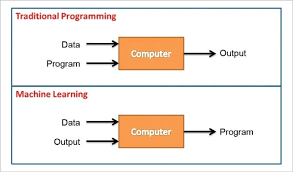
Exploring the Foundations of Traditional Software Development
The Essence of Traditional Software Development
Traditional software development has been the cornerstone of the tech industry for decades. It involves a structured approach to building software applications, following a linear process from requirements gathering to deployment.
In traditional software development, the Waterfall model is often used, where each phase of the project is completed before moving on to the next. This sequential approach ensures thorough planning and documentation at each stage, leading to a well-defined final product.
Key characteristics of traditional software development include:
- Requirement Analysis: Detailed analysis of user needs and system requirements.
- Design: Creation of a blueprint outlining the architecture and functionality of the software.
- Implementation: Writing code based on the design specifications.
- Testing: Verification and validation of the software to ensure it meets requirements.
- Deployment: Release and installation of the software for end-users.
While traditional software development has its advantages, such as clear project milestones and deliverables, it also has limitations. The linear nature of the process can lead to inflexibility when changes are needed mid-project. Additionally, long development cycles may result in delays in delivering the final product.
In recent years, Agile methodologies have gained popularity as an alternative to traditional software development. Agile focuses on iterative development, allowing for more flexibility and quicker adaptation to changing requirements.
Despite the rise of Agile practices, traditional software development continues to be relevant in certain contexts where a structured and predictable approach is required. Many organizations still rely on traditional methods for projects with well-defined scope and stable requirements.
In conclusion, traditional software development remains a fundamental approach in the tech industry, offering a systematic way to build reliable and robust software applications. While newer methodologies may offer different benefits, understanding the essence of traditional development is essential for any aspiring software developer.
Advantages of Traditional Software Development: Tracking Progress, Minimizing Risks, and Ensuring Quality
- Clear project milestones and deliverables help track progress.
- Thorough planning and documentation ensure a well-defined final product.
- Structured approach minimizes risks of scope creep and requirement changes.
- Well-suited for projects with stable requirements and predictable outcomes.
- Established processes provide a framework for consistent quality assurance.
Challenges of Traditional Software Development: Inflexibility, Delays, and High Costs
- Rigid and inflexible when changes are needed mid-project
- Long development cycles may lead to delays in delivering the final product
- Limited collaboration between developers and stakeholders
- Difficulty in adapting to evolving requirements and technologies
- Higher risk of project failure due to lack of early feedback
- Costly to make significant changes once the project is in progress
Clear project milestones and deliverables help track progress.
Clear project milestones and deliverables in traditional software development serve as valuable markers that help track progress effectively. By breaking down the project into distinct phases with specific goals and outcomes, teams can monitor their advancement, identify potential bottlenecks early on, and ensure that the project stays on track towards successful completion. This structured approach not only provides a sense of accomplishment as milestones are achieved but also enables better project management and communication among team members and stakeholders.
Thorough planning and documentation ensure a well-defined final product.
Thorough planning and documentation in traditional software development play a crucial role in ensuring a well-defined final product. By meticulously analyzing user requirements, designing detailed blueprints, and documenting every aspect of the development process, teams can minimize ambiguity and misunderstandings throughout the project lifecycle. This structured approach not only helps developers stay on track but also enables stakeholders to have a clear understanding of the project’s progress and expected outcomes. Ultimately, this meticulous planning and documentation contribute to the delivery of a high-quality software product that meets the specified requirements and expectations.
Structured approach minimizes risks of scope creep and requirement changes.
One of the key advantages of traditional software development is its structured approach, which helps minimize the risks of scope creep and requirement changes. By thoroughly defining project requirements and creating a detailed plan upfront, traditional development methodologies establish a clear roadmap for the entire project. This proactive approach reduces the likelihood of unexpected changes in scope or requirements later in the development process, leading to more predictable outcomes and better control over project timelines and budgets.
Well-suited for projects with stable requirements and predictable outcomes.
Traditional software development is well-suited for projects with stable requirements and predictable outcomes. This approach allows for thorough planning and documentation at each stage of the development process, ensuring that the final product aligns closely with the initial specifications. By following a structured and linear approach, traditional software development minimizes the risk of scope creep and provides a clear roadmap for achieving predictable outcomes. This reliability makes it an ideal choice for projects where requirements are well-defined and unlikely to change significantly throughout the development cycle.
Established processes provide a framework for consistent quality assurance.
Established processes in traditional software development provide a framework for consistent quality assurance throughout the project lifecycle. By following a structured approach that includes defined requirements analysis, thorough design, rigorous testing, and deployment procedures, teams can ensure that quality standards are maintained at every stage of development. This systematic method helps identify and address potential issues early on, leading to a more reliable and high-quality final product. Consistent quality assurance practices not only enhance the overall performance of the software but also instill confidence in stakeholders regarding the reliability and functionality of the end product.
Rigid and inflexible when changes are needed mid-project
One significant drawback of traditional software development is its rigidity and inflexibility when changes are required mid-project. The linear nature of the Waterfall model, commonly used in traditional development, dictates that each phase must be completed before moving on to the next. This sequential approach makes it challenging to accommodate changes in requirements, design, or functionality once a phase is finished. As a result, any modifications or additions requested during the development process can disrupt the entire project timeline and may lead to delays and increased costs.
Long development cycles may lead to delays in delivering the final product
One significant drawback of traditional software development is the potential for long development cycles, which can result in delays in delivering the final product. The linear nature of the traditional approach, where each phase must be completed before moving on to the next, can lead to extended timelines as any changes or issues discovered late in the process may require going back to earlier stages for modifications. These delays not only affect the project schedule but also impact time-to-market and may result in missed opportunities in a fast-paced industry where agility and quick delivery are key factors for success.
Limited collaboration between developers and stakeholders
In traditional software development, a significant drawback is the limited collaboration between developers and stakeholders. The linear nature of the process, where requirements are gathered upfront and handed off to developers, often results in minimal communication and interaction between the two parties. This lack of collaboration can lead to misunderstandings, misinterpretations of requirements, and ultimately, a disconnect between the intended functionality of the software and the actual delivered product. Embracing more collaborative approaches, such as Agile methodologies, can help bridge this gap and ensure that developers and stakeholders work closely together throughout the project lifecycle to deliver successful outcomes.
Difficulty in adapting to evolving requirements and technologies
One significant drawback of traditional software development is the challenge it faces in adapting to evolving requirements and technologies. The linear nature of the process, with its emphasis on thorough planning and documentation upfront, can make it difficult to accommodate changes that arise as a project progresses. In today’s fast-paced tech landscape where requirements and technologies evolve rapidly, this inflexibility can lead to delays, increased costs, and ultimately, a product that may not fully meet the current needs of users or market demands.
Higher risk of project failure due to lack of early feedback
One significant con of traditional software development is the higher risk of project failure due to the lack of early feedback. In this approach, requirements are gathered and documented extensively at the beginning of the project, and development progresses through sequential stages without much room for iterative feedback. This lack of early feedback can result in misunderstandings or misinterpretations of requirements, leading to costly rework later in the project lifecycle. Without timely input from stakeholders and users, there is a higher likelihood of delivering a final product that does not meet their expectations or needs, ultimately increasing the risk of project failure.
Costly to make significant changes once the project is in progress
One significant drawback of traditional software development is the high cost associated with making significant changes once the project is already in progress. Since traditional development follows a linear process where each phase builds upon the previous one, introducing major modifications mid-project can disrupt the entire workflow and require extensive rework. This can lead to increased expenses in terms of time, resources, and effort to accommodate the changes effectively. The rigidity of the sequential approach in traditional software development makes it challenging and costly to adapt to evolving requirements or address unforeseen issues without impacting project timelines and budgets significantly.