

cfchris.com

Loading

companies looking to outsource software development
us

Strategic Solutions: How Companies Benefit from Outsourcing Software Development

Companies Looking to Outsource Software Development

The Benefits of Outsourcing Software Development for Companies

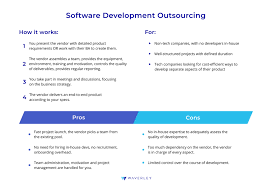
Many companies are turning to outsourcing as a strategic approach to meet their software development needs. Outsourcing software development involves hiring external vendors or partners to handle the design, development, and maintenance of software applications. This trend has gained popularity due to several compelling reasons.

Cost Efficiency

One of the primary reasons companies choose to outsource software development is cost efficiency. By outsourcing, companies can reduce operational and labor costs significantly. External vendors often operate in countries with lower labor costs, allowing companies to access skilled professionals at a fraction of the cost compared to hiring in-house staff.

Access to Specialized Skills

Outsourcing software development provides companies with access to a diverse pool of specialized skills and expertise. External vendors often have teams of experienced developers who are well-versed in the latest technologies and best practices. This enables companies to leverage the expertise of professionals who may not be available locally.

Faster Time-to-Market

Outsourcing software development can accelerate the time-to-market for products and services. External vendors are equipped to handle projects efficiently and effectively, reducing development time and enabling companies to launch their offerings sooner. This agility is crucial in today’s fast-paced business environment.

Focus on Core Competencies

By outsourcing non-core activities such as software development, companies can focus on their core competencies and strategic initiatives. Outsourcing allows businesses to allocate resources more effectively, freeing up internal teams to concentrate on high-value tasks that drive growth and innovation.

Risk Mitigation

Outsourcing software development can help mitigate risks associated with project execution. External vendors often have established processes and quality assurance measures in place, reducing the likelihood of errors or delays. Additionally, outsourcing provides flexibility in scaling resources up or down based on project requirements.

Conclusion

In conclusion, outsourcing software development offers numerous benefits for companies seeking cost-effective solutions, access to specialized skills, faster time-to-market, focus on core competencies, and risk mitigation. By partnering with external vendors, companies can enhance their competitiveness, drive innovation, and achieve business objectives more efficiently.


Top 5 Benefits of Outsourcing Software Development for Companies

  1. Cost efficiency through lower labor costs
  2. Access to specialized skills and expertise
  3. Faster time-to-market for products and services
  4. Ability to focus on core competencies and strategic initiatives
  5. Risk mitigation with established processes and quality assurance measures


6 Major Drawbacks of Outsourcing Software Development for Companies

  1. Loss of Direct Control
  2. Communication Challenges
  3. Quality Concerns
  4. Security Risks
  5. Dependency on External Vendors
  6. Intellectual Property Issues

Cost efficiency through lower labor costs

Outsourcing software development provides companies with a significant advantage in cost efficiency through lower labor costs. By leveraging external vendors in countries with lower labor expenses, businesses can access skilled professionals at a fraction of the cost compared to hiring in-house staff. This cost-saving benefit allows companies to allocate their resources more strategically, enabling them to invest in other critical areas of their operations while still receiving high-quality software development services.

Access to specialized skills and expertise

Outsourcing software development provides companies with a valuable advantage – access to specialized skills and expertise. By partnering with external vendors who have teams of experienced developers well-versed in the latest technologies and best practices, companies can tap into a diverse pool of talent that may not be readily available locally. This access to specialized skills enables companies to leverage the expertise of professionals who can bring innovative solutions to the table, ultimately enhancing the quality and efficiency of their software development projects.

Faster time-to-market for products and services

Outsourcing software development offers companies the advantage of achieving a faster time-to-market for their products and services. By leveraging the expertise and resources of external vendors, companies can streamline the development process, reduce turnaround times, and accelerate the launch of new offerings. This increased agility enables businesses to stay ahead of competitors, respond quickly to market demands, and capitalize on emerging opportunities more efficiently.

Ability to focus on core competencies and strategic initiatives

By outsourcing software development, companies can redirect their internal resources and expertise towards focusing on core competencies and strategic initiatives. This allows businesses to prioritize activities that drive growth, innovation, and competitive advantage. By entrusting software development to external vendors, companies can streamline operations, enhance efficiency, and allocate resources more effectively to achieve their long-term business objectives.

Risk mitigation with established processes and quality assurance measures

One significant advantage for companies looking to outsource software development is the ability to mitigate risks through the use of established processes and quality assurance measures. External vendors often have well-defined procedures and rigorous quality control mechanisms in place to ensure the successful execution of projects. By leveraging these established frameworks, companies can minimize the likelihood of errors, delays, and inconsistencies in software development, ultimately enhancing project outcomes and reducing potential risks associated with in-house development efforts.

Loss of Direct Control

Outsourcing software development can present a significant con for companies in the form of loss of direct control over the development process. When software development is outsourced to external vendors, companies may face challenges in closely monitoring and managing the day-to-day progress of the project. This lack of direct oversight can lead to communication gaps, misunderstandings, and delays in project delivery. Additionally, companies may have limited influence over decision-making processes and may find it challenging to align the outsourced work with their internal standards and objectives. The loss of direct control can hinder transparency, accountability, and overall project success, highlighting a key drawback of outsourcing software development.

Communication Challenges

Communication challenges can be a significant con for companies looking to outsource software development. The distance, time zone differences, language barriers, and cultural nuances between the company and the external vendor can hinder effective communication. Misunderstandings or misinterpretations may arise, leading to delays, errors, or even project failures. Clear and consistent communication is essential for successful collaboration in software development outsourcing to ensure alignment on project goals, requirements, timelines, and deliverables. Overcoming communication challenges requires proactive efforts from both parties to establish effective channels of communication and foster a shared understanding of expectations and responsibilities.

Quality Concerns

Quality concerns are a significant con that companies may face when looking to outsource software development. Entrusting the development of critical software applications to external vendors can raise apprehensions about the consistency and reliability of the final product. Companies may worry about communication challenges, cultural differences, or varying standards of quality assurance practices that could potentially impact the overall quality of the software deliverables. Ensuring that stringent quality control measures and clear communication channels are established with outsourced partners is crucial to address these concerns and maintain the desired level of quality in software development projects.

Security Risks

Outsourcing software development introduces security risks that companies must carefully consider. When sensitive data and proprietary information are shared with external vendors, there is a potential for data breaches, intellectual property theft, or unauthorized access to confidential resources. Companies need to establish robust security protocols, conduct thorough due diligence on vendors’ security practices, and implement stringent confidentiality agreements to mitigate these risks. Failure to address security concerns adequately can have severe consequences for the company’s reputation, financial stability, and overall business operations.

Dependency on External Vendors

One significant con that companies face when outsourcing software development is the dependency on external vendors. Relying on third-party providers for critical software development tasks can create a sense of vulnerability and lack of control over the project. Companies may experience challenges in communication, coordination, and alignment of goals with external vendors, leading to potential delays, misunderstandings, or conflicts. Moreover, if the relationship with the vendor sours or if the vendor faces issues such as financial instability or resource constraints, it can significantly impact the company’s operations and project timelines. The dependency on external vendors underscores the importance of establishing clear contracts, communication channels, and contingency plans to mitigate risks associated with outsourcing software development.

Intellectual Property Issues

Intellectual property issues can pose a significant con for companies looking to outsource software development. When partnering with external vendors, there is a risk of sensitive information and proprietary technology being compromised or misused. Protecting intellectual property rights becomes a crucial concern, as companies must ensure that proper legal agreements and safeguards are in place to safeguard their valuable assets. The potential loss of control over intellectual property can hinder innovation and competitiveness, making it essential for companies to carefully assess and address these risks before engaging in outsourcing arrangements.

outsourcing software development services

Maximizing Efficiency: Leveraging Outsourcing for Software Development Services

The Benefits of Outsourcing Software Development Services

In today’s fast-paced business world, companies are constantly looking for ways to stay competitive and innovative. One strategy that has gained popularity in recent years is outsourcing software development services. Outsourcing software development involves hiring external vendors or partners to handle the design, development, and maintenance of software applications.

Cost-Effectiveness

One of the primary reasons companies choose to outsource software development is cost-effectiveness. Outsourcing allows businesses to access a global talent pool of skilled developers at a fraction of the cost of hiring an in-house team. By outsourcing, companies can save on expenses such as salaries, benefits, infrastructure, and training.

Access to Specialized Skills

Outsourcing software development services give companies access to a diverse range of specialized skills and expertise. External vendors often have teams of professionals with specific knowledge in various programming languages, technologies, and industries. This allows businesses to leverage the expertise of experienced developers without having to invest in extensive training or recruitment efforts.

Focus on Core Business Activities

By outsourcing software development tasks, companies can free up internal resources and focus on core business activities. Instead of spending time and effort on building and maintaining software applications, businesses can concentrate on strategic initiatives that drive growth and profitability.

Faster Time-to-Market

Outsourcing software development can help accelerate the time-to-market for new products and services. External vendors are often able to work on projects around the clock, leading to faster development cycles and quicker deployment of software solutions. This agility can give businesses a competitive edge by allowing them to adapt quickly to changing market demands.

Risk Mitigation

Outsourcing software development services can also help mitigate risks associated with project delays, budget overruns, or skill shortages. External vendors often have established processes and quality assurance measures in place to ensure projects are delivered on time and within budget. Additionally, outsourcing provides flexibility in scaling resources up or down based on project requirements.

Conclusion

In conclusion, outsourcing software development services can offer numerous benefits for businesses looking to streamline operations, reduce costs, access specialized skills, accelerate innovation, and mitigate risks. By partnering with trusted external vendors, companies can leverage the expertise of global talent pools and focus on driving growth and success in today’s digital economy.


7 Key Benefits of Outsourcing Software Development Services

  1. Cost-effectiveness by reducing overhead expenses
  2. Access to a global talent pool of skilled developers
  3. Flexibility in scaling resources based on project needs
  4. Faster time-to-market for new products and services
  5. Access to specialized skills and expertise
  6. Focus on core business activities instead of software development
  7. Risk mitigation through established processes and quality assurance measures


Key Drawbacks of Outsourcing Software Development Services

  1. Communication challenges due to language barriers and time zone differences
  2. Quality control issues as external vendors may not fully understand the company’s standards and requirements
  3. Security concerns related to sharing sensitive data and intellectual property with third-party providers
  4. Dependency on external vendors for ongoing support and maintenance, leading to potential service disruptions

Cost-effectiveness by reducing overhead expenses

Outsourcing software development services provides a significant advantage in cost-effectiveness by reducing overhead expenses. Companies can save on costs related to salaries, benefits, infrastructure, and training by outsourcing tasks to external vendors. This approach allows businesses to access a global talent pool of skilled developers at a fraction of the cost of maintaining an in-house team. By leveraging the cost efficiencies of outsourcing, companies can allocate resources more strategically and invest in other critical areas of their operations to drive growth and innovation.

Access to a global talent pool of skilled developers

Outsourcing software development services provides companies with access to a global talent pool of skilled developers, offering a diverse range of expertise and specialized skills. By tapping into this vast resource of professionals from around the world, businesses can benefit from the knowledge and experience of developers who are well-versed in various programming languages, technologies, and industry best practices. This access to a highly skilled workforce allows companies to leverage top talent without the need for extensive recruitment efforts or costly training programs, ultimately leading to more efficient and effective software development processes.

Flexibility in scaling resources based on project needs

One significant advantage of outsourcing software development services is the flexibility it provides in scaling resources based on project needs. External vendors offer the ability to adjust the size of the development team according to the requirements of each project. This scalability allows businesses to efficiently allocate resources, ensuring that they have the right expertise and manpower available at any given time without the need for long-term commitments or additional hiring. By leveraging this flexibility, companies can effectively manage project timelines, optimize costs, and maintain agility in responding to changing demands in a dynamic business environment.

Faster time-to-market for new products and services

Outsourcing software development services can significantly expedite the time-to-market for new products and services. By collaborating with external vendors who have the resources and expertise to work on projects around the clock, businesses can benefit from faster development cycles and quicker deployment of software solutions. This agility in bringing products to market swiftly enables companies to stay ahead of competitors, respond promptly to changing market demands, and capitalize on emerging opportunities in a timely manner.

Access to specialized skills and expertise

Outsourcing software development services provides businesses with access to a diverse range of specialized skills and expertise that may not be readily available in-house. External vendors often have teams of professionals with specific knowledge in various programming languages, technologies, and industries. This allows companies to leverage the expertise of experienced developers without the need for extensive training or recruitment efforts. By tapping into the specialized skills of external vendors, businesses can enhance the quality of their software solutions and drive innovation in a cost-effective manner.

Focus on core business activities instead of software development

Outsourcing software development services allows businesses to focus on their core activities and strategic initiatives without the distraction of managing software development in-house. By entrusting software development tasks to external vendors, companies can allocate their resources more efficiently, prioritize business growth, and enhance customer satisfaction. This proactive approach enables organizations to streamline operations, increase productivity, and drive innovation while leaving the technical complexities of software development to experts in the field.

Risk mitigation through established processes and quality assurance measures

Outsourcing software development services can effectively mitigate risks by leveraging the established processes and quality assurance measures of external vendors. These vendors often have well-defined procedures in place to ensure that projects are delivered on time, within budget, and up to industry standards. By entrusting software development tasks to experienced professionals with a focus on quality assurance, businesses can minimize the risk of project delays, budget overruns, and potential technical issues. This approach not only enhances project efficiency but also provides a sense of security and reliability in the delivery of high-quality software solutions.

Communication challenges due to language barriers and time zone differences

One significant con of outsourcing software development services is the communication challenges that arise from language barriers and time zone differences. Misunderstandings can occur when working with teams that speak different languages, leading to errors in project requirements or deliverables. Additionally, coordinating meetings and collaboration becomes more complex when team members are spread across different time zones, making real-time communication difficult. These obstacles can hinder the efficiency of the development process and result in delays in project timelines.

Quality control issues as external vendors may not fully understand the company’s standards and requirements

One significant con of outsourcing software development services is the potential for quality control issues. External vendors may not have a deep understanding of the company’s specific standards, requirements, and internal processes. This lack of familiarity can lead to misinterpretations, miscommunications, and ultimately result in deliverables that do not meet the expected quality standards. Without direct oversight and clear communication channels, ensuring that the software aligns with the company’s expectations can be challenging, potentially leading to delays, rework, and dissatisfaction with the final product.

One significant con of outsourcing software development services is the security concerns associated with sharing sensitive data and intellectual property with third-party providers. Entrusting external vendors with confidential information poses a risk of data breaches, unauthorized access, or intellectual property theft. Companies may face challenges in ensuring the protection of their proprietary technology and trade secrets when collaborating with external partners, potentially leading to compromised security and confidentiality. It is crucial for businesses to carefully assess the security measures and protocols of outsourcing providers to mitigate these risks effectively.

Dependency on external vendors for ongoing support and maintenance, leading to potential service disruptions

One significant con of outsourcing software development services is the dependency on external vendors for ongoing support and maintenance, which can potentially lead to service disruptions. Relying on third-party vendors to manage and maintain critical software applications means that businesses may face challenges in ensuring timely support and troubleshooting when issues arise. Any delays or miscommunications with external vendors can result in downtime, impacting business operations and customer satisfaction. This dependency on external parties for ongoing support introduces a level of risk that businesses need to carefully consider when outsourcing software development services.

agile software

Unlocking Success: The Agile Software Revolution

The Power of Agile Software Development

The Power of Agile Software Development

Agile software development has revolutionized the way software projects are managed and executed. Unlike traditional waterfall methods, agile focuses on flexibility, collaboration, and continuous improvement. This approach allows teams to adapt to changing requirements and deliver high-quality products efficiently.

Key Principles of Agile

Agile is based on several key principles that guide its implementation:

  • Iterative Development: Projects are broken down into small iterations or sprints, allowing for incremental progress and regular feedback.
  • Collaboration: Team members work closely together, sharing knowledge and expertise to achieve common goals.
  • Customer Involvement: Customers are involved throughout the development process, providing feedback and guidance to ensure the end product meets their needs.
  • Adaptability: Agile teams embrace change and are able to adjust their plans quickly in response to new information or requirements.

Benefits of Agile

The agile approach offers numerous benefits for both teams and customers:

  • Faster Time-to-Market: By delivering working software in short iterations, agile teams can respond quickly to market demands and release products faster.
  • Better Quality: Continuous testing and feedback help identify issues early, leading to higher-quality products.
  • Improved Customer Satisfaction: Involving customers throughout the development process ensures that the final product meets their expectations and needs.
  • Increased Flexibility: Agile allows teams to adapt to changing requirements, technology trends, or business priorities without significant disruption.

Challenges of Agile

While agile offers many advantages, it also comes with its own set of challenges:

  • Cultural Shift: Adopting an agile mindset may require a cultural shift within organizations used to traditional project management methods.
  • Resource Allocation: Balancing competing priorities and managing resources effectively can be challenging in an agile environment.
  • Risk Management: Embracing change can introduce risks that need to be carefully managed to ensure project success.

In Conclusion

Agile software development has transformed the way software projects are approached, emphasizing collaboration, adaptability, and customer satisfaction. By embracing agility, teams can deliver high-quality products faster and more efficiently than ever before. While challenges exist, the benefits of agile far outweigh the obstacles, making it a powerful methodology for modern software development projects.


7 Essential Tips for Mastering Agile Software Development

  1. Break down tasks into smaller chunks for better manageability.
  2. Regularly communicate and collaborate with team members to ensure progress.
  3. Prioritize tasks based on importance and impact to the project.
  4. Embrace change and be flexible in adapting to new requirements.
  5. Iterate quickly and frequently to gather feedback for continuous improvement.
  6. Empower team members by encouraging autonomy and decision-making.
  7. Reflect on past sprints to identify areas for optimization and growth.

Break down tasks into smaller chunks for better manageability.

Breaking down tasks into smaller chunks is a fundamental tip in agile software development that enhances manageability and efficiency. By dividing complex tasks into more manageable pieces, teams can focus on completing one task at a time, leading to better organization and progress tracking. This approach also allows for quicker feedback loops, enabling teams to adapt and make necessary adjustments easily. Ultimately, breaking down tasks into smaller chunks promotes a smoother workflow and ensures that project goals are achieved in a timely manner.

Regularly communicate and collaborate with team members to ensure progress.

Regular communication and collaboration with team members are essential aspects of successful agile software development. By maintaining open lines of communication and working closely together, team members can ensure that progress is consistent and aligned with project goals. Regular updates, feedback sessions, and collaborative problem-solving help to address any issues promptly and keep the project on track. This emphasis on communication and collaboration fosters a sense of unity within the team and promotes a shared understanding of the project’s objectives, leading to more efficient and effective outcomes.

Prioritize tasks based on importance and impact to the project.

In agile software development, it is crucial to prioritize tasks based on their importance and impact on the project’s success. By focusing on high-priority tasks that have a significant impact on achieving project goals, teams can ensure that they are allocating their resources effectively and delivering value to customers in a timely manner. Prioritization helps teams stay focused, make informed decisions, and maximize the overall efficiency of the development process.

Embrace change and be flexible in adapting to new requirements.

Embracing change and fostering flexibility in adapting to new requirements are fundamental principles of agile software development. By maintaining an open mindset and being willing to adjust plans as needed, agile teams can respond effectively to evolving project needs and customer expectations. This approach not only enhances collaboration and innovation within the team but also ensures that the final product aligns closely with the dynamic demands of the market.

Iterate quickly and frequently to gather feedback for continuous improvement.

Iterating quickly and frequently in agile software development is essential for gathering valuable feedback that drives continuous improvement. By breaking down projects into small iterations or sprints, teams can deliver working software at a rapid pace, allowing stakeholders to provide feedback early in the process. This feedback loop enables teams to make necessary adjustments, address issues promptly, and enhance the quality of the final product. Embracing a culture of continuous iteration and feedback not only fosters collaboration but also ensures that the end result meets customer expectations and evolves with changing requirements effectively.

Empower team members by encouraging autonomy and decision-making.

Empowering team members by encouraging autonomy and decision-making is a key tip in agile software development. By granting individuals the freedom to make decisions within their areas of expertise, teams can foster creativity, ownership, and accountability. This approach not only boosts morale and motivation but also leads to more innovative solutions and efficient problem-solving. Trusting team members to take ownership of their work ultimately results in a more collaborative and productive agile environment where individuals feel valued and empowered to contribute their best to the project’s success.

Reflect on past sprints to identify areas for optimization and growth.

Reflecting on past sprints is a crucial practice in agile software development as it allows teams to identify areas for optimization and growth. By reviewing what worked well and what could be improved from previous iterations, teams can make informed decisions on how to enhance their processes, increase efficiency, and deliver even better results in future sprints. This reflective practice fosters a culture of continuous improvement and learning within the team, ultimately leading to better outcomes and increased success in software development projects.