
cfchris.com

Loading

infrastructure

Advancing Infrastructure: Building the Foundation for Tomorrow’s Society

The Importance of Infrastructure in Modern Society

The Importance of Infrastructure in Modern Society

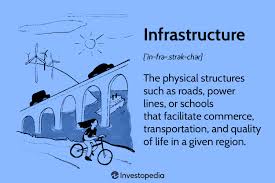
Infrastructure plays a crucial role in supporting the functioning and development of modern society. It encompasses the physical structures, facilities, and systems that enable various activities and services to take place efficiently. From transportation networks to communication systems, infrastructure is the backbone of a thriving economy and a high quality of life.

Types of Infrastructure

Infrastructure can be categorized into different types based on its function:

  • Transportation: Roads, bridges, airports, and public transit systems facilitate the movement of people and goods.
  • Utilities: Water supply networks, electricity grids, and sewage systems ensure essential services reach communities.
  • Communication: Telecommunication networks, internet infrastructure, and broadcasting systems connect individuals and businesses globally.
  • Social infrastructure: Schools, hospitals, and public spaces contribute to the well-being and development of communities.

The Role of Infrastructure in Economic Growth

A well-developed infrastructure is a key driver of economic growth. Efficient transportation systems reduce logistics costs for businesses, while reliable energy infrastructure supports industrial production. Additionally, modern communication networks enable businesses to connect with customers worldwide and access new markets.

Sustainability and Resilience

In an era marked by climate change and natural disasters, building sustainable and resilient infrastructure is crucial. Green infrastructure initiatives focus on reducing environmental impact through renewable energy sources, efficient water management systems, and eco-friendly construction practices. Resilient infrastructure can withstand shocks such as extreme weather events or cyber-attacks without compromising essential services.

The Future of Infrastructure

Rapid technological advancements are shaping the future of infrastructure development. Smart infrastructure solutions leverage data analytics, IoT devices, and artificial intelligence to optimize operations and enhance user experience. As urbanization continues to rise globally, innovative approaches to sustainable urban planning will be essential for creating livable cities with efficient infrastructure systems.

In conclusion, infrastructure is not just about concrete structures; it is the foundation that supports our daily lives and drives progress in society. Investing in robust, sustainable infrastructure is key to ensuring a prosperous future for generations to come.


Understanding Infrastructure: Key Questions and Insights

  1. What is infrastructure?
  2. Why is infrastructure important?
  3. What are the different types of infrastructure?
  4. How does infrastructure impact economic growth?
  5. What are the challenges in maintaining and upgrading infrastructure?
  6. How can sustainable infrastructure practices benefit society?
  7. What role does technology play in modernizing infrastructure?
  8. How does government funding support infrastructure development?
  9. What are some examples of successful infrastructure projects around the world?

What is infrastructure?

Infrastructure refers to the essential physical and organizational systems that support various activities and services in society. It encompasses a wide range of components, including transportation networks, communication systems, utilities such as water and electricity supply, and social infrastructure like schools and healthcare facilities. Essentially, infrastructure acts as the backbone of a functioning economy and society, enabling the efficient movement of people and goods, facilitating communication on local and global scales, and providing essential services to communities. In essence, infrastructure forms the foundation upon which modern societies are built and sustained.

Why is infrastructure important?

Infrastructure is vital for the functioning and progress of societies due to its essential role in supporting various activities and services. The importance of infrastructure lies in its ability to facilitate economic growth, enhance quality of life, and ensure the smooth operation of critical systems. From transportation networks that enable the movement of goods and people to communication systems that connect individuals globally, infrastructure forms the backbone of modern society. Without robust infrastructure, businesses would struggle to thrive, communities would face challenges in accessing essential services, and overall development would be hindered. In essence, infrastructure is important because it underpins the foundation for a sustainable and prosperous future for all.

What are the different types of infrastructure?

Infrastructure encompasses various types of essential systems and facilities that form the backbone of modern society. The different types of infrastructure include transportation infrastructure, such as roads, bridges, airports, and public transit systems that enable the movement of people and goods. Utilities infrastructure comprises water supply networks, electricity grids, and sewage systems that deliver essential services to communities. Communication infrastructure includes telecommunication networks, internet infrastructure, and broadcasting systems that facilitate global connectivity. Social infrastructure encompasses institutions like schools, hospitals, and public spaces that contribute to community well-being and development. Each type of infrastructure plays a vital role in supporting economic activities, enhancing quality of life, and fostering societal progress.

How does infrastructure impact economic growth?

Infrastructure plays a critical role in influencing economic growth by serving as the backbone of a thriving economy. A well-developed infrastructure system, including transportation networks, communication systems, and utilities, can significantly impact economic productivity and efficiency. Efficient transportation infrastructure reduces the cost and time of moving goods and people, facilitating trade and business activities. Reliable energy and water infrastructure support industrial production and enable businesses to operate smoothly. Moreover, modern communication infrastructure enhances connectivity, allowing businesses to reach new markets and customers globally. In essence, infrastructure not only supports economic activities but also drives innovation, competitiveness, and overall growth in an economy.

What are the challenges in maintaining and upgrading infrastructure?

Maintaining and upgrading infrastructure poses several challenges in today’s rapidly evolving society. One major challenge is the aging of existing infrastructure, which requires regular maintenance and upgrades to ensure safety and functionality. Limited funding and budget constraints often hinder efforts to address infrastructure needs adequately. Additionally, coordinating between various stakeholders, such as government agencies, private sector partners, and local communities, can be complex and time-consuming. Technological advancements also present challenges as new infrastructure solutions require specialized skills and resources for implementation. Overcoming these obstacles requires strategic planning, innovative financing mechanisms, and collaborative efforts to ensure that infrastructure remains resilient and sustainable for future generations.

How can sustainable infrastructure practices benefit society?

Sustainable infrastructure practices offer numerous benefits to society by promoting long-term environmental, social, and economic well-being. By incorporating renewable energy sources, efficient water management systems, and eco-friendly construction methods, sustainable infrastructure helps reduce carbon emissions and mitigate the impacts of climate change. Additionally, these practices enhance public health by improving air quality and reducing pollution levels. Socially, sustainable infrastructure projects create job opportunities, promote community resilience, and enhance the overall quality of life for residents. Economically, investing in sustainable infrastructure can lead to cost savings through energy efficiency measures and contribute to long-term economic growth by attracting green investments and fostering innovation in clean technologies. Overall, embracing sustainable infrastructure practices is essential for building a more resilient and prosperous society for future generations.

What role does technology play in modernizing infrastructure?

Technology plays a pivotal role in modernizing infrastructure by introducing innovative solutions that enhance efficiency, connectivity, and sustainability. From smart sensors and data analytics to automation and artificial intelligence, technology enables infrastructure systems to operate more intelligently and adaptively. By leveraging digital tools, infrastructure can be monitored in real-time, maintenance can be predictive rather than reactive, and resources can be optimized for maximum impact. Ultimately, technology empowers infrastructure to meet the evolving needs of society while driving progress towards a more resilient and interconnected future.

How does government funding support infrastructure development?

Government funding plays a pivotal role in supporting infrastructure development by providing the financial resources needed to plan, build, and maintain essential public assets. Through various funding mechanisms such as grants, loans, and public-private partnerships, governments allocate resources to critical infrastructure projects like transportation networks, water systems, and energy grids. This funding not only helps address existing infrastructure gaps but also stimulates economic growth, creates jobs, and improves the overall quality of life for communities. By investing in infrastructure development, governments can enhance public safety, promote sustainability, and lay the groundwork for a more resilient and prosperous society.

What are some examples of successful infrastructure projects around the world?

Numerous successful infrastructure projects around the world serve as shining examples of effective planning and execution. The Panama Canal expansion stands out as a remarkable feat of engineering that has transformed global trade routes. The High-Speed Rail network in Japan revolutionized transportation efficiency and connectivity within the country. Singapore’s Changi Airport consistently ranks among the best globally, showcasing excellence in airport infrastructure and operations. The Hoover Dam in the United States remains an iconic symbol of water resource management and hydroelectric power generation. These projects demonstrate the impact of well-designed infrastructure on economic growth, sustainability, and quality of life for communities worldwide.


junior software

Exploring the Journey of Junior Software Developers in the Tech Industry

The Role of Junior Software Developers in the Tech Industry

The Role of Junior Software Developers in the Tech Industry

In the fast-paced world of technology, junior software developers play a crucial role in shaping the future of software development. These entry-level professionals bring fresh perspectives, enthusiasm, and a willingness to learn to their teams.

Learning and Growth

Junior software developers are often recent graduates or individuals transitioning into a new career. They have a strong foundation in programming languages and concepts but lack practical experience. Working alongside senior developers, they have the opportunity to learn new skills, best practices, and industry standards.

Collaboration and Innovation

Junior software developers collaborate with team members to design, develop, and test software applications. Their input is valuable in brainstorming sessions and problem-solving activities. By contributing ideas and exploring creative solutions, junior developers help drive innovation within their teams.

Mentorship and Support

Senior developers act as mentors to junior team members, providing guidance, feedback, and support. Through mentorship programs and on-the-job training, junior software developers receive personalized attention that accelerates their professional growth.

Adaptability and Resilience

Junior software developers must be adaptable and resilient in the face of challenges. They learn to navigate complex projects, meet deadlines, and troubleshoot issues effectively. By embracing change and staying proactive, junior developers demonstrate their readiness to tackle any task that comes their way.

Career Advancement

As junior software developers gain experience and expand their skill set, they become eligible for more advanced roles within the tech industry. With dedication, hard work, and continuous learning, junior professionals can progress to positions such as senior developer, technical lead, or project manager.

In Conclusion

Junior software developers are integral members of tech teams who contribute fresh ideas, energy, and a passion for learning. Their role is essential in driving innovation, fostering collaboration, and ensuring the success of software projects. As they grow in experience and expertise, junior developers pave the way for a bright future in the ever-evolving world of technology.


Understanding the Role and Demand for Junior Software Engineers: FAQs Answered

  1. Are junior software engineers in demand?
  2. Is junior better than senior?
  3. What is the role of a junior software developer?
  4. Is junior above entry-level?
  5. What is junior software?
  6. What is a junior in software development?
  7. What level is junior software engineer?
  8. What is a junior software?

Are junior software engineers in demand?

In today’s tech-driven world, the demand for junior software engineers is on the rise. As companies continue to invest in digital transformation and software development projects, there is a growing need for entry-level professionals to support these initiatives. Junior software engineers bring fresh perspectives, enthusiasm, and a willingness to learn to their teams, making them valuable assets in the ever-evolving tech industry. With a strong foundation in programming languages and concepts, junior developers have opportunities for growth and advancement as they gain practical experience and expand their skill set. Overall, the demand for junior software engineers reflects the industry’s recognition of their importance in driving innovation and success in software development projects.

Is junior better than senior?

In the realm of software development, the comparison between junior and senior roles is not about one being inherently better than the other, but rather about different levels of experience and expertise. Junior developers bring fresh perspectives, enthusiasm, and a willingness to learn, while senior developers possess years of experience, in-depth knowledge, and leadership skills. Both junior and senior developers play vital roles in a team, with juniors contributing innovative ideas and eagerness to grow, and seniors providing mentorship, guidance, and expertise. Each level has its unique strengths and value, making them equally important in creating successful software projects.

What is the role of a junior software developer?

The role of a junior software developer is to support the development team in designing, coding, testing, and maintaining software applications. Junior developers work under the guidance of senior team members to learn best practices, enhance their technical skills, and contribute to projects. They collaborate with colleagues to solve problems, implement solutions, and ensure the quality and functionality of the software. Junior software developers play a vital role in the software development lifecycle by bringing fresh perspectives, enthusiasm, and a willingness to learn to their teams while gaining valuable experience that prepares them for more advanced roles in the tech industry.

Is junior above entry-level?

In the realm of software development, the distinction between “junior” and “entry-level” roles can vary depending on the company and industry standards. Generally, a junior software developer is considered to be slightly above entry-level in terms of experience and skill level. While entry-level positions typically target candidates with minimal to no professional experience in the field, junior roles often require some foundational knowledge or practical exposure to software development concepts. Junior developers are expected to have a basic understanding of programming languages and tools, making them more prepared to take on tasks that may require a bit more expertise than what is typically expected from entry-level positions.

What is junior software?

Junior software refers to entry-level professionals in the field of software development who are typically recent graduates or individuals new to the industry. These junior developers possess foundational knowledge of programming languages and concepts but lack extensive practical experience. They play a vital role within tech teams by contributing fresh perspectives, enthusiasm, and a willingness to learn. Junior software developers work closely with senior team members to enhance their skills, collaborate on projects, and gain valuable hands-on experience that propels their growth in the industry.

What is a junior in software development?

In the realm of software development, a junior refers to an entry-level professional who is in the early stages of their career within the field. Junior software developers typically possess foundational knowledge of programming languages and concepts but have limited practical experience in real-world projects. They often work under the guidance of more experienced developers, learning from their expertise and gaining hands-on experience in coding, testing, and debugging software applications. Juniors play a vital role in tech teams by contributing fresh perspectives, enthusiasm, and a willingness to learn as they grow and develop their skills in the dynamic landscape of software development.

What level is junior software engineer?

In the tech industry, the level of a junior software engineer is typically considered to be an entry-level position. Junior software engineers are recent graduates or individuals with limited professional experience in software development. They work under the guidance of senior developers and team leads, gaining hands-on experience, learning best practices, and contributing to projects while honing their skills. Junior software engineers are essential members of development teams, playing a crucial role in building their expertise and advancing their careers within the tech industry.

What is a junior software?

A junior software developer is an entry-level professional in the field of software development who typically has a foundational understanding of programming languages and concepts but lacks extensive practical experience. Junior software developers often work under the guidance of more experienced team members, such as senior developers, to learn new skills, best practices, and industry standards. They play a vital role in contributing fresh perspectives, enthusiasm, and a willingness to learn to their teams, ultimately helping drive innovation and growth in the tech industry.

developed

Driving Innovation Through Developed Technologies

The Significance of Being Developed

The Significance of Being Developed

Development is a continuous process that plays a crucial role in personal growth, professional success, and societal advancement. Whether it’s personal development, economic development, or technological development, the act of progressing and improving is fundamental to achieving goals and reaching new heights.

Personal Development

Personal development encompasses activities that enhance self-awareness, skills, talents, and potential. It involves setting goals, acquiring new knowledge, improving relationships, and fostering a positive mindset. Through personal development efforts, individuals can boost their confidence, resilience, and overall well-being.

Economic Development

Economic development refers to the sustained increase in economic activities that improve the well-being of a society. It involves creating job opportunities, increasing productivity, promoting innovation, and reducing poverty. A developed economy provides its citizens with access to education, healthcare, infrastructure, and other essential services.

Technological Development

Technological development drives progress in various fields by introducing new tools, systems, and processes. It leads to advancements in communication, transportation, healthcare, energy production, and more. Embracing technological developments enables societies to enhance efficiency, competitiveness, and quality of life.

In conclusion, being developed is not just about achieving a certain status; it’s about embracing growth and change as integral parts of life. By continuously pursuing development on personal, economic, and technological fronts, individuals and societies can create a brighter future filled with opportunities and prosperity.


9 Essential Tips for Personal and Professional Development

  1. Set clear goals and objectives.
  2. Stay organized and prioritize tasks.
  3. Continuously seek opportunities for learning and growth.
  4. Communicate effectively with others.
  5. Take care of your physical and mental well-being.
  6. Build strong relationships with colleagues and mentors.
  7. Be adaptable and open to change.
  8. Celebrate successes, no matter how small.
  9. Never stop challenging yourself.

Set clear goals and objectives.

Setting clear goals and objectives is a fundamental tip for personal and professional development. By defining specific targets and outlining a roadmap to achieve them, individuals can stay focused, motivated, and organized in their pursuit of growth. Clear goals provide direction, clarity, and a sense of purpose, guiding individuals through challenges and setbacks. Whether aiming for personal milestones or professional achievements, having well-defined goals helps individuals measure progress, track success, and ultimately reach their full potential.

Stay organized and prioritize tasks.

To stay on track with personal development goals, it is essential to stay organized and prioritize tasks effectively. By maintaining a structured approach to daily activities, individuals can better focus on important tasks, allocate time efficiently, and avoid feeling overwhelmed. Prioritizing tasks based on their significance and deadlines ensures that crucial objectives are addressed first, leading to a more productive and successful developmental journey.

Continuously seek opportunities for learning and growth.

Continuously seeking opportunities for learning and growth is a key aspect of personal and professional development. By staying curious, open-minded, and proactive in acquiring new knowledge and skills, individuals can expand their capabilities, adapt to change, and unlock their full potential. Embracing a mindset of lifelong learning not only enriches one’s personal life but also enhances career prospects and fosters innovation. It is through this commitment to continuous improvement that individuals can navigate challenges, seize opportunities, and ultimately achieve success in their endeavors.

Communicate effectively with others.

Effective communication is a key aspect of personal and professional development. By communicating clearly and openly with others, individuals can build strong relationships, resolve conflicts, and collaborate successfully. Listening actively, expressing thoughts and ideas articulately, and being receptive to feedback are all essential components of effective communication. When individuals prioritize clear and respectful communication in their interactions with others, they contribute to a positive environment conducive to growth and development.

Take care of your physical and mental well-being.

Taking care of your physical and mental well-being is essential for overall development and success. Prioritizing self-care practices such as regular exercise, healthy eating, and sufficient rest can improve your physical health, boost energy levels, and enhance productivity. Additionally, nurturing your mental well-being through activities like meditation, mindfulness, and seeking support when needed can help reduce stress, increase resilience, and promote a positive mindset. By investing in your holistic well-being, you set a strong foundation for personal growth and fulfillment in all aspects of life.

Build strong relationships with colleagues and mentors.

Building strong relationships with colleagues and mentors is a valuable tip for personal and professional development. Colleagues can offer support, collaboration, and diverse perspectives that help in achieving common goals and fostering a positive work environment. Mentors, on the other hand, provide guidance, wisdom, and insights based on their experiences, which can be instrumental in navigating challenges and unlocking new opportunities for growth. By nurturing these relationships with care and respect, individuals can enhance their skills, expand their networks, and accelerate their development journey towards success.

Be adaptable and open to change.

In the journey of development, it is essential to be adaptable and open to change. Embracing flexibility and a willingness to adjust to new circumstances allows for growth and progress. By being open-minded and receptive to change, individuals can navigate challenges, seize opportunities, and continue evolving towards their goals. Adapting to new situations with a positive attitude not only fosters personal development but also paves the way for innovation and success in various aspects of life.

Celebrate successes, no matter how small.

Celebrating successes, no matter how small, is a powerful way to acknowledge progress and stay motivated on the journey of development. By recognizing and appreciating even the smallest achievements, individuals can boost their confidence, reinforce positive behaviors, and cultivate a mindset focused on growth and improvement. These celebrations serve as reminders of the effort put in and provide encouragement to continue striving for further success in personal, professional, or societal development.

Never stop challenging yourself.

Continuously challenging oneself is a key aspect of personal growth and development. By pushing beyond comfort zones and setting new goals, individuals can unlock their full potential and discover hidden talents. Embracing challenges fosters resilience, adaptability, and a growth mindset, enabling individuals to thrive in the face of adversity. Never stopping to challenge oneself not only leads to self-improvement but also opens up new opportunities for learning and achievement.