cfchris.com

Loading

rapid application development software

Unlocking Efficiency with Rapid Application Development Software

Rapid Application Development Software

The Power of Rapid Application Development Software

Rapid Application Development (RAD) software is revolutionizing the way applications are built and deployed in today’s fast-paced digital world. With RAD tools, developers can create functional prototypes and fully-featured applications in a fraction of the time it would take using traditional development methods.

Key Features of RAD Software:

  • Rapid Prototyping: RAD tools allow developers to quickly create prototypes that can be tested and refined before final implementation.
  • Visual Development: Many RAD platforms offer visual interfaces and drag-and-drop functionality, making it easy for developers to design user interfaces without writing extensive code.
  • Iterative Development: RAD promotes an iterative approach to development, allowing for continuous feedback and improvement throughout the development process.
  • Collaboration: RAD tools often support collaboration among team members, enabling seamless communication and coordination on projects.
  • Rapid Deployment: Applications built with RAD software can be deployed quickly, allowing businesses to respond rapidly to changing market demands.

Benefits of Using RAD Software:

By leveraging RAD software, businesses can enjoy a range of benefits, including:

  • Reduced Time-to-Market: Rapid development cycles enable faster delivery of applications, giving businesses a competitive edge.
  • Cost-Efficiency: RAD tools streamline the development process, reducing overall costs associated with application development.
  • Faster Innovation: With quick prototyping and iteration cycles, businesses can innovate and adapt to market changes more effectively.
  • Better User Engagement: By quickly developing and deploying user-friendly applications, businesses can enhance user engagement and satisfaction.

In conclusion, Rapid Application Development software is a game-changer for modern businesses looking to stay ahead in today’s dynamic digital landscape. By embracing RAD tools, organizations can accelerate their application development processes, drive innovation, and achieve greater agility in responding to market demands.


5 Essential Tips for Accelerating Development with Rapid Application Software

  1. Start with a clear project scope and requirements to avoid scope creep.
  2. Use low-code or no-code platforms to speed up development process.
  3. Implement agile methodologies for quick iterations and feedback loops.
  4. Automate testing procedures to ensure rapid and reliable software delivery.
  5. Encourage collaboration between developers, designers, and stakeholders for efficient development.

Start with a clear project scope and requirements to avoid scope creep.

To ensure a successful rapid application development process, it is crucial to begin with a well-defined project scope and clear requirements. By establishing a solid foundation at the outset, teams can effectively manage expectations, prioritize tasks, and minimize the risk of scope creep. A clear project scope helps stakeholders stay aligned on the project’s objectives and deliverables, enabling a more streamlined development process and ensuring that the final product meets the intended goals within the specified timeline.

Use low-code or no-code platforms to speed up development process.

To expedite the development process, consider leveraging low-code or no-code platforms when utilizing rapid application development software. These platforms empower developers to create applications with minimal hand-coding, allowing for faster prototyping and deployment. By utilizing low-code or no-code tools, teams can streamline the development process, reduce time-to-market, and enhance collaboration among team members, ultimately accelerating the delivery of innovative solutions to meet evolving business needs.

Implement agile methodologies for quick iterations and feedback loops.

To maximize the benefits of rapid application development software, it is crucial to implement agile methodologies that emphasize quick iterations and feedback loops. By following agile principles, developers can continuously refine and improve their applications through iterative cycles, allowing for faster adaptation to changing requirements and market demands. This approach not only accelerates the development process but also ensures that the final product meets the evolving needs of users effectively.

Automate testing procedures to ensure rapid and reliable software delivery.

Automating testing procedures is a crucial tip for ensuring rapid and reliable software delivery when utilizing Rapid Application Development software. By automating testing, developers can quickly and efficiently run tests to identify bugs and issues early in the development process. This not only speeds up the testing phase but also ensures that the software meets quality standards before deployment, ultimately leading to faster and more reliable delivery of applications to end-users.

Encourage collaboration between developers, designers, and stakeholders for efficient development.

Encouraging collaboration between developers, designers, and stakeholders is a crucial tip when utilizing rapid application development software. By fostering open communication and teamwork among these key players, projects can benefit from diverse perspectives, streamlined processes, and improved decision-making. When developers, designers, and stakeholders work together efficiently, they can ensure that the final product meets both technical requirements and user expectations, leading to successful and timely project outcomes.
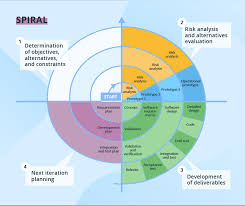
rad software development

Exploring the Dynamics of RAD Software Development: A Modern Approach to Agile Solutions

RAD Software Development

Rapid Application Development (RAD) in Software Development

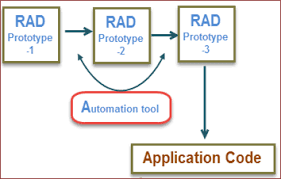
Rapid Application Development (RAD) is an agile software development approach that prioritizes rapid prototyping and quick feedback over long planning and extensive upfront design. RAD aims to accelerate the development process by focusing on iterative development and user feedback.

Key Features of RAD:

  • Iterative Development: RAD emphasizes building software in small increments, allowing for quick iterations and continuous improvement.
  • User Involvement: Users play a crucial role in the RAD process, providing feedback early and often to ensure that the final product meets their needs.
  • Rapid Prototyping: Prototyping is a central component of RAD, enabling developers to create working models quickly for validation and feedback.
  • Collaborative Approach: RAD encourages collaboration among cross-functional teams, including developers, designers, and stakeholders, to foster creativity and innovation.
  • Flexible and Adaptive: RAD is highly flexible and adaptive to changes, allowing for adjustments based on evolving requirements and feedback throughout the development cycle.

Benefits of RAD:

RAD offers several advantages for software development projects:

  • Reduced Time-to-Market: By focusing on rapid iterations and quick feedback cycles, RAD helps accelerate the delivery of functional software.
  • Improved User Satisfaction: User involvement throughout the development process ensures that the final product aligns with user expectations and requirements.
  • Increased Flexibility: The iterative nature of RAD allows for changes to be incorporated easily, making it ideal for projects with evolving or unclear requirements.
  • Better Risk Management: Early prototyping and frequent testing help identify potential issues early on, reducing risks associated with large-scale implementation.
  • Creative Problem-Solving: The collaborative nature of RAD fosters creativity and innovation within teams, leading to unique solutions to complex problems.

In conclusion, Rapid Application Development (RAD) is a dynamic approach to software development that prioritizes speed, flexibility, collaboration, and user satisfaction. By embracing rapid prototyping, iterative development cycles, and continuous user feedback, RAD enables teams to deliver high-quality software solutions efficiently while adapting to changing requirements effectively.


Understanding RAD in Software Development: Key FAQs Answered

  1. What does RAD stand for in development?
  2. Is agile and RAD same?
  3. What is RAD and agile?
  4. What are the 5 stages of the RAD model?
  5. What does RAD stand for in agile?
  6. What is RAD in software development?
  7. What are the four phases of RAD software development?
  8. What is the RAD model in software development?

What does RAD stand for in development?

Rapid Application Development (RAD) in software development refers to an agile approach that emphasizes quick prototyping, iterative development, and user feedback to accelerate the delivery of functional software solutions. RAD stands for a methodology that prioritizes speed, flexibility, and collaboration among cross-functional teams to ensure that the final product meets user requirements effectively. By focusing on rapid iterations and continuous improvement based on user input, RAD enables developers to build and refine software applications efficiently while remaining adaptable to evolving project needs.

Is agile and RAD same?

The frequently asked question about Rapid Application Development (RAD) and Agile often revolves around whether they are the same approach. While both RAD and Agile share some common principles, they are distinct methodologies in software development. RAD focuses on rapid prototyping, quick iterations, and user involvement to accelerate the development process, while Agile is a broader umbrella term encompassing various iterative and incremental approaches, including Scrum and Kanban. While both emphasize flexibility, collaboration, and customer feedback, RAD specifically emphasizes rapid application delivery through prototyping and user engagement, whereas Agile is a more overarching framework that can incorporate RAD principles among others.

What is RAD and agile?

Rapid Application Development (RAD) and Agile are both iterative software development approaches that prioritize flexibility, collaboration, and responsiveness to change. While RAD focuses on rapid prototyping and user involvement to accelerate the development process, Agile is a broader methodology that emphasizes adaptive planning, continuous improvement, and cross-functional teamwork. Both RAD and Agile share common principles such as iterative development, user feedback, and a collaborative approach but differ in their specific techniques and scope. Ultimately, RAD and Agile methodologies aim to enhance software development efficiency, quality, and customer satisfaction through dynamic and iterative practices tailored to meet evolving project requirements.

What are the 5 stages of the RAD model?

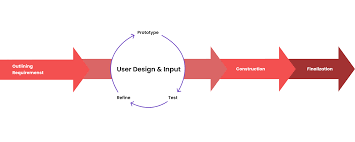
The Rapid Application Development (RAD) model typically consists of five key stages: Requirements Planning, User Design, Rapid Construction, Cutover, and Feedback. In the Requirements Planning stage, project requirements are gathered and analyzed to establish the scope of the software development project. The User Design stage involves creating prototypes and mock-ups based on user feedback to ensure that the final product meets user expectations. During Rapid Construction, developers build the software in iterations, focusing on functionality and quick delivery. The Cutover phase involves transitioning from development to production, while Feedback allows for continuous improvement based on user input and testing results. These five stages form a structured yet flexible framework for implementing RAD methodologies in software development projects.

What does RAD stand for in agile?

In the context of agile software development, RAD stands for Rapid Application Development. RAD is an approach that emphasizes quick prototyping, iterative development, and close collaboration with users to accelerate the delivery of software solutions. By focusing on rapid iterations and continuous feedback, RAD enables teams to respond quickly to changing requirements and deliver high-quality applications efficiently.

What is RAD in software development?

Rapid Application Development (RAD) in software development is an agile methodology that focuses on accelerating the development process by emphasizing quick iterations, user involvement, and rapid prototyping. RAD aims to deliver functional software solutions faster by breaking down the development cycle into smaller increments, allowing for continuous feedback from users and stakeholders. This approach enables teams to adapt to changing requirements more effectively and deliver high-quality software that aligns closely with user needs.

What are the four phases of RAD software development?

In Rapid Application Development (RAD) software development, the process typically consists of four key phases. The first phase is Requirements Planning, where project goals and objectives are defined, and initial user feedback is gathered. This is followed by User Design, where prototypes are created based on user input to visualize the final product. The third phase is Rapid Construction, where the actual development takes place in iterative cycles to build and refine the software incrementally. Finally, the Implementation phase involves testing, deployment, and user training to ensure a smooth transition to the new system. These four phases of RAD software development emphasize collaboration, rapid prototyping, and continuous feedback to deliver high-quality software solutions efficiently.

What is the RAD model in software development?

The RAD model, short for Rapid Application Development, is an agile software development approach that focuses on iterative development, quick prototyping, and user feedback to accelerate the delivery of software solutions. In the RAD model, software is built in small increments with a strong emphasis on collaboration among cross-functional teams and active involvement of end-users throughout the development process. This approach allows for rapid adaptation to changing requirements, early identification of potential issues, and ultimately results in the creation of high-quality software products that align closely with user needs and expectations.

rup software development

Mastering RUP Software Development: Best Practices for Success

RUP Software Development

Rational Unified Process (RUP) in Software Development

The Rational Unified Process (RUP) is a comprehensive software development process framework that provides guidelines and best practices for developing high-quality software systems. RUP is iterative and incremental, focusing on managing complexity and mitigating risks throughout the development lifecycle.

Key Concepts of RUP

RUP is based on the following key principles:

  • Iterative Development: RUP divides the project into multiple iterations, each delivering a complete set of features. This approach allows for early feedback and adaptation to changing requirements.
  • Architecture-Centric: RUP emphasizes the importance of defining and validating the system architecture early in the development process to ensure that the system meets its quality attributes.
  • Risk-Driven: RUP identifies and manages project risks proactively by focusing on critical risks that could impact project success.
  • Collaborative Approach: RUP promotes collaboration among team members, stakeholders, and end-users to ensure that everyone is aligned with project goals and objectives.

RUP Phases

RUP consists of four phases:

  1. Inception: In this phase, the project scope is defined, and feasibility is assessed. The goal is to establish a common understanding of the project objectives.
  2. Elaboration: During this phase, the system architecture is developed, key use cases are identified, and major risks are addressed. The focus is on building a solid foundation for the project.
  3. Construction: The construction phase involves iteratively developing, testing, and integrating system components. Functionality is incrementally added to the system in each iteration.
  4. Transition: In this final phase, the system is transitioned to end-users. User training, deployment, and post-deployment support activities are carried out to ensure a smooth transition.

Benefits of Using RUP

The adoption of RUP in software development offers several benefits, including:

  • Better manageability of project complexity
  • Early detection and mitigation of risks
  • Improved quality through iterative testing and validation
  • Enhanced stakeholder communication and collaboration
  • Faster time-to-market with incremental delivery of features

    ul>

    Rational Unified Process (RUP) provides a structured approach to software development that helps teams deliver high-quality systems efficiently. By following its principles and guidelines, organizations can improve their development processes and increase their chances of project success.


    9 Advantages of RUP Software Development: Enhancing Flexibility, Risk Management, and Team Collaboration

    1. Iterative development allows for early feedback and adaptation to changing requirements.
    2. Focus on managing project risks proactively throughout the development lifecycle.
    3. Architecture-centric approach ensures a solid foundation for the system.
    4. Collaborative nature promotes teamwork and alignment among team members and stakeholders.
    5. Clear project phases help in better planning and tracking of progress.
    6. Emphasis on quality through iterative testing and validation.
    7. Improved stakeholder communication leads to better understanding of project goals.
    8. Incremental delivery of features enables faster time-to-market.
    9. Structured approach enhances overall manageability of project complexity.


    Challenges of RUP Software Development: Navigating Complexity, Resource Demands, and More

    1. Complexity
    2. Resource Intensive
    3. Rigidity
    4. Documentation Overload
    5. Dependency on Tools
    6. Overhead for Small Projects

    Iterative development allows for early feedback and adaptation to changing requirements.

    Iterative development in Rational Unified Process (RUP) enables teams to receive early feedback and adapt to changing requirements throughout the software development lifecycle. By breaking the project into multiple iterations, each delivering a set of features, RUP allows stakeholders to provide input and validation at an early stage. This iterative approach not only enhances collaboration and communication but also ensures that the final product aligns closely with the evolving needs of the end-users. Adapting to changing requirements early on helps mitigate risks, improve quality, and ultimately leads to a more successful software development process.

    Focus on managing project risks proactively throughout the development lifecycle.

    One key advantage of using the Rational Unified Process (RUP) in software development is its emphasis on managing project risks proactively at every stage of the development lifecycle. By identifying and addressing potential risks early on, RUP helps teams mitigate uncertainties and prevent issues that could derail the project later. This proactive approach not only enhances the overall project management process but also increases the likelihood of delivering a successful software solution within the defined scope, schedule, and budget.

    Architecture-centric approach ensures a solid foundation for the system.

    The architecture-centric approach of Rational Unified Process (RUP) in software development plays a crucial role in establishing a solid foundation for the system. By focusing on defining and validating the system architecture early in the development process, RUP ensures that key design decisions are made with a clear understanding of the system’s structure and behavior. This proactive approach helps mitigate risks associated with architectural flaws and sets the stage for building a robust and scalable software solution that aligns with the project’s quality attributes.

    Collaborative nature promotes teamwork and alignment among team members and stakeholders.

    The collaborative nature of Rational Unified Process (RUP) in software development fosters teamwork and alignment among team members and stakeholders. By encouraging open communication and active participation from all involved parties, RUP ensures that everyone shares a common understanding of project goals and objectives. This collaborative approach helps build trust, enhances decision-making processes, and ultimately leads to a more cohesive and effective team working towards a shared vision of project success.

    Clear project phases help in better planning and tracking of progress.

    One of the key advantages of Rational Unified Process (RUP) in software development is its clear project phases, which facilitate better planning and tracking of progress. By dividing the development process into distinct phases such as inception, elaboration, construction, and transition, RUP allows teams to set specific goals for each phase, allocate resources effectively, and monitor progress against predefined milestones. This structured approach enhances project management capabilities, improves transparency in workflow, and enables stakeholders to have a clear understanding of the project’s status at any given time.

    Emphasis on quality through iterative testing and validation.

    One of the key advantages of Rational Unified Process (RUP) in software development is its emphasis on quality through iterative testing and validation. By incorporating testing and validation activities throughout the development process, RUP ensures that potential issues are identified early and addressed promptly. This iterative approach not only helps in detecting defects at an early stage but also allows for continuous improvement and refinement of the software product. Ultimately, the focus on quality assurance leads to the delivery of a more reliable and robust system that meets the desired specifications and user expectations.

    Improved stakeholder communication leads to better understanding of project goals.

    Improved stakeholder communication in Rational Unified Process (RUP) software development is a crucial pro that significantly enhances the overall project success. By fostering clear and effective communication among all stakeholders, including clients, end-users, developers, and project managers, RUP ensures a better understanding of project goals and objectives. This alignment helps to mitigate misunderstandings, reduce scope creep, and increase stakeholder buy-in throughout the development process. Ultimately, improved stakeholder communication in RUP leads to enhanced collaboration, increased transparency, and a shared vision that drives the project towards successful outcomes.

    Incremental delivery of features enables faster time-to-market.

    One significant advantage of using the Rational Unified Process (RUP) in software development is the incremental delivery of features, which facilitates a faster time-to-market. By breaking down the project into manageable iterations and delivering functional components incrementally, RUP allows for early feedback and validation from stakeholders. This iterative approach not only accelerates the development process but also ensures that valuable features are delivered to end-users sooner, helping organizations stay competitive in rapidly evolving markets.

    Structured approach enhances overall manageability of project complexity.

    The structured approach of Rational Unified Process (RUP) in software development significantly enhances the overall manageability of project complexity. By breaking down the development process into manageable phases and iterations, RUP allows teams to effectively plan, track, and control the project’s progress. This structured methodology helps in identifying dependencies, managing risks, and ensuring that all aspects of the project are well-coordinated. As a result, teams can better navigate through complex projects, maintain clarity on objectives, and make informed decisions to successfully deliver high-quality software solutions within the set timelines.

    Complexity

    One notable drawback of Rational Unified Process (RUP) in software development is its inherent complexity, which can pose challenges for team members. RUP’s comprehensive framework and iterative nature may require a significant learning curve for individuals unfamiliar with the process. The complexity of RUP can lead to confusion, delays, and potential resistance from team members who may struggle to grasp the intricacies of the methodology. Addressing this con of RUP necessitates adequate training, support, and guidance to help team members navigate the complexities and effectively implement the process in their projects.

    Resource Intensive

    One significant drawback of implementing the Rational Unified Process (RUP) in software development is its resource-intensive nature. Adopting RUP often demands additional resources in terms of time, cost, and manpower. The comprehensive and structured approach of RUP, including its iterative development cycles and emphasis on detailed documentation and planning, can result in increased project overhead. This can pose challenges for organizations with limited resources or tight project schedules, as the need for more time, financial investment, and skilled personnel to effectively implement RUP may strain their existing capacities.

    Rigidity

    One significant drawback of the Rational Unified Process (RUP) in software development is its rigidity, which can hinder flexibility when it comes to accommodating changing project requirements. The structured nature of RUP, with its defined phases and processes, may make it challenging for teams to quickly pivot and adjust to evolving needs or priorities. This lack of adaptability can result in delays or inefficiencies as teams struggle to incorporate new requirements or modifications during the development process.

    Documentation Overload

    One significant drawback of the Rational Unified Process (RUP) in software development is the issue of documentation overload. RUP’s strong emphasis on documentation can sometimes result in a situation where teams are burdened with excessive paperwork and administrative tasks. This can lead to inefficiencies, as team members may spend more time on documenting processes than on actual development work. The challenge lies in finding the right balance between necessary documentation and avoiding unnecessary bureaucratic overhead to ensure that the focus remains on delivering high-quality software efficiently.

    Dependency on Tools

    One notable drawback of Rational Unified Process (RUP) in software development is its dependency on specific tools for implementation. This reliance on specialized tools can lead to increased project costs, as acquiring and maintaining these tools may require additional financial investment. Moreover, the need for training team members on these tools can also contribute to higher expenses. The dependency on tools in RUP can limit flexibility and may pose challenges if organizations are unable to access or afford the necessary software resources.

    Overhead for Small Projects

    One notable drawback of the Rational Unified Process (RUP) in software development is its potential to introduce unnecessary overhead for small projects with limited scope. The structured nature of RUP, which includes defined phases, artifacts, and roles, may be perceived as too cumbersome and time-consuming for smaller-scale projects that do not require extensive documentation or formal processes. This additional overhead can lead to inefficiencies and delays in project delivery, making it challenging for teams working on smaller projects to fully leverage the benefits of RUP without feeling burdened by unnecessary complexity.

agile software development with scrum

Mastering Agile Software Development with Scrum: A Guide to Success

Agile Software Development with Scrum

The Power of Agile Software Development with Scrum

Agile software development with Scrum has revolutionized the way teams approach and execute software projects. By embracing the principles of agility and collaboration, organizations can deliver high-quality products efficiently and adapt to changing requirements seamlessly.

Understanding Agile Software Development

Agile software development is a methodology that values flexibility, customer collaboration, and iterative development. It focuses on delivering working software in short iterations, allowing teams to quickly respond to feedback and changes in priorities.

The Role of Scrum in Agile Development

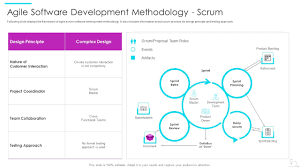
Scrum is a popular framework within the agile methodology that provides structure and guidance to teams. It emphasizes teamwork, accountability, and continuous improvement. In Scrum, work is organized into short iterations called sprints, typically lasting 2-4 weeks.

Key Components of Scrum

  • Sprint Planning: At the beginning of each sprint, the team plans the work to be done and commits to delivering a set of features or user stories.
  • Daily Stand-ups: Daily stand-up meetings keep the team aligned on progress, impediments, and upcoming work.
  • Sprint Review: At the end of each sprint, the team demonstrates completed work to stakeholders for feedback.
  • Retro…

Benefits of Agile Software Development with Scrum

The agile approach offers numerous benefits for software development teams:

  • Rapid Adaptation: Teams can respond quickly to changing requirements and market conditions.
  • Increased Collaboration: Close collaboration between team members fosters creativity and innovation.
  • Early Delivery: Working software is delivered in short increments, providing value to customers sooner.
  • Continuous Improvement: Regular retrospectives allow teams to reflect on their process and make adjustments for better efficiency.

In Conclusion

Agile software development with Scrum empowers teams to deliver high-quality products efficiently while adapting to change. By embracing agility and collaboration, organizations can stay competitive in today’s fast-paced market landscape.


6 Essential Tips for Mastering Agile Software Development with Scrum

  1. Ensure clear communication and collaboration among team members to promote transparency and efficiency.
  2. Prioritize tasks based on business value to deliver working software incrementally and frequently.
  3. Hold regular sprint planning, review, and retrospective meetings to evaluate progress and adapt accordingly.
  4. Empower the Scrum Master to remove impediments and facilitate a self-organizing team environment.
  5. Use visual boards like Kanban or Scrum boards to track progress and keep everyone informed about the project status.
  6. Encourage continuous improvement by fostering a culture of learning, feedback, and adaptation within the team.

Ensure clear communication and collaboration among team members to promote transparency and efficiency.

Ensuring clear communication and fostering collaboration among team members is a crucial tip in agile software development with Scrum. By promoting transparency and efficiency through effective communication, team members can align on project goals, share knowledge, and address any challenges promptly. Transparent communication helps build trust within the team and ensures that everyone is on the same page, leading to smoother workflow and improved productivity throughout the development process.

Prioritize tasks based on business value to deliver working software incrementally and frequently.

In agile software development with Scrum, prioritizing tasks based on business value is crucial for delivering working software incrementally and frequently. By focusing on the most valuable features first, teams can ensure that the product delivers maximum benefit to the business and end-users. This approach allows for early delivery of key functionalities, enabling stakeholders to provide feedback and make informed decisions throughout the development process. Prioritizing tasks based on business value not only accelerates time-to-market but also ensures that resources are allocated efficiently to deliver a product that aligns with the organization’s strategic objectives.

Hold regular sprint planning, review, and retrospective meetings to evaluate progress and adapt accordingly.

Regular sprint planning, review, and retrospective meetings are essential components of agile software development with Scrum. These meetings provide teams with the opportunity to evaluate their progress, gather feedback, and make necessary adjustments to enhance efficiency and productivity. Sprint planning sets the direction for the upcoming work, ensuring that the team is aligned on goals and priorities. Sprint review allows stakeholders to provide valuable input on the delivered work, fostering collaboration and transparency. The retrospective meeting enables teams to reflect on their processes, identify areas for improvement, and implement changes for continuous growth. By holding these meetings consistently, teams can adapt quickly to changes, optimize their workflow, and deliver high-quality products effectively.

Empower the Scrum Master to remove impediments and facilitate a self-organizing team environment.

To optimize agile software development with Scrum, it is crucial to empower the Scrum Master to proactively address impediments and foster a self-organizing team culture. By entrusting the Scrum Master with the authority to remove obstacles hindering progress and facilitating an environment where team members can collaborate autonomously, efficiency and innovation are enhanced. This empowerment not only streamlines workflow but also promotes a sense of ownership and accountability within the team, ultimately leading to successful project outcomes.

Use visual boards like Kanban or Scrum boards to track progress and keep everyone informed about the project status.

Utilizing visual boards such as Kanban or Scrum boards is a valuable tip in agile software development with Scrum. These visual tools provide a clear and transparent way to track progress, visualize tasks, and keep everyone informed about the project status. By having a centralized place where team members can see what tasks are in progress, what’s completed, and what’s upcoming, communication is enhanced, and potential bottlenecks can be identified and addressed promptly. Visual boards promote collaboration, accountability, and efficiency within the team, ultimately contributing to the successful delivery of high-quality software products.

Encourage continuous improvement by fostering a culture of learning, feedback, and adaptation within the team.

Encouraging continuous improvement in agile software development with Scrum involves fostering a culture of learning, feedback, and adaptation within the team. By creating an environment where team members are encouraged to seek knowledge, share insights, and provide constructive feedback, organizations can drive innovation and enhance productivity. Embracing a mindset of continuous learning and adaptation not only leads to better outcomes in software development projects but also cultivates a sense of collaboration and growth within the team.

agile software

Unlocking Success: The Agile Software Revolution

The Power of Agile Software Development

The Power of Agile Software Development

Agile software development has revolutionized the way software projects are managed and executed. Unlike traditional waterfall methods, agile focuses on flexibility, collaboration, and continuous improvement. This approach allows teams to adapt to changing requirements and deliver high-quality products efficiently.

Key Principles of Agile

Agile is based on several key principles that guide its implementation:

  • Iterative Development: Projects are broken down into small iterations or sprints, allowing for incremental progress and regular feedback.
  • Collaboration: Team members work closely together, sharing knowledge and expertise to achieve common goals.
  • Customer Involvement: Customers are involved throughout the development process, providing feedback and guidance to ensure the end product meets their needs.
  • Adaptability: Agile teams embrace change and are able to adjust their plans quickly in response to new information or requirements.

Benefits of Agile

The agile approach offers numerous benefits for both teams and customers:

  • Faster Time-to-Market: By delivering working software in short iterations, agile teams can respond quickly to market demands and release products faster.
  • Better Quality: Continuous testing and feedback help identify issues early, leading to higher-quality products.
  • Improved Customer Satisfaction: Involving customers throughout the development process ensures that the final product meets their expectations and needs.
  • Increased Flexibility: Agile allows teams to adapt to changing requirements, technology trends, or business priorities without significant disruption.

Challenges of Agile

While agile offers many advantages, it also comes with its own set of challenges:

  • Cultural Shift: Adopting an agile mindset may require a cultural shift within organizations used to traditional project management methods.
  • Resource Allocation: Balancing competing priorities and managing resources effectively can be challenging in an agile environment.
  • Risk Management: Embracing change can introduce risks that need to be carefully managed to ensure project success.

In Conclusion

Agile software development has transformed the way software projects are approached, emphasizing collaboration, adaptability, and customer satisfaction. By embracing agility, teams can deliver high-quality products faster and more efficiently than ever before. While challenges exist, the benefits of agile far outweigh the obstacles, making it a powerful methodology for modern software development projects.


7 Essential Tips for Mastering Agile Software Development

  1. Break down tasks into smaller chunks for better manageability.
  2. Regularly communicate and collaborate with team members to ensure progress.
  3. Prioritize tasks based on importance and impact to the project.
  4. Embrace change and be flexible in adapting to new requirements.
  5. Iterate quickly and frequently to gather feedback for continuous improvement.
  6. Empower team members by encouraging autonomy and decision-making.
  7. Reflect on past sprints to identify areas for optimization and growth.

Break down tasks into smaller chunks for better manageability.

Breaking down tasks into smaller chunks is a fundamental tip in agile software development that enhances manageability and efficiency. By dividing complex tasks into more manageable pieces, teams can focus on completing one task at a time, leading to better organization and progress tracking. This approach also allows for quicker feedback loops, enabling teams to adapt and make necessary adjustments easily. Ultimately, breaking down tasks into smaller chunks promotes a smoother workflow and ensures that project goals are achieved in a timely manner.

Regularly communicate and collaborate with team members to ensure progress.

Regular communication and collaboration with team members are essential aspects of successful agile software development. By maintaining open lines of communication and working closely together, team members can ensure that progress is consistent and aligned with project goals. Regular updates, feedback sessions, and collaborative problem-solving help to address any issues promptly and keep the project on track. This emphasis on communication and collaboration fosters a sense of unity within the team and promotes a shared understanding of the project’s objectives, leading to more efficient and effective outcomes.

Prioritize tasks based on importance and impact to the project.

In agile software development, it is crucial to prioritize tasks based on their importance and impact on the project’s success. By focusing on high-priority tasks that have a significant impact on achieving project goals, teams can ensure that they are allocating their resources effectively and delivering value to customers in a timely manner. Prioritization helps teams stay focused, make informed decisions, and maximize the overall efficiency of the development process.

Embrace change and be flexible in adapting to new requirements.

Embracing change and fostering flexibility in adapting to new requirements are fundamental principles of agile software development. By maintaining an open mindset and being willing to adjust plans as needed, agile teams can respond effectively to evolving project needs and customer expectations. This approach not only enhances collaboration and innovation within the team but also ensures that the final product aligns closely with the dynamic demands of the market.

Iterate quickly and frequently to gather feedback for continuous improvement.

Iterating quickly and frequently in agile software development is essential for gathering valuable feedback that drives continuous improvement. By breaking down projects into small iterations or sprints, teams can deliver working software at a rapid pace, allowing stakeholders to provide feedback early in the process. This feedback loop enables teams to make necessary adjustments, address issues promptly, and enhance the quality of the final product. Embracing a culture of continuous iteration and feedback not only fosters collaboration but also ensures that the end result meets customer expectations and evolves with changing requirements effectively.

Empower team members by encouraging autonomy and decision-making.

Empowering team members by encouraging autonomy and decision-making is a key tip in agile software development. By granting individuals the freedom to make decisions within their areas of expertise, teams can foster creativity, ownership, and accountability. This approach not only boosts morale and motivation but also leads to more innovative solutions and efficient problem-solving. Trusting team members to take ownership of their work ultimately results in a more collaborative and productive agile environment where individuals feel valued and empowered to contribute their best to the project’s success.

Reflect on past sprints to identify areas for optimization and growth.

Reflecting on past sprints is a crucial practice in agile software development as it allows teams to identify areas for optimization and growth. By reviewing what worked well and what could be improved from previous iterations, teams can make informed decisions on how to enhance their processes, increase efficiency, and deliver even better results in future sprints. This reflective practice fosters a culture of continuous improvement and learning within the team, ultimately leading to better outcomes and increased success in software development projects.