cfchris.com

Loading

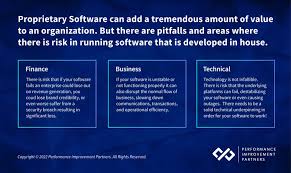
business software development

Unlocking Business Potential Through Custom Software Development

The Importance of Business Software Development

The Importance of Business Software Development

In today’s digital age, businesses rely heavily on software to streamline operations, enhance productivity, and stay competitive in the market. Business software development plays a crucial role in creating custom solutions that meet the specific needs of organizations across various industries.

Efficiency and Productivity

Custom business software is designed to automate repetitive tasks, improve workflow processes, and eliminate manual errors. By developing tailored software solutions, businesses can boost efficiency and productivity within their operations.

Competitive Advantage

Business software development allows companies to differentiate themselves from competitors by creating unique tools and applications that cater to their specific requirements. Custom software can provide a competitive edge by enhancing customer experiences, optimizing internal processes, and enabling faster decision-making.

Scalability and Flexibility

Off-the-shelf software may not always align perfectly with a business’s evolving needs. Custom software development offers scalability and flexibility to adapt to changing requirements as the business grows. This ensures that the software remains relevant and continues to support the organization’s objectives over time.

Data Security and Compliance

Business software development enables companies to implement robust security measures tailored to their data protection needs. Custom applications can integrate advanced security features to safeguard sensitive information and ensure compliance with industry regulations.

Cost-Efficiency

While custom software development may require an initial investment, it can result in long-term cost savings by eliminating licensing fees for unnecessary features and reducing reliance on multiple third-party applications. Tailored solutions are designed to optimize resources and deliver a higher return on investment over time.

Conclusion

Business software development is essential for modern enterprises looking to enhance efficiency, achieve a competitive advantage, ensure scalability, prioritize data security, and optimize costs. By investing in custom software solutions tailored to their unique needs, businesses can drive innovation, improve operational performance, and position themselves for long-term success in an increasingly digital world.


9 Essential Tips for Successful Business Software Development

  1. Understand the business requirements thoroughly before starting development.
  2. Follow best practices and coding standards to ensure code quality and maintainability.
  3. Regularly communicate with stakeholders to gather feedback and make necessary adjustments.
  4. Implement robust security measures to protect sensitive business data.
  5. Utilize version control systems to track changes and collaborate effectively with team members.
  6. Write clear documentation for the software to aid in future maintenance and troubleshooting.
  7. Prioritize testing at every stage of development to identify and fix issues early on.
  8. Consider scalability from the beginning to accommodate future growth of the business.
  9. Stay updated with latest technologies and trends in business software development.

Understand the business requirements thoroughly before starting development.

Understanding the business requirements thoroughly before embarking on software development is a crucial step in ensuring the success of the project. By gaining a comprehensive understanding of the organization’s needs, goals, and challenges, developers can tailor solutions that address specific pain points and deliver tangible value. This initial phase of requirement analysis sets the foundation for a successful development process, guiding decision-making and ensuring that the final product aligns with the business objectives. Clear communication and collaboration between stakeholders and development teams during this stage are essential to create software that not only meets but exceeds expectations.

Follow best practices and coding standards to ensure code quality and maintainability.

Following best practices and adhering to coding standards are essential aspects of business software development. By implementing these guidelines, developers can ensure code quality and maintainability throughout the software development lifecycle. Consistent coding practices not only enhance the readability and scalability of the code but also facilitate collaboration among team members. Adhering to industry-standard coding conventions helps reduce errors, improve efficiency, and streamline the debugging process, ultimately leading to a more robust and sustainable software solution.

Regularly communicate with stakeholders to gather feedback and make necessary adjustments.

Regular communication with stakeholders is a crucial tip in business software development. By actively engaging with stakeholders throughout the development process, businesses can gather valuable feedback on the software’s usability, functionality, and alignment with their needs. This feedback loop enables developers to make necessary adjustments promptly, ensuring that the final product meets stakeholder expectations and contributes effectively to the organization’s objectives. Effective communication fosters collaboration, transparency, and ultimately leads to the successful delivery of tailored software solutions that drive business growth and innovation.

Implement robust security measures to protect sensitive business data.

Implementing robust security measures is paramount in business software development to safeguard sensitive business data from potential threats and breaches. By incorporating advanced security protocols and encryption techniques, organizations can create a secure environment that ensures the confidentiality, integrity, and availability of critical information. Prioritizing data security not only protects the company’s reputation and customer trust but also helps maintain compliance with industry regulations. Proactive measures in security implementation are essential for mitigating risks and maintaining a strong defense against cyberattacks in today’s digital landscape.

Utilize version control systems to track changes and collaborate effectively with team members.

Utilizing version control systems in business software development is crucial for tracking changes and collaborating effectively with team members. By implementing a version control system, developers can maintain a history of modifications, easily revert to previous versions if needed, and ensure seamless collaboration across the team. This practice not only enhances transparency and accountability but also promotes efficiency in managing code changes and integrating new features, ultimately leading to smoother development processes and higher-quality software products.

Write clear documentation for the software to aid in future maintenance and troubleshooting.

Clear documentation for business software development is crucial for ensuring smooth future maintenance and effective troubleshooting. Well-written documentation serves as a valuable resource for developers, IT teams, and stakeholders, providing insights into the software’s architecture, functionality, and best practices. By documenting key aspects of the software, such as code structure, APIs, configuration settings, and known issues, organizations can streamline the onboarding process for new team members, facilitate timely updates and enhancements, and minimize downtime during troubleshooting scenarios. Investing time in creating clear documentation not only promotes better collaboration and knowledge sharing but also contributes to the long-term sustainability and success of the software solution.

Prioritize testing at every stage of development to identify and fix issues early on.

Prioritizing testing at every stage of business software development is crucial to ensure the identification and resolution of issues early in the process. By conducting thorough testing throughout the development lifecycle, developers can detect potential problems before they escalate, leading to more efficient and cost-effective solutions. Early detection and resolution of issues not only improve the quality of the software but also contribute to a smoother development process, ultimately resulting in a more reliable and user-friendly end product.

Consider scalability from the beginning to accommodate future growth of the business.

When embarking on business software development, it is crucial to consider scalability right from the start to accommodate the future growth of the business. By designing software with scalability in mind, companies can ensure that their applications can expand seamlessly as their operations grow. This proactive approach not only prevents the need for costly redevelopments down the line but also enables businesses to adapt quickly to changing demands and scale their software infrastructure efficiently. Prioritizing scalability from the outset sets a strong foundation for sustainable growth and long-term success in a dynamic business environment.

To stay competitive and ensure the success of your business software development projects, it is crucial to stay updated with the latest technologies and trends in the industry. By keeping abreast of advancements in business software development, you can leverage new tools, methodologies, and best practices to enhance the efficiency, scalability, and security of your software solutions. Continuous learning and adaptation to emerging trends will not only help you deliver innovative products but also maintain a competitive edge in the ever-evolving business landscape.

offshore software development company

Unlocking Global Potential: Offshore Software Development Company Solutions

Offshore Software Development Company: Benefits and Considerations

Offshore Software Development Company: Benefits and Considerations

Offshore software development has become a popular option for businesses looking to leverage global talent and reduce costs. An offshore software development company is a third-party provider located in a different country than the client’s location, offering services such as custom software development, web development, mobile app development, and more.

Benefits of Offshore Software Development Companies:

  • Cost-Effectiveness: Offshore companies often have lower labor costs, allowing clients to access skilled professionals at a fraction of the cost compared to hiring locally.
  • Access to Global Talent: Offshore companies provide access to a diverse pool of talented developers with specialized skills that may not be readily available locally.
  • Faster Time-to-Market: With teams working across different time zones, offshore companies can provide round-the-clock development cycles, speeding up project delivery.
  • Scalability: Offshore companies offer scalability options, allowing businesses to easily ramp up or down resources based on project requirements.
  • Diverse Expertise: Offshore software development companies often have experience working on a wide range of projects across various industries, bringing valuable insights and best practices to the table.

Considerations When Choosing an Offshore Software Development Company:

While offshore software development offers numerous benefits, there are key considerations to keep in mind when selecting a partner:

  • Cultural Compatibility: Ensure that the offshore company’s work culture aligns with your business values and communication preferences for seamless collaboration.
  • Quality Assurance: Look for companies with robust quality assurance processes in place to ensure the delivery of high-quality software products.
  • Data Security: Prioritize data security measures and ensure that the offshore company follows industry standards for protecting sensitive information.
  • Communication Channels: Establish clear communication channels and regular updates to maintain transparency and address any issues promptly.
  • Legal and Contractual Agreements: Review legal agreements carefully, including intellectual property rights, confidentiality clauses, and dispute resolution mechanisms.

In conclusion, partnering with an offshore software development company can be a strategic decision for businesses seeking cost-effective solutions and access to global expertise. By considering the benefits and key considerations outlined above, organizations can maximize the advantages of offshore outsourcing while mitigating potential risks.


Key Insights into Offshore Software Development Companies: Salaries, Selection, and Understanding the Basics

  1. How much do offshore software developers make?
  2. How do I find an offshore software development company?
  3. How do I choose an offshore software development company?
  4. What is an offshore software development company?

How much do offshore software developers make?

The compensation for offshore software developers can vary based on factors such as the developer’s location, skill level, experience, and the complexity of the project. Generally, offshore software developers in countries with lower living costs may have lower hourly rates compared to developers in more expensive regions. On average, offshore software developers can earn anywhere from $20 to $100 per hour, but this range can fluctuate significantly. It’s essential for businesses considering offshore development to conduct thorough research on developer rates in different regions and assess the value proposition offered by each candidate to ensure a successful and cost-effective partnership.

How do I find an offshore software development company?

When looking for an offshore software development company, conducting thorough research is crucial. Start by defining your project requirements, budget constraints, and timeline expectations. Utilize online platforms, industry directories, and professional networks to identify potential offshore partners. Look for companies with a proven track record, relevant experience in your industry, and positive client testimonials. Request proposals, conduct interviews, and assess communication capabilities to ensure a good fit. Prioritize factors such as expertise, cultural alignment, data security measures, and contractual agreements when selecting an offshore software development company that meets your specific needs and objectives.

How do I choose an offshore software development company?

When selecting an offshore software development company, it is essential to consider several key factors to ensure a successful partnership. Begin by assessing the company’s expertise and experience in your industry, as well as their track record of delivering quality projects on time. Evaluate their technical capabilities, including the technologies they specialize in and their development processes. Communication is crucial, so choose a company that offers transparent and effective communication channels to keep you informed throughout the project. Additionally, consider factors such as cultural compatibility, data security measures, and legal agreements to establish a strong foundation for collaboration. By thoroughly evaluating these aspects, you can confidently choose an offshore software development company that aligns with your business goals and requirements.

What is an offshore software development company?

An offshore software development company is a third-party service provider located in a different country than the client, specializing in offering a wide range of software development services. These companies are equipped with skilled professionals who work remotely to develop custom software solutions, mobile applications, web platforms, and more for businesses worldwide. By leveraging the expertise and cost-efficiency of offshore teams, organizations can access global talent, accelerate project timelines, and achieve their software development goals effectively.

custom software company

Empowering Your Business with a Leading Custom Software Company

Article: Custom Software Company

The Power of Custom Software Solutions

In today’s fast-paced business environment, off-the-shelf software may not always meet the unique needs of every organization. This is where custom software companies play a crucial role in providing tailored solutions that align perfectly with the specific requirements of a business.

A custom software company specializes in developing personalized applications and programs that address the distinct challenges and goals of their clients. These solutions are designed from scratch, taking into account factors such as workflow processes, industry regulations, scalability, and security.

Benefits of Choosing a Custom Software Company:

  • Enhanced Efficiency: Custom software is built to streamline operations and automate tasks, leading to increased productivity and efficiency.
  • Scalability: Tailored solutions can easily adapt to the evolving needs of a business, allowing for seamless growth without major disruptions.
  • Competitive Advantage: Custom software can provide a competitive edge by offering unique features and functionalities that set the business apart from competitors.
  • Bespoke User Experience: Personalized software ensures a user-friendly interface that matches the preferences and workflows of employees, enhancing user satisfaction.
  • Data Security: Custom solutions can integrate robust security measures to protect sensitive data and mitigate cybersecurity risks effectively.

Collaborating with a custom software company involves close communication between the client and development team to ensure that the final product meets all requirements. The development process typically includes thorough analysis, design, implementation, testing, and ongoing support to guarantee optimal performance and functionality.

Whether it’s creating a customer relationship management (CRM) system, an inventory management tool, or a specialized analytics platform, custom software companies offer tailored solutions that empower businesses to achieve their objectives efficiently and effectively.


Top 5 FAQs About Custom Software Companies: Benefits, Costs, and Integration

  1. 1. What is a custom software company?
  2. 2. How can a custom software company benefit my business?
  3. 3. What is the process of developing custom software with a company?
  4. 4. How much does it cost to create custom software with a company?
  5. 5. Can a custom software company integrate with existing systems in my business?

1. What is a custom software company?

A custom software company is a specialized firm that focuses on creating personalized software solutions to meet the unique needs and requirements of individual businesses. These companies work closely with clients to develop tailor-made applications, programs, and systems that address specific challenges and goals. Unlike off-the-shelf software, custom software is designed from scratch, taking into consideration factors such as workflow processes, industry regulations, scalability, and security. By collaborating with a custom software company, organizations can benefit from highly customized solutions that enhance efficiency, provide a competitive advantage, and deliver a bespoke user experience tailored to their exact specifications.

2. How can a custom software company benefit my business?

A custom software company can benefit your business in numerous ways. By developing tailored solutions that specifically address your unique requirements, a custom software company can enhance the efficiency of your operations, streamline workflows, and automate tasks. These customized applications are designed to scale with your business, providing flexibility for future growth. Additionally, custom software can give your business a competitive advantage by offering unique features and functionalities that set you apart from competitors. With personalized user experiences and robust security measures, custom software solutions can optimize performance and ensure data protection, ultimately driving success for your business.

3. What is the process of developing custom software with a company?

When engaging with a custom software company, the process of developing tailored software typically involves several key stages. Initially, there is a comprehensive consultation phase where the client’s requirements, objectives, and constraints are thoroughly discussed and analyzed. Following this, the development team creates a detailed project plan outlining the scope, timeline, and resources needed for the project. Design and development phases ensue, where the software is built according to the specifications agreed upon. Rigorous testing is then conducted to ensure functionality, performance, and security meet high standards. Finally, deployment and ongoing support are provided to guarantee a smooth transition to using the custom software seamlessly. Throughout this process, clear communication between the client and the development team is maintained to ensure alignment with expectations and successful delivery of a bespoke solution.

4. How much does it cost to create custom software with a company?

One of the most frequently asked questions when considering custom software development with a company is, “How much does it cost to create custom software?” The cost of developing custom software can vary significantly depending on various factors such as the complexity of the project, the features and functionalities required, the technology stack used, the level of customization needed, and the size of the development team involved. Custom software companies typically provide tailored quotes based on a detailed assessment of the client’s specific needs and project requirements to ensure transparency and alignment with budget expectations.

5. Can a custom software company integrate with existing systems in my business?

One common question that arises when considering a custom software company is whether they can seamlessly integrate with existing systems in a business. A reputable custom software company understands the importance of compatibility and interoperability with a client’s current infrastructure. Through thorough analysis and strategic planning, a custom software company can develop solutions that integrate smoothly with existing systems, ensuring a cohesive and efficient workflow. By leveraging their expertise and experience, custom software companies can tailor solutions that not only meet specific business requirements but also align seamlessly with the technology ecosystem already in place.

healthcare software development company

Transforming Healthcare: The Role of a Leading Healthcare Software Development Company

Healthcare Software Development Company

The Importance of Healthcare Software Development Companies

In today’s digital age, healthcare software development companies play a crucial role in revolutionizing the healthcare industry. These companies specialize in creating innovative software solutions that streamline processes, improve patient care, and enhance overall efficiency within healthcare organizations.

Benefits of Healthcare Software Development

Healthcare software development companies develop custom applications and platforms tailored to meet the specific needs of healthcare providers. These solutions offer a wide range of benefits, including:

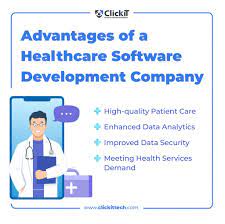
  • Enhanced Patient Care: Software applications can facilitate better communication between healthcare providers and patients, leading to improved care outcomes.
  • Streamlined Operations: Custom software can automate administrative tasks, reduce paperwork, and optimize workflows within healthcare facilities.
  • Data Security: Healthcare software developers prioritize data security to ensure patient information remains confidential and protected from cyber threats.
  • Interoperability: Software solutions enable seamless integration with existing systems, allowing for efficient data exchange between different departments and healthcare facilities.
  • Analytics and Reporting: Advanced analytics tools help healthcare professionals make informed decisions by analyzing data trends and generating insightful reports.

The Role of Healthcare Software Developers

Healthcare software developers are skilled professionals who possess expertise in coding, programming languages, and healthcare industry standards. They collaborate with healthcare providers to understand their unique requirements and develop tailored solutions that address specific challenges.

These developers are committed to staying abreast of the latest technological advancements and regulatory changes in the healthcare sector to ensure that their software solutions comply with industry standards and meet the evolving needs of healthcare organizations.

Innovations in Healthcare Software

The field of healthcare software development is continuously evolving, with new technologies such as artificial intelligence (AI), machine learning, telemedicine, and blockchain making significant contributions to improving patient care delivery and operational efficiency.

By harnessing these innovations, healthcare software development companies can create cutting-edge solutions that empower healthcare providers to deliver high-quality care, enhance patient engagement, and drive positive outcomes across the entire continuum of care.

Conclusion

In conclusion, healthcare software development companies play a pivotal role in shaping the future of the healthcare industry. By leveraging technology and innovation, these companies drive positive change by developing advanced software solutions that optimize operations, improve patient outcomes, and elevate the standard of care provided by healthcare organizations worldwide.


Top 5 Benefits of Partnering with a Healthcare Software Development Company

  1. Customized solutions tailored to meet the specific needs of healthcare providers.
  2. Enhanced patient care through improved communication and streamlined processes.
  3. Increased operational efficiency by automating administrative tasks and optimizing workflows.
  4. Robust data security measures to protect patient information from cyber threats.
  5. Advanced analytics tools for data analysis, reporting, and informed decision-making.


Key Challenges in Healthcare Software Development: Investment, Compliance, Integration, and Maintenance

  1. High Initial Investment
  2. Regulatory Compliance Challenges
  3. Integration Issues
  4. Maintenance and Updates

Customized solutions tailored to meet the specific needs of healthcare providers.

Healthcare software development companies offer a significant advantage by providing customized solutions that are specifically designed to address the unique requirements of healthcare providers. By tailoring software applications to meet the specific needs of each healthcare organization, these companies ensure that their solutions align seamlessly with existing processes and workflows. This personalized approach not only enhances operational efficiency but also improves patient care delivery by catering to the distinct challenges and requirements of healthcare professionals. Customized solutions enable healthcare providers to optimize their practices, streamline operations, and ultimately deliver better outcomes for patients.

Enhanced patient care through improved communication and streamlined processes.

Healthcare software development companies excel in enhancing patient care by implementing solutions that improve communication between healthcare providers and patients while streamlining processes within healthcare facilities. By developing custom software applications tailored to meet the specific needs of healthcare organizations, these companies enable better coordination and information sharing, leading to more efficient care delivery and improved patient outcomes. Through innovative technologies and streamlined workflows, healthcare software development companies play a vital role in ensuring that patients receive the highest quality of care possible.

Increased operational efficiency by automating administrative tasks and optimizing workflows.

Healthcare software development companies offer a significant advantage by increasing operational efficiency through the automation of administrative tasks and the optimization of workflows. By developing custom software solutions tailored to the specific needs of healthcare providers, these companies streamline processes, reduce manual labor, and enhance overall productivity within healthcare organizations. Automation not only saves time and resources but also minimizes errors, improves accuracy, and allows healthcare professionals to focus more on patient care. Through innovative technology and tailored solutions, healthcare software development companies play a vital role in driving efficiency and effectiveness in the delivery of healthcare services.

Robust data security measures to protect patient information from cyber threats.

Healthcare software development companies prioritize robust data security measures to safeguard patient information from cyber threats. By implementing advanced encryption protocols, access controls, and regular security audits, these companies ensure that sensitive medical data remains confidential and protected. This proactive approach not only helps healthcare organizations comply with stringent data protection regulations but also instills trust among patients regarding the privacy and security of their personal health information.

Advanced analytics tools for data analysis, reporting, and informed decision-making.

Healthcare software development companies offer a valuable pro through their advanced analytics tools, enabling in-depth data analysis, comprehensive reporting, and informed decision-making within healthcare organizations. These tools empower healthcare professionals to extract meaningful insights from vast amounts of data, identify trends, patterns, and correlations, and make evidence-based decisions to enhance patient care quality, operational efficiency, and overall organizational performance. By leveraging advanced analytics capabilities, healthcare software development companies contribute significantly to improving healthcare outcomes and driving continuous advancements in the industry.

High Initial Investment

One notable drawback of engaging with a healthcare software development company is the high initial investment it entails. Creating custom healthcare software often demands a substantial upfront financial commitment in terms of time, resources, and specialized expertise. This financial burden can pose a challenge for healthcare organizations looking to adopt tailored software solutions to enhance their operations and patient care services. The need to allocate significant resources at the outset of the development process may deter some healthcare providers from pursuing custom software solutions, despite the potential long-term benefits they offer in improving efficiency and quality of care.

Regulatory Compliance Challenges

Healthcare software development companies face a significant con in the form of regulatory compliance challenges. Navigating the intricate landscape of healthcare regulations and data privacy laws is essential to ensure that their software solutions meet industry standards and safeguard sensitive patient information. The need to stay updated with evolving regulations adds complexity to the development process, requiring meticulous attention to detail and thorough adherence to compliance protocols. Failure to address these regulatory hurdles can lead to legal consequences and jeopardize the trust of healthcare providers and patients alike.

Integration Issues

Integration issues pose a significant challenge for healthcare software development companies. The process of integrating new software with existing healthcare systems can be complex and fraught with potential compatibility issues. These challenges may result in disruptions to workflow efficiency within healthcare organizations, impacting the seamless delivery of patient care and administrative operations. Overcoming integration issues requires careful planning, collaboration with stakeholders, and a deep understanding of both the technical aspects and operational requirements of the healthcare environment. Addressing these integration challenges is crucial to ensure that software solutions effectively enhance rather than hinder the overall effectiveness of healthcare systems.

Maintenance and Updates

Maintenance and updates pose a significant challenge for healthcare software development companies. Ensuring that healthcare software remains current with the latest technology trends, security protocols, and industry regulations demands continuous maintenance and support efforts. This process can be resource-intensive, requiring dedicated time, expertise, and financial investment to implement necessary updates and enhancements. Failure to prioritize maintenance and updates may result in software vulnerabilities, compliance issues, and performance gaps that could jeopardize patient data security and overall system reliability. Healthcare software developers must navigate this conundrum carefully to ensure that their solutions remain robust, secure, and compliant in the ever-evolving landscape of healthcare technology.

custom software development company

Empowering Businesses: The Role of a Custom Software Development Company

Article: Custom Software Development Company

The Importance of Choosing a Custom Software Development Company

In today’s digital age, businesses are constantly seeking ways to stay ahead of the competition and improve their operations. One effective way to achieve this is through custom software development. A custom software development company plays a crucial role in helping businesses create tailored solutions that meet their unique needs and requirements.

Benefits of Custom Software Development

Off-the-shelf software may not always address specific business challenges or provide the desired level of efficiency. This is where custom software development comes into play. By partnering with a custom software development company, businesses can:

  • Gain a competitive edge by having software that is tailored to their processes and workflows.
  • Improve productivity and streamline operations with customized features and functionalities.
  • Enhance data security by implementing robust security measures specific to their business requirements.
  • Adapt and scale the software as the business grows and evolves.
  • Receive ongoing support and maintenance to ensure the software remains up-to-date and optimized.

Choosing the Right Custom Software Development Company

When selecting a custom software development company, it is essential to consider the following factors:

  • Experience and expertise in developing custom software solutions for businesses in your industry.
  • Ability to understand your unique business requirements and translate them into functional software solutions.
  • A proven track record of delivering high-quality, on-time projects within budget constraints.
  • Transparent communication throughout the development process to ensure alignment with your expectations.
  • Ongoing support and maintenance services to address any issues post-launch.

By partnering with a reputable custom software development company, businesses can unlock new opportunities for growth, innovation, and success in today’s competitive market landscape.


Top 7 Frequently Asked Questions About Custom Software Development Companies

  1. Why hire a custom software development company?
  2. What are some big custom software development companies?
  3. How much does a customized software cost?
  4. How much does custom software development cost?
  5. How do I start a custom software development company?
  6. How do I find a custom software development company?
  7. What is a custom software development company?

Why hire a custom software development company?

When considering why to hire a custom software development company, businesses should recognize the distinct advantages that tailored software solutions offer. Custom software development companies bring expertise in creating personalized applications that precisely align with a business’s unique needs and processes. By opting for custom development, organizations can enhance operational efficiency, boost productivity, and gain a competitive edge in their industry. Additionally, custom software allows for scalability, ensuring that the solution can grow alongside the business. Ultimately, partnering with a custom software development company empowers businesses to leverage technology effectively and achieve their strategic goals with precision and innovation.

What are some big custom software development companies?

When considering big custom software development companies, several prominent names stand out in the industry. Companies such as IBM, Accenture, Cognizant, Infosys, and TCS (Tata Consultancy Services) are known for their extensive experience and expertise in delivering custom software solutions to a wide range of clients across various sectors. These companies have established themselves as leaders in the field of custom software development, offering innovative and tailored solutions to meet the diverse needs of businesses seeking to enhance their digital capabilities and drive growth.

How much does a customized software cost?

When considering the cost of customized software development, it is important to understand that the pricing can vary significantly based on various factors. The cost of a customized software solution is influenced by the complexity of the project, the features and functionalities required, the level of customization needed, and the expertise of the custom software development company. Factors such as project scope, timeline, technology stack, integration requirements, and ongoing support also play a role in determining the overall cost. To get an accurate estimate for your customized software project, it is recommended to consult with a reputable custom software development company that can provide a detailed quote based on your specific needs and requirements.

How much does custom software development cost?

One of the most frequently asked questions when considering custom software development is, “How much does it cost?” The cost of custom software development can vary significantly depending on various factors such as project complexity, scope, features, and technology requirements. Custom software development companies typically provide personalized quotes based on a thorough assessment of the client’s specific needs and objectives. It is crucial for businesses to understand that investing in custom software development is a strategic decision that can yield long-term benefits in terms of efficiency, productivity, and competitive advantage.

How do I start a custom software development company?

Starting a custom software development company requires careful planning and strategic decision-making. To begin, aspiring entrepreneurs should conduct thorough market research to identify industry trends, target market segments, and potential competitors. Developing a solid business plan outlining the company’s mission, services offered, pricing strategies, and marketing tactics is essential for laying a strong foundation. Acquiring the necessary technical expertise and assembling a skilled team of developers and designers are crucial steps in ensuring the company’s ability to deliver high-quality custom software solutions. Building a strong online presence through a professional website and leveraging social media platforms for marketing can help attract clients and establish credibility in the industry. Additionally, fostering relationships with clients through exceptional customer service and delivering innovative solutions tailored to their needs are key factors in building a successful custom software development company.

How do I find a custom software development company?

When looking for a custom software development company, it is essential to start by defining your specific requirements and objectives for the software project. Researching online for reputable companies, reading client testimonials, and reviewing case studies can help you gauge the company’s expertise and track record. Additionally, reaching out to industry peers for recommendations or attending technology events to network with potential partners can also lead you to a suitable custom software development company that aligns with your needs and vision. Conducting thorough interviews and discussing project timelines, budget constraints, and communication processes are crucial steps in finding the right partner for your custom software development project.

What is a custom software development company?

A custom software development company is a specialized firm that offers tailored solutions to businesses seeking unique software applications. Unlike off-the-shelf software, custom software development companies create bespoke programs designed to meet the specific needs and requirements of individual clients. These companies collaborate closely with their clients to understand their processes, workflows, and challenges, ultimately delivering customized software solutions that enhance efficiency, productivity, and competitiveness. By leveraging the expertise of a custom software development company, businesses can access personalized technology solutions that align perfectly with their operational objectives and strategic goals.

software development outsourcing companies

Unlocking Success: The Role of Software Development Outsourcing Companies

Article: Software Development Outsourcing Companies

The Rise of Software Development Outsourcing Companies

In today’s fast-paced digital world, software development outsourcing companies have become a popular choice for businesses looking to enhance their technological capabilities without the need for in-house expertise. These companies offer a range of services, from custom software development to application maintenance and support.

Benefits of Software Development Outsourcing

One of the key benefits of outsourcing software development is cost savings. By partnering with an outsourcing company, businesses can access a global talent pool at a fraction of the cost compared to hiring full-time employees locally. This cost-effectiveness allows companies to allocate their resources more efficiently and invest in other areas of their business.

Another advantage of outsourcing is the ability to tap into specialized skills and expertise. Software development outsourcing companies often have teams of experienced professionals who are well-versed in the latest technologies and best practices. This expertise can help businesses accelerate their project timelines and deliver high-quality solutions.

Challenges and Considerations

While software development outsourcing offers many benefits, there are also challenges that businesses need to consider. Communication can sometimes be a hurdle when working with remote teams, especially across different time zones. It is essential for companies to establish clear communication channels and set expectations early on to ensure successful collaboration.

Data security is another concern when outsourcing software development. Businesses must carefully vet potential outsourcing partners to ensure they have robust security measures in place to protect sensitive information and intellectual property.

Choosing the Right Partner

When selecting a software development outsourcing company, it is crucial for businesses to conduct thorough research and due diligence. Look for companies with a proven track record of delivering successful projects within budget and on time. Consider factors such as industry experience, technical expertise, and client testimonials when making your decision.

In conclusion, software development outsourcing companies play a vital role in helping businesses stay competitive in today’s digital landscape. By leveraging the benefits of outsourcing while addressing potential challenges, businesses can unlock new opportunities for growth and innovation.


6 Essential Tips for Successfully Working with Software Development Outsourcing Companies

  1. Clearly define your project requirements and goals before engaging with an outsourcing company.
  2. Research and thoroughly vet potential outsourcing partners to ensure they have the necessary expertise and experience.
  3. Establish open communication channels to maintain transparency throughout the development process.
  4. Set clear expectations regarding timelines, deliverables, and project scope to avoid misunderstandings later on.
  5. Consider cultural differences when working with offshore teams to foster a positive working relationship.
  6. Regularly monitor progress, provide feedback, and address any issues promptly to keep the project on track.

Clearly define your project requirements and goals before engaging with an outsourcing company.

It is crucial to clearly define your project requirements and goals before engaging with a software development outsourcing company. By having a comprehensive understanding of what you aim to achieve and the specific features you need in your software, you can effectively communicate your expectations to the outsourcing partner. This clarity helps ensure that the outsourcing company delivers a solution that aligns with your objectives and meets your business needs efficiently. Additionally, defining project requirements upfront can streamline the development process, minimize misunderstandings, and ultimately lead to a successful collaboration between your business and the outsourcing company.

Research and thoroughly vet potential outsourcing partners to ensure they have the necessary expertise and experience.

To maximize the benefits of software development outsourcing, it is crucial to conduct comprehensive research and diligently evaluate potential outsourcing partners. By thoroughly vetting these companies, businesses can verify that they possess the required expertise and experience to successfully deliver on project requirements. This proactive approach helps mitigate risks and ensures a more productive and successful collaboration, ultimately leading to high-quality outcomes and enhanced business results.

Establish open communication channels to maintain transparency throughout the development process.

Establishing open communication channels is crucial when working with software development outsourcing companies to maintain transparency throughout the development process. Clear and consistent communication helps ensure that all stakeholders are on the same page regarding project requirements, progress, and any potential challenges that may arise. By fostering transparency through open communication, businesses can build trust with their outsourcing partners, mitigate risks, and ultimately achieve successful project outcomes.

Set clear expectations regarding timelines, deliverables, and project scope to avoid misunderstandings later on.

Setting clear expectations regarding timelines, deliverables, and project scope is crucial when working with software development outsourcing companies. By establishing these parameters upfront, businesses can ensure that both parties are aligned on project goals and requirements, ultimately avoiding misunderstandings and potential delays down the line. Clear communication from the outset helps to create a solid foundation for successful collaboration and sets the stage for a smooth and efficient project execution.

Consider cultural differences when working with offshore teams to foster a positive working relationship.

When engaging with offshore teams for software development outsourcing, it is essential to consider cultural differences to cultivate a harmonious and productive working relationship. By acknowledging and respecting cultural nuances, such as communication styles, work ethics, and business practices, businesses can bridge the gap between diverse teams and foster a collaborative environment. Embracing cultural diversity not only enhances communication and teamwork but also promotes mutual understanding and appreciation among team members, ultimately leading to successful project outcomes.

Regularly monitor progress, provide feedback, and address any issues promptly to keep the project on track.

To ensure the success of a software development outsourcing project, it is essential to maintain regular monitoring of progress, offer constructive feedback, and promptly address any issues that may arise. By staying actively involved in the project and fostering open communication with the outsourcing team, businesses can effectively keep the project on track and ensure that it meets its objectives within the specified timeline and budget. This proactive approach helps to identify and resolve potential roadblocks early on, ultimately leading to a smoother and more successful project outcome.

enterprise it solutions

Unlocking Business Potential with Enterprise IT Solutions

Article: Enterprise IT Solutions

The Power of Enterprise IT Solutions

In today’s fast-paced business environment, organizations are constantly seeking ways to enhance their efficiency, productivity, and competitiveness. This is where enterprise IT solutions come into play. These comprehensive technology solutions are designed to meet the specific needs of large-scale businesses and help them streamline operations, improve communication, and drive growth.

Benefits of Enterprise IT Solutions

Implementing enterprise IT solutions offers a myriad of benefits for organizations:

  • Scalability: Enterprise IT solutions are scalable, allowing businesses to easily adapt and expand their technology infrastructure as their operations grow.
  • Streamlined Processes: By integrating various systems and applications, enterprise IT solutions help automate processes, reduce manual tasks, and improve overall efficiency.
  • Data Security: With advanced security features and protocols, enterprise IT solutions ensure that sensitive business data is protected from cyber threats and unauthorized access.
  • Better Collaboration: These solutions facilitate seamless communication and collaboration among employees, regardless of their location or device used.
  • Analytics and Insights: Enterprise IT solutions provide valuable data analytics capabilities that enable organizations to make informed decisions based on real-time insights.

Key Components of Enterprise IT Solutions

Enterprise IT solutions encompass a wide range of components tailored to meet the diverse needs of modern businesses:

  • Enterprise Resource Planning (ERP) Systems: Integrated software applications that manage core business processes such as finance, HR, inventory, and supply chain management.
  • Customer Relationship Management (CRM) Software: Tools that help businesses manage customer interactions, track leads, and improve customer satisfaction.
  • Business Intelligence (BI) Tools: Platforms that enable organizations to analyze data trends, generate reports, and make data-driven decisions.
  • Cybersecurity Solutions: Technologies designed to protect networks, systems, and data from cyber threats through encryption, firewalls, antivirus software, etc.
  • Cloud Computing Services: Hosting services that allow businesses to store data and run applications on remote servers accessed via the internet.

The Future of Enterprise IT Solutions

As technology continues to evolve at a rapid pace, the future of enterprise IT solutions looks promising. Innovations such as artificial intelligence (AI), machine learning (ML), Internet of Things (IoT), and blockchain are reshaping the way businesses operate and interact with customers. Organizations that embrace these advancements in their enterprise IT strategies will be better positioned to thrive in the digital age.


Top 9 Benefits of Enterprise IT Solutions for Modern Businesses

  1. Enhanced scalability to accommodate business growth
  2. Streamlined processes and improved operational efficiency
  3. Advanced data security measures to protect sensitive information
  4. Facilitated collaboration among employees across different locations
  5. Access to real-time analytics for informed decision-making
  6. Integration of diverse systems and applications for seamless operations
  7. Centralized management of resources, leading to cost savings
  8. Increased productivity through automation of repetitive tasks
  9. Support for remote work and mobile access for enhanced flexibility


Challenges of Enterprise IT Solutions: High Costs, Complexity, Customization Issues, and Vendor Dependency

  1. High Initial Costs
  2. Complexity
  3. Customization Challenges
  4. Dependency on Vendor Support

Enhanced scalability to accommodate business growth

Enhanced scalability is a key advantage of enterprise IT solutions, allowing businesses to seamlessly adjust their technology infrastructure to accommodate growth and expansion. By leveraging scalable systems and applications, organizations can easily add new users, increase computing resources, and adapt to changing business demands without compromising performance or efficiency. This flexibility ensures that businesses can effectively scale their operations while maintaining optimal functionality, ultimately supporting sustainable growth and success in a dynamic market environment.

Streamlined processes and improved operational efficiency

Enterprise IT solutions offer the invaluable benefit of streamlining processes and enhancing operational efficiency within organizations. By integrating various systems and automating tasks, these solutions eliminate manual inefficiencies, reduce errors, and optimize workflows. This results in smoother operations, faster decision-making, and ultimately drives greater productivity across the entire business ecosystem.

Advanced data security measures to protect sensitive information

Enterprise IT solutions offer advanced data security measures to protect sensitive information, ensuring that businesses can safeguard their valuable data assets from cyber threats and unauthorized access. By implementing robust security protocols, encryption techniques, firewalls, and access controls, organizations can maintain the confidentiality, integrity, and availability of their data. This proactive approach to data security not only helps in compliance with regulations but also builds trust with customers and partners, enhancing the overall reputation and credibility of the business.

Facilitated collaboration among employees across different locations

Facilitated collaboration among employees across different locations is a significant advantage of enterprise IT solutions. By providing seamless communication tools and platforms, these solutions enable team members to work together effectively regardless of their physical location. This not only enhances productivity but also fosters a sense of unity and teamwork within the organization. With features such as video conferencing, instant messaging, and shared document repositories, employees can collaborate in real-time, share ideas, and contribute to projects irrespective of geographical barriers. This level of connectivity promotes innovation, efficiency, and ultimately contributes to the overall success of the business.

Access to real-time analytics for informed decision-making

Access to real-time analytics is a significant advantage of enterprise IT solutions, empowering organizations to make informed decisions based on up-to-the-minute data insights. By leveraging advanced analytics tools, businesses can quickly identify trends, patterns, and performance metrics, enabling them to respond promptly to changing market conditions and customer preferences. This capability not only enhances operational efficiency but also supports strategic planning and helps drive business growth in a dynamic and competitive landscape.

Integration of diverse systems and applications for seamless operations

The integration of diverse systems and applications within enterprise IT solutions plays a crucial role in ensuring seamless operations for businesses. By consolidating various tools and processes into a unified system, organizations can streamline workflows, eliminate data silos, and improve overall efficiency. This integration enables different departments to communicate effectively, share information effortlessly, and collaborate in real-time, leading to enhanced productivity and better decision-making across the entire organization.

Centralized management of resources, leading to cost savings

Centralized management of resources in enterprise IT solutions offers a significant advantage by streamlining the allocation and monitoring of resources across the organization. This centralized approach not only enhances operational efficiency but also leads to cost savings. By consolidating resources such as hardware, software, and data storage under one integrated system, businesses can optimize resource utilization, reduce redundancy, and eliminate unnecessary expenses. This results in a more cost-effective IT infrastructure that maximizes productivity and profitability for the organization.

Increased productivity through automation of repetitive tasks

One significant advantage of enterprise IT solutions is the boost in productivity achieved through the automation of repetitive tasks. By implementing advanced technology systems, organizations can streamline their operations, reduce manual workloads, and allow employees to focus on more strategic and value-added activities. Automation not only saves time but also minimizes errors, enhances efficiency, and ultimately contributes to a more productive and agile work environment.

Support for remote work and mobile access for enhanced flexibility

Enterprise IT solutions provide invaluable support for remote work and mobile access, offering enhanced flexibility to employees and businesses alike. With the ability to access company resources and collaborate from anywhere at any time, remote workers can stay productive and connected, leading to increased efficiency and job satisfaction. This flexibility not only improves work-life balance but also enables organizations to tap into a global talent pool and adapt quickly to changing business needs, ultimately driving innovation and growth.

High Initial Costs

One notable drawback of enterprise IT solutions is the high initial costs associated with their implementation. Businesses considering these solutions must be prepared for a substantial upfront investment in hardware, software, and implementation services. This financial commitment can pose a challenge for organizations with limited budgets or those hesitant to allocate a significant portion of their resources to technology upgrades. The initial costs involved in adopting enterprise IT solutions may deter some businesses from reaping the long-term benefits these solutions offer in terms of efficiency, productivity, and competitiveness.

Complexity

Navigating the complexity of enterprise IT solutions can be a significant challenge for organizations. Managing and integrating the diverse components involved often demands specialized expertise and resources. The intricate nature of these systems can lead to complexities in implementation, maintenance, and troubleshooting, potentially causing delays and increasing costs. Without the necessary skills and knowledge, organizations may struggle to fully leverage the benefits of enterprise IT solutions, highlighting the conundrum posed by the inherent complexity of these advanced technologies.

Customization Challenges

Customization challenges pose a significant con when it comes to enterprise IT solutions. Adapting off-the-shelf solutions to align with unique business needs can often be a complex and time-consuming process. Organizations may encounter difficulties in integrating custom features, modifying existing functionalities, and ensuring seamless compatibility with their current systems. These challenges can lead to delays in implementation, increased costs, and potential disruptions to daily operations as businesses strive to achieve the desired level of customization within their IT infrastructure.

Dependency on Vendor Support

Dependency on vendor support can be a significant drawback of enterprise IT solutions. Organizations that rely heavily on vendor support for maintenance, updates, and troubleshooting may face challenges in terms of flexibility and control over their systems. In some cases, delays in vendor response or changes in vendor policies can impact the organization’s operations and decision-making processes. This dependency can also lead to additional costs and potential security vulnerabilities if organizations do not have alternative support mechanisms in place. It is essential for businesses to carefully consider the level of reliance on vendors when implementing enterprise IT solutions to mitigate these risks and ensure operational continuity.

cloud solutions

Unleashing the Potential: Harnessing the Power of Cloud Solutions for Business Success

The Power of Cloud Solutions

The Power of Cloud Solutions

In today’s digital age, businesses are increasingly turning to cloud solutions to streamline their operations, enhance collaboration, and improve efficiency. Cloud computing offers a wide range of benefits that can revolutionize the way organizations work and grow.

Scalability and Flexibility

One of the key advantages of cloud solutions is their scalability. Businesses can easily adjust their storage and computing resources based on their current needs, allowing for flexibility in managing workload fluctuations. Whether you are a small startup or a large enterprise, cloud services can scale up or down to accommodate your requirements.

Cost-Effectiveness

Cloud solutions eliminate the need for businesses to invest in expensive hardware and infrastructure. With a pay-as-you-go model, organizations only pay for the resources they use, reducing capital expenditure and operational costs. This cost-effectiveness makes cloud computing an attractive option for businesses looking to optimize their budget without compromising on performance.

Enhanced Collaboration

Collaboration is essential in today’s interconnected world, and cloud solutions facilitate seamless communication and teamwork among employees. With cloud-based tools such as file sharing platforms and project management software, teams can collaborate in real-time regardless of their physical location. This level of connectivity boosts productivity and innovation within organizations.

Data Security and Reliability

Cloud service providers invest heavily in security measures to protect data stored on their platforms. From encryption protocols to regular backups, cloud solutions offer robust security features that safeguard sensitive information from cyber threats. Additionally, cloud infrastructure is designed for high availability and reliability, ensuring that businesses can access their data anytime, anywhere without interruptions.

Conclusion

Cloud solutions have become indispensable for modern businesses seeking agility, cost savings, and competitive advantage in the digital landscape. By leveraging the power of cloud computing, organizations can transform their operations, drive innovation, and achieve sustainable growth in today’s dynamic business environment.


Top 9 Frequently Asked Questions About Cloud Solutions for Businesses

  1. What is cloud computing?
  2. How secure is data stored in the cloud?
  3. What are the benefits of using cloud solutions for businesses?
  4. How does cloud storage differ from traditional storage methods?
  5. What types of cloud services are available to businesses?
  6. Can I integrate existing IT infrastructure with cloud solutions?
  7. How does scalability work in cloud computing?
  8. What are the potential risks of migrating to the cloud?
  9. How can businesses ensure compliance and data governance when using cloud solutions?

What is cloud computing?

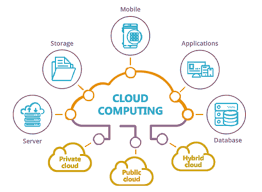
Cloud computing refers to the delivery of computing services, including storage, processing power, and applications over the internet. Instead of relying on local servers or personal devices to handle data and applications, cloud computing allows users to access resources remotely through a network of servers hosted in data centers. This model offers scalability, flexibility, and cost-effectiveness by enabling businesses to pay only for the resources they use. With cloud computing, organizations can streamline their operations, enhance collaboration, and improve efficiency while benefiting from enhanced security measures and high availability of services.

How secure is data stored in the cloud?

The security of data stored in the cloud is a common concern among individuals and businesses considering cloud solutions. Cloud service providers implement robust security measures to protect data from unauthorized access, breaches, and other cyber threats. Encryption protocols, access controls, regular security audits, and compliance certifications are some of the mechanisms used to ensure the confidentiality, integrity, and availability of data in the cloud. By adhering to industry best practices and standards, cloud providers strive to create a secure environment for storing sensitive information, giving users peace of mind regarding the safety of their data in the cloud.

What are the benefits of using cloud solutions for businesses?

Businesses can reap a multitude of benefits by leveraging cloud solutions. From enhanced scalability and flexibility to cost-effectiveness and improved collaboration, cloud computing offers a versatile toolkit for optimizing operations. By utilizing cloud services, organizations can easily adjust their resources to meet changing demands, reduce infrastructure costs, foster seamless teamwork among employees, and ensure robust data security and reliability. Embracing cloud solutions empowers businesses to streamline processes, drive innovation, and stay competitive in today’s fast-paced digital landscape.

How does cloud storage differ from traditional storage methods?

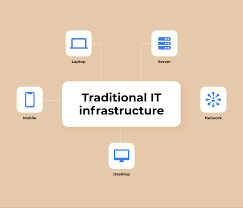
Cloud storage differs from traditional storage methods in several key ways. Unlike traditional storage, which typically involves storing data on physical hardware within an organization’s premises, cloud storage utilizes remote servers maintained by a third-party provider. This means that with cloud storage, data is stored off-site and accessed over the internet, offering greater flexibility and scalability. Additionally, cloud storage allows for easier data backup and recovery, as well as seamless collaboration among users from different locations. The pay-as-you-go model of cloud storage also makes it a cost-effective solution for businesses of all sizes. Overall, cloud storage offers enhanced accessibility, security, and efficiency compared to traditional storage methods.

What types of cloud services are available to businesses?

Businesses have access to a variety of cloud services tailored to meet their specific needs and requirements. The main types of cloud services include Infrastructure as a Service (IaaS), Platform as a Service (PaaS), and Software as a Service (SaaS). IaaS provides businesses with virtualized computing resources such as servers, storage, and networking infrastructure, allowing for greater flexibility and scalability. PaaS offers a platform for developers to build, deploy, and manage applications without the complexity of underlying infrastructure. SaaS delivers software applications over the internet on a subscription basis, enabling businesses to access productivity tools and business applications without the need for installation or maintenance. Each type of cloud service offers distinct advantages and can be customized to support various aspects of business operations.

Can I integrate existing IT infrastructure with cloud solutions?

Yes, integrating existing IT infrastructure with cloud solutions is a common practice that many organizations undertake to leverage the benefits of cloud computing while maintaining their current systems. By adopting a hybrid approach, businesses can seamlessly connect on-premises infrastructure with cloud services, allowing for increased flexibility, scalability, and efficiency. This integration enables companies to optimize their resources, enhance data accessibility, and improve overall performance across their IT ecosystem. With proper planning and implementation, organizations can successfully integrate their existing infrastructure with cloud solutions to create a unified and cohesive IT environment that meets their evolving needs and strategic objectives.

How does scalability work in cloud computing?

Scalability in cloud computing refers to the ability of a system to handle varying workloads efficiently by adjusting resources accordingly. Cloud solutions offer scalability through features like auto-scaling, which automatically allocates more resources when demand increases and releases them when demand decreases. This dynamic resource allocation ensures that businesses can scale their IT infrastructure up or down seamlessly without manual intervention, allowing for optimal performance and cost-efficiency. Scalability in cloud computing empowers organizations to adapt to changing needs quickly and effectively, making it a fundamental aspect of leveraging cloud technology for business growth and innovation.

What are the potential risks of migrating to the cloud?

When considering migrating to the cloud, it is essential to be aware of the potential risks associated with this transition. One common concern is data security and privacy, as storing sensitive information on a third-party server may raise apprehensions about unauthorized access or data breaches. Another risk is the possibility of service outages or downtime, which could impact business operations and result in financial losses. Additionally, compliance and regulatory issues must be carefully addressed to ensure that data handling practices align with industry standards and legal requirements. Despite these risks, proactive risk management strategies and thorough assessment of cloud service providers can help mitigate potential challenges and ensure a smooth migration process.

How can businesses ensure compliance and data governance when using cloud solutions?

Ensuring compliance and data governance when utilizing cloud solutions is a critical concern for businesses in today’s digital landscape. To address this challenge effectively, organizations can implement a comprehensive strategy that includes thorough vetting of cloud service providers’ security and compliance certifications, establishing clear data governance policies and procedures, conducting regular audits to monitor compliance with regulatory requirements, encrypting sensitive data both in transit and at rest, and providing employee training on data security best practices. By adopting a proactive approach to compliance and data governance in the cloud, businesses can mitigate risks, protect sensitive information, and maintain regulatory adherence while leveraging the benefits of cloud technology.

it infrastructure

Optimizing Your Business with a Robust IT Infrastructure Strategy

The Importance of IT Infrastructure in Today’s Business Environment

The Importance of IT Infrastructure in Today’s Business Environment

In the digital age, a robust and efficient IT infrastructure is essential for the success of any business. IT infrastructure encompasses all the components necessary to operate and manage information technology within an organization.

From hardware such as servers, computers, and networking equipment to software applications and databases, a well-designed IT infrastructure provides the foundation for seamless communication, data management, and operational efficiency.

Key Components of IT Infrastructure

Key components of IT infrastructure include:

  • Hardware: Servers, workstations, routers, switches, and other physical devices that support IT operations.
  • Software: Operating systems, applications, databases, and other software tools that enable business processes.
  • Networking: Infrastructure such as routers, switches, firewalls, and network cables that facilitate communication between devices.
  • Data Storage: Systems for storing and managing data securely and efficiently.
  • Security Measures: Tools and protocols to protect data from unauthorized access or cyber threats.

The Benefits of a Strong IT Infrastructure

A well-designed IT infrastructure offers numerous benefits to businesses:

  • Improved Efficiency: Streamlined processes and automated tasks lead to increased productivity.
  • Enhanced Communication: Seamless communication channels enable collaboration among employees and departments.
  • Data Security: Robust security measures protect sensitive information from cyber threats.
  • Better Decision-Making: Access to real-time data allows for informed decision-making at all levels of the organization.

The Future of IT Infrastructure

As technology continues to evolve rapidly, businesses must adapt their IT infrastructure to meet changing demands. Cloud computing, artificial intelligence (AI), Internet of Things (IoT), and other emerging technologies are reshaping the way organizations operate.

In conclusion, investing in a reliable and scalable IT infrastructure is crucial for businesses looking to stay competitive in today’s fast-paced digital landscape. By leveraging the power of technology effectively, organizations can drive innovation, improve operational efficiency, and achieve sustainable growth in the long run.


6 Essential Tips for Maintaining a Secure and Efficient IT Infrastructure

  1. Regularly update software and firmware to ensure security patches are in place.
  2. Implement strong password policies and consider multi-factor authentication for added security.
  3. Backup data regularly and store it securely offsite to protect against data loss.
  4. Monitor network traffic for any unusual activity that may indicate a security breach.
  5. Document your IT infrastructure setup and procedures to facilitate troubleshooting and maintenance.
  6. Consider implementing virtualization technology to optimize resource utilization and scalability.

Regularly update software and firmware to ensure security patches are in place.

Regularly updating software and firmware is a critical aspect of maintaining a secure IT infrastructure. By staying current with updates, organizations can ensure that security patches are promptly applied to address vulnerabilities and protect against potential cyber threats. These updates not only enhance the overall security posture of the system but also help in safeguarding sensitive data and maintaining the integrity of operations. Prioritizing software and firmware updates demonstrates a proactive approach to cybersecurity and minimizes the risk of exploitation by malicious actors.

Implement strong password policies and consider multi-factor authentication for added security.

Implementing strong password policies and considering multi-factor authentication are crucial steps in enhancing IT infrastructure security. By enforcing complex password requirements, such as length, complexity, and regular changes, organizations can significantly reduce the risk of unauthorized access to sensitive data. Additionally, implementing multi-factor authentication adds an extra layer of security by requiring users to provide multiple forms of verification before accessing systems or applications. These measures help safeguard against potential cyber threats and ensure that critical business information remains protected.

Backup data regularly and store it securely offsite to protect against data loss.

Regularly backing up data and securely storing it offsite is a crucial tip for maintaining a robust IT infrastructure. In the event of data loss due to hardware failure, cyber attacks, or natural disasters, having secure offsite backups ensures that critical information can be recovered swiftly and effectively. By implementing a reliable backup strategy, businesses can safeguard their valuable data assets and minimize the risk of disruptions that could impact operations and productivity.

Monitor network traffic for any unusual activity that may indicate a security breach.

Monitoring network traffic for any unusual activity is a critical aspect of maintaining a secure IT infrastructure. By keeping a close eye on data flow and communication patterns within the network, IT professionals can quickly identify potential security breaches or unauthorized access attempts. Unusual spikes in traffic, unfamiliar IP addresses, or suspicious data transfers could be early signs of a cyber threat. Proactive monitoring allows organizations to respond promptly to any security incidents, minimizing the risk of data breaches and protecting sensitive information from malicious actors.

Document your IT infrastructure setup and procedures to facilitate troubleshooting and maintenance.

Documenting your IT infrastructure setup and procedures is a critical step in ensuring smooth troubleshooting and maintenance processes. By maintaining detailed documentation, including network configurations, hardware specifications, software installations, and operational procedures, IT teams can quickly identify issues, implement solutions efficiently, and minimize downtime. Clear documentation also helps new team members familiarize themselves with the infrastructure and promotes consistency in system management practices. Overall, thorough documentation plays a vital role in enhancing the reliability and effectiveness of IT operations within an organization.

Consider implementing virtualization technology to optimize resource utilization and scalability.

Consider implementing virtualization technology to optimize resource utilization and scalability in your IT infrastructure. Virtualization allows you to create virtual instances of servers, storage, and networks, enabling more efficient use of hardware resources and easier scalability as your business grows. By consolidating multiple virtual machines on a single physical server, you can reduce costs, improve flexibility, and enhance overall performance. Virtualization technology is a powerful tool that can help streamline operations and adapt quickly to changing business needs in a dynamic digital environment.

reliable it partner

Unlocking Success: The Power of a Reliable IT Partner

The Importance of Having a Reliable IT Partner

The Importance of Having a Reliable IT Partner

In today’s digital age, businesses rely heavily on technology to operate efficiently and effectively. From managing data to communicating with clients, having a reliable IT partner is crucial for the success of any organization.

What Makes an IT Partner Reliable?

A reliable IT partner is one that you can count on to provide timely support, innovative solutions, and proactive maintenance. They understand your business needs and are committed to helping you achieve your goals through technology.

Benefits of Having a Reliable IT Partner

Peace of Mind: Knowing that you have a team of experts monitoring and managing your IT infrastructure gives you peace of mind so you can focus on running your business.

Efficiency: A reliable IT partner can streamline your processes, automate tasks, and optimize your systems for maximum efficiency, saving you time and resources.

Security: With cyber threats on the rise, having a reliable IT partner means having a team dedicated to keeping your data secure and implementing the latest cybersecurity measures to protect your business.

Choosing the Right IT Partner

When selecting an IT partner for your business, look for a company with a proven track record of success, excellent customer reviews, and expertise in the services you require. Communication is key – make sure they understand your needs and can provide tailored solutions to meet them.

In Conclusion

A reliable IT partner is more than just a service provider – they are an extension of your team, working towards your success. By choosing the right partner, you can leverage technology to drive growth, improve efficiency, and stay ahead in today’s competitive market.


8 Essential Tips for Choosing a Reliable IT Partner

  1. Look for a partner with a proven track record of successful IT projects.
  2. Ensure the partner has relevant certifications and expertise in your industry.
  3. Check client testimonials and references to gauge their reliability.
  4. Assess the scalability of their services to accommodate your future growth.
  5. Verify that they have robust security measures in place to protect your data.
  6. Establish clear communication channels and response times for support issues.
  7. Define key performance indicators (KPIs) to measure their effectiveness as a partner.
  8. Negotiate a detailed service level agreement (SLA) outlining expectations and responsibilities.

Look for a partner with a proven track record of successful IT projects.

When seeking a reliable IT partner, it is essential to prioritize companies with a proven track record of successful IT projects. By selecting a partner with a history of delivering effective solutions and achieving positive outcomes for their clients, you can have confidence in their ability to meet your specific needs and contribute to the success of your business. Trusting in a partner with a demonstrated track record can provide reassurance and peace of mind as you navigate the complexities of technology integration and optimization.

Ensure the partner has relevant certifications and expertise in your industry.

When seeking a reliable IT partner, it is essential to verify that they hold relevant certifications and possess expertise tailored to your specific industry. By ensuring that the partner has the necessary qualifications and industry knowledge, you can trust in their ability to understand your unique challenges and provide solutions that align with your business objectives. This ensures a more seamless collaboration and increases the likelihood of achieving successful outcomes in leveraging technology for your organization’s success.

Check client testimonials and references to gauge their reliability.

Checking client testimonials and references is a valuable tip when assessing the reliability of an IT partner. By reviewing feedback from previous clients, you can gain insights into the partner’s track record, customer satisfaction levels, and the quality of their services. Positive testimonials and references indicate a trustworthy and dependable IT partner who has successfully delivered on their promises in the past. It helps you make an informed decision and ensures that you choose a reliable IT partner who can meet your business needs effectively.

Assess the scalability of their services to accommodate your future growth.

When seeking a reliable IT partner, it is essential to assess the scalability of their services to ensure they can accommodate your future growth. A partner who can adapt and expand their services as your business evolves will help you avoid disruptions and costly transitions down the line. By considering scalability upfront, you can establish a long-term partnership that supports your organization’s growth and success.

Verify that they have robust security measures in place to protect your data.

It is crucial to verify that your chosen IT partner has robust security measures in place to safeguard your data. Ensuring the protection of sensitive information is paramount in today’s digital landscape, where cyber threats are prevalent. By partnering with a company that prioritizes security and implements strong measures to defend against potential breaches, you can have peace of mind knowing that your data is safe and secure.

Establish clear communication channels and response times for support issues.

Establishing clear communication channels and defining response times for support issues is essential when working with a reliable IT partner. By setting expectations upfront, both parties ensure that any technical problems or inquiries are addressed promptly and efficiently. Clear communication channels help streamline the troubleshooting process and minimize downtime, allowing for a smoother operation of your business. This proactive approach to support not only fosters a sense of trust and transparency but also demonstrates the IT partner’s commitment to providing top-notch service and support to meet your needs effectively.

Define key performance indicators (KPIs) to measure their effectiveness as a partner.

Defining key performance indicators (KPIs) is essential when evaluating the effectiveness of an IT partner. By establishing clear metrics to measure their performance against agreed-upon goals and objectives, you can track their impact on your business operations. KPIs such as response time, system uptime, resolution rates, and customer satisfaction scores can provide valuable insights into how well your IT partner is meeting your needs and delivering value to your organization. Regularly reviewing and analyzing these KPIs can help ensure that your IT partner remains aligned with your business goals and continues to be a reliable and valuable asset to your team.

Negotiate a detailed service level agreement (SLA) outlining expectations and responsibilities.

When seeking a reliable IT partner, it is essential to negotiate a detailed service level agreement (SLA) that clearly outlines expectations and responsibilities. A well-defined SLA ensures that both parties have a mutual understanding of the services to be provided, response times, performance metrics, and escalation procedures. By having a comprehensive SLA in place, you can establish accountability and transparency, setting the foundation for a successful partnership built on trust and clarity.