The Versatile Role of a Full Stack Software Engineer in Modern Development
The Role of a Full Stack Software Engineer
In the dynamic field of software development, the role of a full stack software engineer has gained significant importance. A full stack software engineer is a versatile professional who possesses expertise in both front-end and back-end technologies, allowing them to work on all aspects of web application development.
Front-End Development
On the front-end side, a full stack software engineer is responsible for creating user-friendly interfaces that enhance user experience. They utilize technologies such as HTML, CSS, and JavaScript to design and implement interactive web pages that are visually appealing and responsive.
Back-End Development
When it comes to back-end development, a full stack software engineer works with server-side languages like Java, Python, or Node.js to build robust and scalable web applications. They are involved in designing databases, writing APIs, and ensuring the smooth functioning of the application’s server-side logic.
Integration and Deployment
One of the key responsibilities of a full stack software engineer is to integrate front-end and back-end components seamlessly. They are proficient in version control systems like Git and have experience deploying applications on cloud platforms such as AWS or Azure.
Problem-Solving Skills
A successful full stack software engineer possesses strong problem-solving skills and can troubleshoot issues across the entire application stack. They are adept at identifying bugs, optimizing performance, and implementing efficient solutions to complex technical challenges.
Continuous Learning
Given the rapid evolution of technology in the software industry, a full stack software engineer must be committed to continuous learning. Staying updated with new frameworks, tools, and best practices is essential for excelling in this role.
Conclusion
In conclusion, a full stack software engineer plays a crucial role in developing modern web applications by bridging the gap between front-end and back-end technologies. Their versatility, problem-solving abilities, and commitment to learning make them valuable assets in today’s tech-driven world.
7 Frequently Asked Questions About Full Stack Software Engineers: Skills, Roles, and Career Insights
- What is a full stack software engineer?
- What are the key skills required to become a full stack software engineer?
- What are the differences between front-end and back-end development for a full stack software engineer?
- How does a full stack software engineer contribute to web application development?
- What tools and technologies are commonly used by full stack software engineers?
- How can someone transition into a career as a full stack software engineer?
- What are the common challenges faced by full stack software engineers in their day-to-day work?
What is a full stack software engineer?
A full stack software engineer is a versatile professional who possesses expertise in both front-end and back-end technologies, enabling them to work on all aspects of web application development. In essence, a full stack software engineer is proficient in designing user-friendly interfaces using technologies like HTML, CSS, and JavaScript for the front-end, while also being skilled in server-side languages such as Java, Python, or Node.js for the back-end. This comprehensive skill set allows them to integrate and deploy web applications seamlessly, troubleshoot technical issues across the entire application stack, and adapt to the ever-evolving landscape of software development.
What are the key skills required to become a full stack software engineer?
To become a successful full stack software engineer, several key skills are essential. Proficiency in front-end technologies such as HTML, CSS, and JavaScript is crucial for creating visually appealing and interactive user interfaces. Additionally, a solid understanding of back-end languages like Java, Python, or Node.js is necessary to develop robust server-side logic and databases. Problem-solving skills, the ability to integrate front-end and back-end components seamlessly, and familiarity with version control systems and deployment platforms are also vital for excelling in this versatile role. Continuous learning and staying updated with the latest frameworks and technologies are equally important for aspiring full stack software engineers to adapt to the ever-changing landscape of software development.
What are the differences between front-end and back-end development for a full stack software engineer?
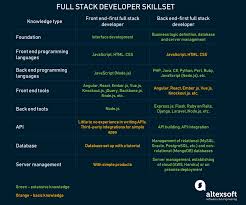
When discussing the differences between front-end and back-end development for a full stack software engineer, it’s important to understand their distinct roles. Front-end development focuses on creating the user interface and experience of a website or application using technologies like HTML, CSS, and JavaScript. This involves designing visually appealing layouts and ensuring responsiveness across various devices. On the other hand, back-end development involves working with server-side technologies to manage databases, handle user authentication, and implement business logic. Full stack software engineers must be proficient in both areas to seamlessly integrate front-end and back-end components, ensuring the overall functionality and performance of the application.
How does a full stack software engineer contribute to web application development?
A full stack software engineer plays a pivotal role in web application development by leveraging their expertise in both front-end and back-end technologies. They contribute to the creation of user-friendly interfaces by designing visually appealing and responsive web pages using HTML, CSS, and JavaScript on the front-end side. On the back-end, they are responsible for building robust and scalable web applications by working with server-side languages like Java, Python, or Node.js to design databases, write APIs, and ensure the smooth functioning of server-side logic. By seamlessly integrating front-end and back-end components, troubleshooting issues across the entire application stack, and staying updated with the latest technologies, a full stack software engineer enhances the overall development process and delivers high-quality web applications that meet user needs effectively.
What tools and technologies are commonly used by full stack software engineers?
Full stack software engineers commonly utilize a variety of tools and technologies to effectively manage both front-end and back-end development tasks. On the front-end side, they often work with technologies like HTML, CSS, and JavaScript frameworks such as React, Angular, or Vue.js to create engaging user interfaces. For back-end development, full stack engineers may use server-side languages like Java, Python, or Node.js along with databases such as MySQL or MongoDB. Additionally, version control systems like Git, cloud platforms like AWS or Azure for deployment, and IDEs such as Visual Studio Code or IntelliJ IDEA are frequently employed by full stack software engineers to streamline their workflow and ensure efficient application development.
How can someone transition into a career as a full stack software engineer?
Transitioning into a career as a full stack software engineer requires a strategic approach and dedication to learning. One common path is to start by gaining proficiency in both front-end and back-end technologies through online courses, bootcamps, or self-study. Building a strong foundation in programming languages such as HTML, CSS, JavaScript, and popular back-end languages like Java or Python is essential. Additionally, gaining hands-on experience by working on personal projects or contributing to open-source repositories can help demonstrate skills to potential employers. Networking with professionals in the field and seeking mentorship can also provide valuable insights and guidance for a successful transition into a career as a full stack software engineer.
What are the common challenges faced by full stack software engineers in their day-to-day work?
Full stack software engineers often encounter various challenges in their day-to-day work. One common challenge is the need to juggle multiple technologies and frameworks across both front-end and back-end development. This requires them to stay updated with the latest trends and tools in a rapidly evolving tech landscape. Additionally, balancing the priorities of different project stakeholders and managing time effectively between various tasks can be demanding. Another significant challenge is troubleshooting issues that may arise at any point in the application stack, requiring strong problem-solving skills and attention to detail. Despite these challenges, full stack software engineers thrive on the opportunity to work on diverse projects and contribute to all aspects of the software development lifecycle.