cfchris.com

Loading

network

Unlocking the Power of Modern Networks for Enhanced Connectivity

The Importance of Networks in Today’s Digital World

The Importance of Networks in Today’s Digital World

In today’s interconnected world, networks play a crucial role in enabling communication and data exchange between devices and systems. Whether it’s the internet connecting millions of people worldwide or a local network within a company, networks form the backbone of modern technology.

Efficient Communication

Networks allow devices to communicate with each other, facilitating the transfer of information in real-time. This is essential for businesses that rely on instant communication to collaborate effectively and make timely decisions.

Data Sharing and Storage

Networks enable the sharing and storage of data across multiple devices and locations. This not only improves efficiency but also ensures data security by centralizing storage and backup processes.

Scalability and Flexibility

Networks can be easily scaled to accommodate growing needs, making them flexible solutions for businesses of all sizes. Whether expanding operations or adding new devices, networks can adapt to changes without significant disruptions.

Cybersecurity

With the rise of cyber threats, secure networks are more important than ever. Implementing robust security measures within a network helps protect sensitive data from unauthorized access and ensures business continuity in the face of potential cyber attacks.

Enhanced Productivity

By streamlining communication and data exchange, networks contribute to improved productivity within organizations. Employees can collaborate seamlessly, access resources efficiently, and work more effectively with the support of a well-designed network infrastructure.

Conclusion

In conclusion, networks are integral components of our digital world, enabling connectivity, collaboration, and innovation across various industries. Understanding the importance of networks and investing in their development is key to staying competitive in today’s fast-paced technological landscape.


8 Essential Tips for Securing and Optimizing Your Network

  1. Ensure your network is secure by using strong passwords and encryption.
  2. Regularly update your network devices’ firmware to protect against vulnerabilities.
  3. Implement a firewall to control incoming and outgoing network traffic.
  4. Use virtual private networks (VPNs) for secure remote access to your network.
  5. Monitor your network for unusual activity that could indicate security breaches.
  6. Backup important data regularly to prevent data loss in case of network issues.
  7. Segment your network to improve performance and enhance security by isolating different types of traffic.
  8. Provide training for users on best practices for using the network safely and efficiently.

Ensure your network is secure by using strong passwords and encryption.

To ensure the security of your network, it is essential to implement robust measures such as using strong passwords and encryption. Strong passwords help prevent unauthorized access to your network, while encryption adds an extra layer of protection by encoding data transmitted over the network. By prioritizing security through these practices, you can safeguard sensitive information and mitigate the risk of cyber threats compromising your network’s integrity.

Regularly update your network devices’ firmware to protect against vulnerabilities.

Regularly updating your network devices’ firmware is essential to safeguarding your network against potential vulnerabilities. Firmware updates often include patches and security enhancements that address known weaknesses and protect your devices from cyber threats. By staying up-to-date with firmware updates, you can ensure that your network remains secure and resilient against evolving security risks, ultimately enhancing the overall integrity and reliability of your network infrastructure.

Implement a firewall to control incoming and outgoing network traffic.

Implementing a firewall is a crucial step in controlling incoming and outgoing network traffic. By setting up a firewall, organizations can establish rules and policies to regulate the flow of data, ensuring that only authorized connections are allowed while blocking potential threats from unauthorized sources. A firewall acts as a barrier between the internal network and external entities, enhancing security and protecting sensitive information from malicious activities. It serves as a proactive measure to safeguard network infrastructure and maintain a secure environment for data transmission.

Use virtual private networks (VPNs) for secure remote access to your network.

Using virtual private networks (VPNs) is a highly recommended practice for ensuring secure remote access to your network. By encrypting data transmission over the internet, VPNs create a secure tunnel that protects sensitive information from potential cyber threats. Whether accessing company resources from a remote location or connecting to public Wi-Fi networks, VPNs provide an additional layer of security that helps safeguard your data and maintain the integrity of your network infrastructure.

Monitor your network for unusual activity that could indicate security breaches.

Monitoring your network for unusual activity is a crucial step in maintaining cybersecurity. By keeping a close eye on network traffic and system logs, you can quickly identify any anomalies that may signal a security breach. Early detection of suspicious behavior allows you to take immediate action to mitigate potential threats and safeguard your network from unauthorized access or data breaches. Regular monitoring and analysis of network activity are essential practices in ensuring the security and integrity of your digital infrastructure.

Backup important data regularly to prevent data loss in case of network issues.

Regularly backing up important data is a crucial practice to prevent data loss in the event of network issues. By creating backups of essential files and information, you can ensure that your data remains safe and accessible even if there are network disruptions or failures. This proactive approach not only safeguards your valuable data but also provides peace of mind knowing that you have a contingency plan in place to mitigate the impact of any unforeseen network problems.

Segment your network to improve performance and enhance security by isolating different types of traffic.

Segmenting your network is a valuable strategy to enhance performance and bolster security by isolating distinct types of traffic. By dividing your network into separate segments, you can prioritize critical data flows, optimize bandwidth usage, and minimize the impact of potential security breaches. This approach not only improves network efficiency but also strengthens your overall cybersecurity posture by containing threats and limiting their spread across different network zones.

Provide training for users on best practices for using the network safely and efficiently.

To ensure the safe and efficient use of the network, it is essential to provide training for users on best practices. Educating users on how to navigate the network securely, avoid potential threats, and optimize their usage can significantly enhance overall network performance and cybersecurity. By empowering users with the knowledge and skills to make informed decisions while utilizing the network, organizations can create a culture of awareness and responsibility that benefits both individual users and the network as a whole.

xp development

Exploring the Evolution of XP Development Methodologies

The Evolution of XP Development

The Evolution of XP Development

Extreme Programming (XP) is a software development methodology that has evolved over the years to meet the changing needs of the industry. Originally introduced in the late 1990s, XP has since undergone various transformations and adaptations to remain relevant in today’s fast-paced technological landscape.

Core Principles of XP

XP is based on a set of core principles that emphasize collaboration, flexibility, and continuous improvement. These principles include:

  • Communication
  • Simplicity
  • Feedback
  • Courage
  • Respect

Evolution of XP Practices

As software development practices have evolved, so has XP. Over the years, new practices and techniques have been incorporated into XP to enhance its effectiveness. Some of the key practices that have emerged include:

  • Test-Driven Development (TDD)
  • Pair Programming
  • Continuous Integration
  • Refactoring
  • User Stories

The Future of XP Development

In today’s rapidly changing technological landscape, XP continues to adapt and evolve. With the rise of Agile methodologies and DevOps practices, XP development is becoming more integrated into larger software development processes. The future of XP development lies in its ability to remain agile, flexible, and responsive to the needs of modern software projects.

Overall, the evolution of XP development reflects the dynamic nature of software development as a whole. By staying true to its core principles while embracing new practices and techniques, XP remains a valuable approach for teams looking to deliver high-quality software efficiently and collaboratively.

This article is brought to you by CFChris – Your partner in IT solutions.


Understanding Extreme Programming (XP): Key Concepts and Practices Explained

  1. What is Extreme Programming (XP) development?
  2. What are the core principles of XP development?
  3. How does Test-Driven Development (TDD) fit into XP development?
  4. What is Pair Programming and how is it used in XP development?
  5. Why is Continuous Integration important in XP development?
  6. How does Refactoring contribute to XP development practices?
  7. Can you explain the concept of User Stories in the context of XP development?

What is Extreme Programming (XP) development?

Extreme Programming (XP) development is a software development methodology that emphasizes collaboration, feedback, and continuous improvement. In XP, teams work closely together to deliver high-quality software in a flexible and adaptive manner. Key practices of XP include Test-Driven Development (TDD), Pair Programming, Continuous Integration, Refactoring, and User Stories. By following the core principles of communication, simplicity, feedback, courage, and respect, XP aims to streamline the development process and ensure that software meets the evolving needs of users effectively.

What are the core principles of XP development?

The core principles of Extreme Programming (XP) development are fundamental values that guide the methodology’s approach to software development. These principles include communication, simplicity, feedback, courage, and respect. Communication emphasizes the importance of effective collaboration among team members. Simplicity advocates for keeping processes and solutions straightforward and easy to understand. Feedback encourages continuous improvement through regular assessments and adjustments. Courage promotes taking risks and making necessary changes to achieve project goals. Respect underscores the significance of valuing all team members’ contributions and perspectives in the development process. These core principles form the foundation of XP development, shaping how teams work together to deliver high-quality software efficiently.

How does Test-Driven Development (TDD) fit into XP development?

Test-Driven Development (TDD) is a fundamental practice within Extreme Programming (XP) development methodology. In TDD, developers write tests before writing the actual code, following a cycle of writing a failing test, implementing the code to pass the test, and then refactoring the code. This iterative process ensures that the codebase remains robust and well-tested throughout the development lifecycle. TDD aligns perfectly with XP’s core principles of simplicity, feedback, and continuous improvement by promoting early testing, rapid feedback loops, and a focus on delivering working software incrementally. By incorporating TDD into XP development, teams can enhance their ability to produce high-quality software that meets both functional requirements and customer expectations.

What is Pair Programming and how is it used in XP development?

Pair Programming is a collaborative software development technique used in Extreme Programming (XP) where two programmers work together at one workstation. In Pair Programming, one programmer writes the code while the other reviews each line as it is typed, providing real-time feedback and catching errors early on. This practice promotes knowledge sharing, improves code quality, and enhances team communication. Pair Programming is a key practice in XP development as it encourages continuous collaboration and ensures that the codebase is thoroughly reviewed and tested throughout the development process.

Why is Continuous Integration important in XP development?

Continuous Integration is a crucial aspect of Extreme Programming (XP) development because it promotes early and frequent integration of code changes from multiple developers into a shared repository. By automatically merging code and running automated tests regularly, Continuous Integration helps detect and resolve integration issues quickly, ensuring that the software remains stable and reliable throughout the development process. This practice enhances collaboration among team members, reduces the risk of conflicts, and allows for faster feedback on the quality of the codebase, ultimately leading to a more efficient and productive software development workflow in XP projects.

How does Refactoring contribute to XP development practices?

Refactoring plays a crucial role in Extreme Programming (XP) development practices by enabling teams to continuously improve the design and maintainability of their codebase. Through refactoring, developers can make small, incremental changes to the code without altering its external behavior. This process helps enhance code clarity, reduce complexity, and eliminate technical debt, ultimately leading to a more robust and flexible software system. In XP, refactoring is integrated into the development workflow, encouraging teams to regularly refine their codebase to ensure it remains efficient and adaptable to changing requirements. By prioritizing refactoring as a fundamental practice, XP teams can achieve higher levels of code quality and sustainability throughout the software development lifecycle.

Can you explain the concept of User Stories in the context of XP development?

In the context of Extreme Programming (XP) development, User Stories are concise, user-focused descriptions of features or functionalities that capture the requirements from the end user’s perspective. These stories serve as a communication tool between developers and stakeholders, emphasizing collaboration and understanding of what needs to be built. By breaking down complex functionalities into small, manageable units, User Stories help prioritize tasks, promote iterative development, and ensure that the software meets the users’ needs effectively. This agile approach allows for flexibility and adaptability throughout the development process, enabling teams to deliver value incrementally and respond to changing requirements efficiently.

Exploring the Latest Trends in Software Development

The World of Software Development

The World of Software Development

Software development is a dynamic and ever-evolving field that plays a crucial role in shaping the digital landscape of today’s world. From mobile apps to complex enterprise systems, software developers are the architects behind the technology that powers our daily lives.

The Process of Software Development

Software development involves a series of steps that begin with understanding the requirements and end with deploying the final product. This process typically includes:

  1. Requirement Analysis: Developers work closely with stakeholders to gather and analyze requirements for the software.
  2. Design: Based on the requirements, developers create a detailed design plan for the software architecture.
  3. Implementation: This is where developers write the actual code that brings the design to life.
  4. Testing: Quality assurance teams test the software to identify and fix any bugs or issues.
  5. Deployment: The final product is deployed to production environments for users to access.
  6. Maintenance: Developers provide ongoing support, updates, and maintenance to ensure the software remains functional and up-to-date.

The Role of Software Developers

Software developers are skilled professionals who use programming languages and tools to create software solutions. They are responsible for writing clean, efficient code, testing their work, and collaborating with other team members throughout the development process. Some common roles in software development include:

  • Front-end Developer: Focuses on creating user interfaces and experiences using technologies like HTML, CSS, and JavaScript.
  • Back-end Developer: Works on server-side logic, databases, and APIs to ensure data is securely stored and accessed by users.
  • Full-stack Developer: Has expertise in both front-end and back-end technologies, enabling them to work on all aspects of a software project.
  • Mobile Developer: Specializes in creating applications for mobile devices using platforms like iOS or Android.

The Future of Software Development

In an era where technology continues to advance at a rapid pace, the future of software development looks promising. Emerging technologies such as artificial intelligence, blockchain, and Internet of Things (IoT) are reshaping how software is created and utilized. As demand for innovative digital solutions grows, so does the need for skilled software developers who can adapt to new challenges and opportunities in this exciting field.


9 Advantages of Software Development: Boosting Efficiency, Collaboration, and Innovation

  1. 1. Enables automation of repetitive tasks, increasing efficiency.
  2. 2. Facilitates collaboration among team members working on a project.
  3. 3. Provides opportunities for creativity and innovation in problem-solving.
  4. 4. Allows for scalability, making it easier to expand or modify software as needed.
  5. 5. Enhances user experience through intuitive interfaces and seamless functionality.
  6. 6. Supports data-driven decision-making by providing valuable insights through analytics.
  7. 7. Promotes continuous learning and skill development due to the ever-evolving nature of technology.
  8. 8. Increases competitiveness by enabling businesses to offer cutting-edge digital solutions.
  9. 9. Contributes to economic growth by driving technological advancements and job creation.


Understanding the Challenges of Software Development: Complexity, Time, Cost, Maintenance, Compatibility, and Security Risks

  1. 1. Complexity
  2. 2. Time-consuming
  3. 3. Costly
  4. 4. Maintenance challenges
  5. 5. Compatibility issues
  6. 6. Security risks

1. Enables automation of repetitive tasks, increasing efficiency.

Software development enables the automation of repetitive tasks, significantly boosting efficiency within various industries. By creating custom software solutions tailored to specific business needs, organizations can streamline processes, reduce manual errors, and save valuable time and resources. Automation not only increases productivity but also allows employees to focus on more strategic and creative tasks, ultimately driving innovation and growth within the organization.

2. Facilitates collaboration among team members working on a project.

Software development facilitates collaboration among team members working on a project by providing a centralized platform where individuals can share code, communicate effectively, and coordinate their efforts seamlessly. Through version control systems like Git and collaboration tools such as project management software, team members can work together in real-time, track changes, resolve conflicts, and ensure that everyone is aligned towards the project goals. This collaborative environment promotes transparency, efficiency, and teamwork, ultimately leading to the successful delivery of high-quality software solutions.

3. Provides opportunities for creativity and innovation in problem-solving.

Software development provides ample opportunities for creativity and innovation in problem-solving. Developers are constantly challenged to think outside the box and come up with unique solutions to complex problems. Whether it’s designing a user-friendly interface, optimizing code for efficiency, or implementing cutting-edge technologies, software developers have the freedom to explore creative solutions that push the boundaries of what is possible. This aspect of software development not only keeps the field exciting and engaging but also fosters a culture of continuous learning and growth among professionals in the industry.

4. Allows for scalability, making it easier to expand or modify software as needed.

Software development offers the significant advantage of scalability, allowing for seamless expansion or modification of software as required. This flexibility enables businesses to adapt to changing needs, accommodate growth, and enhance functionality without starting from scratch. By designing software with scalability in mind, developers can efficiently adjust the system to meet evolving requirements, ensuring that it remains robust and adaptable in the face of dynamic business environments.

5. Enhances user experience through intuitive interfaces and seamless functionality.

Software development excels in enhancing user experience through intuitive interfaces and seamless functionality. By prioritizing user-centric design and smooth functionality, software developers create applications and systems that are not only visually appealing but also easy to navigate and use. Intuitive interfaces ensure that users can interact with the software effortlessly, leading to a more satisfying and efficient experience. This focus on enhancing user experience ultimately results in increased user satisfaction, improved productivity, and higher engagement with the software product.

6. Supports data-driven decision-making by providing valuable insights through analytics.

Software development supports data-driven decision-making by providing valuable insights through analytics. By leveraging data analytics tools and techniques, software applications can process and analyze large volumes of data to extract meaningful patterns and trends. This enables businesses to make informed decisions based on real-time information, leading to improved efficiency, productivity, and strategic planning. Data-driven decision-making empowers organizations to stay competitive in today’s fast-paced digital landscape by harnessing the power of data to drive innovation and growth.

7. Promotes continuous learning and skill development due to the ever-evolving nature of technology.

Software development promotes continuous learning and skill development due to the ever-evolving nature of technology. In this dynamic field, developers are constantly exposed to new tools, languages, and frameworks, requiring them to stay updated with the latest trends and advancements. This culture of continuous learning not only keeps developers engaged and motivated but also ensures that they are equipped to tackle new challenges and innovate effectively. By embracing lifelong learning, software developers can enhance their expertise and adaptability, ultimately driving progress and innovation in the tech industry.

8. Increases competitiveness by enabling businesses to offer cutting-edge digital solutions.

Software development increases competitiveness by enabling businesses to offer cutting-edge digital solutions that cater to the evolving needs of customers in today’s fast-paced market. By leveraging innovative software technologies, businesses can differentiate themselves from competitors, enhance customer experiences, and stay ahead of industry trends. This proactive approach not only attracts new customers but also fosters loyalty among existing ones, positioning the business as a leader in its field. Ultimately, embracing software development as a strategic asset empowers businesses to adapt, grow, and thrive in a highly competitive business environment.

9. Contributes to economic growth by driving technological advancements and job creation.

Software development plays a vital role in contributing to economic growth by driving technological advancements and job creation. As software solutions become more integral to various industries, the demand for skilled developers continues to rise, leading to job opportunities and career growth. Additionally, the innovative technologies developed through software development not only improve efficiency and productivity but also open up new markets and drive overall economic progress. By fostering a culture of innovation and entrepreneurship, software development fuels economic growth by creating new opportunities for businesses and individuals alike.

1. Complexity

Software development poses a significant challenge in terms of complexity, often demanding intricate coding and advanced problem-solving skills. Developers must navigate through intricate algorithms, data structures, and design patterns to create robust and efficient software solutions. The complexity of software development can lead to time-consuming debugging processes and the need for continuous learning to keep up with evolving technologies. This con highlights the demanding nature of the field, requiring developers to constantly refine their skills and strategies to overcome complex challenges in the development process.

2. Time-consuming

One significant drawback of software development is its time-consuming nature. The process of designing, implementing, testing, and deploying software can be a lengthy and intricate endeavor. Developers need to carefully plan and execute each stage of the development lifecycle, which requires time and effort to ensure that the final product meets quality standards and fulfills the requirements of stakeholders. Delays in any phase of the development process can impact project timelines and potentially result in extended delivery schedules, making time management a critical challenge in software development projects.

3. Costly

Developing custom software solutions can be a costly endeavor, primarily because of the requirement for highly skilled developers and substantial resources. The expenses associated with hiring experienced professionals, investing in advanced technologies, and ensuring quality assurance throughout the development process can significantly impact the overall budget of a software project. As a result, organizations need to carefully weigh the benefits against the costs when opting for custom software development to ensure that they are making a sound investment in meeting their specific business needs.

4. Maintenance challenges

One significant con of software development is the maintenance challenges it presents. Software, once developed and deployed, demands ongoing updates and maintenance to uphold its functionality and security. This continuous need for monitoring, bug fixes, and enhancements can be time-consuming and resource-intensive for development teams. Failure to address maintenance issues promptly can lead to vulnerabilities, system failures, and potential security breaches, highlighting the critical importance of dedicating resources to the upkeep of software systems.

5. Compatibility issues

Compatibility issues pose a significant con in software development as ensuring that software functions seamlessly across various platforms and devices can be a daunting task. Different operating systems, hardware configurations, and screen sizes introduce complexities that developers must address to deliver a consistent user experience. Resolving compatibility issues requires thorough testing, optimization, and sometimes compromises in functionality to accommodate the diverse ecosystem of technology devices and environments. Failure to address compatibility concerns can lead to user frustration, decreased usability, and ultimately hinder the success of the software product.

6. Security risks

Security risks are a significant con of software development. Developing secure software is crucial as vulnerabilities can expose sensitive data to cyber threats. Inadequate security measures can lead to data breaches, unauthorized access, and other malicious activities that can have serious consequences for individuals and organizations. It is essential for software developers to prioritize security throughout the development process to protect users’ information and maintain trust in the software they create.

xp extreme programming

Unlocking Success with Extreme Programming (XP) Methodology

Exploring Extreme Programming (XP)

Exploring Extreme Programming (XP)

Extreme Programming (XP) is a software development methodology that aims to improve software quality and responsiveness to changing customer requirements. It is based on a set of values, principles, and practices that emphasize collaboration, feedback, simplicity, and flexibility.

Key Principles of XP:

  • Communication: XP promotes frequent communication among team members, customers, and stakeholders to ensure everyone is on the same page regarding project goals and progress.
  • Simplicity: XP advocates for keeping things simple by focusing on the most essential features and avoiding unnecessary complexity in the codebase.
  • Feedback: XP emphasizes the importance of receiving feedback early and often through practices like continuous integration, testing, and regular reviews.
  • Courage: XP encourages team members to take risks, experiment with new ideas, and address challenges proactively.
  • Respect: XP values mutual respect among team members, fostering a positive work environment where everyone’s contributions are acknowledged and appreciated.

Core Practices of XP:

  • Pair Programming: Two programmers work together at one computer, collaborating on code design, implementation, and problem-solving.
  • Test-Driven Development (TDD): Developers write automated tests before writing code to ensure that the code meets specified requirements.
  • Continuous Integration: Code changes are integrated into a shared repository frequently to detect integration issues early.
  • Sustainable Pace: Teams maintain a sustainable work pace to prevent burnout and ensure long-term productivity.
  • Coding Standards: Consistent coding standards are enforced to promote readability, maintainability, and collaboration within the team.

In conclusion, Extreme Programming (XP) offers a disciplined approach to software development that prioritizes customer satisfaction, teamwork, adaptability, and continuous improvement. By embracing its values and practices, teams can deliver high-quality software efficiently while responding effectively to changing requirements in today’s dynamic business environment.


8 Key Benefits of Extreme Programming: Enhancing Communication, Simplicity, and Code Quality

  1. Promotes frequent communication among team members
  2. Emphasizes simplicity in code design and implementation
  3. Encourages receiving feedback early and often
  4. Fosters a culture of experimentation and risk-taking
  5. Values mutual respect among team members
  6. Enhances collaboration through pair programming
  7. Ensures code quality through test-driven development (TDD)
  8. Supports sustainable work pace to prevent burnout


Challenges of Extreme Programming: Team Dynamics, Documentation Concerns, and Cultural Shifts

  1. High dependency on strong teamwork and collaboration may be challenging in environments with individualistic team members.
  2. Emphasis on simplicity and flexibility could lead to potential lack of documentation and long-term maintainability concerns.
  3. Strict adherence to XP practices may require a significant cultural shift within organizations accustomed to traditional development methodologies.

Promotes frequent communication among team members

One significant advantage of Extreme Programming (XP) is its promotion of frequent communication among team members. By encouraging regular and open dialogue, XP facilitates a collaborative environment where team members can share ideas, clarify requirements, and address any challenges effectively. This emphasis on communication helps improve team cohesion, enhances understanding of project goals, and ensures that everyone is aligned towards achieving the desired outcomes. Ultimately, the practice of promoting frequent communication in XP leads to better coordination, increased productivity, and improved overall project success.

Emphasizes simplicity in code design and implementation

Extreme Programming (XP) stands out for its emphasis on simplicity in code design and implementation. By prioritizing straightforward and clear solutions, XP promotes code that is easier to understand, maintain, and extend. This approach not only enhances the readability of the codebase but also reduces the likelihood of introducing bugs or errors. Embracing simplicity in code design through XP allows teams to deliver high-quality software efficiently while fostering a collaborative and productive development environment.

Encourages receiving feedback early and often

One of the key advantages of Extreme Programming (XP) is its emphasis on encouraging the practice of receiving feedback early and often. By soliciting feedback at various stages of the development process, teams can identify potential issues, validate assumptions, and make necessary adjustments promptly. This proactive approach not only helps in improving the quality of the software but also fosters a culture of continuous improvement and collaboration within the team. Ultimately, by incorporating regular feedback loops into their workflow, XP teams can ensure that they are building products that meet customer needs effectively and efficiently.

Fosters a culture of experimentation and risk-taking

Extreme Programming (XP) fosters a culture of experimentation and risk-taking by encouraging team members to explore new ideas, try out innovative approaches, and address challenges proactively. This pro of XP empowers developers to step out of their comfort zones, take calculated risks, and learn from both successes and failures. By embracing a mindset that values experimentation and continuous improvement, XP teams can drive innovation, discover creative solutions to complex problems, and adapt swiftly to changing requirements in the software development process.

Values mutual respect among team members

In Extreme Programming (XP), one of the key advantages is its emphasis on valuing mutual respect among team members. By fostering an environment where every team member’s contributions are acknowledged and appreciated, XP promotes a positive and collaborative work culture. This focus on mutual respect not only boosts morale and team cohesion but also encourages open communication, idea-sharing, and a sense of belonging within the team. Ultimately, by prioritizing mutual respect, XP helps create a supportive and inclusive atmosphere where individuals feel valued and motivated to work together towards shared goals.

Enhances collaboration through pair programming

Pair programming, a core practice of Extreme Programming (XP), enhances collaboration by fostering real-time communication and knowledge sharing between two developers working together at a single workstation. This approach not only results in higher code quality and fewer defects but also promotes teamwork, creativity, and mutual learning. By combining the skills and perspectives of two individuals, pair programming in XP encourages continuous feedback, problem-solving, and collective ownership of the codebase, ultimately leading to improved productivity and a stronger sense of camaraderie within the development team.

Ensures code quality through test-driven development (TDD)

One significant advantage of Extreme Programming (XP) is its emphasis on ensuring code quality through Test-Driven Development (TDD). With TDD, developers write automated tests before writing the actual code, allowing them to define clear requirements and expectations for the functionality of the software. By following this practice, XP teams can detect errors early in the development process, maintain a high standard of code quality, and create a more robust and reliable software product.

Supports sustainable work pace to prevent burnout

Extreme Programming (XP) promotes a sustainable work pace to prevent burnout among team members. By emphasizing the importance of maintaining a healthy balance between work and personal well-being, XP encourages teams to avoid overworking and prioritize sustainable productivity. This approach not only fosters a positive work environment but also helps ensure that team members can consistently deliver high-quality results without compromising their mental and physical health.

High dependency on strong teamwork and collaboration may be challenging in environments with individualistic team members.

In Extreme Programming (XP), one significant drawback is its high dependency on strong teamwork and collaboration, which can be challenging in environments where team members lean towards individualism. In such settings, getting everyone to actively engage in pair programming, continuous communication, and collective decision-making processes may prove difficult. The success of XP relies heavily on the synergy and cooperation among team members, making it crucial for individualistic team members to adapt their working style to prioritize group dynamics over personal preferences. Failure to foster a collaborative environment can hinder the effectiveness of XP practices and impede the project’s overall success.

Emphasis on simplicity and flexibility could lead to potential lack of documentation and long-term maintainability concerns.

In Extreme Programming (XP), the emphasis on simplicity and flexibility, while beneficial for rapid development and adaptability, can present a con in terms of documentation and long-term maintainability. Due to the focus on writing just enough code to fulfill immediate requirements, there may be a tendency to prioritize working software over comprehensive documentation. This approach could lead to challenges in understanding the codebase for future maintenance or new team members. Ensuring proper documentation practices and balancing simplicity with sufficient explanatory materials are crucial to mitigate potential issues related to long-term maintainability in XP projects.

Strict adherence to XP practices may require a significant cultural shift within organizations accustomed to traditional development methodologies.

Adhering strictly to Extreme Programming (XP) practices may present a challenge due to the potential need for a significant cultural shift within organizations accustomed to traditional development methodologies. Transitioning to XP requires embracing values such as collaboration, continuous feedback, and adaptability, which may differ from the hierarchical structures and rigid processes commonly found in traditional environments. This cultural shift can be disruptive and may require time, effort, and buy-in from all levels of the organization to successfully integrate XP practices and realize their benefits.

agile dev

Unlocking Success: The Power of Agile Development in Modern Software Engineering

The Benefits of Agile Development in Software Engineering

The Benefits of Agile Development in Software Engineering

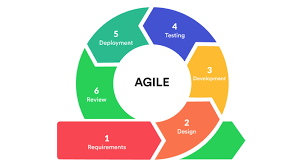
Agile development has revolutionized the way software is created and delivered in the modern world. This iterative approach to software development emphasizes flexibility, collaboration, and customer feedback throughout the development process.

Flexibility and Adaptability

One of the key benefits of agile development is its emphasis on flexibility. Agile methodologies allow for changes to be made quickly and easily, enabling teams to adapt to evolving requirements and market conditions. This flexibility helps teams respond effectively to feedback and deliver high-quality software that meets customer needs.

Collaboration and Communication

Agile development promotes collaboration among team members, stakeholders, and customers. By working closely together throughout the development process, teams can ensure that everyone is aligned on project goals and priorities. Regular communication helps identify issues early on and facilitates problem-solving in a timely manner.

Rapid Delivery of Value

Agile methodologies prioritize the delivery of working software in short iterations known as sprints. This incremental approach allows teams to deliver value to customers quickly and frequently. By breaking down projects into smaller tasks, teams can focus on delivering features that provide tangible benefits to users.

Continuous Improvement

Agile development encourages a culture of continuous improvement. Through regular retrospectives and feedback loops, teams reflect on their processes and identify areas for enhancement. By learning from past experiences and making adjustments as needed, teams can increase productivity, efficiency, and overall quality.

Conclusion

In conclusion, agile development offers numerous benefits that can help software engineering teams deliver high-quality software efficiently and effectively. By embracing flexibility, collaboration, rapid delivery, and continuous improvement, organizations can stay competitive in today’s fast-paced digital landscape.


6 Key Advantages of Agile Development: Flexibility, Collaboration, and Customer Satisfaction

  1. Flexibility to adapt to changing requirements
  2. Enhanced collaboration among team members
  3. Faster delivery of working software
  4. Increased customer satisfaction through frequent feedback
  5. Emphasis on continuous improvement and learning
  6. Better risk management and transparency in the development process


Challenges of Agile Development: Navigating Uncertainty, Feedback Dependence, and Collaboration Hurdles

  1. Uncertainty in project scope and timelines due to the iterative nature of agile development.
  2. Over-reliance on customer feedback may lead to frequent changes that disrupt workflow and increase project complexity.
  3. Requires a high level of collaboration and communication, which can be challenging for distributed or remote teams.

Flexibility to adapt to changing requirements

One of the key advantages of agile development is its inherent flexibility to adapt to changing requirements. In traditional software development methodologies, rigid plans and specifications can hinder progress when requirements evolve. However, agile approaches allow teams to easily accommodate changes throughout the development process. By embracing this flexibility, agile teams can quickly adjust their priorities and deliver software that meets the evolving needs of customers and stakeholders in a timely manner.

Enhanced collaboration among team members

Enhanced collaboration among team members is a significant advantage of agile development. By fostering a culture of teamwork and open communication, agile methodologies encourage active participation and shared responsibility within the team. Team members work closely together, leveraging their diverse skills and perspectives to solve problems, make decisions, and deliver high-quality software efficiently. This collaborative approach not only improves overall team morale but also leads to better outcomes as everyone is aligned on project goals and actively contributes to the success of the project.

Faster delivery of working software

One of the key advantages of agile development is its ability to facilitate the faster delivery of working software. By breaking down projects into manageable iterations and focusing on delivering functional features in short sprints, agile teams can provide tangible value to customers more rapidly. This approach not only accelerates the development process but also allows for early feedback from stakeholders, enabling teams to make necessary adjustments and ensure that the final product meets customer expectations in a timely manner.

Increased customer satisfaction through frequent feedback

One of the key advantages of agile development is the increased customer satisfaction achieved through frequent feedback. By involving customers in the development process and regularly gathering their input, agile teams can ensure that the final product meets their needs and expectations. This iterative approach allows for adjustments to be made based on real-time feedback, resulting in a product that aligns more closely with customer requirements. Ultimately, by prioritizing customer satisfaction and responsiveness to their feedback, agile development fosters stronger relationships with clients and enhances overall project success.

Emphasis on continuous improvement and learning

One significant advantage of agile development is its emphasis on continuous improvement and learning. By fostering a culture that values reflection, feedback, and adaptation, agile teams are constantly striving to enhance their processes and deliver better results. This focus on continuous learning not only leads to improved productivity and efficiency but also empowers team members to grow their skills and expertise, ultimately contributing to the overall success of the project.

Better risk management and transparency in the development process

One of the significant advantages of agile development is its ability to provide better risk management and transparency throughout the development process. By breaking down projects into smaller, manageable iterations, teams can identify and address potential risks early on. This iterative approach allows for continuous monitoring and adjustment, leading to improved visibility into project progress and potential challenges. Stakeholders can stay informed about the project’s status, making it easier to manage expectations and make informed decisions based on real-time information. Ultimately, this proactive risk management approach enhances transparency, fosters collaboration, and increases the likelihood of project success.

Uncertainty in project scope and timelines due to the iterative nature of agile development.

In agile development, one significant challenge is the uncertainty surrounding project scope and timelines. The iterative nature of agile methodologies allows for flexibility and adaptability, but it can also introduce ambiguity regarding the final deliverables and completion dates. As requirements evolve and new features are added or modified throughout the development process, stakeholders may find it challenging to predict project milestones accurately. This uncertainty can lead to difficulties in project planning and resource allocation, potentially affecting overall project success and stakeholder satisfaction.

Over-reliance on customer feedback may lead to frequent changes that disrupt workflow and increase project complexity.

An inherent drawback of agile development is the risk of over-reliance on customer feedback, which can potentially result in frequent changes that disrupt the workflow and escalate project complexity. While customer input is valuable for ensuring that software meets user needs, excessive alterations throughout the development process can introduce inefficiencies, delays, and challenges in maintaining project momentum. Striking a balance between accommodating feedback and adhering to project timelines is crucial to prevent unnecessary disruptions and maintain a streamlined development process.

Requires a high level of collaboration and communication, which can be challenging for distributed or remote teams.

One significant challenge of agile development is the high level of collaboration and communication it requires, which can be particularly difficult for distributed or remote teams. In such environments, team members may face obstacles in maintaining clear and consistent communication due to physical distance and time zone differences. This can lead to delays in decision-making, misunderstandings, and a lack of cohesion among team members, ultimately impacting the efficiency and effectiveness of the development process. Finding ways to overcome these communication barriers is essential for distributed or remote teams to successfully implement agile methodologies and achieve project goals.

junior programmer

Empowering the Next Generation: Junior Programmer’s Path to Success

The Role of a Junior Programmer in the Tech Industry

The Role of a Junior Programmer in the Tech Industry

In the fast-paced world of technology, junior programmers play a vital role in shaping the future of software development. These entry-level professionals are often the backbone of development teams, contributing fresh ideas, enthusiasm, and a willingness to learn.

Responsibilities of a Junior Programmer

Junior programmers typically work under the guidance of senior developers and are responsible for tasks such as:

  • Writing code based on specifications provided by senior team members
  • Testing and debugging code to ensure its functionality
  • Assisting in the design and implementation of software solutions
  • Collaborating with team members to solve technical challenges
  • Continuously learning new technologies and best practices in programming

Skills Required for Success

To excel as a junior programmer, individuals need a combination of technical skills and soft skills. Some key skills include:

  • Proficiency in programming languages such as Java, Python, or C++
  • Understanding of basic software development principles and methodologies
  • Problem-solving abilities and attention to detail
  • Strong communication skills for effective collaboration with team members
  • Adaptability and eagerness to learn new technologies quickly

Career Growth Opportunities

While junior programmers start at an entry-level position, there are ample opportunities for growth within the tech industry. With experience and continuous learning, junior programmers can advance to roles such as software developer, senior programmer, or even project manager.

By honing their skills, taking on challenging projects, and seeking mentorship from experienced professionals, junior programmers can carve out successful careers in the dynamic field of technology.

© 2023 The Junior Programmer Blog. All rights reserved.


8 Essential Tips for Junior Programmers: Building Skills and Confidence

  1. Always be willing to learn and improve your skills
  2. Ask questions when you’re unsure about something
  3. Practice coding regularly to enhance your proficiency
  4. Seek feedback from senior developers to grow professionally
  5. Document your code for better understanding and future reference
  6. Collaborate with team members to solve problems more effectively
  7. Stay updated with the latest technologies and trends in programming
  8. Don’t be afraid to make mistakes, they are opportunities for learning

Always be willing to learn and improve your skills

For junior programmers, one crucial tip for success is to always maintain a mindset of continuous learning and skill improvement. Embracing new technologies, seeking out mentorship, and actively pursuing opportunities to enhance your programming abilities can not only expand your knowledge but also boost your confidence and effectiveness as a developer. By staying open to learning and growth, junior programmers set themselves on a path towards achieving excellence in the ever-evolving tech industry.

Ask questions when you’re unsure about something

When navigating the complexities of software development as a junior programmer, it is crucial to remember the value of asking questions when uncertainty arises. Seeking clarification and guidance from experienced team members not only demonstrates a proactive approach to learning but also helps in avoiding potential errors and misunderstandings. Embracing a culture of curiosity and open communication can lead to valuable insights, foster professional growth, and ultimately contribute to the success of projects.

Practice coding regularly to enhance your proficiency

Practicing coding regularly is a crucial tip for junior programmers looking to enhance their proficiency in software development. By consistently working on coding challenges, projects, or exercises, junior programmers can sharpen their problem-solving skills, become more familiar with programming languages and frameworks, and gain confidence in their abilities. Regular practice not only improves technical proficiency but also fosters a deeper understanding of coding concepts and best practices, setting the foundation for a successful career in the tech industry.

Seek feedback from senior developers to grow professionally

Seeking feedback from senior developers is a valuable tip for junior programmers looking to grow professionally. By actively soliciting input and guidance from experienced team members, junior programmers can gain valuable insights, improve their skills, and accelerate their learning curve. Constructive feedback helps junior programmers identify areas for improvement, refine their coding practices, and expand their knowledge of best practices in software development. Embracing feedback as a tool for growth demonstrates a proactive attitude and a commitment to continuous improvement in the dynamic field of technology.

Document your code for better understanding and future reference

Documenting your code is a crucial tip for junior programmers to enhance understanding and ensure future reference. By adding clear and concise comments throughout the codebase, developers can explain the purpose of their code, how it functions, and any potential pitfalls or considerations. This practice not only helps fellow team members comprehend the logic behind the code but also aids in troubleshooting and maintenance tasks down the line. Effective documentation serves as a valuable resource for junior programmers to revisit their work, learn from past implementations, and streamline future development processes.

Collaborate with team members to solve problems more effectively

Collaborating with team members is a crucial tip for junior programmers to enhance problem-solving effectiveness. By working together with colleagues, junior programmers can leverage diverse perspectives, share knowledge, and brainstorm innovative solutions to complex technical challenges. This collaborative approach not only fosters a sense of teamwork but also accelerates learning and professional growth as individuals benefit from each other’s expertise and experience. Embracing collaboration as a core practice can lead to more efficient problem resolution and contribute to the overall success of development projects.

Staying updated with the latest technologies and trends in programming is crucial for junior programmers to thrive in the ever-evolving tech industry. By keeping abreast of new developments, tools, and best practices, junior programmers can enhance their skills, stay competitive, and contribute more effectively to their teams. Continuous learning not only broadens their knowledge base but also opens up opportunities for innovation and career growth. Embracing a mindset of lifelong learning ensures that junior programmers remain adaptable and well-equipped to tackle the challenges of modern software development.

Don’t be afraid to make mistakes, they are opportunities for learning

Embracing mistakes as learning opportunities is a valuable tip for junior programmers. By acknowledging and analyzing their errors, junior programmers can gain insights into problem-solving strategies, coding best practices, and software development principles. Each mistake presents a chance to grow, improve skills, and ultimately become a more proficient programmer. It’s through these experiences that junior programmers can refine their craft and build a solid foundation for a successful career in the tech industry.

scrum development

Maximizing Efficiency Through Scrum Development Practices

The Benefits of Scrum Development

The Benefits of Scrum Development

Scrum is a popular agile framework used in software development to manage complex projects. It emphasizes collaboration, flexibility, and continuous improvement. Here are some key benefits of implementing Scrum:

Improved Transparency

Scrum promotes transparency by providing a clear view of the project’s progress through regular meetings such as daily stand-ups, sprint planning, and sprint reviews. This transparency helps teams identify issues early and make necessary adjustments to stay on track.

Increased Flexibility

Scrum allows for flexibility in project requirements and priorities. The iterative nature of Scrum enables teams to adapt to changes quickly, making it easier to respond to customer feedback and market demands.

Enhanced Collaboration

Collaboration is at the core of Scrum. Cross-functional teams work together towards a common goal, fostering communication and teamwork. This collaborative environment encourages knowledge sharing and innovation.

Faster Delivery of Value

Scrum focuses on delivering working software in short iterations called sprints. By breaking down the project into manageable tasks and delivering incremental value at the end of each sprint, teams can quickly respond to stakeholder needs and deliver products faster.

Continuous Improvement

Scrum encourages continuous improvement through regular retrospectives at the end of each sprint. Teams reflect on their performance, identify areas for improvement, and implement changes to enhance their processes and deliver better results in future sprints.

In conclusion, Scrum development offers numerous benefits that can help teams build high-quality software efficiently while adapting to changing requirements and delivering value to customers consistently.


7 Essential Tips for Effective Scrum Development

  1. Ensure clear communication among team members
  2. Prioritize tasks based on importance and urgency
  3. Hold regular stand-up meetings to track progress
  4. Embrace changes in requirements throughout the project
  5. Encourage collaboration and teamwork within the team
  6. Deliver working increments of product at the end of each sprint
  7. Reflect on past sprints to identify areas for improvement

Ensure clear communication among team members

Clear communication among team members is essential in Scrum development to ensure that everyone is aligned on project goals, tasks, and progress. By fostering open and transparent communication channels, team members can collaborate effectively, share information, address challenges promptly, and make informed decisions. Clear communication helps prevent misunderstandings, reduces the risk of errors, and promotes a cohesive team dynamic where everyone feels valued and understood. Ultimately, when team members communicate clearly and openly in a Scrum environment, it leads to improved productivity, better problem-solving capabilities, and successful project outcomes.

Prioritize tasks based on importance and urgency

In Scrum development, it is essential to prioritize tasks based on their importance and urgency. By focusing on important and urgent tasks first, teams can ensure that they are addressing critical issues and delivering value to stakeholders in a timely manner. This approach helps teams stay focused on what matters most, manage their time effectively, and make informed decisions about how to allocate resources for maximum impact. Prioritizing tasks based on importance and urgency is a key principle of successful project management in the Scrum framework.

Hold regular stand-up meetings to track progress

Regular stand-up meetings are a crucial aspect of Scrum development. These brief daily meetings provide teams with the opportunity to track progress, discuss any roadblocks, and align on tasks for the day. By fostering open communication and transparency, stand-up meetings help teams stay focused, identify potential issues early on, and ensure that everyone is on the same page regarding project status. This practice promotes collaboration and accountability among team members, ultimately leading to more efficient and effective project delivery.

Embrace changes in requirements throughout the project

Embracing changes in requirements throughout a project is a fundamental principle of Scrum development. By remaining flexible and open to adjustments, teams can respond effectively to evolving stakeholder needs and market demands. This approach allows for continuous improvement and ensures that the final product meets the most current requirements and expectations. Adapting to changes in requirements also fosters collaboration within the team, as members work together to find innovative solutions and deliver value to customers efficiently.

Encourage collaboration and teamwork within the team

Encouraging collaboration and teamwork within the team is a fundamental principle in Scrum development. By fostering a culture of open communication and shared goals, team members can leverage their diverse skills and perspectives to solve complex problems more effectively. Collaboration promotes knowledge sharing, enhances creativity, and strengthens trust among team members, leading to increased productivity and better outcomes for the project. Emphasizing teamwork in Scrum not only boosts morale but also ensures that everyone works together towards achieving the project’s objectives efficiently.

Deliver working increments of product at the end of each sprint

In Scrum development, delivering working increments of the product at the end of each sprint is a crucial practice that ensures continuous progress and feedback. By breaking down the project into manageable tasks and completing a functional piece of the product within a short time frame, teams can demonstrate tangible results to stakeholders and gather valuable input for further refinement. This iterative approach not only accelerates the development process but also allows for early validation of features, enabling teams to make necessary adjustments and deliver a high-quality product incrementally.

Reflect on past sprints to identify areas for improvement

Reflecting on past sprints to identify areas for improvement is a crucial practice in Scrum development. By taking the time to review what went well and what could have been done better in previous iterations, teams can learn from their experiences and make necessary adjustments to enhance their performance in future sprints. This continuous feedback loop allows teams to address issues, refine processes, and optimize their workflow, ultimately leading to increased efficiency and better outcomes.

business technology

Empowering Enterprises: The Evolution of Business Technology in the Digital Age

The Impact of Business Technology on Modern Enterprises

The Impact of Business Technology on Modern Enterprises

In today’s fast-paced business environment, technology plays a crucial role in shaping the success and growth of enterprises. From small startups to large corporations, businesses are increasingly relying on innovative technologies to streamline operations, enhance productivity, and gain a competitive edge in the market.

Enhancing Efficiency and Productivity

One of the key benefits of integrating technology into business processes is the significant improvement in efficiency and productivity. Automation tools, data analytics software, and cloud computing services enable companies to optimize their workflows, reduce manual tasks, and make informed decisions based on real-time data.

Improving Communication and Collaboration

Business technology has revolutionized how teams communicate and collaborate within organizations. Email, instant messaging platforms, video conferencing tools, and project management software facilitate seamless interaction among employees, regardless of their physical location. This enhanced communication leads to better teamwork, faster decision-making, and improved overall performance.

Driving Innovation and Competitive Advantage

Technology empowers businesses to innovate constantly and adapt to changing market trends. Companies that embrace digital transformation initiatives can develop new products and services more efficiently, reach a wider audience through online channels, and differentiate themselves from competitors. By leveraging cutting-edge technologies such as artificial intelligence, blockchain, and Internet of Things (IoT), enterprises can stay ahead of the curve and maintain a competitive advantage in their industry.

Ensuring Data Security and Compliance

As businesses increasingly rely on digital platforms to store sensitive information and conduct transactions, cybersecurity has become a top priority. Implementing robust security measures, such as encryption protocols, firewalls, multi-factor authentication, and regular security audits, is essential to protect data from cyber threats. Moreover, compliance with data protection regulations such as GDPR or HIPAA is crucial for maintaining trust with customers and avoiding legal repercussions.

Conclusion

In conclusion, business technology has become an indispensable asset for modern enterprises looking to thrive in today’s digital landscape. By harnessing the power of technology effectively, businesses can drive growth, improve operational efficiency, foster innovation, enhance customer experiences,

ensure data security compliance.


Key Questions and Answers on Navigating Modern Business Technology Trends

  1. What are the latest trends in business technology?
  2. How can businesses benefit from cloud computing services?
  3. What cybersecurity measures should businesses implement to protect their data?
  4. How does artificial intelligence impact business operations?
  5. What are the advantages of implementing a customer relationship management (CRM) system?
  6. How can businesses leverage big data analytics to make informed decisions?
  7. What steps can companies take to ensure digital transformation success?

Business technology is a dynamic field that constantly evolves to meet the changing needs of businesses. One frequently asked question in this realm is, “What are the latest trends in business technology?” Currently, some of the emerging trends include artificial intelligence (AI) and machine learning, which are being leveraged to automate processes and enhance decision-making. Additionally, cloud computing continues to be a dominant trend, enabling businesses to scale operations and access data from anywhere. Internet of Things (IoT) devices are also gaining prominence, connecting physical objects to the digital world for improved monitoring and control. Overall, staying informed about these latest trends in business technology is crucial for organizations seeking to stay competitive and innovative in today’s digital landscape.

How can businesses benefit from cloud computing services?

Businesses can benefit significantly from cloud computing services in various ways. By leveraging cloud technology, companies can reduce their IT infrastructure costs by eliminating the need for expensive hardware and maintenance. Cloud computing offers scalability and flexibility, allowing businesses to easily adjust their resources based on demand. Moreover, cloud services enable remote access to data and applications, promoting collaboration among employees working from different locations. Enhanced data security, automatic software updates, and improved disaster recovery capabilities are additional advantages that businesses can enjoy by adopting cloud computing services. Ultimately, utilizing cloud technology empowers businesses to streamline operations, increase efficiency, and focus on driving innovation and growth in a competitive market landscape.

What cybersecurity measures should businesses implement to protect their data?

In the realm of business technology, safeguarding sensitive data is paramount to ensuring the integrity and security of operations. To protect their valuable information from cyber threats, businesses should implement robust cybersecurity measures. This includes deploying encryption protocols to secure data in transit and at rest, implementing firewalls to monitor and control network traffic, enforcing multi-factor authentication to prevent unauthorized access, conducting regular security audits to identify vulnerabilities, and staying compliant with data protection regulations such as GDPR or HIPAA. By proactively addressing cybersecurity risks through these measures, businesses can fortify their defenses and mitigate the potential impact of cyberattacks on their data assets.

How does artificial intelligence impact business operations?

Artificial intelligence (AI) significantly impacts business operations by enhancing efficiency, improving decision-making, and driving innovation. AI technologies, such as machine learning algorithms and natural language processing, enable businesses to automate routine tasks, analyze vast amounts of data quickly, and gain valuable insights. This allows companies to optimize their processes, reduce operational costs, and make more informed strategic decisions. Additionally, AI can improve customer experiences through personalized interactions and predictive analytics. By adopting AI solutions, businesses can stay competitive in a rapidly evolving market and unlock new opportunities for growth and development.

What are the advantages of implementing a customer relationship management (CRM) system?

Implementing a Customer Relationship Management (CRM) system offers numerous advantages for businesses. Firstly, a CRM system helps companies centralize customer data, enabling easy access to information such as contact details, purchase history, and interactions. This centralized database enhances customer service by allowing personalized communication and targeted marketing campaigns. Moreover, CRM systems improve efficiency by automating repetitive tasks, tracking sales pipelines, and generating insightful reports for better decision-making. Ultimately, implementing a CRM system can lead to increased customer satisfaction, improved sales performance, and stronger relationships with clients.

How can businesses leverage big data analytics to make informed decisions?

In today’s data-driven business landscape, leveraging big data analytics is essential for enterprises to make informed decisions. By harnessing the power of advanced analytics tools and technologies, businesses can analyze vast amounts of structured and unstructured data to uncover valuable insights and trends. These insights enable organizations to understand customer behavior, market dynamics, and operational performance more effectively. By utilizing big data analytics, businesses can make data-driven decisions that are based on real-time information, leading to improved strategic planning, better resource allocation, and enhanced overall business performance.

What steps can companies take to ensure digital transformation success?

To ensure digital transformation success, companies can take several key steps. Firstly, it is essential for organizations to have a clear digital strategy aligned with their business goals and objectives. This involves identifying areas that can benefit from technological advancements and outlining a roadmap for implementation. Secondly, fostering a culture of innovation and adaptability within the company is crucial. Encouraging employees to embrace change, upskill in new technologies, and collaborate across departments can facilitate a smoother transition to digital processes. Additionally, investing in robust cybersecurity measures to protect data integrity and privacy is paramount. Regularly evaluating the progress of digital initiatives, seeking feedback from stakeholders, and making adjustments as needed are vital components of achieving successful digital transformation in today’s competitive business landscape.

technological innovation

Exploring the Transformative Power of Technological Innovation

The Impact of Technological Innovation on Society

The Impact of Technological Innovation on Society

Technological innovation has revolutionized the way we live, work, and interact with the world around us. From the invention of the wheel to the development of artificial intelligence, technology has continuously shaped human civilization and propelled us into the future.

One of the key benefits of technological innovation is its ability to improve efficiency and productivity. Through automation and digitalization, tasks that once took hours or days to complete can now be done in a matter of minutes. This has not only accelerated economic growth but also freed up time for individuals to focus on more creative and strategic endeavors.

Moreover, technological innovation has enhanced communication and connectivity on a global scale. The internet, smartphones, and social media platforms have made it easier for people to stay connected with one another regardless of geographical boundaries. This interconnectedness has facilitated knowledge sharing, cultural exchange, and collaboration among individuals from diverse backgrounds.

Additionally, technological innovation has played a crucial role in addressing societal challenges such as healthcare, education, and environmental sustainability. Breakthroughs in medical technology have led to improved treatments and increased life expectancy. Educational tools powered by technology have made learning more accessible and engaging for students worldwide. Furthermore, innovations in renewable energy sources have paved the way for a more sustainable future.

However, with great power comes great responsibility. As technology continues to advance at an exponential rate, it is essential to consider its ethical implications and potential risks. Issues such as data privacy, cybersecurity threats, and job displacement due to automation require careful consideration and proactive measures to mitigate negative consequences.

In conclusion, technological innovation holds immense potential to shape a brighter future for humanity. By harnessing the power of technology responsibly and ethically, we can leverage its benefits to create a more inclusive, sustainable, and prosperous society for generations to come.


5 Essential Tips for Fostering Technological Innovation

  1. Stay updated on the latest technological trends and advancements.
  2. Encourage a culture of creativity and experimentation within your team or organization.
  3. Collaborate with other professionals or organizations to leverage different expertise and resources.
  4. Invest in research and development to drive continuous innovation.
  5. Embrace failure as a learning opportunity and be open to trying new approaches.

To stay ahead in the ever-evolving landscape of technological innovation, it is crucial to remain informed and engaged with the latest trends and advancements. By staying updated on emerging technologies, one can leverage new opportunities, adapt to changing market demands, and drive innovation within their own endeavors. Continuous learning and exploration of cutting-edge developments in the tech industry not only enhance one’s knowledge but also empower them to make informed decisions that can lead to greater success and competitiveness in today’s fast-paced digital world.

Encourage a culture of creativity and experimentation within your team or organization.

Encouraging a culture of creativity and experimentation within your team or organization can be a catalyst for technological innovation. By fostering an environment where team members feel empowered to think outside the box, explore new ideas, and take calculated risks, you create opportunities for groundbreaking solutions to emerge. Embracing creativity and experimentation not only fuels individual growth and satisfaction but also cultivates a spirit of innovation that drives continuous improvement and keeps your organization at the forefront of technological advancements.

Collaborate with other professionals or organizations to leverage different expertise and resources.

Collaborating with other professionals or organizations is a valuable strategy to enhance technological innovation. By leveraging diverse expertise and resources, teams can tackle complex challenges more effectively and develop innovative solutions that may not have been possible otherwise. Through collaboration, individuals can benefit from fresh perspectives, specialized knowledge, and complementary skills, leading to more robust and successful outcomes in the ever-evolving landscape of technology.

Invest in research and development to drive continuous innovation.

Investing in research and development is a crucial strategy to drive continuous innovation in the realm of technology. By allocating resources to explore new ideas, experiment with cutting-edge technologies, and push the boundaries of what is possible, organizations can stay ahead of the curve and create groundbreaking solutions that meet evolving market demands. Through a commitment to R&D, companies can foster a culture of creativity and discovery, leading to the development of innovative products and services that propel them towards sustained growth and success in today’s fast-paced technological landscape.

Embrace failure as a learning opportunity and be open to trying new approaches.

Embracing failure as a learning opportunity and being open to trying new approaches are essential attitudes in the realm of technological innovation. By acknowledging that failure is a natural part of the innovation process, individuals and organizations can cultivate resilience, adaptability, and a growth mindset. Through experimentation and exploration of new ideas, innovators can uncover unexpected solutions, refine their strategies, and ultimately drive progress in the ever-evolving landscape of technology.

software developers'

The Essential Role of Software Developers in Driving Technological Innovation

The Role of Software Developers in Today’s Digital World

The Role of Software Developers in Today’s Digital World

Software developers play a crucial role in shaping the digital landscape of today. Their expertise and creativity drive innovation and enable businesses to thrive in a rapidly evolving technological environment.

Creating Solutions

Software developers are problem solvers at heart. They analyze complex issues, design efficient algorithms, and write code to create software solutions that address specific needs. Whether it’s developing mobile applications, designing web platforms, or optimizing systems for performance, software developers are at the forefront of technological advancement.

Collaboration and Communication

Effective communication and collaboration are essential skills for software developers. They often work in teams with other professionals, such as designers, project managers, and quality assurance testers, to bring projects to life. Clear communication ensures that everyone is aligned on project goals and timelines, leading to successful outcomes.

Continuous Learning

The field of software development is constantly evolving. Developers must stay updated on the latest programming languages, tools, and best practices to remain competitive. Continuous learning is a key aspect of a developer’s career growth, enabling them to adapt to new technologies and trends in the industry.

Problem-Solving Skills

Software developers excel at breaking down complex problems into manageable tasks. They approach challenges with a logical mindset, identify potential solutions, and implement effective strategies to overcome obstacles. Their problem-solving skills are instrumental in delivering high-quality software products that meet user requirements.

Conclusion

In conclusion, software developers are indispensable assets in today’s digital world. Their technical expertise, collaborative spirit, continuous learning mindset, and problem-solving skills drive innovation and propel businesses forward. As technology continues to advance at a rapid pace, the role of software developers remains vital in shaping our digital future.


7 Essential Tips for Software Developers to Stay Sharp and Thrive

  1. Stay updated with the latest technologies and trends in the industry.
  2. Practice coding regularly to improve your skills and stay sharp.
  3. Collaborate with other developers to learn from each other and expand your knowledge.
  4. Write clean and efficient code for better readability and maintainability.
  5. Don’t shy away from asking for help when you’re stuck on a problem.
  6. Take breaks and prioritize work-life balance to avoid burnout.
  7. Always test your code thoroughly to catch bugs early and ensure quality.

Staying updated with the latest technologies and trends in the software development industry is crucial for software developers to remain competitive and relevant in their field. By keeping abreast of new tools, programming languages, and best practices, developers can enhance their skills, expand their knowledge base, and adapt to the ever-changing demands of the digital landscape. Continuous learning not only empowers developers to tackle complex challenges more effectively but also enables them to contribute innovative solutions that drive progress and success in the fast-paced world of technology.

Practice coding regularly to improve your skills and stay sharp.

To enhance their abilities and maintain a high level of proficiency, software developers should prioritize regular coding practice. Engaging in consistent coding exercises not only hones their skills but also helps them stay sharp and adaptable in the ever-evolving tech landscape. By dedicating time to practice coding regularly, developers can sharpen their problem-solving capabilities, reinforce their understanding of programming concepts, and cultivate a mindset geared towards continuous improvement and innovation.

Collaborate with other developers to learn from each other and expand your knowledge.

Collaborating with other developers is a valuable practice that can significantly enhance your skills and broaden your knowledge in the field of software development. By working together with peers, you have the opportunity to learn from their experiences, gain new perspectives, and discover innovative approaches to solving problems. This collaborative environment fosters creativity and encourages continuous learning, ultimately helping you stay current with industry trends and technologies. Embracing collaboration with other developers can lead to personal growth and professional development, making you a more versatile and well-rounded software developer.

Write clean and efficient code for better readability and maintainability.

When it comes to software development, writing clean and efficient code is paramount for enhancing readability and maintainability. By following best practices and coding standards, developers can ensure that their code is easy to understand for themselves and their colleagues. Clean code not only improves readability but also makes it simpler to troubleshoot issues and add new features in the future. Additionally, efficient code optimizes performance and reduces the likelihood of bugs or errors, ultimately leading to a more robust and sustainable software system.

Don’t shy away from asking for help when you’re stuck on a problem.

When facing a challenging problem as a software developer, it is essential not to hesitate in seeking help. Asking for assistance when you are stuck can provide fresh perspectives, insights, and potential solutions that you may not have considered on your own. Collaboration and learning from others in the field can lead to quicker problem resolution and personal growth as a developer. Embracing the idea of asking for help when needed demonstrates humility and a commitment to continuous improvement in your skills and problem-solving abilities.

Take breaks and prioritize work-life balance to avoid burnout.

Taking breaks and prioritizing work-life balance are essential practices for software developers to prevent burnout. In the fast-paced and demanding field of software development, it’s easy to get caught up in long hours and intense focus on projects. However, stepping away from work, whether it’s for a short walk, a coffee break, or spending time with loved ones, can help recharge the mind and body. By maintaining a healthy balance between work and personal life, developers can sustain their productivity, creativity, and overall well-being in the long run.

Always test your code thoroughly to catch bugs early and ensure quality.

Testing code thoroughly is a crucial practice for software developers to identify and rectify bugs early in the development process, ultimately ensuring the quality and reliability of the software. By conducting comprehensive testing, developers can detect potential issues, improve performance, and enhance user experience. Emphasizing thorough testing not only helps in delivering a robust product but also saves time and resources by addressing issues proactively before they escalate.