
cfchris.com

Loading

general ai

Exploring the Potential and Challenges of General AI

Understanding General AI: The Future of Artificial Intelligence

Understanding General AI: The Future of Artificial Intelligence

Artificial Intelligence (AI) has become a buzzword in technology discussions around the globe. While narrow AI, which is designed to perform specific tasks, is already integrated into our daily lives, the concept of General AI presents an exciting yet challenging frontier.

What is General AI?

General AI, also known as Artificial General Intelligence (AGI), refers to a machine’s ability to understand, learn, and apply intelligence across a wide range of tasks at a level comparable to human cognitive abilities. Unlike narrow AI systems that are designed for particular applications such as facial recognition or language translation, AGI aims to replicate the versatile and adaptive nature of human intelligence.

The Potential of General AI

The development of AGI holds immense potential across various sectors:

  • Healthcare: AGI could revolutionize diagnostics and personalized medicine by analyzing complex data sets beyond human capabilities.
  • Education: Personalized learning experiences could be enhanced through adaptive teaching methods powered by AGI.
  • Agriculture: Optimizing resource use and improving crop yields could be achieved with intelligent systems managing agricultural processes.
  • Transportation: Autonomous vehicles with AGI capabilities could significantly improve safety and efficiency on roads.

The Challenges Ahead

The journey toward achieving AGI is fraught with challenges. One major hurdle is understanding consciousness and replicating it in machines. Additionally, ethical considerations must be addressed to ensure that AGI systems operate safely and fairly without unintended consequences or biases.

Ethical Considerations

The potential power of AGI necessitates careful consideration of ethical implications. Ensuring transparency in decision-making processes, safeguarding data privacy, and preventing misuse are critical aspects that researchers and policymakers must address as they work towards developing AGI technologies.

The Roadmap to General AI

Achieving general artificial intelligence requires interdisciplinary collaboration among computer scientists, neuroscientists, ethicists, and other experts. Research initiatives are exploring various approaches such as neural networks inspired by the human brain, reinforcement learning techniques, and hybrid models combining symbolic reasoning with machine learning.

Conclusion

The pursuit of general AI represents one of the most ambitious endeavors in modern science and technology. While significant progress has been made in narrow AI applications, reaching the level where machines can truly mimic human-like understanding remains a formidable challenge. As research continues to evolve rapidly in this field, it is crucial for society to engage in ongoing dialogue about how best to harness this transformative technology for the benefit of all humankind.


Understanding General AI: Answers to 8 Common Questions

  1. Is ChatGPT a general AI?
  2. How close are we to general AI?
  3. What is general AI with example?
  4. Is a general AI possible?
  5. Are there any examples of general AI?
  6. Does general AI exist yet?
  7. What is a good example of general AI?
  8. What is meant by general AI?

Is ChatGPT a general AI?

ChatGPT is not considered a General AI (AGI). It is an example of narrow AI, which means it is designed to perform specific tasks rather than exhibit the broad, adaptable intelligence characteristic of AGI. ChatGPT excels at generating human-like text based on the input it receives, drawing from patterns in the vast amount of data on which it was trained. However, it does not possess the ability to understand or learn new tasks beyond its programming in a way that mirrors human cognitive abilities. While ChatGPT can simulate conversation and provide information on a wide range of topics, its capabilities are limited to the scope defined by its training data and algorithms.

How close are we to general AI?

The quest for General AI, or Artificial General Intelligence (AGI), remains one of the most ambitious goals in the field of artificial intelligence. While significant advancements have been made in narrow AI, which excels at specific tasks like image recognition and language processing, AGI aims to replicate human-like cognitive abilities across a wide array of activities. As of now, experts believe we are still several decades away from achieving true AGI. The challenges are immense, involving not only technological hurdles but also deep questions about consciousness and ethics. Current research is focused on developing more sophisticated machine learning models and neural networks that can mimic the versatility and adaptability of human thought processes. However, despite rapid progress in AI technologies, creating a machine with general intelligence comparable to humans remains a distant goal.

What is general AI with example?

General AI, also known as Artificial General Intelligence (AGI), refers to a type of artificial intelligence that possesses the ability to understand, learn, and apply knowledge across a wide range of tasks at a level comparable to human cognitive capabilities. Unlike narrow AI systems designed for specific tasks like voice recognition or playing chess, AGI would be capable of performing any intellectual task that a human can do. An example of what AGI might look like is a machine that can engage in conversation on diverse topics, solve complex mathematical problems, create art, and even learn new skills without being specifically programmed for each task. This kind of intelligence would allow machines to adapt to new environments and challenges autonomously, much like humans do. However, it’s important to note that while AGI remains a theoretical concept today and has not yet been realized, it represents the ultimate goal for many researchers in the field of artificial intelligence.

Is a general AI possible?

The question of whether a general AI is possible remains a topic of intense debate among experts in the field. General AI, or Artificial General Intelligence (AGI), refers to a machine’s ability to understand, learn, and apply intelligence across a wide range of tasks at a level comparable to human cognitive abilities. While significant advancements have been made in narrow AI, which excels at specific tasks like language translation or image recognition, replicating the versatile and adaptive nature of human intelligence is an entirely different challenge. Some researchers are optimistic, believing that with continued technological advancements and interdisciplinary collaboration, AGI could eventually be realized. Others are more skeptical, pointing out the complexities of human cognition and consciousness that may prove difficult to replicate in machines. Despite differing opinions, the pursuit of AGI continues to drive innovative research and discussion within the scientific community.

Are there any examples of general AI?

As of now, there are no fully realized examples of general AI, or Artificial General Intelligence (AGI), in existence. AGI refers to an AI system that possesses the ability to understand, learn, and apply intelligence across a wide range of tasks at a human-like level. While narrow AI systems excel at specific tasks, such as language translation or image recognition, they lack the broad adaptability and cognitive versatility that characterize AGI. Research in this area is ongoing, with scientists exploring various approaches to develop machines that can perform any intellectual task that a human can do. However, achieving true AGI remains a significant challenge and is still largely theoretical at this stage.

Does general AI exist yet?

As of now, general AI, also known as artificial general intelligence (AGI), does not exist. While significant advancements have been made in the field of artificial intelligence, these developments primarily pertain to narrow AI, which is designed to perform specific tasks. AGI refers to a level of machine intelligence that can understand, learn, and apply knowledge across a wide range of tasks at a human-like level. Researchers are actively exploring various approaches to achieve AGI, but it remains a theoretical concept. The complexities involved in replicating human cognitive abilities and understanding consciousness present substantial challenges that scientists and engineers are still working to overcome.

What is a good example of general AI?

A good example of general AI, though still theoretical at this point, would be a machine that can perform any intellectual task that a human can do. Unlike narrow AI systems, which are designed for specific tasks like playing chess or recognizing images, general AI would have the ability to understand and learn from diverse experiences and apply its knowledge across different domains. Imagine an AI assistant that not only manages your calendar and answers questions but also learns new skills, adapts to new environments, and understands complex human emotions and social cues. This level of versatility and adaptability is what sets general AI apart from the specialized systems we have today. However, it is important to note that such an example remains hypothetical as researchers continue to explore the vast potential of achieving true general intelligence in machines.

What is meant by general AI?

General AI, also known as Artificial General Intelligence (AGI), refers to a type of artificial intelligence that possesses the ability to understand, learn, and apply knowledge across a wide range of tasks at a level comparable to human cognitive abilities. Unlike narrow AI systems, which are designed to perform specific tasks such as language translation or image recognition, general AI aims to replicate the versatility and adaptability of human intelligence. This means that an AGI system would be capable of performing any intellectual task that a human can do, including reasoning, problem-solving, and understanding complex concepts. The development of general AI is considered one of the ultimate goals in the field of artificial intelligence, promising transformative impacts across various sectors but also presenting significant technical and ethical challenges.
infrastructure

Advancing Infrastructure: Building the Foundation for Tomorrow’s Society

The Importance of Infrastructure in Modern Society

The Importance of Infrastructure in Modern Society

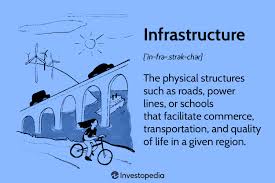
Infrastructure plays a crucial role in supporting the functioning and development of modern society. It encompasses the physical structures, facilities, and systems that enable various activities and services to take place efficiently. From transportation networks to communication systems, infrastructure is the backbone of a thriving economy and a high quality of life.

Types of Infrastructure

Infrastructure can be categorized into different types based on its function:

  • Transportation: Roads, bridges, airports, and public transit systems facilitate the movement of people and goods.
  • Utilities: Water supply networks, electricity grids, and sewage systems ensure essential services reach communities.
  • Communication: Telecommunication networks, internet infrastructure, and broadcasting systems connect individuals and businesses globally.
  • Social infrastructure: Schools, hospitals, and public spaces contribute to the well-being and development of communities.

The Role of Infrastructure in Economic Growth

A well-developed infrastructure is a key driver of economic growth. Efficient transportation systems reduce logistics costs for businesses, while reliable energy infrastructure supports industrial production. Additionally, modern communication networks enable businesses to connect with customers worldwide and access new markets.

Sustainability and Resilience

In an era marked by climate change and natural disasters, building sustainable and resilient infrastructure is crucial. Green infrastructure initiatives focus on reducing environmental impact through renewable energy sources, efficient water management systems, and eco-friendly construction practices. Resilient infrastructure can withstand shocks such as extreme weather events or cyber-attacks without compromising essential services.

The Future of Infrastructure

Rapid technological advancements are shaping the future of infrastructure development. Smart infrastructure solutions leverage data analytics, IoT devices, and artificial intelligence to optimize operations and enhance user experience. As urbanization continues to rise globally, innovative approaches to sustainable urban planning will be essential for creating livable cities with efficient infrastructure systems.

In conclusion, infrastructure is not just about concrete structures; it is the foundation that supports our daily lives and drives progress in society. Investing in robust, sustainable infrastructure is key to ensuring a prosperous future for generations to come.


Understanding Infrastructure: Key Questions and Insights

  1. What is infrastructure?
  2. Why is infrastructure important?
  3. What are the different types of infrastructure?
  4. How does infrastructure impact economic growth?
  5. What are the challenges in maintaining and upgrading infrastructure?
  6. How can sustainable infrastructure practices benefit society?
  7. What role does technology play in modernizing infrastructure?
  8. How does government funding support infrastructure development?
  9. What are some examples of successful infrastructure projects around the world?

What is infrastructure?

Infrastructure refers to the essential physical and organizational systems that support various activities and services in society. It encompasses a wide range of components, including transportation networks, communication systems, utilities such as water and electricity supply, and social infrastructure like schools and healthcare facilities. Essentially, infrastructure acts as the backbone of a functioning economy and society, enabling the efficient movement of people and goods, facilitating communication on local and global scales, and providing essential services to communities. In essence, infrastructure forms the foundation upon which modern societies are built and sustained.

Why is infrastructure important?

Infrastructure is vital for the functioning and progress of societies due to its essential role in supporting various activities and services. The importance of infrastructure lies in its ability to facilitate economic growth, enhance quality of life, and ensure the smooth operation of critical systems. From transportation networks that enable the movement of goods and people to communication systems that connect individuals globally, infrastructure forms the backbone of modern society. Without robust infrastructure, businesses would struggle to thrive, communities would face challenges in accessing essential services, and overall development would be hindered. In essence, infrastructure is important because it underpins the foundation for a sustainable and prosperous future for all.

What are the different types of infrastructure?

Infrastructure encompasses various types of essential systems and facilities that form the backbone of modern society. The different types of infrastructure include transportation infrastructure, such as roads, bridges, airports, and public transit systems that enable the movement of people and goods. Utilities infrastructure comprises water supply networks, electricity grids, and sewage systems that deliver essential services to communities. Communication infrastructure includes telecommunication networks, internet infrastructure, and broadcasting systems that facilitate global connectivity. Social infrastructure encompasses institutions like schools, hospitals, and public spaces that contribute to community well-being and development. Each type of infrastructure plays a vital role in supporting economic activities, enhancing quality of life, and fostering societal progress.

How does infrastructure impact economic growth?

Infrastructure plays a critical role in influencing economic growth by serving as the backbone of a thriving economy. A well-developed infrastructure system, including transportation networks, communication systems, and utilities, can significantly impact economic productivity and efficiency. Efficient transportation infrastructure reduces the cost and time of moving goods and people, facilitating trade and business activities. Reliable energy and water infrastructure support industrial production and enable businesses to operate smoothly. Moreover, modern communication infrastructure enhances connectivity, allowing businesses to reach new markets and customers globally. In essence, infrastructure not only supports economic activities but also drives innovation, competitiveness, and overall growth in an economy.

What are the challenges in maintaining and upgrading infrastructure?

Maintaining and upgrading infrastructure poses several challenges in today’s rapidly evolving society. One major challenge is the aging of existing infrastructure, which requires regular maintenance and upgrades to ensure safety and functionality. Limited funding and budget constraints often hinder efforts to address infrastructure needs adequately. Additionally, coordinating between various stakeholders, such as government agencies, private sector partners, and local communities, can be complex and time-consuming. Technological advancements also present challenges as new infrastructure solutions require specialized skills and resources for implementation. Overcoming these obstacles requires strategic planning, innovative financing mechanisms, and collaborative efforts to ensure that infrastructure remains resilient and sustainable for future generations.

How can sustainable infrastructure practices benefit society?

Sustainable infrastructure practices offer numerous benefits to society by promoting long-term environmental, social, and economic well-being. By incorporating renewable energy sources, efficient water management systems, and eco-friendly construction methods, sustainable infrastructure helps reduce carbon emissions and mitigate the impacts of climate change. Additionally, these practices enhance public health by improving air quality and reducing pollution levels. Socially, sustainable infrastructure projects create job opportunities, promote community resilience, and enhance the overall quality of life for residents. Economically, investing in sustainable infrastructure can lead to cost savings through energy efficiency measures and contribute to long-term economic growth by attracting green investments and fostering innovation in clean technologies. Overall, embracing sustainable infrastructure practices is essential for building a more resilient and prosperous society for future generations.

What role does technology play in modernizing infrastructure?

Technology plays a pivotal role in modernizing infrastructure by introducing innovative solutions that enhance efficiency, connectivity, and sustainability. From smart sensors and data analytics to automation and artificial intelligence, technology enables infrastructure systems to operate more intelligently and adaptively. By leveraging digital tools, infrastructure can be monitored in real-time, maintenance can be predictive rather than reactive, and resources can be optimized for maximum impact. Ultimately, technology empowers infrastructure to meet the evolving needs of society while driving progress towards a more resilient and interconnected future.

How does government funding support infrastructure development?

Government funding plays a pivotal role in supporting infrastructure development by providing the financial resources needed to plan, build, and maintain essential public assets. Through various funding mechanisms such as grants, loans, and public-private partnerships, governments allocate resources to critical infrastructure projects like transportation networks, water systems, and energy grids. This funding not only helps address existing infrastructure gaps but also stimulates economic growth, creates jobs, and improves the overall quality of life for communities. By investing in infrastructure development, governments can enhance public safety, promote sustainability, and lay the groundwork for a more resilient and prosperous society.

What are some examples of successful infrastructure projects around the world?

Numerous successful infrastructure projects around the world serve as shining examples of effective planning and execution. The Panama Canal expansion stands out as a remarkable feat of engineering that has transformed global trade routes. The High-Speed Rail network in Japan revolutionized transportation efficiency and connectivity within the country. Singapore’s Changi Airport consistently ranks among the best globally, showcasing excellence in airport infrastructure and operations. The Hoover Dam in the United States remains an iconic symbol of water resource management and hydroelectric power generation. These projects demonstrate the impact of well-designed infrastructure on economic growth, sustainability, and quality of life for communities worldwide.

ai's

The Evolution of AI’s Impact: Shaping Our Future

The Rise of AI: Transforming the Future

The Rise of AI: Transforming the Future

Artificial Intelligence (AI) is no longer a concept confined to science fiction. It has become an integral part of our daily lives, influencing how we work, communicate, and even think. From virtual assistants like Siri and Alexa to advanced machine learning algorithms that predict consumer behavior, AI is reshaping industries and society as a whole.

Understanding Artificial Intelligence

AI refers to the simulation of human intelligence in machines that are programmed to think and learn like humans. These systems can perform tasks such as visual perception, speech recognition, decision-making, and language translation. The core idea is to enable machines to perform tasks that would normally require human intelligence.

Applications of AI

AI’s applications are vast and diverse:

  • Healthcare: AI is revolutionizing healthcare by enabling faster diagnosis through image analysis and personalized treatment plans based on patient data.
  • Finance: In finance, AI algorithms detect fraudulent activities and automate trading processes for better efficiency.
  • Transportation: Self-driving cars powered by AI are set to transform the way we commute by reducing accidents caused by human error.
  • Customer Service: Chatbots equipped with natural language processing provide instant customer support around the clock.

The Impact on Employment

The integration of AI into various sectors has sparked debates about its impact on employment. While some fear job loss due to automation, others argue that AI will create new opportunities in fields such as data analysis, machine learning engineering, and AI ethics consulting. The key lies in adapting to new technologies through education and training.

The Ethical Considerations

As AI continues to evolve, ethical considerations become increasingly important. Issues such as privacy concerns, algorithmic bias, and the potential for autonomous weapons need careful regulation. Ensuring transparency in AI systems is crucial for building trust among users.

The Future of AI

The future of AI holds immense potential for innovation across all sectors. As technology advances, it will be essential for policymakers, businesses, and individuals to collaborate in harnessing its benefits while addressing its challenges responsibly.

In conclusion, artificial intelligence is not just a technological advancement; it is a transformative force shaping our future. By understanding its capabilities and limitations, we can better prepare for a world where humans and machines work side by side toward shared goals.


6 Essential Tips for Effective and Ethical AI Deployment

  1. Understand the limitations of AI technology.
  2. Ensure data quality for better AI performance.
  3. Regularly update and maintain AI models.
  4. Consider ethical implications when developing AI systems.
  5. Provide proper training data to avoid bias in AI algorithms.
  6. Monitor and evaluate AI performance for continuous improvement.

Understand the limitations of AI technology.

Understanding the limitations of AI technology is crucial for effectively integrating it into various applications. While AI systems can process vast amounts of data and perform complex tasks with remarkable speed and accuracy, they are not infallible. AI relies heavily on the quality and quantity of the data it is trained on, which means biases or errors in the data can lead to flawed outcomes. Additionally, AI lacks human-like reasoning and creativity, often struggling with tasks that require common sense or emotional intelligence. Recognizing these limitations helps set realistic expectations and ensures that AI is used as a complementary tool rather than a complete replacement for human judgment and expertise.

Ensure data quality for better AI performance.

Ensuring data quality is crucial for achieving optimal AI performance. High-quality data serves as the foundation for effective machine learning models and AI systems, directly influencing their accuracy and reliability. Poor data quality—characterized by inaccuracies, inconsistencies, or incompleteness—can lead to flawed models that produce unreliable results. To enhance AI performance, it is essential to implement robust data collection and cleaning processes. This includes validating data sources, removing duplicates, filling in missing values, and ensuring consistency across datasets. By prioritizing data quality, organizations can build more precise and dependable AI systems that drive better decision-making and outcomes.

Regularly update and maintain AI models.

Regularly updating and maintaining AI models is crucial for ensuring their accuracy, efficiency, and relevance. As data evolves and new patterns emerge, AI models can become outdated if not consistently monitored and refined. Regular updates allow these models to adapt to changes in the data landscape, improving their predictive capabilities and reducing the risk of errors. Maintenance also involves checking for biases that might have developed over time, ensuring the model remains fair and unbiased. By investing in regular updates and maintenance, organizations can maximize the value of their AI systems while staying ahead of technological advancements and market trends.

Consider ethical implications when developing AI systems.

When developing AI systems, it is crucial to consider the ethical implications to ensure that these technologies are used responsibly and beneficially. Ethical considerations include addressing issues such as bias in algorithms, which can lead to unfair treatment of certain groups, and ensuring transparency in how AI systems make decisions. Additionally, safeguarding user privacy and data security is paramount to maintaining trust. Developers should also contemplate the societal impact of AI, such as potential job displacement and the need for new skill sets. By proactively addressing these ethical concerns, developers can create AI systems that are not only innovative but also equitable and aligned with societal values.

Provide proper training data to avoid bias in AI algorithms.

Ensuring that AI algorithms are free from bias is crucial for their effectiveness and fairness, and one of the most important steps in achieving this is providing proper training data. Bias in AI can occur when the data used to train algorithms is unrepresentative or skewed, leading to outcomes that unfairly favor certain groups over others. To avoid this, it’s essential to curate diverse and comprehensive datasets that reflect a wide range of scenarios and populations. By doing so, AI systems can learn from a balanced perspective, reducing the risk of biased decision-making. Additionally, ongoing evaluation and updating of training data are necessary to adapt to changes in society and ensure that AI remains equitable and accurate over time.

Monitor and evaluate AI performance for continuous improvement.

Monitoring and evaluating AI performance is crucial for continuous improvement and ensuring that AI systems operate effectively and efficiently. By regularly assessing the outcomes and processes of AI models, organizations can identify areas where the system excels and where it may fall short. This ongoing evaluation helps in recognizing potential biases, inaccuracies, or inefficiencies, allowing for timely adjustments and refinements. Moreover, as data inputs and business environments evolve, continuous monitoring ensures that AI systems remain relevant and aligned with organizational goals. Implementing feedback loops not only enhances the system’s accuracy but also builds trust among users by demonstrating a commitment to transparency and accountability in AI operations.

automotive software development

Driving Innovation: The Future of Automotive Software Development

Automotive Software Development

The Evolution of Automotive Software Development

Software development has become a crucial aspect of the automotive industry, revolutionizing the way vehicles are designed, manufactured, and operated. With the increasing demand for smart and connected vehicles, automotive software development has emerged as a key driver of innovation in the sector.

Integration of Advanced Technologies

Modern vehicles are equipped with a wide range of advanced technologies that rely heavily on software. From infotainment systems and navigation tools to driver-assist features and autonomous driving capabilities, software plays a central role in enhancing the overall driving experience and ensuring vehicle safety.

Challenges and Opportunities

Developing software for automotive applications presents unique challenges due to the need for high reliability, real-time performance, and stringent safety requirements. Automotive software developers must adhere to industry standards and regulations while also keeping pace with rapid technological advancements.

Despite these challenges, automotive software development offers exciting opportunities for innovation and growth. As vehicles become more connected and autonomous, there is a growing demand for skilled software engineers who can design robust and efficient solutions to meet the evolving needs of the industry.

The Future of Automotive Software Development

The future of automotive software development looks promising, with continued advancements in areas such as artificial intelligence, machine learning, cybersecurity, and data analytics. These technologies will enable the development of smarter, more efficient vehicles that offer enhanced safety features and personalized driving experiences.

As the automotive industry continues to embrace digital transformation, software development will play an increasingly important role in shaping the future of transportation. By investing in cutting-edge technologies and fostering collaboration between automotive manufacturers and software developers, we can expect to see groundbreaking innovations that drive the industry forward.

In conclusion,

Automotive software development is at the forefront of innovation in the automotive industry. By leveraging advanced technologies and embracing new challenges, developers have the opportunity to shape the future of transportation and create a safer, more connected driving experience for all.


6 Key Benefits of Automotive Software Development: Boosting Safety, Efficiency, and Connectivity

  1. Enhances vehicle safety through advanced driver-assist systems
  2. Improves fuel efficiency and reduces emissions through optimized software algorithms
  3. Enables seamless integration of infotainment and connectivity features for a better driving experience
  4. Facilitates over-the-air updates to enhance vehicle functionality and address security vulnerabilities
  5. Supports the development of autonomous driving technology for increased road safety and convenience
  6. Allows for real-time monitoring and diagnostics of vehicle performance to prevent potential issues


Navigating the Challenges of Automotive Software Development: Complexity, Cost, Security Risks, and Integration Issues

  1. Complexity
  2. Cost
  3. Security Risks
  4. Integration Challenges

Enhances vehicle safety through advanced driver-assist systems

Automotive software development significantly enhances vehicle safety through the implementation of advanced driver-assist systems. These systems utilize cutting-edge technologies such as sensors, cameras, and artificial intelligence algorithms to provide drivers with real-time assistance and alerts, helping prevent accidents and mitigate risks on the road. By continuously monitoring the vehicle’s surroundings and analyzing data to detect potential hazards, driver-assist systems contribute to creating a safer driving environment for both drivers and pedestrians.

Improves fuel efficiency and reduces emissions through optimized software algorithms

Automotive software development plays a crucial role in enhancing fuel efficiency and reducing emissions by utilizing optimized software algorithms. These algorithms are designed to optimize various vehicle systems, such as engine performance, transmission control, and energy management, to operate more efficiently. By fine-tuning these systems through software development, vehicles can achieve better fuel economy and lower emissions output, contributing to a more sustainable and environmentally friendly transportation ecosystem.

Enables seamless integration of infotainment and connectivity features for a better driving experience

Automotive software development enables seamless integration of infotainment and connectivity features, enhancing the driving experience for users. By incorporating advanced software solutions, vehicles can offer a wide range of entertainment options, navigation tools, and connectivity features that keep drivers informed and entertained while on the road. This integration not only improves convenience but also contributes to safer driving practices by providing drivers with real-time information and hands-free communication capabilities. Ultimately, the seamless integration of infotainment and connectivity features through automotive software development elevates the overall driving experience to a new level of comfort and enjoyment.

Facilitates over-the-air updates to enhance vehicle functionality and address security vulnerabilities

Automotive software development enables the implementation of over-the-air updates, a valuable feature that enhances vehicle functionality and addresses security vulnerabilities efficiently. With this capability, car manufacturers can remotely update software systems in vehicles, delivering new features, performance improvements, and security patches without requiring physical visits to service centers. This not only ensures that vehicles stay up-to-date with the latest advancements but also enhances cybersecurity by quickly addressing any identified vulnerabilities. Over-the-air updates represent a significant advancement in automotive technology, providing a convenient and effective way to keep vehicles running smoothly and securely.

Supports the development of autonomous driving technology for increased road safety and convenience

Automotive software development plays a pivotal role in supporting the advancement of autonomous driving technology, leading to enhanced road safety and convenience. By integrating sophisticated software algorithms and sensors, autonomous vehicles can analyze their surroundings, make real-time decisions, and navigate traffic with precision. This technology has the potential to significantly reduce human errors and accidents on the road, ultimately saving lives and improving overall transportation efficiency. Additionally, autonomous driving offers increased convenience for drivers by allowing them to relax during their commute or engage in other tasks while the vehicle handles the driving responsibilities.

Allows for real-time monitoring and diagnostics of vehicle performance to prevent potential issues

Automotive software development enables real-time monitoring and diagnostics of vehicle performance, providing a proactive approach to prevent potential issues before they escalate. By leveraging advanced software systems, automotive engineers can continuously analyze critical data and identify any anomalies or malfunctions in the vehicle’s operation. This capability not only enhances driver safety but also contributes to improved vehicle reliability and longevity, ultimately leading to a more efficient and enjoyable driving experience for users.

Complexity

The complexity of automotive software development poses a significant challenge in the industry, as intricate systems demand a high level of expertise to design and maintain. The interplay between various software components in modern vehicles necessitates thorough understanding and meticulous attention to detail from developers. Managing the complexity of these systems requires specialized knowledge and skills, making it crucial for automotive software developers to stay abreast of evolving technologies and industry standards to ensure the reliability and safety of software-driven functionalities in vehicles.

Cost

The cost factor poses a significant con in automotive software development. Developing and updating software for vehicles can be a costly endeavor, particularly due to the stringent requirements for compliance with industry regulations. Meeting these regulatory standards adds complexity and expense to the development process, as ensuring safety and reliability often requires extensive testing and validation procedures. The financial burden of maintaining compliance while keeping pace with technological advancements can strain resources and impact the overall profitability of automotive software projects.

Security Risks

Security Risks are a significant con of automotive software development, especially with the rise of connected vehicles. These vehicles are susceptible to cyber threats, highlighting the critical need to integrate robust security measures into automotive software. The interconnected nature of modern vehicles opens up potential vulnerabilities that malicious actors could exploit, posing risks to both the vehicle’s operation and passenger safety. Addressing these security challenges is paramount to ensure the integrity and reliability of automotive software systems in an increasingly digital and interconnected automotive landscape.

Integration Challenges

Integrating new software with existing vehicle systems in automotive software development can present significant challenges. The complexity of merging different software components and ensuring compatibility with the existing infrastructure can lead to technical hurdles and potential system failures. Compatibility issues may arise when trying to integrate advanced features or updates into older vehicle models, requiring careful planning and testing to ensure seamless operation. Addressing integration challenges is crucial to maintaining the reliability and performance of automotive software systems while delivering a cohesive user experience for drivers and passengers alike.