
cfchris.com

Loading

Maximizing Business Potential: Leveraging IT Services and Consulting for Success

The Importance of IT Services and IT Consulting

The Importance of IT Services and IT Consulting

Information Technology (IT) has become an integral part of modern businesses, playing a crucial role in their operations and success. IT services and IT consulting are essential components that help organizations leverage technology effectively to achieve their goals.

IT Services

IT services encompass a broad range of activities aimed at managing, maintaining, and optimizing an organization’s IT infrastructure. This includes services such as network management, cybersecurity, cloud solutions, software development, and technical support.

By outsourcing IT services to experienced professionals, businesses can benefit from enhanced security, improved efficiency, reduced downtime, and access to specialized expertise. This allows organizations to focus on their core business activities while ensuring that their IT systems operate smoothly and securely.

IT Consulting

IT consulting involves providing expert advice and guidance on how to best utilize technology to meet business objectives. Consultants work closely with organizations to assess their current IT environment, identify areas for improvement, develop strategic plans, and implement solutions that align with the company’s goals.

Whether it’s optimizing existing systems, implementing new technologies, or addressing specific challenges, IT consultants bring a wealth of knowledge and experience to help businesses make informed decisions that drive growth and innovation.

The Benefits of IT Services and Consulting

  • Increased Efficiency: By streamlining processes and optimizing systems, businesses can operate more efficiently and effectively.
  • Enhanced Security: With the rise of cyber threats, robust cybersecurity measures are essential to protect sensitive data and prevent breaches.
  • Strategic Planning: IT consulting helps organizations develop long-term strategies that align technology with business objectives for sustainable growth.
  • Cutting-Edge Solutions: Accessing the latest technologies through IT services ensures that businesses remain competitive in a rapidly evolving digital landscape.
  • Cost Savings: Outsourcing IT services can be cost-effective compared to maintaining an in-house IT department while providing access to top-tier expertise.

In conclusion, investing in quality IT services and consulting is vital for organizations looking to harness the power of technology for success. By partnering with experienced professionals who understand the complexities of modern IT environments, businesses can navigate challenges effectively and unlock new opportunities for growth.


Top 7 Benefits of IT Services and Consulting: Security, Expertise, Efficiency, and More

  1. Enhanced security measures to protect sensitive data
  2. Access to specialized expertise and technical knowledge
  3. Improved efficiency through streamlined IT processes
  4. Cost-effective solutions compared to maintaining an in-house IT department
  5. Strategic planning for aligning technology with business objectives
  6. Cutting-edge technologies and innovative solutions
  7. 24/7 technical support for immediate assistance


7 Drawbacks of IT Services and Consulting: Challenges for Businesses

  1. Costly, especially for small businesses with limited budgets
  2. Dependency on external service providers can lead to delays in resolving IT issues
  3. Risk of data breaches or security vulnerabilities if not properly managed
  4. Potential for misalignment between IT solutions and business goals without thorough consultation
  5. Difficulty in finding reliable and trustworthy IT service providers
  6. Complexity in integrating new technologies with existing systems may cause disruptions
  7. Lack of in-house expertise can result in challenges when managing outsourced IT services

Enhanced security measures to protect sensitive data

In today’s digital landscape, one of the key benefits of IT services and IT consulting is the implementation of enhanced security measures to safeguard sensitive data. With the increasing frequency and sophistication of cyber threats, organizations face significant risks if their data is not adequately protected. By leveraging IT services and consulting expertise, businesses can fortify their systems with robust cybersecurity protocols, encryption methods, access controls, and proactive monitoring to mitigate the risk of data breaches and unauthorized access. This proactive approach not only protects valuable information but also instills trust among customers and stakeholders, demonstrating a commitment to data privacy and security.

Access to specialized expertise and technical knowledge

Access to specialized expertise and technical knowledge is a significant advantage of IT services and IT consulting. By partnering with professionals who possess in-depth knowledge of the latest technologies and industry best practices, businesses can tap into a wealth of expertise that may not be available internally. These experts bring specialized skills to the table, offering innovative solutions, strategic insights, and efficient problem-solving capabilities. Their technical know-how enables organizations to implement cutting-edge technologies, optimize systems for peak performance, and stay ahead of the curve in a rapidly evolving digital landscape. Ultimately, leveraging this specialized expertise through IT services and consulting can drive business growth, enhance operational efficiency, and ensure long-term success in an increasingly technology-driven world.

Improved efficiency through streamlined IT processes

Improved efficiency through streamlined IT processes is a significant benefit of IT services and consulting. By optimizing and automating IT workflows, businesses can eliminate redundancies, reduce manual errors, and accelerate task completion. This streamlined approach not only saves time but also enhances overall productivity, allowing employees to focus on more strategic initiatives rather than mundane tasks. With efficient IT processes in place, organizations can operate smoothly, respond to challenges swiftly, and stay competitive in today’s fast-paced business environment.

Cost-effective solutions compared to maintaining an in-house IT department

One significant advantage of IT services and IT consulting is the cost-effectiveness they offer compared to maintaining an in-house IT department. Outsourcing IT services allows businesses to access top-tier expertise and specialized skills without the overhead costs associated with hiring and training full-time IT staff. By partnering with external providers, organizations can benefit from tailored solutions that meet their specific needs while also reducing operational expenses. This cost-effective approach enables companies to allocate resources more efficiently, focus on core business activities, and achieve a higher return on investment in their IT infrastructure.

Strategic planning for aligning technology with business objectives

Strategic planning for aligning technology with business objectives is a key benefit of IT services and consulting. By working closely with experienced IT professionals, organizations can develop long-term strategies that ensure technology investments support and enhance their overall business goals. This alignment helps businesses stay competitive, adapt to changing market conditions, and drive innovation through the effective use of technology resources. IT services and consulting play a crucial role in guiding companies towards sustainable growth by ensuring that their technological initiatives are in harmony with their strategic vision.

Cutting-edge technologies and innovative solutions

Cutting-edge technologies and innovative solutions are key benefits of IT services and consulting. By leveraging the latest advancements in technology, businesses can stay ahead of the curve and adapt to the rapidly changing digital landscape. IT professionals bring expertise in implementing innovative solutions that enhance efficiency, productivity, and competitiveness. Whether it’s adopting cloud computing, integrating AI-driven systems, or developing custom software applications, embracing cutting-edge technologies through IT services and consulting enables organizations to drive growth, improve customer experiences, and achieve strategic objectives effectively.

24/7 technical support for immediate assistance

Having access to 24/7 technical support through IT services and consulting is a significant advantage for businesses. Immediate assistance ensures that any IT issues or emergencies can be addressed promptly, minimizing downtime and potential disruptions to operations. Whether it’s a network outage, cybersecurity incident, or software malfunction, knowing that expert support is available round the clock provides peace of mind and allows businesses to maintain continuity and productivity at all times.

Costly, especially for small businesses with limited budgets

Implementing IT services and consulting can be a significant challenge for small businesses with constrained budgets. The costs associated with hiring external IT experts or investing in advanced technology solutions can quickly add up, making it a financial burden for smaller enterprises. Limited financial resources may force small businesses to prioritize other operational expenses over IT enhancements, potentially hindering their ability to compete effectively in the digital landscape. Finding cost-effective ways to access essential IT services and consulting expertise becomes crucial for small businesses aiming to leverage technology for growth while managing their financial constraints efficiently.

Dependency on external service providers can lead to delays in resolving IT issues

Dependency on external service providers for IT services and consulting can pose a significant con as it may result in delays in resolving IT issues. Relying on third-party vendors means that businesses are subject to the provider’s availability and response times, which could lead to prolonged downtime and disruptions in operations. In situations where immediate assistance is required, waiting for external support can hinder productivity and impact overall business performance. Therefore, organizations should carefully consider the potential drawbacks of outsourcing IT services to mitigate the risk of delays in addressing critical IT issues.

Risk of data breaches or security vulnerabilities if not properly managed

In the realm of IT services and IT consulting, one significant concern is the potential risk of data breaches or security vulnerabilities if not properly managed. In today’s digital landscape, where sensitive information is constantly being exchanged and stored, inadequate security measures can leave organizations vulnerable to cyber threats. Failure to address these risks proactively can result in costly data breaches, compromised systems, and damage to a company’s reputation. It is crucial for businesses to prioritize robust cybersecurity practices and enlist the expertise of professionals to mitigate these risks effectively and safeguard their valuable data assets.

Potential for misalignment between IT solutions and business goals without thorough consultation

One significant con of IT services and IT consulting is the potential for misalignment between IT solutions and business goals when thorough consultation is lacking. Without a comprehensive understanding of the organization’s objectives and operational needs, IT solutions may not effectively address key business challenges or support strategic initiatives. This misalignment can lead to wasted resources, inefficiencies in technology implementation, and missed opportunities for leveraging technology to drive business growth. Therefore, it is crucial for businesses to prioritize thorough consultation with IT experts to ensure that the solutions implemented align closely with their specific goals and requirements.

Difficulty in finding reliable and trustworthy IT service providers

In the realm of IT services and consulting, a significant challenge that organizations often face is the difficulty in finding reliable and trustworthy service providers. With the increasing complexity of technology and the ever-evolving landscape of cybersecurity threats, businesses must carefully vet potential IT partners to ensure they have the expertise and integrity needed to safeguard their systems and data. The consequences of engaging with unreliable IT service providers can range from subpar performance and costly downtime to serious security breaches that jeopardize the organization’s reputation and bottom line. Therefore, thorough research, references, and due diligence are essential steps in selecting a dependable IT partner that can deliver quality services and peace of mind.

Complexity in integrating new technologies with existing systems may cause disruptions

The complexity involved in integrating new technologies with existing systems can present a significant challenge for organizations utilizing IT services and consulting. This con may lead to disruptions in operations, as the compatibility issues and technical intricacies of merging different systems can result in downtime, data loss, or performance issues. Careful planning, thorough testing, and expert guidance from IT consultants are essential to mitigate these risks and ensure a smooth transition when implementing new technologies within an organization’s infrastructure.

Lack of in-house expertise can result in challenges when managing outsourced IT services

Outsourcing IT services and consulting can present a challenge when organizations lack in-house expertise to effectively manage and oversee the outsourced functions. Without a deep understanding of the technologies and processes involved, businesses may struggle to communicate their needs, monitor service quality, or align outsourced IT activities with overall business objectives. This lack of internal expertise can lead to mismanaged projects, delays in problem resolution, and potential disconnect between the outsourced team and the organization’s strategic direction. To mitigate this con, businesses should consider investing in training programs for internal staff or engaging with IT consultants who can bridge the gap between external service providers and internal stakeholders.
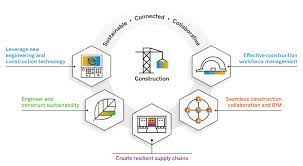

sap software engineer

The Essential Role of a SAP Software Engineer in Modern Business Operations

The Role of a SAP Software Engineer

The Role of a SAP Software Engineer

As businesses increasingly rely on technology to streamline their operations, the demand for skilled SAP software engineers continues to grow. A SAP software engineer plays a crucial role in designing, developing, and maintaining software solutions that leverage the SAP platform.

Responsibilities of a SAP Software Engineer

A SAP software engineer is responsible for:

  • Collaborating with stakeholders to understand business requirements and translate them into technical specifications.
  • Designing and developing custom solutions using SAP technologies such as ABAP (Advanced Business Application Programming) and SAP HANA.
  • Integrating SAP systems with other applications to ensure seamless data flow across the organization.
  • Performing system testing and debugging to identify and resolve issues in the software.
  • Providing technical support and guidance to end-users to ensure smooth operation of the software.

Skills Required

To excel as a SAP software engineer, one needs:

  • Proficiency in programming languages such as ABAP, Java, or SQL.
  • Strong analytical and problem-solving skills to troubleshoot complex issues.
  • Knowledge of SAP modules like Finance, Sales, or Human Resources for effective solution development.
  • Excellent communication skills to collaborate with cross-functional teams and stakeholders.
  • An understanding of business processes to align technical solutions with organizational goals.

Career Outlook

The role of a SAP software engineer offers promising career prospects in the ever-evolving field of enterprise technology. With companies increasingly adopting SAP solutions for their business needs, skilled professionals in this domain are highly sought after by organizations across industries.

In conclusion, being a SAP software engineer requires a combination of technical expertise, problem-solving abilities, and business acumen. By staying updated on the latest developments in the field and honing their skills continuously, professionals can build successful careers as valued contributors to the digital transformation of businesses worldwide.


9 Essential Tips for Excelling as an SAP Software Engineer

  1. Understand SAP modules and their functionalities.
  2. Learn ABAP programming language for SAP customization.
  3. Stay updated with the latest SAP technologies and trends.
  4. Gain experience in implementing and configuring SAP solutions.
  5. Develop strong problem-solving skills for troubleshooting issues in SAP systems.
  6. Collaborate with cross-functional teams to ensure successful SAP projects.
  7. Obtain relevant certifications to enhance your credibility as a SAP software engineer.
  8. Practice good documentation habits to maintain clear records of your work in SAP projects.
  9. Continuously improve your communication skills to effectively interact with stakeholders.

Understand SAP modules and their functionalities.

To excel as a SAP software engineer, it is essential to understand SAP modules and their functionalities. Each SAP module corresponds to a specific business function, such as finance, sales, or human resources. By gaining a deep understanding of these modules, a software engineer can effectively design and develop solutions that align with the organization’s operational needs. This knowledge allows for seamless integration of SAP systems and ensures that the software solutions meet the requirements of various business processes.

Learn ABAP programming language for SAP customization.

To excel as a SAP software engineer, it is essential to learn the ABAP programming language for SAP customization. ABAP (Advanced Business Application Programming) is the primary language used for developing custom solutions within the SAP environment. By mastering ABAP, software engineers can create tailored applications, enhance existing functionalities, and optimize processes to meet specific business requirements effectively. Investing time and effort in learning ABAP programming opens up a world of opportunities for customization and innovation in SAP projects, making it a valuable skill for professionals in this field.

To excel as a SAP software engineer, it is crucial to stay updated with the latest SAP technologies and trends. The field of enterprise technology is constantly evolving, and by keeping abreast of new developments, tools, and best practices, professionals can enhance their skills and remain at the forefront of innovation. Continuous learning and adaptation to emerging trends not only ensure that SAP software engineers can tackle complex challenges effectively but also position them as valuable assets in today’s competitive IT landscape.

Gain experience in implementing and configuring SAP solutions.

To excel as a SAP software engineer, it is crucial to gain hands-on experience in implementing and configuring SAP solutions. By actively engaging in the implementation process, engineers can deepen their understanding of how different modules and functionalities work together within the SAP ecosystem. This practical experience not only enhances technical skills but also provides valuable insights into best practices and potential challenges that may arise during implementation. Ultimately, mastering the art of implementing and configuring SAP solutions is key to delivering efficient and effective software solutions that meet the unique needs of businesses.

Develop strong problem-solving skills for troubleshooting issues in SAP systems.

To excel as a SAP software engineer, it is crucial to develop strong problem-solving skills that are essential for effectively troubleshooting issues in SAP systems. By honing these skills, engineers can efficiently identify root causes of problems, devise innovative solutions, and ensure the smooth functioning of SAP software within organizations. The ability to think critically and analytically when faced with technical challenges not only enhances the engineer’s proficiency but also contributes to the overall success of SAP implementations in businesses.

Collaborate with cross-functional teams to ensure successful SAP projects.

Effective collaboration with cross-functional teams is essential for the success of SAP projects. By working closely with professionals from diverse backgrounds, including business analysts, project managers, and end-users, SAP software engineers can gain valuable insights into the specific requirements and challenges of each department. This collaborative approach helps in designing and implementing SAP solutions that not only meet technical standards but also align with the overall business objectives. Clear communication, mutual understanding, and shared goals within cross-functional teams contribute to the seamless integration of SAP systems across the organization, leading to successful project outcomes and enhanced operational efficiency.

Obtain relevant certifications to enhance your credibility as a SAP software engineer.

Obtaining relevant certifications is a valuable tip for aspiring SAP software engineers looking to enhance their credibility in the field. Certifications such as SAP Certified Development Associate or SAP Certified Application Associate demonstrate proficiency in specific SAP technologies and solutions, showcasing expertise to potential employers and clients. By investing time and effort in acquiring these certifications, SAP software engineers can not only expand their knowledge but also validate their skills, ultimately boosting their professional reputation and opening up new opportunities in the competitive IT industry.

Practice good documentation habits to maintain clear records of your work in SAP projects.

To excel as a SAP software engineer, it is essential to practice good documentation habits to maintain clear records of your work in SAP projects. Documenting your processes, configurations, and customizations not only helps you keep track of your work but also enables seamless knowledge transfer within the team. Clear and detailed documentation serves as a valuable resource for troubleshooting, future enhancements, and ensuring consistency across the project. By prioritizing thorough documentation practices, SAP software engineers can enhance the efficiency and effectiveness of their work while contributing to the overall success of the project.

Continuously improve your communication skills to effectively interact with stakeholders.

Effective communication skills are essential for SAP software engineers to successfully interact with stakeholders. By continuously improving their ability to convey technical information in a clear and concise manner, engineers can ensure that business requirements are accurately understood and translated into effective software solutions. Strong communication skills also enable engineers to build rapport with stakeholders, fostering collaboration and trust throughout the development process. Ultimately, honing communication skills empowers SAP software engineers to effectively communicate complex technical concepts and contribute meaningfully to the success of projects.

software engineering company

Empowering Innovation: The Role of a Software Engineering Company in Today’s Digital Landscape

Article: Software Engineering Company

The Role of a Software Engineering Company in Today’s Digital World

In the fast-paced and ever-evolving landscape of technology, software engineering companies play a crucial role in driving innovation and shaping the digital future. These companies are at the forefront of creating cutting-edge software solutions that power businesses, industries, and everyday life.

What Does a Software Engineering Company Do?

A software engineering company specializes in designing, developing, and maintaining software applications tailored to meet specific business needs. From mobile apps to enterprise systems, these companies leverage their expertise in programming languages, frameworks, and technologies to deliver high-quality solutions.

The Importance of Software Engineering Companies

Software engineering companies help organizations streamline their operations, enhance efficiency, and stay competitive in the digital marketplace. By creating custom software solutions that align with business objectives, these companies enable their clients to achieve greater productivity and profitability.

Key Services Offered by Software Engineering Companies

  • Custom Software Development: Tailored solutions designed to address specific business requirements.
  • Mobile App Development: Creating user-friendly and engaging mobile applications for iOS and Android platforms.
  • Web Development: Building responsive websites and web applications that deliver seamless user experiences.
  • Software Testing and Quality Assurance: Ensuring that software products meet high standards of performance and reliability.
  • Technical Support and Maintenance: Providing ongoing support to keep software systems running smoothly.

The Future of Software Engineering Companies

As technology continues to advance rapidly, the demand for innovative software solutions will only grow. Software engineering companies will play a vital role in driving digital transformation across industries such as healthcare, finance, manufacturing, and more. By staying agile, adaptable, and focused on delivering value to their clients, these companies will remain essential partners in shaping the digital future.

In conclusion, software engineering companies are instrumental in harnessing the power of technology to drive progress and innovation. Their expertise and dedication enable businesses to thrive in an increasingly digital world where software plays a central role in shaping our lives.


Top 5 Tips for Enhancing Success in Your Software Engineering Company

  1. Prioritize clear communication among team members.
  2. Invest in continuous learning and skill development for employees.
  3. Follow best practices for code quality and documentation.
  4. Encourage collaboration and teamwork on projects.
  5. Regularly review and improve software development processes.

Prioritize clear communication among team members.

Effective communication is essential for the success of a software engineering company. Prioritizing clear communication among team members fosters collaboration, enhances efficiency, and ensures that everyone is aligned towards common goals. By sharing ideas, updates, and feedback openly and transparently, team members can work together more effectively, resolve issues promptly, and deliver high-quality software solutions that meet client expectations. Clear communication not only improves productivity but also builds a strong foundation for a cohesive and successful team in the dynamic field of software engineering.

Invest in continuous learning and skill development for employees.

Investing in continuous learning and skill development for employees is essential for a software engineering company to stay competitive and innovative in the ever-evolving tech industry. By providing opportunities for ongoing training, workshops, and certifications, employees can enhance their expertise, stay updated on the latest technologies, and contribute fresh ideas to projects. This commitment to professional growth not only benefits individual team members but also strengthens the overall capabilities of the company, enabling it to deliver top-notch solutions that meet the dynamic needs of clients and market trends.

Follow best practices for code quality and documentation.

To ensure the success and sustainability of a software engineering company, it is essential to follow best practices for code quality and documentation. By adhering to established coding standards, conducting thorough code reviews, and documenting code effectively, companies can enhance the maintainability, readability, and scalability of their software solutions. Clear and comprehensive documentation not only facilitates collaboration among team members but also helps in troubleshooting issues and onboarding new developers. Embracing these best practices not only improves the overall quality of the codebase but also contributes to the long-term success of the company in delivering reliable and efficient software products.

Encourage collaboration and teamwork on projects.

Encouraging collaboration and fostering teamwork within a software engineering company is essential for driving innovation and achieving project success. By promoting open communication, sharing knowledge, and leveraging diverse perspectives, team members can work together harmoniously to tackle complex challenges, generate creative solutions, and deliver high-quality software products that meet client needs. Collaboration not only enhances productivity but also cultivates a supportive and inclusive work environment where individuals can learn from one another, grow professionally, and collectively contribute to the company’s overall success.

Regularly review and improve software development processes.

Regularly reviewing and improving software development processes is essential for a software engineering company to stay competitive and deliver high-quality solutions. By conducting regular assessments and identifying areas for enhancement, the company can streamline workflows, increase efficiency, and ensure that best practices are consistently followed. This proactive approach not only leads to better outcomes for projects but also fosters a culture of continuous learning and improvement within the organization. Embracing a mindset of ongoing refinement helps the company adapt to changing technologies and market demands, ultimately driving innovation and success in the ever-evolving field of software engineering.