cfchris.com

Loading

application development software

Unlocking Innovation: The Power of Application Development Software

Article: Application Development Software

The Importance of Application Development Software

In today’s digital age, the demand for custom software applications is on the rise. Businesses across various industries are recognizing the need to have tailored solutions that meet their specific requirements. This is where application development software plays a crucial role.

Application development software, also known as app development tools or platforms, provides developers with the necessary tools and frameworks to create, test, and deploy applications efficiently. These software solutions come in various forms, ranging from low-code/no-code platforms for rapid development to complex integrated development environments (IDEs) for more advanced projects.

Key Benefits of Using Application Development Software:

  1. Speed and Efficiency: With the right tools, developers can streamline the development process, reducing time-to-market for new applications.
  2. Customization: Application development software allows for the creation of tailored solutions that align with specific business needs and objectives.
  3. Collaboration: Many development platforms support collaboration features, enabling teams to work together seamlessly on projects.
  4. Scalability: Scalability is essential for growing businesses. Application development software provides scalability options to accommodate increasing user demands and data volumes.
  5. Maintenance and Updates: These tools often include features for monitoring application performance, implementing updates, and ensuring ongoing maintenance.

Popular Application Development Software Tools:

  • Microsoft Visual Studio: A comprehensive IDE supporting various programming languages like C#, .NET, and JavaScript.
  • Adobe Dreamweaver: Ideal for web application development with robust design and coding capabilities.
  • Xcode: Specifically designed for iOS app development using Swift or Objective-C.
  • Mendix: A low-code platform suitable for rapid application prototyping and deployment.
  • Salesforce Lightning Platform: Enables building enterprise apps with minimal coding required.

In conclusion, application development software is a fundamental component in modern software engineering. By leveraging these tools effectively, businesses can create innovative applications that drive growth, enhance user experiences, and stay ahead in today’s competitive market landscape.


Top 5 FAQs About Application Development Software: Understanding, Benefits, Features, Languages, and Accessibility for Non-Technical Users

  1. What is application development software?
  2. How does application development software benefit businesses?
  3. What are the key features to look for in application development software?
  4. Which programming languages are commonly supported by application development software?
  5. Can non-technical users use application development software?

What is application development software?

Application development software refers to a set of tools and platforms that enable developers to create, test, and deploy software applications efficiently. This software provides a range of functionalities, from low-code or no-code solutions for rapid development to comprehensive integrated development environments (IDEs) for more complex projects. Essentially, application development software equips developers with the necessary resources to build custom applications tailored to specific business needs and objectives. By leveraging these tools, developers can streamline the development process, collaborate effectively, and deliver scalable solutions that meet the demands of today’s dynamic digital landscape.

How does application development software benefit businesses?

Application development software offers numerous benefits to businesses by providing them with the tools and resources needed to create customized solutions that cater to their specific needs. These software platforms enable businesses to streamline the development process, resulting in faster time-to-market for new applications. Additionally, application development software allows for greater customization, ensuring that the final product aligns perfectly with the business objectives. By facilitating collaboration among team members and offering scalability options, these tools empower businesses to adapt to changing requirements and scale their applications as needed. Furthermore, application development software simplifies maintenance and updates, helping businesses ensure the continued performance and relevance of their applications in a dynamic market environment.

What are the key features to look for in application development software?

When evaluating application development software, it is essential to consider key features that can significantly impact the development process and the quality of the final product. Some crucial features to look for include a user-friendly interface that facilitates easy navigation and workflow management, robust integration capabilities to connect with various databases and third-party services, comprehensive debugging tools for identifying and resolving errors efficiently, scalability options to accommodate future growth and changing requirements, strong security measures to protect sensitive data, and adequate support for collaboration among team members. By prioritizing these features, developers can choose software that aligns with their project needs and maximizes productivity throughout the development lifecycle.

Which programming languages are commonly supported by application development software?

When it comes to application development software, a wide range of programming languages are commonly supported to cater to diverse developer preferences and project requirements. Some of the popular programming languages frequently supported by these tools include Java, C#, JavaScript, Python, Ruby, Swift, and PHP. These languages are widely used in the development of various types of applications, from web and mobile apps to enterprise software solutions. The flexibility in language support offered by application development software allows developers to choose the most suitable language for their projects and leverage the specific features and functionalities each language provides.

Can non-technical users use application development software?

The question of whether non-technical users can use application development software is a common one in the tech industry. With the advancement of low-code and no-code development platforms, the barrier to entry for creating applications has significantly lowered. These user-friendly tools provide intuitive interfaces and drag-and-drop functionality, allowing individuals with limited technical expertise to design and build applications. Non-technical users can leverage these platforms to create basic applications, automate processes, and bring their ideas to life without extensive coding knowledge. While more complex projects may still require technical assistance, the accessibility of modern application development software empowers a broader range of users to participate in app creation and innovation.

applications development

Unlocking Innovation: The Power of Custom Applications Development

The Importance of Application Development

The Importance of Application Development

Application development plays a crucial role in today’s digital world. With the increasing reliance on technology, businesses and individuals are constantly seeking innovative solutions to enhance efficiency and productivity. Whether it’s a mobile app for a small business or a complex software system for a large corporation, application development is key to meeting the evolving needs of users.

Benefits of Application Development:

  • Customization: One of the primary benefits of application development is the ability to create customized solutions tailored to specific requirements. Off-the-shelf software may not always meet the unique needs of an organization, making custom applications essential for optimal performance.
  • Increased Efficiency: Well-designed applications streamline processes and automate tasks, leading to improved efficiency and reduced manual errors. This can result in cost savings and enhanced productivity for businesses.
  • Enhanced User Experience: User experience is a critical factor in the success of any application. Through thoughtful design and functionality, developers can create intuitive interfaces that engage users and provide a seamless experience.
  • Scalability: As businesses grow, their software requirements evolve as well. Custom applications can be designed with scalability in mind, allowing for easy expansion and adaptation to changing needs without major disruptions.
  • Competitive Advantage: In today’s competitive market, having unique and efficient applications can set businesses apart from their competitors. Customized software solutions can offer a competitive edge by addressing specific pain points and delivering value to customers.

The Role of Developers:

Skilled developers are at the heart of successful application development. They possess expertise in programming languages, frameworks, and tools necessary to bring ideas to life. From initial concept design to testing and deployment, developers play a critical role in ensuring that applications meet quality standards and user expectations.

In conclusion, application development is essential for driving innovation, improving operational efficiency, and staying ahead in today’s fast-paced digital landscape. By investing in custom solutions tailored to specific needs, businesses can unlock new opportunities for growth and success.


9 Advantages of Application Development: Customized Solutions for Business Growth and Efficiency

  1. Customized solutions tailored to specific requirements
  2. Increased efficiency through process automation
  3. Enhanced user experience with intuitive interfaces
  4. Scalability for easy expansion as business grows
  5. Competitive advantage by addressing unique needs
  6. Innovative solutions to drive business growth
  7. Improved data security with custom applications
  8. Seamless integration with existing systems and software
  9. Cost-effective long-term solution for business needs


Challenges in Application Development: Navigating Costs, Time, Maintenance, Technical Hurdles, Skill Demands, and Security Risks

  1. Costly
  2. Time-consuming
  3. Maintenance
  4. Technical challenges
  5. Skill requirements
  6. Security risks

Customized solutions tailored to specific requirements

Custom application development offers the advantage of creating customized solutions tailored to specific requirements. Off-the-shelf software may not always align perfectly with the unique needs of businesses or individuals. By developing custom applications, organizations can address their specific challenges and goals, ensuring that the software meets their exact requirements and functions seamlessly within their existing systems. This level of customization not only enhances efficiency and productivity but also provides a competitive edge by offering tailored solutions that precisely match the user’s needs.

Increased efficiency through process automation

Increased efficiency through process automation is a significant advantage of application development. By automating repetitive tasks and streamlining workflows, businesses can save time and reduce the likelihood of errors. This not only boosts productivity but also allows employees to focus on more strategic and value-added activities. With automation, organizations can achieve higher levels of efficiency, improve operational effectiveness, and ultimately enhance their overall performance in a competitive market.

Enhanced user experience with intuitive interfaces

Enhanced user experience through intuitive interfaces is a significant advantage of application development. By designing user-friendly interfaces that are easy to navigate and understand, developers can create a seamless and engaging experience for users. Intuitive interfaces not only improve user satisfaction but also increase efficiency by reducing the learning curve and minimizing errors. Ultimately, prioritizing user experience in application development leads to higher adoption rates, increased engagement, and overall success of the software product.

Scalability for easy expansion as business grows

Scalability is a significant advantage of application development, enabling businesses to expand seamlessly as they grow. Custom applications can be designed with scalability in mind, allowing for easy adaptation to changing needs without major disruptions. This flexibility ensures that the software infrastructure can accommodate increased demands and user volumes as the business evolves, supporting continued growth and success.

Competitive advantage by addressing unique needs

One significant advantage of application development is the ability to gain a competitive edge by addressing unique needs. Customized software solutions tailored to specific requirements can set businesses apart from their competitors. By understanding and meeting the distinctive demands of their target audience, companies can deliver value that stands out in the market. This strategic approach not only enhances customer satisfaction but also establishes a strong position in the industry, driving growth and success.

Innovative solutions to drive business growth

Application development offers innovative solutions that can drive business growth by providing customized software tailored to meet specific needs and challenges. These solutions enable businesses to streamline processes, enhance efficiency, and adapt to changing market demands swiftly. By leveraging the power of technology through application development, organizations can gain a competitive edge, improve customer satisfaction, and unlock new opportunities for expansion and success. In today’s dynamic business environment, investing in innovative applications is key to staying ahead of the curve and driving sustainable growth.

Improved data security with custom applications

Improved data security is a significant advantage of custom applications development. By designing applications tailored to specific security requirements and protocols, businesses can enhance their ability to protect sensitive information and mitigate cybersecurity risks. Custom applications allow for the implementation of robust encryption methods, access controls, and authentication mechanisms that align with the organization’s security policies. This proactive approach to data security not only helps in safeguarding confidential data but also instills trust among customers and stakeholders, demonstrating a commitment to protecting privacy and maintaining the integrity of information assets.

Seamless integration with existing systems and software

Seamless integration with existing systems and software is a significant advantage of application development. Custom applications can be designed to seamlessly integrate with a company’s current infrastructure, including databases, CRM systems, and other software tools. This integration not only enhances operational efficiency by eliminating data silos and manual data entry but also ensures a smooth transition for users who are already familiar with existing systems. By harmonizing different components within an organization, custom applications facilitate streamlined processes and improved collaboration, ultimately leading to enhanced productivity and performance across the board.

Cost-effective long-term solution for business needs

Application development offers a cost-effective long-term solution for business needs by providing customized software solutions that address specific requirements and challenges. While off-the-shelf software may require ongoing licensing fees and limited customization options, custom applications offer a one-time investment that can be tailored to evolve with the business over time. This approach not only helps in reducing long-term costs but also ensures that the software remains aligned with the changing needs of the business, ultimately maximizing efficiency and productivity in a sustainable manner.

Costly

Application development can be costly, particularly when it involves creating complex or customized solutions. The expenses associated with hiring skilled developers, acquiring necessary tools and technologies, and conducting thorough testing can add up quickly. For businesses operating on a tight budget, the high costs of application development may pose a significant challenge and require careful consideration of the return on investment. Despite the potential financial burden, many organizations find that the benefits of tailored software solutions outweigh the initial expenses in terms of long-term efficiency and competitive advantage.

Time-consuming

One significant con of application development is its time-consuming nature. The process involves meticulous planning, extensive coding, rigorous testing, and deployment phases, all of which demand a considerable amount of time and effort. Delays in any of these stages can prolong the development timeline, impacting project deadlines and potentially increasing costs. Balancing speed with quality is crucial in application development to ensure that the final product meets expectations while being delivered within a reasonable timeframe.

Maintenance

Maintenance is a significant challenge in application development, requiring ongoing updates and fixes to keep software running smoothly and securely. Neglecting maintenance can lead to performance issues, vulnerabilities, and compatibility problems with other systems. The resources and time needed for regular maintenance can add to the overall cost of application development, making it a critical consideration for businesses seeking long-term success. Failure to prioritize maintenance can result in outdated or inefficient applications that fail to meet user expectations and industry standards.

Technical challenges

One significant con of application development is the technical challenges that developers often encounter. Throughout the development process, developers may come across various hurdles, such as compatibility issues with different platforms or devices, integration complexities with existing systems, or limitations of certain programming languages or frameworks. These technical obstacles can lead to delays in project timelines, increased development costs, and potential performance issues in the final product. Overcoming these challenges requires expertise, problem-solving skills, and thorough testing to ensure a seamless and successful application deployment.

Skill requirements

The con of applications development lies in the skill requirements needed for successful execution. Skilled developers are crucial for creating high-quality applications, but finding and retaining these professionals can be a significant challenge. The demand for talented developers often exceeds the available supply, leading to fierce competition in the industry. Additionally, skilled developers may seek new opportunities or higher compensation, making it difficult for organizations to retain top talent. This skill gap can hinder the timely delivery of projects and impact the overall quality of the developed applications.

Security risks

Security risks pose a significant con of application development as applications may be vulnerable to security breaches if not properly designed and tested. Inadequate attention to security measures during the development process can leave applications exposed to potential threats such as data breaches, unauthorized access, and malware attacks. These vulnerabilities can have serious consequences, including compromised user data, financial losses, damage to reputation, and legal implications. It is crucial for developers to prioritize security considerations from the initial stages of application development to mitigate risks and ensure the protection of sensitive information and assets.

application

Unlocking the Power of Modern Applications in Today’s Digital Landscape

The Importance of Applications in Today’s Digital World

The Importance of Applications in Today’s Digital World

In today’s fast-paced digital age, applications have become an integral part of our daily lives. From mobile apps that help us stay connected on the go to desktop applications that streamline our work processes, the significance of applications cannot be overstated.

Applications serve a variety of purposes, catering to different needs and preferences. They provide convenience, efficiency, and accessibility to users across various platforms and devices.

Enhancing Productivity

Applications play a crucial role in enhancing productivity both in personal and professional settings. Task management apps help individuals organize their schedules effectively, while project management tools streamline collaboration among team members in a work environment.

Improving Communication

Communication apps have revolutionized the way we interact with others. Whether it’s through messaging apps for quick conversations or video conferencing tools for virtual meetings, applications have made communication more seamless and efficient.

Entertainment and Leisure

Entertainment apps provide endless opportunities for relaxation and enjoyment. From streaming services for music and movies to gaming apps that offer immersive experiences, applications have transformed the way we entertain ourselves.

Customization and Personalization

One of the key benefits of applications is their ability to be customized according to individual preferences. Users can personalize settings, layouts, and features to create a tailored experience that suits their unique needs.

The Future of Applications

As technology continues to evolve, so will applications. With advancements in artificial intelligence, augmented reality, and other cutting-edge technologies, the future holds exciting possibilities for innovative app development that will further enhance our digital experiences.

In conclusion, applications have become indispensable tools that enrich our lives in countless ways. Their versatility, functionality, and user-friendly interfaces make them essential components of today’s digital world.


6 Essential Tips for a Successful Job Application

  1. Ensure your application is error-free by thoroughly testing it before submission.
  2. Tailor your resume and cover letter to highlight relevant skills and experiences for the specific job you are applying for.
  3. Follow the application instructions provided by the employer carefully to increase your chances of being considered.
  4. Research the company you are applying to so that you can demonstrate knowledge and interest during interviews.
  5. Proofread all written materials, such as emails and responses to application questions, to present yourself professionally.
  6. Keep track of deadlines for applications and follow up with employers if necessary.

Ensure your application is error-free by thoroughly testing it before submission.

To ensure the success of your application, it is crucial to prioritize thorough testing before submission. By meticulously testing your application for errors and bugs, you can identify and address any issues that may impact its performance or user experience. Investing time and effort in testing not only helps you deliver a high-quality product but also instills confidence in your users, ensuring a seamless and error-free experience when they interact with your application.

Tailor your resume and cover letter to highlight relevant skills and experiences for the specific job you are applying for.

When applying for a job, it is crucial to tailor your resume and cover letter to emphasize the skills and experiences that are most relevant to the specific position you are seeking. By customizing your application materials to match the requirements and preferences outlined in the job description, you demonstrate your suitability for the role and increase your chances of standing out as a qualified candidate. Highlighting key qualifications that align with the job requirements showcases your expertise and dedication, making a compelling case for why you are the ideal fit for the position.

Follow the application instructions provided by the employer carefully to increase your chances of being considered.

Following the application instructions provided by the employer carefully is crucial to increase your chances of being considered for the position. Employers often use specific instructions to assess candidates’ attention to detail and ability to follow directions. By adhering to these guidelines, you demonstrate your professionalism and commitment to the application process, setting yourself apart as a conscientious and qualified candidate. Paying close attention to the application requirements shows that you value the opportunity and are willing to put in the effort required to be considered for the role.

Research the company you are applying to so that you can demonstrate knowledge and interest during interviews.

When applying for a job, it is essential to research the company thoroughly to demonstrate both knowledge and interest during interviews. By understanding the company’s values, goals, and culture, you can showcase your genuine interest in becoming a part of their team. This preparation not only allows you to ask informed questions but also enables you to tailor your responses to align with the company’s mission and vision. Employers appreciate candidates who show a proactive approach in learning about the organization, as it reflects dedication and professionalism in pursuing the opportunity.

Proofread all written materials, such as emails and responses to application questions, to present yourself professionally.

Ensuring that written materials, including emails and responses to application questions, are thoroughly proofread is essential for presenting oneself professionally. Attention to detail in grammar, spelling, and overall clarity not only demonstrates a high level of professionalism but also reflects a commitment to effective communication. By taking the time to review and refine written content before submission, individuals can convey a polished image and make a positive impression on potential employers or recipients.

Keep track of deadlines for applications and follow up with employers if necessary.

It is crucial to stay organized and proactive when applying for opportunities. Keeping track of application deadlines ensures that you submit your materials on time and do not miss any important opportunities. Additionally, following up with employers, if necessary, demonstrates your interest and commitment to the position. This proactive approach can help you stand out as a diligent and responsible candidate in the competitive job market.

app building software

Mastering the Art of App Building Software: A Guide to Creating Your Own Mobile Apps

The Power of App Building Software

The Power of App Building Software

In today’s digital age, the demand for mobile applications is higher than ever. Businesses, entrepreneurs, and individuals are constantly looking for ways to reach their audience through mobile devices. This is where app building software plays a crucial role.

App building software provides users with the tools and resources needed to create customized mobile applications without the need for extensive coding knowledge. These platforms offer a user-friendly interface that allows individuals to design, develop, and deploy apps quickly and efficiently.

Benefits of Using App Building Software:

  • Cost-Effective: App building software eliminates the need to hire expensive developers, making app development more affordable for businesses of all sizes.
  • Rapid Development: With pre-built templates and drag-and-drop features, users can create apps in a fraction of the time it would take with traditional development methods.
  • No Coding Required: Even individuals with no coding experience can create functional and visually appealing apps using app building software.
  • Customization: Users have the flexibility to customize every aspect of their app, from design elements to functionality, to suit their specific needs.
  • Cross-Platform Compatibility: Many app building platforms support cross-platform development, allowing users to create apps that work seamlessly on both iOS and Android devices.

Whether you’re a small business looking to expand your online presence or an entrepreneur with a groundbreaking app idea, app building software can help you bring your vision to life. By leveraging the power of these tools, you can create innovative mobile applications that engage users and drive business growth.


Top 7 FAQs About Choosing and Using App Building Software

  1. Which software is best for making apps?
  2. How can I create my own app?
  3. Which software is best for app design?
  4. Can I build my own app for free?
  5. How do I build an app?
  6. What is the best program to build an app?
  7. Can you build an app for free?

Which software is best for making apps?

When it comes to choosing the best software for making apps, the answer largely depends on individual needs and preferences. There are various app building platforms available in the market, each offering unique features and capabilities. Some popular options include Appy Pie, BuildFire, Thunkable, and Adobe PhoneGap. It’s essential to consider factors such as ease of use, customization options, pricing, and compatibility with your desired platforms before selecting the software that best suits your app development requirements. Conducting thorough research and possibly trying out demo versions can help you determine which software aligns most closely with your specific app-building goals.

How can I create my own app?

Creating your own app has never been easier with the availability of user-friendly app building software. To create your own app, you can start by choosing a suitable app building platform that aligns with your requirements and skill level. These platforms often provide intuitive interfaces, drag-and-drop functionality, and pre-built templates that simplify the app development process. By following step-by-step guides and tutorials offered by the software, even individuals with no coding experience can design, customize, and deploy their own apps across various platforms. With a clear idea of your app’s purpose and target audience, along with the right app building tools at your disposal, you can bring your app idea to life efficiently and effectively.

Which software is best for app design?

When it comes to app design, choosing the best software depends on your specific needs and skill level. There are several popular tools available for app design, each with its own strengths and features. Some commonly recommended software for app design includes Adobe XD, Sketch, Figma, and InVision Studio. These tools offer intuitive interfaces, robust design capabilities, and collaboration features that cater to both beginners and experienced designers. Ultimately, the best software for app design is the one that aligns with your workflow, project requirements, and personal preferences to help you create visually stunning and user-friendly mobile applications.

Can I build my own app for free?

Many individuals often wonder, “Can I build my own app for free?” The answer is yes, with the availability of various app building software tools that offer free plans or trials. These platforms provide users with the resources to create basic mobile applications without incurring any costs. While free app building software may have limitations in terms of features and customization options compared to paid versions, they still enable individuals to explore app development and bring their ideas to life without a significant financial investment.

How do I build an app?

Building an app can seem like a daunting task, but with the right tools and resources, it can be a straightforward process. One popular approach is to use app building software, which provides a user-friendly platform for creating customized mobile applications without the need for extensive coding knowledge. By following simple steps such as selecting a template, customizing design elements, adding desired features, and testing the app before deployment, individuals can bring their app ideas to life efficiently. With the accessibility and flexibility offered by app building software, anyone can build an app tailored to their specific needs and goals.

What is the best program to build an app?

When it comes to the frequently asked question, “What is the best program to build an app?” the answer can vary depending on individual needs and preferences. There are several popular app building software options available in the market, each offering unique features and capabilities. Some of the top programs for building apps include platforms like Appy Pie, BuildFire, Xamarin, and Adobe PhoneGap. It’s essential to consider factors such as ease of use, customization options, pricing, support for various platforms, and integration capabilities when choosing the best program to build an app that aligns with your specific requirements and goals.

Can you build an app for free?

When it comes to the frequently asked question, “Can you build an app for free?” the answer lies in the availability of various app building software options that offer free plans or trials. While some app building platforms provide basic features for free, users may encounter limitations in terms of functionality, branding, or customization. However, these free options can still be a great starting point for individuals or businesses looking to explore app development without a significant financial investment. It’s important to assess your specific needs and goals to determine whether a free app building solution aligns with your requirements or if investing in a paid plan would better suit your long-term objectives.

magento ecommerce development

Mastering Magento Ecommerce Development: Building Your Online Store with Power and Precision

The Power of Magento Ecommerce Development

The Power of Magento Ecommerce Development

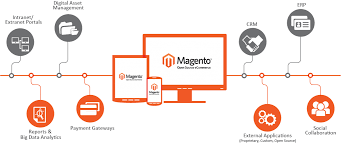
Magento is a powerful and versatile platform for building robust ecommerce websites. With its wide range of features and flexibility, Magento has become one of the most popular choices for businesses looking to establish a strong online presence.

Why Choose Magento for Ecommerce Development?

Here are some key reasons why Magento stands out as a top choice for ecommerce development:

  • Scalability: Magento can easily scale to accommodate the growth of your business, whether you are a small startup or a large enterprise.
  • Customization: With its modular architecture, Magento allows for extensive customization to meet your specific business needs and branding requirements.
  • SEO-Friendly: Magento is designed with search engine optimization (SEO) in mind, making it easier for your online store to rank higher in search engine results.
  • Mobile Responsiveness: In today’s mobile-driven world, Magento offers responsive design capabilities to ensure seamless user experience across all devices.
  • Rich Features: From product catalog management to secure payment gateways, Magento provides a comprehensive set of features to enhance your ecommerce website’s functionality.

The Process of Magento Ecommerce Development

The process of developing an ecommerce website with Magento typically involves the following steps:

  1. Planning: Define your goals, target audience, and desired features for the ecommerce site.
  2. Design: Create a visually appealing and user-friendly design that reflects your brand identity.
  3. Development: Implement custom functionalities, integrate payment gateways, and optimize performance for seamless user experience.
  4. Testing: Conduct thorough testing to ensure that the website functions properly across different devices and browsers.
  5. Launch & Maintenance: Deploy the website live and continue to monitor performance, make updates, and provide ongoing support as needed.

In Conclusion

Magento ecommerce development offers businesses a powerful platform to create engaging online shopping experiences for their customers. With its flexibility, scalability, and rich feature set, Magento continues to be a top choice for businesses looking to thrive in the competitive world of ecommerce.


8 Essential FAQs About Magento Ecommerce Development: From Features to Finding the Right Developer

  1. What is Magento ecommerce development?
  2. How does Magento help businesses create online stores?
  3. What are the key features of Magento for ecommerce development?
  4. Is Magento suitable for small businesses or only large enterprises?
  5. Can Magento be customized to meet specific business needs?
  6. Does Magento support mobile responsiveness for ecommerce websites?
  7. What are the SEO capabilities of Magento for improving online visibility?
  8. How can I find a reliable developer for Magento ecommerce development projects?

What is Magento ecommerce development?

Magento ecommerce development refers to the process of creating online stores and ecommerce websites using the Magento platform. Magento is a popular and powerful open-source ecommerce solution that offers a wide range of features and customization options for businesses looking to establish a strong online presence. With Magento ecommerce development, businesses can build secure, scalable, and feature-rich online stores that provide a seamless shopping experience for customers. From product catalog management to payment gateway integration, Magento ecommerce development enables businesses to create customized and visually appealing online stores that drive sales and enhance customer engagement.

How does Magento help businesses create online stores?

Magento helps businesses create online stores by providing a robust and versatile platform that enables customization, scalability, and rich features. With Magento’s modular architecture, businesses can tailor their online stores to meet specific branding and functionality requirements. The platform’s scalability allows for seamless growth as businesses expand their online presence. Additionally, Magento offers a wide range of features, from product catalog management to secure payment gateways, that enhance the overall shopping experience for customers. Overall, Magento empowers businesses to build engaging and successful online stores that drive growth and profitability.

What are the key features of Magento for ecommerce development?

Magento offers a plethora of key features that make it a top choice for ecommerce development. Some of the standout features include its scalability, allowing businesses to easily expand their online presence as they grow. Magento’s customization capabilities enable businesses to tailor their ecommerce websites to meet specific branding and functionality requirements. The platform’s SEO-friendly design helps improve search engine rankings, while its mobile responsiveness ensures a seamless shopping experience across various devices. Additionally, Magento provides robust features for product catalog management, secure payment gateways, and overall enhanced user experience, making it a comprehensive solution for successful ecommerce development.

Is Magento suitable for small businesses or only large enterprises?

When considering Magento for ecommerce development, a frequently asked question is whether it is suitable for small businesses or only large enterprises. The answer lies in Magento’s flexibility and scalability, making it a viable option for businesses of all sizes. While Magento is robust enough to meet the complex needs of large enterprises with high transaction volumes and extensive product catalogs, it also offers a streamlined version, Magento Open Source (formerly known as Magento Community Edition), which is more budget-friendly and suitable for small to medium-sized businesses. With its modular architecture and customizable features, Magento can be tailored to fit the specific requirements of any business, making it a versatile solution for both small startups and established enterprises looking to establish a strong online presence.

Can Magento be customized to meet specific business needs?

Magento is highly customizable, allowing businesses to tailor their ecommerce websites to meet specific needs effectively. With its modular architecture and extensive range of customization options, Magento empowers businesses to create unique online stores that align with their branding, functionality requirements, and target audience preferences. Whether it’s customizing product pages, integrating third-party extensions, or implementing specialized features, Magento provides the flexibility and scalability needed to adapt to diverse business needs seamlessly. By leveraging Magento’s customization capabilities, businesses can create a personalized and optimized ecommerce experience that drives engagement, conversions, and long-term success.

Does Magento support mobile responsiveness for ecommerce websites?

Magento is well-known for its robust support of mobile responsiveness for ecommerce websites. With the increasing trend of mobile shopping, Magento ensures that online stores built on its platform are optimized for mobile devices. This means that Magento ecommerce websites automatically adjust their layout and design to provide a seamless and user-friendly shopping experience on smartphones and tablets. By incorporating responsive design capabilities, Magento empowers businesses to reach a wider audience and cater to the growing number of mobile shoppers, ultimately enhancing customer engagement and driving conversions.

What are the SEO capabilities of Magento for improving online visibility?

Magento offers robust SEO capabilities to enhance online visibility and improve search engine rankings for ecommerce websites. With features such as customizable URLs, meta tags, sitemaps, and rich snippets, Magento provides the tools necessary to optimize website content for search engines. Additionally, Magento’s responsive design and fast loading times contribute to a positive user experience, which is a key factor in SEO rankings. By leveraging Magento’s SEO capabilities effectively, businesses can increase their online visibility and attract more organic traffic to their ecommerce websites.

How can I find a reliable developer for Magento ecommerce development projects?

Finding a reliable developer for Magento ecommerce development projects is crucial for the success of your online business. To ensure you partner with a skilled professional, consider looking for developers with proven experience in Magento development, a strong portfolio showcasing their past projects, and positive client testimonials. Additionally, you can explore online platforms specializing in connecting businesses with qualified developers or seek recommendations from industry peers. Conducting thorough interviews and discussing project requirements in detail can help you assess the developer’s expertise and communication skills, ultimately leading to a successful collaboration on your Magento ecommerce development project.

saas application development services

Empowering Businesses with Cutting-Edge SaaS Application Development Services

SaaS Application Development Services

The Power of SaaS Application Development Services

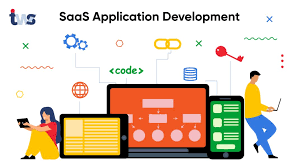
In today’s digital age, Software as a Service (SaaS) has revolutionized the way businesses operate and deliver services to their customers. SaaS applications offer a cost-effective and efficient solution for companies looking to streamline their operations and enhance user experience.

Benefits of SaaS Application Development Services

Scalability: SaaS applications are highly scalable, allowing businesses to easily adjust resources and features based on their needs.

Cost-Effectiveness: With no need for upfront hardware investments and lower maintenance costs, SaaS applications provide a budget-friendly option for businesses of all sizes.

Accessibility: SaaS applications can be accessed from any device with an internet connection, enabling remote work capabilities and improving collaboration among teams.

Key Features of SaaS Applications

SaaS application development services focus on creating software solutions that offer the following key features:

  • Multi-Tenancy: Ability to serve multiple customers from a single instance of the software.
  • Automatic Updates: Regular updates and maintenance are handled by the service provider, ensuring users always have access to the latest features.
  • Data Security: Robust security measures are implemented to protect user data and maintain compliance with industry regulations.
  • Customization: Tailoring the application to meet specific business requirements and preferences.

Harnessing the Potential of SaaS Application Development

To leverage the full potential of SaaS application development services, businesses should partner with experienced software development companies that specialize in building scalable and secure cloud-based solutions. These experts can help businesses conceptualize, design, develop, and deploy custom SaaS applications that align with their strategic goals and drive growth.

In conclusion, investing in SaaS application development services can propel your business forward by enhancing operational efficiency, improving customer satisfaction, and staying ahead of the competition in today’s dynamic market landscape.


Top 8 FAQs About SaaS Application Development Services

  1. How much does it cost to build a SaaS application?
  2. Who develops SaaS software?
  3. What does a SaaS developer do?
  4. What is the SaaS process of software development?
  5. Which is the best technology for SaaS app development?
  6. What is SaaS application development?
  7. What is SaaS development services?
  8. Which is an example of a SaaS application?

How much does it cost to build a SaaS application?

When considering the cost of building a SaaS application, it is important to understand that the pricing can vary significantly depending on various factors such as the complexity of the application, desired features, scalability requirements, and development time. Custom SaaS applications are tailored to meet specific business needs, which can impact the overall cost. Additionally, factors like integration with third-party services, security measures, ongoing maintenance, and support services need to be taken into account when estimating the total cost of developing a SaaS application. It is recommended to consult with experienced software development professionals to get a detailed assessment and quote based on your unique requirements and objectives.

Who develops SaaS software?

SaaS software is typically developed by skilled software engineers, developers, and IT professionals who specialize in cloud-based technologies. These experts have the knowledge and expertise to design, build, and maintain SaaS applications that meet the specific needs and requirements of businesses and end-users. Collaboration between development teams, product managers, designers, and quality assurance specialists is essential in creating high-quality SaaS software that delivers a seamless user experience and provides value to customers. By entrusting the development of SaaS software to experienced professionals, businesses can ensure that their applications are robust, secure, scalable, and tailored to their unique business objectives.

What does a SaaS developer do?

A SaaS developer is responsible for designing, developing, and maintaining Software as a Service (SaaS) applications that are accessible to users over the internet. These developers work on creating cloud-based software solutions that offer scalability, security, and flexibility to meet the evolving needs of businesses and end-users. They collaborate with cross-functional teams to translate requirements into functional software, implement best practices in coding and testing, and ensure that the SaaS applications are user-friendly and efficient. Overall, a SaaS developer plays a crucial role in building innovative and reliable cloud-based solutions that drive digital transformation and enhance user experiences.

What is the SaaS process of software development?

The SaaS process of software development involves a systematic approach to creating cloud-based applications that are accessible to users over the internet. It typically begins with defining the requirements and objectives of the SaaS application, followed by designing the user interface and architecture. Development teams then proceed with coding, testing, and deploying the software on a cloud infrastructure. Continuous monitoring, updates, and maintenance are essential parts of the SaaS development process to ensure optimal performance and security. Collaboration between developers, designers, and stakeholders is key to delivering a high-quality SaaS solution that meets the evolving needs of businesses and users.

Which is the best technology for SaaS app development?

When it comes to choosing the best technology for SaaS app development, there is no one-size-fits-all answer. The ideal technology stack for SaaS application development depends on various factors such as the specific requirements of the project, scalability needs, security considerations, and the expertise of the development team. Popular technologies often used for SaaS app development include JavaScript frameworks like React and Angular for front-end development, Node.js for backend services, and cloud platforms like AWS or Azure for hosting. Ultimately, selecting the best technology involves careful evaluation of your project goals and collaborating with experienced developers to determine the most suitable tools and technologies that align with your business objectives.

What is SaaS application development?

SaaS application development refers to the process of creating software applications that are delivered to users as a service through the cloud. In SaaS (Software as a Service) model, users can access the application over the internet without the need to install or maintain it on their local devices. SaaS application development involves designing, building, and deploying software solutions that offer scalability, accessibility, and cost-effectiveness to businesses. By outsourcing software development and maintenance to service providers, organizations can focus on their core operations while enjoying the benefits of innovative and customizable applications that enhance productivity and streamline processes.

What is SaaS development services?

SaaS development services refer to the process of creating and implementing Software as a Service applications that are hosted and maintained by a service provider. In SaaS development, software applications are accessed over the internet on a subscription basis, eliminating the need for users to install or manage the software locally. SaaS development services encompass designing, developing, and deploying cloud-based applications that offer scalability, accessibility, and cost-effectiveness to businesses seeking efficient solutions for their operational needs. By leveraging SaaS development services, organizations can streamline their workflows, enhance collaboration, and benefit from regular updates and maintenance provided by the service provider.

Which is an example of a SaaS application?

A prime example of a SaaS application is Salesforce, a popular customer relationship management (CRM) platform that is widely used by businesses of all sizes. Salesforce offers a comprehensive suite of tools and features accessible through a web browser, allowing users to manage customer interactions, sales processes, marketing campaigns, and more in a centralized cloud-based environment. By leveraging Salesforce as a SaaS application, businesses can enhance their productivity, streamline operations, and improve customer relationships without the need for complex on-premises infrastructure.

software development process

Navigating the Software Development Process: A Comprehensive Guide

The Software Development Process

The Software Development Process: From Concept to Completion

Software development is a complex and iterative process that involves designing, coding, testing, and deploying software applications. It requires a systematic approach to ensure the final product meets the needs and expectations of users. Let’s explore the key stages of the software development process:

Planning

The first stage of software development involves defining the project scope, requirements, and objectives. This phase includes gathering user feedback, conducting market research, and creating a detailed project plan.

Design

In the design phase, developers create a blueprint for the software application based on the requirements gathered in the planning stage. This includes defining the architecture, user interface design, data structures, and algorithms.

Implementation

During implementation, developers write code based on the design specifications. This phase involves coding, unit testing, integration testing, and debugging to ensure that the software functions as intended.

Testing

Testing is a critical phase of software development where developers verify that the application works correctly and meets quality standards. This includes functional testing, performance testing, security testing, and user acceptance testing.

Deployment

Once the software has been thoroughly tested and approved, it is deployed to production environments for end-users to access. Deployment involves configuring servers, setting up databases, and ensuring smooth operation of the application.

Maintenance

After deployment, software requires ongoing maintenance to address bugs, add new features, and improve performance. Maintenance may involve releasing updates, patches, and enhancements to ensure that the software remains relevant and functional over time.

In conclusion,the software development process is a multi-faceted journey that requires collaboration between developers,designers,and stakeholders to create successful software applications that meet user needs.


9 Key Benefits of the Software Development Process: Boosting Efficiency, Security, and Innovation

  1. Enhances efficiency by automating tasks
  2. Improves scalability for future growth
  3. Enables customization to meet specific requirements
  4. Facilitates collaboration among team members
  5. Ensures better quality through rigorous testing
  6. Increases security measures to protect data
  7. Provides opportunities for innovation and creativity
  8. Supports continuous improvement through feedback loops
  9. Helps businesses stay competitive in the digital age


Challenges in Software Development: Navigating Complexity, Time, and Cost

  1. Complexity
  2. Time-consuming
  3. Cost

Enhances efficiency by automating tasks

Software development process enhances efficiency by automating tasks, allowing repetitive and time-consuming processes to be completed quickly and accurately. Automation reduces human error, increases productivity, and frees up resources to focus on more complex and strategic aspects of software development. By streamlining routine tasks through automation, developers can deliver high-quality software solutions in a more efficient and timely manner.

Improves scalability for future growth

One significant advantage of the software development process is that it enhances scalability for future growth. By following a structured development approach, software applications can be designed and built with scalability in mind, allowing them to accommodate increased user loads, data volumes, and feature enhancements as the business expands. This proactive approach to scalability ensures that the software can adapt to changing requirements and support the organization’s growth without requiring a complete overhaul or redevelopment, ultimately saving time and resources in the long run.

Enables customization to meet specific requirements

The software development process offers a significant advantage by enabling customization to meet specific requirements. This flexibility allows developers to tailor software applications to the unique needs and preferences of users or businesses. By incorporating custom features, functionalities, and design elements, developers can create solutions that align perfectly with the desired outcomes and objectives of the project. This level of customization not only enhances user satisfaction but also improves overall efficiency and effectiveness, making software development a powerful tool for addressing specific needs and challenges.

Facilitates collaboration among team members

Facilitating collaboration among team members is a key advantage of the software development process. By breaking down complex tasks into manageable components and establishing clear communication channels, team members can work together efficiently towards a common goal. Collaboration fosters creativity, innovation, and synergy among team members, leading to the development of high-quality software solutions that meet user needs effectively. Additionally, collaboration allows for the sharing of knowledge and expertise, enabling team members to learn from each other and continuously improve their skills. Ultimately, a collaborative approach in software development not only enhances productivity but also promotes a positive and supportive work environment conducive to success.

Ensures better quality through rigorous testing

Rigorous testing within the software development process ensures better quality by identifying and resolving issues early on, leading to a more reliable and stable end product. Through comprehensive testing procedures, developers can detect bugs, errors, and performance issues, ultimately enhancing the overall user experience and satisfaction. By prioritizing quality assurance throughout each stage of development, software products can meet industry standards and exceed customer expectations for functionality and reliability.

Increases security measures to protect data

One significant advantage of the software development process is its ability to enhance security measures to safeguard sensitive data. By incorporating robust security protocols and encryption techniques during the development stages, software developers can effectively protect user information from unauthorized access and cyber threats. This proactive approach not only ensures the confidentiality and integrity of data but also instills trust and confidence in users, ultimately contributing to a more secure digital environment.

Provides opportunities for innovation and creativity

The software development process offers a unique advantage by providing ample opportunities for innovation and creativity. Developers have the freedom to explore new ideas, experiment with different technologies, and devise creative solutions to complex problems. This environment fosters a culture of innovation where novel concepts can be brought to life through software applications. By encouraging creativity throughout the development cycle, teams can push boundaries, inspire new approaches, and deliver truly innovative solutions that meet the evolving needs of users and businesses alike.

Supports continuous improvement through feedback loops

The software development process excels in supporting continuous improvement through feedback loops. By incorporating feedback from users, stakeholders, and testing phases, developers can identify areas for enhancement and refinement. This iterative approach enables teams to make incremental adjustments, address issues promptly, and deliver a product that evolves based on real-world usage and feedback. This continuous feedback loop fosters innovation, ensures user satisfaction, and ultimately leads to the development of high-quality software solutions that meet the ever-changing needs of users and the market.

Helps businesses stay competitive in the digital age

In the fast-paced digital age, the software development process plays a crucial role in helping businesses stay competitive. By continuously updating and enhancing their software applications, businesses can adapt to changing market demands, improve efficiency, and deliver better customer experiences. Embracing modern software development practices allows companies to innovate, streamline processes, and leverage technology to gain a competitive edge in the ever-evolving digital landscape.

Complexity

The complexity of the software development process can pose a significant challenge, particularly in the context of large-scale projects involving numerous stakeholders and evolving requirements. Managing the intricacies of such projects demands careful coordination, effective communication, and adaptive strategies to navigate through uncertainties and complexities. The dynamic nature of software development often requires teams to be agile and responsive to changes, making it essential to have robust project management practices in place to address the challenges posed by complexity.

Time-consuming

Developing high-quality software can be a time-consuming process due to the need for meticulous attention to detail and rigorous testing at every stage, from planning to testing. Each phase of software development demands careful consideration and precision to ensure that the final product meets quality standards and user expectations. Rushing through any part of the process can lead to errors, bugs, and ultimately compromise the integrity and functionality of the software. Therefore, investing time in each step is essential to deliver a reliable and efficient software solution in the end.

Cost

One significant drawback of the software development process is the cost involved. Developing software can be a costly endeavor, especially when unexpected challenges surface throughout the project, leading to the need for extra resources or modifications to the original plan. These unforeseen issues can escalate expenses and strain budget allocations, making it crucial for development teams to carefully manage resources and anticipate potential obstacles to mitigate financial risks during the software development lifecycle.

ecommerce software development

Empowering Your Online Business: The Impact of Ecommerce Software Development

Ecommerce Software Development

The Importance of Ecommerce Software Development in Today’s Digital Economy

In the fast-paced world of online retail, having a robust ecommerce platform is crucial for businesses to succeed. Ecommerce software development plays a key role in creating and maintaining these platforms, providing the necessary tools and features to facilitate seamless online transactions.

One of the primary benefits of investing in ecommerce software development is the ability to customize your online store to meet the unique needs of your business. Whether you are a small boutique or a large enterprise, tailored ecommerce solutions can help you stand out in a crowded marketplace and provide a superior shopping experience for your customers.

Furthermore, ecommerce software development enables businesses to integrate various payment gateways, shipping options, and inventory management systems into their online stores. This integration streamlines the purchasing process for customers and enhances operational efficiency for merchants.

Security is another critical aspect of ecommerce software development. With the increasing threat of cyber attacks and data breaches, it is essential for online retailers to prioritize the protection of sensitive customer information. By implementing robust security measures such as encryption protocols and secure payment gateways, businesses can build trust with their customers and safeguard their digital assets.

As consumer preferences continue to evolve, ecommerce software development must also adapt to meet changing demands. Features such as mobile responsiveness, personalized recommendations, and omnichannel integration are becoming increasingly important in providing a seamless shopping experience across multiple devices and touchpoints.

In conclusion, ecommerce software development is an indispensable component of modern retail operations. By investing in tailored solutions that prioritize customization, security, and innovation, businesses can stay ahead of the competition and thrive in today’s digital economy.


9 Essential Tips for Successful Ecommerce Software Development

  1. Choose a reliable ecommerce platform that aligns with your business needs.
  2. Focus on creating a user-friendly interface for seamless customer experience.
  3. Implement secure payment gateways to ensure safe transactions.
  4. Optimize your website for mobile devices to reach a wider audience.
  5. Utilize data analytics to make informed decisions and improve performance.
  6. Integrate social media platforms for effective marketing and customer engagement.
  7. Regularly update and maintain your ecommerce software to enhance security and functionality.
  8. Provide multiple shipping options to accommodate different customer preferences.
  9. Offer responsive customer support to address inquiries and issues promptly.

Choose a reliable ecommerce platform that aligns with your business needs.

When embarking on ecommerce software development, it is essential to select a dependable ecommerce platform that aligns seamlessly with your business requirements. By choosing a reliable platform tailored to your specific needs, you can ensure a smooth and efficient online shopping experience for your customers. A well-suited ecommerce platform not only enhances user satisfaction but also simplifies backend operations, ultimately contributing to the success and growth of your online business.

Focus on creating a user-friendly interface for seamless customer experience.

When delving into ecommerce software development, it is crucial to prioritize the creation of a user-friendly interface to ensure a seamless customer experience. By focusing on intuitive design and easy navigation, businesses can enhance user engagement and drive conversions. A well-crafted interface that simplifies the shopping process, provides clear product information, and offers convenient checkout options can significantly impact customer satisfaction and loyalty. Investing in user-centric design principles not only improves usability but also sets the foundation for building long-lasting relationships with customers in the competitive online retail landscape.

Implement secure payment gateways to ensure safe transactions.

Implementing secure payment gateways is a crucial step in ecommerce software development to guarantee safe and protected transactions for both businesses and customers. By integrating encryption protocols and robust security measures, online retailers can instill trust and confidence in their payment processes, safeguarding sensitive financial information from potential threats. Prioritizing secure payment gateways not only enhances data protection but also establishes a solid foundation for a reliable and secure online shopping experience, ultimately contributing to customer loyalty and satisfaction.

Optimize your website for mobile devices to reach a wider audience.

To maximize your online presence and engage a broader customer base, it is crucial to optimize your ecommerce website for mobile devices. In today’s mobile-centric world, a significant portion of online shopping occurs on smartphones and tablets. By ensuring that your website is responsive and user-friendly on mobile devices, you can provide a seamless shopping experience for on-the-go customers, enhance accessibility, and ultimately reach a wider audience. Prioritizing mobile optimization in your ecommerce software development strategy can lead to increased traffic, improved conversions, and greater customer satisfaction.

Utilize data analytics to make informed decisions and improve performance.

Utilizing data analytics in ecommerce software development is essential for making informed decisions and enhancing performance. By analyzing customer behavior, sales trends, and website metrics, businesses can gain valuable insights that drive strategic decision-making. Data-driven approaches enable companies to optimize marketing strategies, personalize customer experiences, and identify areas for improvement. With the power of data analytics, businesses can stay competitive in the ever-evolving ecommerce landscape by continuously refining their online platforms to meet the changing needs and preferences of their target audience.

Integrate social media platforms for effective marketing and customer engagement.

Integrating social media platforms into your ecommerce software development strategy is a powerful way to enhance marketing efforts and engage with customers on a more personal level. By seamlessly connecting your online store with popular social networks, you can leverage the vast reach and targeting capabilities of platforms like Facebook, Instagram, and Twitter to promote your products, drive traffic to your website, and interact with your audience in real-time. This integration not only expands your brand’s online presence but also fosters a sense of community and trust among customers, ultimately leading to increased sales and customer loyalty.

Regularly update and maintain your ecommerce software to enhance security and functionality.

Regularly updating and maintaining your ecommerce software is essential to enhance both security and functionality. By staying current with software updates, you can ensure that your online store is protected against potential security vulnerabilities and cyber threats. Additionally, keeping your ecommerce platform up-to-date allows you to take advantage of new features and improvements that can enhance the user experience for your customers. Prioritizing regular maintenance not only helps safeguard sensitive customer data but also ensures that your online business operates smoothly and efficiently.

Provide multiple shipping options to accommodate different customer preferences.

In ecommerce software development, it is essential to provide multiple shipping options to accommodate different customer preferences. Offering a range of shipping choices, such as standard, expedited, and same-day delivery, allows customers to select the option that best suits their needs in terms of speed and cost. By providing flexibility in shipping methods, businesses can enhance the overall shopping experience for customers and increase satisfaction levels, ultimately leading to improved customer loyalty and retention.

Offer responsive customer support to address inquiries and issues promptly.

To enhance the effectiveness of ecommerce software development, it is essential to offer responsive customer support to address inquiries and issues promptly. By providing timely assistance to customers, businesses can build trust and loyalty, leading to improved customer satisfaction and retention rates. Responsive customer support not only resolves concerns efficiently but also demonstrates a commitment to delivering exceptional service, ultimately contributing to the success of an ecommerce platform.

erp software development services
erp

Empowering Businesses with Custom ERP Software Development Services

ERP Software Development Services

The Importance of ERP Software Development Services for Businesses

Enterprise Resource Planning (ERP) software plays a crucial role in streamlining and integrating various business processes within an organization. As businesses evolve and grow, the need for customized ERP solutions becomes increasingly essential to meet specific requirements and enhance operational efficiency.

Benefits of ERP Software Development Services

Customization: One of the primary advantages of ERP software development services is the ability to tailor the system to fit the unique needs of a business. Customized ERP solutions can automate workflows, improve data accuracy, and provide real-time insights for better decision-making.

Scalability: As businesses expand, their operational requirements change. With custom ERP software development services, organizations can easily scale their systems to accommodate growth without disrupting existing processes.

Integration: ERP software development services enable seamless integration with other applications and systems used within an organization. This integration enhances data flow across departments and eliminates silos, leading to improved collaboration and productivity.

Key Features of Custom ERP Solutions

Modules for Different Functions: Custom ERP solutions can be designed with modules tailored to specific functions such as finance, human resources, inventory management, customer relationship management (CRM), and more.

Reporting and Analytics: Advanced reporting and analytics capabilities allow businesses to generate custom reports, track key performance indicators (KPIs), and gain valuable insights into their operations for informed decision-making.

Mobile Accessibility: With the increasing trend of remote work, mobile accessibility has become a crucial feature in custom ERP solutions. Employees can access important data and perform tasks on-the-go using mobile devices.

Choosing the Right ERP Software Development Partner

When selecting an ERP software development partner, businesses should consider factors such as industry expertise, experience in developing customized solutions, scalability of services, post-implementation support, and adherence to security standards.

By investing in custom ERP software development services, businesses can optimize their operations, improve efficiency, enhance competitiveness in the market, and achieve long-term growth objectives.


Top 7 FAQs About ERP Software Development Services: Everything You Need to Know

  1. What is ERP software development?
  2. Why do businesses need customized ERP solutions?
  3. How can ERP software development services benefit my organization?
  4. What are the key features of custom ERP solutions?
  5. How does ERP software integration work with existing systems?
  6. What factors should I consider when choosing an ERP software development partner?
  7. Can mobile accessibility be incorporated into custom ERP solutions?

What is ERP software development?

ERP software development refers to the process of creating customized Enterprise Resource Planning (ERP) solutions tailored to meet the specific needs of a business. These solutions are designed to integrate various functions and processes within an organization, such as finance, human resources, inventory management, and customer relationship management, into a unified system. By developing ERP software, businesses can automate workflows, improve data accuracy, enhance collaboration among departments, and gain valuable insights through advanced reporting and analytics capabilities. Custom ERP software development services enable organizations to streamline their operations, optimize efficiency, and adapt to changing business requirements effectively.

Why do businesses need customized ERP solutions?

Businesses need customized ERP solutions to address their specific operational requirements and optimize their processes effectively. Off-the-shelf ERP systems may not fully align with the unique workflows and data management needs of a business, leading to inefficiencies and limitations in functionality. By opting for customized ERP solutions, businesses can tailor the software to match their exact needs, automate critical processes, improve data accuracy, enhance decision-making capabilities, and achieve better integration with existing systems. Customized ERP solutions enable businesses to scale their operations seamlessly, adapt to changing business environments, and stay competitive by leveraging technology that is designed specifically for their operations.

How can ERP software development services benefit my organization?

ERP software development services can benefit your organization in numerous ways. By implementing customized ERP solutions, you can streamline your business processes, automate tasks, improve data accuracy, and enhance decision-making with real-time insights. Custom ERP systems can be tailored to meet the specific needs of your organization, allowing for seamless integration with existing applications and systems. These solutions provide scalability to accommodate growth, increase operational efficiency, and promote collaboration across departments. Overall, ERP software development services can optimize your operations, boost productivity, and drive long-term success for your organization.

What are the key features of custom ERP solutions?

Custom ERP solutions offer a range of key features that cater to the specific needs of businesses. These features typically include customizable modules for different functions such as finance, human resources, inventory management, and customer relationship management (CRM). Additionally, custom ERP solutions provide advanced reporting and analytics capabilities, allowing organizations to generate tailored reports and track key performance indicators (KPIs) for informed decision-making. Another important feature is mobile accessibility, enabling employees to access critical data and perform tasks on-the-go using mobile devices. These key features of custom ERP solutions empower businesses to streamline processes, enhance productivity, and make strategic decisions based on real-time insights.

How does ERP software integration work with existing systems?

ERP software integration with existing systems involves the seamless connection and synchronization of the ERP system with other applications and databases within an organization. This process typically requires mapping data fields, establishing communication protocols, and ensuring compatibility between different systems. By integrating ERP software with existing systems, businesses can achieve a unified view of their operations, streamline data exchange across departments, eliminate duplicate data entry, and improve overall efficiency. Effective ERP integration allows for real-time data sharing, enhanced reporting capabilities, and better decision-making based on accurate and up-to-date information from various sources.

What factors should I consider when choosing an ERP software development partner?

When considering an ERP software development partner, several key factors should be taken into account to ensure a successful collaboration. Firstly, evaluate the partner’s industry expertise and experience in developing customized ERP solutions that align with your business needs. Additionally, assess the scalability of their services to accommodate future growth and changes within your organization. It is crucial to inquire about their post-implementation support and maintenance services to ensure smooth operations after deployment. Lastly, verify that the partner adheres to stringent security standards to safeguard your data and system integrity. By carefully evaluating these factors, you can select an ERP software development partner who can deliver tailored solutions that drive efficiency and productivity in your business operations.

Can mobile accessibility be incorporated into custom ERP solutions?

Mobile accessibility can indeed be incorporated into custom ERP solutions. In today’s dynamic business environment, the ability to access critical data and perform tasks on-the-go has become a necessity. By integrating mobile accessibility features into custom ERP solutions, businesses can empower their employees to stay connected and productive from anywhere, at any time. This functionality allows users to access real-time information, collaborate seamlessly, and make informed decisions even when they are away from their desks. Mobile accessibility not only enhances workforce flexibility but also contributes to increased efficiency and responsiveness within the organization.

saas application development company

Empowering Businesses: The Role of a SaaS Application Development Company

SaaS Application Development Company

The Rise of SaaS Application Development Companies

In recent years, Software as a Service (SaaS) has gained immense popularity among businesses looking for efficient and cost-effective software solutions. As a result, the demand for SaaS application development companies has skyrocketed.

These companies specialize in creating cloud-based applications that are accessible to users over the internet. By offering software on a subscription basis, SaaS companies provide flexibility and scalability to their clients.

Key Features of SaaS Application Development Companies:

  • Customization: SaaS application development companies tailor their solutions to meet the specific needs of each client. This customization ensures that the software aligns with the client’s business goals and processes.
  • Scalability: SaaS applications can easily scale up or down based on the client’s requirements. This flexibility allows businesses to adapt to changing market conditions without significant investments in infrastructure.
  • Security: Security is a top priority for SaaS application development companies. They implement robust security measures to protect sensitive data and ensure compliance with industry regulations.
  • Continuous Updates: SaaS companies regularly update their applications to add new features, improve performance, and address any security vulnerabilities. Clients benefit from these updates without having to manage the software themselves.
  • Support and Maintenance: SaaS application development companies provide ongoing support and maintenance services to ensure that their clients’ software runs smoothly at all times. This proactive approach minimizes downtime and maximizes productivity.

The Future of SaaS Application Development:

As businesses continue to embrace digital transformation, the demand for innovative SaaS solutions will only grow. SaaS application development companies play a crucial role in helping organizations streamline their operations, improve efficiency, and stay competitive in today’s fast-paced market.


Understanding SaaS: Key Questions About Application Development and Companies

  1. Is app development a SaaS?
  2. What is a SaaS development company?
  3. What does a SaaS company do?
  4. What is a SaaS-based application?

Is app development a SaaS?

When asking whether app development is a Software as a Service (SaaS), it’s important to distinguish between the two concepts. App development refers to the process of creating software applications, which can be done using various methods, including traditional software development approaches. On the other hand, SaaS is a software delivery model where applications are hosted in the cloud and accessed by users over the internet on a subscription basis. While app development can result in the creation of SaaS applications, not all app development projects lead to SaaS offerings. SaaS application development companies specialize in creating cloud-based software solutions that follow the subscription model, providing businesses with scalable and customizable applications accessible online.

What is a SaaS development company?

A SaaS development company is a specialized firm that focuses on creating Software as a Service (SaaS) applications. These companies design, develop, and deploy cloud-based software solutions that are accessible to users over the internet. By offering their services on a subscription basis, SaaS development companies provide businesses with cost-effective and scalable software solutions that can be customized to meet specific needs. These companies play a crucial role in helping organizations leverage the benefits of cloud technology, such as flexibility, security, and continuous updates, without the need for extensive infrastructure investments or maintenance.

What does a SaaS company do?

A SaaS company specializes in developing cloud-based software applications that are accessible to users over the internet. These companies offer software solutions on a subscription basis, allowing businesses to access and use the applications without the need for on-premises installation or maintenance. SaaS companies focus on creating customizable, scalable, and secure software that meets the specific needs of their clients. They provide continuous updates, robust security measures, and ongoing support to ensure that their clients’ software runs smoothly and efficiently. By leveraging SaaS solutions, businesses can streamline their operations, improve productivity, and stay competitive in today’s digital landscape.

What is a SaaS-based application?

A SaaS-based application, short for Software as a Service, is a cloud-based software solution that is hosted and maintained by a third-party provider. Users can access the application over the internet on a subscription basis, eliminating the need for on-premises installation and maintenance. SaaS applications are designed to be scalable, customizable, and secure, offering businesses flexibility in managing their software needs. With regular updates and support provided by the SaaS application development company, users can enjoy the latest features and functionalities without the hassle of managing the underlying infrastructure.