cfchris.com

Loading

Unlocking the Potential of Artificial Intelligence Websites: A Guide to Enhanced User Experiences

The Rise of Artificial Intelligence Websites

The Rise of Artificial Intelligence Websites

In recent years, artificial intelligence (AI) has become an integral part of various industries, transforming how businesses operate and interact with their customers. One area where AI is making a significant impact is in the development and functionality of websites.

What Are AI-Powered Websites?

AI-powered websites utilize artificial intelligence technologies to enhance user experience, streamline operations, and provide personalized content. These websites can analyze user behavior, predict preferences, and adapt in real-time to meet the needs of their visitors.

Key Features of AI Websites

  • Personalization: AI algorithms analyze user data to deliver tailored content and recommendations.
  • Chatbots: AI-driven chatbots provide instant customer support and answer common queries 24/7.
  • Predictive Analysis: By analyzing trends and patterns, AI can forecast future behaviors and outcomes.
  • Voice Search Optimization: With the rise of voice-activated devices, AI helps optimize websites for voice search queries.
  • Content Creation: Some advanced AI systems can generate content based on specific criteria or topics.

The Benefits of Using AI on Websites

The integration of AI into websites offers numerous advantages for businesses looking to enhance their digital presence. Some key benefits include:

  1. Improved User Engagement: Personalized experiences keep users engaged longer and increase conversion rates.
  2. Enhanced Customer Support: Chatbots provide quick responses, improving customer satisfaction without requiring human intervention.
  3. Data-Driven Decisions: With access to vast amounts of data, businesses can make informed decisions based on real insights rather than assumptions.
  4. Cognitive Automation: Routine tasks are automated, allowing human resources to focus on more strategic activities.

The Future of AI in Web Development

The future looks promising for the integration of artificial intelligence in web development. As technology continues to evolve, we can expect even more sophisticated applications that will further revolutionize how we interact with digital platforms. From augmented reality experiences to hyper-personalized content delivery, the possibilities are endless.

The challenge lies in ensuring ethical use and maintaining transparency when deploying these technologies. As developers harness the power of AI, they must also consider privacy concerns and strive for responsible implementation that benefits both businesses and consumers alike.

© 2023 The Tech Journal


9 Essential Tips for Optimizing Your Website for AI Compatibility and Engagement

  1. Ensure your website is mobile-friendly for AI assistants to access information easily.
  2. Optimize your website’s loading speed to provide a seamless experience for AI algorithms.
  3. Include structured data markup to help search engines better understand your content.
  4. Create high-quality, relevant content that appeals to both human visitors and AI crawlers.
  5. Implement natural language processing techniques for better interaction with voice-based AI systems.
  6. Use alt text for images to make them understandable by screen readers and image recognition AI.
  7. Regularly update and maintain your website to stay relevant in the ever-evolving field of AI.
  8. Incorporate chatbots or virtual assistants on your site for enhanced user engagement and support.
  9. Protect user data and privacy by following best practices in AI ethics and security.

Ensure your website is mobile-friendly for AI assistants to access information easily.

In today’s digital age, ensuring that your website is mobile-friendly is crucial, especially for AI assistants that access and deliver information to users. With the increasing reliance on smartphones and voice-activated devices, AI assistants like Siri, Google Assistant, and Alexa often retrieve data from websites to answer user queries. A mobile-friendly design ensures that these AI tools can efficiently navigate and extract relevant information from your site. This not only enhances the user experience by providing quick and accurate responses but also improves your website’s visibility and accessibility in search results. By optimizing for mobile, you ensure that both human users and AI systems can interact seamlessly with your content, ultimately driving more traffic and engagement.

Optimize your website’s loading speed to provide a seamless experience for AI algorithms.

Optimizing your website’s loading speed is crucial for providing a seamless experience not only for users but also for AI algorithms that interact with your site. Fast-loading pages ensure that AI-driven features, such as chatbots and personalized content recommendations, can operate efficiently and without delay. A slow website can hinder the performance of these AI tools, leading to a less effective user experience and potentially driving visitors away. By prioritizing speed optimization techniques—such as compressing images, leveraging browser caching, and minimizing server response times—you create an environment where both human users and AI systems can function optimally, ultimately enhancing engagement and satisfaction.

Include structured data markup to help search engines better understand your content.

Including structured data markup on your artificial intelligence website is a crucial tip to enhance its visibility and relevance in search engine results. By incorporating structured data, you provide search engines with additional context about your content, making it easier for them to interpret and display relevant information to users. This markup not only improves the understanding of your website’s content but also increases the likelihood of appearing in rich snippets and other prominent search features, ultimately driving more traffic to your site.

Create high-quality, relevant content that appeals to both human visitors and AI crawlers.

Creating high-quality, relevant content is crucial for the success of an artificial intelligence website. This approach ensures that human visitors find the information engaging and valuable, keeping them on the site longer and encouraging return visits. At the same time, well-crafted content is essential for AI crawlers, which index websites for search engines. By using clear language, appropriate keywords, and structured data, a website can improve its search engine ranking, making it easier for potential visitors to discover. Balancing content that appeals to both humans and AI requires understanding user intent and search algorithms, ultimately enhancing user experience and visibility.

Implement natural language processing techniques for better interaction with voice-based AI systems.

Implementing natural language processing (NLP) techniques on an artificial intelligence website can significantly enhance interaction with voice-based AI systems. NLP allows these systems to understand, interpret, and respond to human language in a way that feels natural and intuitive. By leveraging NLP, websites can offer more accurate voice recognition, better context understanding, and more relevant responses to user queries. This not only improves the overall user experience but also increases accessibility for users who prefer or require voice interactions. As a result, businesses can engage a broader audience and provide seamless communication between users and AI-driven services.

Use alt text for images to make them understandable by screen readers and image recognition AI.

In the realm of artificial intelligence websites, a crucial tip is to utilize alt text for images to ensure accessibility for users relying on screen readers and image recognition AI. By incorporating descriptive alt text, website creators can make visual content understandable to those with visual impairments, enabling them to comprehend the context and significance of the images. This practice not only enhances inclusivity but also optimizes the overall user experience by providing valuable information through alternative means.

Regularly update and maintain your website to stay relevant in the ever-evolving field of AI.

In the rapidly advancing field of artificial intelligence, it’s crucial to regularly update and maintain your website to stay relevant and competitive. AI technologies are constantly evolving, with new advancements and breakthroughs emerging frequently. By keeping your website up-to-date, you ensure that it reflects the latest trends and innovations in AI, providing users with current information and insights. Regular maintenance also helps improve website performance, security, and user experience, making it more appealing to visitors. Staying proactive in updating content and features not only enhances credibility but also positions your website as a leader in the dynamic world of AI technology.

Incorporate chatbots or virtual assistants on your site for enhanced user engagement and support.

By incorporating chatbots or virtual assistants on your website, you can significantly enhance user engagement and provide valuable support to your visitors. These AI-powered tools offer instant responses to queries, guide users through the site, and personalize interactions based on individual preferences. By integrating chatbots or virtual assistants, you create a seamless and interactive experience for users, leading to improved satisfaction and increased retention rates on your website.

Protect user data and privacy by following best practices in AI ethics and security.

Protecting user data and privacy is paramount when developing and managing an artificial intelligence website. By adhering to best practices in AI ethics and security, developers can ensure that sensitive information is safeguarded against unauthorized access and misuse. This involves implementing robust encryption methods, regularly updating security protocols, and being transparent with users about data collection practices. Additionally, obtaining explicit consent before gathering personal information and providing users with control over their data are essential steps in building trust. By prioritizing these measures, AI websites can foster a secure environment that respects user privacy while leveraging the power of artificial intelligence.


c++ mobile app development

Harnessing the Power of C++ in Mobile App Development

C++ Mobile App Development

The Power of C++ in Mobile App Development

When it comes to mobile app development, C++ is a versatile and powerful programming language that offers a wide range of benefits. While languages like Java and Swift are popular choices for mobile app development, C++ has its own unique advantages that make it a compelling option for developers.

Performance and Efficiency

One of the key strengths of C++ is its performance capabilities. C++ is a high-performance language that allows developers to create fast and efficient mobile apps. This is particularly important for apps that require complex calculations, real-time processing, or high-speed graphics rendering.

Cross-Platform Compatibility

C++ is a portable language, meaning that code written in C++ can be easily adapted to run on multiple platforms. This makes it an ideal choice for developers looking to create apps that can run on both Android and iOS devices without having to rewrite the code from scratch.

Access to Low-Level Features

With C++, developers have access to low-level features of the device’s hardware, allowing for greater control and optimization of the app’s performance. This level of control is especially beneficial for gaming apps or apps that require direct interaction with hardware components.

Integration with Existing Codebases

C++ can be seamlessly integrated with existing codebases written in other languages like Java or Objective-C. This makes it easier for developers to incorporate C++ components into their mobile apps without having to rebuild everything from scratch.

Conclusion

In conclusion, C++ offers a powerful set of tools and capabilities for mobile app development. Its performance, cross-platform compatibility, access to low-level features, and ease of integration make it a valuable choice for developers looking to create high-quality mobile apps.


8 Essential Tips for Successful C++ Mobile App Development

  1. Choose the right mobile development framework that supports C++ such as Qt or Xamarin.
  2. Optimize your code for mobile devices to ensure smooth performance.
  3. Utilize platform-specific features and APIs to enhance user experience.
  4. Implement responsive design principles for different screen sizes and orientations.
  5. Pay attention to memory management to prevent memory leaks in your C++ code.
  6. Use debugging tools and techniques specific to mobile development for efficient troubleshooting.
  7. Test your app thoroughly on various mobile devices to ensure compatibility and functionality.
  8. Stay updated with the latest trends and best practices in C++ mobile app development.

Choose the right mobile development framework that supports C++ such as Qt or Xamarin.

When embarking on C++ mobile app development, it is crucial to select the appropriate mobile development framework that fully supports C++. Frameworks like Qt and Xamarin are excellent choices as they provide robust support for C++ programming, enabling developers to leverage the language’s capabilities effectively. By opting for a framework that is compatible with C++, developers can streamline the app development process, enhance cross-platform compatibility, and maximize the performance of their mobile applications. Making an informed decision on the mobile development framework can significantly impact the success and efficiency of C++ mobile app projects.

Optimize your code for mobile devices to ensure smooth performance.

Optimizing your code for mobile devices is crucial in C++ mobile app development to guarantee smooth performance. By fine-tuning your code to be efficient and resource-friendly, you can enhance the overall user experience and ensure that your app runs seamlessly on various mobile devices. Strategies such as minimizing memory usage, optimizing algorithms, and reducing unnecessary computations can significantly improve the performance of your app, allowing users to enjoy a fast and responsive application on their smartphones or tablets.

Utilize platform-specific features and APIs to enhance user experience.

To enhance the user experience in C++ mobile app development, it is crucial to leverage platform-specific features and APIs. By utilizing these resources tailored to each operating system, developers can tap into unique functionalities that enhance the app’s performance and user engagement. Whether it’s integrating native UI components, leveraging device sensors, or optimizing for specific platform behaviors, incorporating platform-specific features can elevate the overall user experience and make the app more intuitive and responsive for users on different devices.

Implement responsive design principles for different screen sizes and orientations.

When developing mobile apps using C++, it is essential to implement responsive design principles to ensure optimal user experience across various screen sizes and orientations. By incorporating responsive design techniques, such as fluid layouts and media queries, developers can create apps that adapt seamlessly to different screen dimensions and device orientations. This approach not only enhances usability but also improves the overall visual appeal of the app, making it more engaging for users on a wide range of mobile devices.

Pay attention to memory management to prevent memory leaks in your C++ code.

Proper memory management is crucial in C++ mobile app development to avoid memory leaks that can lead to performance issues and app crashes. By paying close attention to memory allocation and deallocation, developers can ensure that their code efficiently utilizes memory resources and prevents potential vulnerabilities. Implementing smart pointers, using RAII (Resource Acquisition Is Initialization) principles, and regularly testing for memory leaks are essential practices to maintain the stability and reliability of C++ mobile apps.

Use debugging tools and techniques specific to mobile development for efficient troubleshooting.

When developing mobile apps using C++, it is essential to utilize debugging tools and techniques tailored to mobile development for efficient troubleshooting. These specialized tools enable developers to pinpoint and resolve issues specific to mobile platforms, such as memory management, performance optimization, and device compatibility. By leveraging these debugging resources, developers can streamline the troubleshooting process, identify bugs quickly, and ensure the overall stability and performance of their C++ mobile apps.

Test your app thoroughly on various mobile devices to ensure compatibility and functionality.

To ensure the compatibility and functionality of your C++ mobile app, it is crucial to thoroughly test it on a variety of mobile devices. Testing on different devices helps identify any potential issues related to screen sizes, resolutions, operating systems, and hardware specifications. By conducting comprehensive testing, developers can ensure that their app performs seamlessly across a wide range of devices, providing a consistent user experience and maximizing its reach in the mobile market.

Staying updated with the latest trends and best practices in C++ mobile app development is crucial for developers aiming to create cutting-edge and efficient applications. By keeping abreast of new advancements and industry standards, developers can leverage innovative techniques and tools to enhance the performance, user experience, and overall quality of their mobile apps. Continuous learning and adaptation to emerging trends ensure that developers remain competitive in the ever-evolving landscape of mobile app development, ultimately leading to the creation of successful and impactful applications.

mobile app programming

Mastering Mobile App Programming: A Guide to Developing Innovative Apps

The World of Mobile App Programming

The World of Mobile App Programming

Mobile app programming has revolutionized the way we interact with technology. With the rise of smartphones and tablets, mobile applications have become an integral part of our daily lives. From social media platforms to productivity tools, there seems to be an app for everything.

What is Mobile App Programming?

Mobile app programming involves the development of applications specifically designed to run on mobile devices. This includes smartphones, tablets, and other portable gadgets. Developers use various programming languages and tools to create these apps, catering to different operating systems like iOS and Android.

The Importance of Mobile App Programming

In today’s digital age, mobile apps play a crucial role in enhancing user experience and providing convenient solutions for various needs. Businesses leverage mobile apps to reach a wider audience, increase customer engagement, and boost brand visibility. Individuals rely on mobile apps for entertainment, communication, shopping, and more.

Popular Programming Languages for Mobile App Development

There are several programming languages commonly used in mobile app development:

  • Java: Primarily used for Android app development.
  • Swift: The preferred language for iOS app development.
  • Kotlin: A modern language compatible with Android development.
  • JavaScript: Widely used for cross-platform app development with frameworks like React Native.

The Future of Mobile App Programming

As technology continues to advance, the field of mobile app programming is evolving rapidly. Developers are exploring new trends such as artificial intelligence, augmented reality, and Internet of Things (IoT) integration in mobile apps. The future promises even more innovative and immersive experiences for users worldwide.

In Conclusion

Mobile app programming is a dynamic and exciting field that drives innovation in the digital landscape. Whether you’re a developer creating cutting-edge applications or a user enjoying the benefits of mobile apps, this technology has undoubtedly transformed how we interact with our devices and the world around us.


6 Essential Tips for Successful Mobile App Programming

  1. Follow platform-specific design guidelines for a consistent user experience.
  2. Optimize your app’s performance by minimizing resource usage and enhancing code efficiency.
  3. Regularly test your app on different devices to ensure compatibility and responsiveness.
  4. Implement robust security measures to protect user data and prevent unauthorized access.
  5. Utilize analytics tools to gather insights on user behavior and improve app functionality.
  6. Stay updated with the latest mobile app development trends and technologies to enhance your skills.

Follow platform-specific design guidelines for a consistent user experience.

When delving into mobile app programming, it is crucial to adhere to platform-specific design guidelines to ensure a consistent user experience. By following these guidelines set by operating systems like iOS and Android, developers can create apps that seamlessly integrate with the native look and feel of each platform. This approach not only enhances usability but also helps in establishing familiarity for users, ultimately leading to a more intuitive and engaging interaction with the app.

Optimize your app’s performance by minimizing resource usage and enhancing code efficiency.

To optimize your mobile app’s performance, it is crucial to focus on minimizing resource usage and enhancing code efficiency. By carefully managing resources such as memory, CPU, and network bandwidth, you can ensure that your app runs smoothly and responds quickly to user interactions. Additionally, writing efficient code that follows best practices and avoids unnecessary operations can significantly improve the overall performance of your app. Prioritizing these aspects during the development process will result in a more responsive and user-friendly mobile application.

Regularly test your app on different devices to ensure compatibility and responsiveness.

Regularly testing your mobile app on various devices is crucial to guarantee its compatibility and responsiveness across different platforms. By conducting thorough testing, developers can identify and address any potential issues or inconsistencies that may arise on specific devices. This proactive approach not only enhances the user experience but also helps maintain the app’s functionality and performance standards. Prioritizing device testing ensures that your app delivers a seamless experience to a diverse range of users, ultimately contributing to its success in the competitive app market.

Implement robust security measures to protect user data and prevent unauthorized access.

Implementing robust security measures is paramount in mobile app programming to safeguard user data and mitigate the risk of unauthorized access. By prioritizing security protocols such as encryption, authentication mechanisms, and secure data storage practices, developers can instill trust and confidence in their app users. Protecting sensitive information not only upholds user privacy but also fosters a secure digital environment where data breaches and cyber threats are minimized. By proactively addressing security concerns, developers demonstrate their commitment to ensuring the integrity and confidentiality of user data within their mobile applications.

Utilize analytics tools to gather insights on user behavior and improve app functionality.

To enhance the performance and user experience of your mobile app, it is essential to leverage analytics tools that provide valuable data on user behavior. By analyzing metrics such as user engagement, retention rates, and in-app interactions, developers can gain insights into how users interact with the app and identify areas for improvement. Utilizing analytics tools not only helps in understanding user preferences but also enables developers to make data-driven decisions to enhance app functionality and optimize overall performance.

Staying updated with the latest mobile app development trends and technologies is essential for enhancing your skills in this dynamic field. By keeping abreast of new advancements, you can expand your knowledge, stay competitive, and adapt to the ever-changing demands of the industry. Embracing innovation and learning about emerging technologies will not only sharpen your expertise but also enable you to create cutting-edge mobile applications that resonate with modern users.

custom mobile application development company

Empowering Your Business: Custom Mobile Application Development Company Tailored for Success

Custom Mobile Application Development Company

The Importance of Choosing a Custom Mobile Application Development Company

In today’s digital age, mobile applications have become essential tools for businesses looking to enhance their online presence and engage with customers on a more personal level. With the increasing demand for mobile apps, the need for custom solutions tailored to specific business requirements has also grown significantly.

When it comes to developing a mobile application that stands out from the competition and meets the unique needs of your business, partnering with a custom mobile application development company is crucial. These companies specialize in creating bespoke mobile apps that are designed to address your specific goals and objectives.

Benefits of Working with a Custom Mobile App Development Company:

  • Personalized Solutions: Custom app development companies take the time to understand your business requirements and create tailored solutions that align with your brand identity and objectives.
  • Enhanced User Experience: By focusing on user-centric design and functionality, custom mobile apps provide a seamless and intuitive experience for your customers, leading to higher engagement and retention rates.
  • Scalability and Flexibility: Custom apps are built to scale as your business grows, allowing for future enhancements and updates to meet evolving market demands.
  • Technical Expertise: Custom app development companies have a team of experienced developers who are well-versed in the latest technologies and trends, ensuring that your app is built using best practices and industry standards.
  • Support and Maintenance: After launching your custom mobile app, these companies provide ongoing support and maintenance services to ensure optimal performance and functionality.

Whether you are looking to create an e-commerce app, a productivity tool, or a customer relationship management system, partnering with a custom mobile application development company can help you bring your vision to life effectively. By investing in a custom solution, you can differentiate your brand in the competitive app market and deliver value to your target audience.

If you’re ready to take your business to the next level with a customized mobile app, consider working with a reputable custom mobile application development company that can turn your ideas into reality.


Top 6 FAQs About Partnering with a Custom Mobile App Development Company

  1. 1. What is the process of developing a custom mobile application?
  2. 2. How long does it take to develop a custom mobile app?
  3. 3. What factors determine the cost of custom mobile app development?
  4. 4. Can you provide examples of custom mobile apps you have developed in the past?
  5. 5. Do you offer post-launch support and maintenance for custom mobile apps?
  6. 6. How do you ensure that the custom mobile app aligns with our business goals and requirements?

1. What is the process of developing a custom mobile application?

The process of developing a custom mobile application typically involves several key stages. It begins with a thorough discovery phase, where the development team collaborates closely with the client to gather requirements, define objectives, and outline the app’s features and functionality. Following this, the design phase focuses on creating wireframes and prototypes to visualize the app’s user interface and user experience. Development then takes center stage, where coding and programming bring the app to life according to the agreed-upon specifications. Testing is a critical step to ensure the app functions seamlessly across various devices and platforms. Finally, deployment involves launching the app on app stores and providing ongoing support and maintenance post-launch to address any issues or implement updates as needed.

2. How long does it take to develop a custom mobile app?

When considering the development timeline for a custom mobile app, it is essential to understand that the duration can vary significantly based on various factors. The complexity of the app, features and functionalities required, design intricacies, integration with backend systems, testing phases, and client feedback loops all play a role in determining the timeframe. On average, a custom mobile app development process can take anywhere from a few weeks to several months to complete. It is crucial for businesses to work closely with their chosen custom mobile application development company to establish clear project milestones and timelines to ensure a successful and timely delivery of the app.

3. What factors determine the cost of custom mobile app development?

When considering the cost of custom mobile app development, several key factors come into play. These factors include the complexity of the app’s features and functionality, the platform(s) it will be built for (iOS, Android, or both), the design requirements, integration with third-party services, backend infrastructure needs, ongoing maintenance and support, as well as the location and expertise of the development team. Each of these elements contributes to the overall cost estimation for creating a custom mobile application that meets your specific business goals and user needs.

4. Can you provide examples of custom mobile apps you have developed in the past?

When considering a custom mobile application development company, a frequently asked question is, “Can you provide examples of custom mobile apps you have developed in the past?” This question is crucial as it allows potential clients to assess the company’s expertise and experience in creating tailored solutions. By reviewing past projects and case studies, clients can gain insight into the company’s capabilities, design aesthetics, functionality, and overall success in delivering customized mobile applications that meet specific business needs. Providing examples of previous work not only showcases the company’s proficiency but also helps clients envision the possibilities for their own custom mobile app development project.

5. Do you offer post-launch support and maintenance for custom mobile apps?

Ensuring the success and longevity of your custom mobile application is a top priority for us. We understand the importance of post-launch support and maintenance in keeping your app running smoothly and meeting evolving user needs. Our custom mobile application development company is dedicated to providing comprehensive post-launch support services, including regular maintenance, updates, bug fixes, and technical assistance. You can rely on our team to be there every step of the way to ensure that your custom mobile app continues to deliver optimal performance and user satisfaction long after its launch.

6. How do you ensure that the custom mobile app aligns with our business goals and requirements?

When selecting a custom mobile application development company, ensuring that the app aligns with your business goals and requirements is crucial. A reputable company will begin by conducting a thorough analysis of your business objectives, target audience, and market landscape. They will collaborate closely with you to gather detailed requirements and preferences for the app’s features, design, and functionality. Through effective communication, regular feedback sessions, and prototyping, the development team will work diligently to tailor the mobile app to meet your specific needs while aligning it with your overarching business goals. By following a structured development process that prioritizes your input and vision, the custom mobile app will be crafted to reflect your brand identity and deliver tangible value to your users.

Mastering Web App Programming: Building Dynamic and Responsive Applications

The World of Web App Programming

The World of Web App Programming

Web application programming is a dynamic and exciting field that continues to evolve rapidly in today’s digital age. Web applications are software programs that run on web servers and are accessed through web browsers, making them accessible across different devices and platforms.

Developing web applications requires a combination of programming languages, frameworks, and tools to create interactive and engaging user experiences. Some popular programming languages used in web app development include HTML, CSS, JavaScript, Python, Ruby, PHP, and more.

The Role of Frontend Development

Frontend development focuses on creating the user interface and user experience of a web application. It involves using HTML for content structure, CSS for styling elements, and JavaScript for interactivity. Frontend developers work closely with designers to bring the visual aspects of a web app to life.

The Importance of Backend Development

Backend development involves building the server-side logic that powers the functionality of a web application. This includes handling data storage, user authentication, server communication, and more. Popular backend technologies include Node.js, Ruby on Rails, Django, and Laravel.

Frameworks and Libraries

Frameworks and libraries play a crucial role in simplifying web app development by providing pre-written code snippets and tools for developers to use. Popular frontend frameworks like React.js, AngularJS, and Vue.js help streamline frontend development tasks.

Responsive Design

In today’s mobile-first world, responsive design is essential for ensuring that web applications look great and function smoothly on various devices such as smartphones, tablets, and desktops. CSS frameworks like Bootstrap make it easier to create responsive layouts.

Continuous Learning

Web app programming is a constantly evolving field with new technologies emerging regularly. Developers need to stay updated with the latest trends, tools, and best practices to build modern and efficient web applications that meet user expectations.

Overall, web app programming offers endless possibilities for creating innovative solutions that cater to diverse user needs. Whether you’re a frontend developer focusing on user interfaces or a backend developer handling server-side logic, mastering web application programming opens up exciting opportunities in the digital realm.


9 Advantages of Web App Programming: From Accessibility to Community Support

  1. 1. Accessibility
  2. 2. Cross-Platform Compatibility
  3. 3. Easy Updates
  4. 4. Cost-Effective Development
  5. 5. Scalability
  6. 6. Search Engine Optimization (SEO)
  7. 7. Integration Capabilities
  8. 8. Real-Time Updates
  9. 9. Community Support


Top 5 Challenges in Web App Development: Navigating Complexity, Compatibility, and More

  1. Complexity
  2. Browser Compatibility
  3. Security Vulnerabilities
  4. Performance Issues
  5. Maintenance Overhead

1. Accessibility

One significant advantage of web app programming is its accessibility. Web applications can be accessed from anywhere as long as there is an internet connection available, providing users with unparalleled convenience and flexibility. This means that users can interact with web apps on various devices, such as smartphones, tablets, and computers, without being limited by location or operating system. The ability to access web apps seamlessly from different environments enhances user experience and ensures that information and services are readily available whenever needed.

2. Cross-Platform Compatibility

One significant advantage of web app programming is its cross-platform compatibility. By running on web browsers, web applications can seamlessly operate on a wide range of devices and operating systems. This versatility eliminates the need for separate versions tailored to specific platforms, making it easier for users to access and use the app regardless of the device they are using. This flexibility not only enhances user experience but also simplifies maintenance and updates for developers, ultimately resulting in a more efficient and accessible solution for all users.

3. Easy Updates

One significant advantage of web app programming is the ease of updates. With updates deployed centrally on the server, all users can access the latest version instantly. This streamlined process ensures that users always have access to the most up-to-date features and improvements without the need for manual installations or individual updates on each device.

4. Cost-Effective Development

One significant advantage of web app programming is its cost-effective development process. Creating web applications typically involves lower investment costs in comparison to developing native mobile apps or desktop applications. This cost efficiency makes web app development an attractive option for businesses looking to establish a strong online presence without breaking the bank. By leveraging web technologies, companies can reach a broader audience while keeping development expenses in check, making it a smart choice for budget-conscious projects.

5. Scalability

One significant advantage of web app programming is scalability. Web applications have the flexibility to expand and adapt to a growing user base without the need for major infrastructure modifications. This means that as the demand for the application increases, developers can easily scale up the resources to ensure optimal performance and user experience without disrupting the existing functionality. This scalability feature allows web apps to handle increased traffic efficiently, making them a practical choice for businesses and organizations looking to grow their online presence seamlessly.

6. Search Engine Optimization (SEO)

One significant advantage of web app programming is the ability to enhance Search Engine Optimization (SEO) capabilities. By optimizing web applications for search engines, businesses can improve their online visibility and attract a higher volume of organic traffic. This proactive approach to SEO not only helps in reaching a broader audience but also contributes to better search engine rankings, ultimately leading to increased brand exposure and potential customer engagement.

7. Integration Capabilities

Integration capabilities are a significant advantage of web app programming. Web applications have the ability to seamlessly integrate with various services and APIs, allowing for enhanced functionality and a more cohesive user experience. By leveraging integration capabilities, web apps can tap into external resources, share data across platforms, and offer users a more comprehensive and interconnected experience. This flexibility in integration empowers developers to create versatile and feature-rich web applications that meet the evolving needs of users in today’s interconnected digital landscape.

8. Real-Time Updates

One significant advantage of web app programming is the ability to provide real-time updates to users effortlessly. Web applications can push notifications and updates instantly to users without the need for manual refreshes, enhancing user engagement and keeping them informed with the latest information in a dynamic and interactive manner. This feature not only improves user experience but also ensures that users stay up-to-date with relevant content or changes without any delay.

9. Community Support

The pro of web app programming lies in the extensive community support available to developers. The web development community is vast and active, providing a wealth of resources, tutorials, and support for individuals working on web applications. This collaborative environment allows developers to learn from each other, share knowledge, and troubleshoot challenges effectively, fostering continuous growth and innovation in the field of web app development.

Complexity

The complexity of web app programming poses a significant challenge for developers, as it demands a deep understanding of various programming languages, frameworks, and tools. Juggling multiple technologies can lead to intricacies in code implementation, debugging, and maintenance. This complexity can also result in longer development times and increased likelihood of errors if not managed effectively. As a result, developers need to invest time and effort in continuous learning to stay abreast of the ever-evolving web development landscape and ensure the successful execution of web applications.

Browser Compatibility

Browser compatibility is a significant challenge in web app programming, as ensuring that web applications work seamlessly across various browsers can be both challenging and time-consuming. Different browsers interpret code differently, leading to inconsistencies in how a web app functions or appears. Developers must thoroughly test their web apps on multiple browsers and versions to identify and address compatibility issues, adding complexity to the development process and potentially delaying project timelines. Failure to prioritize browser compatibility can result in a poor user experience and hinder the overall success of the web application.

Security Vulnerabilities

One significant drawback of web app programming is the prevalence of security vulnerabilities. Web applications are often targeted by malicious actors, leading to potential risks such as data breaches, cross-site scripting (XSS) attacks, and SQL injection vulnerabilities. These security threats can compromise sensitive user information, undermine the integrity of the application, and pose a significant risk to both users and the organization hosting the web app. Mitigating these security vulnerabilities requires diligent coding practices, regular security audits, and staying informed about the latest cybersecurity trends to protect against potential exploits.

Performance Issues

Performance issues are a significant drawback of web app programming, as optimizing web app performance for speed and responsiveness on various devices can be a constant struggle. Ensuring that a web application loads quickly and functions smoothly across different platforms and network conditions requires careful attention to detail and continuous monitoring. Performance tuning, minimizing resource-intensive processes, and optimizing code are essential steps to address these challenges and provide users with a seamless experience. Failure to prioritize performance optimization can lead to frustrated users, high bounce rates, and ultimately impact the success of the web application.

Maintenance Overhead

One significant con of web app programming is the maintenance overhead involved in keeping web applications up-to-date with evolving technologies and addressing bugs. This process can be time-consuming and demanding, requiring continuous effort to ensure that the web app remains functional and secure. Developers need to stay vigilant in monitoring for updates, implementing necessary changes, and troubleshooting issues to maintain the overall performance and user experience of the web application.

mobile applications development

Exploring the Evolution of Mobile Applications Development

Mobile Applications Development

Understanding Mobile Applications Development

In today’s digital age, mobile applications have become an integral part of daily life. From social networking to e-commerce, mobile apps provide users with seamless access to a variety of services right at their fingertips. But what goes into developing these applications? This article explores the key aspects of mobile application development.

The Importance of Mobile Apps

Mobile applications are essential for businesses looking to enhance customer engagement and improve operational efficiency. With the increasing number of smartphone users worldwide, having a well-designed app can significantly boost a company’s visibility and accessibility.

The Development Process

The development of a mobile application typically involves several stages:

  1. Planning: This initial phase involves defining the app’s purpose, target audience, and core features. It sets the foundation for the entire project.
  2. Design: In this stage, developers create wireframes and prototypes to visualize the user interface and experience. A well-thought-out design is crucial for user satisfaction.
  3. Development: During development, programmers write code using languages such as Swift for iOS or Kotlin for Android. This phase also includes integrating APIs and other necessary functionalities.
  4. Testing: Rigorous testing ensures that the app functions correctly across different devices and operating systems. Developers address any bugs or issues that arise during this stage.
  5. Deployment: Once testing is complete, the app is ready for launch on platforms like Apple’s App Store or Google Play Store.

Key Technologies in Mobile App Development

A variety of technologies are used in mobile app development to enhance functionality and performance:

  • Coding Languages: Popular languages include Java, Swift, Kotlin, and JavaScript frameworks like React Native.
  • IDEs: Integrated Development Environments (IDEs) such as Android Studio and Xcode facilitate efficient coding and debugging.
  • Cloud Services: Cloud-based tools help manage data storage, authentication, and backend processes seamlessly.

The Future of Mobile Applications

The future of mobile apps looks promising with advancements in technologies such as artificial intelligence (AI), augmented reality (AR), and 5G connectivity. These innovations will enable more sophisticated features and faster performance, enhancing user experiences even further.

The demand for skilled developers continues to grow as businesses seek to leverage these technologies to stay competitive in a rapidly evolving market.

Conclusion

The world of mobile application development is dynamic and ever-changing. As technology advances, developers must stay informed about new tools and trends to create innovative apps that meet user demands. Whether you’re a business looking to develop an app or an aspiring developer seeking knowledge in this field, understanding these fundamentals is essential for success in today’s digital landscape.


Understanding Mobile App Development: Getting Started, Developer Roles, Definitions, and Types

  1. How do I start a mobile app development?
  2. What does a mobile application developer do?
  3. What is meant by mobile application development?
  4. What are the three 3 types of mobile application?

How do I start a mobile app development?

To start mobile app development, it is essential to begin with a clear plan and understanding of your app’s purpose and target audience. Conduct thorough market research to identify user needs and preferences. Next, choose the right platform (iOS, Android, or both) based on your target audience and budget. Familiarize yourself with coding languages such as Swift for iOS or Java for Android, and consider using frameworks like React Native for cross-platform development. Collaborate with experienced developers or enroll in online courses to enhance your skills. Lastly, prioritize user experience and testing throughout the development process to ensure a successful mobile app launch.

What does a mobile application developer do?

A mobile application developer is responsible for designing, building, and maintaining mobile applications for various platforms such as iOS and Android. They work closely with clients or stakeholders to understand their requirements and develop customized solutions that meet specific needs. Mobile app developers utilize programming languages like Java, Swift, or Kotlin to create functional and user-friendly applications. Additionally, they conduct thorough testing to ensure the app performs seamlessly across different devices and operating systems. Continuous learning and staying updated on the latest technologies are essential for mobile application developers to deliver innovative solutions that enhance user experiences.

What is meant by mobile application development?

Mobile application development refers to the process of creating software applications specifically designed to run on mobile devices such as smartphones and tablets. This intricate process involves designing, coding, testing, and deploying applications that cater to the unique features and requirements of mobile platforms. Developers utilize various programming languages, frameworks, and tools to build functional and user-friendly mobile apps that offer a seamless experience to users. Mobile application development plays a crucial role in enabling businesses to reach their target audience effectively and enhance customer engagement in today’s mobile-centric world.

What are the three 3 types of mobile application?

When it comes to mobile application development, there are generally three main types of mobile applications: native apps, web apps, and hybrid apps. Native apps are specifically designed for a particular platform (iOS or Android) and offer high performance and excellent user experience. Web apps are accessed through a web browser and do not require installation, making them versatile across different devices. Hybrid apps combine elements of both native and web apps, allowing developers to write code once and deploy it across multiple platforms. Each type has its own advantages and considerations, depending on the project requirements and target audience.

front end software engineer

Exploring the Role of a Front End Software Engineer in Modern Web Development

Front End Software Engineer

The Role of a Front End Software Engineer

A front end software engineer is a key player in the development of websites and web applications. This professional is responsible for creating the user-facing side of a website that users interact with. Front end software engineers work closely with designers and back end developers to ensure a seamless user experience.

Responsibilities of a Front End Software Engineer

Front end software engineers are tasked with translating design mockups into functional websites. They use languages such as HTML, CSS, and JavaScript to build interactive and responsive web pages. These professionals are also responsible for optimizing the performance of websites to ensure fast loading times and smooth user interactions.

Skills Required

To excel as a front end software engineer, one must have a strong understanding of web development technologies. Proficiency in HTML, CSS, and JavaScript is essential. Knowledge of front end frameworks such as React, Angular, or Vue.js is also beneficial. Additionally, front end software engineers should have an eye for design and be able to collaborate effectively with team members.

Career Outlook

The demand for front end software engineers continues to grow as more businesses establish an online presence. With the increasing emphasis on user experience and interactivity on the web, skilled front end developers are highly sought after in the job market. Front end software engineering offers a rewarding career path with opportunities for growth and advancement.

© 2023 Front End Software Engineer Association – All rights reserved


7 Reasons to Pursue a Career as a Front-End Software Engineer

  1. Opportunity to work on visually appealing and interactive web projects.
  2. High demand for front end developers in the job market.
  3. Ability to collaborate with designers and back end developers.
  4. Continuous learning and growth opportunities with evolving web technologies.
  5. Satisfaction of seeing your work directly impact user experience.
  6. Potential for creative expression through design and user interface development.
  7. Versatility to work in various industries, from tech startups to established corporations.


Challenges Faced by Front-End Software Engineers: High Expectations, Compatibility Issues, Rapid Tech Changes, and Limited Back-End Exposure

  1. 1. High Expectations
  2. 2. Browser Compatibility Issues
  3. 3. Rapid Technological Changes
  4. 4. Limited Focus on Back End Development

Opportunity to work on visually appealing and interactive web projects.

Front end software engineers have the exciting opportunity to work on visually appealing and interactive web projects. By utilizing their skills in HTML, CSS, and JavaScript, they can bring designs to life and create engaging user experiences. This aspect of the role allows front end software engineers to showcase their creativity and contribute to the aesthetic appeal and functionality of websites and web applications, making their work both rewarding and impactful.

High demand for front end developers in the job market.

The high demand for front end developers in the job market is a testament to the critical role they play in creating engaging and user-friendly web experiences. Businesses across various industries are increasingly prioritizing their online presence, driving the need for skilled front end software engineers who can transform design concepts into functional websites and applications. This demand not only reflects the importance of a seamless user interface but also presents abundant opportunities for front end developers to showcase their expertise and contribute to the ever-evolving digital landscape.

Ability to collaborate with designers and back end developers.

The ability of a front end software engineer to collaborate effectively with designers and back end developers is a valuable asset in the development process. By working closely with designers, front end engineers can ensure that the user interface aligns with the intended design vision, resulting in visually appealing and user-friendly websites. Collaboration with back end developers is essential for seamless integration of front end components with server-side functionalities, leading to a cohesive and efficient web application. This teamwork fosters a holistic approach to web development, where all aspects work together harmoniously to deliver an exceptional user experience.

Continuous learning and growth opportunities with evolving web technologies.

Front end software engineers benefit from continuous learning and growth opportunities due to the ever-evolving nature of web technologies. As new frameworks, tools, and techniques emerge, front end developers have the chance to expand their skill set and stay current with industry trends. This constant evolution not only keeps the work engaging and dynamic but also presents opportunities for personal and professional growth as front end software engineers strive to master new technologies and enhance their problem-solving abilities in the fast-paced world of web development.

Satisfaction of seeing your work directly impact user experience.

As a front end software engineer, one of the most rewarding aspects is the satisfaction of witnessing how your work directly influences user experience. By crafting intuitive interfaces, optimizing website performance, and enhancing interactivity, front end developers play a crucial role in creating a seamless and enjoyable online journey for users. The ability to see firsthand how your coding skills and design choices positively impact how users interact with a website can be incredibly fulfilling and motivating.

Potential for creative expression through design and user interface development.

Front end software engineers have the exciting opportunity to unleash their creativity through design and user interface development. By combining technical skills with a keen eye for aesthetics, these professionals can craft visually appealing and user-friendly websites that leave a lasting impression. The ability to experiment with colors, layouts, animations, and interactive elements allows front end software engineers to showcase their artistic talents while enhancing the overall user experience. This aspect of the role not only adds a layer of personal expression but also contributes to creating engaging digital experiences that resonate with users.

Versatility to work in various industries, from tech startups to established corporations.

Front end software engineers possess the valuable pro of versatility, allowing them to thrive in a wide range of industries, from dynamic tech startups to well-established corporations. Their ability to adapt and contribute effectively in diverse environments makes them indispensable assets in today’s ever-evolving digital landscape. Whether collaborating with a small team on an innovative project or integrating complex systems for a large organization, front end software engineers bring their expertise and creativity to deliver exceptional user experiences across different industries.

1. High Expectations

Front end software engineers frequently encounter the challenge of managing high expectations from clients and users with regards to the visual appeal and functionality of websites. Clients and users often have specific design preferences and usability requirements, expecting front end engineers to deliver websites that not only look visually stunning but also function flawlessly across different devices and browsers. Meeting these high expectations can be demanding, requiring meticulous attention to detail and constant communication with stakeholders to ensure that the final product aligns with their vision while also meeting technical standards.

2. Browser Compatibility Issues

Ensuring that websites work seamlessly across different browsers can be a challenging task for front end software engineers. Browser compatibility issues arise due to the variations in how different browsers interpret and display web content. Front end developers must carefully test and adjust their code to ensure that the website functions correctly on popular browsers such as Chrome, Firefox, Safari, and Edge. Addressing these compatibility issues requires additional time and effort, potentially delaying project timelines and increasing development complexity.

3. Rapid Technological Changes

One significant challenge faced by front end software engineers is the rapid pace of technological changes in their field. Front end technologies are constantly evolving, with new frameworks and tools emerging frequently. This dynamic environment demands continuous learning and staying updated with the latest trends to remain competitive and deliver cutting-edge solutions. Keeping up with these rapid changes can be demanding and time-consuming, requiring front end software engineers to invest significant effort in professional development to stay relevant in the ever-evolving landscape of web development.

4. Limited Focus on Back End Development

Front end software engineers may face a con in their career due to their limited focus on back end development. This limitation can potentially hinder their comprehensive understanding of full-stack development. Without exposure to the intricacies of back end systems and processes, front end engineers may encounter challenges in creating cohesive and efficient solutions that seamlessly integrate both front end and back end components. It is essential for front end software engineers to actively seek opportunities to broaden their knowledge and skills in back end development to become well-rounded professionals capable of tackling complex projects effectively.

the xamarin cross platform development software is owned by

Xamarin: The Cross-Platform Development Software Owned by Microsoft

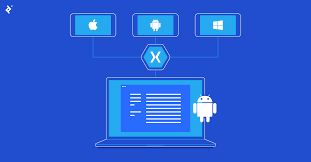
Xamarin, a popular cross-platform development software, is owned by Microsoft. The acquisition of Xamarin by Microsoft in 2016 marked a significant milestone in the world of mobile app development. Xamarin allows developers to create native applications for iOS, Android, and Windows using a single codebase, making it a valuable tool for businesses and individual developers alike.

With Xamarin, developers can leverage their existing C# skills and codebase to build high-performance apps that offer a native user experience on each platform. This not only streamlines the development process but also ensures consistency across different operating systems.

Microsoft’s ownership of Xamarin has further strengthened its integration with Visual Studio, providing developers with a comprehensive suite of tools for building, testing, and deploying cross-platform applications. The collaboration between Microsoft and Xamarin continues to drive innovation in the realm of mobile app development, empowering developers to create cutting-edge solutions for a diverse range of devices.

Overall, Xamarin’s ownership by Microsoft underscores the commitment to empowering developers with powerful tools and resources to succeed in today’s competitive app market.


Frequently Asked Questions About Xamarin Cross-Platform Development and Its Ownership

  1. What is Xamarin cross-platform?
  2. Is Xamarin supported by Microsoft?
  3. Is Xamarin a .NET framework?
  4. Is Xamarin a Microsoft product?
  5. Which companies uses Xamarin?

What is Xamarin cross-platform?

Xamarin cross-platform development refers to the practice of using Xamarin, a software owned by Microsoft, to build mobile applications that can run on multiple operating systems such as iOS, Android, and Windows. By utilizing Xamarin’s technology, developers can write code once in C# and deploy it across different platforms, saving time and effort compared to developing separate native apps for each operating system. Xamarin ensures that the final applications maintain a native look and feel on each platform, providing users with a seamless experience regardless of the device they are using. This approach to cross-platform development streamlines the process for developers and allows them to reach a wider audience with their apps.

Is Xamarin supported by Microsoft?

Yes, Xamarin is supported by Microsoft. Microsoft acquired Xamarin in 2016, integrating it into its suite of development tools and services. This acquisition has strengthened Xamarin’s capabilities and its integration with Microsoft’s ecosystem, particularly Visual Studio. As a result, developers using Xamarin can benefit from the support and resources provided by Microsoft, ensuring that they have access to the latest updates, features, and technical assistance to create high-quality cross-platform applications efficiently.

Is Xamarin a .NET framework?

Xamarin is closely associated with the .NET framework, as it allows developers to use C# and .NET to build cross-platform applications. Xamarin extends the capabilities of the .NET framework by enabling developers to create native mobile apps for iOS, Android, and Windows platforms using a shared codebase. This integration with .NET framework not only simplifies the development process but also ensures that developers can leverage their existing skills and knowledge to create high-quality, performant apps across multiple platforms.

Is Xamarin a Microsoft product?

Yes, Xamarin is indeed a Microsoft product. Microsoft acquired Xamarin in 2016, a move that solidified its position in the cross-platform development space. By bringing Xamarin under its umbrella, Microsoft has been able to enhance its offerings for developers looking to create native applications for multiple platforms using a single codebase. The integration of Xamarin with Microsoft’s existing tools and services has further streamlined the development process and provided developers with a comprehensive solution for building high-quality cross-platform apps.

Which companies uses Xamarin?

Several prominent companies across various industries utilize Xamarin for their cross-platform development needs. Companies such as UPS, Alaska Airlines, and Siemens have leveraged Xamarin to create robust and high-performing mobile applications that cater to their specific business requirements. By adopting Xamarin, these companies benefit from the ability to streamline their development processes, reduce time-to-market, and maintain a consistent user experience across multiple platforms. The versatility and efficiency of Xamarin make it an attractive choice for organizations looking to deliver innovative and seamless mobile solutions to their customers while maximizing development resources.

reddit software development

Exploring the Evolution of Reddit Through Software Development

Reddit Software Development

The Impact of Software Development on Reddit

Reddit, one of the most popular social news aggregation and discussion platforms on the internet, has undergone significant transformations over the years. Behind its user-friendly interface and vast community lies a complex system of software development that powers its functionality.

Continuous Improvement through Software Updates

Software development plays a crucial role in enhancing user experience on Reddit. The platform regularly releases updates to improve performance, introduce new features, and address security vulnerabilities. These updates are a result of meticulous planning, coding, testing, and deployment by Reddit’s dedicated team of software developers.

Scalability and Reliability

As Reddit continues to grow in popularity, scalability and reliability become paramount. Software developers work tirelessly to ensure that the platform can handle millions of users concurrently while maintaining high performance levels. This involves optimizing code, implementing efficient algorithms, and leveraging cloud technologies to support Reddit’s expanding user base.

Community Engagement through Open Source

Reddit values community engagement and collaboration. The platform has open-sourced several tools and projects to encourage developers worldwide to contribute to its ecosystem. By embracing open source principles, Reddit fosters innovation and creativity within the software development community.

Data-driven Decision Making

Software development at Reddit is driven by data analysis and insights. Developers leverage analytics tools to gather information on user behavior, content engagement, and platform performance. This data-driven approach enables Reddit to make informed decisions regarding feature enhancements, content moderation strategies, and overall user satisfaction.

The Future of Software Development at Reddit

Looking ahead, software development will continue to be a cornerstone of Reddit’s evolution. With a focus on innovation, collaboration, and user-centric design principles, Reddit aims to enhance its platform further and provide an unparalleled experience for its diverse community of users.


8 Essential Tips for Leveraging Reddit in Software Development

  1. Follow subreddit communities related to software development for valuable insights and resources.
  2. Engage in discussions and ask questions to learn from experienced developers on Reddit.
  3. Contribute to open-source projects shared on Reddit to enhance your coding skills.
  4. Stay updated with the latest trends and technologies in software development through Reddit threads.
  5. Utilize Reddit’s programming-related subreddits for networking opportunities and collaboration.
  6. Share your own projects or code snippets on relevant subreddits to receive feedback and suggestions.
  7. Participate in coding challenges or hackathons organized within the Reddit community for skill-building.
  8. Use Reddit as a platform to showcase your expertise, connect with potential employers, or find job opportunities.

By following subreddit communities related to software development on Reddit, you can gain access to valuable insights, resources, and discussions that can enhance your knowledge and skills in the field. Engaging with like-minded individuals and industry experts within these communities provides a platform for sharing experiences, learning about new technologies, and staying up-to-date with the latest trends in software development. Whether you are seeking advice on coding practices, exploring career opportunities, or simply looking to connect with fellow developers, participating in these subreddit communities can be a rewarding experience that enriches your journey in software development.

Engage in discussions and ask questions to learn from experienced developers on Reddit.

Engaging in discussions and asking questions on Reddit can be a valuable way to learn from experienced developers. By actively participating in relevant communities and seeking advice from seasoned professionals, you can gain insights, tips, and best practices that can help enhance your software development skills. Leveraging the collective knowledge and expertise of the Reddit community can provide you with new perspectives and solutions to challenges you may encounter in your development projects. Embracing this collaborative approach can lead to personal growth and a deeper understanding of the ever-evolving field of software development.

Contribute to open-source projects shared on Reddit to enhance your coding skills.

Contributing to open-source projects shared on Reddit is a valuable tip for enhancing your coding skills. By actively participating in these projects, you not only gain practical experience in real-world software development but also collaborate with a diverse community of developers. This hands-on approach allows you to improve your coding proficiency, learn new techniques, and contribute to the greater open-source ecosystem. Additionally, engaging with open-source projects on Reddit provides an opportunity to receive feedback, mentorship, and recognition for your contributions, ultimately helping you grow as a developer and expand your skill set.

To stay ahead in the ever-evolving field of software development, it is essential to stay updated with the latest trends and technologies. Reddit threads dedicated to software development serve as valuable resources for professionals looking to expand their knowledge and skills. By actively participating in these threads, developers can engage with a diverse community, share insights, and learn about cutting-edge tools and practices shaping the industry. Keeping abreast of discussions on Reddit can provide valuable insights that help developers stay relevant and innovative in their work.

By utilizing Reddit’s programming-related subreddits, individuals can tap into valuable networking opportunities and foster collaboration within the tech community. These subreddits serve as hubs where developers, programmers, and technology enthusiasts converge to share knowledge, seek advice, and engage in discussions on various coding topics. Engaging with these communities not only allows individuals to expand their professional network but also opens doors to potential collaborations on projects, idea sharing, and skill development. Leveraging Reddit’s programming subreddits can be a beneficial strategy for those looking to connect with like-minded individuals and stay informed about the latest trends in software development.

Share your own projects or code snippets on relevant subreddits to receive feedback and suggestions.

Sharing your own projects or code snippets on relevant subreddits is a valuable tip for engaging with the software development community on Reddit. By actively participating in discussions and showcasing your work, you not only receive feedback and suggestions from fellow developers but also contribute to the collective knowledge sharing within the community. This practice not only helps you improve your coding skills but also fosters connections with like-minded individuals who can offer insights and support to help you grow as a developer.

Participate in coding challenges or hackathons organized within the Reddit community for skill-building.

Engaging in coding challenges or hackathons organized within the Reddit community is a valuable tip for software developers looking to enhance their skills. These events provide a platform to test your coding abilities, collaborate with peers, and tackle real-world problems in a competitive yet supportive environment. By participating in such activities, developers can sharpen their problem-solving skills, learn new technologies, and build a strong network within the Reddit community. It’s an excellent opportunity to push boundaries, gain practical experience, and stay updated on the latest trends in software development.

Use Reddit as a platform to showcase your expertise, connect with potential employers, or find job opportunities.

Utilizing Reddit as a platform to showcase your expertise can be a strategic move in the realm of software development. By actively participating in relevant subreddits, sharing valuable insights, and engaging with the community, you not only establish yourself as a knowledgeable professional but also create opportunities to connect with potential employers or discover job openings. Reddit’s diverse user base and active discussions make it an ideal space to network, demonstrate your skills, and stay informed about industry trends, ultimately enhancing your visibility and career prospects in the field of software development.

ios android app development

Exploring the World of iOS and Android App Development

iOS and Android App Development

The World of iOS and Android App Development

Mobile applications have become an integral part of our daily lives, providing convenience, entertainment, and productivity at our fingertips. When it comes to app development, two major platforms dominate the market: iOS and Android.

iOS Development

iOS is the operating system developed by Apple for its mobile devices, including iPhones and iPads. iOS app development requires knowledge of programming languages like Swift or Objective-C. Apple’s strict guidelines ensure high-quality apps that provide a seamless user experience.

Developers working on iOS apps must consider factors such as the intuitive design, smooth performance, and compatibility with various Apple devices. The App Store is the exclusive distribution platform for iOS apps, offering developers a vast audience of potential users.

Android Development

Android, developed by Google, powers a wide range of devices from different manufacturers. Android app development is typically done using Java or Kotlin programming languages. The open-source nature of Android allows for more flexibility in customization and innovation.

Developers creating Android apps focus on scalability across different screen sizes, versions of the operating system, and device capabilities. The Google Play Store serves as the primary marketplace for distributing Android apps to millions of users worldwide.

Key Differences

While both platforms offer unique opportunities for app developers, there are key differences to consider:

  • Market Share: Android holds a larger global market share compared to iOS.
  • Development Tools: Xcode is used for iOS development, while Android Studio is the preferred IDE for Android.
  • Monetization: The App Store tends to generate higher revenue per user compared to the Google Play Store.
  • Fragmentation: Android’s fragmentation due to various device types and OS versions can present challenges in app testing and optimization.

The Future of Mobile App Development

As technology continues to evolve, the demand for innovative mobile applications will only grow. Developers skilled in both iOS and Android app development have a competitive edge in creating versatile solutions that cater to diverse user preferences.

Whether you choose to specialize in one platform or master both, staying updated on industry trends and best practices is essential for success in the dynamic world of mobile app development.

© 2023 All rights reserved | Mobile App Development Insights


Essential FAQs for iOS and Android App Development: Key Differences, Languages, Tools, Optimization, Design, and Monetization

  1. What are the key differences between iOS and Android app development?
  2. Which programming languages are commonly used for iOS app development?
  3. What tools and IDEs are recommended for Android app development?
  4. How do I optimize my app for both iOS and Android platforms?
  5. What are the best practices for designing user-friendly interfaces in mobile apps?
  6. How can I monetize my mobile app effectively on both iOS and Android?

What are the key differences between iOS and Android app development?

When comparing iOS and Android app development, several key differences stand out. One significant distinction is the choice of programming languages, with iOS apps typically being developed using Swift or Objective-C, while Android apps are commonly built using Java or Kotlin. Another crucial factor is the distribution platforms, as iOS apps are exclusively available on the App Store, whereas Android apps can be distributed through the Google Play Store. Additionally, the design guidelines and user experience expectations vary between the two platforms, influencing how developers approach interface design and functionality. Understanding these differences is essential for developers to create successful applications tailored to each platform’s unique requirements and user base.

Which programming languages are commonly used for iOS app development?

When it comes to iOS app development, developers commonly use programming languages like Swift and Objective-C. Swift, introduced by Apple in 2014, has gained popularity for its modern syntax and performance optimization features. Objective-C, the traditional language for iOS development, is still widely used in legacy projects. Both languages offer robust capabilities for creating high-quality iOS applications that deliver a seamless user experience across Apple devices. Understanding these programming languages is essential for developers looking to build innovative and efficient apps for the iOS platform.

When it comes to Android app development, there are several recommended tools and Integrated Development Environments (IDEs) that can streamline the development process. Android Studio, the official IDE for Android development, is highly recommended for its comprehensive set of features, including code editing, debugging, and performance profiling tools. Other popular tools like IntelliJ IDEA, Eclipse with the Android Development Tools (ADT) plugin, and Visual Studio Code with appropriate extensions can also be used for Android app development. These tools provide developers with a robust environment to create high-quality apps that meet the standards of the ever-evolving Android platform.

How do I optimize my app for both iOS and Android platforms?

Optimizing an app for both iOS and Android platforms requires careful consideration of each platform’s unique characteristics and requirements. To ensure optimal performance and user experience, developers should focus on creating a responsive design that adapts seamlessly to different screen sizes and resolutions. Additionally, optimizing code for efficiency and speed is crucial, as well as conducting thorough testing on various devices to identify and address any compatibility issues. By leveraging platform-specific features and adhering to best practices for iOS and Android development, developers can create high-quality apps that deliver a consistent experience across both platforms.

What are the best practices for designing user-friendly interfaces in mobile apps?

When it comes to designing user-friendly interfaces in mobile apps for iOS and Android platforms, several best practices can significantly enhance the user experience. Firstly, maintaining a clean and intuitive layout with consistent navigation helps users easily understand and interact with the app. Utilizing familiar design patterns specific to each platform, such as iOS Human Interface Guidelines or Android Material Design principles, ensures a seamless experience for users accustomed to the respective operating systems. Prioritizing responsive design for various screen sizes and resolutions, optimizing touch controls for effortless interaction, and providing clear feedback on user actions are essential elements in creating user-friendly interfaces that enhance usability and engagement in mobile apps.

How can I monetize my mobile app effectively on both iOS and Android?

Monetizing a mobile app effectively on both iOS and Android requires a strategic approach tailored to each platform’s unique characteristics. For iOS, developers can leverage in-app purchases, subscriptions, and advertising through Apple’s App Store guidelines. Implementing a freemium model or offering premium features can attract users willing to pay for enhanced functionality. On the Android platform, developers can explore various monetization options such as in-app ads, sponsored content, or selling digital goods. Adhering to Google Play Store policies while optimizing user engagement and retention are crucial for maximizing revenue potential on Android devices. By understanding the monetization opportunities and user behaviors specific to each platform, developers can create sustainable revenue streams for their mobile apps.