cfchris.com

Loading

Maximizing Business Potential: Leveraging IT Services and Consulting for Success

The Importance of IT Services and IT Consulting

The Importance of IT Services and IT Consulting

Information Technology (IT) has become an integral part of modern businesses, playing a crucial role in their operations and success. IT services and IT consulting are essential components that help organizations leverage technology effectively to achieve their goals.

IT Services

IT services encompass a broad range of activities aimed at managing, maintaining, and optimizing an organization’s IT infrastructure. This includes services such as network management, cybersecurity, cloud solutions, software development, and technical support.

By outsourcing IT services to experienced professionals, businesses can benefit from enhanced security, improved efficiency, reduced downtime, and access to specialized expertise. This allows organizations to focus on their core business activities while ensuring that their IT systems operate smoothly and securely.

IT Consulting

IT consulting involves providing expert advice and guidance on how to best utilize technology to meet business objectives. Consultants work closely with organizations to assess their current IT environment, identify areas for improvement, develop strategic plans, and implement solutions that align with the company’s goals.

Whether it’s optimizing existing systems, implementing new technologies, or addressing specific challenges, IT consultants bring a wealth of knowledge and experience to help businesses make informed decisions that drive growth and innovation.

The Benefits of IT Services and Consulting

  • Increased Efficiency: By streamlining processes and optimizing systems, businesses can operate more efficiently and effectively.
  • Enhanced Security: With the rise of cyber threats, robust cybersecurity measures are essential to protect sensitive data and prevent breaches.
  • Strategic Planning: IT consulting helps organizations develop long-term strategies that align technology with business objectives for sustainable growth.
  • Cutting-Edge Solutions: Accessing the latest technologies through IT services ensures that businesses remain competitive in a rapidly evolving digital landscape.
  • Cost Savings: Outsourcing IT services can be cost-effective compared to maintaining an in-house IT department while providing access to top-tier expertise.

In conclusion, investing in quality IT services and consulting is vital for organizations looking to harness the power of technology for success. By partnering with experienced professionals who understand the complexities of modern IT environments, businesses can navigate challenges effectively and unlock new opportunities for growth.


Top 7 Benefits of IT Services and Consulting: Security, Expertise, Efficiency, and More

  1. Enhanced security measures to protect sensitive data
  2. Access to specialized expertise and technical knowledge
  3. Improved efficiency through streamlined IT processes
  4. Cost-effective solutions compared to maintaining an in-house IT department
  5. Strategic planning for aligning technology with business objectives
  6. Cutting-edge technologies and innovative solutions
  7. 24/7 technical support for immediate assistance


7 Drawbacks of IT Services and Consulting: Challenges for Businesses

  1. Costly, especially for small businesses with limited budgets
  2. Dependency on external service providers can lead to delays in resolving IT issues
  3. Risk of data breaches or security vulnerabilities if not properly managed
  4. Potential for misalignment between IT solutions and business goals without thorough consultation
  5. Difficulty in finding reliable and trustworthy IT service providers
  6. Complexity in integrating new technologies with existing systems may cause disruptions
  7. Lack of in-house expertise can result in challenges when managing outsourced IT services

Enhanced security measures to protect sensitive data

In today’s digital landscape, one of the key benefits of IT services and IT consulting is the implementation of enhanced security measures to safeguard sensitive data. With the increasing frequency and sophistication of cyber threats, organizations face significant risks if their data is not adequately protected. By leveraging IT services and consulting expertise, businesses can fortify their systems with robust cybersecurity protocols, encryption methods, access controls, and proactive monitoring to mitigate the risk of data breaches and unauthorized access. This proactive approach not only protects valuable information but also instills trust among customers and stakeholders, demonstrating a commitment to data privacy and security.

Access to specialized expertise and technical knowledge

Access to specialized expertise and technical knowledge is a significant advantage of IT services and IT consulting. By partnering with professionals who possess in-depth knowledge of the latest technologies and industry best practices, businesses can tap into a wealth of expertise that may not be available internally. These experts bring specialized skills to the table, offering innovative solutions, strategic insights, and efficient problem-solving capabilities. Their technical know-how enables organizations to implement cutting-edge technologies, optimize systems for peak performance, and stay ahead of the curve in a rapidly evolving digital landscape. Ultimately, leveraging this specialized expertise through IT services and consulting can drive business growth, enhance operational efficiency, and ensure long-term success in an increasingly technology-driven world.

Improved efficiency through streamlined IT processes

Improved efficiency through streamlined IT processes is a significant benefit of IT services and consulting. By optimizing and automating IT workflows, businesses can eliminate redundancies, reduce manual errors, and accelerate task completion. This streamlined approach not only saves time but also enhances overall productivity, allowing employees to focus on more strategic initiatives rather than mundane tasks. With efficient IT processes in place, organizations can operate smoothly, respond to challenges swiftly, and stay competitive in today’s fast-paced business environment.

Cost-effective solutions compared to maintaining an in-house IT department

One significant advantage of IT services and IT consulting is the cost-effectiveness they offer compared to maintaining an in-house IT department. Outsourcing IT services allows businesses to access top-tier expertise and specialized skills without the overhead costs associated with hiring and training full-time IT staff. By partnering with external providers, organizations can benefit from tailored solutions that meet their specific needs while also reducing operational expenses. This cost-effective approach enables companies to allocate resources more efficiently, focus on core business activities, and achieve a higher return on investment in their IT infrastructure.

Strategic planning for aligning technology with business objectives

Strategic planning for aligning technology with business objectives is a key benefit of IT services and consulting. By working closely with experienced IT professionals, organizations can develop long-term strategies that ensure technology investments support and enhance their overall business goals. This alignment helps businesses stay competitive, adapt to changing market conditions, and drive innovation through the effective use of technology resources. IT services and consulting play a crucial role in guiding companies towards sustainable growth by ensuring that their technological initiatives are in harmony with their strategic vision.

Cutting-edge technologies and innovative solutions

Cutting-edge technologies and innovative solutions are key benefits of IT services and consulting. By leveraging the latest advancements in technology, businesses can stay ahead of the curve and adapt to the rapidly changing digital landscape. IT professionals bring expertise in implementing innovative solutions that enhance efficiency, productivity, and competitiveness. Whether it’s adopting cloud computing, integrating AI-driven systems, or developing custom software applications, embracing cutting-edge technologies through IT services and consulting enables organizations to drive growth, improve customer experiences, and achieve strategic objectives effectively.

24/7 technical support for immediate assistance

Having access to 24/7 technical support through IT services and consulting is a significant advantage for businesses. Immediate assistance ensures that any IT issues or emergencies can be addressed promptly, minimizing downtime and potential disruptions to operations. Whether it’s a network outage, cybersecurity incident, or software malfunction, knowing that expert support is available round the clock provides peace of mind and allows businesses to maintain continuity and productivity at all times.

Costly, especially for small businesses with limited budgets

Implementing IT services and consulting can be a significant challenge for small businesses with constrained budgets. The costs associated with hiring external IT experts or investing in advanced technology solutions can quickly add up, making it a financial burden for smaller enterprises. Limited financial resources may force small businesses to prioritize other operational expenses over IT enhancements, potentially hindering their ability to compete effectively in the digital landscape. Finding cost-effective ways to access essential IT services and consulting expertise becomes crucial for small businesses aiming to leverage technology for growth while managing their financial constraints efficiently.

Dependency on external service providers can lead to delays in resolving IT issues

Dependency on external service providers for IT services and consulting can pose a significant con as it may result in delays in resolving IT issues. Relying on third-party vendors means that businesses are subject to the provider’s availability and response times, which could lead to prolonged downtime and disruptions in operations. In situations where immediate assistance is required, waiting for external support can hinder productivity and impact overall business performance. Therefore, organizations should carefully consider the potential drawbacks of outsourcing IT services to mitigate the risk of delays in addressing critical IT issues.

Risk of data breaches or security vulnerabilities if not properly managed

In the realm of IT services and IT consulting, one significant concern is the potential risk of data breaches or security vulnerabilities if not properly managed. In today’s digital landscape, where sensitive information is constantly being exchanged and stored, inadequate security measures can leave organizations vulnerable to cyber threats. Failure to address these risks proactively can result in costly data breaches, compromised systems, and damage to a company’s reputation. It is crucial for businesses to prioritize robust cybersecurity practices and enlist the expertise of professionals to mitigate these risks effectively and safeguard their valuable data assets.

Potential for misalignment between IT solutions and business goals without thorough consultation

One significant con of IT services and IT consulting is the potential for misalignment between IT solutions and business goals when thorough consultation is lacking. Without a comprehensive understanding of the organization’s objectives and operational needs, IT solutions may not effectively address key business challenges or support strategic initiatives. This misalignment can lead to wasted resources, inefficiencies in technology implementation, and missed opportunities for leveraging technology to drive business growth. Therefore, it is crucial for businesses to prioritize thorough consultation with IT experts to ensure that the solutions implemented align closely with their specific goals and requirements.

Difficulty in finding reliable and trustworthy IT service providers

In the realm of IT services and consulting, a significant challenge that organizations often face is the difficulty in finding reliable and trustworthy service providers. With the increasing complexity of technology and the ever-evolving landscape of cybersecurity threats, businesses must carefully vet potential IT partners to ensure they have the expertise and integrity needed to safeguard their systems and data. The consequences of engaging with unreliable IT service providers can range from subpar performance and costly downtime to serious security breaches that jeopardize the organization’s reputation and bottom line. Therefore, thorough research, references, and due diligence are essential steps in selecting a dependable IT partner that can deliver quality services and peace of mind.

Complexity in integrating new technologies with existing systems may cause disruptions

The complexity involved in integrating new technologies with existing systems can present a significant challenge for organizations utilizing IT services and consulting. This con may lead to disruptions in operations, as the compatibility issues and technical intricacies of merging different systems can result in downtime, data loss, or performance issues. Careful planning, thorough testing, and expert guidance from IT consultants are essential to mitigate these risks and ensure a smooth transition when implementing new technologies within an organization’s infrastructure.

Lack of in-house expertise can result in challenges when managing outsourced IT services

Outsourcing IT services and consulting can present a challenge when organizations lack in-house expertise to effectively manage and oversee the outsourced functions. Without a deep understanding of the technologies and processes involved, businesses may struggle to communicate their needs, monitor service quality, or align outsourced IT activities with overall business objectives. This lack of internal expertise can lead to mismanaged projects, delays in problem resolution, and potential disconnect between the outsourced team and the organization’s strategic direction. To mitigate this con, businesses should consider investing in training programs for internal staff or engaging with IT consultants who can bridge the gap between external service providers and internal stakeholders.


it consulting

Maximizing Business Potential Through Expert IT Consulting Services

The Importance of IT Consulting for Businesses

Information Technology (IT) consulting plays a crucial role in the success of modern businesses. As technology continues to evolve at a rapid pace, organizations must adapt and leverage IT solutions to stay competitive in today’s digital landscape.

What is IT Consulting?

IT consulting involves providing expert advice and guidance on how to utilize technology effectively to achieve business objectives. IT consultants are professionals with specialized knowledge in various areas of information technology, such as cybersecurity, network infrastructure, software development, and cloud computing.

The Benefits of IT Consulting

Strategic Planning: IT consultants help businesses develop strategic plans that align technology initiatives with overall business goals. They assess current systems, identify areas for improvement, and recommend solutions to enhance efficiency and productivity.

Cost Savings: By leveraging the expertise of IT consultants, businesses can avoid costly mistakes and make informed decisions when investing in technology. Consultants help optimize IT spending by recommending cost-effective solutions that deliver maximum value.

Risk Management: Cybersecurity threats are a significant concern for businesses today. IT consultants assist in implementing robust security measures to protect sensitive data and mitigate risks associated with data breaches and cyber attacks.

Enhanced Efficiency: Through process optimization and automation, IT consultants help streamline operations and improve workflow efficiency. This leads to increased productivity and better utilization of resources within the organization.

Hiring an IT Consultant

When considering hiring an IT consultant, it is essential to look for professionals with a proven track record of success in the industry. Communication skills, problem-solving abilities, and a deep understanding of current technologies are key qualities to consider when selecting an IT consultant for your business.

In Conclusion

In today’s fast-paced business environment, having access to expert IT consulting services is essential for staying ahead of the competition. By partnering with knowledgeable consultants who understand your unique business needs, you can harness the power of technology to drive innovation and achieve sustainable growth.


6 Common Questions About IT Consulting: Career Insights and Industry Differences

  1. Are IT consultants well paid?
  2. What is the difference between IT consulting and tech consulting?
  3. Is IT consultant a good career?
  4. What is the meaning of IT consulting?
  5. What is a high salary for an IT consultant?
  6. What is an example of IT consulting?

Are IT consultants well paid?

The compensation for IT consultants can vary depending on various factors such as experience, expertise, location, and the specific services provided. Generally, IT consultants are well paid due to their specialized skills and the high demand for their services in today’s technology-driven world. Experienced IT consultants who offer valuable insights and solutions to businesses often command competitive salaries or hourly rates. Additionally, IT consulting can be a lucrative career path for professionals who continuously update their skills to stay current with emerging technologies and industry trends.

What is the difference between IT consulting and tech consulting?

In the realm of technology services, the distinction between IT consulting and tech consulting lies in their focus and scope. IT consulting primarily revolves around advising businesses on how to effectively utilize information technology to achieve their strategic objectives, optimize operations, and enhance productivity. On the other hand, tech consulting encompasses a broader spectrum of technology-related services beyond just information technology, including areas such as software development, hardware implementation, digital transformation, and innovation strategies. While IT consulting specifically targets leveraging IT systems for business success, tech consulting encompasses a wider range of technological solutions and innovations to drive overall organizational growth and efficiency.

Is IT consultant a good career?

The role of an IT consultant can be a rewarding and fulfilling career choice for individuals with a passion for technology and problem-solving. IT consultants have the opportunity to work on diverse projects, collaborate with various clients, and continuously expand their knowledge and skills in the ever-evolving field of information technology. With the increasing reliance on technology in businesses across industries, the demand for skilled IT consultants remains high. This career path offers the chance to make a significant impact by helping organizations optimize their IT infrastructure, enhance cybersecurity measures, and drive innovation through technology solutions. As such, pursuing a career as an IT consultant can lead to professional growth, job satisfaction, and opportunities for advancement in a dynamic and exciting industry.

What is the meaning of IT consulting?

IT consulting refers to the practice of providing expert advice and guidance on utilizing information technology to address business challenges and achieve organizational objectives. IT consultants are professionals with specialized knowledge in various areas of technology, such as cybersecurity, network infrastructure, software development, and cloud computing. They work closely with businesses to assess their current IT systems, identify areas for improvement, and recommend tailored solutions to enhance efficiency, productivity, and overall performance. IT consulting plays a vital role in helping organizations leverage technology effectively to stay competitive in today’s digital age.

What is a high salary for an IT consultant?

The salary range for IT consultants can vary significantly depending on factors such as experience, expertise, industry specialization, and geographic location. In general, a high salary for an IT consultant can range from $80,000 to over $150,000 per year. Senior-level consultants with extensive experience and specialized skills in areas such as cybersecurity, cloud computing, or data analytics tend to command higher salaries. Additionally, consultants working in major tech hubs or industries with high demand for IT services may also earn above-average salaries. It is important for IT consultants to continuously enhance their skills and stay current with industry trends to remain competitive in the job market and negotiate higher compensation packages.

What is an example of IT consulting?

An example of IT consulting is when a business hires a team of IT consultants to assess their current network infrastructure and recommend improvements to enhance security and efficiency. The consultants may conduct a thorough analysis of the company’s systems, identify vulnerabilities, and propose solutions such as implementing advanced cybersecurity measures, upgrading hardware and software, or migrating to cloud-based services. By leveraging the expertise of IT consultants, businesses can optimize their technology resources and align them with strategic goals to drive growth and success.

tech stack

Mastering Your Tech Stack: Building Efficient Software Solutions

In the world of software development, a tech stack plays a crucial role in determining the success and efficiency of a project. A tech stack, short for technology stack, refers to the combination of programming languages, frameworks, tools, and software used by developers to build and deploy applications.

Choosing the right tech stack is essential as it directly impacts factors such as performance, scalability, security, and maintainability of the software. A well-thought-out tech stack can streamline development processes and ensure that the final product meets both functional and non-functional requirements.

Typically, a tech stack consists of three main components:

  1. Frontend: The frontend of an application is what users interact with. It includes technologies like HTML, CSS, and JavaScript along with popular frameworks such as Angular, React, or Vue.js.
  2. Backend: The backend is responsible for handling data processing, business logic, and server-side operations. Common backend technologies include programming languages like Python, Java, Ruby on Rails, or Node.js along with frameworks like Django or Spring.
  3. Database: The database component stores and manages the application’s data. Developers can choose from various types of databases such as relational (e.g., MySQL), NoSQL (e.g., MongoDB), or in-memory databases (e.g., Redis) based on the project requirements.

Additionally, a tech stack may include other elements like version control systems (e.g., Git), cloud services (e.g., AWS or Azure), containerization tools (e.g., Docker), and continuous integration/continuous deployment (CI/CD) pipelines to automate testing and deployment processes.

The choice of a tech stack depends on factors like project complexity, scalability needs, time-to-market requirements, developer expertise, budget constraints, and future growth considerations. It’s crucial for development teams to evaluate these factors carefully before finalizing a tech stack for their projects.

In conclusion, a well-designed tech stack is fundamental to the success of any software development project. By selecting the right combination of technologies and tools tailored to specific project needs, developers can create robust applications that meet user expectations while ensuring efficient development processes and long-term sustainability.


7 Key Advantages of a Well-Defined Tech Stack for Modern Application Development

  1. 1. Enables efficient development by providing a structured framework for building applications.
  2. 2. Facilitates scalability, allowing applications to handle increased user loads and data volumes.
  3. 3. Enhances performance through optimized use of technologies that meet project requirements.
  4. 4. Improves collaboration among team members with a shared understanding of the tech stack components.
  5. 5. Streamlines maintenance and updates by standardizing tools and processes within the development environment.
  6. 6. Boosts innovation by leveraging cutting-edge technologies and frameworks to create advanced solutions.
  7. 7. Supports seamless integration with third-party services and APIs, enhancing functionality and expanding capabilities.


6 Common Drawbacks of Tech Stacks: Navigating Complexity, Compatibility, and More

  1. Complexity
  2. Compatibility Issues
  3. Learning Curve
  4. Maintenance Challenges
  5. Vendor Lock-in
  6. Performance Overhead

1. Enables efficient development by providing a structured framework for building applications.

A significant advantage of utilizing a tech stack is its ability to enable efficient development by offering a structured framework for building applications. By incorporating predefined technologies, programming languages, and tools into a cohesive stack, developers can streamline the development process, reduce redundancy, and focus on implementing core functionalities. This structured approach not only enhances productivity but also promotes consistency across the project, making it easier to maintain and scale the application as needed. Ultimately, a well-defined tech stack serves as a solid foundation that empowers developers to work more efficiently and effectively towards delivering high-quality software solutions.

2. Facilitates scalability, allowing applications to handle increased user loads and data volumes.

Facilitates scalability, allowing applications to handle increased user loads and data volumes. A well-chosen tech stack enables applications to scale seamlessly as user traffic and data volumes grow. By incorporating scalable technologies and architectures, developers can ensure that the application remains responsive and performs optimally even under heavy loads. This pro of a tech stack is crucial for businesses looking to expand their user base or handle growing amounts of data without compromising on performance or user experience.

3. Enhances performance through optimized use of technologies that meet project requirements.

By optimizing the use of technologies that align with project requirements, a well-chosen tech stack enhances performance significantly. By carefully selecting programming languages, frameworks, and tools that are best suited for the project’s needs, developers can ensure efficient code execution, faster response times, and overall improved system performance. This optimization not only boosts the application’s speed and responsiveness but also contributes to better scalability and resource utilization, ultimately leading to a more robust and high-performing software solution.

4. Improves collaboration among team members with a shared understanding of the tech stack components.

Enhancing collaboration among team members is a significant advantage of utilizing a tech stack in software development. By establishing a shared understanding of the tech stack components, team members can effectively communicate, troubleshoot issues, and work together seamlessly. With everyone on the same page regarding the technologies, frameworks, and tools being used, collaboration becomes more efficient and productive. This shared knowledge fosters a cohesive team environment where developers can leverage each other’s expertise and contribute collectively to the success of the project.

5. Streamlines maintenance and updates by standardizing tools and processes within the development environment.

Streamlining maintenance and updates is a significant advantage of utilizing a tech stack in software development. By standardizing tools and processes within the development environment, teams can ensure consistency and efficiency when managing and updating their applications. This approach simplifies the maintenance tasks, as developers are familiar with the standardized tools and procedures, making it easier to troubleshoot issues, implement updates, and ensure the overall stability of the software. Additionally, having a uniform tech stack across projects enables smoother collaboration among team members and facilitates knowledge sharing, ultimately enhancing productivity and reducing the time required for maintenance activities.

6. Boosts innovation by leveraging cutting-edge technologies and frameworks to create advanced solutions.

By leveraging cutting-edge technologies and frameworks within a tech stack, developers can boost innovation and create advanced solutions that push the boundaries of what is possible in the digital landscape. Incorporating the latest tools and techniques allows for the exploration of new ideas, implementation of novel features, and development of groundbreaking applications that meet evolving user demands. This proactive approach to technology adoption not only enhances product offerings but also positions businesses at the forefront of innovation in their respective industries.

7. Supports seamless integration with third-party services and APIs, enhancing functionality and expanding capabilities.

By leveraging a well-structured tech stack, developers can harness the power of seamless integration with third-party services and APIs, thereby enhancing the functionality and expanding the capabilities of their applications. This pro allows for the incorporation of a wide range of external tools and services, enabling developers to tap into additional features and resources without having to reinvent the wheel. By integrating with third-party services and APIs, development teams can boost efficiency, improve user experience, and unlock new possibilities for innovation within their software projects.

Complexity

Managing multiple technologies in a tech stack can indeed introduce a significant challenge in the form of increased complexity. Each technology within the stack may have its own set of requirements, dependencies, and best practices, making it essential for developers to possess specialized skills and expertise in each area. Juggling multiple technologies can lead to compatibility issues, integration challenges, and troubleshooting complexities, ultimately demanding a higher level of coordination and effort to ensure seamless functionality across the entire tech stack. This complexity can also impact project timelines and resource allocation as teams may need to invest additional time and resources in managing and maintaining the diverse components of the tech stack.

Compatibility Issues

Compatibility issues can pose a significant challenge when dealing with a tech stack. Due to the diverse nature of components within a tech stack, such as programming languages, frameworks, and tools, ensuring seamless integration can be complex. Incompatibilities between different components can result in unexpected errors, performance issues, or even system failures. Resolving compatibility issues requires careful testing, troubleshooting, and sometimes reevaluating the choice of technologies to ensure that all parts of the tech stack work harmoniously together. Addressing compatibility challenges effectively is crucial to maintaining the stability and functionality of software applications built on that tech stack.

Learning Curve

Adapting to a new tech stack can present a significant challenge for developers due to the learning curve associated with mastering unfamiliar technologies. This adjustment period may lead to a temporary decrease in productivity as developers invest time and effort in understanding and becoming proficient with the new tools and frameworks. The need for training and skill development can slow down project progress in the short term, impacting deadlines and deliverables. However, once developers overcome the initial learning curve, they can leverage their newfound expertise to enhance efficiency and effectiveness in future project work within the tech stack.

Maintenance Challenges

Maintenance challenges pose a significant con when it comes to tech stacks. Updating or replacing components of a tech stack can be a daunting task, particularly in complex projects. The process can be time-consuming and challenging, requiring careful planning and execution to ensure that the changes do not disrupt the functionality of the system. Additionally, compatibility issues between different components can arise during updates, leading to unexpected errors and downtime. Managing maintenance challenges effectively is crucial to maintaining the stability and performance of a tech stack over time.

Vendor Lock-in

Depending heavily on specific technologies within a tech stack can lead to a significant drawback known as vendor lock-in. This con arises when a development team becomes overly reliant on proprietary tools or platforms provided by a particular vendor. Vendor lock-in can restrict flexibility and hinder the ability to adapt or switch to alternative solutions in the future. It poses a risk of being tied to a single vendor’s ecosystem, potentially limiting innovation and increasing dependency on external providers, which may result in higher costs or compatibility issues down the line. Developers need to carefully consider the implications of vendor lock-in when selecting technologies for their tech stack to ensure long-term adaptability and mitigate risks associated with being locked into a specific vendor’s offerings.

Performance Overhead

Introducing multiple layers of technology in a tech stack can lead to performance overhead, potentially affecting the speed and responsiveness of an application. Each additional layer, whether it be a framework, library, or tool, introduces complexity and may require additional processing resources. This can result in increased latency, slower response times, and overall decreased performance efficiency. Developers need to carefully consider the trade-offs between functionality and performance when selecting components for a tech stack to mitigate the risk of performance overhead impacting the user experience negatively.

strategic consulting

Unlocking Success: The Power of Strategic Consulting in Today’s Business Landscape

In today’s fast-paced and competitive business environment, strategic consulting has become a crucial element for organizations looking to stay ahead of the curve. Strategic consulting involves the analysis, planning, and implementation of strategies that align with an organization’s goals and objectives. It provides a roadmap for success by helping businesses navigate challenges, capitalize on opportunities, and achieve sustainable growth.

One of the key benefits of strategic consulting is its ability to provide an external perspective on an organization’s operations. By working with experienced consultants who have a deep understanding of various industries, businesses can gain valuable insights into market trends, competitive landscapes, and best practices. This outside perspective can uncover blind spots, identify inefficiencies, and unlock new opportunities for growth.

Strategic consultants also play a vital role in helping organizations adapt to change. Whether it’s due to shifts in consumer behavior, technological advancements, or regulatory requirements, businesses must be agile and responsive to stay relevant. Strategic consultants can assist in developing flexible strategies that allow organizations to pivot quickly in response to changing market conditions.

Furthermore, strategic consulting helps organizations set clear goals and priorities. By conducting thorough analyses of internal capabilities and external factors, consultants can help businesses define realistic objectives and create actionable plans to achieve them. This focus on goal-setting ensures that resources are allocated efficiently and that efforts are directed towards activities that drive long-term success.

Overall, strategic consulting is a powerful tool for organizations seeking to enhance their competitiveness and drive sustainable growth. By leveraging the expertise of seasoned consultants, businesses can develop robust strategies that position them for success in today’s dynamic business landscape.


Unlocking Success: 9 Key Benefits of Strategic Consulting for Business Growth

  1. Provides an external perspective on business operations
  2. Offers valuable insights into market trends and best practices
  3. Helps uncover blind spots and identify inefficiencies
  4. Assists in adapting to changes in the business environment
  5. Supports setting clear goals and priorities for the organization
  6. Aids in developing flexible strategies for agile decision-making
  7. Drives sustainable growth by aligning strategies with organizational objectives
  8. Enhances competitiveness by staying ahead of the curve
  9. Optimizes resource allocation for maximum efficiency


Challenges of Strategic Consulting: High Costs, Dependency Risks, and Potential for Generic Solutions

  1. Costly service, may not be affordable for small businesses
  2. Dependency on external consultants, which can lead to reliance issues
  3. Potential for conflicts of interest if consultants have relationships with competitors
  4. Time-consuming process that may disrupt daily operations
  5. Difficulty in measuring the direct impact of strategic consulting on bottom-line results
  6. Risk of implementing generic solutions that do not address the unique challenges of the organization

Provides an external perspective on business operations

One significant advantage of strategic consulting is its ability to offer an external perspective on business operations. By collaborating with experienced consultants who bring fresh insights and industry knowledge, organizations can gain valuable perspectives that may not be apparent from within. This external viewpoint helps identify blind spots, inefficiencies, and untapped opportunities, enabling businesses to make informed decisions and implement strategies that drive growth and success.

Strategic consulting offers valuable insights into market trends and best practices, providing businesses with a competitive edge in understanding the ever-evolving landscape of their industry. By analyzing market trends, consultants can help organizations anticipate changes, identify emerging opportunities, and stay ahead of the curve. Furthermore, gaining insights into best practices allows businesses to learn from successful strategies implemented by industry leaders, enabling them to adopt proven methods and enhance their own operations for optimal performance and growth.

Helps uncover blind spots and identify inefficiencies

Strategic consulting plays a crucial role in helping organizations uncover blind spots and identify inefficiencies within their operations. By leveraging the expertise of experienced consultants, businesses can gain valuable insights into areas that may be hindering their performance or growth potential. Through thorough analysis and assessment, strategic consultants can pinpoint weaknesses in processes, systems, or strategies that may have gone unnoticed internally. By addressing these blind spots and inefficiencies, organizations can streamline their operations, improve productivity, and enhance overall performance to achieve sustainable success.

Assists in adapting to changes in the business environment

Strategic consulting plays a crucial role in assisting organizations to adapt effectively to changes in the business environment. By providing valuable insights, expertise, and guidance, strategic consultants help businesses navigate through uncertain times, embrace new opportunities, and overcome challenges brought about by shifts in market dynamics, technological advancements, or regulatory requirements. With their strategic foresight and industry knowledge, consultants enable organizations to proactively adjust their strategies, operations, and processes to stay agile and competitive in an ever-evolving business landscape.

Supports setting clear goals and priorities for the organization

Strategic consulting plays a vital role in supporting organizations in setting clear goals and priorities. By conducting in-depth analyses of the internal capabilities and external market factors, consultants help businesses define realistic objectives that align with their long-term vision. This process enables organizations to focus their resources effectively, prioritize initiatives, and create actionable plans to achieve their strategic goals. With the guidance of strategic consultants, businesses can establish a roadmap that ensures alignment across all levels of the organization and drives sustainable growth and success.

Aids in developing flexible strategies for agile decision-making

Strategic consulting excels in aiding organizations to develop flexible strategies that facilitate agile decision-making. By leveraging the expertise of consultants who possess a deep understanding of market dynamics and industry trends, businesses can adapt swiftly to changing environments. This proactive approach enables organizations to make informed decisions promptly, seize emerging opportunities, and effectively navigate uncertainties. The flexibility inherent in strategic consulting empowers businesses to stay responsive and resilient in the face of evolving challenges, ultimately fostering a culture of innovation and strategic agility.

Drives sustainable growth by aligning strategies with organizational objectives

Strategic consulting drives sustainable growth by aligning strategies with organizational objectives. By ensuring that every strategic decision is directly linked to the overarching goals of the organization, businesses can focus their resources and efforts on activities that contribute to long-term success. This alignment fosters a clear sense of direction, enhances operational efficiency, and maximizes the impact of strategic initiatives, ultimately leading to sustainable growth and competitive advantage in the market.

Enhances competitiveness by staying ahead of the curve

Strategic consulting enhances competitiveness by enabling organizations to stay ahead of the curve in a rapidly evolving business environment. By leveraging the expertise of consultants who possess in-depth industry knowledge and insights, businesses can proactively identify emerging trends, anticipate market shifts, and capitalize on new opportunities before their competitors. This strategic foresight allows organizations to adapt swiftly to changing conditions, innovate effectively, and maintain a competitive edge that positions them for long-term success in their respective industries.

Optimizes resource allocation for maximum efficiency

Strategic consulting optimizes resource allocation for maximum efficiency by analyzing the organization’s current resources and identifying areas where improvements can be made. By strategically allocating resources based on priorities and goals, businesses can ensure that their time, money, and manpower are utilized effectively to achieve optimal results. This proactive approach to resource management helps organizations streamline their operations, reduce waste, and enhance overall productivity, ultimately leading to improved performance and profitability.

Costly service, may not be affordable for small businesses

One significant drawback of strategic consulting is its cost, which may render the service unaffordable for small businesses with limited financial resources. The expertise and specialized knowledge offered by strategic consultants come at a premium price, making it challenging for smaller enterprises to access these services. As a result, small businesses may miss out on valuable strategic insights and guidance that could help them navigate complex challenges and achieve sustainable growth in a competitive market environment.

Dependency on external consultants, which can lead to reliance issues

One significant con of strategic consulting is the potential dependency it creates on external consultants, which can lead to reliance issues within an organization. Relying heavily on external consultants for strategic guidance and decision-making can result in a lack of internal expertise development and ownership of the strategies implemented. This dependency may hinder the organization’s ability to adapt independently to changing circumstances and make crucial strategic decisions without external input. Additionally, over-reliance on consultants can lead to increased costs over time and a disconnect between the recommended strategies and the organization’s core values or long-term objectives.

Potential for conflicts of interest if consultants have relationships with competitors

One significant con of strategic consulting is the potential for conflicts of interest to arise when consultants have existing relationships with competitors. This situation can compromise the objectivity and impartiality of the consulting process, as consultants may inadvertently prioritize the interests of one client over another. Such conflicts can undermine trust and credibility, leading to concerns about the confidentiality of sensitive information and the fairness of strategic recommendations. Organizations must carefully assess and manage these potential conflicts to ensure that their strategic consulting engagements remain ethical and unbiased.

Time-consuming process that may disrupt daily operations

One significant drawback of strategic consulting is that it can be a time-consuming process that has the potential to disrupt daily operations within an organization. Engaging in strategic consulting often requires dedicating substantial time and resources to meetings, data collection, analysis, and strategy development. This intensive process may divert attention away from day-to-day tasks and projects, leading to delays in decision-making and implementation of essential activities. The disruption caused by the time commitment of strategic consulting can strain resources and impact productivity, potentially causing short-term challenges for the organization.

Difficulty in measuring the direct impact of strategic consulting on bottom-line results

One significant con of strategic consulting is the challenge in measuring the direct impact of consulting efforts on bottom-line results. Unlike more tangible metrics such as revenue or cost savings, the outcomes of strategic consulting projects are often complex and multifaceted, making it difficult to attribute specific financial gains directly to the consulting intervention. This lack of clear cause-and-effect relationship can create uncertainty for organizations investing in strategic consulting, as they may struggle to quantify the return on investment and justify the expenditure to stakeholders. Additionally, the long-term nature of strategic initiatives means that their impact may not be immediately apparent, further complicating efforts to assess their effectiveness in driving measurable financial outcomes.

Risk of implementing generic solutions that do not address the unique challenges of the organization

One significant drawback of strategic consulting is the risk of implementing generic solutions that do not effectively address the unique challenges and complexities of an organization. Consultants may rely on standard frameworks and templates, leading to cookie-cutter strategies that fail to consider the specific nuances and intricacies of the business. This approach can result in missed opportunities for innovation and competitive advantage, as well as a lack of alignment with the organization’s distinct goals and capabilities. Without tailored solutions that reflect the individual needs of the organization, strategic initiatives may fall short of delivering meaningful results and sustainable growth.

develop

Empowering Growth: The Journey to Continuous Development

The Importance of Continuous Development in Today’s World

The Importance of Continuous Development in Today’s World

In a rapidly evolving world, the concept of development has become more crucial than ever before. Whether it’s personal growth, professional advancement, or technological innovation, the need to develop and adapt is essential for success.

Personal Development

Personal development involves self-improvement and lifelong learning. It encompasses various aspects such as acquiring new skills, expanding knowledge, enhancing emotional intelligence, and fostering healthy habits. Continuous personal development leads to increased self-awareness, confidence, and resilience.

Professional Development

Professional development is vital for career growth and staying competitive in the job market. It involves honing existing skills, acquiring new ones, and staying updated with industry trends. Continuous professional development opens up opportunities for advancement, increases job satisfaction, and boosts overall performance.

Technological Development

Technological development drives innovation and progress in various fields. From software advancements to medical breakthroughs, continuous technological development shapes the way we live and work. Embracing technological advancements allows individuals and organizations to stay ahead of the curve and remain relevant in a rapidly changing world.

The Benefits of Continuous Development

  • Growth: Continuous development fosters personal growth, career advancement, and innovation.
  • Adaptability: Developing new skills and knowledge enhances adaptability to change and challenges.
  • Competitiveness: Continuous development keeps individuals and organizations competitive in their respective fields.
  • Fulfillment: The process of continuous development leads to a sense of fulfillment and accomplishment.
  • Innovation: Embracing continuous development fuels creativity and drives innovation.

In conclusion, continuous development is not just a choice but a necessity in today’s fast-paced world. By prioritizing personal growth, professional advancement, and technological innovation through continuous learning and adaptation, individuals and organizations can thrive amidst constant change and uncertainty.


7 Essential Tips for Successful Development Projects

  1. Set clear and achievable goals for your development projects.
  2. Stay organized by creating a detailed plan before starting any development work.
  3. Regularly test and debug your code to ensure its quality and functionality.
  4. Seek feedback from others to improve your development skills and learn new techniques.
  5. Stay updated with the latest technologies and trends in the field of development.
  6. Collaborate with other developers to share knowledge and work on projects together.
  7. Take breaks when needed to prevent burnout and maintain productivity.

Set clear and achievable goals for your development projects.

Setting clear and achievable goals for your development projects is essential for success. By defining specific objectives and milestones, you provide a roadmap that guides your progress and keeps you focused. Clear goals help you measure your achievements, track your development, and stay motivated throughout the project. Additionally, achievable goals ensure that you set realistic expectations and avoid becoming overwhelmed by unattainable targets. By establishing clear and achievable goals, you create a framework for effective planning, execution, and ultimately, successful project completion.

Stay organized by creating a detailed plan before starting any development work.

Staying organized is key to successful development work. By creating a detailed plan before diving into any project, you set a clear roadmap that helps you stay focused and on track. A well-thought-out plan allows you to allocate resources efficiently, anticipate potential challenges, and establish realistic timelines for completion. This proactive approach not only streamlines the development process but also ensures that your efforts are directed towards achieving your goals effectively.

Regularly test and debug your code to ensure its quality and functionality.

Regularly testing and debugging your code is a critical practice to uphold the quality and functionality of your software. By conducting thorough testing procedures, you can identify and rectify any errors or issues within the code, ensuring that it operates smoothly and efficiently. Debugging allows you to pinpoint and resolve bugs, enhancing the overall performance and reliability of your application. Consistent testing and debugging not only improve the user experience but also contribute to the long-term success of your development projects.

Seek feedback from others to improve your development skills and learn new techniques.

Seeking feedback from others is a valuable strategy to enhance your development skills and acquire new techniques. Constructive feedback provides insights into areas for improvement and helps you gain a fresh perspective on your work. By actively seeking feedback from peers, mentors, or experts in the field, you can identify blind spots, refine your approach, and accelerate your learning process. Embracing feedback as a tool for growth allows you to continuously evolve and stay at the forefront of your development journey.

To stay ahead in the field of development, it is essential to stay updated with the latest technologies and trends. By keeping abreast of new advancements, tools, and best practices, developers can enhance their skills, remain competitive, and deliver innovative solutions that meet the evolving needs of users and businesses. Continuous learning and staying informed about industry trends not only enriches one’s expertise but also ensures relevance and success in a rapidly changing technological landscape.

Collaborate with other developers to share knowledge and work on projects together.

Collaborating with other developers to share knowledge and work on projects together is a valuable tip for personal and professional development. By engaging in collaborative efforts, developers can leverage each other’s expertise, learn new skills, and tackle complex projects more effectively. This collaborative approach not only enhances individual growth but also fosters a sense of community within the developer ecosystem, leading to innovative solutions and collective success in the ever-evolving tech industry.

Take breaks when needed to prevent burnout and maintain productivity.

Taking breaks when needed is essential to prevent burnout and sustain productivity. In today’s fast-paced world, it can be tempting to push ourselves to the limit without giving our minds and bodies a chance to rest. However, incorporating regular breaks into our work routine allows us to recharge, refocus, and maintain a high level of productivity in the long run. By listening to our bodies and taking breaks when necessary, we can avoid burnout, improve our overall well-being, and achieve greater success in our endeavors.

software development tools

Exploring the Latest Innovations in Software Development Tools

The Essential Software Development Tools Every Developer Should Know

The Essential Software Development Tools Every Developer Should Know

Software development tools are essential for developers to create, test, and deploy applications efficiently. With the ever-evolving technology landscape, staying updated on the latest tools is crucial for success in the field of software development.

Integrated Development Environments (IDEs)

IDEs are comprehensive software applications that provide developers with all the necessary tools to write, test, and debug code. Popular IDEs like Visual Studio, IntelliJ IDEA, and Eclipse offer features such as code completion, syntax highlighting, and version control integration.

Version Control Systems

Version control systems like Git and SVN help developers track changes to their codebase, collaborate with team members, and revert to previous versions if needed. These tools play a crucial role in maintaining code integrity and streamlining the development process.

Testing Frameworks

Testing frameworks such as JUnit for Java or Jest for JavaScript enable developers to write automated tests to ensure the functionality and reliability of their code. By automating testing processes, developers can identify bugs early in the development cycle and deliver high-quality software.

Containerization Tools

Containerization tools like Docker allow developers to package applications and their dependencies into lightweight containers that can run consistently across different environments. Containers streamline deployment processes and improve scalability and portability of applications.

Continuous Integration/Continuous Deployment (CI/CD) Tools

CI/CD tools such as Jenkins and Travis CI automate the build, testing, and deployment processes of software development. By integrating these tools into their workflow, developers can accelerate delivery cycles, reduce errors, and ensure a seamless deployment pipeline.

Code Editors

Code editors like Visual Studio Code, Sublime Text, and Atom provide developers with lightweight yet powerful environments for writing code. These editors offer features such as syntax highlighting, code snippets, and extensions that enhance productivity during development.

In conclusion, software development tools play a vital role in empowering developers to build robust applications efficiently. By leveraging the right tools for each stage of the development process, developers can streamline workflows, collaborate effectively with team members, and deliver high-quality software products that meet user expectations.


9 Common Questions About Software Development Tools and Their Importance

  1. What are software development tools?
  2. Why are software development tools important in the software development process?
  3. What are some examples of popular Integrated Development Environments (IDEs)?
  4. How do Version Control Systems benefit software developers?
  5. What role do Testing Frameworks play in software development?
  6. How can Containerization Tools help in application deployment?
  7. What are Continuous Integration/Continuous Deployment (CI/CD) Tools and why are they important?
  8. Which Code Editors are commonly used by developers for writing code?
  9. How can developers choose the right software development tools for their projects?

What are software development tools?

Software development tools encompass a wide range of software applications and platforms designed to assist developers in creating, testing, and deploying software solutions. These tools provide developers with functionalities such as code editing, debugging, version control, testing automation, and deployment management. By utilizing software development tools, developers can streamline their workflow, collaborate effectively with team members, ensure code quality and reliability, and ultimately deliver successful software projects that meet user requirements.

Why are software development tools important in the software development process?

Software development tools are crucial in the software development process for several reasons. These tools provide developers with the necessary resources to write, test, debug, and deploy code efficiently. By using integrated development environments (IDEs), version control systems, testing frameworks, and other tools, developers can streamline their workflows, collaborate effectively with team members, and ensure the quality and reliability of their code. Software development tools also help automate repetitive tasks, identify bugs early in the development cycle, and improve overall productivity. In essence, these tools play a fundamental role in empowering developers to create high-quality software products that meet user requirements and industry standards.

When it comes to popular Integrated Development Environments (IDEs), developers have a variety of options to choose from based on their programming language preferences and project requirements. Some well-known IDEs include Visual Studio for .NET development, IntelliJ IDEA for Java development, Eclipse for multi-language support, and Xcode for iOS and macOS development. These IDEs offer a range of features such as code completion, debugging tools, version control integration, and plugin support to enhance developers’ productivity and streamline the software development process.

How do Version Control Systems benefit software developers?

Version Control Systems (VCS) offer significant benefits to software developers by enabling them to track changes to their codebase, collaborate effectively with team members, and maintain code integrity. With VCS like Git or SVN, developers can easily manage different versions of their code, making it simple to revert to previous versions if needed. This feature is crucial for debugging and ensuring the stability of the codebase. Additionally, VCS facilitates seamless collaboration among team members by providing a centralized platform for sharing and merging code changes. By using version control systems, software developers can work more efficiently, reduce errors, and enhance overall productivity in the software development process.

What role do Testing Frameworks play in software development?

Testing frameworks play a crucial role in software development by enabling developers to automate the process of testing code for functionality and reliability. These frameworks provide a structured approach to writing and executing test cases, allowing developers to identify bugs and errors early in the development cycle. By incorporating testing frameworks like JUnit or Jest into their workflow, developers can ensure that their code meets quality standards, improve the overall stability of the software, and deliver a more robust product to end-users.

How can Containerization Tools help in application deployment?

Containerization tools play a crucial role in application deployment by simplifying the process and ensuring consistency across different environments. Tools like Docker allow developers to package applications along with their dependencies into lightweight, portable containers. These containers encapsulate everything needed for the application to run, making it easier to deploy the application on various platforms without worrying about compatibility issues. By using containerization tools, developers can streamline deployment processes, improve scalability, enhance security, and achieve greater flexibility in managing and deploying applications effectively.

What are Continuous Integration/Continuous Deployment (CI/CD) Tools and why are they important?

Continuous Integration/Continuous Deployment (CI/CD) tools are essential components in modern software development practices. CI/CD tools automate the process of integrating code changes into a shared repository, running automated tests, and deploying applications to production environments. By streamlining these processes, CI/CD tools help developers catch bugs early, ensure code quality, and accelerate the delivery of software updates. This automation reduces manual errors, improves collaboration among team members, and enables faster feedback loops, ultimately leading to more reliable and efficient software development cycles. In today’s fast-paced development environment, CI/CD tools are crucial for maintaining a competitive edge and delivering high-quality software products to users in a timely manner.

Which Code Editors are commonly used by developers for writing code?

Code editors are essential tools for developers to write and edit code efficiently. Some of the most commonly used code editors in the software development community include Visual Studio Code, Sublime Text, and Atom. These editors offer a range of features such as syntax highlighting, code completion, and customizable themes that cater to the diverse needs of developers. Visual Studio Code, known for its versatility and extensive extension library, has gained popularity among developers working with various programming languages. Sublime Text is favored for its speed and simplicity, while Atom is appreciated for its open-source nature and ease of customization. Ultimately, the choice of code editor often comes down to personal preference and the specific requirements of a developer’s workflow.

How can developers choose the right software development tools for their projects?

When it comes to choosing the right software development tools for their projects, developers should consider several key factors to ensure optimal outcomes. Firstly, developers need to assess the specific requirements of their project, such as the programming languages, frameworks, and technologies involved. Understanding the project scope and objectives is crucial in selecting tools that align with these needs. Additionally, developers should evaluate the scalability, flexibility, and compatibility of tools to ensure they can accommodate future growth and changes in project requirements. Collaboration capabilities, community support, and ease of integration with existing systems are also essential considerations when choosing software development tools. By conducting thorough research and testing different tools based on these criteria, developers can make informed decisions that enhance productivity and streamline the development process for their projects.

custom software development services

Empowering Your Business with Custom Software Development Services

Article: Custom Software Development Services

The Benefits of Custom Software Development Services

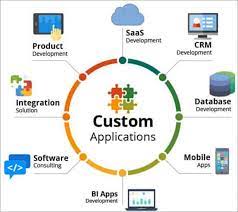
In today’s rapidly evolving digital landscape, businesses are increasingly turning to custom software development services to meet their unique needs and stay ahead of the competition. Unlike off-the-shelf solutions, custom software is tailored specifically to address the individual requirements of a business, offering a range of benefits that can drive growth and efficiency.

Personalized Solutions

One of the key advantages of custom software development is the ability to create personalized solutions that align perfectly with your business processes and objectives. Off-the-shelf software may not always provide the specific features or functionalities you require, leading to inefficiencies and limitations. Custom software, on the other hand, can be designed to meet your exact specifications, ensuring that it enhances productivity and performance.

Scalability and Flexibility

Custom software is built with scalability in mind, allowing your system to grow and adapt as your business expands. Whether you need to add new features, integrate with other systems, or accommodate increased user loads, custom software can be easily modified to meet changing requirements. This flexibility ensures that your technology infrastructure remains agile and responsive in a dynamic business environment.

Enhanced Security

Security is a top priority for businesses operating in today’s digital landscape. Custom software development services enable you to implement robust security measures tailored to your specific needs. By incorporating advanced encryption protocols, access controls, and monitoring capabilities into your custom software solution, you can protect sensitive data and mitigate cybersecurity risks effectively.

Competitive Advantage

Custom software can give your business a competitive edge by providing unique capabilities that differentiate you from competitors. By leveraging customized features and functionalities that align with your strategic goals, you can enhance customer experiences, streamline operations, and drive innovation within your industry. This differentiation can help you attract new customers, retain existing ones, and position your business as a leader in the market.

Conclusion

Custom software development services offer businesses a powerful tool for achieving their digital transformation goals and driving success in today’s competitive landscape. By investing in customized solutions that address their specific needs and objectives, businesses can unlock new opportunities for growth, efficiency, and innovation.


6 Essential Tips for Successful Custom Software Development Services

  1. Clearly define your requirements and objectives before starting the custom software development process.
  2. Choose a reputable and experienced software development company with a proven track record.
  3. Communicate regularly with the development team to ensure alignment and address any issues promptly.
  4. Prioritize security measures to protect sensitive data and maintain compliance with regulations.
  5. Allocate sufficient time and resources for thorough testing to identify and resolve any bugs or issues.
  6. Plan for future scalability by designing the custom software with flexibility to accommodate growth and changes.

Clearly define your requirements and objectives before starting the custom software development process.

It is crucial to clearly define your requirements and objectives before embarking on the custom software development process. By establishing a clear understanding of what you aim to achieve and the functionalities you need, you can ensure that the resulting software solution aligns perfectly with your business goals. This initial step lays the foundation for a successful development process, enabling developers to create a tailored solution that meets your specific needs and delivers tangible benefits to your organization.

Choose a reputable and experienced software development company with a proven track record.

When seeking custom software development services, it is crucial to select a reputable and experienced software development company with a proven track record. By choosing a company that has demonstrated expertise and success in delivering tailored software solutions, you can ensure that your project is in capable hands. A reputable firm will have the necessary skills, resources, and industry knowledge to understand your unique requirements and develop a high-quality custom software solution that aligns with your business goals. Trusting your project to an experienced company can provide peace of mind and increase the likelihood of a successful outcome.

Communicate regularly with the development team to ensure alignment and address any issues promptly.

Regular communication with the development team is crucial when engaging in custom software development services. By maintaining open and consistent dialogue, businesses can ensure that the project stays on track and that any potential issues are addressed promptly. Clear communication helps to maintain alignment between stakeholders and developers, enabling a collaborative approach to problem-solving and decision-making throughout the development process. This proactive communication strategy fosters transparency, enhances efficiency, and ultimately leads to the successful delivery of a tailored software solution that meets the client’s unique requirements.

Prioritize security measures to protect sensitive data and maintain compliance with regulations.

When investing in custom software development services, it is crucial to prioritize security measures to safeguard sensitive data and ensure compliance with regulations. By implementing robust security protocols, such as encryption, access controls, and monitoring systems, businesses can protect their valuable information from unauthorized access and cyber threats. Maintaining compliance with industry regulations not only helps in avoiding legal repercussions but also builds trust with customers by demonstrating a commitment to data protection and privacy. By making security a top priority in custom software development, businesses can create a secure and reliable technology infrastructure that instills confidence among stakeholders.

Allocate sufficient time and resources for thorough testing to identify and resolve any bugs or issues.

To ensure the success of custom software development services, it is essential to allocate sufficient time and resources for thorough testing. By conducting comprehensive testing procedures, businesses can identify and resolve any bugs or issues that may arise during the development process. This proactive approach not only helps in delivering a high-quality and reliable software solution but also minimizes the risk of potential disruptions or malfunctions post-implementation. Investing in rigorous testing ultimately leads to a more robust and efficient custom software product that meets the specific needs and expectations of the business.

Plan for future scalability by designing the custom software with flexibility to accommodate growth and changes.

When embarking on custom software development services, it is crucial to plan for future scalability by designing the software with flexibility to accommodate growth and changes. By anticipating the evolving needs of your business and allowing room for expansion within the software architecture, you can ensure that your technology infrastructure remains adaptable and responsive as your business grows. This proactive approach not only enhances the longevity of your custom software solution but also positions your business for continued success in a dynamic and competitive environment.

software development services

Empowering Business Growth Through Software Development Services

Article: Software Development Services

The Importance of Software Development Services

In today’s digital age, software development services play a crucial role in helping businesses stay competitive and meet the evolving needs of their customers. From custom applications to complex systems integration, software development services encompass a wide range of solutions tailored to enhance efficiency, productivity, and innovation.

Customized Solutions

One of the key benefits of software development services is the ability to create customized solutions that address specific business requirements. Whether it’s developing a mobile app for better customer engagement or implementing an enterprise resource planning (ERP) system for streamlined operations, custom software solutions can provide a competitive edge by aligning technology with business goals.

Enhanced Efficiency

By leveraging software development services, organizations can streamline processes, automate repetitive tasks, and improve overall efficiency. Custom software solutions can eliminate manual errors, reduce operational costs, and optimize workflows to ensure smooth business operations.

Scalability and Flexibility

Software development services enable businesses to scale their applications as they grow and adapt to changing market demands. Whether it’s adding new features, integrating third-party systems, or expanding user capabilities, custom software solutions offer scalability and flexibility to support business growth.

Competitive Advantage

In a competitive marketplace, having unique software solutions can set businesses apart from their competitors. Software development services allow organizations to innovate faster, deliver superior user experiences, and respond swiftly to market changes – all essential factors in gaining a competitive advantage.

Conclusion

Software development services are essential for modern businesses looking to harness the power of technology to drive growth and success. By investing in custom software solutions tailored to their specific needs, organizations can unlock new opportunities, improve operational efficiency, and achieve sustainable competitive advantage in today’s dynamic business landscape.


Top 7 Frequently Asked Questions About Software Development Services

  1. What is software development?
  2. Why are software development services important for businesses?
  3. What are the key benefits of custom software development?
  4. How can software development services enhance operational efficiency?
  5. What factors should businesses consider when choosing a software development service provider?
  6. How long does it take to develop custom software?
  7. What is the cost of hiring a software development service?

What is software development?

Software development is the process of designing, creating, testing, and maintaining software applications or systems to meet specific business or user requirements. It involves a systematic approach to building software solutions using programming languages, frameworks, and tools. Software development encompasses various stages, including planning, coding, testing, and deployment, with the goal of delivering high-quality and functional software products. This iterative process allows developers to collaborate with stakeholders, gather feedback, and make continuous improvements to ensure that the final software meets the desired objectives and provides value to its users.

Why are software development services important for businesses?

Software development services are crucial for businesses due to their ability to provide tailored solutions that address specific needs and challenges faced by organizations. By leveraging custom software solutions, businesses can enhance operational efficiency, streamline processes, and optimize workflows to achieve greater productivity and cost-effectiveness. Moreover, software development services enable businesses to stay competitive in a rapidly evolving digital landscape by fostering innovation, improving customer experiences, and adapting to changing market demands. Ultimately, investing in software development services empowers businesses to unlock new opportunities, drive growth, and maintain a strategic edge in today’s dynamic business environment.

What are the key benefits of custom software development?

Custom software development offers a myriad of key benefits that cater specifically to the unique requirements of businesses. One significant advantage is the ability to create tailored solutions that align perfectly with the organization’s goals and processes. Custom software enhances operational efficiency by streamlining workflows, automating tasks, and reducing errors. Moreover, it provides scalability and flexibility, allowing businesses to adapt and grow without limitations. By investing in custom software development, companies gain a competitive edge through innovation, improved user experiences, and rapid response to market changes.

How can software development services enhance operational efficiency?

Software development services can enhance operational efficiency by creating tailored software solutions that streamline processes, automate tasks, and optimize workflows. Custom software applications are designed to meet the specific needs of a business, eliminating manual errors and reducing time-consuming tasks. By implementing software solutions that integrate seamlessly with existing systems and technologies, organizations can improve data accuracy, enhance communication among departments, and increase overall productivity. Additionally, software development services enable businesses to scale their operations efficiently, adapt to changing requirements, and stay ahead of the competition in a rapidly evolving digital landscape.

What factors should businesses consider when choosing a software development service provider?

When selecting a software development service provider, businesses should carefully consider several key factors to ensure a successful partnership. Firstly, evaluating the provider’s expertise and experience in relevant technologies and industries is vital to guarantee that they can deliver tailored solutions that meet specific business requirements. Additionally, examining the provider’s track record, client testimonials, and case studies can offer insights into their past performance and reliability. Transparency in communication, adherence to deadlines, scalability of services, and data security measures are also crucial considerations for businesses seeking a software development partner. By thoroughly assessing these factors, businesses can make informed decisions and choose a service provider that aligns with their goals and values.

How long does it take to develop custom software?

The timeline for developing custom software can vary significantly depending on various factors such as project complexity, scope, requirements, and resources allocated. In general, the development of custom software typically involves several stages including planning, design, development, testing, and deployment. While simpler projects may take a few weeks to a couple of months to complete, more complex projects with advanced features or integrations could take several months or even a year to develop. It is crucial for businesses to work closely with their software development service provider to establish clear timelines and milestones to ensure timely delivery while maintaining quality and meeting project objectives.

What is the cost of hiring a software development service?

When considering the cost of hiring a software development service, it is important to understand that pricing can vary significantly based on various factors such as the complexity of the project, the scope of work involved, the level of customization required, and the expertise of the development team. Typically, software development services offer different pricing models including hourly rates, fixed project fees, or retainer agreements. It is advisable for businesses to discuss their specific requirements with potential service providers to get a detailed quote tailored to their needs and budget constraints. Ultimately, investing in a reputable software development service can yield long-term benefits by delivering high-quality solutions that align with business objectives and drive growth.

solutions

Unlocking Success: Empowering Through Innovative Solutions

The Power of Solutions

The Power of Solutions

In today’s fast-paced world, problems and challenges are inevitable. Whether you are a business facing operational hurdles or an individual seeking personal growth, the key to overcoming obstacles lies in finding the right solutions.

What Are Solutions?

Solutions are answers or methods that effectively resolve issues or improve existing situations. They can come in various forms, such as technological innovations, strategic plans, creative ideas, or simply a shift in perspective.

The Importance of Finding Solutions

Without solutions, problems can persist and hinder progress. Finding effective solutions not only addresses immediate concerns but also paves the way for long-term success and growth. It empowers individuals and organizations to adapt, evolve, and thrive in a dynamic environment.

Types of Solutions

There are different types of solutions tailored to specific needs:

  • Technical Solutions: Utilizing technology to streamline processes and enhance efficiency.
  • Strategic Solutions: Developing plans and tactics to achieve goals and overcome challenges.
  • Creative Solutions: Thinking outside the box to generate innovative ideas and approaches.
  • Personal Solutions: Implementing changes in behavior or mindset to address personal issues and achieve personal growth.

The Process of Finding Solutions

Finding the right solution involves critical thinking, problem-solving skills, collaboration, and perseverance. It requires identifying the root cause of a problem, exploring various options, evaluating their feasibility and impact, and implementing the most effective course of action.

The Impact of Effective Solutions

Effective solutions have the power to transform challenges into opportunities. They can optimize processes, enhance productivity, foster innovation, improve quality of life, and drive success. By embracing solutions-oriented thinking, individuals and organizations can navigate obstacles with confidence and resilience.

In conclusion, solutions are not just answers; they are catalysts for positive change and growth. Embracing a solution-focused mindset empowers us to face challenges head-on and unlock our full potential. Remember: where there is a problem, there is also a solution waiting to be discovered.


9 Essential Tips for Effective Problem Solving and Solutions

  1. Identify the root cause of the problem before seeking a solution.
  2. Brainstorm multiple possible solutions to increase chances of success.
  3. Consider both short-term and long-term implications of each solution.
  4. Consult with others for different perspectives and insights on potential solutions.
  5. Prioritize solutions based on feasibility, impact, and resources required.
  6. Create an action plan outlining steps needed to implement the chosen solution.
  7. Monitor progress closely and be prepared to adjust the solution if needed.
  8. Celebrate successes and learn from failures to improve future problem-solving efforts.
  9. Continuously seek feedback to refine solutions and enhance problem-solving skills.

Identify the root cause of the problem before seeking a solution.

To effectively address a problem, it is crucial to first identify its root cause before seeking a solution. By pinpointing the underlying issue that is causing the problem, we can develop targeted and sustainable solutions that address the core of the issue rather than just its symptoms. This approach not only leads to more effective problem-solving but also helps prevent recurring challenges in the future. Understanding the root cause is like treating the source of an ailment rather than just alleviating its symptoms, leading to long-lasting and impactful solutions.

Brainstorm multiple possible solutions to increase chances of success.

When tackling a problem, it is essential to brainstorm multiple possible solutions as it can significantly increase the chances of success. By exploring various options and considering different perspectives, individuals and teams can uncover innovative approaches and find the most effective way to address the issue at hand. This approach not only enhances creativity but also allows for thorough evaluation and selection of the best solution, leading to more successful outcomes in problem-solving endeavors.

Consider both short-term and long-term implications of each solution.

When evaluating solutions, it is crucial to consider both the short-term and long-term implications of each option. While a quick fix may address immediate concerns, it is essential to assess how sustainable and beneficial the solution will be in the long run. Taking into account the potential consequences and outcomes over time helps in making informed decisions that not only resolve current issues but also contribute to long-lasting success and growth. By weighing both short-term gains and long-term impacts, individuals and organizations can choose solutions that align with their goals and values for a more sustainable future.

Consult with others for different perspectives and insights on potential solutions.

Consulting with others for different perspectives and insights on potential solutions can be invaluable in problem-solving. By seeking input from diverse sources, you open yourself up to fresh ideas, alternative viewpoints, and innovative approaches that you may not have considered on your own. Collaborating with others not only enriches the decision-making process but also fosters a sense of teamwork and collective ownership of the solution. Embracing this tip can lead to more comprehensive and effective outcomes by leveraging the collective wisdom and expertise of a group.

Prioritize solutions based on feasibility, impact, and resources required.

When tackling challenges, it is crucial to prioritize solutions based on their feasibility, impact, and the resources they require. By assessing the practicality of each solution, evaluating its potential impact on addressing the issue at hand, and considering the resources needed for implementation, individuals and organizations can make informed decisions that lead to effective problem resolution. This strategic approach ensures that efforts are focused on solutions that offer the greatest benefits while optimizing resource allocation for optimal outcomes.

Create an action plan outlining steps needed to implement the chosen solution.

Creating an action plan outlining the steps needed to implement the chosen solution is a crucial aspect of problem-solving. This strategic approach helps to break down the solution into manageable tasks, assign responsibilities, set timelines, and track progress effectively. By having a clear roadmap in place, individuals and organizations can ensure that the chosen solution is implemented efficiently and successfully. The action plan serves as a guide that keeps everyone aligned and focused on achieving the desired outcome, turning ideas into tangible results.

Monitor progress closely and be prepared to adjust the solution if needed.

Monitoring progress closely and being prepared to adjust the solution if needed are essential components of effective problem-solving. By staying vigilant and regularly assessing the outcomes of implemented solutions, individuals and organizations can identify any deviations from the desired results and make timely adjustments. This proactive approach not only ensures that the solution remains aligned with the initial goals but also allows for flexibility and adaptation in response to changing circumstances. Embracing a mindset of continuous improvement through monitoring and adjustment ultimately leads to more sustainable and successful outcomes in overcoming challenges.

Celebrate successes and learn from failures to improve future problem-solving efforts.

Celebrating successes and learning from failures are essential components of enhancing future problem-solving efforts. By acknowledging and appreciating achievements, individuals and teams can boost morale, motivation, and confidence, creating a positive environment for continued success. Similarly, analyzing failures provides valuable insights into what went wrong, enabling adjustments and improvements in problem-solving strategies. Embracing both success and failure as learning opportunities fosters a culture of continuous growth and development, ultimately leading to more effective solutions in the future.

Continuously seek feedback to refine solutions and enhance problem-solving skills.

Continuously seeking feedback is a valuable tip for refining solutions and improving problem-solving skills. By actively soliciting input from others, whether colleagues, clients, or mentors, individuals can gain fresh perspectives and identify areas for improvement in their solutions. This feedback loop not only enhances the effectiveness of current solutions but also contributes to the development of stronger problem-solving abilities over time. Embracing feedback as a tool for growth fosters a culture of continuous learning and innovation, ultimately leading to more robust and impactful outcomes.

services

Unlocking Success: Elevating Your Business with Exceptional Services

The Importance of Quality Services in Today’s Business World

In today’s highly competitive business environment, providing quality services to customers has become more crucial than ever. Businesses that prioritize delivering exceptional services not only attract and retain loyal customers but also gain a competitive edge in the market.

Building Customer Trust and Loyalty

One of the key benefits of offering top-notch services is building trust and loyalty with customers. When customers receive reliable, efficient, and personalized services, they are more likely to develop a strong bond with the business. This trust leads to repeat business, positive word-of-mouth referrals, and long-term customer relationships.

Enhancing Customer Satisfaction

Quality services are directly linked to customer satisfaction. When businesses go above and beyond to meet customer needs and expectations, it results in satisfied customers who are more likely to return for future purchases. Happy customers are also more inclined to leave positive reviews and recommendations, further enhancing the business’s reputation.

Competitive Advantage

In a crowded marketplace, businesses that distinguish themselves through superior services gain a significant competitive advantage. Customers are willing to pay a premium for exceptional service experiences, giving businesses an opportunity to differentiate themselves from competitors and stand out in the market.

Driving Business Growth

Quality services play a vital role in driving business growth. Satisfied customers not only become repeat buyers but also act as brand ambassadors who promote the business to others. By consistently delivering high-quality services, businesses can expand their customer base, increase revenue, and achieve sustainable growth over time.

Continuous Improvement

To maintain high standards of service quality, businesses must be committed to continuous improvement. This involves gathering feedback from customers, analyzing performance metrics, and identifying areas for enhancement. By investing in employee training, adopting new technologies, and refining processes, businesses can ensure that their services remain top-notch in a rapidly evolving market.

Conclusion

In conclusion, quality services are essential for success in today’s business landscape. By prioritizing customer satisfaction, building trust and loyalty, gaining a competitive advantage, driving growth, and embracing continuous improvement, businesses can create lasting value for both their customers and themselves.


9 Essential Tips for Delivering Exceptional Services

  1. Provide excellent customer service.
  2. Be responsive to customer inquiries and feedback.
  3. Offer a variety of services to meet different needs.
  4. Ensure your services are easy to access and use.
  5. Communicate clearly about the services you offer.
  6. Train your staff to deliver high-quality services.
  7. Regularly evaluate and improve your services based on feedback.
  8. Be transparent about pricing and any potential limitations of your services.
  9. Build trust with customers by consistently delivering on your promises.

Provide excellent customer service.

Providing excellent customer service is paramount in establishing a strong rapport with clients. By offering attentive, personalized assistance and addressing customer needs promptly and effectively, businesses can enhance customer satisfaction and loyalty. Excellent customer service not only fosters positive relationships with clients but also sets businesses apart from competitors, ultimately leading to increased customer retention and advocacy. Prioritizing exceptional customer service demonstrates a commitment to meeting and exceeding customer expectations, laying a solid foundation for long-term success in any industry.

Be responsive to customer inquiries and feedback.

Being responsive to customer inquiries and feedback is a critical aspect of providing excellent services. By promptly addressing customer questions, concerns, and suggestions, businesses demonstrate their commitment to customer satisfaction and show that they value their customers’ opinions. This responsiveness not only helps build trust and loyalty but also allows businesses to identify areas for improvement and make necessary adjustments to enhance the overall service experience. Prioritizing timely and attentive responses to customer inquiries can lead to increased customer satisfaction, positive word-of-mouth referrals, and long-term success in today’s competitive business landscape.

Offer a variety of services to meet different needs.

To effectively cater to a diverse range of customer needs, businesses should consider offering a variety of services. By providing a comprehensive selection of services, businesses can ensure that they meet the unique requirements and preferences of different customers. This approach not only enhances customer satisfaction but also demonstrates flexibility and adaptability, enabling businesses to attract a broader audience and establish themselves as versatile service providers in the market.

Ensure your services are easy to access and use.

To maximize the effectiveness of your services, it is crucial to ensure that they are easily accessible and user-friendly. By streamlining the process for customers to access and utilize your services, you can enhance their overall experience and satisfaction. Simplifying navigation, providing clear instructions, and offering intuitive interfaces can make a significant difference in how customers perceive and interact with your services. Remember, convenience is key in today’s fast-paced world, so prioritizing accessibility and ease of use can set your business apart and foster long-term customer relationships.

Communicate clearly about the services you offer.

Clear communication about the services you offer is crucial for ensuring that customers understand the value and benefits they can expect. By providing detailed and transparent information about your services, you can set clear expectations, address any potential questions or concerns, and ultimately build trust with your customers. Clear communication also helps to showcase your expertise and professionalism, making it easier for customers to make informed decisions about engaging with your business.

Train your staff to deliver high-quality services.

Training your staff to deliver high-quality services is a crucial investment in the success of your business. By providing comprehensive training programs, you empower your employees with the knowledge, skills, and tools they need to exceed customer expectations. Well-trained staff members not only enhance the overall customer experience but also contribute to building a positive reputation for your business. Consistent training ensures that your team stays updated on industry best practices and remains aligned with your service standards, ultimately leading to increased customer satisfaction and loyalty.

Regularly evaluate and improve your services based on feedback.

Regularly evaluating and improving your services based on feedback is a crucial practice for any business looking to thrive in a competitive market. By actively seeking input from customers and analyzing their feedback, you can gain valuable insights into areas where your services excel and where there is room for enhancement. This proactive approach not only demonstrates your commitment to meeting customer needs but also allows you to adapt and evolve in response to changing preferences and expectations. Continuous improvement based on feedback ensures that your services remain relevant, effective, and aligned with customer satisfaction, ultimately leading to long-term success and growth for your business.

Be transparent about pricing and any potential limitations of your services.

It is crucial for businesses to be transparent about pricing and any potential limitations of their services. By clearly communicating pricing structures and outlining any constraints or restrictions, businesses establish trust with customers and avoid misunderstandings. Transparency fosters a sense of honesty and integrity, demonstrating a commitment to providing reliable and upfront information to clients. This approach not only helps manage customer expectations but also contributes to building long-lasting relationships based on mutual respect and clarity.

Build trust with customers by consistently delivering on your promises.

Building trust with customers is paramount in establishing long-lasting relationships and loyalty. One effective way to achieve this is by consistently delivering on your promises. When businesses uphold their commitments and consistently meet or exceed customer expectations, it fosters a sense of reliability and dependability. By demonstrating integrity and reliability in service delivery, businesses can instill confidence in their customers, ultimately strengthening trust and solidifying their reputation as a trustworthy partner.