cfchris.com

Loading

java development kit

Mastering Java Development Kit: Essential Tools for Java Programmers

The Java Development Kit (JDK): Everything You Need to Know

The Java Development Kit (JDK): Everything You Need to Know

Java is a popular programming language used for developing a wide range of applications, from simple desktop tools to complex enterprise systems. At the core of Java development is the Java Development Kit (JDK), a crucial set of tools that every Java developer needs to have.

What is the JDK?

The JDK is a software development kit that provides all the necessary tools and libraries for developing Java applications. It includes the Java Runtime Environment (JRE), which is required for running Java programs, as well as development tools such as the Java compiler, debugger, and other utilities.

Key Components of the JDK

Some of the key components of the JDK include:

  • Java Compiler: The javac compiler converts Java source code into bytecode that can be executed by the JVM.
  • Java Virtual Machine (JVM): The JVM is responsible for executing Java bytecode on different platforms.
  • Java Class Library: A collection of pre-written classes and interfaces that provide core functionality for Java applications.
  • Development Tools: Tools like Javadoc for generating API documentation, JAR for packaging applications, and more.

Why Use the JDK?

The JDK is essential for Java developers because it provides everything needed to write, compile, debug, and run Java applications. By using the JDK, developers can ensure that their code is compatible with different platforms and environments thanks to the JVM’s portability.

Getting Started with the JDK

To start using the JDK, developers can download it from Oracle’s website or other authorized sources. Installation instructions are typically provided with the download package, making it easy to set up and start developing in Java.

Conclusion

The JDK plays a vital role in Java development by providing developers with all the necessary tools and libraries to create powerful and scalable applications. Whether you are a beginner or an experienced developer, having a solid understanding of the JDK is essential for success in Java programming.


8 Key Advantages of the Java Development Kit for Developers

  1. Comprehensive set of tools for Java development
  2. Includes the Java compiler for converting source code to bytecode
  3. Provides a rich collection of libraries for building robust applications
  4. Cross-platform compatibility with the Java Virtual Machine (JVM)
  5. Supports object-oriented programming principles
  6. Integrated development environment (IDE) support for coding convenience
  7. Regular updates and improvements from Oracle and the Java community
  8. Extensive documentation and resources available online for learning and troubleshooting


Challenges of the Java Development Kit: Size, Complexity, Resource Demands, and Compatibility Issues

  1. Large Size
  2. Complexity
  3. Resource Intensive
  4. Updates and Compatibility

Comprehensive set of tools for Java development

The Java Development Kit (JDK) stands out for its comprehensive set of tools tailored for Java development. From the Java compiler to debugging utilities and class libraries, the JDK equips developers with everything they need to efficiently write, compile, and debug Java applications. This extensive toolkit not only streamlines the development process but also ensures that developers have access to a wide array of resources to tackle various aspects of Java programming effectively.

Includes the Java compiler for converting source code to bytecode

The Java Development Kit (JDK) offers a significant advantage by including the Java compiler, a crucial tool for converting source code into bytecode. This feature simplifies the development process for Java programmers, allowing them to write code in a human-readable format and then compile it into bytecode that can be executed by the Java Virtual Machine (JVM). By bundling the compiler with the JDK, developers can seamlessly transition from writing code to testing and running their applications without the need for additional tools or configurations.

Provides a rich collection of libraries for building robust applications

The Java Development Kit (JDK) stands out for its ability to provide a rich collection of libraries that empower developers to build robust applications with ease. These libraries offer a wide range of pre-written classes and interfaces that cover various functionalities, saving developers time and effort in coding from scratch. By leveraging the extensive library support within the JDK, developers can enhance the functionality and performance of their applications while ensuring scalability and reliability in their software projects.

Cross-platform compatibility with the Java Virtual Machine (JVM)

The Java Development Kit (JDK) offers a significant advantage with its cross-platform compatibility through the Java Virtual Machine (JVM). This feature allows Java applications to run on various operating systems without the need for recompilation, ensuring seamless deployment across different platforms. By leveraging the JVM, developers can write code once and have it executed on Windows, macOS, Linux, and other supported environments, making Java a versatile choice for creating applications that reach a wide audience.

Supports object-oriented programming principles

Java Development Kit (JDK) offers a significant advantage by supporting object-oriented programming principles. Object-oriented programming allows developers to organize code into reusable and modular components, enhancing code readability, maintainability, and scalability. With the JDK’s support for object-oriented programming, developers can easily create complex applications by leveraging concepts such as classes, objects, inheritance, and polymorphism, leading to more efficient and robust software development processes.

Integrated development environment (IDE) support for coding convenience

The Java Development Kit (JDK) offers integrated development environment (IDE) support, providing developers with a user-friendly platform for coding convenience. With IDE tools tailored for Java development, programmers can benefit from features like code completion, syntax highlighting, debugging capabilities, and project management tools. This support streamlines the coding process, enhances productivity, and helps developers write high-quality Java applications efficiently.

Regular updates and improvements from Oracle and the Java community

Regular updates and improvements from Oracle and the Java community ensure that the Java Development Kit (JDK) remains a cutting-edge tool for developers. By staying current with the latest advancements, developers can benefit from enhanced performance, security patches, and new features that help streamline their development process and keep their applications up-to-date with industry standards. This commitment to continuous improvement demonstrates the dedication of both Oracle and the Java community to support developers in creating robust and innovative Java applications.

Extensive documentation and resources available online for learning and troubleshooting

Java Development Kit (JDK) offers a significant advantage with its extensive documentation and abundant online resources available for learning and troubleshooting. Whether you are a novice Java developer looking to grasp the basics or an experienced programmer seeking solutions to complex issues, the wealth of online materials ensures that you have the support and guidance needed to enhance your Java development skills effectively. The comprehensive documentation and resources associated with JDK empower developers to overcome challenges, explore new features, and continuously improve their proficiency in Java programming.

Large Size

The Java Development Kit (JDK) has a notable downside in its large size, which can demand a considerable amount of storage space on your system. Due to its extensive collection of tools, libraries, and resources, the JDK’s size may pose a challenge for users with limited storage capacity, potentially impacting the availability of space for other applications or files on the system. This aspect of the JDK’s size underscores the importance of considering storage requirements when installing and using this development kit for Java programming projects.

Complexity

Java development using the JDK can present a significant challenge in terms of complexity, particularly for beginners. The extensive toolset provided by the JDK can be overwhelming for those new to Java programming, making it difficult to grasp all the functionalities and how they interact. Navigating through the various tools and libraries within the JDK may require a steep learning curve, potentially slowing down the development process and causing frustration for inexperienced developers.

Resource Intensive

One significant drawback of using the Java Development Kit (JDK) is its resource-intensive nature. Running Java applications developed with the JDK may demand higher system resources compared to applications built with other programming languages. This increased resource requirement can lead to higher memory consumption and slower performance on devices with limited capabilities, potentially affecting the overall efficiency and responsiveness of the application.

Updates and Compatibility

Keeping up with JDK updates and ensuring compatibility with different versions can be challenging for Java developers. As new updates are released regularly to enhance performance, security, and features, developers need to stay vigilant in updating their development environments and ensuring that their code remains compatible with the latest JDK versions. This process can be time-consuming and may require adjustments to existing codebases to avoid potential compatibility issues. Additionally, managing dependencies and third-party libraries to align with JDK updates adds another layer of complexity to the development process.

learn java

Master Java Programming: Learn Java Like a Pro

Learn Java: A Comprehensive Guide

Learn Java: A Comprehensive Guide

Java is a versatile and widely-used programming language that powers countless applications, from mobile apps to enterprise software. Whether you are a beginner or an experienced developer looking to expand your skills, learning Java can open up a world of opportunities for you.

Why Learn Java?

Java is known for its platform independence, meaning that once you write a Java program, it can run on any device that has a Java Virtual Machine (JVM). This makes Java a popular choice for developing cross-platform applications.

In addition, Java’s robust libraries and frameworks make it easier to build complex applications efficiently. Its strong community support and vast resources also make learning Java more accessible and enjoyable.

Getting Started with Java

If you are new to programming, don’t worry! Java’s syntax is relatively easy to learn compared to other languages. You can start by installing the Java Development Kit (JDK) on your computer and using an Integrated Development Environment (IDE) like Eclipse or IntelliJ IDEA to write and run your code.

Begin with the basics, such as variables, data types, loops, and conditional statements. As you progress, dive into object-oriented programming concepts like classes, objects, inheritance, and polymorphism.

Advanced Topics in Java

Once you have a solid understanding of the fundamentals, you can explore more advanced topics in Java like multithreading, exception handling, database connectivity using JDBC, GUI programming with Swing or JavaFX, and web development with frameworks like Spring or Hibernate.

Practice Makes Perfect

To truly master Java programming, practice is key. Challenge yourself with coding exercises on platforms like LeetCode or HackerRank. Build small projects to apply what you have learned and gain hands-on experience working with real-world problems.

Conclusion

Learning Java can be a rewarding journey that opens up endless possibilities in the world of software development. Whether you aspire to be a mobile app developer, web developer, or software engineer, mastering Java will equip you with the skills needed to succeed in today’s tech-driven world.


Top 8 FAQs About Learning Java: A Guide for Beginners

  1. What is Java and why should I learn it?
  2. Is Java difficult to learn for beginners?
  3. What are the basic concepts I need to understand in Java?
  4. How can I start learning Java programming?
  5. Are there any recommended resources or tutorials for learning Java?
  6. What are the key features of Java that make it a popular programming language?
  7. Can I become a successful programmer by learning Java?
  8. What career opportunities are available for those who know Java?

What is Java and why should I learn it?

Java is a versatile and powerful programming language that is widely used in various domains, from mobile app development to enterprise software solutions. Learning Java is beneficial for several reasons. Firstly, Java’s platform independence allows programs to run on any device with a Java Virtual Machine (JVM), making it ideal for cross-platform development. Additionally, Java’s extensive libraries and frameworks simplify the process of building complex applications. Its strong community support and vast resources also make it an accessible language for beginners and experienced developers alike. Overall, mastering Java opens up a world of opportunities in the tech industry and equips you with valuable skills that are in high demand.

Is Java difficult to learn for beginners?

For beginners, learning Java may seem challenging at first due to its syntax and object-oriented programming concepts. However, with dedication and practice, Java can become more manageable to grasp. Many resources, tutorials, and online courses are available to help beginners understand Java effectively. Breaking down the learning process into smaller steps and focusing on practical applications can make learning Java less intimidating for newcomers. Ultimately, while Java may present some initial hurdles, the rewards of mastering this versatile language are well worth the effort for aspiring programmers.

What are the basic concepts I need to understand in Java?

To effectively learn Java, it is essential to grasp the basic concepts that form the foundation of the language. Understanding fundamental concepts such as variables, data types, control structures (like loops and conditional statements), methods, classes, and objects is crucial. Object-oriented programming principles like inheritance, encapsulation, polymorphism, and abstraction are also key components to comprehend. By mastering these core concepts, learners can build a strong understanding of Java programming and pave the way for more advanced topics in software development.

How can I start learning Java programming?

To start learning Java programming, it is recommended to begin by installing the Java Development Kit (JDK) on your computer and selecting an Integrated Development Environment (IDE) such as Eclipse or IntelliJ IDEA. Familiarize yourself with basic concepts like variables, data types, loops, and conditional statements. Utilize online resources, tutorials, and practice exercises to reinforce your understanding. As you progress, delve into object-oriented programming principles and gradually explore more advanced topics in Java to enhance your skills and knowledge. Remember that consistent practice and hands-on experience are key to mastering Java programming effectively.

When it comes to learning Java, one of the most frequently asked questions is about recommended resources or tutorials. There are numerous high-quality resources available for beginners and experienced developers alike. Online platforms like Codecademy, Udemy, and Coursera offer comprehensive Java courses with interactive lessons and hands-on projects. Additionally, websites like Oracle’s Java Tutorials, Baeldung, and Java Code Geeks provide in-depth articles, tutorials, and code examples to help learners enhance their Java skills. Books such as “Head First Java” by Kathy Sierra and Bert Bates or “Effective Java” by Joshua Bloch are also highly recommended for those looking to deepen their understanding of the language. With a wealth of resources at your disposal, embarking on your journey to learn Java has never been more accessible and rewarding.

Java’s popularity as a programming language can be attributed to its key features that set it apart from others. One of the main reasons for Java’s widespread adoption is its platform independence, allowing developers to write code once and run it on any device with a Java Virtual Machine (JVM). Additionally, Java’s robust standard library and extensive ecosystem of frameworks simplify the development process, making it easier to build complex applications efficiently. Its strong emphasis on security, scalability, and performance further solidify Java’s position as a top choice for a wide range of applications across different industries.

Can I become a successful programmer by learning Java?

Many aspiring programmers wonder if learning Java can lead them to success in the field. The answer is a resounding yes. Java is a powerful and versatile programming language widely used in various domains, making it a valuable skill to possess. By mastering Java, you not only gain proficiency in a popular language but also develop problem-solving abilities and a strong foundation in object-oriented programming. With dedication, practice, and continuous learning, becoming a successful programmer through Java is not only achievable but also opens up numerous opportunities in the ever-evolving tech industry.

What career opportunities are available for those who know Java?

Java is a highly sought-after programming language in the tech industry, offering a wide range of career opportunities for those who master it. Professionals proficient in Java can explore roles such as Java developer, software engineer, web developer, mobile app developer, system architect, and more. With Java’s versatility and widespread use in various domains like finance, healthcare, e-commerce, and gaming, individuals skilled in Java have the advantage of pursuing diverse career paths and securing rewarding positions in the ever-evolving field of technology.

javascript tutorial

Mastering JavaScript: A Comprehensive Tutorial for Beginners

JavaScript Tutorial

JavaScript Tutorial: A Beginner’s Guide

JavaScript is a powerful programming language that is widely used for creating dynamic and interactive web pages. Whether you are a beginner or have some experience with coding, this tutorial will help you understand the basics of JavaScript.

What is JavaScript?

JavaScript is a lightweight, interpreted programming language that adds interactivity to web pages. It runs on the client-side, meaning it is executed on the user’s browser rather than the server. JavaScript can be used to create animations, validate forms, manipulate HTML elements, and much more.

Getting Started with JavaScript

To start using JavaScript in your web projects, you can include it directly in your HTML code using the <script> tag. You can also link an external JavaScript file to your HTML document.

Syntax and Features

JavaScript syntax is similar to other programming languages like Java and C. It uses variables, data types, functions, loops, and conditional statements to control the flow of a program. Understanding these basic concepts is essential for writing effective JavaScript code.

Common Use Cases

Some common use cases of JavaScript include form validation, creating interactive maps, image sliders, responsive menus, and much more. With JavaScript’s versatility, the possibilities are endless for enhancing user experience on websites.

Resources for Learning

If you want to dive deeper into JavaScript programming, there are plenty of resources available online such as tutorials, documentation, forums, and online courses. Websites like MDN Web Docs and W3Schools offer comprehensive guides for learning JavaScript from scratch.

Conclusion

JavaScript is an essential skill for web developers looking to create dynamic and engaging websites. By mastering the fundamentals of JavaScript programming, you can unlock endless possibilities for building interactive web applications.

Start your journey with JavaScript today and unleash your creativity in web development!


Essential FAQs for Beginners: Understanding and Learning JavaScript for Web Development

  1. 1. What is JavaScript and why is it important for web development?
  2. 2. How can I start learning JavaScript as a beginner?
  3. 3. What are the key concepts to understand in JavaScript programming?
  4. 4. Are there any recommended resources or tutorials for learning JavaScript?
  5. 5. What are some common use cases of JavaScript in web development?

1. What is JavaScript and why is it important for web development?

JavaScript is a versatile and essential programming language for web development. It is primarily used to add interactivity and dynamic elements to websites, making them more engaging and user-friendly. JavaScript allows developers to create features such as interactive forms, animations, dynamic content updates, and much more. Its importance in web development lies in its ability to enhance the user experience by providing functionality that goes beyond static HTML and CSS. By mastering JavaScript, developers can create modern and responsive websites that cater to the evolving needs of users in the digital age.

2. How can I start learning JavaScript as a beginner?

For beginners looking to start learning JavaScript, there are several recommended steps to take. First, familiarize yourself with basic programming concepts such as variables, data types, loops, and functions. Next, explore online resources like tutorials, interactive coding platforms, and JavaScript documentation to gain a foundational understanding of the language. Practice writing simple scripts and experiment with code examples to reinforce your learning. Additionally, consider enrolling in beginner-friendly JavaScript courses or joining coding communities to seek guidance and support from experienced developers. By taking these initial steps and staying consistent in your learning journey, you can gradually build your skills and confidence in mastering JavaScript programming.

3. What are the key concepts to understand in JavaScript programming?

To excel in JavaScript programming, it is crucial to grasp key concepts such as variables, data types, functions, loops, and conditional statements. Understanding how to manipulate these elements effectively allows developers to control the flow of their programs and create dynamic and interactive web applications. Mastery of these fundamental concepts forms the backbone of JavaScript programming and empowers developers to write efficient and robust code that enhances user experience on websites.

For those seeking to learn JavaScript, there are numerous recommended resources and tutorials available to help you master the language. Websites like MDN Web Docs, W3Schools, Codecademy, and freeCodeCamp offer comprehensive guides and interactive lessons for beginners and advanced learners alike. Additionally, online platforms such as Udemy, Coursera, and Pluralsight provide structured courses taught by industry professionals to deepen your understanding of JavaScript programming concepts. Whether you prefer written tutorials, video lessons, or hands-on coding exercises, these resources offer a wealth of knowledge to support your learning journey in mastering JavaScript.

5. What are some common use cases of JavaScript in web development?

In web development, JavaScript is utilized in various common use cases to enhance user experience and add interactivity to websites. Some of the typical scenarios where JavaScript is employed include form validation to ensure data input accuracy, creating dynamic and interactive maps for better navigation, implementing image sliders for showcasing content in a visually appealing manner, developing responsive menus that adapt to different screen sizes, and enabling real-time updates without needing to reload the entire webpage. JavaScript’s versatility makes it a valuable tool for web developers looking to create engaging and functional websites.

java w3 schools

Unlocking Java Mastery with W3Schools

Exploring Java with W3Schools

Exploring Java with W3Schools

Java is a versatile and powerful programming language that is widely used for developing a variety of applications, from web and mobile apps to enterprise systems. For beginners and experienced developers alike, W3Schools offers a comprehensive resource for learning and mastering Java.

Why Choose W3Schools for Java?

W3Schools provides easy-to-understand tutorials, examples, and exercises that cover all aspects of Java programming. Whether you are just starting out or looking to enhance your skills, W3Schools offers a structured learning path that caters to your needs.

Key Features of W3Schools Java Resources

  • Interactive Java tutorials with live examples
  • Hands-on exercises to practice coding skills
  • Detailed explanations of Java concepts and syntax
  • Reference guides for Java libraries and frameworks
  • Quizzes to test your knowledge and reinforce learning

Benefits of Learning Java with W3Schools

By using W3Schools for learning Java, you can:

  • Gain a solid foundation in Java programming principles
  • Develop real-world applications using Java technologies
  • Stay updated on the latest trends and best practices in Java development
  • Connect with a community of learners and experts for support and collaboration

Start Your Journey with W3Schools Today!

No matter your level of expertise, W3Schools offers the resources you need to excel in Java programming. Dive into the world of Java with confidence and unleash your creativity with the help of W3Schools.

“Java is to JavaScript what Car is to Carpet.” – Chris Heilmann

© 2021 ExploringJavaWithW3Schools.com. All rights reserved.


Essential FAQs for Learning Java on W3Schools

  1. 1. What is Java and why is it important?
  2. 2. How can I start learning Java on W3Schools?
  3. 3. Are the Java tutorials on W3Schools suitable for beginners?
  4. 4. Can I practice coding exercises in Java on W3Schools?
  5. 5. Does W3Schools provide certification or assessments for Java proficiency?
  6. 6. Are there interactive tools available for learning Java concepts on W3Schools?
  7. 7. How can I get help or support while learning Java with W3Schools?

1. What is Java and why is it important?

Java is a versatile and robust programming language that is widely used for developing a variety of applications, ranging from web and mobile apps to enterprise systems. It is important due to its platform independence, which allows Java programs to run on any device that has a Java Virtual Machine (JVM). Java’s object-oriented nature, strong memory management, and rich set of libraries make it a popular choice for building scalable and secure software solutions. Its versatility, performance, and community support have solidified Java’s position as a key player in the world of programming languages.

2. How can I start learning Java on W3Schools?

To start learning Java on W3Schools, beginners can follow a structured approach that includes interactive tutorials, hands-on exercises, and comprehensive explanations of Java concepts and syntax. By navigating to the Java section on the W3Schools website, users can access a wealth of resources designed to help them build a solid foundation in Java programming. Starting with the basics and gradually progressing through more advanced topics, learners can engage with live examples, practice coding skills through exercises, and test their understanding with quizzes. W3Schools provides a user-friendly platform for individuals to kickstart their Java learning journey effectively and efficiently.

3. Are the Java tutorials on W3Schools suitable for beginners?

The Java tutorials available on W3Schools are highly suitable for beginners looking to learn Java programming. These tutorials are designed to be beginner-friendly, providing clear explanations, step-by-step instructions, and interactive examples that make it easy for novices to grasp Java concepts. Whether you are new to programming or transitioning from another language, the structured approach of W3Schools’ Java tutorials ensures that beginners can build a solid foundation and progress at their own pace in mastering Java development.

4. Can I practice coding exercises in Java on W3Schools?

Yes, you can practice coding exercises in Java on W3Schools. W3Schools offers a range of interactive coding exercises specifically designed to help you enhance your Java programming skills. These exercises provide hands-on practice opportunities that allow you to apply the concepts you’ve learned in a practical setting. By engaging with these coding exercises, you can reinforce your understanding of Java syntax, logic, and problem-solving techniques, ultimately improving your proficiency in Java programming.

5. Does W3Schools provide certification or assessments for Java proficiency?

W3Schools does not provide certification or assessments for Java proficiency. While W3Schools offers comprehensive tutorials, examples, and exercises to help users learn Java programming, they do not offer formal certification programs or assessments to test proficiency in Java. Users can utilize the resources provided by W3Schools to enhance their skills and knowledge in Java but will need to seek certification through other avenues if desired.

6. Are there interactive tools available for learning Java concepts on W3Schools?

Yes, W3Schools provides interactive tools that are invaluable for learning Java concepts. These tools allow learners to practice coding in real-time, experiment with different scenarios, and reinforce their understanding of Java programming principles. By engaging with these interactive resources, users can gain hands-on experience and enhance their skills in a dynamic and engaging way. Whether you are a beginner or an experienced developer, the interactive tools on W3Schools offer a practical and effective way to master Java concepts.

7. How can I get help or support while learning Java with W3Schools?

If you ever find yourself needing assistance or support while learning Java with W3Schools, there are several avenues available to you. W3Schools offers a community forum where you can ask questions, seek advice, and engage with fellow learners and experts. Additionally, you can explore the extensive documentation and tutorials on the website to clarify any doubts or confusion you may have. W3Schools prioritizes user support and strives to ensure that learners have access to the resources they need to succeed in their Java learning journey.

Unlocking the Potential: Harnessing the Power of JavaScript Code

The Power of JavaScript Code: Transforming the Web

JavaScript is a versatile and powerful programming language that plays a crucial role in shaping the modern web. From interactive websites to dynamic web applications, JavaScript code empowers developers to create engaging and responsive user experiences.

One of the key strengths of JavaScript lies in its ability to manipulate HTML elements on a webpage. By using JavaScript code, developers can dynamically update content, handle user interactions, and create animations that enhance the overall user experience.

Furthermore, JavaScript is supported by all major web browsers, making it a universal language for web development. This widespread compatibility ensures that JavaScript code can reach a broad audience without any compatibility issues.

Another advantage of JavaScript is its flexibility and scalability. Developers can use JavaScript frameworks and libraries such as React, Angular, or Vue.js to streamline development processes and build complex web applications more efficiently.

Moreover, with the rise of server-side JavaScript platforms like Node.js, developers can now use JavaScript code for both client-side and server-side programming. This full-stack capability allows for seamless integration between frontend and backend systems, resulting in faster and more responsive web applications.

In conclusion, JavaScript code is a powerful tool that continues to drive innovation in web development. Its versatility, compatibility, and scalability make it an essential language for creating dynamic and interactive web experiences. As technology evolves, JavaScript will undoubtedly remain at the forefront of shaping the future of the web.


6 Essential Tips for Writing Clean and Effective JavaScript Code

  1. Always use descriptive variable and function names to improve code readability.
  2. Follow consistent coding conventions, such as indentation and naming conventions, to maintain code consistency.
  3. Use comments to explain complex logic or functionality that may not be immediately clear from the code.
  4. Avoid global variables whenever possible to prevent variable conflicts and maintain a clean scope.
  5. Regularly test your code and use debugging tools to identify and fix errors early in the development process.
  6. Keep up-to-date with best practices and new features in JavaScript to enhance your coding skills.

Always use descriptive variable and function names to improve code readability.

When writing JavaScript code, it is essential to always use descriptive variable and function names to enhance code readability. By choosing meaningful and clear names for variables and functions, developers can easily understand the purpose and functionality of each component within the codebase. This practice not only improves the readability of the code but also makes it more maintainable and easier to debug in the future. Clear and descriptive naming conventions help streamline collaboration among team members and ensure that the code remains comprehensible for both current and future developers working on the project.

Follow consistent coding conventions, such as indentation and naming conventions, to maintain code consistency.

Following consistent coding conventions, such as maintaining proper indentation and adhering to naming conventions, is essential for ensuring code consistency in JavaScript development. Consistent coding practices not only make the code more readable and understandable but also facilitate collaboration among developers working on the same project. By following established conventions, developers can create code that is easier to maintain, debug, and scale. Consistency in coding conventions ultimately leads to improved code quality and efficiency in the development process.

Use comments to explain complex logic or functionality that may not be immediately clear from the code.

Using comments in JavaScript code to explain complex logic or functionality is a best practice that can greatly enhance code readability and maintainability. By providing clear explanations within the code, developers can help themselves and others understand the purpose and reasoning behind intricate algorithms or processes. Comments serve as valuable documentation that can guide future modifications or troubleshooting efforts, ensuring that even complex code remains accessible and comprehensible to all stakeholders involved in the project.

Avoid global variables whenever possible to prevent variable conflicts and maintain a clean scope.

When writing JavaScript code, it is advisable to avoid using global variables as much as possible. Global variables can lead to variable conflicts and make it challenging to maintain a clean scope within your code. By minimizing the use of global variables and instead opting for local variables within functions or modules, developers can reduce the risk of unintended side effects and improve code readability. This practice helps ensure that each variable is contained within its intended scope, promoting better organization and easier debugging in the long run.

Regularly test your code and use debugging tools to identify and fix errors early in the development process.

Regularly testing your JavaScript code and utilizing debugging tools are essential practices to ensure the quality and reliability of your web applications. By conducting thorough testing and actively debugging your code, you can identify and address errors at an early stage of the development process, preventing potential issues from escalating into more significant problems. This proactive approach not only helps in maintaining the functionality of your code but also enhances the overall user experience by delivering a seamless and error-free application.

Keep up-to-date with best practices and new features in JavaScript to enhance your coding skills.

Staying current with best practices and new features in JavaScript is essential for enhancing your coding skills. By keeping up-to-date with the latest trends and techniques in JavaScript development, you can improve the efficiency and quality of your code. Embracing new features allows you to leverage the full potential of the language, leading to more innovative and robust solutions. Continuous learning and adaptation to industry standards ensure that your JavaScript code remains relevant and competitive in an ever-evolving technological landscape.

learn javascript

Unlock Your Potential: Learn JavaScript for Endless Possibilities

Mastering JavaScript: A Beginner’s Guide

Learn JavaScript and Unlock Endless Possibilities

JavaScript is a powerful programming language that has become essential for any aspiring developer. Whether you’re looking to build interactive websites, create web applications, or dive into the world of mobile app development, mastering JavaScript is a crucial step in your journey.

Why Learn JavaScript?

JavaScript is the backbone of modern web development. With JavaScript, you can add dynamic content to your websites, handle user interactions, and create responsive designs that adapt to different devices. As one of the most popular programming languages in the world, learning JavaScript opens up a wide range of opportunities for your career.

Getting Started with JavaScript

If you’re new to programming, don’t worry – JavaScript is beginner-friendly and easy to learn. You can start by understanding the basic syntax and concepts of the language, such as variables, functions, and loops. There are plenty of online resources, tutorials, and courses available to help you get started on your JavaScript journey.

Advanced Topics in JavaScript

Once you’ve grasped the fundamentals of JavaScript, you can explore more advanced topics like object-oriented programming, asynchronous programming with Promises and Async/Await, manipulating the DOM (Document Object Model), working with APIs (Application Programming Interfaces), and building interactive web applications using frameworks like React or Angular.

Practice Makes Perfect

The key to mastering JavaScript is practice. Try building small projects or experimenting with code snippets to solidify your understanding of the language. By continuously challenging yourself and pushing your boundaries, you’ll soon find yourself becoming more comfortable and proficient in writing JavaScript code.

Join the Community

One of the best ways to learn JavaScript is by joining online communities and forums where you can connect with other developers, ask questions, share knowledge, and collaborate on projects. The tech community is vast and supportive – don’t hesitate to reach out for help or guidance along your learning journey.

Conclusion

Learning JavaScript is a rewarding experience that opens up a world of possibilities in the realm of web development. Whether you’re aiming to become a front-end developer, full-stack engineer, or mobile app developer, mastering JavaScript will equip you with the skills needed to succeed in today’s digital landscape.

So what are you waiting for? Dive into the world of JavaScript today and embark on an exciting journey towards becoming a proficient developer!


Top 5 FAQs About Learning JavaScript: Answers to Your Burning Questions

  1. What is JavaScript and why should I learn it?
  2. Is JavaScript difficult to learn for beginners?
  3. What are the best resources for learning JavaScript?
  4. How can I practice and improve my JavaScript skills?
  5. What are the common challenges faced when learning JavaScript?

What is JavaScript and why should I learn it?

JavaScript is a versatile programming language that is essential for anyone looking to excel in web development. It allows you to add interactivity, dynamic content, and functionality to websites, making them more engaging and user-friendly. Learning JavaScript opens up a world of opportunities for aspiring developers, as it is widely used across the web and is a fundamental skill in today’s tech industry. By mastering JavaScript, you gain the ability to create interactive web applications, work with popular frameworks and libraries, and build a solid foundation for a successful career in programming.

Is JavaScript difficult to learn for beginners?

Many beginners often wonder, “Is JavaScript difficult to learn?” While JavaScript may seem intimidating at first, it is considered beginner-friendly compared to other programming languages. With its straightforward syntax and versatile applications in web development, JavaScript offers a solid foundation for newcomers to start their coding journey. By dedicating time to practice, seeking resources like tutorials and online courses, and actively engaging with the programming community, beginners can gradually build their skills and confidence in mastering JavaScript. Remember, persistence and patience are key when embarking on the learning path of JavaScript.

What are the best resources for learning JavaScript?

When it comes to learning JavaScript, one of the most frequently asked questions is, “What are the best resources for learning JavaScript?” There is a wealth of resources available for aspiring JavaScript developers, including online tutorials, interactive coding platforms, books, courses on websites like Codecademy and Udemy, and community forums like Stack Overflow where you can seek help and guidance. Additionally, popular JavaScript libraries and frameworks such as React, Angular, and Vue have their own documentation and tutorials that can be valuable resources for mastering the language. Ultimately, the best resources for learning JavaScript are those that cater to your individual learning style and provide hands-on practice to reinforce your understanding of key concepts.

How can I practice and improve my JavaScript skills?

To practice and improve your JavaScript skills, consistency and hands-on experience are key. Start by working on small projects or coding challenges regularly to reinforce your understanding of JavaScript concepts. Additionally, consider building interactive websites, web applications, or games to apply your knowledge in real-world scenarios. Collaborating with other developers, participating in coding communities, and seeking feedback on your code can also help you refine your skills and stay motivated. Remember, the more you practice and experiment with JavaScript, the more confident and proficient you will become in mastering this versatile programming language.

What are the common challenges faced when learning JavaScript?

When learning JavaScript, beginners often encounter common challenges that can hinder their progress. Some of these challenges include understanding the concept of asynchronous programming, grappling with the complexities of the DOM (Document Object Model), dealing with scope and closures, and mastering the various built-in methods and functions. Additionally, beginners may struggle with debugging their code effectively and grasping the nuances of JavaScript’s event handling. Overcoming these challenges requires patience, practice, and a willingness to delve deep into the intricacies of JavaScript to build a solid foundation for further learning and growth in this dynamic programming language.

Exploring the World of Java App Development: Building Powerful Applications with Java

The Power of Java App Development

The Power of Java App Development

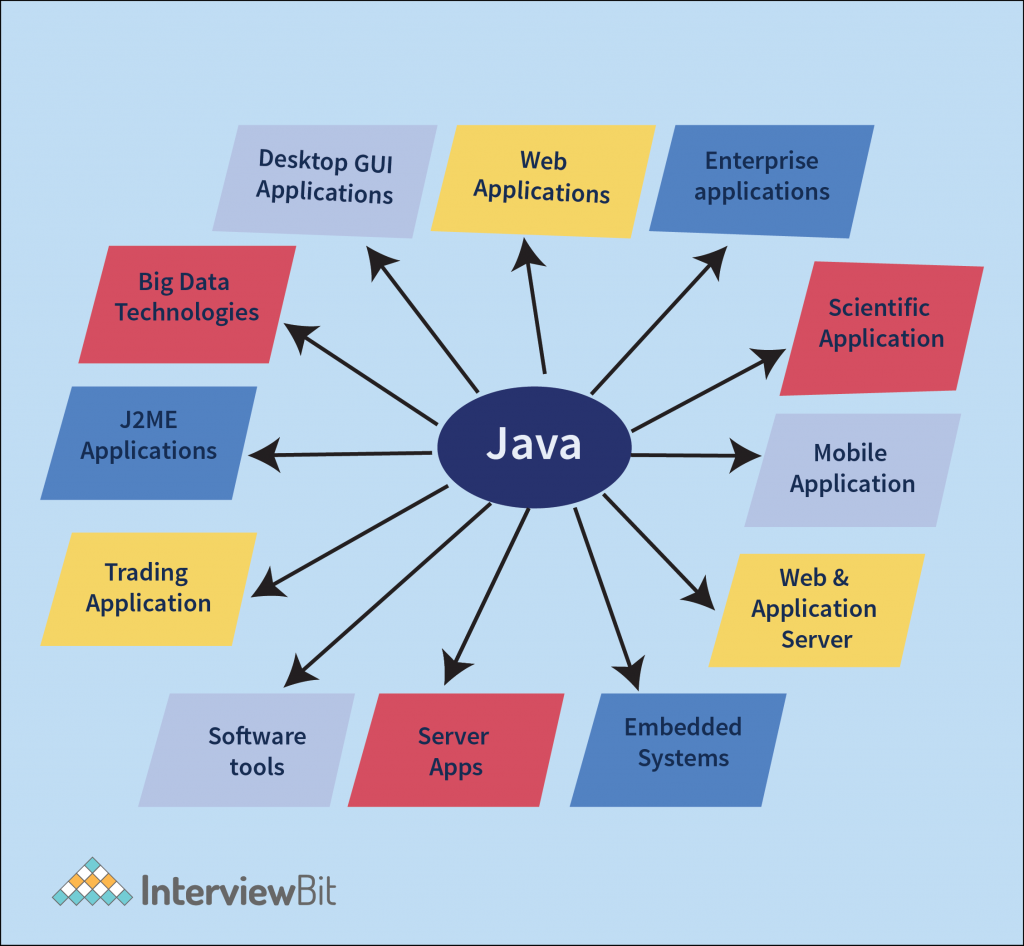
Java is a versatile and powerful programming language that has been widely used for developing various types of applications, including web, mobile, and enterprise applications. With its platform independence, robustness, and scalability, Java has become a popular choice among developers for building reliable and secure software solutions.

Benefits of Java App Development

Platform Independence: One of the key advantages of Java is its platform independence. Java applications can run on any device or operating system that has a Java Virtual Machine (JVM) installed, making them highly portable.

Robustness: Java’s strong type system and exception handling mechanisms make it a robust programming language that can handle errors effectively, ensuring the stability and reliability of applications.

Scalability: Java’s scalability allows developers to build applications that can easily accommodate growing user bases and increasing workloads without compromising performance.

Use Cases of Java App Development

Java is commonly used in various industries for developing different types of applications:

  • Enterprise Applications: Many large organizations use Java for building enterprise-level software solutions such as customer relationship management (CRM) systems, enterprise resource planning (ERP) software, and more.
  • Web Applications: Java is widely used for creating dynamic and interactive web applications using frameworks like Spring and Hibernate.
  • Mobile Applications: With technologies like Android Studio and Kotlin, developers can build cross-platform mobile apps using Java.
  • Data Processing Applications: Java is also popular for developing data processing applications due to its performance and scalability features.

The Future of Java App Development

As technology continues to evolve, the future of Java app development looks promising. With the introduction of new features in the latest versions of Java, such as modularity with Project Jigsaw and enhanced performance with GraalVM, developers can expect even greater capabilities and efficiencies in building innovative software solutions.


Top 8 FAQs About Java App Development

  1. Can I create an app with Java?
  2. Is Java good for application development?
  3. Is Java good for iOS app development?
  4. Can Java build iOS apps?
  5. Is Java or Python better for app development?
  6. Do people still use Java for Android?
  7. Can I develop an app using Java?
  8. Can I still build Android apps in Java?

Can I create an app with Java?

Yes, you can create a wide range of applications using Java. Java is a versatile programming language that allows developers to build various types of software, including web, mobile, and enterprise applications. With its platform independence and robust features, Java is well-suited for developing reliable and scalable apps. Whether you are looking to create a web application, a mobile app for Android devices, or an enterprise-level software solution, Java provides the tools and capabilities needed to bring your ideas to life.

Is Java good for application development?

Java is widely regarded as an excellent choice for application development due to its numerous advantages. With its platform independence, robustness, and scalability, Java offers developers a versatile and reliable environment for building a wide range of applications. Its platform independence allows Java applications to run on various devices and operating systems with ease. The language’s strong type system and exception handling mechanisms contribute to the robustness of Java applications, ensuring stability and error management. Additionally, Java’s scalability enables developers to create applications that can grow with user demand without sacrificing performance. Overall, Java’s versatility and capabilities make it a strong contender for application development across different industries and use cases.

Is Java good for iOS app development?

Java is not typically used for iOS app development. While Java is a popular programming language for building Android apps, iOS development primarily relies on languages like Swift or Objective-C. Apple’s iOS ecosystem has its own set of development tools and frameworks that are specifically designed for creating applications that run on iOS devices. Therefore, if you are looking to develop apps for the iOS platform, it is recommended to use Swift or Objective-C to leverage the native capabilities and features of iOS devices effectively.

Can Java build iOS apps?

In the realm of Java app development, a common inquiry revolves around the possibility of using Java to build iOS apps. While Java is a versatile and powerful programming language, it is not typically used for directly creating iOS applications. iOS apps are primarily developed using Apple’s official programming language, Swift, or Objective-C. However, developers can explore cross-platform development tools like Xamarin or React Native to write code in Java and deploy it on multiple platforms, including iOS. By leveraging these frameworks, developers can achieve some level of code reusability across different operating systems while still catering to the specific requirements of iOS app development.

Is Java or Python better for app development?

When it comes to app development, the choice between Java and Python often depends on the specific requirements of the project. Java is known for its platform independence, robustness, and scalability, making it a popular choice for building enterprise-level applications and web services. On the other hand, Python is favored for its simplicity, readability, and versatility, particularly in data science, machine learning, and rapid prototyping. Ultimately, the decision between Java and Python for app development should consider factors such as project complexity, performance needs, existing codebase compatibility, and developer expertise in each language. Both Java and Python have their strengths and can be valuable tools depending on the context of the application being developed.

Do people still use Java for Android?

Yes, Java is still widely used for Android app development. Despite the introduction of Kotlin as an official language for Android development by Google, many developers continue to rely on Java due to its familiarity, robustness, and extensive ecosystem of libraries and tools. Java remains a popular choice for building Android apps, especially for developers who have already invested time and effort in mastering the language. Additionally, Java’s platform independence and compatibility with various devices make it a versatile option for creating high-quality mobile applications on the Android platform.

Can I develop an app using Java?

Yes, you can develop an app using Java. Java is a versatile and widely-used programming language that is well-suited for building various types of applications, including web, mobile, and enterprise applications. With its platform independence and robust features, Java provides developers with the tools they need to create reliable and scalable software solutions. Whether you are looking to develop a web application, a mobile app, or an enterprise-level system, Java offers the flexibility and power to bring your ideas to life.

Can I still build Android apps in Java?

Yes, developers can still build Android apps in Java. While Google introduced Kotlin as an official language for Android app development, Java remains a supported and widely used language for creating Android applications. Many developers are already familiar with Java and have existing codebases written in Java, making it a practical choice for building Android apps. Additionally, the Android SDK fully supports Java, allowing developers to leverage its features and libraries to create robust and feature-rich applications for the Android platform.

python software engineer

Exploring the Role of a Python Software Engineer in Modern Technology

Python Software Engineer

The Role of a Python Software Engineer

A Python software engineer is a professional who specializes in developing software applications using the Python programming language. Python is a versatile and powerful language that is widely used in various fields such as web development, data science, artificial intelligence, and more.

Responsibilities of a Python Software Engineer

Python software engineers are responsible for:

  • Writing clean, efficient, and maintainable code using Python
  • Collaborating with other team members to design and implement software solutions
  • Testing and debugging code to ensure quality and reliability
  • Integrating data storage solutions and third-party libraries
  • Optimizing application performance and scalability
  • Maintaining existing software applications and making enhancements as needed

Skills Required for Python Software Engineers

To excel in this role, a Python software engineer should possess the following skills:

  • Proficiency in Python programming language
  • Understanding of object-oriented programming principles
  • Knowledge of web frameworks such as Django or Flask for web development projects
  • Familiarity with data manipulation and analysis libraries like NumPy and Pandas for data science applications
  • Experience with version control systems like Git for collaborative development
  • Strong problem-solving skills and attention to detail

Career Outlook for Python Software Engineers

The demand for skilled Python software engineers is on the rise due to the increasing adoption of Python across various industries. With its simplicity, readability, and vast ecosystem of libraries, Python has become a popular choice for developing complex software solutions.


7 Reasons Why Becoming a Python Software Engineer is a Smart Career Move

  1. Versatile language used in various fields like web development, data science, and AI
  2. Large community support for troubleshooting and knowledge sharing
  3. Simple syntax that promotes readability and reduces development time
  4. Abundance of third-party libraries and frameworks for quick application development
  5. High demand for Python skills in the job market with competitive salaries
  6. Strong compatibility with other languages and systems for seamless integration
  7. Great choice for beginners due to its gentle learning curve and beginner-friendly documentation


Challenges Faced by Python Software Engineers: Performance, Multi-threading, and More

  1. Limited speed compared to lower-level languages like C or C++ for performance-critical applications.
  2. Global Interpreter Lock (GIL) in Python can limit multi-threading performance in certain scenarios.
  3. Python’s dynamic typing can lead to potential runtime errors that may not be caught until execution.
  4. Dependency management can be challenging due to compatibility issues between different Python libraries and versions.
  5. Debugging complex applications in Python may require more effort and time compared to statically typed languages.
  6. Python’s design limitations may make it less suitable for high-performance computing or real-time systems.

Versatile language used in various fields like web development, data science, and AI

Python is a versatile language that finds widespread use across diverse fields such as web development, data science, and artificial intelligence. Its flexibility and extensive library support make it a top choice for software engineers working on a wide range of projects. In web development, Python frameworks like Django and Flask enable the creation of dynamic and scalable web applications. In data science, Python’s rich ecosystem of libraries such as NumPy and Pandas empower engineers to analyze and visualize complex datasets efficiently. Moreover, in the realm of artificial intelligence, Python serves as a foundational tool for developing machine learning algorithms and neural networks due to its simplicity and readability. The adaptability of Python makes it an invaluable asset for software engineers seeking to innovate in these cutting-edge fields.

Large community support for troubleshooting and knowledge sharing

Python software engineers benefit greatly from the large community support available for troubleshooting and knowledge sharing. With a vast network of experienced developers, online forums, and resources, Python enthusiasts can easily find solutions to coding challenges, seek advice on best practices, and stay updated on the latest trends in the Python ecosystem. This collaborative environment fosters continuous learning and innovation, enabling Python software engineers to enhance their skills and tackle complex projects with confidence. The sense of community within the Python programming world promotes a culture of sharing expertise and helping fellow developers succeed in their endeavors.

Simple syntax that promotes readability and reduces development time

Python software engineers benefit from the language’s simple syntax, which promotes readability and significantly reduces development time. The clean and straightforward structure of Python code makes it easier for developers to write and understand complex algorithms, resulting in more efficient and error-free programming. By minimizing the time spent on deciphering code intricacies, Python software engineers can focus on solving problems and creating innovative solutions, ultimately enhancing productivity and accelerating the development process.

Abundance of third-party libraries and frameworks for quick application development

Python software engineers benefit greatly from the abundance of third-party libraries and frameworks available, enabling them to expedite application development. With a rich ecosystem of pre-built modules and tools, Python developers can leverage existing solutions to streamline the coding process and focus on implementing core functionalities rather than reinventing the wheel. These libraries cover a wide range of functionalities, from web development frameworks like Django and Flask to data processing libraries such as NumPy and Pandas, empowering engineers to deliver efficient and robust software applications in a more time-effective manner.

High demand for Python skills in the job market with competitive salaries

In today’s job market, the demand for Python software engineers is exceptionally high, leading to lucrative career opportunities with competitive salaries. Employers across various industries seek professionals with strong Python skills to develop innovative software solutions, analyze data, build web applications, and more. As Python continues to gain popularity for its versatility and ease of use, individuals proficient in this programming language are well-positioned to secure well-paid positions and advance their careers in the ever-evolving tech industry.

Strong compatibility with other languages and systems for seamless integration

Python software engineers benefit from the strong compatibility of Python with other languages and systems, enabling seamless integration of Python-based solutions into existing software environments. Whether it’s interfacing with C/C++ code for performance-critical tasks, integrating with Java applications in enterprise settings, or leveraging Python’s versatility in web development frameworks like JavaScript, this interoperability allows Python developers to work effectively across a wide range of technologies and platforms. This flexibility not only enhances the scalability and functionality of software projects but also streamlines collaboration between diverse teams working on interconnected systems.

Great choice for beginners due to its gentle learning curve and beginner-friendly documentation

Python is a great choice for beginners entering the field of software engineering due to its gentle learning curve and beginner-friendly documentation. The language’s simple and readable syntax makes it easy for newcomers to grasp fundamental programming concepts without feeling overwhelmed. Additionally, Python’s extensive documentation provides clear explanations and examples, aiding beginners in understanding how to write code effectively. This combination of approachability and support makes Python an excellent starting point for aspiring software engineers looking to build a solid foundation in programming.

Limited speed compared to lower-level languages like C or C++ for performance-critical applications.

One significant drawback of being a Python software engineer is the limited speed of Python compared to lower-level languages like C or C++ when it comes to performance-critical applications. Due to its dynamic typing and interpreted nature, Python may not be as efficient in handling tasks that require high performance and low-level control over hardware resources. This limitation can pose challenges when developing applications that demand optimal speed and responsiveness, especially in scenarios where milliseconds matter, making it crucial for Python developers to carefully consider the trade-offs between development speed and runtime performance.

Global Interpreter Lock (GIL) in Python can limit multi-threading performance in certain scenarios.

The Global Interpreter Lock (GIL) in Python poses a significant challenge for Python software engineers as it can restrict the performance of multi-threading in certain situations. The GIL is a mutex that allows only one thread to execute Python bytecode at a time, limiting the effectiveness of multi-threading for CPU-bound tasks. This constraint can hinder the scalability and efficiency of applications that heavily rely on parallel processing and can lead to suboptimal performance in scenarios where concurrency is crucial. Python developers need to carefully consider alternative approaches such as multiprocessing or utilizing external libraries to overcome the limitations imposed by the GIL and optimize performance in such cases.

Python’s dynamic typing can lead to potential runtime errors that may not be caught until execution.

Python’s dynamic typing, while offering flexibility and ease of use, can be a double-edged sword for Python software engineers. One significant drawback is that the dynamic nature of Python can lead to potential runtime errors that may not be detected until the code is executed. Unlike statically-typed languages that catch type-related errors at compile time, Python’s dynamic typing allows for more implicit conversions and may result in unexpected behavior during runtime, making it challenging to identify and resolve issues proactively. This aspect of Python can increase the risk of bugs slipping through the cracks and require thorough testing and debugging to ensure the reliability and stability of software applications developed in Python.

Dependency management can be challenging due to compatibility issues between different Python libraries and versions.

Managing dependencies can be a significant challenge for Python software engineers, primarily due to compatibility issues that may arise between different Python libraries and versions. Ensuring that all required libraries work seamlessly together and are compatible with the specific version of Python being used can be a time-consuming task. This can lead to potential conflicts, errors, and issues during the development process, requiring careful attention to detail and thorough testing to mitigate any compatibility-related problems that may arise.

Debugging complex applications in Python may require more effort and time compared to statically typed languages.

Debugging complex applications in Python can be a challenging task, especially when compared to statically typed languages. The dynamic nature of Python, where data types are determined at runtime, can sometimes lead to subtle bugs that are harder to detect during the development process. Due to the lack of compile-time type checking, Python software engineers may need to invest more time and effort in tracing and resolving issues related to data type mismatches or unexpected behaviors. This increased debugging complexity in Python underscores the importance of thorough testing and meticulous code review practices to ensure the reliability and stability of software applications.

Python’s design limitations may make it less suitable for high-performance computing or real-time systems.

Python’s design limitations, such as its interpreted nature and dynamic typing, may render it less suitable for high-performance computing or real-time systems. In scenarios where speed and efficiency are critical, Python’s inherent overhead and slower execution compared to lower-level languages like C or C++ could pose challenges. Real-time systems require precise timing and responsiveness, which may be hindered by Python’s garbage collection mechanisms and lack of strict control over memory management. As a result, developers working on performance-critical applications may need to consider alternative languages better suited for these specific requirements.