
cfchris.com

Loading

Exploring the Best AI Innovations Shaping Our Future

The Best AI Technologies Transforming Our World

The Best AI Technologies Transforming Our World

Artificial Intelligence (AI) is revolutionizing industries and changing the way we live, work, and interact with technology. From healthcare to finance, AI technologies are making significant impacts across various sectors. Here are some of the best AI technologies that are leading the charge in this transformative era.

Machine Learning

Machine learning is a subset of AI that focuses on building systems that can learn from data and improve their performance over time without being explicitly programmed. This technology powers many applications we use daily, such as recommendation engines on streaming platforms and personalized marketing strategies.

Natural Language Processing (NLP)

NLP enables machines to understand, interpret, and respond to human language in a way that is both meaningful and useful. It is the driving force behind virtual assistants like Siri and Alexa, as well as chatbots used in customer service environments.

Computer Vision

Computer vision allows machines to interpret and make decisions based on visual data from the world around them. This technology is essential for applications like facial recognition systems, autonomous vehicles, and medical imaging diagnostics.

Robotics

AI-powered robotics are transforming industries by automating tasks that were once considered too complex or dangerous for humans. From manufacturing floors to surgical rooms, robots are enhancing efficiency and precision.

Deep Learning

A more advanced form of machine learning, deep learning utilizes neural networks with many layers (deep neural networks) to analyze various factors of data inputs. This technology has been instrumental in breakthroughs such as AlphaGo defeating human champions in Go.

The Impact on Industries

The impact of these AI technologies extends across various fields:

  • Healthcare: AI assists in diagnosing diseases earlier with greater accuracy through predictive analytics and personalized medicine.
  • Finance: Fraud detection systems powered by AI help secure transactions while algorithmic trading optimizes investment strategies.
  • Retail: Personalized shopping experiences are enhanced through AI-driven recommendations and inventory management systems.
  • Agriculture: Precision farming techniques use AI for crop monitoring and yield prediction to increase efficiency.

The Future of AI

The future of AI holds immense potential as these technologies continue evolving at a rapid pace. Ethical considerations regarding privacy and job displacement remain crucial discussions as society integrates more deeply with intelligent systems.

The best AI technologies not only improve current processes but also open new possibilities for innovation across all aspects of life—making our world smarter every day.


Top 9 FAQs About the Best AI: Chatbots, Accuracy, and Popularity

  1. Which is the best AI chatbot?
  2. What is the best AI in the world?
  3. What is the current best AI?
  4. Is Grok 3 really the best AI?
  5. Which AI is better than ChatGPT?
  6. What is the most accurate AI?
  7. What is the most popular AI?
  8. Which is the best AI right now?
  9. Which is the smartest AI?

Which is the best AI chatbot?

When it comes to identifying the best AI chatbot, it largely depends on the specific needs and context of use. Some of the most popular and advanced AI chatbots include OpenAI’s ChatGPT, Google’s Bard, and Microsoft’s Bing Chat. These chatbots are known for their ability to understand context, generate human-like responses, and continuously learn from interactions to improve over time. For businesses, chatbots like Drift and Intercom are highly regarded for customer service and sales automation. Ultimately, the best AI chatbot is one that aligns with the intended use case—whether it’s for casual conversation, customer support, or specialized industry applications—and effectively meets user expectations in terms of accuracy, reliability, and ease of integration.

What is the best AI in the world?

Determining the “best” AI in the world depends on the context and specific application it is being evaluated for. In the realm of natural language processing, models like OpenAI’s GPT-3 have been recognized for their advanced capabilities in understanding and generating human-like text. For image recognition, Google’s DeepMind has made significant strides with its AlphaGo program, which famously defeated world champions in the game of Go. In autonomous driving, companies like Tesla and Waymo are leading with their sophisticated AI systems designed to navigate complex driving environments. Each of these represents a pinnacle of achievement in its respective field, showcasing how diverse and specialized AI technologies can be when addressing different challenges. Ultimately, the “best” AI is one that excels at its intended purpose and continues to push the boundaries of what’s possible within its domain.

What is the current best AI?

Determining the “best” AI can be challenging, as it largely depends on the specific application and criteria for evaluation. However, some of the most advanced AI models currently include OpenAI’s GPT-3 and its successor GPT-4, which excel in natural language processing tasks, offering human-like text generation capabilities. In the realm of image recognition and computer vision, models like Google’s Vision Transformer (ViT) have set new benchmarks for accuracy and performance. DeepMind’s AlphaFold has revolutionized protein structure prediction in biology, showcasing AI’s potential in scientific research. Each of these AI systems represents cutting-edge advancements in their respective fields, highlighting the diverse capabilities and applications of modern artificial intelligence technologies.

Is Grok 3 really the best AI?

Grok 3 has garnered significant attention in the AI community for its advanced capabilities and innovative features, leading many to question whether it is truly the best AI available. Developed with cutting-edge algorithms and a robust architecture, Grok 3 excels in natural language processing, machine learning, and data analysis tasks. Its versatility allows it to be applied across various industries, from healthcare to finance, making it a strong contender in the AI landscape. However, determining if it is the “best” AI depends on specific needs and criteria, as other AI models may outperform Grok 3 in certain specialized applications or environments. Ultimately, while Grok 3 is undeniably powerful and efficient, the “best” AI can vary depending on individual requirements and use cases.

Which AI is better than ChatGPT?

Determining which AI is better than ChatGPT depends on the specific needs and use cases. While ChatGPT excels in generating human-like text and engaging in natural language conversations, other AI models may outperform it in specialized areas. For instance, Google’s BERT is renowned for its capabilities in understanding the context of words in search queries, making it particularly useful for search engine optimization tasks. Meanwhile, OpenAI’s DALL-E specializes in generating images from textual descriptions, showcasing strengths in creative visual content generation. Ultimately, the “better” AI is contingent upon the task at hand and the specific requirements of the application.

What is the most accurate AI?

Determining the “most accurate” AI largely depends on the specific application or task it is designed to perform. For example, in the realm of natural language processing, models like OpenAI’s GPT-4 and Google’s BERT are renowned for their accuracy in understanding and generating human-like text. In image recognition, systems built on convolutional neural networks (CNNs), such as those used by Google’s DeepMind or Facebook’s AI Research, often lead the field in precision. Furthermore, specialized AI models excel in niche areas like medical diagnostics or financial forecasting due to their tailored data sets and algorithms. Ultimately, the accuracy of an AI system is contingent upon its training data quality, algorithm design, and intended use case.

When discussing the most popular AI, it often refers to technologies and platforms that have gained widespread recognition and adoption across various industries. Currently, machine learning models like OpenAI’s GPT series and Google’s BERT are among the most popular due to their advanced natural language processing capabilities. These models are widely used in applications ranging from chatbots and virtual assistants to content creation and data analysis. Additionally, AI platforms such as TensorFlow and PyTorch are highly popular among developers for building custom machine learning models. These tools have become integral in advancing AI research and application development, making them some of the most recognized names in the field today.

Which is the best AI right now?

Determining the “best” AI is challenging, as it largely depends on the specific application and context. However, some of the most advanced AI systems currently recognized for their capabilities include OpenAI’s GPT-4 for natural language processing, Google’s DeepMind for its breakthroughs in deep learning and reinforcement learning, and IBM’s Watson for its applications in data analysis and business solutions. These AI systems excel in different domains—GPT-4 is renowned for generating human-like text, DeepMind has demonstrated exceptional performance in strategic games like Go, and Watson offers robust analytics across various industries. Ultimately, the best AI is one that effectively meets the needs of a particular task or industry.

Which is the smartest AI?

Determining the “smartest” AI is challenging because intelligence can be measured in various ways depending on the context and application. Some of the most advanced AI systems include OpenAI’s GPT models, which excel in natural language understanding and generation, and DeepMind’s AlphaGo, which demonstrated remarkable strategic thinking by defeating human champions in the complex game of Go. Each of these systems showcases different aspects of AI capabilities, from language processing to strategic decision-making. However, it’s important to note that these AIs are highly specialized for their respective tasks and do not possess general intelligence akin to human cognition. As AI technology continues to evolve, new advancements may redefine what is considered the “smartest” AI in different domains.
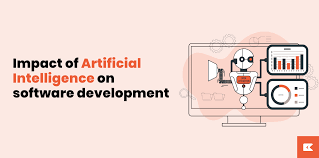
ai programming

AI Programming: Unlocking the Future of Technology

AI Programming: Transforming the Future

AI Programming: Transforming the Future

Artificial Intelligence (AI) programming is revolutionizing the way we interact with technology. From smart assistants to autonomous vehicles, AI is at the forefront of innovation, driving significant changes across various industries.

What is AI Programming?

AI programming involves creating algorithms and models that enable machines to mimic human intelligence. This includes learning from data, recognizing patterns, making decisions, and even understanding natural language. The goal is to develop systems that can perform tasks typically requiring human cognition.

Key Components of AI Programming

  • Machine Learning: A subset of AI focused on building systems that learn from data and improve over time without being explicitly programmed.
  • Deep Learning: A more advanced form of machine learning using neural networks with many layers to analyze complex patterns in large datasets.
  • Natural Language Processing (NLP): Enables machines to understand and respond to human language in a meaningful way.
  • Computer Vision: Allows machines to interpret and make decisions based on visual data from the world around them.

The Role of Programming Languages in AI

A variety of programming languages are used in AI development, each offering unique features suited for different aspects of AI:

  • Python: Known for its simplicity and readability, Python is widely used due to its extensive libraries such as TensorFlow and PyTorch that facilitate machine learning and deep learning projects.
  • R: Popular among statisticians and data miners for its strong data analysis capabilities.
  • LISP: One of the oldest languages used in AI development, known for its excellent support for symbolic reasoning and rapid prototyping.
  • Java: Valued for its portability, scalability, and extensive community support in building large-scale AI applications.

The Impact of AI Programming on Industries

The influence of AI programming extends across numerous sectors:

  • Healthcare: AI assists in diagnosing diseases, personalizing treatment plans, and managing patient records efficiently.
  • Finance: Algorithms predict market trends, assess risks, and detect fraudulent activities with high accuracy.
  • Agriculture: Smart systems optimize crop yields through predictive analytics and automated farming techniques.
  • E-commerce: Personalized recommendations enhance customer experiences while optimizing supply chain management.

The Future of AI Programming

The future of AI programming holds immense potential as research continues to push boundaries. With advancements in quantum computing, improved algorithms, and ethical considerations guiding development practices, the next generation of intelligent systems promises even greater societal benefits. As technology evolves rapidly, staying informed about trends in AI programming is crucial for those looking to harness its transformative power effectively.

The journey into the world of artificial intelligence is just beginning. With continued innovation and collaboration across disciplines globally shaping our collective future together – one line at a time!


6 Essential Tips for Mastering AI Programming

  1. Understand the basics of machine learning algorithms
  2. Stay updated with the latest advancements in AI technology
  3. Practice coding regularly to improve your programming skills
  4. Experiment with different AI frameworks and tools to find what works best for you
  5. Collaborate with other AI programmers to learn from each other and share knowledge
  6. Always test and validate your AI models thoroughly before deploying them

Understand the basics of machine learning algorithms

Understanding the basics of machine learning algorithms is crucial for anyone venturing into AI programming. These algorithms form the foundation of how machines learn from data, identify patterns, and make decisions with minimal human intervention. By grasping fundamental concepts such as supervised and unsupervised learning, decision trees, neural networks, and clustering techniques, programmers can better design and implement models that effectively solve real-world problems. A solid comprehension of these algorithms also enables developers to select the most appropriate methods for their specific tasks, optimize performance, and troubleshoot issues more efficiently. Ultimately, mastering the basics of machine learning algorithms empowers programmers to create more intelligent and adaptive AI systems.

Stay updated with the latest advancements in AI technology

Staying updated with the latest advancements in AI technology is crucial for anyone involved in AI programming. The field of artificial intelligence is rapidly evolving, with new algorithms, tools, and techniques emerging regularly. Keeping abreast of these developments ensures that programmers can leverage cutting-edge solutions to build more efficient and effective AI systems. By following industry news, attending conferences, participating in webinars, and engaging with online communities, developers can gain insights into the latest trends and innovations. This continuous learning process not only enhances one’s skills but also opens up opportunities to implement state-of-the-art technologies that can drive significant improvements in various applications and industries.

Practice coding regularly to improve your programming skills

Practicing coding regularly is essential for anyone looking to enhance their skills in AI programming. Consistent practice not only helps solidify fundamental concepts but also allows programmers to experiment with new techniques and algorithms. By dedicating time each day or week to coding, individuals can stay up-to-date with the latest advancements in the field and gain hands-on experience with various tools and libraries. This continuous engagement with code fosters problem-solving abilities and boosts confidence when tackling complex AI challenges. Furthermore, regular practice enables programmers to build a robust portfolio of projects, showcasing their growing expertise and making them more attractive to potential employers or collaborators in the ever-evolving tech industry.

Experiment with different AI frameworks and tools to find what works best for you

Experimenting with different AI frameworks and tools is essential for anyone looking to excel in AI programming. Each framework offers unique features and capabilities, catering to various aspects of artificial intelligence development. For instance, TensorFlow and PyTorch are popular for deep learning due to their robust libraries and community support. Meanwhile, frameworks like Scikit-learn are ideal for simpler machine learning tasks. By trying out multiple tools, developers can identify which ones align best with their specific project requirements and personal preferences in terms of usability and functionality. This hands-on exploration not only enhances one’s skill set but also fosters a deeper understanding of the strengths and limitations of each tool, ultimately leading to more efficient and innovative AI solutions.

Collaborate with other AI programmers to learn from each other and share knowledge

Collaboration among AI programmers is a powerful way to accelerate learning and innovation. By working together, individuals can share diverse perspectives and expertise, leading to more robust solutions and creative problem-solving. Engaging with a community of peers allows programmers to exchange knowledge about the latest tools, techniques, and best practices in AI development. This collaborative environment fosters continuous learning and can help identify potential pitfalls early in the development process. Additionally, collaborating with others provides opportunities for mentorship, networking, and building relationships that can enhance both personal and professional growth in the rapidly evolving field of artificial intelligence.

Always test and validate your AI models thoroughly before deploying them

Thorough testing and validation of AI models are crucial steps before deployment to ensure their reliability and effectiveness in real-world scenarios. By rigorously evaluating the model’s performance, developers can identify potential weaknesses or biases that might not be evident during initial development. This process involves using a diverse set of data to simulate various conditions the model may encounter, which helps in assessing its accuracy, robustness, and fairness. Additionally, thorough testing can reveal any unintended consequences or ethical concerns that need addressing. Ultimately, investing time in comprehensive testing and validation not only enhances the model’s performance but also builds trust with users by ensuring that the AI behaves as expected once deployed.

artificial intelligence software development

Exploring the Future: Artificial Intelligence Software Development Innovations

Artificial Intelligence Software Development

Artificial Intelligence Software Development: Transforming the Future

The realm of artificial intelligence (AI) has rapidly evolved, becoming a cornerstone of modern technology. AI software development is revolutionizing industries by automating processes, enhancing decision-making, and providing innovative solutions to complex problems.

What is Artificial Intelligence?

Artificial intelligence refers to the simulation of human intelligence in machines programmed to think and learn like humans. These systems can perform tasks such as recognizing speech, making decisions, and translating languages. AI encompasses various subfields including machine learning (ML), natural language processing (NLP), and computer vision.

The Importance of AI in Software Development

AI is transforming software development in several significant ways:

  • Automation: AI can automate repetitive tasks such as code generation, testing, and debugging, thereby increasing efficiency and reducing human error.
  • Enhanced Decision-Making: AI algorithms analyze vast amounts of data to provide insights that help developers make informed decisions.
  • Personalization: AI enables the creation of personalized user experiences by analyzing user behavior and preferences.
  • Predictive Analytics: Machine learning models can predict future trends and outcomes based on historical data.

The Process of Developing AI Software

The development of AI software involves several key steps:

  1. Problem Definition: Identify the problem that needs solving and determine how AI can provide a solution.
  2. Data Collection:
  3. Model Training:Model Deployment:
    • /P At Cfchris we committed leveraging power Ai deliver cutting-edge solutions tailored meet unique needs clients Contact us today learn more about how our expertise help harness full potential artificial intelligence /P

      /BODY

      /HTML


      9 Key Benefits of Artificial Intelligence in Software Development

      1. Automation of repetitive tasks leads to increased efficiency.
      2. Enhanced decision-making through data analysis.
      3. Personalization of user experiences based on behavior and preferences.
      4. Predictive analytics for forecasting trends and outcomes.
      5. Improved accuracy and reduced human error in processes.
      6. Cost savings by streamlining operations with AI solutions.
      7. Scalability to handle large volumes of data and complex problems.
      8. Innovation in developing intelligent applications for various industries.
      9. Competitive advantage by staying ahead with AI-driven technologies.


      Challenges in Artificial Intelligence Software Development: Data Privacy, Ethics, Complexity, and Data Dependency

      1. Data Privacy Concerns
      2. Ethical Dilemmas
      3. Complexity and Cost
      4. Dependency on Data Quality

      Automation of repetitive tasks leads to increased efficiency.

      Automation of repetitive tasks through artificial intelligence software development significantly boosts efficiency by reducing the time and effort required for mundane activities. Tasks such as data entry, code generation, and routine maintenance can be handled swiftly and accurately by AI systems, freeing up human resources to focus on more complex and creative aspects of projects. This not only accelerates project timelines but also minimizes the risk of human error, resulting in higher quality outputs. Consequently, businesses can achieve greater productivity and cost savings while maintaining a competitive edge in their respective industries.

      Enhanced decision-making through data analysis.

      Artificial intelligence software development significantly enhances decision-making processes through advanced data analysis. By leveraging AI algorithms, vast amounts of data can be processed and analyzed at unprecedented speeds, uncovering patterns and insights that would be nearly impossible for humans to detect. This capability allows businesses to make more informed decisions based on real-time data, leading to improved efficiency, reduced risks, and optimized strategies. Whether it’s predicting market trends, identifying customer preferences, or optimizing supply chains, AI-driven data analysis empowers organizations to stay ahead of the competition and adapt swiftly to changing environments.

      Personalization of user experiences based on behavior and preferences.

      Artificial intelligence software development significantly enhances the personalization of user experiences by analyzing individual behavior and preferences. By leveraging advanced algorithms and data analytics, AI systems can tailor content, recommendations, and interactions to align with each user’s unique needs and interests. This level of customization not only improves user satisfaction but also increases engagement and loyalty. For instance, AI-driven platforms can suggest products based on past purchases or recommend content that aligns with a user’s viewing history, creating a more intuitive and enjoyable experience. This personalized approach helps businesses build stronger connections with their customers, ultimately driving growth and success.

      Predictive analytics, powered by artificial intelligence, is revolutionizing the way businesses forecast trends and outcomes. By analyzing vast amounts of historical data, AI algorithms can identify patterns and make accurate predictions about future events. This capability enables companies to make informed decisions, optimize operations, and anticipate market changes. For instance, in retail, predictive analytics can forecast consumer demand, helping businesses manage inventory more effectively. In finance, it can predict stock market trends or credit risks, allowing for better investment strategies and risk management. Overall, the integration of predictive analytics in AI software development provides a competitive edge by transforming raw data into actionable insights.

      Improved accuracy and reduced human error in processes.

      Artificial intelligence software development significantly improves accuracy and reduces human error in various processes. By leveraging advanced algorithms and machine learning models, AI systems can analyze vast amounts of data with precision, identifying patterns and making decisions based on empirical evidence rather than human intuition. This leads to more reliable outcomes, especially in tasks that require meticulous attention to detail, such as medical diagnoses, financial forecasting, and quality control in manufacturing. By minimizing the likelihood of errors that can arise from fatigue or oversight, AI enhances efficiency and ensures higher standards of performance across diverse industries.

      Cost savings by streamlining operations with AI solutions.

      Implementing artificial intelligence (AI) solutions in software development can lead to significant cost savings by streamlining operations. AI automates repetitive and time-consuming tasks such as data entry, testing, and debugging, which reduces the need for extensive human intervention. This not only speeds up the development process but also minimizes errors, leading to higher-quality outputs with fewer resources. Additionally, AI-driven predictive analytics can optimize resource allocation and reduce downtime by anticipating maintenance needs and potential issues before they arise. By enhancing efficiency and productivity, AI enables companies to cut operational costs while maintaining or even improving their service quality.

      Scalability to handle large volumes of data and complex problems.

      Artificial intelligence software development offers remarkable scalability, enabling systems to efficiently handle large volumes of data and tackle complex problems. With AI, businesses can process and analyze massive datasets in real-time, extracting valuable insights that would be impossible to achieve manually. This scalability ensures that as data grows, the AI systems can continue to perform optimally without a significant increase in resource consumption. Moreover, AI algorithms excel at solving intricate problems by identifying patterns and correlations within the data, providing solutions that are both accurate and robust. This capability makes AI an indispensable tool for industries ranging from healthcare to finance, where managing extensive data and solving sophisticated challenges are essential for success.

      Innovation in developing intelligent applications for various industries.

      Artificial intelligence software development has brought about a remarkable pro through its innovation in creating intelligent applications tailored for diverse industries. By harnessing the power of AI, developers can design solutions that optimize processes, enhance decision-making, and drive efficiency across sectors such as healthcare, finance, manufacturing, and more. These intelligent applications leverage advanced algorithms to analyze data, predict trends, and automate tasks, ultimately revolutionizing how businesses operate and deliver value to their customers.

      Competitive advantage by staying ahead with AI-driven technologies.

      One of the significant advantages of artificial intelligence software development is the competitive edge it provides businesses by keeping them at the forefront of technological innovation. By integrating AI-driven technologies, companies can streamline operations, enhance customer experiences, and make data-driven decisions more efficiently than their competitors. This proactive approach not only improves productivity and reduces costs but also enables businesses to anticipate market trends and adapt quickly to changing conditions. Consequently, organizations that leverage AI are better positioned to outperform their rivals, capture new market opportunities, and sustain long-term growth in an increasingly digital landscape.

      Data Privacy Concerns

      Data Privacy Concerns: In the realm of artificial intelligence software development, a significant con revolves around data privacy. The process frequently entails the collection and analysis of extensive datasets, giving rise to concerns about how sensitive information is utilized and safeguarded. This issue underscores the importance of implementing robust data protection measures and ethical guidelines to mitigate potential risks associated with privacy breaches and unauthorized access to personal data.

      Ethical Dilemmas

      The use of AI algorithms in software development presents significant ethical dilemmas that need careful consideration. One major concern is the potential for bias in decision-making, as AI systems can inadvertently perpetuate or even amplify existing prejudices present in the training data. Additionally, the lack of transparency in how AI systems operate makes it difficult for users to understand and trust the decisions made by these technologies. This opacity can lead to accountability issues when errors occur. Furthermore, the widespread adoption of AI has the potential to displace jobs, raising concerns about economic inequality and the need for workforce retraining programs. Addressing these ethical challenges is crucial to ensuring that AI development benefits society as a whole without exacerbating existing inequalities or creating new ones.

      Complexity and Cost

      Developing artificial intelligence software is a complex and costly endeavor for many organizations due to the specialized skills and resources required. Creating effective AI solutions demands expertise in fields such as machine learning, data science, and software engineering. Additionally, substantial investments in high-quality data collection, advanced computational infrastructure, and ongoing maintenance are necessary to ensure optimal performance. These factors can place a significant financial burden on companies, particularly smaller enterprises or those without dedicated AI teams. As a result, the complexity and cost associated with AI development can be a considerable barrier to entry for many businesses looking to leverage this transformative technology.

      Dependency on Data Quality

      The effectiveness of AI models is intrinsically tied to the quality and quantity of data used for training, making data dependency a significant challenge in artificial intelligence software development. Incomplete or biased datasets can lead to inaccurate predictions and unreliable outcomes, undermining the potential benefits of AI solutions. This dependency necessitates rigorous data collection, cleaning, and validation processes to ensure that the models are trained on representative and high-quality data. Addressing these issues is crucial for developing robust AI systems that deliver reliable and fair results across diverse applications.