
cfchris.com

Loading

Exploring Cutting-Edge Tech Innovations Shaping the Future

Tech Innovations: Shaping the Future

Tech Innovations: Shaping the Future

The world of technology is ever-evolving, with innovations continuously transforming the way we live, work, and interact. From artificial intelligence to blockchain, these advancements are paving the way for a future that was once only imagined in science fiction.

Artificial Intelligence and Machine Learning

Artificial Intelligence (AI) and Machine Learning (ML) have become integral parts of modern technology. AI systems are capable of performing tasks that typically require human intelligence, such as speech recognition, decision-making, and language translation. Machine learning, a subset of AI, allows systems to learn from data and improve over time without being explicitly programmed.

These technologies are revolutionizing industries like healthcare, finance, and transportation. In healthcare, AI is used for diagnostic purposes and personalized medicine. In finance, it helps in fraud detection and algorithmic trading. Self-driving cars are another example of AI’s potential to transform transportation.

The Rise of Blockchain Technology

Blockchain technology is best known as the underlying technology behind cryptocurrencies like Bitcoin. However, its potential extends far beyond digital currencies. Blockchain offers a decentralized ledger system that ensures transparency and security in transactions.

This technology is being explored for use in various sectors such as supply chain management, voting systems, and identity verification. By eliminating intermediaries and reducing fraud risks, blockchain has the potential to reshape how business is conducted globally.

Internet of Things (IoT)

The Internet of Things (IoT) refers to the interconnection of everyday objects via the internet. This network allows devices to communicate with each other and with users in real-time.

Smart homes equipped with IoT devices can automate lighting, heating, security systems, and more—enhancing convenience and energy efficiency. In industrial settings, IoT enables predictive maintenance by monitoring machinery performance to prevent breakdowns before they occur.

5G Connectivity

The rollout of 5G networks promises faster internet speeds and lower latency than ever before. This next-generation connectivity will support more complex applications such as augmented reality (AR), virtual reality (VR), and advanced IoT deployments.

With 5G’s enhanced capabilities, industries like entertainment will see improvements in streaming quality while telemedicine will benefit from real-time remote consultations without lag issues.

Sustainable Tech Innovations

Sustainability has become a key focus in tech innovation efforts worldwide as environmental concerns grow increasingly urgent among consumers who demand eco-friendly solutions from companies they support or invest in themselves too!

This shift towards sustainability includes developing renewable energy sources such solar power generation systems integrated into buildings themselves; electric vehicles powered by clean fuels instead gasoline engines emitting harmful pollutants into atmosphere; recycling programs aimed reducing electronic waste produced annually across globe every year alone accounts millions tons discarded gadgets appliances alike end up landfills polluting environment further exacerbating climate change crisis facing humanity today collectively together united front tackling these challenges head-on through innovative thinking creative problem-solving approaches alike!

Conclusion:

The pace at which technological advancements occur shows no signs slowing down anytime soon meaning there always something new exciting horizon waiting be discovered explored next great frontier awaits eager minds willing push boundaries explore possibilities beyond imagination itself! Whether it’s harnessing power artificial intelligence revolutionize healthcare industry implementing blockchain secure transactions worldwide improving connectivity via high-speed networks driving sustainability forward innovative solutions addressing pressing global issues head-on – future looks bright indeed thanks relentless pursuit excellence innovation within field itself!


6 Ways Tech Innovations Are Transforming Our World for the Better

  1. Increased efficiency and productivity in various industries
  2. Enhanced connectivity and communication on a global scale
  3. Improved healthcare outcomes through innovative technologies
  4. Greater convenience and automation in daily tasks
  5. Empowerment of businesses with data-driven insights and analytics
  6. Sustainable solutions for environmental challenges


5 Challenges of Tech Innovations: Privacy, Jobs, Access, Dependency, and Environment

  1. Privacy concerns
  2. Job displacement
  3. Digital divide
  4. Dependency on technology
  5. Environmental impact

Increased efficiency and productivity in various industries

Tech innovations have significantly boosted efficiency and productivity across diverse industries. Automation, artificial intelligence, and data analytics have streamlined processes, minimized errors, and accelerated decision-making. In manufacturing, automated systems have optimized production lines, reducing downtime and enhancing output. In the healthcare sector, digital advancements have led to quicker diagnoses and personalized treatments. Overall, these technological advancements have revolutionized how businesses operate, allowing them to achieve higher levels of efficiency and productivity than ever before.

Enhanced connectivity and communication on a global scale

Tech innovations have significantly enhanced connectivity and communication on a global scale, breaking down geographical barriers and bringing people closer together like never before. With the advent of high-speed internet, mobile devices, and social media platforms, individuals and businesses can now easily connect with others across continents in real-time. This improved connectivity has revolutionized how we collaborate, share information, conduct business, and foster relationships on a global level, fostering a more interconnected and interdependent world.

Improved healthcare outcomes through innovative technologies

Improved healthcare outcomes through innovative technologies have revolutionized the way medical professionals diagnose, treat, and care for patients. From AI-powered diagnostic tools that can detect diseases at an early stage to telemedicine platforms that enable remote consultations, technology has enhanced access to quality healthcare services. Wearable devices and health monitoring apps empower individuals to take control of their well-being by tracking vital signs and managing chronic conditions more effectively. By leveraging these advancements, healthcare providers can deliver personalized treatment plans, improve patient outcomes, and ultimately save lives.

Greater convenience and automation in daily tasks

Tech innovations have brought about a significant pro of greater convenience and automation in daily tasks. From smart home devices that can regulate temperature and lighting with a simple voice command to mobile apps that streamline shopping and banking processes, technology has made our lives more efficient and hassle-free. Automation of routine tasks not only saves time but also allows us to focus on more important aspects of our lives, enhancing productivity and overall well-being. The convenience provided by tech innovations has truly revolutionized the way we approach our daily routines.

Empowerment of businesses with data-driven insights and analytics

Tech innovations have empowered businesses by providing them with data-driven insights and analytics. By leveraging advanced technologies such as artificial intelligence and machine learning, companies can now analyze vast amounts of data to gain valuable insights into customer behavior, market trends, and operational efficiency. This wealth of information allows businesses to make informed decisions, optimize processes, and develop targeted strategies that drive growth and success. With data-driven analytics, organizations can stay competitive in today’s fast-paced digital landscape and adapt quickly to changing market dynamics.

Sustainable solutions for environmental challenges

Tech innovations have introduced sustainable solutions that address pressing environmental challenges. From renewable energy sources like solar power to electric vehicles and efficient recycling programs, technology is playing a crucial role in promoting environmental sustainability. These advancements not only reduce carbon footprints but also help in conserving natural resources and mitigating the impact of climate change. By harnessing the power of technology, we are moving towards a greener future where responsible practices and innovative solutions work hand in hand to protect our planet for generations to come.

Privacy concerns

One significant con of tech innovations is the growing concern over privacy. As technology advances, the collection and storage of personal data become more prevalent, raising valid concerns about data privacy and security. The risk of potential breaches and misuse of sensitive information looms large, as individuals’ personal data can be vulnerable to exploitation without their consent. Maintaining a balance between technological advancement and safeguarding user privacy remains a critical challenge in today’s digital age.

Job displacement

One significant con of tech innovations is the potential for job displacement. Automation and advancements in artificial intelligence can lead to the automation of certain tasks, resulting in job losses for individuals whose roles are replaced by machines or algorithms. This shift in the labor market can impact employment opportunities, particularly for those in industries heavily affected by automation. The need for reskilling and upskilling becomes crucial to adapt to this changing landscape and mitigate the negative effects of job displacement caused by technological advancements.

Digital divide

The digital divide, a significant con of tech innovations, highlights the unequal access to technology among individuals and communities. This gap in access can exacerbate existing socioeconomic disparities, as those with limited or no access to tech innovations may struggle to benefit from the opportunities and resources that technology offers. From education and employment opportunities to healthcare and communication, the digital divide can further marginalize vulnerable populations and hinder their ability to participate fully in an increasingly digital world. Efforts to bridge this gap are crucial in ensuring that everyone has equitable access to the benefits of tech innovations.

Dependency on technology

Dependency on technology can have detrimental effects on society. Overreliance on tech innovations can diminish face-to-face human interaction, as people may prioritize virtual communication over personal connections. Moreover, excessive dependence on algorithms for decision-making processes can undermine individual autonomy and creativity. This reliance may also result in reduced critical thinking skills, as individuals may rely on technology to provide solutions without engaging in deep analysis or problem-solving. It is crucial for individuals and society to strike a balance between leveraging the benefits of technology and preserving essential human qualities and skills.

Environmental impact

The rapid pace of technological innovation comes with a significant environmental con: the production and disposal of tech devices contribute to electronic waste and energy consumption, posing serious environmental challenges that must be addressed. As consumers upgrade to newer gadgets more frequently, the accumulation of electronic waste grows, leading to harmful effects on ecosystems and human health. Additionally, the energy-intensive manufacturing processes of tech devices contribute to carbon emissions and resource depletion. It is crucial for both industries and consumers to prioritize sustainable practices and responsible disposal methods to mitigate the environmental impact of tech innovations.
Mastering the Art of Embedded Software Design: Innovations and Challenges

Article: Embedded Software Design

The Art of Embedded Software Design

Embedded software design is a specialized field that plays a crucial role in the functionality of electronic devices. From smart appliances to automotive systems, embedded software powers a wide range of products we use daily.

At its core, embedded software design involves creating programs that are built into hardware devices to control their functions. Unlike traditional software applications that run on general-purpose computers, embedded software is tailored to specific hardware and often operates in real-time environments.

Key Aspects of Embedded Software Design

Efficiency: Embedded systems typically have limited resources in terms of memory and processing power. Therefore, efficiency is paramount in designing embedded software to ensure optimal performance within these constraints.

Reliability: Embedded systems are often used in critical applications where system failures can have serious consequences. Designing reliable software with robust error-handling mechanisms is essential to ensure the smooth operation of embedded devices.

Real-Time Operation: Many embedded systems require real-time responsiveness to external stimuli. Designing software that can meet strict timing requirements is crucial for applications such as industrial automation and medical devices.

Challenges and Innovations

Embedded software designers face unique challenges due to the diversity of hardware platforms and the need for seamless integration with the underlying system. However, advancements in tools and technologies have enabled designers to overcome these challenges and create more sophisticated embedded systems.

The Future of Embedded Software Design

As technology continues to evolve, the demand for embedded systems with enhanced capabilities will only grow. From IoT devices to autonomous vehicles, embedded software design will play a pivotal role in shaping the future of connected technologies.

In conclusion, embedded software design is a complex yet rewarding discipline that drives innovation across various industries. By mastering the art of designing efficient, reliable, and real-time software, engineers can create cutting-edge embedded systems that power the devices we rely on every day.


9 Advantages of Embedded Software Design: Optimized Performance, Real-Time Responsiveness, and More

  1. Optimized performance for specific hardware
  2. Efficient utilization of limited resources
  3. Real-time responsiveness in critical applications
  4. Seamless integration with embedded systems
  5. Enhanced reliability through robust error-handling mechanisms
  6. Customization to meet unique requirements of devices
  7. Low power consumption for battery-operated devices
  8. Increased security features for data protection
  9. Support for diverse hardware platforms and architectures


7 Key Challenges in Embedded Software Design: Navigating Constraints, Compatibility, and Complexity

  1. Limited resources often constrain the capabilities of embedded software.
  2. Debugging and testing embedded software can be challenging due to the interaction with hardware components.
  3. Compatibility issues may arise when integrating embedded software with different hardware platforms.
  4. Updating or upgrading embedded software in deployed devices can be complex and expensive.
  5. Security vulnerabilities in embedded systems pose significant risks, especially in connected devices.
  6. Maintaining legacy embedded software over time can become increasingly difficult as technology advances.
  7. Designing real-time embedded systems requires precise timing considerations, adding complexity to development.

Optimized performance for specific hardware

One significant advantage of embedded software design is its ability to optimize performance for specific hardware configurations. By tailoring the software to work seamlessly with the unique characteristics of a particular hardware platform, developers can achieve maximum efficiency and functionality. This optimization ensures that the embedded system operates at its best, leveraging the strengths of the hardware while minimizing resource usage. Ultimately, this results in enhanced performance, reliability, and overall user experience for embedded devices across various applications and industries.

Efficient utilization of limited resources

One significant advantage of embedded software design is its ability to efficiently utilize limited resources. Embedded systems often operate with constraints such as restricted memory and processing power. By optimizing code and implementing resource-efficient algorithms, embedded software designers can maximize the performance of devices while minimizing resource consumption. This efficiency not only enhances the functionality of embedded systems but also contributes to cost-effectiveness and longevity, making embedded software design a valuable asset in creating high-performing and sustainable technology solutions.

Real-time responsiveness in critical applications

Real-time responsiveness in critical applications is a key advantage of embedded software design. Embedded systems operating in real-time environments can quickly and accurately respond to external stimuli, making them ideal for applications where timing is crucial, such as industrial automation, medical devices, and automotive safety systems. By ensuring that embedded software can meet strict timing requirements, designers can enhance the reliability and performance of these critical applications, ultimately improving efficiency and safety in various industries.

Seamless integration with embedded systems

Seamless integration with embedded systems is a significant advantage of embedded software design. By developing software that seamlessly integrates with the underlying hardware, engineers can optimize system performance and ensure efficient operation. This tight integration allows for better control and communication between software and hardware components, leading to enhanced functionality and reliability of embedded systems. Ultimately, seamless integration enables a cohesive and harmonious interaction between the software and hardware, resulting in a more robust and effective solution for various applications.

Enhanced reliability through robust error-handling mechanisms

Enhanced reliability through robust error-handling mechanisms is a key advantage of embedded software design. By implementing sophisticated error detection and recovery strategies, embedded systems can effectively identify and address potential issues, ensuring smooth operation even in challenging environments. This proactive approach to handling errors not only enhances the overall reliability of the system but also minimizes downtime and improves user experience. In critical applications where system failures are not an option, robust error-handling mechanisms play a vital role in maintaining the integrity and performance of embedded devices.

Customization to meet unique requirements of devices

Embedded software design offers the significant advantage of customization to meet the unique requirements of devices. By tailoring software specifically to the hardware it operates on, developers can optimize performance and functionality to align perfectly with the device’s intended purpose. This level of customization allows for enhanced efficiency, improved user experience, and the ability to address specific challenges or constraints that a standard software solution may not accommodate. Ultimately, the ability to customize embedded software enables engineers to create innovative solutions that precisely meet the individual needs of diverse devices and applications.

Low power consumption for battery-operated devices

One significant advantage of embedded software design is its ability to achieve low power consumption, making it ideal for battery-operated devices. By optimizing the software to efficiently manage resources and minimize unnecessary operations, embedded systems can prolong the battery life of devices such as smartphones, wearables, and IoT sensors. This pro not only enhances user experience by reducing the frequency of recharging but also contributes to environmental sustainability by promoting energy efficiency in portable electronics.

Increased security features for data protection

Embedded software design offers a significant advantage in the form of increased security features for data protection. By integrating robust security measures directly into the hardware devices, embedded systems can better safeguard sensitive information from potential threats and breaches. This proactive approach to security not only enhances data protection but also provides peace of mind to users and organizations relying on embedded systems for critical operations.

Support for diverse hardware platforms and architectures

One significant advantage of embedded software design is its ability to support a wide range of hardware platforms and architectures. This flexibility allows developers to create tailored solutions for various devices, from small microcontrollers to complex systems. By adapting the software to different hardware configurations, engineers can optimize performance and functionality, ensuring seamless integration and compatibility across diverse environments. This versatility in supporting multiple platforms enhances the scalability and adaptability of embedded systems, making them suitable for a broad spectrum of applications in industries such as automotive, healthcare, and IoT.

Limited resources often constrain the capabilities of embedded software.

One significant drawback of embedded software design is the inherent constraint imposed by limited resources, which frequently restrict the capabilities of the software. Due to factors such as restricted memory and processing power in embedded systems, designers often face challenges in implementing complex functionalities or accommodating extensive features. This limitation can hinder the performance and flexibility of embedded software, making it difficult to achieve the desired level of sophistication or responsiveness in certain applications. As a result, developers must carefully prioritize and optimize resources to ensure that the embedded software meets the necessary requirements while operating within the confines of the available hardware resources.

Debugging and testing embedded software can be challenging due to the interaction with hardware components.

Debugging and testing embedded software can be particularly challenging due to the intricate interaction with hardware components. Unlike traditional software development where debugging is mainly focused on code logic, embedded systems require thorough testing to ensure seamless integration with specific hardware functionalities. Identifying and isolating bugs that stem from this hardware-software interaction can be time-consuming and complex, requiring specialized tools and expertise to effectively troubleshoot issues. The need for real-time responsiveness adds another layer of complexity to the debugging process, making it essential for embedded software designers to have a deep understanding of both software programming and hardware configurations in order to address these challenges effectively.

Compatibility issues may arise when integrating embedded software with different hardware platforms.

Compatibility issues can present a significant challenge in embedded software design, particularly when integrating the software with diverse hardware platforms. The variation in hardware specifications, interfaces, and communication protocols across different devices can lead to compatibility issues that hinder seamless integration. Engineers must carefully consider these factors during the design phase to ensure that the embedded software functions effectively across various hardware platforms. Addressing compatibility challenges requires thorough testing, robust validation processes, and close collaboration between software and hardware teams to achieve optimal system performance and interoperability.

Updating or upgrading embedded software in deployed devices can be complex and expensive.

Updating or upgrading embedded software in deployed devices can be a significant challenge in embedded software design. The process can be complex and costly, especially when dealing with a large number of devices spread across different locations. Ensuring seamless updates without disrupting device functionality requires meticulous planning and coordination. Additionally, the expenses associated with updating embedded software, including development costs, testing, and deployment, can pose financial constraints for organizations. As technology advances rapidly, finding efficient and cost-effective strategies to update embedded software in deployed devices remains a critical concern for embedded system designers.

Security vulnerabilities in embedded systems pose significant risks, especially in connected devices.

Security vulnerabilities in embedded systems pose significant risks, especially in connected devices. The interconnected nature of modern embedded systems opens up avenues for potential cyber attacks and data breaches, putting sensitive information and critical infrastructure at risk. Hackers can exploit weaknesses in embedded software to gain unauthorized access, manipulate device functionality, or launch large-scale attacks. As the number of connected devices continues to rise, addressing security vulnerabilities in embedded systems becomes increasingly crucial to safeguarding privacy and maintaining the integrity of digital ecosystems.

Maintaining legacy embedded software over time can become increasingly difficult as technology advances.

One significant challenge in embedded software design is the maintenance of legacy systems as technology progresses. Over time, keeping older embedded software up-to-date and compatible with modern hardware and software environments can become a daunting task. As new technologies emerge and standards evolve, legacy systems may face compatibility issues, security vulnerabilities, and performance limitations. This con underscores the importance of strategic planning and proactive measures to ensure the long-term viability of embedded software solutions in an ever-changing technological landscape.

Designing real-time embedded systems requires precise timing considerations, adding complexity to development.

Designing real-time embedded systems poses a significant challenge due to the need for precise timing considerations, which introduces complexity to the development process. In real-time environments, tasks must be executed within strict time constraints to ensure timely responses to external events. This requirement demands meticulous planning and synchronization of operations, making it essential for developers to carefully manage the timing aspects of the system. Failure to meet these timing requirements can lead to performance issues or even system failures, highlighting the critical nature of addressing timing challenges in real-time embedded software design.

battery technology

Advancing Battery Technology: Powering the Future

The Evolution of Battery Technology: Powering the Future

The Evolution of Battery Technology: Powering the Future

Battery technology has come a long way since its inception, revolutionizing the way we power our devices and vehicles. From early lead-acid batteries to modern lithium-ion batteries, advancements in battery technology have enabled us to achieve greater efficiency, longer battery life, and increased sustainability.

Early Developments

The history of batteries dates back to the late 18th century when Italian scientist Alessandro Volta invented the first true battery, known as the voltaic pile. This early battery consisted of alternating discs of zinc and copper separated by cardboard soaked in saltwater, producing a steady electric current.

Lithium-Ion Revolution

One of the most significant breakthroughs in battery technology came with the development of lithium-ion batteries in the 1980s. These rechargeable batteries utilize lithium ions to store and release energy, offering high energy density and long cycle life. Lithium-ion batteries have become ubiquitous in modern electronics, powering smartphones, laptops, electric vehicles, and more.

Future Innovations

Researchers and engineers are constantly working on improving battery technology to meet the growing demands for energy storage solutions. Advancements such as solid-state batteries, which replace liquid electrolytes with solid materials, promise even higher energy density and improved safety.

Sustainability and Energy Storage

As we move towards a more sustainable future, battery technology plays a crucial role in enabling renewable energy sources such as solar and wind power. Energy storage systems utilizing advanced batteries help stabilize the grid by storing excess energy for use during peak demand periods.

Conclusion

The evolution of battery technology has transformed our lives and will continue to shape the future of energy storage and transportation. With ongoing research and innovation, we can look forward to even more efficient, sustainable, and powerful battery solutions that drive progress across industries.


Exploring the Future of Battery Technology: Breakthroughs, Alternatives, and Innovations

  1. Will there be a breakthrough in battery technology?
  2. What will replace lithium in battery technology?
  3. What are the different types of battery technology?
  4. What is the latest battery technology?
  5. What technology will replace lithium batteries?
  6. What is the technology of battery?
  7. What battery technology will replace lithium?
  8. What is the latest technology in batteries?

Will there be a breakthrough in battery technology?

The question of whether there will be a breakthrough in battery technology is a common inquiry that reflects the ongoing interest and anticipation surrounding advancements in energy storage. Scientists, researchers, and engineers are continuously exploring new materials, designs, and technologies to enhance the performance, efficiency, and sustainability of batteries. While predicting a specific breakthrough is challenging, the collective efforts in the field suggest that significant innovations are on the horizon. With a focus on improving energy density, cycle life, safety, and environmental impact, there is optimism that future breakthroughs in battery technology will play a vital role in powering the transition to a cleaner and more sustainable energy landscape.

What will replace lithium in battery technology?

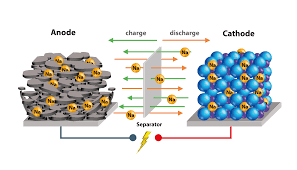
As researchers and scientists explore the future of battery technology, the question of what will replace lithium as the dominant material in batteries has gained significant attention. Various alternatives are being investigated, such as solid-state batteries, sodium-ion batteries, and even potential advancements in lithium-based technologies. Solid-state batteries, in particular, show promise with their potential for higher energy density and improved safety compared to traditional lithium-ion batteries. While the search for a viable replacement for lithium continues, ongoing research and innovation in battery technology aim to develop sustainable and efficient solutions that can power the devices and vehicles of tomorrow.

What are the different types of battery technology?

There are several types of battery technology commonly used today, each with its own unique characteristics and applications. Some of the most common types include lead-acid batteries, which are known for their reliability and low cost, making them ideal for automotive and stationary power applications. Lithium-ion batteries, on the other hand, offer high energy density and long cycle life, making them popular in consumer electronics and electric vehicles. Nickel-metal hydride (NiMH) batteries strike a balance between performance and cost, often used in hybrid vehicles and portable electronics. Other emerging technologies include solid-state batteries, promising higher energy density and improved safety compared to traditional lithium-ion batteries. Each type of battery technology has its strengths and limitations, catering to a wide range of needs in various industries.

What is the latest battery technology?

The latest battery technology that is generating significant interest and excitement is solid-state batteries. Solid-state batteries offer the potential for higher energy density, improved safety, and longer cycle life compared to traditional lithium-ion batteries. By replacing the liquid electrolytes with solid materials, solid-state batteries eliminate the risk of leakage and thermal runaway, making them a promising solution for powering electric vehicles, portable electronics, and grid energy storage systems. Researchers and companies are actively working on advancing solid-state battery technology to bring this innovative power source to commercial markets in the near future.

What technology will replace lithium batteries?

As the demand for more efficient and sustainable energy storage solutions continues to grow, researchers are exploring various alternatives that could potentially replace lithium batteries in the future. One promising technology that has gained attention is solid-state batteries. Solid-state batteries use solid electrolytes instead of liquid electrolytes, offering potential advantages in terms of safety, energy density, and longevity. Other emerging technologies being researched include sodium-ion batteries, flow batteries, and hydrogen fuel cells. While it is challenging to predict which technology will ultimately replace lithium batteries, ongoing advancements in battery research and development hold the promise of innovative solutions that could revolutionize the energy storage landscape.

What is the technology of battery?

The technology of a battery refers to the mechanism by which it stores and releases electrical energy. Batteries consist of one or more electrochemical cells that convert chemical energy into electrical energy through redox reactions. Different types of batteries utilize various materials for electrodes and electrolytes, such as lithium-ion batteries that use lithium ions for energy storage. The technology behind batteries involves complex processes that allow for the flow of electrons and ions to generate electricity, powering a wide range of devices from smartphones to electric vehicles. Understanding battery technology is essential for optimizing performance, efficiency, and sustainability in modern power systems.

What battery technology will replace lithium?

As technology advances, researchers are exploring various alternatives to lithium-ion batteries in the quest for the next generation of energy storage solutions. Some promising candidates include solid-state batteries, which offer improved safety and energy density, and sodium-ion batteries, which utilize abundant sodium resources. Additionally, researchers are investigating new materials such as graphene and silicon-based anodes to enhance battery performance. While it is challenging to predict definitively which battery technology will replace lithium-ion batteries, ongoing research and development efforts hold the potential for exciting breakthroughs in the field of energy storage.

What is the latest technology in batteries?

The latest technology in batteries revolves around advancements in solid-state batteries. Solid-state batteries are a cutting-edge innovation that replaces traditional liquid electrolytes with solid materials, offering improved energy density, enhanced safety, and longer lifespan. This technology is garnering significant interest due to its potential to revolutionize various industries, including electric vehicles, consumer electronics, and renewable energy storage. Researchers and manufacturers are actively working on refining solid-state battery technology to make it commercially viable and accessible for widespread adoption, paving the way for a more sustainable and efficient future in energy storage solutions.