cfchris.com

Loading

java platform

Exploring the Versatility of the Java Platform

The Java Platform: A Comprehensive Overview

The Java Platform: A Comprehensive Overview

Java is a versatile and robust programming language that has become one of the most popular choices for developing a wide range of applications. The Java platform, which includes the Java Development Kit (JDK) and the Java Runtime Environment (JRE), provides developers with tools and libraries to create efficient and scalable software.

Key Components of the Java Platform:

Java Virtual Machine (JVM): The JVM is a crucial component of the Java platform that enables cross-platform compatibility by executing Java bytecode. It provides an environment for running Java applications on different operating systems without recompilation.

JDK: The JDK is a development kit that includes tools such as the compiler, debugger, and libraries necessary for developing Java applications. It also contains the JRE, allowing developers to compile, debug, and run their code seamlessly.

JRE: The JRE is a runtime environment that provides the necessary libraries and components to run Java applications. It includes the JVM and core libraries required for executing Java programs.

Features of the Java Platform:

  • Platform Independence: One of the key features of Java is its platform independence, allowing developers to write code once and run it on any platform that supports Java.
  • Object-Oriented Programming: Java supports object-oriented programming paradigms, making it easier to organize and manage complex software projects.
  • Security: The Java platform emphasizes security by providing features such as sandboxing to prevent malicious code execution.
  • Multithreading: Java supports multithreading, enabling developers to create concurrent programs that can perform multiple tasks simultaneously.
  • Rich Standard Library: The Java platform offers a rich standard library with built-in classes and APIs for various functionalities like networking, I/O operations, data structures, and more.

Applications of the Java Platform:

The versatility and reliability of the Java platform have made it popular in various domains, including:

  • Enterprise applications
  • Web development (Java EE)
  • Mobile application development (Android)
  • Data analytics and big data processing
  • IoT (Internet of Things) applications

In conclusion, the Java platform continues to be a preferred choice for developers due to its flexibility, scalability, and extensive ecosystem. Whether you are building enterprise software or mobile applications, Java provides a solid foundation for creating high-performance solutions across different platforms.


8 Key Advantages of the Java Platform: From Versatility to Scalability

  1. Platform independence
  2. Object-oriented programming
  3. Rich standard library
  4. Security features
  5. Multithreading support
  6. Scalability
  7. Community support
  8. Versatility


Challenges of the Java Platform: Learning Curve, Memory Management, Performance, and Hardware Interaction

  1. Steep Learning Curve
  2. Memory Management
  3. Slower Performance
  4. Limited Hardware Interaction

Platform independence

One of the key advantages of the Java platform is its platform independence, allowing Java code to be executed on any system that has a Java Virtual Machine (JVM) installed. This feature eliminates the need for developers to write separate code for different operating systems, making Java applications highly portable and versatile. By leveraging the JVM, developers can create software that can run seamlessly across various platforms, ensuring consistent performance and user experience regardless of the underlying environment.

Object-oriented programming

Java’s support for object-oriented programming (OOP) principles is a significant advantage of the platform. By embracing OOP, Java allows developers to structure their code in a more organized and modular way, leading to easier maintenance and scalability of applications. With OOP, developers can create reusable code components, encapsulate data within objects, and establish relationships between objects, enhancing code readability and flexibility. This feature of Java simplifies the development process and promotes efficient software design practices.

Rich standard library

One of the key advantages of the Java platform is its rich standard library, which provides a comprehensive set of libraries for various functionalities. These built-in classes and APIs cover a wide range of tasks, including networking, I/O operations, data structures, and more. This extensive library simplifies development by offering ready-made solutions for common programming challenges, allowing developers to focus on implementing business logic rather than reinventing the wheel. The richness of Java’s standard library contributes to increased productivity and efficiency in software development projects.

Security features

Java’s robust security features, such as sandboxing to thwart malicious code execution, underscore its commitment to safeguarding systems and data integrity. By implementing stringent security measures, Java provides a secure environment for running applications, reducing the risk of unauthorized access and potential vulnerabilities. This focus on security not only protects users from potential threats but also instills confidence in developers to build and deploy applications with peace of mind.

Multithreading support

Java’s multithreading support is a significant advantage that empowers developers to design concurrent programs, allowing for enhanced performance and efficiency. By leveraging multithreading capabilities, Java enables applications to execute multiple tasks simultaneously, optimizing resource utilization and responsiveness. This feature not only boosts the performance of software but also enhances user experience by ensuring smooth and responsive interactions.

Scalability

Java applications offer exceptional scalability, allowing them to effortlessly expand and adapt to increasing user bases and workload demands. Thanks to its robust architecture and support for distributed computing, Java empowers developers to design applications that can seamlessly grow alongside their business needs. This scalability feature of the Java platform ensures that applications remain responsive and performant even as the demands on them intensify, making Java a preferred choice for building dynamic and scalable software solutions.

Community support

The Java platform offers robust community support, benefiting from a vast network of Java developers who contribute resources, participate in forums, and share libraries to assist fellow programmers. This thriving community serves as a valuable resource for developers seeking guidance, troubleshooting tips, and access to a wide range of pre-built solutions, enhancing the overall development experience and fostering collaboration within the Java ecosystem.

Versatility

Java’s versatility is a standout feature that makes it a top choice for developers across various domains. Whether it’s developing robust enterprise applications or creating mobile apps for the Android platform, Java proves to be a versatile and adaptable programming language. Its ability to cater to a wide range of projects showcases its flexibility and scalability, making it a go-to option for developers looking to build diverse software solutions with efficiency and reliability.

Steep Learning Curve

Java’s steep learning curve can be a significant drawback for beginners entering the world of programming. The language’s verbose syntax and intricate concepts can pose challenges for those new to coding, requiring a considerable investment of time and effort to grasp its nuances. This complexity may deter some individuals from pursuing Java as their first programming language, as the initial learning curve can be daunting.

Memory Management

Java’s automatic memory management, primarily through garbage collection, is a double-edged sword for developers. While it relieves programmers from manual memory allocation and deallocation tasks, it can introduce performance issues and unexpected pauses in applications. The garbage collector’s periodic execution to reclaim unused memory may cause temporary freezes or slowdowns, especially in real-time or latency-sensitive systems. Developers need to carefully optimize memory usage and consider alternative strategies to mitigate these drawbacks when working with Java applications.

Slower Performance

Java’s performance can be a drawback when compared to languages such as C or C++. In resource-intensive applications, Java may exhibit slower execution speeds, which can impact the overall performance of the software. This limitation is important to consider when developing applications that require high-speed processing or real-time responsiveness. Developers need to weigh the trade-offs between Java’s ease of development and its potential performance constraints to ensure optimal application performance in demanding scenarios.

Limited Hardware Interaction

Java’s platform independence, while advantageous for cross-platform compatibility, can be a hindrance when it comes to direct hardware interaction. Due to its abstraction layer and focus on security, Java limits direct access to hardware components, making it less ideal for low-level programming tasks that require intricate control over hardware resources. Developers seeking to interact closely with hardware or optimize performance at a lower level may find Java’s restrictions in this aspect challenging and may need to explore alternative languages better suited for such tasks.
java ee

Mastering Java EE: Building Enterprise Applications with Confidence

Exploring Java EE

The World of Java EE

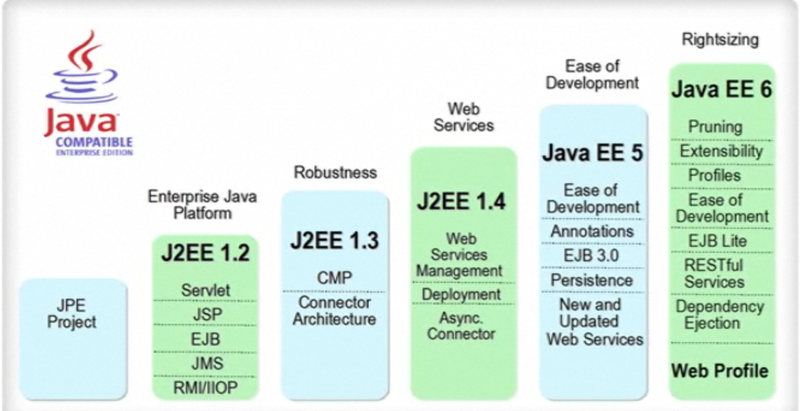
Java Platform, Enterprise Edition (Java EE), formerly known as J2EE, is a powerful platform for building enterprise-level applications. It provides a comprehensive set of APIs and services that simplify the development process and enable developers to create scalable, secure, and robust applications.

Key Features of Java EE

Java EE offers a range of features that make it a popular choice for developing enterprise applications:

  • Component-based architecture: Java EE applications are built using components such as EJBs (Enterprise JavaBeans) and servlets, making it easier to manage and maintain large-scale projects.
  • Enterprise services: Java EE provides essential services like transaction management, security, messaging, and more out of the box, saving developers time and effort in implementing these functionalities.
  • Scalability: Java EE applications can be easily scaled to accommodate increased load by leveraging features like clustering and load balancing.
  • Security: With built-in security mechanisms such as authentication and authorization, Java EE helps developers create secure applications that protect sensitive data.
  • JPA (Java Persistence API): Java EE includes JPA for simplifying database operations by providing an object-relational mapping framework.

Popular Technologies in Java EE

Some of the well-known technologies within the Java EE ecosystem include:

  • Servlets: Used for handling HTTP requests and responses in web applications.
  • JSP (JavaServer Pages): Enables the creation of dynamic web content using Java code embedded in HTML pages.
  • EJBs (Enterprise JavaBeans): Components that encapsulate business logic in enterprise applications.
  • JMS (Java Message Service): Facilitates messaging between distributed components in an application.

The Future of Java EE

In recent years, there has been a shift towards microservices architecture and cloud-native development. As a response to these trends, Jakarta EE has emerged as the successor to Java EE. Jakarta EE continues to evolve with new features and enhancements to meet the demands of modern enterprise application development.

In conclusion, Java EE remains a robust platform for building enterprise-grade applications. Its rich set of features, scalability options, and security mechanisms make it a preferred choice for developers working on complex projects. By staying updated with the latest advancements in the ecosystem, developers can leverage the power of Java EE to create innovative solutions for businesses worldwide.


9 Key Advantages of Java EE for Enterprise Application Development

  1. Comprehensive set of APIs for building enterprise applications
  2. Built-in support for essential services like transaction management and security
  3. Scalability features such as clustering and load balancing
  4. Component-based architecture simplifies application development
  5. JPA simplifies database operations with object-relational mapping
  6. Robust security mechanisms for protecting sensitive data
  7. Support for messaging services through JMS (Java Message Service)
  8. Enables creation of dynamic web content with JSP (JavaServer Pages)
  9. Continuously evolving to meet the demands of modern enterprise application development


Challenges of Java EE: Navigating Complexity, Resource Demands, and Overhead

  1. Steep learning curve
  2. Resource-intensive
  3. Overhead

Comprehensive set of APIs for building enterprise applications

Java EE’s comprehensive set of APIs for building enterprise applications is a significant advantage that simplifies and accelerates the development process. By providing a wide range of pre-built functionalities and services, developers can focus on implementing business logic rather than reinventing the wheel. These APIs cover essential aspects such as security, transaction management, messaging, and more, enabling developers to create robust and scalable enterprise solutions efficiently. The availability of these APIs in Java EE streamlines development efforts, enhances code quality, and ultimately contributes to the successful delivery of complex enterprise applications.

Built-in support for essential services like transaction management and security

Java EE’s built-in support for essential services, such as transaction management and security, significantly simplifies the development process for enterprise applications. By providing robust mechanisms for handling transactions and ensuring data security, Java EE empowers developers to focus on building core functionalities without having to implement these critical features from scratch. This inherent support enhances the reliability and integrity of applications, making them more resilient to potential risks and ensuring a smoother user experience.

Scalability features such as clustering and load balancing

One of the key advantages of Java EE is its robust scalability features, including clustering and load balancing. By utilizing clustering, Java EE applications can be distributed across multiple servers, allowing for increased performance and fault tolerance. Load balancing ensures that incoming requests are evenly distributed among servers, optimizing resource utilization and enhancing system reliability. These scalability features in Java EE empower developers to build applications that can seamlessly handle growing workloads and provide a consistent user experience even under high traffic conditions.

Component-based architecture simplifies application development

The component-based architecture of Java EE simplifies application development by breaking down complex systems into smaller, reusable components. Developers can focus on building individual components with specific functionalities, making it easier to manage and maintain the codebase. This approach promotes code reusability, modularity, and scalability, allowing developers to create robust enterprise applications efficiently. By leveraging the component-based architecture of Java EE, developers can streamline the development process and enhance the overall quality of their applications.

JPA simplifies database operations with object-relational mapping

Java EE’s Java Persistence API (JPA) stands out as a valuable asset by simplifying database operations through object-relational mapping. This feature streamlines the interaction between Java objects and relational databases, eliminating the need for developers to write complex SQL queries manually. By providing a straightforward way to map Java classes to database tables and manage data persistence, JPA enhances productivity and efficiency in application development, ultimately saving time and effort for developers.

Robust security mechanisms for protecting sensitive data

Java EE offers robust security mechanisms designed to safeguard sensitive data within enterprise applications. By incorporating features such as authentication, authorization, encryption, and secure communication protocols, Java EE empowers developers to create secure environments that protect critical information from unauthorized access or breaches. These built-in security capabilities not only ensure compliance with industry standards and regulations but also instill trust in users by maintaining the confidentiality and integrity of data throughout the application lifecycle.

Support for messaging services through JMS (Java Message Service)

Java EE’s support for messaging services through JMS (Java Message Service) is a significant advantage for developers building enterprise applications. JMS provides a reliable and asynchronous communication mechanism that allows different components of an application to exchange messages seamlessly. By leveraging JMS in Java EE, developers can design robust and scalable systems that facilitate efficient communication between distributed components, enhancing the overall performance and reliability of the application.

Enables creation of dynamic web content with JSP (JavaServer Pages)

One of the key advantages of Java EE is its ability to enable the creation of dynamic web content through JavaServer Pages (JSP). JSP allows developers to seamlessly integrate Java code within HTML pages, making it easier to generate dynamic content based on user input or system data. This feature not only enhances the user experience by providing interactive web applications but also simplifies the development process by allowing for efficient and flexible content generation.

Continuously evolving to meet the demands of modern enterprise application development

Java EE’s ability to continuously evolve to meet the demands of modern enterprise application development sets it apart as a dynamic and forward-thinking platform. By adapting to emerging technologies and trends, Java EE ensures that developers have access to the latest tools and features needed to create innovative solutions for complex business requirements. This proactive approach not only enhances the platform’s capabilities but also enables developers to stay ahead in a rapidly changing technological landscape, making Java EE a reliable choice for building scalable and future-proof enterprise applications.

Steep learning curve

One significant drawback of Java EE is its steep learning curve. The platform encompasses a complex ecosystem with a plethora of APIs and technologies, creating a daunting challenge for newcomers to fully comprehend all the intricate concepts. Navigating through the vast array of components and understanding how they interact can be overwhelming, requiring a considerable investment of time and effort to become proficient in Java EE development.

Resource-intensive

Java EE applications can pose a challenge in terms of resource consumption as they can be resource-intensive. This is primarily attributed to the overhead involved in managing components such as EJBs (Enterprise JavaBeans) and the complexities of the application server environment. The need for robust infrastructure and adequate resources to support these components may result in higher hardware requirements and operational costs, making it essential for developers to carefully optimize their Java EE applications to ensure efficient performance while balancing resource utilization.

Overhead

The comprehensive features and services offered by Java EE, while beneficial for complex enterprise applications, can introduce overhead that may be excessive for smaller or simpler projects. This additional complexity could potentially lead to performance issues as the system may be burdened with functionalities that are not essential for the project’s requirements. Careful consideration and optimization are necessary to strike a balance between leveraging the capabilities of Java EE and avoiding unnecessary overhead in order to ensure optimal performance in all types of projects.

Exploring the World of Java App Development: Building Powerful Applications with Java

The Power of Java App Development

The Power of Java App Development

Java is a versatile and powerful programming language that has been widely used for developing various types of applications, including web, mobile, and enterprise applications. With its platform independence, robustness, and scalability, Java has become a popular choice among developers for building reliable and secure software solutions.

Benefits of Java App Development

Platform Independence: One of the key advantages of Java is its platform independence. Java applications can run on any device or operating system that has a Java Virtual Machine (JVM) installed, making them highly portable.

Robustness: Java’s strong type system and exception handling mechanisms make it a robust programming language that can handle errors effectively, ensuring the stability and reliability of applications.

Scalability: Java’s scalability allows developers to build applications that can easily accommodate growing user bases and increasing workloads without compromising performance.

Use Cases of Java App Development

Java is commonly used in various industries for developing different types of applications:

  • Enterprise Applications: Many large organizations use Java for building enterprise-level software solutions such as customer relationship management (CRM) systems, enterprise resource planning (ERP) software, and more.
  • Web Applications: Java is widely used for creating dynamic and interactive web applications using frameworks like Spring and Hibernate.
  • Mobile Applications: With technologies like Android Studio and Kotlin, developers can build cross-platform mobile apps using Java.
  • Data Processing Applications: Java is also popular for developing data processing applications due to its performance and scalability features.

The Future of Java App Development

As technology continues to evolve, the future of Java app development looks promising. With the introduction of new features in the latest versions of Java, such as modularity with Project Jigsaw and enhanced performance with GraalVM, developers can expect even greater capabilities and efficiencies in building innovative software solutions.


Top 8 FAQs About Java App Development

  1. Can I create an app with Java?
  2. Is Java good for application development?
  3. Is Java good for iOS app development?
  4. Can Java build iOS apps?
  5. Is Java or Python better for app development?
  6. Do people still use Java for Android?
  7. Can I develop an app using Java?
  8. Can I still build Android apps in Java?

Can I create an app with Java?

Yes, you can create a wide range of applications using Java. Java is a versatile programming language that allows developers to build various types of software, including web, mobile, and enterprise applications. With its platform independence and robust features, Java is well-suited for developing reliable and scalable apps. Whether you are looking to create a web application, a mobile app for Android devices, or an enterprise-level software solution, Java provides the tools and capabilities needed to bring your ideas to life.

Is Java good for application development?

Java is widely regarded as an excellent choice for application development due to its numerous advantages. With its platform independence, robustness, and scalability, Java offers developers a versatile and reliable environment for building a wide range of applications. Its platform independence allows Java applications to run on various devices and operating systems with ease. The language’s strong type system and exception handling mechanisms contribute to the robustness of Java applications, ensuring stability and error management. Additionally, Java’s scalability enables developers to create applications that can grow with user demand without sacrificing performance. Overall, Java’s versatility and capabilities make it a strong contender for application development across different industries and use cases.

Is Java good for iOS app development?

Java is not typically used for iOS app development. While Java is a popular programming language for building Android apps, iOS development primarily relies on languages like Swift or Objective-C. Apple’s iOS ecosystem has its own set of development tools and frameworks that are specifically designed for creating applications that run on iOS devices. Therefore, if you are looking to develop apps for the iOS platform, it is recommended to use Swift or Objective-C to leverage the native capabilities and features of iOS devices effectively.

Can Java build iOS apps?

In the realm of Java app development, a common inquiry revolves around the possibility of using Java to build iOS apps. While Java is a versatile and powerful programming language, it is not typically used for directly creating iOS applications. iOS apps are primarily developed using Apple’s official programming language, Swift, or Objective-C. However, developers can explore cross-platform development tools like Xamarin or React Native to write code in Java and deploy it on multiple platforms, including iOS. By leveraging these frameworks, developers can achieve some level of code reusability across different operating systems while still catering to the specific requirements of iOS app development.

Is Java or Python better for app development?

When it comes to app development, the choice between Java and Python often depends on the specific requirements of the project. Java is known for its platform independence, robustness, and scalability, making it a popular choice for building enterprise-level applications and web services. On the other hand, Python is favored for its simplicity, readability, and versatility, particularly in data science, machine learning, and rapid prototyping. Ultimately, the decision between Java and Python for app development should consider factors such as project complexity, performance needs, existing codebase compatibility, and developer expertise in each language. Both Java and Python have their strengths and can be valuable tools depending on the context of the application being developed.

Do people still use Java for Android?

Yes, Java is still widely used for Android app development. Despite the introduction of Kotlin as an official language for Android development by Google, many developers continue to rely on Java due to its familiarity, robustness, and extensive ecosystem of libraries and tools. Java remains a popular choice for building Android apps, especially for developers who have already invested time and effort in mastering the language. Additionally, Java’s platform independence and compatibility with various devices make it a versatile option for creating high-quality mobile applications on the Android platform.

Can I develop an app using Java?

Yes, you can develop an app using Java. Java is a versatile and widely-used programming language that is well-suited for building various types of applications, including web, mobile, and enterprise applications. With its platform independence and robust features, Java provides developers with the tools they need to create reliable and scalable software solutions. Whether you are looking to develop a web application, a mobile app, or an enterprise-level system, Java offers the flexibility and power to bring your ideas to life.

Can I still build Android apps in Java?

Yes, developers can still build Android apps in Java. While Google introduced Kotlin as an official language for Android app development, Java remains a supported and widely used language for creating Android applications. Many developers are already familiar with Java and have existing codebases written in Java, making it a practical choice for building Android apps. Additionally, the Android SDK fully supports Java, allowing developers to leverage its features and libraries to create robust and feature-rich applications for the Android platform.

java software

Unlocking the Potential of Java Software: A Comprehensive Guide

The Power of Java Software

The Power of Java Software

Java software has become a cornerstone in the world of technology, powering a wide range of applications and systems. Its versatility, reliability, and scalability make it a popular choice for developers and businesses alike.

What is Java?

Java is a high-level programming language that was developed by Sun Microsystems in the mid-1990s. It is known for its “write once, run anywhere” philosophy, which means that Java programs can run on any platform that has a Java Virtual Machine (JVM) installed.

Features of Java Software

One of the key features of Java software is its portability. This allows developers to create applications that can be deployed on various operating systems without any modifications. Additionally, Java is known for its robust security features, making it a popular choice for developing secure applications.

Applications of Java Software

Java software is used in a wide range of applications, including:

  • Enterprise applications
  • Web applications
  • Mobile applications
  • Gaming applications
  • Embedded systems
  • Big data technologies

The Future of Java Software

Despite the emergence of new programming languages and technologies, Java continues to be a popular choice for developers due to its stability and performance. With ongoing updates and improvements, Java software remains relevant in today’s rapidly evolving tech landscape.


6 Essential Tips for Writing Clean and Effective Java Software

  1. Use meaningful variable names to improve code readability.
  2. Follow Java naming conventions for classes, methods, and variables.
  3. Break down complex tasks into smaller methods for better maintainability.
  4. Document your code using comments to explain its purpose and functionality.
  5. Make use of Java’s built-in libraries and frameworks to avoid reinventing the wheel.
  6. Regularly test your code using unit tests to ensure its correctness.

Use meaningful variable names to improve code readability.

Using meaningful variable names is a crucial tip in Java software development as it significantly enhances code readability. By choosing descriptive and relevant names for variables, developers can easily understand the purpose and function of each variable within the code. This practice not only makes the code more readable for the original developer but also for anyone else who may need to work on or maintain the code in the future. Clear and meaningful variable names help streamline the coding process, improve collaboration among team members, and ultimately contribute to creating more maintainable and efficient Java software applications.

Follow Java naming conventions for classes, methods, and variables.

It is essential to adhere to Java naming conventions when naming classes, methods, and variables in your code. By following these conventions, such as using camelCase for method and variable names and PascalCase for class names, you ensure consistency and readability throughout your codebase. Consistent naming practices make it easier for other developers to understand your code and maintain it effectively. Additionally, following Java naming conventions helps in promoting good coding practices and standards within the Java development community.

Break down complex tasks into smaller methods for better maintainability.

When working with Java software, it is essential to break down complex tasks into smaller methods to enhance maintainability. By dividing a large task into smaller, more manageable chunks, developers can improve code readability, reusability, and ease of maintenance. This approach also facilitates debugging and troubleshooting processes, as each method focuses on a specific functionality or aspect of the overall task. Overall, breaking down complex tasks into smaller methods is a best practice that promotes efficient development and long-term sustainability of Java software projects.

Document your code using comments to explain its purpose and functionality.

Documenting your code using comments is a crucial practice when working with Java software. By adding comments to explain the purpose and functionality of your code, you not only make it easier for yourself to understand and maintain the code in the future but also for other developers who may collaborate on the project. Clear and concise comments can provide valuable insights into the logic behind the code, making it more readable and maintainable. In addition, well-documented code helps in troubleshooting and debugging, saving time and effort in identifying and fixing issues.

Make use of Java’s built-in libraries and frameworks to avoid reinventing the wheel.

When working with Java software, it is highly beneficial to leverage Java’s built-in libraries and frameworks to avoid reinventing the wheel. Java offers a rich collection of libraries and frameworks that provide ready-made solutions for common programming tasks, such as data manipulation, networking, and user interface development. By utilizing these resources, developers can streamline their workflow, improve efficiency, and focus on implementing unique features rather than writing code from scratch. This approach not only saves time and effort but also ensures that the software benefits from well-tested and optimized components.

Regularly test your code using unit tests to ensure its correctness.

Regularly testing your code using unit tests is a crucial practice in Java software development to ensure its correctness and reliability. By writing and running unit tests, developers can verify the behavior of individual components of their code, identifying bugs and errors early in the development process. This proactive approach not only helps in maintaining the quality of the code but also streamlines the debugging process and enhances overall code stability. Incorporating unit testing as a routine part of the development cycle promotes code maintainability and fosters a culture of continuous improvement in software development practices.

software dev

Exploring the Exciting World of Software Development

The World of Software Development

The World of Software Development

Software development is a dynamic and ever-evolving field that plays a crucial role in shaping the digital landscape of today’s world. From mobile apps to complex enterprise systems, software developers are the architects behind the technology that powers our daily lives.

The Process of Software Development

Software development involves a series of steps that collectively lead to the creation of functional and user-friendly applications. The process typically includes:

  1. Planning: Defining project requirements, setting goals, and creating a roadmap for development.
  2. Design: Creating wireframes, user interfaces, and overall architecture of the software.
  3. Development: Writing code, implementing features, and testing functionalities.
  4. Testing: Conducting various tests to ensure the software meets quality standards and functions as intended.
  5. Deployment: Releasing the software to users and providing ongoing support and updates.

The Role of Software Developers

Software developers are skilled professionals who possess expertise in programming languages, algorithms, and problem-solving. They work collaboratively with designers, project managers, and quality assurance testers to bring software projects to life.

Whether it’s creating innovative mobile apps, building robust web applications, or optimizing existing systems for performance, software developers are at the forefront of technological innovation.

The Future of Software Development

As technology continues to advance at a rapid pace, the future of software development looks promising. Trends such as artificial intelligence, cloud computing, and Internet of Things (IoT) are reshaping the way we interact with technology.

To stay relevant in this ever-changing landscape, software developers must continuously update their skills, adapt to new technologies, and embrace lifelong learning. By doing so, they can continue to drive innovation and create impactful solutions that address the needs of tomorrow’s digital world.

© 2023 The World of Software Development. All rights reserved.


Top 6 Frequently Asked Questions About Software Development

  1. What programming languages are commonly used in software development?
  2. What is the difference between front-end and back-end development?
  3. How do software developers ensure the security of applications?
  4. What is the Agile methodology and how is it used in software development?
  5. What role does testing play in the software development process?
  6. How can I become a software developer?

What programming languages are commonly used in software development?

In software development, various programming languages are commonly used to create applications and systems tailored to specific needs. Some of the popular programming languages include Java, Python, C++, JavaScript, and C#. Each language has its strengths and is chosen based on factors such as project requirements, performance considerations, and developer preferences. Java is widely used for building enterprise applications, Python for data analysis and machine learning, C++ for system software and game development, JavaScript for web development, and C# for Windows applications. Understanding the strengths and capabilities of different programming languages is essential for developers to choose the most suitable language for their projects.

What is the difference between front-end and back-end development?

In software development, the distinction between front-end and back-end development lies in their respective focuses. Front-end development pertains to the user-facing aspects of an application, encompassing the design, layout, and interactive elements that users directly interact with. On the other hand, back-end development involves the behind-the-scenes functionalities that power the application, such as server-side logic, databases, and ensuring data integrity and security. Front-end developers primarily work on enhancing user experience and visual appeal, while back-end developers focus on creating robust systems that handle data processing and business logic. Both front-end and back-end development are essential components of building a cohesive and functional software product.

How do software developers ensure the security of applications?

Software developers ensure the security of applications through various best practices and techniques. They implement secure coding standards, conduct regular security audits and testing, utilize encryption methods to protect sensitive data, and follow authentication and authorization protocols to control access to the application. Additionally, developers stay informed about the latest security threats and vulnerabilities, apply patches and updates promptly, and prioritize security features during the development process. By adopting a proactive approach to security, software developers help mitigate risks and safeguard applications against potential cyber threats.

What is the Agile methodology and how is it used in software development?

The Agile methodology is a popular approach in software development that emphasizes flexibility, collaboration, and continuous improvement. Unlike traditional waterfall methods, Agile breaks down the development process into iterative cycles known as sprints. Each sprint focuses on delivering a working product incrementally, allowing for feedback and adjustments throughout the project. Agile promotes close communication between cross-functional teams, encourages adaptability to changing requirements, and prioritizes customer satisfaction. By embracing Agile principles such as transparency, self-organization, and regular reflection, software development teams can efficiently deliver high-quality solutions that meet evolving needs and expectations.

What role does testing play in the software development process?

Testing plays a crucial role in the software development process as it ensures the quality, reliability, and functionality of the final product. By conducting various tests, such as unit testing, integration testing, and user acceptance testing, developers can identify and rectify any issues or bugs in the code before the software is deployed to users. Testing helps validate that the software meets the specified requirements, performs as expected, and provides a seamless user experience. Ultimately, thorough testing not only enhances the overall quality of the software but also instills confidence in its performance and usability.

How can I become a software developer?

Becoming a software developer requires a combination of education, practical experience, and a passion for problem-solving. To start your journey, consider pursuing a degree in computer science or related field to gain foundational knowledge in programming languages and algorithms. Engaging in coding projects, internships, or online courses can help you build practical skills and expand your portfolio. Networking with professionals in the industry and staying updated on the latest technologies are also essential steps to kickstart a career in software development. Remember, persistence, continuous learning, and dedication to honing your craft are key elements to becoming a successful software developer.

java

Unlocking the Potential of Java: A Comprehensive Guide to Programming Excellence

All About Java

The Power and Versatility of Java Programming Language

Java is a versatile and widely-used programming language that has been a cornerstone in the world of software development for decades. Originally developed by Sun Microsystems in the mid-1990s, Java has evolved into a robust and powerful language that is used in a variety of applications across different platforms.

Key Features of Java:

  • Platform Independence: One of the key features of Java is its platform independence. Java programs can run on any device that has a Java Virtual Machine (JVM) installed, making it highly portable.
  • Object-Oriented: Java is an object-oriented programming language, which means it focuses on creating reusable code components known as objects.
  • Robust Standard Library: Java comes with a comprehensive standard library that provides pre-built functionalities for various tasks, making development faster and more efficient.
  • Security: Security is a top priority in Java. It includes features like automatic memory management (garbage collection) and built-in security mechanisms to prevent common vulnerabilities.
  • Multithreading Support: Java supports multithreading, allowing developers to create applications that can perform multiple tasks simultaneously.

Applications of Java:

Java is widely used in various domains, including:

  • Enterprise Applications: Many large-scale enterprise applications are built using Java due to its scalability and reliability.
  • Web Development: Popular web frameworks like Spring and Hibernate are based on Java, making it a preferred choice for web development.
  • Mobile Development: Android apps are primarily developed using Java, making it essential for mobile application development.
  • Data Science: With libraries like Apache Spark and Weka, Java is also used in data science and machine learning applications.

The Future of Java

In recent years, the popularity of Java remains strong despite the emergence of new languages and technologies. With ongoing updates and improvements through the OpenJDK community, Java continues to adapt to modern development needs while maintaining its core strengths.


Top 6 Frequently Asked Questions About Java Programming

  1. What is Java and why is it popular?
  2. How does Java differ from other programming languages?
  3. What are the key features of Java?
  4. How can I start learning Java as a beginner?
  5. What are the main applications of Java in the industry?
  6. Is Java still relevant in today’s technology landscape?

Java is a versatile and widely-used programming language known for its platform independence, robust standard library, and strong security features. It is popular due to its ability to run on any device with a Java Virtual Machine (JVM), making it highly portable across different platforms. Java’s object-oriented approach allows for the creation of reusable code components, while its comprehensive standard library simplifies development tasks. Additionally, Java’s focus on security, multithreading support, and widespread use in enterprise applications, web development, mobile apps, and data science contribute to its enduring popularity in the software development industry.

How does Java differ from other programming languages?

In comparison to other programming languages, Java stands out for its platform independence, thanks to its ability to run on any device with a Java Virtual Machine (JVM). Java’s object-oriented nature promotes code reusability through the creation of objects. Additionally, Java offers a robust standard library that streamlines development tasks and enhances efficiency. Security is a paramount feature of Java, incorporating automatic memory management and built-in security mechanisms to mitigate vulnerabilities. Furthermore, Java’s support for multithreading enables the development of applications capable of executing multiple tasks concurrently, distinguishing it as a versatile and powerful programming language in the software development landscape.

What are the key features of Java?

One of the frequently asked questions about Java is related to its key features. Java boasts several essential features that make it a popular and powerful programming language. Some of the key features of Java include platform independence, object-oriented nature, robust standard library, emphasis on security, and support for multithreading. These features contribute to Java’s versatility, making it suitable for a wide range of applications across different platforms and industries.

How can I start learning Java as a beginner?

To start learning Java as a beginner, it is recommended to begin with understanding the basic concepts of programming such as variables, data types, loops, and conditional statements. There are numerous online resources available including tutorials, books, and interactive platforms that cater to beginners. It is beneficial to practice coding regularly by working on small projects and exercises to reinforce your understanding of Java syntax and principles. Additionally, joining online forums or communities can provide valuable support and guidance from experienced Java developers. Patience and persistence are key when embarking on your journey to learn Java programming as a beginner.

What are the main applications of Java in the industry?

In the industry, Java is widely utilized across various applications due to its versatility and robustness. Some of the main applications of Java include enterprise software development, where its scalability and reliability make it a preferred choice for building large-scale systems. In web development, Java is commonly used in frameworks like Spring and Hibernate to create dynamic and secure web applications. Additionally, Java plays a significant role in mobile app development, particularly for Android apps. Its flexibility also extends to data science and machine learning applications, where libraries such as Apache Spark and Weka leverage Java’s capabilities for processing and analyzing large datasets effectively. Overall, Java’s adaptability and rich ecosystem make it a go-to language for diverse industry needs.

Is Java still relevant in today’s technology landscape?

In today’s rapidly evolving technology landscape, the question of Java’s relevance remains a common inquiry. Despite the emergence of newer programming languages and frameworks, Java continues to maintain its significance and widespread adoption across various industries. With its platform independence, robust standard library, and strong security features, Java remains a versatile choice for developing enterprise applications, web services, mobile apps, and more. Furthermore, ongoing updates and community support through OpenJDK ensure that Java stays current with modern development trends and continues to play a vital role in shaping the future of software development.