

cfchris.com

Loading

software programmer

The Essential Skills of a Software Programmer: A Guide to Success

The Role of a Software Programmer

The Role of a Software Programmer

Software programmers, also known as software developers or coders, play a crucial role in the creation and maintenance of computer programs. They are the creative minds behind software applications that we use on our computers, smartphones, and other devices.

Responsibilities of a Software Programmer

Software programmers are responsible for writing, testing, and debugging code to create functional software applications. They work closely with software engineers and designers to bring concepts to life through coding. Some key responsibilities of a software programmer include:

  • Writing clean, efficient code in various programming languages.
  • Collaborating with team members to design and develop software solutions.
  • Testing and debugging programs to ensure they function correctly.
  • Updating and maintaining existing software applications.
  • Keeping up-to-date with industry trends and technologies.

Skills Required

To excel as a software programmer, one needs a combination of technical skills, problem-solving abilities, and creativity. Some essential skills for software programmers include:

  • Proficiency in programming languages such as Java, C++, Python, or JavaScript.
  • Strong analytical and problem-solving skills.
  • Attention to detail and the ability to write clean code.
  • Effective communication skills for collaborating with team members.
  • Adaptability to learn new languages and technologies quickly.

Career Outlook

The demand for skilled software programmers continues to grow as technology becomes increasingly integrated into various industries. Software programmers can find opportunities in software development companies, tech startups, government agencies, and more. With the right skills and experience, software programmers can advance their careers into roles such as senior developer, technical lead, or even project manager.


Understanding Software Programmers: Roles, Skills, and Career Paths

  1. What is a software programmer?
  2. What does a software programmer do?
  3. What programming languages do software programmers use?
  4. What skills are important for a software programmer?
  5. How to become a software programmer?
  6. What are the responsibilities of a software programmer?
  7. What career opportunities are available for software programmers?

What is a software programmer?

A software programmer, also known as a software developer, is a professional responsible for writing, testing, and debugging code to create functional software applications. They work closely with software engineers and designers to bring concepts to life through coding. Software programmers possess expertise in various programming languages and are adept at problem-solving and collaborating with team members to develop innovative solutions. Their role is essential in the development and maintenance of computer programs that power the digital world we interact with on a daily basis.

What does a software programmer do?

As a software programmer, the primary role is to design, develop, and maintain computer programs and applications. Software programmers write code in various programming languages to create software solutions that meet specific requirements. They collaborate with team members to analyze user needs, design software systems, and test applications for functionality and efficiency. In essence, a software programmer translates concepts into code, troubleshoots issues, and ensures that the final product meets quality standards.

What programming languages do software programmers use?

Software programmers use a variety of programming languages depending on the specific requirements of the project they are working on. Some commonly used programming languages by software programmers include Java, C++, Python, JavaScript, Ruby, PHP, and C#. Each programming language has its strengths and is chosen based on factors such as project complexity, performance requirements, and compatibility with existing systems. Software programmers often have expertise in multiple languages to adapt to different project needs and stay versatile in the ever-evolving field of software development.

What skills are important for a software programmer?

When considering the skills important for a software programmer, proficiency in programming languages is paramount. A strong grasp of languages like Java, C++, Python, or JavaScript is essential for writing efficient and functional code. Additionally, problem-solving abilities and attention to detail are crucial traits that enable programmers to debug programs effectively and create clean code. Effective communication skills are also valuable for collaborating with team members on software development projects. Lastly, adaptability to learn new languages and technologies quickly ensures that programmers can stay abreast of industry trends and remain competitive in the ever-evolving tech landscape.

How to become a software programmer?

To become a software programmer, individuals typically start by gaining a solid foundation in computer science or a related field through formal education such as a degree in computer science, software engineering, or information technology. It is essential to learn programming languages like Java, C++, Python, or JavaScript and practice coding regularly to build proficiency. Engaging in coding projects, participating in coding competitions, and pursuing internships or entry-level positions in software development can provide valuable hands-on experience. Continuous learning and staying updated with the latest technologies and industry trends are also crucial for aspiring software programmers to succeed in this dynamic field.

What are the responsibilities of a software programmer?

When it comes to the responsibilities of a software programmer, they are tasked with writing, testing, and debugging code to create functional software applications. Collaborating closely with software engineers and designers, software programmers work to bring concepts to life through coding. Their duties include writing clean and efficient code in various programming languages, participating in the design and development of software solutions, ensuring the proper functionality of programs through testing and debugging, updating and maintaining existing software applications, and staying abreast of industry trends and technologies to continuously enhance their skills.

What career opportunities are available for software programmers?

Career opportunities for software programmers are abundant and diverse. Software programmers can explore roles in various industries, including software development companies, tech startups, government agencies, healthcare, finance, and more. With the rapid advancement of technology, software programmers have the opportunity to specialize in areas such as web development, mobile app development, cybersecurity, artificial intelligence, and data science. As they gain experience and expertise in programming languages and technologies, software programmers can progress into roles like senior developer, software architect, technical lead, or project manager. The dynamic nature of the tech industry ensures that software programmers have a wide range of career paths to choose from and opportunities for growth and advancement.

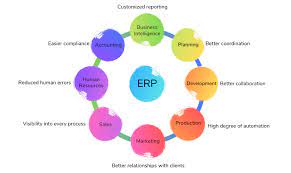
computer software development

Exploring the Evolution of Computer Software Development

Computer Software Development

The World of Computer Software Development

Computer software development is a dynamic and ever-evolving field that plays a crucial role in shaping the digital landscape of today’s world. It involves the creation, design, testing, and maintenance of software applications that run on various devices, from computers to smartphones and beyond.

The Process of Software Development

Software development typically follows a structured process that includes several key stages:

  1. Planning: This stage involves defining the project scope, requirements, and objectives.
  2. Design: Developers create a blueprint for the software based on the requirements gathered during the planning phase.
  3. Implementation: The actual coding of the software takes place during this phase, where developers bring the design to life.
  4. Testing: Rigorous testing is conducted to ensure that the software functions as intended and is free of bugs or errors.
  5. Deployment: The software is released to users after successful testing and approval.
  6. Maintenance: Ongoing updates, bug fixes, and improvements are made to ensure that the software remains functional and up-to-date.

The Role of Developers

Software developers are at the heart of the software development process. They possess expertise in programming languages such as Java, C++, Python, and more, allowing them to write code that powers applications across various platforms.

In addition to technical skills, developers must also have problem-solving abilities, creativity, and attention to detail to create efficient and user-friendly software solutions.

The Future of Software Development

As technology continues to advance at a rapid pace, the field of computer software development shows no signs of slowing down. Emerging trends such as artificial intelligence, machine learning, cloud computing, and Internet of Things (IoT) are reshaping how software is created and utilized.

In this fast-paced industry, staying current with new technologies and best practices is essential for developers to remain competitive and deliver cutting-edge solutions that meet the evolving needs of businesses and consumers alike.

© 2023 Computer Software Development Insights. All rights reserved.


8 Essential Tips for Effective Computer Software Development

  1. Write clean and readable code for better maintainability.
  2. Use version control systems like Git to track changes in your codebase.
  3. Document your code to make it easier for others to understand and use.
  4. Test your code thoroughly to catch bugs early in the development process.
  5. Follow coding standards and best practices to ensure consistency across the project.
  6. Regularly update dependencies and libraries to keep your software secure and up-to-date.
  7. Optimize performance by profiling and refactoring inefficient code sections.
  8. Collaborate with team members through effective communication and regular code reviews.

Write clean and readable code for better maintainability.

Writing clean and readable code is a fundamental tip in computer software development that significantly enhances the maintainability of a project. By adhering to coding best practices and conventions, developers can create code that is easy to understand, modify, and debug. Clean code reduces the likelihood of introducing errors during maintenance tasks and allows for smoother collaboration among team members. Prioritizing readability not only improves the efficiency of future development efforts but also contributes to overall code quality and long-term project success.

Use version control systems like Git to track changes in your codebase.

Utilizing version control systems like Git is crucial in computer software development to efficiently track changes in your codebase. By using Git, developers can easily manage different versions of their code, collaborate with team members seamlessly, and revert to previous versions if needed. This practice not only enhances code organization and collaboration but also ensures the integrity and stability of the software development process.

Document your code to make it easier for others to understand and use.

Documenting your code is a crucial tip in computer software development as it significantly enhances the readability and usability of the codebase for others. By providing clear and concise comments and explanations within the code, developers can effectively communicate the purpose, functionality, and logic behind each component. This practice not only facilitates collaboration among team members but also ensures that future developers can easily grasp the code structure, make necessary modifications, and troubleshoot issues efficiently. Ultimately, thorough documentation serves as a valuable resource that contributes to the overall quality and maintainability of software projects.

Test your code thoroughly to catch bugs early in the development process.

Testing your code thoroughly is a crucial tip in computer software development to catch bugs early in the development process. By conducting rigorous testing, developers can identify and address potential issues before they escalate, ensuring that the software functions as intended and delivers a seamless user experience. Early bug detection not only saves time and resources but also enhances the overall quality and reliability of the final product, ultimately leading to greater customer satisfaction.

Follow coding standards and best practices to ensure consistency across the project.

Following coding standards and best practices is essential in computer software development to maintain consistency and quality throughout the project. By adhering to established guidelines, developers can write code that is more readable, maintainable, and scalable. Consistent coding practices also facilitate collaboration among team members, improve code review processes, and ultimately lead to a more efficient development workflow. Embracing coding standards helps create a solid foundation for the project and promotes a higher level of professionalism in software development endeavors.

Regularly update dependencies and libraries to keep your software secure and up-to-date.

Ensuring the security and efficiency of your software is paramount in computer software development. One crucial tip is to regularly update dependencies and libraries to keep your software secure and up-to-date. By staying current with the latest versions of libraries and dependencies, developers can address vulnerabilities, improve performance, and leverage new features that enhance the overall functionality of the software. This proactive approach not only helps mitigate security risks but also ensures that your software remains competitive in an ever-evolving technological landscape.

Optimize performance by profiling and refactoring inefficient code sections.

To optimize performance in computer software development, it is essential to identify and improve inefficient code sections through profiling and refactoring. Profiling helps developers pinpoint areas of the code that are causing bottlenecks or consuming excessive resources, allowing them to prioritize optimization efforts effectively. Refactoring involves restructuring the code to make it more efficient, readable, and maintainable without changing its external behavior. By regularly profiling and refactoring inefficient code sections, developers can enhance the overall performance and scalability of their software applications.

Collaborate with team members through effective communication and regular code reviews.

Effective collaboration among team members is essential in computer software development. By fostering open communication channels and conducting regular code reviews, developers can ensure that everyone is on the same page and working towards a common goal. Code reviews not only help identify errors and optimize code quality but also provide valuable learning opportunities for team members. Through collaboration and constructive feedback, teams can enhance their productivity, creativity, and overall success in delivering high-quality software solutions.

software application development

Mastering the Art of Software Application Development: A Comprehensive Guide

Software Application Development

The Art and Science of Software Application Development

Software application development is both an art and a science that involves the creation, design, testing, and maintenance of computer software applications. In today’s digital age, where technology plays a crucial role in almost every aspect of our lives, the demand for innovative and user-friendly software applications continues to grow.

The Process of Software Application Development

Developing a software application is a complex process that requires a systematic approach. It typically involves the following key stages:

  1. Planning: This stage involves defining the scope of the project, setting goals and objectives, and creating a roadmap for development.
  2. Design: During this stage, developers create the architecture and design of the application, including user interface design and database design.
  3. Development: Developers write the code for the application based on the design specifications. This stage may involve multiple iterations and testing to ensure functionality.
  4. Testing: Testing is a critical phase where developers evaluate the application’s performance, identify bugs or issues, and make necessary adjustments.
  5. Deployment: Once the application is tested and approved, it is deployed to production environments for end-users to access.
  6. Maintenance: After deployment, developers continue to monitor and maintain the application to ensure optimal performance and address any issues that may arise.

The Role of Developers in Software Application Development

Software developers play a vital role in every stage of the software application development process. They are responsible for writing code, debugging errors, optimizing performance, and ensuring that the application meets user requirements. Developers must have strong problem-solving skills, attention to detail, and proficiency in programming languages such as Java, C++, Python, or JavaScript.

The Future of Software Application Development

As technology continues to evolve rapidly, the future of software application development looks promising. Emerging trends such as artificial intelligence (AI), machine learning (ML), Internet of Things (IoT), and cloud computing are reshaping how applications are developed and deployed. Developers must stay current with these trends to create innovative solutions that meet the changing needs of users.

In conclusion, software application development is a dynamic field that requires creativity, technical expertise, collaboration, and continuous learning. By embracing new technologies and best practices in development processes, developers can create cutting-edge applications that enhance user experiences and drive digital transformation across industries.


7 Essential Tips for Successful Software Application Development

  1. Plan and design your software application thoroughly before starting development.
  2. Follow best practices and coding standards to ensure code quality and maintainability.
  3. Regularly test your application to catch bugs early on and ensure proper functionality.
  4. Utilize version control systems like Git to track changes and collaborate with team members effectively.
  5. Prioritize security measures to protect user data and prevent vulnerabilities in your application.
  6. Document your code, including comments and README files, to make it easier for others to understand and contribute.
  7. Stay updated with the latest technologies and trends in software development to enhance your skills and stay competitive.

Plan and design your software application thoroughly before starting development.

It is crucial to plan and design your software application thoroughly before starting development. By investing time in the initial planning and design stages, you can establish a clear roadmap for the project, define specific goals and requirements, and create a solid foundation for development. Thorough planning helps identify potential challenges early on, allows for efficient resource allocation, and ensures that the final product meets user expectations. A well-thought-out plan and design significantly contribute to the success of the software application development process by minimizing risks and maximizing efficiency.

Follow best practices and coding standards to ensure code quality and maintainability.

Following best practices and coding standards is essential in software application development to uphold code quality and maintainability. By adhering to established guidelines and standards, developers can write clean, efficient, and organized code that is easier to understand, debug, and maintain. Consistent coding practices also promote collaboration among team members and facilitate the integration of new features or updates seamlessly. Ultimately, prioritizing best practices in coding contributes to the overall success of a project by reducing errors, enhancing scalability, and improving the longevity of the software application.

Regularly test your application to catch bugs early on and ensure proper functionality.

Regularly testing your software application is a crucial step in the development process to identify and address bugs early on, ensuring that the application functions correctly. By conducting thorough and systematic testing, developers can detect issues before they escalate, leading to a more stable and reliable product. Testing also helps in verifying that the application meets user requirements and delivers a seamless experience. Emphasizing regular testing not only improves the quality of the software but also saves time and resources in the long run by preventing major issues down the line.

Utilize version control systems like Git to track changes and collaborate with team members effectively.

Utilizing version control systems like Git in software application development is crucial for tracking changes and collaborating with team members effectively. By using Git, developers can maintain a history of code modifications, revert to previous versions if needed, and merge changes seamlessly. This ensures that team members can work concurrently on the same codebase without conflicts, improving productivity and code quality. Additionally, version control systems like Git provide a centralized platform for collaboration, enabling teams to communicate, review code, and contribute to projects efficiently.

Prioritize security measures to protect user data and prevent vulnerabilities in your application.

It is crucial to prioritize security measures in software application development to safeguard user data and prevent vulnerabilities. By implementing robust security protocols and encryption techniques, developers can create a secure environment that protects sensitive information from unauthorized access and cyber threats. Prioritizing security not only builds trust with users but also helps mitigate the risks of data breaches and potential damages to both individuals and businesses.

Document your code, including comments and README files, to make it easier for others to understand and contribute.

Documenting your code, which includes adding comments within the code and creating README files, is a crucial tip in software application development. By documenting your code effectively, you provide valuable insights into the functionality, structure, and purpose of the codebase. This not only helps others understand the logic behind your implementation but also makes it easier for them to contribute to the project by building upon existing code. Clear and concise documentation enhances collaboration among team members, improves code maintainability, and ultimately leads to the development of more robust and scalable software applications.

Staying updated with the latest technologies and trends in software development is essential for enhancing your skills and remaining competitive in the ever-evolving industry. By keeping abreast of new tools, programming languages, frameworks, and best practices, you can expand your knowledge base, improve your efficiency, and deliver innovative solutions that meet the demands of modern users. Continuous learning and adaptation to emerging trends not only benefit your professional growth but also ensure that you stay ahead of the curve in a dynamic and competitive software development landscape.