

cfchris.com

Loading

Category mobile development

best mobile app development software

Discover the Top Picks: Best Mobile App Development Software for Innovative Apps

Best Mobile App Development Software

The Best Mobile App Development Software for Building Innovative Apps

Mobile app development has become a crucial aspect of businesses and individuals looking to reach a wider audience and enhance user engagement. With the increasing demand for mobile apps, choosing the right app development software is essential for creating successful and innovative applications.

Top Mobile App Development Software:

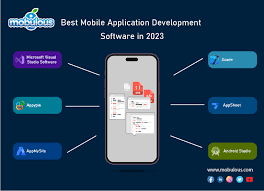
  1. Flutter: Flutter, developed by Google, is an open-source UI software development kit used for building natively compiled applications for mobile, web, and desktop from a single codebase.
  2. Xamarin: Xamarin, owned by Microsoft, allows developers to create cross-platform mobile applications using C# and .NET. It provides a rich set of tools and libraries for building high-performance apps.
  3. React Native: React Native, maintained by Facebook, enables developers to build native mobile apps using JavaScript and React. It offers a fast development cycle and allows code reusability across different platforms.
  4. Appy Pie: Appy Pie is a no-code app development platform that enables users to create custom mobile apps without any programming skills. It offers drag-and-drop functionality and various templates for quick app creation.
  5. PhoneGap: PhoneGap is an open-source framework owned by Adobe that allows developers to build cross-platform mobile applications using web technologies such as HTML5, CSS3, and JavaScript.

Each of these mobile app development software tools comes with its unique features and capabilities to cater to different project requirements. Whether you are a beginner or an experienced developer, choosing the right software can streamline your app development process and help you create cutting-edge mobile applications.

Selecting the best mobile app development software depends on factors such as project complexity, target platforms, budget constraints, and developer expertise. By evaluating these criteria against the features offered by each software tool, you can make an informed decision on which platform suits your needs best.

With the right mobile app development software at your disposal, you can unleash your creativity and bring your app ideas to life in today’s competitive digital landscape.


Top FAQs About Choosing the Best Mobile App Development Software

  1. What is the best mobile app development software for beginners?
  2. Which mobile app development software offers the most features for advanced developers?
  3. Is there a free mobile app development software that is highly recommended?
  4. What are the key factors to consider when choosing mobile app development software?
  5. Can mobile app development software be used to create apps for both iOS and Android platforms?
  6. How important is cross-platform compatibility in selecting mobile app development software?
  7. Are there any specific tools or plugins that enhance the functionality of mobile app development software?
  8. What are the differences between native and hybrid app development using various software options?
  9. How can I find tutorials or resources to learn how to use different mobile app development software effectively?

What is the best mobile app development software for beginners?

When it comes to beginners in mobile app development, choosing the right software can make a significant difference in their learning curve and project success. Among the various options available, platforms like Flutter and React Native are often recommended for beginners due to their user-friendly interfaces, extensive documentation, and active community support. These tools provide a smooth entry point into app development with features that simplify the coding process and offer real-time previews of app designs. Additionally, no-code platforms like Appy Pie can be ideal for absolute beginners looking to create basic apps without having to write any code. Ultimately, the best mobile app development software for beginners depends on individual preferences, project goals, and desired learning outcomes.

Which mobile app development software offers the most features for advanced developers?

When it comes to advanced developers seeking a mobile app development software with a comprehensive set of features, Flutter stands out as a top choice. Developed by Google, Flutter provides advanced developers with a rich toolkit and robust capabilities for building high-performance, natively compiled applications across multiple platforms. Its flexibility, extensive customization options, and hot reload feature make it an ideal choice for those looking to create complex and innovative mobile apps efficiently. With Flutter, advanced developers can leverage its advanced features to push the boundaries of mobile app development and deliver cutting-edge solutions to meet their project requirements.

When it comes to free mobile app development software, one highly recommended option is Flutter. Developed by Google, Flutter is an open-source UI software development kit that allows developers to create natively compiled applications for mobile, web, and desktop from a single codebase. Its flexibility, performance, and extensive community support make it a popular choice for those looking to build innovative apps without incurring additional costs. With Flutter, developers can leverage its rich set of features and tools to create high-quality mobile applications efficiently.

What are the key factors to consider when choosing mobile app development software?

When selecting mobile app development software, several key factors should be considered to ensure the success of your app project. Firstly, it is essential to assess the compatibility of the software with your target platforms, such as iOS and Android. Additionally, evaluating the scalability and flexibility of the software to accommodate future updates and expansions is crucial. The ease of use, available features, integration capabilities, community support, and cost of the software are also significant factors to weigh when making your decision. By carefully considering these aspects, you can choose mobile app development software that aligns with your project requirements and goals.

Can mobile app development software be used to create apps for both iOS and Android platforms?

Mobile app development software can indeed be used to create apps for both iOS and Android platforms. Cross-platform development tools such as Flutter, Xamarin, and React Native allow developers to write code once and deploy it on multiple platforms, including iOS and Android. These tools offer a cost-effective and time-efficient solution for building apps that can reach a broader audience across different operating systems without the need to develop separate codebases for each platform. By leveraging mobile app development software that supports cross-platform compatibility, developers can streamline the app development process and ensure consistent user experience across various devices and operating systems.

How important is cross-platform compatibility in selecting mobile app development software?

Cross-platform compatibility plays a crucial role in selecting mobile app development software. In today’s diverse mobile landscape, where users access applications on various devices and operating systems, ensuring that your app functions seamlessly across different platforms is essential for reaching a broader audience and maximizing user engagement. By choosing software that supports cross-platform development, developers can write code once and deploy it across multiple platforms, saving time and resources. This approach not only simplifies the development process but also allows for consistent user experiences across different devices, ultimately enhancing the app’s usability and success in the competitive app market.

Are there any specific tools or plugins that enhance the functionality of mobile app development software?

Many mobile app development software offer a range of tools and plugins to enhance functionality and streamline the app development process. These tools can include integrated development environments (IDEs), code editors, debugging tools, testing frameworks, analytics plugins, and more. IDEs like Android Studio and Xcode provide comprehensive features for designing, coding, and testing mobile apps. Code editors such as Visual Studio Code offer customization options and support for various programming languages. Additionally, plugins like Firebase for real-time database integration or Fabric for crash reporting can further enhance the capabilities of mobile app development software by providing additional functionalities that cater to specific needs in app development.

What are the differences between native and hybrid app development using various software options?

When comparing native and hybrid app development using various software options, it’s essential to understand the fundamental differences between the two approaches. Native app development involves creating applications specifically for a single platform, such as iOS or Android, using platform-specific languages like Swift or Java. On the other hand, hybrid app development allows developers to build applications that can run on multiple platforms using web technologies like HTML, CSS, and JavaScript. Software options like Flutter and React Native support hybrid app development by enabling code reusability across different platforms, while tools like Xamarin focus on native app development with cross-platform capabilities using C# and .NET. The choice between native and hybrid app development depends on factors like performance requirements, target audience, and developer expertise, ultimately influencing the selection of the best mobile app development software for a particular project.

How can I find tutorials or resources to learn how to use different mobile app development software effectively?

For those seeking tutorials or resources to learn how to use various mobile app development software effectively, there are several avenues to explore. Online platforms like YouTube, Udemy, and Coursera offer a wide range of courses and tutorials tailored to different skill levels. Additionally, official documentation and community forums provided by the software developers themselves can be valuable sources of information. Engaging with developer communities, attending webinars, and participating in coding bootcamps are also effective ways to enhance your understanding and proficiency in using mobile app development software. By actively seeking out these resources and continuously learning and practicing, aspiring developers can master the intricacies of different app development tools and create innovative mobile applications.
mobile software development

Exploring the Evolution of Mobile Software Development

Mobile Software Development

The World of Mobile Software Development

In today’s digital age, mobile devices have become an integral part of our daily lives. From smartphones to tablets, we rely on these devices for communication, entertainment, productivity, and more. Behind the scenes of every mobile application lies the world of mobile software development.

What is Mobile Software Development?

Mobile software development refers to the process of creating applications that are specifically designed to run on mobile devices. This includes developing applications for platforms such as iOS and Android, which are the two dominant operating systems in the mobile market.

The Importance of Mobile Software Development

With the increasing popularity of mobile devices, businesses and individuals alike recognize the importance of having a strong presence in the mobile app market. Mobile applications allow companies to reach a wider audience, improve customer engagement, and enhance overall user experience.

Challenges in Mobile Software Development

Developing mobile applications comes with its own set of challenges. Developers need to consider factors such as device compatibility, screen sizes, performance optimization, security measures, and user interface design. Additionally, staying updated with the latest trends and technologies is crucial in this fast-evolving industry.

The Process of Mobile Software Development

The process of mobile software development typically involves several stages, including:

  • Requirement analysis
  • Designing user interface
  • Development and coding
  • Testing and quality assurance
  • Deployment and maintenance

The Future of Mobile Software Development

As technology continues to advance, the future of mobile software development looks promising. With innovations such as artificial intelligence, augmented reality, and Internet of Things (IoT) shaping the landscape of mobile apps, developers have endless possibilities to explore and create impactful solutions for users worldwide.


7 Essential Tips for Successful Mobile Software Development

  1. Follow best practices for mobile UI/UX design.
  2. Optimize app performance for speed and efficiency.
  3. Ensure compatibility with various mobile devices and screen sizes.
  4. Implement robust security measures to protect user data.
  5. Regularly test the app for bugs and issues on different platforms.
  6. Utilize analytics to gather insights on user behavior and improve the app.
  7. Stay updated with the latest trends and technologies in mobile development.

Follow best practices for mobile UI/UX design.

When it comes to mobile software development, following best practices for mobile UI/UX design is crucial for creating successful and user-friendly applications. By prioritizing intuitive navigation, consistent branding, responsive layouts, and accessibility features, developers can enhance the overall user experience and increase user engagement. Adhering to best practices in UI/UX design not only improves the usability of the app but also contributes to higher user satisfaction and retention rates.

Optimize app performance for speed and efficiency.

To ensure a seamless user experience, it is crucial to optimize app performance for speed and efficiency in mobile software development. By prioritizing performance optimization techniques such as minimizing loading times, reducing app size, optimizing code, and implementing efficient algorithms, developers can enhance the responsiveness and overall efficiency of the application. A well-optimized app not only improves user satisfaction but also conserves device resources, ultimately leading to better user retention and engagement.

Ensure compatibility with various mobile devices and screen sizes.

In mobile software development, it is crucial to ensure compatibility with various mobile devices and screen sizes. With the wide range of smartphones and tablets available in the market, developers must optimize their applications to work seamlessly across different devices. By implementing responsive design techniques and thorough testing on multiple screen sizes, developers can provide users with a consistent and user-friendly experience, regardless of the device they are using. This attention to compatibility helps enhance usability and accessibility, ultimately leading to higher user satisfaction and engagement.

Implement robust security measures to protect user data.

In mobile software development, it is crucial to implement robust security measures to protect user data. With the increasing number of cyber threats and data breaches, ensuring the security and privacy of user information is paramount. By incorporating encryption, secure authentication methods, and regular security updates, developers can safeguard sensitive data from unauthorized access and maintain user trust in their applications. Prioritizing data protection not only enhances the overall security of the app but also fosters a positive user experience by demonstrating a commitment to safeguarding user privacy.

Regularly test the app for bugs and issues on different platforms.

Regularly testing the app for bugs and issues on different platforms is a crucial tip in mobile software development. By conducting thorough testing across various devices and operating systems, developers can ensure that the application functions smoothly and consistently for all users. Identifying and addressing bugs early in the development process helps improve the overall quality of the app, enhances user experience, and ultimately leads to higher user satisfaction and retention rates.

Utilize analytics to gather insights on user behavior and improve the app.

Utilizing analytics in mobile software development is crucial for gathering valuable insights into user behavior and enhancing the app’s performance. By analyzing user interactions, preferences, and patterns within the application, developers can make informed decisions to optimize features, enhance user experience, and tailor the app to meet the specific needs of its target audience. Through data-driven strategies derived from analytics, developers can continuously improve the app’s functionality and overall success in the competitive mobile market.

To excel in mobile software development, it is crucial to stay updated with the latest trends and technologies in the ever-evolving landscape of mobile development. By keeping abreast of emerging technologies, best practices, and industry trends, developers can enhance their skills, create innovative solutions, and deliver high-quality mobile applications that meet the evolving needs and expectations of users. Continuous learning and adaptation to new advancements play a vital role in staying competitive and relevant in the dynamic field of mobile software development.

mobile application development software

Exploring the Latest Innovations in Mobile Application Development Software

Mobile Application Development Software

The World of Mobile Application Development Software

In today’s digital age, mobile applications have become an integral part of our daily lives. From social networking to e-commerce, entertainment to productivity, mobile apps cater to a wide range of needs and interests. Behind the scenes of these innovative and user-friendly apps lies the realm of mobile application development software.

What is Mobile Application Development Software?

Mobile application development software refers to a set of tools and technologies used by developers to create, test, and deploy mobile applications for various platforms such as iOS and Android. These software solutions provide developers with the necessary resources to design, code, and optimize mobile apps efficiently.

Key Features of Mobile App Development Software:

  • Integrated Development Environment (IDE): IDEs offer a comprehensive environment for coding, debugging, and testing mobile applications in one place.
  • User Interface Design Tools: Tools that assist in creating visually appealing and user-friendly interfaces for mobile apps.
  • Backend Services Integration: Seamless integration with backend services such as databases, APIs, and cloud storage.
  • Testing and Debugging Capabilities: Features that help developers identify and fix bugs in the app during the development process.
  • Cross-Platform Compatibility: Support for developing apps that can run on multiple platforms without extensive modifications.
  • Analytics and Performance Monitoring: Tools that track app performance metrics and user behavior for optimization.

The Evolution of Mobile App Development Software

Over the years, mobile application development software has evolved significantly to keep pace with changing technology trends. Modern tools now offer advanced features such as artificial intelligence integration, augmented reality support, and enhanced security protocols to meet the demands of today’s app development landscape.

The Future of Mobile App Development

As mobile technology continues to advance rapidly, the future of mobile application development software looks promising. Developers can expect more sophisticated tools that streamline the app creation process further while empowering them to build innovative and engaging mobile experiences for users worldwide.


Top 6 FAQs About Mobile Application Development Software

  1. What is mobile application development software?
  2. What are the key features of mobile app development software?
  3. How has mobile app development software evolved over time?
  4. What are the latest trends in mobile application development software?
  5. Which programming languages are commonly used in mobile app development?
  6. How can businesses benefit from investing in mobile application development software?

What is mobile application development software?

Mobile application development software is a specialized set of tools and technologies that enable developers to create, test, and deploy mobile applications for various platforms like iOS and Android. This software provides developers with essential resources to design, code, and optimize mobile apps efficiently. It encompasses features such as integrated development environments (IDEs) for coding and debugging, user interface design tools for creating engaging interfaces, backend services integration for seamless connectivity, testing capabilities for bug identification, cross-platform compatibility for wider reach, and analytics tools for performance monitoring. In essence, mobile application development software serves as the backbone of the app development process, facilitating the creation of innovative and user-friendly mobile applications that cater to diverse needs and interests in today’s digital landscape.

What are the key features of mobile app development software?

When exploring mobile application development software, it is essential to understand its key features that facilitate the creation of innovative and functional mobile apps. These features typically include an Integrated Development Environment (IDE) for coding and testing, user interface design tools for creating engaging interfaces, backend services integration for seamless connectivity, testing and debugging capabilities for ensuring app quality, cross-platform compatibility to reach a broader audience, and analytics tools for monitoring performance and user behavior. These features collectively empower developers to build robust mobile applications that meet the evolving needs of users in today’s digital landscape.

How has mobile app development software evolved over time?

Mobile application development software has undergone significant evolution over time to adapt to the changing landscape of mobile technology. Initially, developers relied on basic tools and frameworks to create simple apps with limited functionality. However, as smartphones became more powerful and versatile, the demand for sophisticated mobile applications grew. This led to the development of advanced integrated development environments (IDEs) that offer a wide range of features such as drag-and-drop interfaces, real-time testing capabilities, and seamless backend integration. Furthermore, the rise of cross-platform development tools has enabled developers to build apps that can run seamlessly on multiple operating systems without the need for extensive rewrites. With each technological advancement, mobile app development software continues to evolve, empowering developers to create innovative and user-centric mobile experiences.

Inquiring about the latest trends in mobile application development software is a common query among developers and tech enthusiasts. Keeping up with the rapidly evolving landscape of mobile technology, developers are keen to explore emerging trends that shape the future of app development. Some of the current trends include the rise of low-code and no-code platforms, enabling faster app development without extensive coding knowledge. Additionally, technologies like Artificial Intelligence (AI) and Machine Learning (ML) are being integrated into mobile app development software to enhance user experiences through personalized recommendations and predictive analytics. Moreover, the adoption of cross-platform development tools and frameworks allows developers to create apps that run seamlessly across multiple devices and operating systems, optimizing efficiency and reach. Stay updated on these trends to leverage the latest innovations in mobile application development software for creating cutting-edge mobile experiences.

Which programming languages are commonly used in mobile app development?

In the realm of mobile application development software, various programming languages are commonly utilized to create innovative and functional mobile apps. Some of the popular programming languages in mobile app development include Java, Swift, Kotlin, and JavaScript. Java is widely used for Android app development, while Swift and Objective-C are preferred for iOS app development. Kotlin has gained popularity as a modern alternative for Android development due to its conciseness and interoperability with Java. JavaScript is commonly used for building cross-platform mobile apps using frameworks like React Native and Ionic. Each programming language offers unique features and capabilities that cater to different aspects of mobile app development, allowing developers to choose the best language suited for their project requirements.

How can businesses benefit from investing in mobile application development software?

Investing in mobile application development software can offer numerous benefits to businesses in today’s digital landscape. By creating custom mobile apps tailored to their specific needs, businesses can enhance customer engagement, improve brand visibility, and increase customer loyalty. Mobile apps provide a convenient platform for users to access products or services on the go, leading to enhanced user experience and satisfaction. Additionally, mobile apps can streamline internal processes, boost operational efficiency, and provide valuable insights through analytics data. Overall, investing in mobile application development software enables businesses to stay competitive, reach a wider audience, and adapt to the evolving demands of the market effectively.