
cfchris.com

Loading

Category enterprise application development

Unlocking Business Potential: The Power of Custom Enterprise Software Development

Custom Enterprise Software Development

The Importance of Custom Enterprise Software Development

In today’s fast-paced business environment, having the right tools and technologies in place is crucial for success. Custom enterprise software development plays a key role in helping organizations streamline their operations, improve efficiency, and stay competitive in the market.

Benefits of Custom Enterprise Software:

Tailored Solutions: Off-the-shelf software may not always meet the unique requirements of a business. Custom enterprise software is designed to address specific needs and processes, ensuring optimal performance and functionality.

Scalability: As businesses grow and evolve, their software needs to scale accordingly. Custom solutions can be easily adapted and expanded to accommodate changing business requirements.

Integration Capabilities: Custom software can be seamlessly integrated with existing systems and applications, allowing for a unified workflow and data exchange across the organization.

Key Considerations for Custom Software Development:

Requirements Analysis: Understanding the business objectives and user needs is essential for developing effective custom software solutions.

Agile Development Approach: Adopting an agile methodology allows for iterative development, frequent feedback, and continuous improvement throughout the project lifecycle.

Security and Compliance: Data security and regulatory compliance should be prioritized during the development process to protect sensitive information and ensure legal adherence.

Conclusion:

Custom enterprise software development offers organizations a competitive edge by providing tailored solutions that align with their unique business requirements. By investing in custom software development, businesses can enhance productivity, streamline processes, and drive innovation in today’s digital landscape.


7 Advantages of Custom Enterprise Software Development: Tailored Solutions, Scalability, and More

  1. Tailored solutions to meet specific business needs.
  2. Scalability for easy adaptation to business growth.
  3. Enhanced integration capabilities with existing systems.
  4. Increased efficiency and productivity through optimized workflows.
  5. Improved data security and regulatory compliance measures.
  6. Custom features and functionalities that align with business processes.
  7. Greater flexibility in software customization and updates.


7 Drawbacks of Custom Enterprise Software Development: Costs, Delays, and Complexity

  1. High initial cost of development
  2. Longer development time compared to off-the-shelf solutions
  3. Potential for scope creep leading to project delays
  4. Dependency on skilled developers for maintenance and updates
  5. Risk of compatibility issues with future software upgrades
  6. Limited vendor support compared to commercial software providers
  7. Possibility of over-engineering the solution, resulting in unnecessary complexity

Tailored solutions to meet specific business needs.

Custom enterprise software development offers the advantage of providing tailored solutions to meet specific business needs. Off-the-shelf software may not always align perfectly with the unique requirements of a company, leading to inefficiencies and limitations. By opting for custom software development, organizations can work closely with developers to create solutions that address their specific processes, workflows, and challenges. This tailored approach ensures that the software is optimized for the company’s operations, resulting in improved efficiency, productivity, and overall performance.

Scalability for easy adaptation to business growth.

Scalability is a significant advantage of custom enterprise software development as it allows businesses to easily adapt and expand their software solutions in alignment with their growth and evolving needs. Custom software can be tailored to accommodate increased data volumes, user numbers, and changing business processes without compromising performance or efficiency. This flexibility ensures that organizations can seamlessly scale their operations while maintaining optimal functionality, ultimately supporting sustained growth and success in a competitive market landscape.

Enhanced integration capabilities with existing systems.

Custom enterprise software development offers the significant advantage of enhanced integration capabilities with existing systems. By creating custom solutions tailored to specific business needs, organizations can ensure seamless connectivity and data exchange between different software applications and platforms. This streamlined integration not only improves operational efficiency but also enables a more cohesive workflow across the entire organization, leading to better collaboration, data consistency, and overall productivity.

Increased efficiency and productivity through optimized workflows.

Custom enterprise software development offers the significant advantage of increased efficiency and productivity through optimized workflows. By tailoring software solutions to align with specific business processes and requirements, organizations can streamline operations, eliminate manual tasks, and automate repetitive functions. This optimization of workflows not only saves time but also reduces errors, enhances collaboration among teams, and ultimately boosts overall productivity within the organization.

Improved data security and regulatory compliance measures.

Custom enterprise software development offers improved data security and regulatory compliance measures, ensuring that businesses can protect sensitive information and adhere to legal requirements effectively. By customizing software solutions to incorporate robust security features and compliance protocols, organizations can mitigate risks associated with data breaches and non-compliance issues. This proactive approach not only safeguards valuable data but also builds trust with customers and stakeholders, demonstrating a commitment to upholding privacy standards and industry regulations.

Custom features and functionalities that align with business processes.

Custom enterprise software development offers the advantage of creating tailored features and functionalities that align perfectly with a business’s unique processes. By customizing the software to match specific workflows and requirements, organizations can optimize efficiency, improve productivity, and enhance overall performance. This tailored approach ensures that the software not only meets but exceeds the needs of the business, leading to better outcomes and a competitive edge in the market.

Greater flexibility in software customization and updates.

Greater flexibility in software customization and updates is a significant advantage of custom enterprise software development. With custom solutions, businesses have the freedom to tailor the software to meet their specific needs and make adjustments as their requirements evolve over time. This flexibility allows for seamless integration with existing systems and processes, ensuring that the software remains relevant and efficient. Additionally, custom software enables businesses to stay up-to-date with the latest technologies and industry trends through regular updates and enhancements, providing a competitive edge in the market.

High initial cost of development

The high initial cost of development is a significant drawback of custom enterprise software development. Creating tailored solutions from scratch requires substantial investment in terms of time, resources, and expertise. Businesses may face budget constraints and financial challenges when allocating funds for custom software projects, especially compared to off-the-shelf solutions that have lower upfront costs. The high initial cost can be a barrier for some organizations looking to leverage custom software to meet their specific needs and objectives.

Longer development time compared to off-the-shelf solutions

One significant drawback of custom enterprise software development is the extended development time required in comparison to off-the-shelf solutions. Building a custom software solution tailored to specific business needs involves thorough planning, design, development, and testing phases, which can significantly lengthen the overall project timeline. This prolonged development process may delay the implementation of critical software functionalities and hinder the organization’s ability to quickly adapt to changing market demands or internal requirements.

Potential for scope creep leading to project delays

One significant drawback of custom enterprise software development is the potential for scope creep, which can result in project delays. Scope creep occurs when additional features or requirements are continuously added to the project beyond the initial scope, leading to an expansion of the project’s objectives and timeline. This can cause delays in project completion as resources and efforts are diverted to accommodate new changes, impacting the overall schedule and budget of the development process. Effective project management and clear communication are essential to mitigate scope creep and ensure that custom software projects stay on track and meet their intended deadlines.

Dependency on skilled developers for maintenance and updates

One significant drawback of custom enterprise software development is the dependency on skilled developers for maintenance and updates. Unlike off-the-shelf solutions that often come with vendor support and regular updates, custom software requires ongoing attention from experienced developers to address issues, implement new features, and ensure compatibility with evolving technologies. This reliance on specialized talent can lead to increased costs and potential delays in responding to urgent maintenance needs, making it challenging for organizations to maintain their custom software solutions efficiently.

Risk of compatibility issues with future software upgrades

One significant drawback of custom enterprise software development is the risk of compatibility issues with future software upgrades. As technology evolves rapidly, existing custom solutions may face challenges when integrating with new software versions or updates. This can lead to disruptions in operations, increased maintenance costs, and potential downtime as organizations struggle to adapt their custom software to meet the requirements of the latest technologies. Careful planning and ongoing maintenance are essential to mitigate these compatibility risks and ensure the long-term viability of custom enterprise software solutions.

Limited vendor support compared to commercial software providers

One significant drawback of custom enterprise software development is the limited vendor support compared to commercial software providers. When organizations opt for custom solutions, they often rely on in-house teams or third-party developers for maintenance, updates, and troubleshooting. This can lead to challenges in terms of timely support, expertise availability, and ongoing technical assistance. Unlike commercial software vendors who offer dedicated customer support services and regular updates, organizations investing in custom software may face uncertainties in addressing issues promptly and efficiently.

Possibility of over-engineering the solution, resulting in unnecessary complexity

One significant drawback of custom enterprise software development is the potential for over-engineering the solution, leading to unnecessary complexity. In an effort to address all possible scenarios and requirements, developers may end up adding features and functionalities that are not essential or may never be utilized. This can result in bloated software, increased maintenance costs, and difficulties in user adoption. Over-engineering a solution can hinder system performance, slow down processes, and make it harder to maintain and upgrade the software in the long run. It is crucial for organizations to strike a balance between meeting their specific needs and avoiding unnecessary complexity when opting for custom software development.
enterprise application development

Unlocking Business Potential: The Power of Enterprise Application Development

Enterprise Application Development

The Importance of Enterprise Application Development

Enterprise application development plays a crucial role in the modern business environment. As organizations strive to streamline their operations, enhance efficiency, and stay ahead of the competition, the need for robust and scalable software solutions has never been greater.

Enterprise applications are specifically designed to meet the unique needs of large organizations. These applications are complex, integrated systems that facilitate various business functions such as customer relationship management, supply chain management, human resources, and more.

Key Benefits of Enterprise Application Development:

  • Improved Efficiency: Enterprise applications automate repetitive tasks, reduce manual errors, and optimize workflows, leading to increased productivity and efficiency.
  • Enhanced Collaboration: By centralizing data and communication channels, enterprise applications promote collaboration among teams across different departments and locations.
  • Data Security: Enterprise applications incorporate robust security features to protect sensitive business data from cyber threats and unauthorized access.
  • Scalability: As organizations grow and evolve, enterprise applications can easily scale to accommodate changing needs without compromising performance.
  • Better Decision-Making: With real-time analytics and reporting capabilities, enterprise applications provide valuable insights that enable informed decision-making at all levels of the organization.

The Development Process:

Developing enterprise applications requires a strategic approach that takes into account the specific requirements and goals of the organization. The process typically involves:

  1. Requirement Analysis: Understanding the business needs and defining clear objectives for the application.
  2. Design & Architecture: Creating a detailed plan for the application’s structure, user interface, data flow, and integration points.
  3. Development & Testing: Building the application according to specifications and rigorously testing it for functionality, performance, and security.
  4. Deployment & Maintenance: Implementing the application in the production environment and providing ongoing support, updates, and enhancements as needed.

In conclusion, enterprise application development is essential for organizations looking to optimize their operations, drive innovation, and achieve sustainable growth in today’s competitive landscape. By investing in custom-built solutions that align with their unique requirements, businesses can unlock new opportunities for success and stay agile in an ever-changing market.


Top 6 FAQs About Enterprise Application Development: Answers to Key Questions

  1. What is enterprise application development?
  2. Why is enterprise application development important for businesses?
  3. What are the key features of a good enterprise application?
  4. How long does it take to develop an enterprise application?
  5. What are the common challenges faced during enterprise application development?
  6. How can I ensure the security of my enterprise application?

What is enterprise application development?

Enterprise application development refers to the process of creating software solutions specifically tailored to meet the complex needs of large organizations. These applications are designed to streamline business operations, enhance efficiency, and facilitate seamless communication and collaboration across various departments. Enterprise application development involves analyzing the unique requirements of an organization, designing a robust architecture, developing scalable and secure software, and providing ongoing support and maintenance. By investing in enterprise application development, businesses can leverage technology to optimize their processes, improve decision-making, and stay competitive in today’s dynamic market environment.

Why is enterprise application development important for businesses?

Enterprise application development is crucial for businesses due to its ability to streamline operations, enhance efficiency, and drive growth. These custom-built software solutions are tailored to meet the specific needs of large organizations, facilitating functions such as customer relationship management, supply chain management, and data analytics. By investing in enterprise application development, businesses can improve productivity, foster collaboration among teams, ensure data security, and make informed decisions based on real-time insights. Ultimately, enterprise applications enable businesses to adapt to changing market dynamics, scale their operations effectively, and stay competitive in today’s fast-paced business environment.

What are the key features of a good enterprise application?

When it comes to enterprise application development, the key features of a good enterprise application include scalability to accommodate growing business needs, robust security measures to protect sensitive data, seamless integration with existing systems for efficient workflow management, user-friendly interface for enhanced usability, and advanced analytics capabilities to provide valuable insights for informed decision-making. A good enterprise application should also prioritize performance optimization, customization options to meet specific business requirements, and reliable support and maintenance services to ensure continuous operation and adaptation to evolving technologies. By incorporating these essential features, a well-designed enterprise application can significantly contribute to the success and competitiveness of an organization in today’s dynamic business environment.

How long does it take to develop an enterprise application?

Developing an enterprise application is a complex process that can vary significantly in duration depending on various factors. The timeline for developing an enterprise application typically ranges from several months to a year or more. Factors that influence the development timeline include the scope and complexity of the application, the availability of resources, the level of customization required, and any unforeseen challenges that may arise during the development process. It is important for organizations to work closely with experienced developers and project managers to establish realistic timelines and milestones to ensure a successful and timely delivery of the enterprise application.

What are the common challenges faced during enterprise application development?

During enterprise application development, several common challenges are frequently encountered. These challenges may include ensuring seamless integration with existing systems, managing complex data structures and workflows, meeting scalability requirements to accommodate growth, addressing security vulnerabilities to protect sensitive information, and maintaining compatibility across different platforms and devices. Additionally, balancing the need for customization with the constraints of time and budget can pose a significant challenge. Effective communication among stakeholders, careful planning, and leveraging best practices in software development are essential to overcoming these obstacles and successfully delivering robust enterprise applications that meet the needs of modern businesses.

How can I ensure the security of my enterprise application?

Ensuring the security of your enterprise application is paramount in safeguarding sensitive data and protecting your business from potential cyber threats. To enhance the security of your application, consider implementing robust authentication mechanisms, such as multi-factor authentication and role-based access control. Encrypting data both in transit and at rest, conducting regular security audits and penetration testing, and staying updated with security patches and updates are also crucial steps to mitigate vulnerabilities. Additionally, educating employees on best practices for data handling and implementing strict security policies can help create a culture of cybersecurity awareness within your organization. By proactively addressing security concerns and staying vigilant against evolving threats, you can strengthen the defense mechanisms of your enterprise application and uphold the integrity of your business operations.

enterprise software development

Unlocking Business Potential: The Power of Enterprise Software Development

Enterprise Software Development

The Importance of Enterprise Software Development

Enterprise software development plays a crucial role in the operations of modern businesses. These specialized applications are designed to meet the unique needs of large organizations, providing solutions for complex business processes and workflows.

One of the key benefits of enterprise software is its ability to streamline operations and improve efficiency. By automating repetitive tasks and integrating various systems within an organization, enterprise software can help reduce manual errors and increase productivity.

Security is another critical aspect of enterprise software development. With the increasing number of cyber threats targeting businesses, it is essential to have robust security measures in place to protect sensitive data and ensure regulatory compliance. Enterprise software developers prioritize building secure systems that can withstand potential attacks.

Scalability is also a significant consideration in enterprise software development. As businesses grow and evolve, their software needs to be able to scale accordingly. Enterprise applications are designed with scalability in mind, allowing organizations to expand their operations without experiencing performance issues.

Furthermore, customization is a key feature of enterprise software. Each organization has its own unique requirements and workflows, and off-the-shelf solutions may not always meet these specific needs. Custom-built enterprise software allows businesses to tailor applications to fit their exact requirements, leading to increased efficiency and improved user experience.

In conclusion, enterprise software development plays a vital role in helping organizations operate more effectively in today’s competitive business landscape. By focusing on efficiency, security, scalability, and customization, enterprises can leverage technology to drive growth and achieve their strategic objectives.


Understanding Enterprise Software Development: Key FAQs Answered

  1. What are enterprise software projects?
  2. What is the difference between enterprise software development and regular software development?
  3. What is enterprise development in programming?
  4. What are the stages of enterprise software development?
  5. Which is an example of enterprise software?
  6. What is enterprise software development?
  7. What is enterprise software examples?

What are enterprise software projects?

Enterprise software projects refer to the initiatives undertaken by organizations to develop, implement, and maintain software applications specifically tailored to meet the complex needs of large businesses. These projects involve the design, development, testing, deployment, and ongoing support of software solutions that address various aspects of enterprise operations, such as resource planning, customer relationship management, supply chain management, and more. Enterprise software projects typically require careful planning, collaboration among cross-functional teams, adherence to industry best practices, and a focus on delivering high-quality solutions that align with the organization’s strategic goals. Successful execution of enterprise software projects can lead to improved efficiency, streamlined processes, enhanced decision-making capabilities, and ultimately contribute to the overall success of the business.

What is the difference between enterprise software development and regular software development?

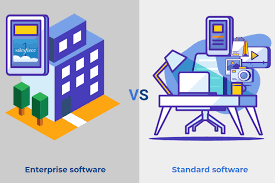
In the realm of software development, the distinction between enterprise software development and regular software development lies in their scope and purpose. Enterprise software development focuses on creating applications tailored to meet the specific needs of large organizations, addressing complex business processes and workflows. These solutions are designed to integrate seamlessly with existing systems, prioritize security and scalability, and offer customization options to align with the unique requirements of enterprises. On the other hand, regular software development typically involves building applications for individual users or smaller businesses with less intricate operational demands. The key disparities lie in the scale, functionality, and level of customization required to cater to the distinct requirements of enterprise environments versus more general user needs.

What is enterprise development in programming?

Enterprise development in programming refers to the process of creating software applications specifically tailored to meet the complex needs of large organizations. These applications are designed to streamline business processes, enhance productivity, and facilitate seamless communication and data management within an enterprise environment. Enterprise development typically involves building robust, scalable, and secure software solutions that can integrate with existing systems and adapt to the evolving requirements of a business. By focusing on developing customized software that aligns with the unique workflows and objectives of an organization, enterprise development aims to drive efficiency, innovation, and growth in the corporate setting.

What are the stages of enterprise software development?

In enterprise software development, the stages typically include planning, analysis, design, implementation, testing, deployment, and maintenance. During the planning phase, project goals and requirements are defined. The analysis stage involves gathering and analyzing user needs to create a detailed project plan. Design focuses on creating the architecture and layout of the software. Implementation involves coding based on design specifications. Testing ensures that the software functions correctly and meets requirements. Deployment involves releasing the software to users, followed by ongoing maintenance to ensure its optimal performance and address any issues that may arise over time. Each stage is crucial in delivering a successful enterprise software solution that aligns with business objectives and user needs.

Which is an example of enterprise software?

An example of enterprise software is SAP (Systems, Applications, and Products in Data Processing). SAP is a widely used enterprise resource planning (ERP) software that integrates various business functions such as finance, human resources, supply chain management, and customer relationship management into a single platform. Organizations use SAP to streamline their operations, improve decision-making processes, and enhance overall efficiency. With its robust features and scalability, SAP is a prime example of enterprise software that caters to the complex needs of large businesses.

What is enterprise software development?

Enterprise software development refers to the process of creating specialized applications tailored to meet the complex needs of large organizations. These applications are designed to streamline business processes, enhance productivity, ensure data security, and facilitate scalability. Enterprise software development involves building custom solutions that integrate with existing systems and workflows within an organization, providing a cohesive and efficient platform for managing various aspects of business operations. By focusing on customization, security, scalability, and efficiency, enterprise software development aims to empower businesses to optimize their processes and achieve their strategic goals effectively.

What is enterprise software examples?

Enterprise software examples encompass a wide range of applications tailored to meet the specific needs of large organizations. Some common examples include Customer Relationship Management (CRM) systems like Salesforce, Enterprise Resource Planning (ERP) software such as SAP and Oracle, Supply Chain Management (SCM) solutions like IBM Sterling Supply Chain Suite, and Human Resources Management Systems (HRMS) such as Workday. These enterprise software applications are designed to streamline business processes, enhance collaboration, improve decision-making, and optimize overall organizational efficiency. By leveraging these examples of enterprise software, companies can effectively manage their operations and drive sustainable growth in today’s competitive business environment.