cfchris.com

Loading

scrum development

Maximizing Efficiency Through Scrum Development Practices

The Benefits of Scrum Development

The Benefits of Scrum Development

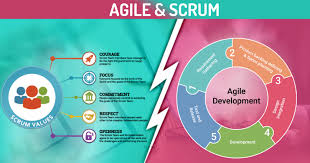
Scrum is a popular agile framework used in software development to manage complex projects. It emphasizes collaboration, flexibility, and continuous improvement. Here are some key benefits of implementing Scrum:

Improved Transparency

Scrum promotes transparency by providing a clear view of the project’s progress through regular meetings such as daily stand-ups, sprint planning, and sprint reviews. This transparency helps teams identify issues early and make necessary adjustments to stay on track.

Increased Flexibility

Scrum allows for flexibility in project requirements and priorities. The iterative nature of Scrum enables teams to adapt to changes quickly, making it easier to respond to customer feedback and market demands.

Enhanced Collaboration

Collaboration is at the core of Scrum. Cross-functional teams work together towards a common goal, fostering communication and teamwork. This collaborative environment encourages knowledge sharing and innovation.

Faster Delivery of Value

Scrum focuses on delivering working software in short iterations called sprints. By breaking down the project into manageable tasks and delivering incremental value at the end of each sprint, teams can quickly respond to stakeholder needs and deliver products faster.

Continuous Improvement

Scrum encourages continuous improvement through regular retrospectives at the end of each sprint. Teams reflect on their performance, identify areas for improvement, and implement changes to enhance their processes and deliver better results in future sprints.

In conclusion, Scrum development offers numerous benefits that can help teams build high-quality software efficiently while adapting to changing requirements and delivering value to customers consistently.


7 Essential Tips for Effective Scrum Development

  1. Ensure clear communication among team members
  2. Prioritize tasks based on importance and urgency
  3. Hold regular stand-up meetings to track progress
  4. Embrace changes in requirements throughout the project
  5. Encourage collaboration and teamwork within the team
  6. Deliver working increments of product at the end of each sprint
  7. Reflect on past sprints to identify areas for improvement

Ensure clear communication among team members

Clear communication among team members is essential in Scrum development to ensure that everyone is aligned on project goals, tasks, and progress. By fostering open and transparent communication channels, team members can collaborate effectively, share information, address challenges promptly, and make informed decisions. Clear communication helps prevent misunderstandings, reduces the risk of errors, and promotes a cohesive team dynamic where everyone feels valued and understood. Ultimately, when team members communicate clearly and openly in a Scrum environment, it leads to improved productivity, better problem-solving capabilities, and successful project outcomes.

Prioritize tasks based on importance and urgency

In Scrum development, it is essential to prioritize tasks based on their importance and urgency. By focusing on important and urgent tasks first, teams can ensure that they are addressing critical issues and delivering value to stakeholders in a timely manner. This approach helps teams stay focused on what matters most, manage their time effectively, and make informed decisions about how to allocate resources for maximum impact. Prioritizing tasks based on importance and urgency is a key principle of successful project management in the Scrum framework.

Hold regular stand-up meetings to track progress

Regular stand-up meetings are a crucial aspect of Scrum development. These brief daily meetings provide teams with the opportunity to track progress, discuss any roadblocks, and align on tasks for the day. By fostering open communication and transparency, stand-up meetings help teams stay focused, identify potential issues early on, and ensure that everyone is on the same page regarding project status. This practice promotes collaboration and accountability among team members, ultimately leading to more efficient and effective project delivery.

Embrace changes in requirements throughout the project

Embracing changes in requirements throughout a project is a fundamental principle of Scrum development. By remaining flexible and open to adjustments, teams can respond effectively to evolving stakeholder needs and market demands. This approach allows for continuous improvement and ensures that the final product meets the most current requirements and expectations. Adapting to changes in requirements also fosters collaboration within the team, as members work together to find innovative solutions and deliver value to customers efficiently.

Encourage collaboration and teamwork within the team

Encouraging collaboration and teamwork within the team is a fundamental principle in Scrum development. By fostering a culture of open communication and shared goals, team members can leverage their diverse skills and perspectives to solve complex problems more effectively. Collaboration promotes knowledge sharing, enhances creativity, and strengthens trust among team members, leading to increased productivity and better outcomes for the project. Emphasizing teamwork in Scrum not only boosts morale but also ensures that everyone works together towards achieving the project’s objectives efficiently.

Deliver working increments of product at the end of each sprint

In Scrum development, delivering working increments of the product at the end of each sprint is a crucial practice that ensures continuous progress and feedback. By breaking down the project into manageable tasks and completing a functional piece of the product within a short time frame, teams can demonstrate tangible results to stakeholders and gather valuable input for further refinement. This iterative approach not only accelerates the development process but also allows for early validation of features, enabling teams to make necessary adjustments and deliver a high-quality product incrementally.

Reflect on past sprints to identify areas for improvement

Reflecting on past sprints to identify areas for improvement is a crucial practice in Scrum development. By taking the time to review what went well and what could have been done better in previous iterations, teams can learn from their experiences and make necessary adjustments to enhance their performance in future sprints. This continuous feedback loop allows teams to address issues, refine processes, and optimize their workflow, ultimately leading to increased efficiency and better outcomes.

waterfall development

Exploring the Evolution of Waterfall Development in Software Engineering

The Waterfall Development Model: A Traditional Approach to Software Development

The Waterfall Development Model

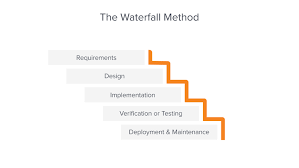
The waterfall model is a traditional approach to software development that follows a linear and sequential process. In this model, each phase of the development cycle must be completed before moving on to the next phase, resembling a waterfall cascading down in steps.

Phases of the Waterfall Model

The waterfall model typically consists of the following phases:

  1. Requirements Gathering: In this initial phase, project requirements are gathered and documented.
  2. System Design: The system design phase involves creating a high-level design of the software based on the gathered requirements.
  3. Implementation: Developers start coding based on the design specifications in this phase.
  4. Testing: Once the implementation is complete, testing is carried out to identify and fix any defects.
  5. Deployment: The final product is deployed to users after successful testing.
  6. Maintenance: Post-deployment, maintenance activities such as updates and bug fixes are performed as needed.

Advantages of the Waterfall Model

The waterfall model offers several advantages, including:

  • Clean and simple approach
  • Easy to understand and manage due to its linear structure
  • Well-suited for projects with stable requirements

Disadvantages of the Waterfall Model

However, the waterfall model also has its limitations, such as:

  • Rigidity in accommodating changes once a phase is completed
  • Risk of customer dissatisfaction if requirements change during development
  • Limited scope for client feedback until later stages of development

In Conclusion

The waterfall development model remains a popular choice for projects with well-defined requirements and where changes are expected to be minimal. While it may not be suitable for all types of projects, understanding its principles can provide valuable insights into software development processes.

©2021 CFChris. All rights reserved.


5 Essential Tips for Effective Waterfall Development: Ensuring Success from Planning to Execution

  1. Clearly define requirements upfront to avoid scope creep.
  2. Break down the project into distinct phases for better control and management.
  3. Ensure thorough testing at each stage to catch issues early on.
  4. Document extensively to maintain clarity and facilitate future maintenance.
  5. Seek feedback from stakeholders at key milestones to ensure alignment with expectations.

Clearly define requirements upfront to avoid scope creep.

To prevent scope creep in waterfall development, it is crucial to clearly define requirements upfront. By establishing a detailed and comprehensive set of project requirements at the beginning of the development cycle, teams can minimize the risk of unexpected changes or additions later on. This proactive approach helps maintain project focus, budget adherence, and timeline consistency, ultimately leading to a more successful and efficient software development process within the waterfall model.

Break down the project into distinct phases for better control and management.

Breaking down the project into distinct phases is a key tip in the waterfall development model as it allows for better control and management of the software development process. By clearly defining and separating each phase, teams can focus on one aspect at a time, ensuring thorough completion before moving on to the next stage. This approach enhances visibility into the project progress, facilitates tracking of milestones, and enables effective resource allocation. Ultimately, breaking down the project into distinct phases promotes systematic and organized development, leading to improved quality and successful project delivery.

Ensure thorough testing at each stage to catch issues early on.

Ensuring thorough testing at each stage of the waterfall development process is crucial to catch issues early on and mitigate potential risks. By conducting comprehensive testing throughout the project lifecycle, developers can identify and address any defects or inconsistencies promptly, leading to a more robust and reliable final product. Early detection of issues not only helps in maintaining project timelines but also contributes to overall cost-effectiveness by avoiding costly rework later in the development cycle. Prioritizing rigorous testing at every phase of the waterfall model enhances the quality of the software and increases customer satisfaction by delivering a polished end product.

Document extensively to maintain clarity and facilitate future maintenance.

Documenting extensively throughout the waterfall development process is crucial to maintaining clarity and facilitating future maintenance. Detailed documentation helps ensure that all project requirements, design decisions, code implementations, and testing procedures are well-documented and easily accessible to team members and stakeholders. This not only aids in understanding the project’s progress but also streamlines future maintenance activities by providing a clear reference point for making modifications or troubleshooting issues. Effective documentation serves as a valuable asset in ensuring the long-term success and sustainability of software projects developed using the waterfall model.

Seek feedback from stakeholders at key milestones to ensure alignment with expectations.

Seeking feedback from stakeholders at key milestones in the waterfall development process is crucial to ensure alignment with expectations. By involving stakeholders early and regularly throughout the project, developers can validate that the work meets the desired requirements and make necessary adjustments before progressing further. This proactive approach not only helps in identifying potential issues sooner but also fosters collaboration and transparency, ultimately leading to a successful project outcome that meets stakeholder needs and expectations.

Unlocking Success Through Agile Programming Practices

The Power of Agile Programming

The Power of Agile Programming

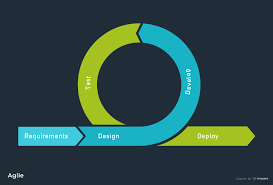
Agile programming is a software development methodology that emphasizes flexibility, collaboration, and iterative development. It has gained popularity in recent years due to its ability to adapt to changing requirements and deliver value to customers quickly.

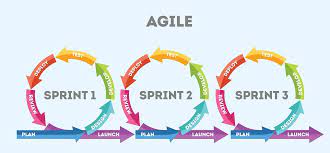
One of the key principles of agile programming is the idea of breaking down projects into smaller, manageable tasks called “sprints.” These sprints typically last for a few weeks and allow teams to focus on specific goals and deliverables. By working in short cycles, developers can quickly respond to feedback and make adjustments as needed.

Collaboration is another essential aspect of agile programming. Team members work closely together, communicate regularly, and share responsibility for the project’s success. This collaborative approach fosters creativity, innovation, and a sense of ownership among team members.

Continuous improvement is at the core of agile programming. After each sprint, teams reflect on their progress, identify areas for improvement, and make changes accordingly. This iterative process ensures that the project stays on track and that any issues are addressed promptly.

Agile programming also places a strong emphasis on customer satisfaction. By delivering working software incrementally, teams can gather feedback from customers early in the development process. This feedback allows developers to make adjustments based on real-world usage and ensure that the final product meets users’ needs.

In conclusion, agile programming offers numerous benefits for software development teams, including increased flexibility, collaboration, and customer satisfaction. By embracing agile principles and practices, teams can deliver high-quality software more efficiently and effectively than ever before.


Understanding Agile Programming: Key Concepts, Benefits, and Transition Strategies

  1. What is agile programming?
  2. What are the key principles of agile programming?
  3. How does agile programming differ from traditional software development methodologies?
  4. What are the benefits of using agile programming?
  5. What roles are involved in agile programming teams?
  6. How do sprints work in agile programming?
  7. What tools are commonly used in agile programming?
  8. How can an organization transition to using agile programming?

What is agile programming?

Agile programming is a software development methodology that prioritizes adaptability, collaboration, and iterative progress. Instead of following a rigid plan from start to finish, agile programming breaks down projects into smaller, manageable tasks or sprints. This approach allows teams to respond quickly to changing requirements and deliver incremental value to customers. By emphasizing flexibility and continuous improvement, agile programming enables teams to work more efficiently, collaborate effectively, and ultimately produce high-quality software that meets the evolving needs of users.

What are the key principles of agile programming?

The key principles of agile programming revolve around flexibility, collaboration, iterative development, and customer satisfaction. Agile methodologies emphasize breaking down projects into manageable tasks or sprints, allowing teams to focus on specific goals and deliverables in short cycles. Collaboration among team members is crucial, fostering creativity and innovation while sharing responsibility for project success. Continuous improvement through reflection and adaptation after each sprint ensures that the project stays on track. By delivering working software incrementally and gathering feedback early on, agile programming ensures that the final product meets customers’ needs effectively.

How does agile programming differ from traditional software development methodologies?

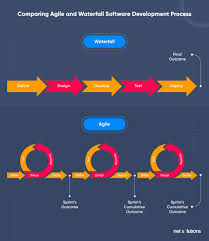
Agile programming differs from traditional software development methodologies in several key ways. Unlike traditional approaches that follow a linear, sequential process, agile programming is iterative and incremental. It focuses on delivering working software in short cycles, allowing for quick adaptation to changing requirements. Collaboration and flexibility are central to agile programming, with teams working closely together and responding to feedback throughout the development process. Unlike traditional methods that require detailed upfront planning, agile programming emphasizes continuous improvement and the ability to adjust priorities based on evolving needs. Overall, agile programming promotes a more dynamic and customer-focused approach to software development compared to traditional methodologies.

What are the benefits of using agile programming?

One of the most frequently asked questions about agile programming is, “What are the benefits of using agile programming?” Agile programming offers a range of advantages, including increased flexibility, adaptability to change, faster delivery of value to customers, enhanced collaboration among team members, improved quality through continuous feedback and iteration, and a focus on customer satisfaction. By embracing agile methodologies, software development teams can better respond to evolving requirements, deliver working software more frequently, and ultimately achieve higher levels of productivity and success in their projects.

What roles are involved in agile programming teams?

In agile programming teams, various roles play crucial parts in ensuring the success of projects. Some common roles include the Product Owner, who represents the stakeholders and prioritizes the product backlog; the Scrum Master, who facilitates the Scrum process and helps the team overcome any obstacles; and the Development Team, consisting of professionals responsible for delivering increments of working software. Each role collaborates closely to ensure effective communication, swift decision-making, and successful delivery of valuable software solutions in alignment with agile principles.

How do sprints work in agile programming?

In agile programming, sprints are time-boxed iterations during which a development team works on a set of predefined tasks or user stories. Typically lasting from one to four weeks, sprints enable teams to focus on specific objectives and deliverables within a short timeframe. At the beginning of each sprint, the team plans the work to be completed and sets achievable goals. Throughout the sprint, daily stand-up meetings are held to discuss progress, address any obstacles, and ensure alignment among team members. By the end of the sprint, the team presents a potentially shippable product increment that has been developed and tested during the iteration. This iterative approach allows for continuous feedback, adaptation, and improvement, making sprints a fundamental component of agile programming methodology.

What tools are commonly used in agile programming?

In agile programming, a variety of tools are commonly used to support collaboration, communication, and project management within development teams. Some popular tools include project management platforms like Jira, Trello, and Asana, which help teams organize tasks, track progress, and manage workflows efficiently. Version control systems such as Git enable developers to work on code collaboratively and maintain a history of changes. Communication tools like Slack and Microsoft Teams facilitate real-time discussions and updates among team members. Continuous integration and deployment tools like Jenkins and Travis CI automate the testing and deployment processes, ensuring that software is delivered quickly and reliably. These tools play a crucial role in helping agile teams stay organized, productive, and focused on delivering high-quality software iteratively.

How can an organization transition to using agile programming?

Transitioning to using agile programming requires a strategic and well-planned approach by the organization. Firstly, it is crucial for the leadership to understand the principles and benefits of agile programming and be committed to the transition. Training and educating team members on agile methodologies is essential to ensure a smooth adoption process. Identifying pilot projects or teams to implement agile practices initially can help demonstrate its effectiveness within the organization. Regular communication, feedback loops, and continuous evaluation of the transition process are key to addressing challenges and making necessary adjustments along the way. Embracing a culture of collaboration, flexibility, and adaptability is fundamental for a successful transition to using agile programming in an organization.

sdlc and agile

Comparing SDLC and Agile Methodologies: A Comprehensive Analysis

Understanding SDLC and Agile: A Comprehensive Comparison

Understanding SDLC and Agile: A Comprehensive Comparison

Software Development Life Cycle (SDLC) and Agile are two popular methodologies used in software development. While both aim to streamline the development process, they have distinct approaches and principles. Let’s explore the key differences between SDLC and Agile.

Software Development Life Cycle (SDLC)

SDLC is a structured approach to software development that consists of several phases, including planning, design, implementation, testing, deployment, and maintenance. It follows a sequential order where each phase must be completed before moving on to the next.

Key characteristics of SDLC include:

  • Emphasis on thorough planning and documentation
  • Rigorous testing at each stage
  • Predictable timelines and deliverables
  • Well-defined roles and responsibilities
  • Changes are difficult to implement once the process has started

Agile Methodology

Agile is an iterative approach that focuses on delivering working software in short cycles known as sprints. It values flexibility, collaboration, and adaptability to change throughout the development process.

Key characteristics of Agile include:

  • Iterative development with frequent releases
  • Cross-functional teams working collaboratively
  • Customer feedback drives continuous improvement
  • Emphasis on responding to change over following a plan
  • Allows for changes and updates at any stage of development

Comparison Between SDLC and Agile

SDLC Agile
Approach Sequential, linear process Iterative, flexible approach

In Conclusion,


6 Essential Tips for Navigating SDLC and Agile Methodologies

  1. Plan each phase of the software development life cycle carefully to ensure efficiency and effectiveness.
  2. Involve stakeholders at every stage to gather feedback and ensure alignment with business goals.
  3. Perform thorough testing during each phase to identify and fix issues early in the process.
  4. Break down projects into smaller iterations or sprints for better manageability and adaptability.
  5. Encourage close collaboration between cross-functional teams to promote transparency and quick decision-making.
  6. Embrace change as a competitive advantage by being flexible and responsive to evolving requirements.

Plan each phase of the software development life cycle carefully to ensure efficiency and effectiveness.

To maximize efficiency and effectiveness in software development, it is crucial to meticulously plan each phase of the Software Development Life Cycle (SDLC). By carefully outlining the objectives, tasks, and resources required for each stage, teams can ensure a smooth progression from planning to deployment. This proactive approach not only helps in identifying potential challenges early on but also allows for better coordination among team members and stakeholders. Planning each phase thoughtfully in advance sets a solid foundation for successful project execution and delivery.

Involve stakeholders at every stage to gather feedback and ensure alignment with business goals.

To ensure the success of software development projects following SDLC or Agile methodologies, it is crucial to involve stakeholders at every stage. By actively engaging stakeholders throughout the process, teams can gather valuable feedback, address concerns promptly, and ensure alignment with business goals. This collaborative approach not only enhances communication and transparency but also leads to the development of solutions that meet the needs and expectations of all parties involved.

Perform thorough testing during each phase to identify and fix issues early in the process.

Performing thorough testing during each phase of the software development process, whether following the SDLC or Agile methodology, is crucial for identifying and addressing issues early on. By conducting comprehensive testing at every stage, developers can detect potential problems and bugs sooner, allowing for timely resolution and ensuring a smoother development cycle. This proactive approach not only helps in maintaining the quality of the software but also minimizes the risk of costly rework or delays later in the project timeline.

Break down projects into smaller iterations or sprints for better manageability and adaptability.

Breaking down projects into smaller iterations or sprints is a valuable tip in both SDLC and Agile methodologies. By dividing the project into manageable chunks, teams can focus on specific tasks within a set timeframe, leading to better manageability and adaptability. This approach allows for continuous feedback, adjustments, and improvements throughout the development process, ultimately enhancing productivity and ensuring that the final product meets the desired requirements effectively.

Encourage close collaboration between cross-functional teams to promote transparency and quick decision-making.

Encouraging close collaboration between cross-functional teams is a crucial tip in both SDLC and Agile methodologies. By fostering a culture of transparency and communication among team members with diverse skills and expertise, organizations can enhance decision-making processes and accelerate project timelines. This collaborative approach allows for the seamless exchange of ideas, feedback, and knowledge, ultimately leading to more efficient problem-solving and the successful delivery of high-quality software solutions.

Embrace change as a competitive advantage by being flexible and responsive to evolving requirements.

Embracing change as a competitive advantage in software development involves maintaining flexibility and responsiveness to evolving requirements. By being open to adapting to new challenges and opportunities, teams can stay ahead of the curve and deliver innovative solutions that meet the dynamic needs of users. This proactive approach not only enhances the quality of the final product but also fosters a culture of continuous improvement and agility within the development process.

traditional software development

Exploring the Foundations of Traditional Software Development

The Essence of Traditional Software Development

The Essence of Traditional Software Development

Traditional software development has been the cornerstone of the tech industry for decades. It involves a structured approach to building software applications, following a linear process from requirements gathering to deployment.

In traditional software development, the Waterfall model is often used, where each phase of the project is completed before moving on to the next. This sequential approach ensures thorough planning and documentation at each stage, leading to a well-defined final product.

Key characteristics of traditional software development include:

  • Requirement Analysis: Detailed analysis of user needs and system requirements.
  • Design: Creation of a blueprint outlining the architecture and functionality of the software.
  • Implementation: Writing code based on the design specifications.
  • Testing: Verification and validation of the software to ensure it meets requirements.
  • Deployment: Release and installation of the software for end-users.

While traditional software development has its advantages, such as clear project milestones and deliverables, it also has limitations. The linear nature of the process can lead to inflexibility when changes are needed mid-project. Additionally, long development cycles may result in delays in delivering the final product.

In recent years, Agile methodologies have gained popularity as an alternative to traditional software development. Agile focuses on iterative development, allowing for more flexibility and quicker adaptation to changing requirements.

Despite the rise of Agile practices, traditional software development continues to be relevant in certain contexts where a structured and predictable approach is required. Many organizations still rely on traditional methods for projects with well-defined scope and stable requirements.

In conclusion, traditional software development remains a fundamental approach in the tech industry, offering a systematic way to build reliable and robust software applications. While newer methodologies may offer different benefits, understanding the essence of traditional development is essential for any aspiring software developer.


Advantages of Traditional Software Development: Tracking Progress, Minimizing Risks, and Ensuring Quality

  1. Clear project milestones and deliverables help track progress.
  2. Thorough planning and documentation ensure a well-defined final product.
  3. Structured approach minimizes risks of scope creep and requirement changes.
  4. Well-suited for projects with stable requirements and predictable outcomes.
  5. Established processes provide a framework for consistent quality assurance.


Challenges of Traditional Software Development: Inflexibility, Delays, and High Costs

  1. Rigid and inflexible when changes are needed mid-project
  2. Long development cycles may lead to delays in delivering the final product
  3. Limited collaboration between developers and stakeholders
  4. Difficulty in adapting to evolving requirements and technologies
  5. Higher risk of project failure due to lack of early feedback
  6. Costly to make significant changes once the project is in progress

Clear project milestones and deliverables help track progress.

Clear project milestones and deliverables in traditional software development serve as valuable markers that help track progress effectively. By breaking down the project into distinct phases with specific goals and outcomes, teams can monitor their advancement, identify potential bottlenecks early on, and ensure that the project stays on track towards successful completion. This structured approach not only provides a sense of accomplishment as milestones are achieved but also enables better project management and communication among team members and stakeholders.

Thorough planning and documentation ensure a well-defined final product.

Thorough planning and documentation in traditional software development play a crucial role in ensuring a well-defined final product. By meticulously analyzing user requirements, designing detailed blueprints, and documenting every aspect of the development process, teams can minimize ambiguity and misunderstandings throughout the project lifecycle. This structured approach not only helps developers stay on track but also enables stakeholders to have a clear understanding of the project’s progress and expected outcomes. Ultimately, this meticulous planning and documentation contribute to the delivery of a high-quality software product that meets the specified requirements and expectations.

Structured approach minimizes risks of scope creep and requirement changes.

One of the key advantages of traditional software development is its structured approach, which helps minimize the risks of scope creep and requirement changes. By thoroughly defining project requirements and creating a detailed plan upfront, traditional development methodologies establish a clear roadmap for the entire project. This proactive approach reduces the likelihood of unexpected changes in scope or requirements later in the development process, leading to more predictable outcomes and better control over project timelines and budgets.

Well-suited for projects with stable requirements and predictable outcomes.

Traditional software development is well-suited for projects with stable requirements and predictable outcomes. This approach allows for thorough planning and documentation at each stage of the development process, ensuring that the final product aligns closely with the initial specifications. By following a structured and linear approach, traditional software development minimizes the risk of scope creep and provides a clear roadmap for achieving predictable outcomes. This reliability makes it an ideal choice for projects where requirements are well-defined and unlikely to change significantly throughout the development cycle.

Established processes provide a framework for consistent quality assurance.

Established processes in traditional software development provide a framework for consistent quality assurance throughout the project lifecycle. By following a structured approach that includes defined requirements analysis, thorough design, rigorous testing, and deployment procedures, teams can ensure that quality standards are maintained at every stage of development. This systematic method helps identify and address potential issues early on, leading to a more reliable and high-quality final product. Consistent quality assurance practices not only enhance the overall performance of the software but also instill confidence in stakeholders regarding the reliability and functionality of the end product.

Rigid and inflexible when changes are needed mid-project

One significant drawback of traditional software development is its rigidity and inflexibility when changes are required mid-project. The linear nature of the Waterfall model, commonly used in traditional development, dictates that each phase must be completed before moving on to the next. This sequential approach makes it challenging to accommodate changes in requirements, design, or functionality once a phase is finished. As a result, any modifications or additions requested during the development process can disrupt the entire project timeline and may lead to delays and increased costs.

Long development cycles may lead to delays in delivering the final product

One significant drawback of traditional software development is the potential for long development cycles, which can result in delays in delivering the final product. The linear nature of the traditional approach, where each phase must be completed before moving on to the next, can lead to extended timelines as any changes or issues discovered late in the process may require going back to earlier stages for modifications. These delays not only affect the project schedule but also impact time-to-market and may result in missed opportunities in a fast-paced industry where agility and quick delivery are key factors for success.

Limited collaboration between developers and stakeholders

In traditional software development, a significant drawback is the limited collaboration between developers and stakeholders. The linear nature of the process, where requirements are gathered upfront and handed off to developers, often results in minimal communication and interaction between the two parties. This lack of collaboration can lead to misunderstandings, misinterpretations of requirements, and ultimately, a disconnect between the intended functionality of the software and the actual delivered product. Embracing more collaborative approaches, such as Agile methodologies, can help bridge this gap and ensure that developers and stakeholders work closely together throughout the project lifecycle to deliver successful outcomes.

Difficulty in adapting to evolving requirements and technologies

One significant drawback of traditional software development is the challenge it faces in adapting to evolving requirements and technologies. The linear nature of the process, with its emphasis on thorough planning and documentation upfront, can make it difficult to accommodate changes that arise as a project progresses. In today’s fast-paced tech landscape where requirements and technologies evolve rapidly, this inflexibility can lead to delays, increased costs, and ultimately, a product that may not fully meet the current needs of users or market demands.

Higher risk of project failure due to lack of early feedback

One significant con of traditional software development is the higher risk of project failure due to the lack of early feedback. In this approach, requirements are gathered and documented extensively at the beginning of the project, and development progresses through sequential stages without much room for iterative feedback. This lack of early feedback can result in misunderstandings or misinterpretations of requirements, leading to costly rework later in the project lifecycle. Without timely input from stakeholders and users, there is a higher likelihood of delivering a final product that does not meet their expectations or needs, ultimately increasing the risk of project failure.

Costly to make significant changes once the project is in progress

One significant drawback of traditional software development is the high cost associated with making significant changes once the project is already in progress. Since traditional development follows a linear process where each phase builds upon the previous one, introducing major modifications mid-project can disrupt the entire workflow and require extensive rework. This can lead to increased expenses in terms of time, resources, and effort to accommodate the changes effectively. The rigidity of the sequential approach in traditional software development makes it challenging and costly to adapt to evolving requirements or address unforeseen issues without impacting project timelines and budgets significantly.

safe software development

Ensuring Security Through Safe Software Development Practices

The Importance of Safe Software Development

The Importance of Safe Software Development

Software development plays a crucial role in today’s digital world, powering everything from mobile applications to complex enterprise systems. However, amidst the rush to deliver innovative solutions, the importance of safe software development practices should not be overlooked.

Protecting Data and Privacy

Safe software development is essential for protecting sensitive data and maintaining user privacy. By implementing robust security measures throughout the development process, developers can prevent data breaches, unauthorized access, and other cyber threats that could compromise the integrity of the software and harm users.

Ensuring Reliability and Stability

Safe software development also focuses on ensuring the reliability and stability of the software. By conducting thorough testing, code reviews, and quality assurance checks, developers can identify and address potential vulnerabilities and bugs before they impact end-users. This proactive approach not only enhances user experience but also builds trust in the software’s performance.

Compliance with Regulations

In an increasingly regulated environment, safe software development is critical for ensuring compliance with industry standards and legal requirements. Developers must adhere to data protection regulations, industry-specific guidelines, and best practices to avoid penalties, lawsuits, or reputational damage resulting from non-compliance.

Building Trust with Users

By prioritizing safe software development practices, developers demonstrate their commitment to building secure and reliable products that prioritize user safety. This focus on security not only protects users from potential harm but also fosters trust and loyalty among customers who rely on the software for their daily tasks.

Conclusion

In conclusion, safe software development is a fundamental aspect of creating high-quality products that meet user expectations while safeguarding data privacy and security. By integrating security measures into every stage of the development process, developers can build robust software solutions that inspire confidence in users and contribute to a safer digital ecosystem.


9 Essential Tips for Ensuring Safe Software Development Practices

  1. Use secure coding practices
  2. Regularly update software and libraries
  3. Implement access controls and authentication mechanisms
  4. Encrypt sensitive data in storage and transit
  5. Perform regular security assessments and testing
  6. Follow the principle of least privilege for user access
  7. Keep logs for monitoring and incident response
  8. Establish a secure software development lifecycle (SDLC)
  9. Educate developers on security best practices

Use secure coding practices

Utilizing secure coding practices is a fundamental tip in ensuring safe software development. By following established guidelines and standards for writing secure code, developers can proactively mitigate potential vulnerabilities and reduce the risk of cyber threats such as hacking or data breaches. Secure coding practices involve techniques like input validation, proper error handling, and encryption to fortify the software against malicious attacks. By prioritizing secure coding practices, developers can enhance the overall security posture of their software and instill confidence in users regarding the integrity of the application.

Regularly update software and libraries

Regularly updating software and libraries is a crucial tip for safe software development. By staying current with the latest updates and patches, developers can address known vulnerabilities and enhance the security of their applications. Outdated software and libraries are often targeted by cyber attackers, making them potential entry points for malicious activities. Therefore, maintaining a proactive approach to software updates not only ensures the stability and performance of the application but also reduces the risk of security breaches and data compromises.

Implement access controls and authentication mechanisms

Implementing access controls and authentication mechanisms is a crucial tip in safe software development. By setting up proper access controls, developers can restrict unauthorized users from accessing sensitive data or functionalities within the software. Authentication mechanisms, such as passwords, biometrics, or multi-factor authentication, verify the identity of users and ensure that only legitimate individuals have access to the system. These security measures not only protect user data but also prevent malicious actors from exploiting vulnerabilities and compromising the integrity of the software.

Encrypt sensitive data in storage and transit

To enhance the security of software applications, it is crucial to encrypt sensitive data both in storage and during transit. Encryption serves as a protective barrier, ensuring that even if unauthorized access occurs, the data remains unreadable and secure. By implementing encryption mechanisms, developers can mitigate the risk of data breaches and unauthorized interception, safeguarding sensitive information from potential threats throughout its lifecycle.

Perform regular security assessments and testing

Performing regular security assessments and testing is a crucial tip in safe software development. By conducting thorough assessments and tests at various stages of the development process, developers can identify vulnerabilities, weaknesses, and potential security threats early on. This proactive approach allows for timely mitigation of risks, ensuring that the software remains secure and resilient against cyber attacks. Regular security assessments and testing not only help in maintaining the integrity of the software but also demonstrate a commitment to prioritizing user safety and data protection.

Follow the principle of least privilege for user access

Following the principle of least privilege for user access is a key tip in safe software development. By granting users only the minimum level of access required to perform their tasks, developers can minimize the risk of unauthorized actions and potential security breaches. This practice ensures that users have access only to the resources and functionalities necessary for their roles, reducing the attack surface and enhancing overall system security. Embracing the principle of least privilege not only strengthens data protection but also promotes a more secure and controlled software environment.

Keep logs for monitoring and incident response

Keeping logs for monitoring and incident response is a crucial tip in safe software development. By maintaining detailed logs of system activities, developers can track and analyze events to identify potential security threats, monitor performance metrics, and quickly respond to incidents. These logs serve as valuable resources for troubleshooting issues, conducting forensic investigations, and improving overall system reliability. Implementing a robust logging strategy not only enhances the visibility of system operations but also strengthens the organization’s ability to detect and mitigate security breaches effectively.

Establish a secure software development lifecycle (SDLC)

Establishing a secure software development lifecycle (SDLC) is a critical tip in ensuring safe software development practices. By integrating security measures at every stage of the SDLC, from planning and design to testing and deployment, developers can proactively identify and address potential vulnerabilities, reducing the risk of security breaches and ensuring the overall integrity of the software. A well-defined and secure SDLC not only enhances the security posture of the software but also instills confidence in users regarding the reliability and safety of the final product.

Educate developers on security best practices

Educating developers on security best practices is a crucial tip for ensuring safe software development. By providing training and resources on the latest security vulnerabilities, threat mitigation techniques, and secure coding practices, developers can enhance their awareness and skills in safeguarding software from potential cyber threats. This proactive approach not only strengthens the overall security posture of the software but also empowers developers to make informed decisions that prioritize security throughout the development lifecycle.

best agile software

The Best Agile Software Solutions for Efficient Project Management

The Best Agile Software for Efficient Project Management

The Best Agile Software for Efficient Project Management

Agile methodology has revolutionized the way software development projects are managed. By promoting iterative development, collaboration, and adaptability, agile has become a preferred approach for many teams. To effectively implement agile principles, choosing the right agile software is crucial. Here are some of the best agile software tools that can help streamline your project management process:

Jira

Jira is a popular agile project management tool developed by Atlassian. It offers a wide range of features such as backlog management, sprint planning, and real-time collaboration. With customizable workflows and reporting capabilities, Jira is ideal for teams of all sizes.

Trello

Trello is a user-friendly agile tool known for its visual approach to project management. It uses boards, lists, and cards to organize tasks and track progress. Trello’s simplicity makes it easy for teams to quickly adapt to agile practices.

Asana

Asana is a versatile project management tool that supports agile methodologies. It allows teams to create tasks, set priorities, and collaborate in real-time. With features like Kanban boards and Gantt charts, Asana provides flexibility in managing projects using agile practices.

Monday.com

Monday.com is a visually appealing platform that simplifies project management with its customizable workflows and templates. It offers features like time tracking, task dependencies, and integrations with other tools to enhance agility in project execution.

VersionOne

VersionOne is an enterprise-grade agile software tool designed for scaling agile practices across organizations. It provides comprehensive support for portfolio planning, release management, and reporting to facilitate effective collaboration and decision-making.

Choosing the best agile software depends on your team’s specific requirements and preferences. Whether you prioritize visual organization or advanced reporting capabilities, there is a tool that can meet your needs and help you succeed in implementing agile methodologies in your projects.


Top 7 Benefits of Agile Software: Boosting Collaboration, Flexibility, and Productivity

  1. Facilitates iterative development for quick feedback and adaptation.
  2. Promotes collaboration among team members through real-time communication.
  3. Enhances transparency by providing visibility into project progress and priorities.
  4. Allows for flexibility in responding to changing requirements and priorities.
  5. Improves productivity by breaking down work into manageable tasks and sprints.
  6. Encourages continuous improvement through regular retrospectives and feedback loops.
  7. Supports cross-functional teams by fostering a culture of shared responsibility and ownership.


Top 6 Drawbacks of Leading Agile Software Solutions

  1. Learning Curve
  2. Cost
  3. Integration Challenges
  4. Customization Limitations
  5. Scalability Issues
  6. Dependency on Internet Connection

Facilitates iterative development for quick feedback and adaptation.

Agile software excels in facilitating iterative development, allowing teams to receive quick feedback and adapt their approach accordingly. By breaking down projects into smaller increments or sprints, agile methodologies enable continuous testing and evaluation of work-in-progress. This iterative process not only promotes transparency and collaboration within the team but also ensures that any necessary adjustments can be made promptly, leading to improved efficiency and higher-quality outcomes.

Promotes collaboration among team members through real-time communication.

Agile software promotes collaboration among team members through real-time communication, fostering a dynamic and interactive work environment. By enabling instant sharing of updates, feedback, and progress tracking, agile tools facilitate seamless teamwork and coordination. This real-time communication feature enhances transparency, encourages active participation, and ensures that all team members are on the same page throughout the project lifecycle. Ultimately, promoting collaboration through effective communication leads to improved productivity, better decision-making, and successful project outcomes in agile software development.

Enhances transparency by providing visibility into project progress and priorities.

Agile software excels in enhancing transparency by offering clear visibility into project progress and priorities. Through features like real-time dashboards, burndown charts, and task boards, team members can easily track the status of tasks, identify bottlenecks, and understand project priorities. This increased transparency fosters better communication among team members and stakeholders, enabling everyone to stay informed and aligned on project goals. By promoting visibility into the project’s evolution, agile software empowers teams to make informed decisions and adapt quickly to changes, ultimately leading to more successful project outcomes.

Allows for flexibility in responding to changing requirements and priorities.

Agile software’s ability to allow for flexibility in responding to changing requirements and priorities is a significant advantage for project teams. By embracing iterative development and constant feedback loops, agile methodologies enable teams to adapt quickly to evolving needs and market conditions. This flexibility empowers teams to make timely adjustments, reprioritize tasks, and deliver value-driven outcomes efficiently. Ultimately, the capability to respond promptly to changes ensures that projects stay on track and align with stakeholders’ expectations, leading to successful project delivery.

Improves productivity by breaking down work into manageable tasks and sprints.

Agile software improves productivity by breaking down work into manageable tasks and sprints. By dividing projects into smaller, achievable components, teams can focus on completing specific objectives within a set timeframe. This approach not only enhances efficiency but also promotes collaboration and transparency among team members. With clear goals and regular progress assessments, agile methodology empowers teams to deliver high-quality results while adapting to changing requirements effectively.

Encourages continuous improvement through regular retrospectives and feedback loops.

One of the key advantages of the best agile software is its emphasis on continuous improvement through regular retrospectives and feedback loops. By conducting retrospectives at the end of each iteration or sprint, teams can reflect on their performance, identify areas for improvement, and implement changes for the next cycle. This iterative process enables teams to adapt quickly, address challenges effectively, and enhance their overall productivity and efficiency over time. Feedback loops within agile software also promote open communication and collaboration among team members, fostering a culture of learning and innovation within the organization.

Supports cross-functional teams by fostering a culture of shared responsibility and ownership.

Agile software excels in supporting cross-functional teams by cultivating a culture of shared responsibility and ownership. By breaking down silos and encouraging collaboration among team members with diverse skill sets, agile methodologies promote a sense of collective accountability for project outcomes. This collaborative environment not only enhances communication and coordination but also empowers team members to take ownership of their work, leading to increased motivation, creativity, and overall project success.

Learning Curve

Some agile software tools may present a significant challenge in terms of a steep learning curve, particularly for users who are unfamiliar with agile methodologies. Navigating through complex features and understanding the intricacies of the software can require time and effort, potentially slowing down the onboarding process for teams transitioning to agile practices. This learning curve obstacle may hinder immediate productivity and efficiency as users grapple with mastering the tool before fully leveraging its benefits for streamlined project management.

Cost

The cost associated with the best agile software can be a significant drawback for small teams or individuals with limited budgets. While these tools offer advanced features and functionalities that enhance project management efficiency, the price tag may be prohibitive for those operating on a shoestring budget. This financial barrier could prevent smaller teams or independent users from accessing the full benefits of top-tier agile software solutions, potentially limiting their ability to adopt agile methodologies effectively.

Integration Challenges

Integrating agile software with existing tools and systems can present a significant challenge for teams adopting agile methodologies. The complexity and time-consuming nature of integrating new software with established systems can disrupt workflow efficiency and hinder seamless collaboration. Teams may face compatibility issues, data migration hurdles, and the need for additional training to ensure successful integration. Overcoming these integration challenges requires careful planning, coordination, and possibly the assistance of IT professionals to minimize disruptions and maximize the benefits of agile software implementation.

Customization Limitations

Certain agile software tools may have limitations when it comes to customizing workflows and features to suit specific project requirements. While many agile tools offer a range of predefined templates and configurations, some teams may find themselves restricted by the lack of flexibility in tailoring the software to their unique needs. This can hinder the team’s ability to fully embrace agile practices and may result in inefficiencies or workarounds to accommodate project-specific workflows. It is essential for teams to carefully evaluate the customization capabilities of agile software before committing to a tool to ensure that it aligns with their project management requirements.

Scalability Issues

Scalability can be a significant challenge when using agile software tools for project management. As projects become more complex and team sizes expand, some agile tools may encounter difficulties in scaling effectively. This can result in performance issues such as slow response times, decreased productivity, and potential bottlenecks in workflow efficiency. It is essential for teams to carefully consider the scalability of agile software solutions to ensure that they can support the growth and evolving needs of the project without compromising performance and overall project success.

Dependency on Internet Connection

One significant drawback of relying on the best agile software is the dependency on an internet connection, especially with cloud-based solutions. In remote or low-connectivity environments, maintaining a stable internet connection can be challenging, leading to potential disruptions in project management activities. This limitation may hinder team collaboration, delay task updates, and impact real-time decision-making processes, ultimately affecting the overall efficiency and effectiveness of agile project management. Organizations operating in such environments need to consider this con when selecting agile software solutions to ensure seamless workflow despite connectivity challenges.

kanban software development

Optimizing Workflow: The Impact of Kanban in Software Development

The Power of Kanban in Software Development

The Power of Kanban in Software Development

Kanban, a popular agile methodology, has revolutionized the way software development teams manage their projects. Originating from the Japanese manufacturing industry, Kanban has been adapted and embraced by software development teams worldwide for its simplicity and effectiveness.

What is Kanban?

Kanban is a visual project management tool that helps teams track and manage their work efficiently. The core principle of Kanban is to visualize work in progress (WIP) on a Kanban board, which typically consists of columns representing different stages of the workflow.

Key Concepts of Kanban

  • Visualizing Workflow: By visualizing tasks on a Kanban board, team members can easily see the status of each task and identify bottlenecks or blockers.
  • Limiting Work in Progress: Kanban encourages limiting the number of tasks in progress at any given time to improve focus and efficiency.
  • Continuous Delivery: Teams using Kanban strive for continuous delivery by completing and releasing tasks as soon as they are ready.
  • Continuous Improvement: Through regular retrospectives, teams reflect on their processes and make incremental improvements to enhance productivity.

The Benefits of Kanban in Software Development

Kanban offers several benefits to software development teams, including:

  • Improved Visibility: Team members have a clear view of the project status and can easily identify areas that need attention.
  • Increased Efficiency: By limiting WIP, teams can focus on completing tasks before moving on to new ones, leading to faster delivery times.
  • Better Collaboration: Kanban promotes collaboration among team members by fostering transparency and communication.
  • Flexibility: Teams can adapt to changing requirements or priorities quickly without disrupting the workflow.

In conclusion, Kanban is a powerful methodology that empowers software development teams to streamline their processes, improve efficiency, and deliver high-quality products consistently. By embracing the principles of Kanban, teams can achieve greater agility and success in today’s fast-paced development environment.


Understanding Kanban in Software Development: Key FAQs and Comparisons

  1. What is Kanban in software development?
  2. Is Jira a Kanban?
  3. Is Kanban good for software development?
  4. Is Kanban a agile tool?
  5. What is scrum vs Kanban?
  6. Is Kanban better than agile?
  7. Is Kanban a SDLC?

What is Kanban in software development?

Kanban in software development is a visual project management methodology that focuses on optimizing workflow efficiency and enhancing team collaboration. By visualizing tasks on a Kanban board and limiting work in progress, teams can easily track the status of each task, identify bottlenecks, and prioritize work effectively. Kanban promotes continuous delivery by completing tasks as soon as they are ready, leading to faster project completion times. This approach fosters transparency, flexibility, and continuous improvement within software development teams, ultimately resulting in enhanced productivity and successful project outcomes.

Is Jira a Kanban?

When it comes to Kanban software development, a common question that arises is whether Jira is a Kanban tool. Jira, a popular project management tool developed by Atlassian, offers Kanban boards as one of its features. While Jira itself is not inherently a Kanban methodology, it provides users with the flexibility to implement Kanban boards within its platform. This allows teams to visualize their workflow, track tasks, and manage projects using Kanban principles effectively. Therefore, while Jira is not exclusively a Kanban tool, it can be utilized as a powerful tool for implementing and practicing Kanban in software development projects.

Is Kanban good for software development?

When considering whether Kanban is suitable for software development, it’s important to recognize that Kanban’s principles and practices can significantly benefit software development teams. Kanban’s visual nature allows teams to track work progress, identify bottlenecks, and maintain a steady workflow. By limiting work in progress and focusing on continuous delivery, Kanban helps teams improve efficiency and productivity. Additionally, its emphasis on continuous improvement through regular retrospectives enables teams to adapt and optimize their processes over time. In essence, Kanban can be a valuable tool for software development by enhancing visibility, collaboration, and flexibility within the team.

Is Kanban a agile tool?

In the realm of software development, the question often arises: Is Kanban an agile tool? The answer is yes. Kanban is indeed considered an agile methodology that emphasizes flexibility, continuous improvement, and efficiency in managing workflows. While Kanban may have its unique approach compared to other agile frameworks like Scrum, its core principles align with the values and principles of the Agile Manifesto. By promoting visualizing work, limiting work in progress, and fostering continuous delivery and improvement, Kanban embodies the essence of agility in software development processes.

What is scrum vs Kanban?

When comparing Scrum and Kanban in software development, it’s essential to understand the key differences between the two methodologies. While both are agile approaches that aim to improve team efficiency and productivity, they have distinct characteristics. Scrum is based on fixed-length iterations (sprints) with predefined roles and ceremonies, while Kanban focuses on continuous delivery with no predefined timeframes and emphasizes visualizing workflow and limiting work in progress. Each methodology has its strengths and is suitable for different project requirements and team dynamics, making it crucial for teams to evaluate their needs carefully before choosing between Scrum and Kanban for their software development processes.

Is Kanban better than agile?

When comparing Kanban to Agile, it’s important to understand that Kanban is actually a framework within the broader Agile methodology. While both Kanban and Agile share common principles such as iterative development and continuous improvement, they serve different purposes. Kanban focuses on visualizing and optimizing workflow by limiting work in progress and promoting continuous delivery. On the other hand, Agile encompasses various methodologies like Scrum, XP, and Lean, each with its own set of practices. Therefore, it’s not a matter of Kanban being better than Agile but rather choosing the methodology that best suits the specific needs and goals of a software development team.

Is Kanban a SDLC?

In the context of software development, Kanban is not a Software Development Life Cycle (SDLC) methodology itself, but rather a project management framework that can be applied within various SDLC methodologies. While SDLC defines the overall process for developing software from initiation to deployment, Kanban focuses on visualizing and optimizing the flow of work within that process. Teams often integrate Kanban into their chosen SDLC methodology, such as Agile or Waterfall, to enhance efficiency, collaboration, and delivery speed by leveraging Kanban’s principles of visualizing workflow and limiting work in progress.

agile development

Unlocking Innovation: The Evolution of Agile Development in Modern Software Engineering

The Power of Agile Development

The Power of Agile Development

Agile development has revolutionized the way software is created and delivered in the modern era. It is a methodology that emphasizes flexibility, collaboration, and continuous improvement throughout the development process.

Key Principles of Agile Development

Agile development is guided by several key principles:

  • Iterative Approach: Agile projects are divided into small iterations or sprints, allowing for regular feedback and adjustments.
  • Customer Collaboration: Customers are involved throughout the development process to ensure that the final product meets their needs.
  • Adaptability: Agile teams are flexible and able to respond quickly to changes in requirements or market conditions.
  • Continuous Improvement: Regular retrospectives help teams identify areas for improvement and make adjustments for future iterations.

Benefits of Agile Development

The benefits of agile development include:

  • Rapid Delivery: Agile teams can deliver working software in short iterations, providing value to customers quickly.
  • Increased Collaboration: Cross-functional teams work closely together, fostering collaboration and communication.
  • Better Quality: Continuous testing and feedback result in higher-quality products that meet customer expectations.
  • Flexibility: Agile allows for changes to be incorporated easily, even late in the development process.

Implementing Agile Development

To successfully implement agile development, organizations must:

  • Embrace Change: Be open to changing requirements and priorities based on feedback from customers and stakeholders.
  • Create Cross-Functional Teams: Bring together individuals with diverse skills to promote collaboration and innovation.

In conclusion, agile development offers a dynamic and effective approach to software development that prioritizes customer satisfaction, adaptability, and continuous improvement. By embracing agile principles, organizations can deliver high-quality products efficiently while responding effectively to changing market demands.


7 Key Benefits of Agile Development: Speed, Collaboration, Adaptability, and More

  1. Faster time to market for products
  2. Increased collaboration among team members
  3. Ability to adapt to changing requirements easily
  4. Continuous feedback leads to higher quality products
  5. Improved transparency and visibility into project progress
  6. Enhanced customer satisfaction through regular deliveries of working software
  7. Promotes a culture of continuous improvement and learning


Challenges of Agile Development: Navigating Feedback Dependency, Documentation Gaps, and Team Dynamics

  1. Increased dependency on customer feedback can sometimes lead to delays in decision-making.
  2. The fast-paced nature of agile development may result in a lack of documentation and thorough planning.
  3. Adapting to changes frequently can be challenging for team members who prefer stability and predictability.
  4. Limited predictability in project timelines and outcomes due to the iterative and evolving nature of agile development.
  5. Requires a high level of collaboration and communication, which can be difficult to maintain in geographically dispersed teams.

Faster time to market for products

Agile development’s ability to deliver faster time to market for products is a significant advantage in today’s competitive business landscape. By breaking down projects into smaller iterations and focusing on delivering working software incrementally, agile teams can quickly respond to market demands and release products sooner. This not only allows businesses to stay ahead of the competition but also enables them to gather valuable feedback early on, leading to better product iterations and increased customer satisfaction.

Increased collaboration among team members

Increased collaboration among team members is a key benefit of agile development. By fostering close interaction and communication within cross-functional teams, agile methodologies promote a shared understanding of project goals and encourage collective problem-solving. This collaborative environment not only enhances creativity and innovation but also ensures that all team members are actively engaged and contributing their unique perspectives and expertise towards achieving project success. Ultimately, the emphasis on teamwork in agile development leads to improved efficiency, higher-quality outcomes, and a more cohesive working environment.

Ability to adapt to changing requirements easily

One of the key advantages of agile development is its ability to adapt to changing requirements easily. In traditional software development methodologies, changing requirements mid-project can be challenging and costly. However, with agile, teams can quickly and efficiently incorporate new requirements or modifications as they arise. This flexibility allows for a more responsive approach to development, ensuring that the final product meets the evolving needs of customers and stakeholders.

Continuous feedback leads to higher quality products

Continuous feedback is a key advantage of agile development that ultimately results in the creation of higher quality products. By regularly seeking input from stakeholders, users, and team members throughout the development process, agile teams can identify potential issues early on, make necessary adjustments promptly, and ensure that the final product meets or exceeds expectations. This iterative approach to feedback not only helps in addressing any shortcomings but also allows for improvements to be implemented swiftly, leading to a more refined and user-centric end product.

Improved transparency and visibility into project progress

Improved transparency and visibility into project progress is a significant benefit of agile development. By breaking down the development process into smaller iterations and holding regular meetings such as daily stand-ups and sprint reviews, agile teams ensure that all team members, stakeholders, and clients have a clear understanding of the project’s status at any given time. This increased transparency fosters better communication, enables early issue identification, and allows for timely adjustments to be made, ultimately leading to more successful project outcomes.

Enhanced customer satisfaction through regular deliveries of working software

Enhanced customer satisfaction is a significant benefit of agile development, achieved through the regular deliveries of working software. By breaking down the project into small iterations and delivering functional components at the end of each iteration, agile teams can gather valuable feedback from customers early on. This continuous engagement ensures that the final product aligns closely with customer expectations and requirements, leading to higher satisfaction levels. Additionally, the ability to make adjustments based on customer feedback throughout the development process enhances the overall quality and relevance of the software delivered, ultimately contributing to improved customer satisfaction and loyalty.

Promotes a culture of continuous improvement and learning

Agile development promotes a culture of continuous improvement and learning by encouraging teams to reflect on their work regularly, identify areas for enhancement, and implement changes to enhance efficiency and quality. This emphasis on ongoing learning fosters a collaborative environment where team members are empowered to experiment, innovate, and grow their skills. As a result, organizations embracing agile methodologies benefit from a workforce that is constantly evolving and striving for excellence, leading to better outcomes and increased adaptability in today’s rapidly changing business landscape.

Increased dependency on customer feedback can sometimes lead to delays in decision-making.

One significant drawback of agile development is the potential for increased dependency on customer feedback, which can result in delays in decision-making processes. While customer collaboration is a core principle of agile methodology, waiting for feedback and approvals at every stage of development can slow down progress. This dependency may lead to uncertainty and indecision within the team, impacting the project timeline and overall efficiency. Balancing the need for customer input with the necessity of timely decision-making is crucial to mitigate this con of agile development.

The fast-paced nature of agile development may result in a lack of documentation and thorough planning.

In agile development, one significant drawback is the potential for a lack of documentation and thorough planning due to its fast-paced nature. Because agile projects focus on delivering working software quickly through iterative cycles, there may be less emphasis on extensive documentation and detailed upfront planning. This can lead to challenges in maintaining a comprehensive record of project decisions, requirements, and design choices, which may impact the overall project transparency and long-term maintenance. Balancing agility with the need for sufficient documentation and planning is crucial to ensure successful outcomes in agile development projects.

Adapting to changes frequently can be challenging for team members who prefer stability and predictability.

Adapting to changes frequently can be challenging for team members who prefer stability and predictability. Some individuals thrive in structured environments where tasks are clearly defined and expectations remain constant. The dynamic nature of agile development, with its emphasis on flexibility and continuous adjustments, may create discomfort for those who prefer a more predictable workflow. Team members accustomed to stability may find it challenging to constantly shift priorities and adapt to evolving requirements, leading to potential stress and decreased productivity within the team. Balancing the need for agility with the comfort of stability is a crucial aspect that organizations practicing agile development must address to ensure the well-being and effectiveness of their team members.

Limited predictability in project timelines and outcomes due to the iterative and evolving nature of agile development.

One significant drawback of agile development is the limited predictability in project timelines and outcomes. This uncertainty stems from the iterative and evolving nature of agile methodologies, where requirements and priorities can change throughout the development process. While this flexibility allows for adaptation to customer feedback and market shifts, it also makes it challenging to accurately estimate project timelines and final outcomes. As a result, stakeholders may face difficulties in planning and forecasting, leading to potential delays or deviations from initial project expectations.

Requires a high level of collaboration and communication, which can be difficult to maintain in geographically dispersed teams.

One significant challenge of agile development is the demand for a high level of collaboration and communication among team members, which can be particularly challenging to uphold in geographically dispersed teams. The physical distance between team members in different locations can hinder real-time interactions, leading to delays in decision-making, miscommunication, and a lack of shared understanding. Maintaining effective collaboration and communication across time zones and cultural differences requires dedicated effort and the use of technology tools to bridge the gaps and ensure that all team members are aligned towards common goals.

agile development scrum

Mastering Agile Development Through Scrum: A Guide to Success

Agile Development: Understanding Scrum

Agile Development: Understanding Scrum

Agile development has revolutionized the way software is built and delivered. Among the various methodologies within agile, Scrum stands out as one of the most popular and widely adopted frameworks.

What is Scrum?

Scrum is a lightweight, iterative approach to software development that emphasizes collaboration, flexibility, and continuous improvement. It is based on the principles of transparency, inspection, and adaptation.

Key Components of Scrum

Scrum consists of several key components:

  • Sprints: Sprints are time-boxed iterations, usually lasting 1-4 weeks, during which a set of features or user stories are developed and delivered.
  • Scrum Team: The Scrum Team typically consists of a Product Owner, Scrum Master, and Development Team. They work together to deliver value in each sprint.
  • Product Backlog: The Product Backlog is a prioritized list of features or user stories that need to be developed. It evolves throughout the project based on feedback and changing requirements.
  • Sprint Planning: At the beginning of each sprint, the team selects items from the Product Backlog to work on during that sprint.
  • Daily Standups: Daily standup meetings are held to keep the team aligned and address any obstacles or issues that may arise.
  • Sprint Review: At the end of each sprint, a Sprint Review meeting is held to demonstrate completed work to stakeholders and gather feedback.
  • Sprint Retrospective: The Sprint Retrospective allows the team to reflect on what went well and what could be improved in future sprints.

The Benefits of Scrum

Scrum offers several benefits to development teams and organizations, including:

  • Rapid delivery of working software
  • Increased collaboration and communication
  • Faster response to changing requirements
  • Better visibility into project progress
  • Continuous improvement through regular feedback loops

In Conclusion

Scrum is a powerful framework that enables teams to deliver high-quality software in a fast-paced and dynamic environment. By embracing its principles and practices, organizations can adapt more effectively to change and deliver value to their customers more efficiently.


Understanding Agile Development: Key FAQs About Scrum Methodology

  1. What is agile development and how does it differ from traditional methodologies?
  2. What is Scrum and how does it fit into the agile framework?
  3. What are the key roles in a Scrum team?
  4. How long are sprints in Scrum and why are they time-boxed?
  5. What is a Product Backlog and how is it managed in Scrum?
  6. What is the difference between Sprint Planning, Daily Standups, Sprint Review, and Sprint Retrospective?
  7. How does Scrum promote collaboration and communication within a development team?
  8. What are the benefits of using Scrum for software development projects?

What is agile development and how does it differ from traditional methodologies?

Agile development is a modern approach to software development that emphasizes flexibility, collaboration, and adaptability. Unlike traditional methodologies like Waterfall, which follow a linear and sequential process, agile development is iterative and incremental. Agile projects are divided into small, manageable iterations called sprints, allowing for continuous feedback and adaptation. This iterative approach enables teams to respond quickly to changing requirements and deliver value to customers more efficiently. Agile also promotes close collaboration between cross-functional team members, encouraging communication and teamwork throughout the development process. Overall, agile development prioritizes customer satisfaction, quality deliverables, and the ability to respond effectively to evolving project needs.

What is Scrum and how does it fit into the agile framework?

Scrum is a popular agile framework that emphasizes iterative and incremental development practices to deliver high-quality software efficiently. It is characterized by its focus on collaboration, adaptability, and continuous improvement. Within the broader agile framework, Scrum serves as a specific methodology that provides a structured approach to project management and product development. By breaking down work into manageable chunks called sprints and following key ceremonies like sprint planning, daily standups, sprint reviews, and retrospectives, Scrum helps teams prioritize tasks effectively, respond to changes quickly, and deliver valuable increments of work at regular intervals. In essence, Scrum is a key component of the agile methodology that enables teams to work collaboratively towards achieving their project goals in a flexible and adaptive manner.

What are the key roles in a Scrum team?

In a Scrum team, there are three key roles that play essential parts in the successful implementation of the framework. The Product Owner is responsible for representing the stakeholders’ interests, prioritizing the work, and ensuring that the team delivers value to the business. The Scrum Master acts as a facilitator, helping the team understand and adopt Scrum principles, removing impediments, and fostering a collaborative environment. Lastly, the Development Team consists of professionals who are responsible for delivering potentially shippable increments of product at the end of each sprint. Each role has unique responsibilities that contribute to the overall effectiveness and efficiency of the Scrum team.

How long are sprints in Scrum and why are they time-boxed?

In Scrum, sprints typically last between 1 to 4 weeks, with the most common duration being 2 weeks. Sprints are time-boxed to provide a clear and consistent cadence for the team to work within. By having a fixed timeframe, teams can focus on delivering a specific set of features or user stories without getting sidetracked by changing priorities or scope creep. The time-boxed nature of sprints also encourages a sense of urgency and helps teams maintain a sustainable pace of work throughout the project. Additionally, shorter sprints allow for more frequent feedback and opportunities for course correction, leading to faster delivery of value to stakeholders.

What is a Product Backlog and how is it managed in Scrum?

In Agile development using Scrum, the Product Backlog plays a crucial role as a dynamic and prioritized list of features, enhancements, and fixes that need to be developed for a product. It serves as the single source of requirements for any changes to be made to the product. The Product Backlog is managed by the Product Owner, who is responsible for continuously refining and prioritizing the items based on feedback, changing market conditions, and business needs. The items at the top of the Product Backlog are typically more detailed and ready for implementation in upcoming sprints, while those at the bottom are still in need of refinement. Regular collaboration between the Product Owner, Development Team, and stakeholders ensures that the Product Backlog remains relevant and aligned with the project’s goals throughout the development process.

What is the difference between Sprint Planning, Daily Standups, Sprint Review, and Sprint Retrospective?

In agile development using the Scrum framework, Sprint Planning, Daily Standups, Sprint Review, and Sprint Retrospective are essential ceremonies that play distinct roles in the iterative software development process. Sprint Planning marks the beginning of each sprint, where the team collaborates to select and commit to work from the Product Backlog for that iteration. Daily Standups are brief meetings held every day to synchronize team members, discuss progress, and identify any obstacles hindering their work. Sprint Review occurs at the end of a sprint and involves showcasing completed work to stakeholders for feedback. Lastly, the Sprint Retrospective allows the team to reflect on their processes and performance during the sprint, identifying areas for improvement in future iterations. Each of these events contributes to the transparency, collaboration, and continuous improvement that are core principles of Scrum methodology.

How does Scrum promote collaboration and communication within a development team?

Scrum promotes collaboration and communication within a development team through its structured framework and practices. By emphasizing the importance of cross-functional teams working together towards a common goal, Scrum encourages regular interaction and information sharing. Daily standup meetings provide an opportunity for team members to synchronize their efforts, discuss progress, and address any obstacles. Additionally, the sprint planning, review, and retrospective meetings facilitate open communication, feedback exchange, and continuous improvement. The transparent nature of Scrum, with its visible progress tracking and regular feedback loops, fosters a culture of collaboration where team members feel empowered to share ideas, raise concerns, and work together towards delivering high-quality software efficiently.

What are the benefits of using Scrum for software development projects?

One of the frequently asked questions about agile development Scrum is, “What are the benefits of using Scrum for software development projects?” Using Scrum in software development projects offers numerous advantages. It enables teams to deliver working software rapidly, promotes increased collaboration and communication among team members, facilitates a faster response to changing requirements, provides better visibility into project progress, and fosters continuous improvement through regular feedback loops. By embracing Scrum’s principles and practices, organizations can adapt more effectively to change and deliver value to their customers more efficiently.